
REVIEW · KATHMANDU
Everest Base Camp Trek with Helicopter Return to Lukla – 10 Days
Everest comes with a shortcut home. This 10-day trek combines the hard-earned rewards of walking to Everest Base Camp with the unusual thrill of a helicopter flight from Gorakshep to Lukla. I like the practical mix of standard guesthouses, permits, a licensed guide, and luggage support, and I also like the cultural finish in Kathmandu with Nepali food and dance. The main drawback is the schedule: ten days is tight for a high-altitude trek, and weather can disrupt both the Lukla flights and the helicopter.
The route gives you the classic Khumbu experience in a compressed format. You walk through Sherpa villages, pine forests, monasteries, and high mountain valleys before reaching Everest Base Camp and Kala Patthar. The return flight saves you from retracing your steps, but it does not make the trek easy. You still need to be comfortable with long uphill days, thin air, basic accommodation, and changing mountain conditions.
At $799 per person, the package offers useful value if the advertised flights, permits, hotel, guide, gear, and transfers all fit your plans. Read the exclusions carefully. Meals during the trek, a porter, insurance, snacks, and personal costs are extra, and high-altitude evacuation insurance is essential.
Key points to know before booking
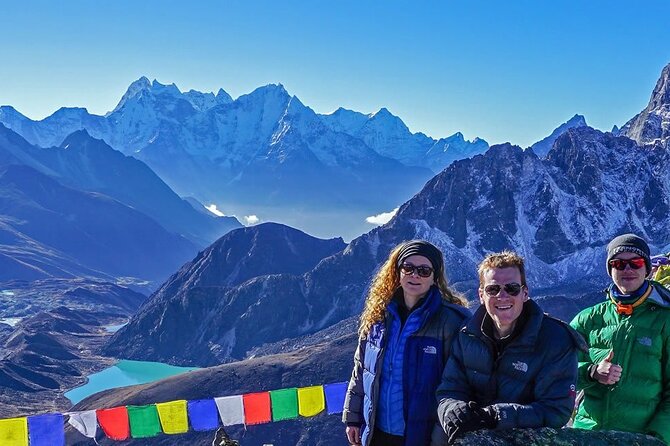
- Gorakshep to Lukla by helicopter: You return by air from the highest point of the trek instead of walking back through the Khumbu Valley.
- Kala Patthar sunrise: This early hike is the best chance in the program for a broad view of Everest and the surrounding peaks.
- Sherpa culture on foot: Tengboche monastery, Namche Bazaar, and the villages along the Dudh Koshi River give the trek a human side.
- A licensed local guide: Guide Ram receives repeated praise for patience, flexibility, and careful attention to group members. Rupak, Dambar, Pemba, Dambar, and Naren are also named in past trip feedback.
- Small maximum group: The maximum group size is 15, a useful limit on narrow trails and in small mountain lodges.
- A tight ten-day schedule: You get the main Everest route quickly, but there is less room for weather delays, illness, or a slow acclimatization pace.
Kathmandu begins the trip with useful breathing room
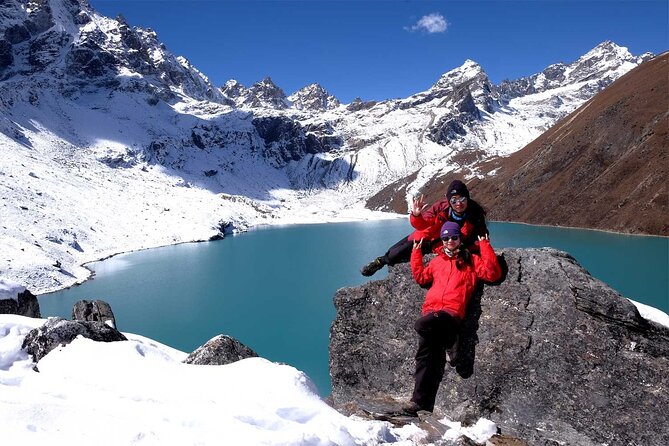
Your meeting point is Tribhuvan International Airport in Kathmandu, with a stated start time of 9:00 am. A private vehicle transfer takes you to a three-star hotel, where breakfast is included.
That first Kathmandu stay matters more than it may seem. You can sort your bags, check your trekking gear, and meet the guide before heading toward the mountains. The program also ends in Kathmandu with a farewell dinner, Nepali cuisine, and a traditional cultural show. That gives the trip a clear beginning and ending rather than treating the trek as a stand-alone hike.
Kathmandu accommodation is not luxury in the grand sense. A three-star hotel is a practical base, not a reason to book this trip by itself. Lunch and dinner in Kathmandu are not included, so allow extra money for city meals and drinks.
More Everest Base Camp Treks in Kathmandu:
- Everest Base Camp Trek – 14 Days
★ 5.0 · 1,499 reviews - Everest Base Camp Trek
★ 5.0 · 842 reviews - Everest Base Camp Trekking
★ 5.0 · 485 reviews
The flight to Lukla is part of the adventure
The trek begins with a domestic flight from Kathmandu or Manthali to Lukla. The package includes domestic flights, but the exact airport used may depend on operating conditions and current flight arrangements.
Lukla is the gateway to the Everest region, and the flight is a memorable part of the experience. It also introduces the first major planning risk. Mountain weather can delay departures, and the package specifically requires good weather for the helicopter segment. You should keep your schedule flexible and avoid booking an international flight immediately after the planned return without a safety margin.
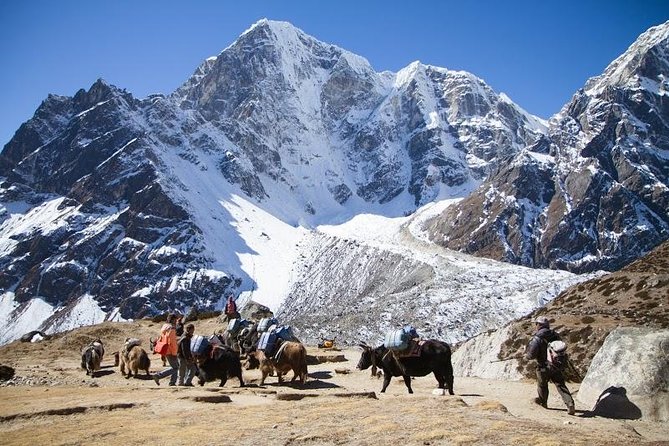
Once in Lukla, the walking begins. You follow the Dudh Koshi River through a mix of forest and mountain settlements. Early sections feel more sheltered and green than the high country ahead, which makes the gradual change in altitude easy to notice.
Namche Bazaar gives the trek its first big character
Namche Bazaar is one of the most important stops on the route. It is a Sherpa trading center set in a dramatic mountain bowl, and it is also where the trek begins to feel properly high-altitude.
The village offers a welcome change from the quiet trail. You may find small shops, tea houses, and places to pause over a hot drink, although the package does not include meals during the trek. Prices rise as supplies have to travel farther into the mountains, so budgeting for food, drinks, and snacks is wise.
Namche is also used for acclimatization on many Everest routes. The supplied schedule highlights acclimatization in Dingboche, but the overall ten-day plan is compact, so you should ask the operator exactly how much time is allocated at each altitude. A strong guide will watch your pace and condition rather than treating the printed schedule as more important than your health.
This is one area where Ram’s reputation is encouraging. Past groups describe him as calm, patient, flexible, and attentive to different fitness levels. That matters far more than a polished speech at the start of the trip. At altitude, a guide who notices when you need to slow down can make the day safer and more enjoyable.
Tengboche adds culture to the mountain route
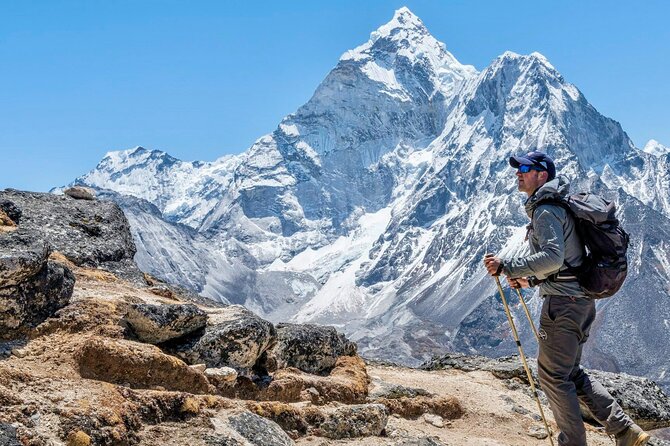
Tengboche is known for its monastery and its open mountain setting. The stop gives the route a cultural center, not just another overnight lodge.
The monastery helps you understand that the Khumbu is a lived-in Sherpa region, not merely a corridor to Everest. Prayer flags, Buddhist practice, and village life sit alongside trekking lodges and supply trails. A guide can add meaning here by explaining local customs and the role of the monastery.
The scenery also changes as you move higher. Forest sections give way to more exposed ground, and the scale of the mountains becomes harder to ignore. You should enjoy these views, but keep your pace steady. Stopping often for photographs is sensible, especially when the air is thin and the trail rises.
A few more treks around Kathmandu worth a look
- Everest Base Camp Trek with Helicopter Return from Gorakshep to Lukla
★ 5.0 · 161 reviews - Everest Base Camp Trek with Helicopter Return -11 Days
★ 5.0 · 12 reviews - Helicopter Return Everest Base Camp Trek, KTM-LUKLA & Gorakshep-KTM by Heli
★ 5.0 · 9 reviews - Everest Base Camp Trek with Helicopter Return – 10 Days
★ 5.0 · 9 reviews
Dingboche is where altitude becomes serious
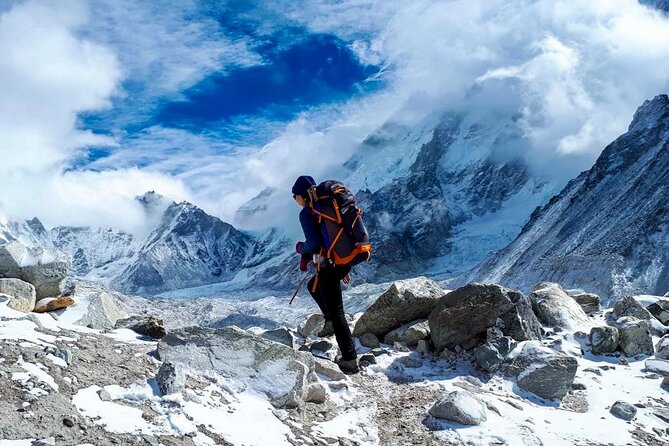
Dingboche is the stated acclimatization stop before the higher section of the trek. This is an important pause, not dead time. Your body needs time to adjust as you climb, and pushing through this part too quickly can spoil the days ahead.
You will spend time in standard guesthouses rather than upscale mountain hotels. Expect a simple base with a bed, shared facilities in many cases, and communal areas that may feel quite different from the Kathmandu hotel. The attraction is location and access to the trail, not comfort in the usual city sense.
The company supplies a sleeping bag, duffel bag, T-shirt, and map. That reduces the amount of gear you need to buy or carry, but you still need appropriate clothing, sturdy footwear, sun protection, and personal medication. A duffel bag also makes more sense when a porter is carrying luggage. Since porter service is optional, ask how your bags will be handled if you choose not to hire one.
Everest Base Camp is the goal, but not the only highlight
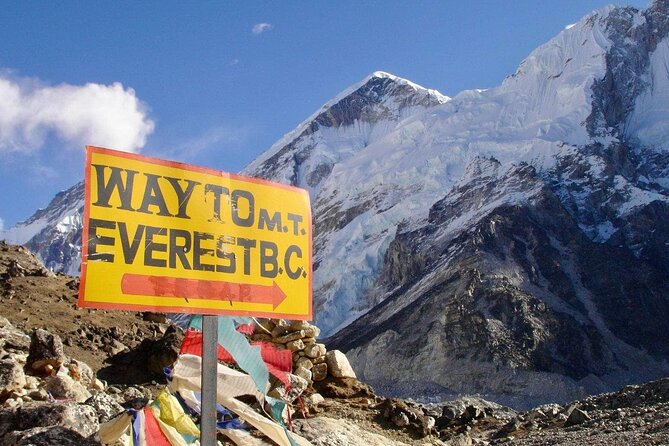
The approach to Everest Base Camp takes you through increasingly high and exposed country. The route is demanding because of altitude as much as distance. Even a fit person may find the pace slower than expected.
Reaching Base Camp is an emotional moment, but expectations need a little adjustment. The site is tied to the Everest climbing season and may look different at different times of year. It is not a quiet viewpoint with a perfect single-angle view of the summit. The achievement comes from walking there, seeing the glacier surroundings, and understanding the scale of the route climbers use.
I would treat Base Camp as one part of the story, not the final photograph that makes every hard day worthwhile. The villages, monastery, river valleys, and gradual change in the mountains give the trek its full character.
Kala Patthar brings the best mountain view
The hike to Kala Patthar is one of the strongest parts of the program. The schedule highlights a sunrise from this high viewpoint, where you can look toward Everest and the surrounding Himalayan peaks.
The early start can be cold and tiring, especially after the long approach to Base Camp. Still, this is the moment to protect your energy for. Bring warm layers, keep your camera accessible, and follow the guide’s pacing advice. The sunrise light can reveal the mountain faces in a way that daytime views do not.
The phrase unparalleled would be too easy here, and mountain weather always has the final word. Clouds or wind can limit the view. Even so, Kala Patthar is the place where the route’s effort and scenery come together most clearly.
The helicopter return changes the whole feel of the route
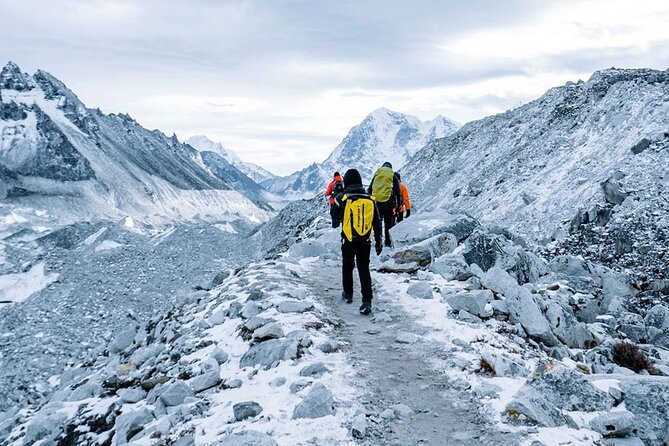
After the high point of the trek, the helicopter takes you from Gorakshep to Lukla. This is not just a faster version of walking back. It changes your view of the route, showing the valleys, ridges, and villages from above.
The flight is also the package’s main luxury feature. A traditional Everest Base Camp trek usually requires several days of walking back to Lukla. Here, you avoid repeating that section, which gives you more time in Kathmandu and reduces the total duration.
There are tradeoffs. Helicopter operations depend on weather, visibility, aircraft availability, and local flight rules. The itinerary lists a helicopter from Gorakshep to Lukla, followed by round-trip domestic flights between Kathmandu or Manthali and Lukla. Ask the company how the helicopter and return flight connect on your dates. You should also confirm what happens if the helicopter cannot operate as planned.
Do not view the flight as a guaranteed sightseeing ride. Mountain aviation is practical first. If conditions are poor, the flight may be delayed, changed, or canceled. The stated policy offers a different date or a full refund if the experience is canceled because of bad weather, but you should still protect your wider Nepal schedule with spare time.
The guide can make the compact schedule work
A ten-day Everest Base Camp program leaves little room for wasted effort. Your guide’s decisions about pace, rest, food stops, and changes to the plan matter.
Ram is the name most strongly connected with the positive feedback provided for this company. He is praised for patience, quick communication before arrival, flexibility, and attention to each person’s condition. That is especially useful for mixed groups, where one person may be ready to continue while another needs a slower pace.
Rupak is also praised for strong English, practical organization, and keeping group spirits up. Dambar, Naren, and Pemba are named for helping with logistics and support on other Nepal treks. The important point for you is to confirm who will lead your specific departure. Do not assume that a particular guide is guaranteed just because a name appears in past feedback.
The maximum group size is 15. That is not a private trek, but it is more manageable than a large commercial group. If you want a slower pace or more control over daily stops, ask about a private departure before paying.
What the $799 price really covers
The price is attractive for a package that includes:
- Private airport transfers
- Kathmandu hotel and breakfast
- Sagarmatha National Park, TIMS, and Pasang Lhamu permits
- Domestic flights to and from Lukla
- Helicopter transport from Gorakshep to Lukla
- Standard guesthouse lodging
- A licensed English-speaking guide
- Duffel bag, sleeping bag, T-shirt, and map
- First-aid kit
- Government fees and official expenses
- Kathmandu farewell dinner and cultural show
That is a useful bundle. Arranging the permits, local transport, mountain lodging, and flights yourself would take time, and the high-altitude helicopter is the hardest item to organize independently.
The headline price is not the final trip cost. You pay separately for lunch and dinner in Kathmandu, all meals during the trek, optional porter service, insurance, snacks, beverages, laundry, and tips. International flights and the Nepal visa are also excluded.
A porter is optional, with one porter for two trekkers recommended. If you are not used to carrying a full pack at altitude, this option can make a serious difference. Budget for it before you decide that the low package price is the whole cost.
Who should book this Everest trek
I would recommend this trip to someone who wants the classic Everest Base Camp route but does not want to walk back through the same valley. It suits a fit person who values local guiding and organized transport more than private rooms or fine dining.
It may also suit a small group of friends. Several past groups included people of different ages and fitness levels, and the guides were praised for adapting the pace and keeping morale high. Still, you need moderate physical fitness, and you should be honest about your experience with long uphill walks.
This is not a good choice if you need a fixed, tightly timed holiday with no room for weather changes. It is also not ideal if you expect hotel-style comfort throughout. The guesthouses are practical, the high-altitude days are hard, and the helicopter depends on conditions outside anyone’s control.
Book at least with a serious check of insurance. Your policy must cover medical treatment and high-altitude evacuation. A standard travel policy may not be enough, so read the altitude limits before you leave home.
Should you book the 10-day helicopter-return trek?
I would book it if the combination of classic Everest walking and a fast aerial return is exactly what you want. The package covers many of the awkward details, keeps the group size to 15, and finishes with a pleasant Kathmandu cultural evening.
I would not book it simply because the price looks cheap or because the helicopter sounds glamorous. Confirm the exact flight plan, guide assignment, porter cost, meal budget, acclimatization schedule, and backup arrangements for weather. If those answers are clear, $799 can be strong value for a demanding but memorable Everest experience.
FAQ
How long is the Everest Base Camp trek?
The experience lasts approximately 10 days, including Kathmandu time, the trek, the helicopter return from Gorakshep to Lukla, and the farewell dinner.
Where does the experience begin?
It begins at Tribhuvan International Airport in Kathmandu, Nepal. The stated start time is 9:00 am.
What accommodation is included?
You receive accommodation at a three-star hotel in Kathmandu with breakfast. During the trek, you stay in standard guesthouses.
Are meals included?
Breakfast is included at the Kathmandu hotel. Lunch and dinner in Kathmandu, along with all meals during the trek, are not included.
Is a porter included?
No. Porter service is optional, and one porter for two trekkers is recommended.
What flights are included?
The package includes domestic flights between Kathmandu or Manthali and Lukla, plus a helicopter ride from Gorakshep to Lukla.
What happens if bad weather cancels the experience?
If poor weather causes the experience to be canceled, you are offered a different date or a full refund. You can also cancel for a full refund if you do so at least 24 hours before the start time.
Recently added around Kathmandu
- Ghorepani Poon Hill Trek★ 5.0 · 16 reviews
- Private Manaslu Circuit Trek at Himalayas★ 5.0 · 3 reviews
- Amazing 1 Day Trekking Experience in Kathmandu Nepal★ 5.0 · 24 reviews
- Ghorepani Poonhill Trek★ 5.0 · 5 reviews
- Upper Mustang Trekking★ 5.0 · 2 reviews
- Upper Mustang Trekking★ 3.0 · 2 reviews
- Upper Mustang Trekking★ 5.0 · 4 reviews
- Upper Mustang Trek★ 5.0 · 5 reviews
Everest Base Camp Treks, compared.






Browse the lists this tour appears in