
REVIEW · KATHMANDU
Everest Base Camp Trekking – 13 Day
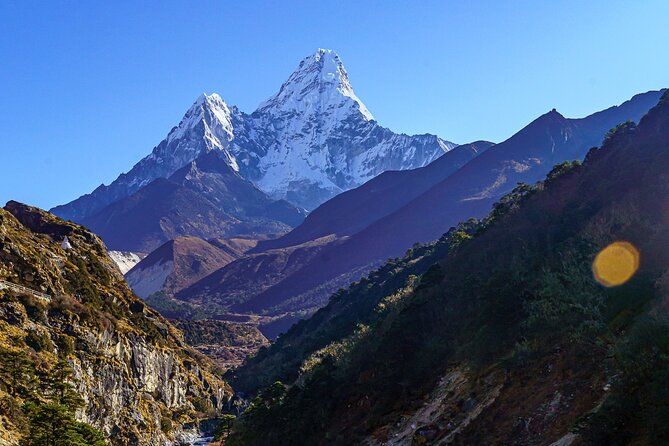
The mountains start before the trail. This 13-day Everest Base Camp trek appeals to me because Kathmandu to Lukla flights, lodges, meals, permits, and guides are arranged for you, and because the route includes two acclimatization days in Namche Bazaar and Dingboche. I also like the private-trip format, which gives your group more room to adjust the pace. The main concern is altitude: this is a demanding trek, and the short schedule leaves little spare time if weather or illness causes delays.
The price is $1,399 per person, with some discounts for groups, families, and honeymooners. That is a useful package price for a high-altitude trip that includes domestic flights, accommodation on the trail, meals, a guide, park fees, and the TIMS card. Still, you will need to budget for insurance, Kathmandu meals, drinks, gear, Nepal visa fees, and personal expenses.
Key points to know before booking
- Lukla flights are included: The round-trip flights between Kathmandu and Lukla save you from arranging one of the trek’s most important transport links.
- Two acclimatization days matter: You spend rest days in Namche Bazaar and Dingboche, with short hikes to help your body adjust.
- The trek reaches both Base Camp and Kala Patthar: Base Camp is the main goal, while Kala Patthar provides the sunrise viewpoint.
- Guides receive strong praise for care and timing: Guides including Milan, Dibash, Achyut Mishra, Ratna, and Achyute are singled out for clear briefings, steady pacing, and practical help.
- Trail accommodation is basic but convenient: You sleep in trailside lodges, with meals included during the trekking portion.
- Weather can affect the schedule: The Lukla flights operate in mountain weather, and the return flight is planned early because conditions may change during the day.
What the $1,399 price really covers
At $1,399, this is not a bare-bones walking package. The price includes airport pickup in Kathmandu, a hotel stay at the beginning and end of the trip, Kathmandu to Lukla and Lukla to Kathmandu flights, airport departure tax, a trekking guide, trailside accommodation, and meals on the route.
Government and local taxes are included, as are the Sagarmatha National Park entrance fee and the Trekkers’ Information Management System card. Those details matter because permits and flight arrangements can become a nuisance when handled separately.
The meal allowance lists 12 breakfasts, 11 lunches, and 12 dinners. Meals in Kathmandu are not included, and drinks are generally extra. Alcohol, bar bills, phone calls, battery charging, and other personal costs also come from your pocket.
You should also buy travel and health insurance that covers trekking at altitude. Helicopter evacuation insurance is not included. This is one area where saving money would be a poor choice.
The operator provides one complimentary Trekking Planner duffel bag, which must be returned after the trip. You carry a day pack of about 25 to 40 liters, while the larger bag is used for your trekking equipment. A single supplement of $150 may apply if you want a solo departure rather than joining an existing group.
More Everest Base Camp Treks in Kathmandu:
- Everest Base Camp Trek – 14 Days
★ 5.0 · 1,499 reviews - Everest Base Camp Trek
★ 5.0 · 842 reviews - Everest Base Camp Trekking
★ 5.0 · 485 reviews
Day 1: Kathmandu arrival and a practical start
Your first day begins at Tribhuvan International Airport. A representative meets you after customs and takes you to your hotel.
This is more than a simple airport transfer. Kathmandu can feel confusing after a long international flight, so having someone meet you removes an early bit of stress. Use the day to check your documents, organize your equipment, and ask your guide about the next morning.
The schedule requires an early start for Lukla. Your trekking shoes, warm layers, water bottles, camera batteries, and day pack should be ready before you go to bed. Do not leave packing until breakfast.
Day 2: The Lukla flight and the first trail miles
You fly from Kathmandu to Lukla, the gateway to the Everest region. The flight is included, but mountain weather can affect timing, so keep your schedule flexible.
Once in Lukla, you begin walking with your guide. The first day on foot gives you a gradual introduction to the trail and the pace you will follow for the next two weeks. It is tempting to walk quickly at low altitude, but a steady rhythm now is good practice for the harder sections ahead.
The guide is an important part of this package. Feedback about the trip repeatedly praises guides for explaining the next day’s route, estimating walking times according to individual ability, and keeping the group on schedule. Milan, in particular, is praised for clear daily briefings and for planning sunset outings carefully.
Day 3: Along the Dudh Koshi to Namche Bazaar
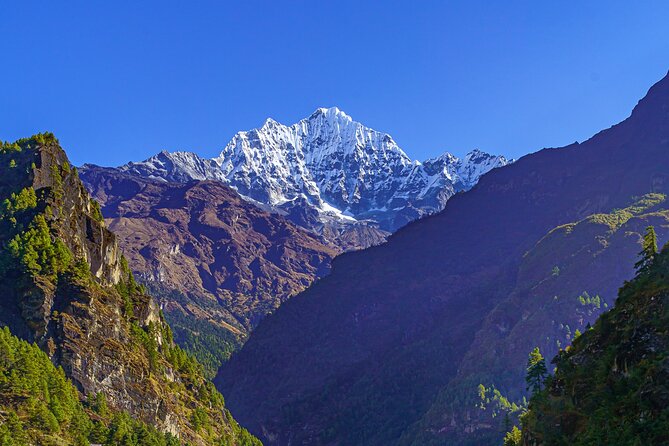
The route follows the Dudh Koshi River toward Namche Bazaar. You cross suspension bridges and pass through forest, with the first views of Kongde Ri Peak appearing along the way.
Namche is the main trading center of the Khumbu region. It is lively, practical, and well placed for a night at altitude. The approach includes a steep section, so the day can feel tougher than the distance alone suggests.
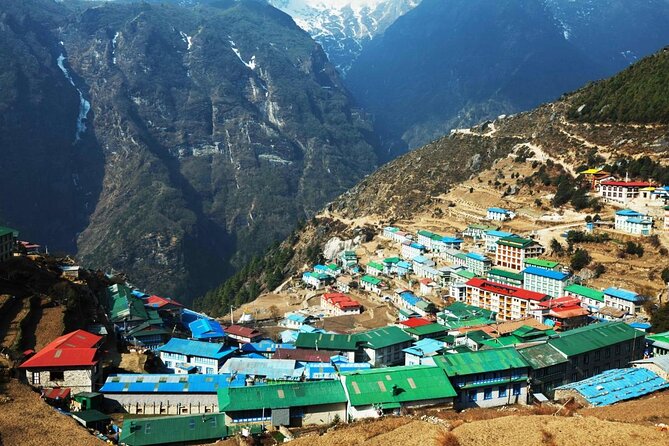
This is also where the trek begins to feel properly Himalayan. The river, bridges, mountain views, and growing altitude provide a clear change from the lower valley. You should arrive ready to rest rather than race around town.
A few more treks around Kathmandu worth a look
- Annapurna Circuit Trek with Tilicho Lake
★ 5.0 · 368 reviews - Everest Base Camp Trek
★ 5.0 · 350 reviews - Everest Base Camp Trek -14 Days
★ 5.0 · 321 reviews - Manaslu Circuit Trek
★ 5.0 · 292 reviews
Day 4: Acclimatization in Namche Bazaar
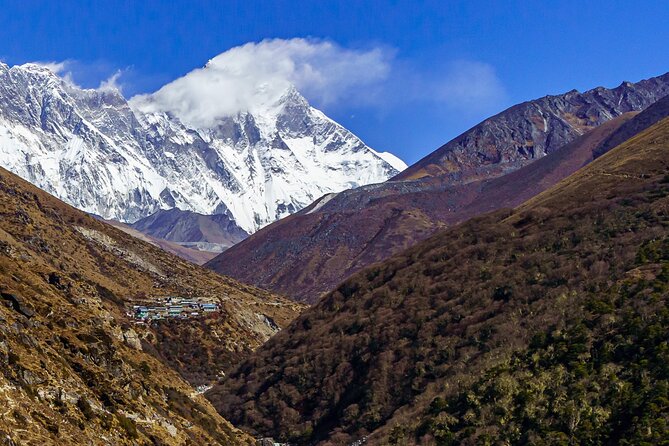
Day 4 is set aside for acclimatization. That does not mean doing nothing. Short hikes to higher ground help your body adjust, followed by a return to Namche for rest.
Namche offers shops, local activity, and a Saturday market when the schedule lines up. You may find it useful for checking supplies, charging a device, or picking up small items before the trail becomes more remote. Battery charging and drinks are personal expenses, so carry some Nepalese rupees.
This rest day is one of the strongest parts of the schedule. The trek climbs steadily, and removing acclimatization stops would make the itinerary far less sensible. If you feel well, do not turn the day into a long adventure. The goal is to sleep, eat, hydrate, and prepare for higher ground.
Day 5: Forest trails, Sanasa, and Tengboche
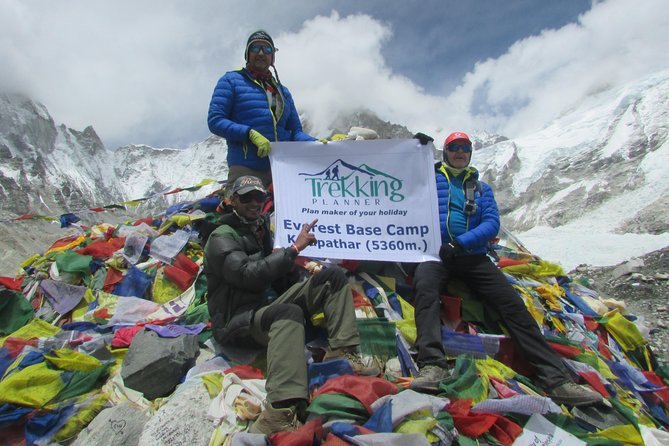
You leave Namche with a short but steep climb, then follow a more level trail toward Kenjoma and Sanasa through forest. The route continues to Tengboche, known for its monastery and broad mountain views.
Tengboche gives the trip a cultural focus as well as a scenic one. The monastery is one of the important stops on the route, and the village is especially memorable around sunset and sunrise.
The day combines a hard opening climb with more manageable sections. I would keep your water accessible and avoid spending all your energy early. At this point, the route is still beautiful, but the elevation is becoming a serious factor.
Day 6: From Tengboche to Dingboche
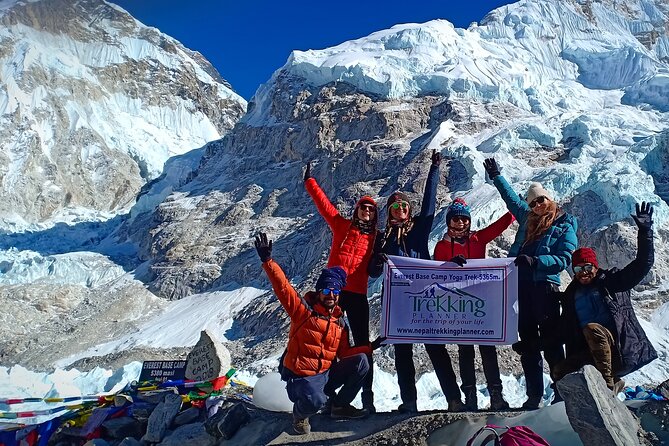
The trail descends through forest toward Deboche, where the views open toward the mountains. From there, you continue toward Dingboche, a settlement used by trekkers as they move into higher country.
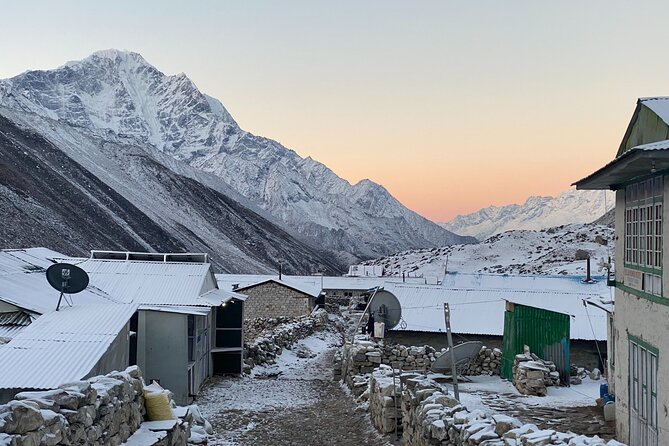
Dingboche is an important staging point before the final approach to Everest Base Camp. The air is thinner, the days feel more physical, and rest becomes part of the work.
The route description includes both descent and ascent, so do not assume this is an easy day simply because part of it goes downhill. Your guide can help set a pace that protects your energy for the next two days.
Day 7: A second acclimatization day in Dingboche
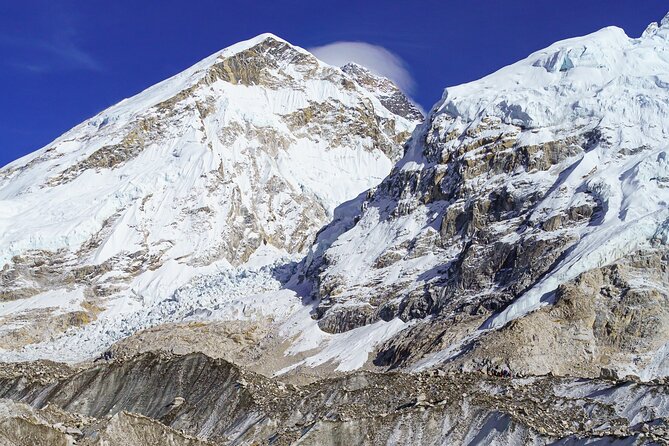
The second rest day is used for short hikes to higher elevations, followed by a return to Dingboche. This gives you another chance to test how your body is handling the altitude before the route climbs farther.
Pay attention to headaches, unusual tiredness, nausea, or other signs of acute mountain sickness. The schedule specifically warns you to take altitude seriously. Tell your guide how you feel instead of trying to prove toughness.
This day also provides a useful mental pause. The Base Camp push is close, but patience is still the best strategy. A slow acclimatization day can be more valuable than squeezing in extra distance.
Day 8: Dingboche to Lobuche
From Dingboche, the trail rises gradually through grazing areas, past chortens and Mani walls, with mountain views ahead. You continue toward Lobuche, where the altitude makes every uphill section more noticeable.
The chortens and Mani walls add a strong local character to the route. These are not just scenic objects to photograph. They show how Buddhist practice is woven into daily life in the Khumbu, and they give the walk a sense of place beyond the mountain views.
This is a day to walk slowly and eat properly. The next morning begins early, and you will want your clothing, headlamp, water, and camera ready before sleeping.
Day 9: The main goal, Everest Base Camp
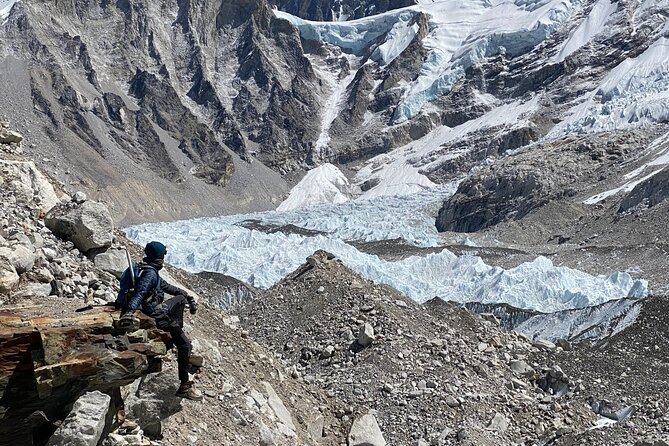
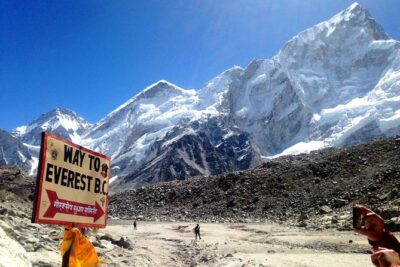
From Lobuche, you begin early for Everest Base Camp. The route reaches the destination that gives the trek its name, but the day is not a simple victory lap. The altitude is severe, the trail can be tiring, and you need to move carefully.
Reaching Base Camp is the emotional high point for most people on this route. You are close to the starting area for expeditions on Everest, surrounded by the high Himalayan setting that has drawn climbers and walkers for generations.
The practical detail is important: Base Camp is not the best sunrise viewpoint. You are there for the achievement, the setting, and the sense of reaching the end of the upward route. Keep your expectations grounded, and let the scale of the surroundings do the work.
Day 10: Kala Patthar at sunrise and the return downhill
You begin before dawn for Kala Patthar. The early start is worthwhile because this is the trip’s key panoramic viewpoint, with sunrise lighting the peaks around Everest.
After the viewpoint, you return to lower elevations. This day can be physically demanding because the early start comes after the Base Camp push, but descending gives your body some relief from the altitude.
The timing matters here. One guide is praised for accurately predicting sunrise and sunset times, which helps groups reach viewpoints at the right moment instead of walking in the dark without purpose. Keep your warm fleece or puffy jacket, gloves, and wool cap close at hand for the predawn start.
Day 11: Periche to Namche Bazaar
The return continues from Periche to Namche Bazaar, mostly downhill and again near the Dudh Koshi River. Downhill walking may sound easy, but tired legs and uneven trails can make it surprisingly demanding.
The reward is the lower altitude and the return to Namche’s shops and services. You may feel more energetic here, but it is still wise to protect your knees and avoid rushing.
Your guide and porter support can make a large difference on the return. Dibash is praised for handling logistics well, while Ganesh is praised for carrying luggage ahead so it arrived before the group. That arrangement lets you walk with a lighter day pack.
Day 12: The final trekking day to Lukla
You descend steeply out of Namche toward the river and continue through the lower valley. This is the last full walking day, and it closes the loop on the route.
The end can feel mixed. You are tired, but you have also grown used to the daily rhythm of walking, eating, resting, and preparing for the next morning. Take time to notice the trail rather than treating this final section as a chore.
Your trekking bag should be ready for the flight back. Keep important documents and valuables with you, and remember that the provided duffel bag must be returned after the trip.
Day 13: Returning to Kathmandu
You fly from Lukla back to Kathmandu, with the flight planned early because weather can disrupt service later in the day. Once back in the capital, you return to the more familiar comforts of city accommodation and restaurants.
The flight is included, but it is not something to treat as guaranteed to the exact minute. Mountain conditions can change. If you have an important international departure soon after this trek, give yourself breathing room rather than planning a tight connection.
Lodges, food, equipment, and comfort
You stay in trailside lodges rather than full-service hotels. That is the right style for this route because the lodges place you near the trail and keep the daily plan simple. Comfort will be practical, not luxurious.
All meals during the trekking portion are included, which makes budgeting easier. You should still bring money for drinks, charging, phone use, and bar purchases. Tell the operator about dietary requirements when you book.
The packing list is serious. Bring trekking shoes, sports shoes or sandals, a sun hat, a warm wool cap, fleece or a puffy jacket, waterproof Gore-Tex clothing, a pullover, rainwear, gloves, several pairs of socks, trekking trousers, trekking shirts, non-cotton underwear, two one-liter water bottles, a torch, toiletries, toilet paper, and a small towel.
The operator suggests a 25 to 40 liter day pack. Pack light, but do not cut the warm layers. Weather can be severe even when the lower valley feels pleasant.
Guides, private groups, and who should book
This is a private tour, so only your group participates. That gives you more control than a large fixed group, especially if you need a slower walking pace or want to discuss changes with the guide.
The strongest part of the guide service is practical care. Achyute is praised for staying calm, offering solutions, and supporting the group during difficult moments. Achyut Mishra is praised for attentiveness and helpful advice, while Ratna is praised for adding local information to the walking days.
The trek suits adults with moderate physical fitness who are ready for long days, steep sections, cold conditions, and high altitude. It is not a casual sightseeing holiday. Families and honeymooners can book, and group discounts may be available, but every person still needs to be ready for the physical demands.
Is this Everest Base Camp trek worth booking?
I would recommend it if you want the major Everest Base Camp route without spending weeks arranging flights, permits, lodges, meals, and guides. The two acclimatization days, included Lukla flights, private format, and strong guide support make the $1,399 price reasonable.
I would hesitate if you need a highly flexible schedule, dislike basic lodge accommodation, or cannot allow for weather changes. You should also confirm the single supplement, group arrangements, insurance requirements, and what happens if a flight is delayed before paying.
For a prepared walker who wants a structured route with the difficult logistics handled, this is a sensible way to reach Everest Base Camp and Kala Patthar in 13 days.
FAQ
Are flights between Kathmandu and Lukla included?
Yes. The package includes the Kathmandu to Lukla and Lukla to Kathmandu flights, along with airport departure tax.
Are meals included during the trek?
Yes. The package lists 12 breakfasts, 11 lunches, and 12 dinners. Meals in Kathmandu are not included, and food or drinks not specifically covered must be paid for separately.
Is accommodation included?
Yes. Nightly accommodation in trailside lodges is included, along with hotel accommodation arranged in Kathmandu.
Do I need travel insurance?
Yes. Personal travel and health insurance are not included. Helicopter evacuation insurance is also not included, so you should arrange suitable coverage before departure.
What physical fitness level is required?
The experience requires a moderate physical fitness level. You should be prepared for steep climbs, long trekking days, cold weather, and high altitude, including the risk of acute mountain sickness.
Can I book this as a private trek?
Yes. This is a private activity, so only your group participates. The itinerary may be personalized through a private package, although a $150 single surcharge can apply if you choose a solo departure instead of joining an existing group.
Recently added around Kathmandu
- Ghorepani Poon Hill Trek★ 5.0 · 16 reviews
- Amazing 1 Day Trekking Experience in Kathmandu Nepal★ 5.0 · 24 reviews
- Private Manaslu Circuit Trek at Himalayas★ 5.0 · 3 reviews
- Ghorepani Poonhill Trek★ 5.0 · 5 reviews
- Upper Mustang Trekking★ 5.0 · 2 reviews
- Upper Mustang Trekking★ 3.0 · 2 reviews
- Upper Mustang Trekking★ 5.0 · 4 reviews
- Upper Mustang Trek★ 5.0 · 5 reviews
Everest Base Camp Treks, compared.
Browse the lists this tour appears in