REVIEW · KATHMANDU
Upper Mustang Trek
Mustang feels wonderfully far away. This 16-day private trek takes you from Kathmandu to Jomsom, then on foot through Kagbeni, Muktinath, and Upper Mustang, with daily walks of about four to six hours. I like the clear cultural purpose of the trip: you are not simply chasing mountain views, you are visiting old monasteries and traditional towns shaped by Tibetan culture.
I also like that all three daily meals are included during the trek, along with welcome and farewell dinners in Kathmandu. The main caution is the physical demand. Four to six hours of walking each day requires moderate fitness, and the high mountain setting can make a steady walking schedule feel harder than the mileage suggests.
Key points to know before booking
- Jomsom is your walking gateway: The trek begins in Jomsom and continues through Kagbeni toward Upper Mustang.
- Muktinath is part of the wider route: You see the Mustang region as well as this important cultural and pilgrimage stop.
- Tibetan culture shapes the trip: Old monasteries, local towns, and traditional customs are central to the experience.
- You walk four to six hours most days: The schedule suits people who are comfortable with regular daily trekking.
- Your group stays private: Only your own party participates, which gives the trip a more personal feel.
- Meals are covered, but drinks are not: Breakfast is provided throughout, with lunch and dinner during the trek, but bottled water, soda, and WiFi are excluded.
What makes Upper Mustang different from a standard Nepal trek
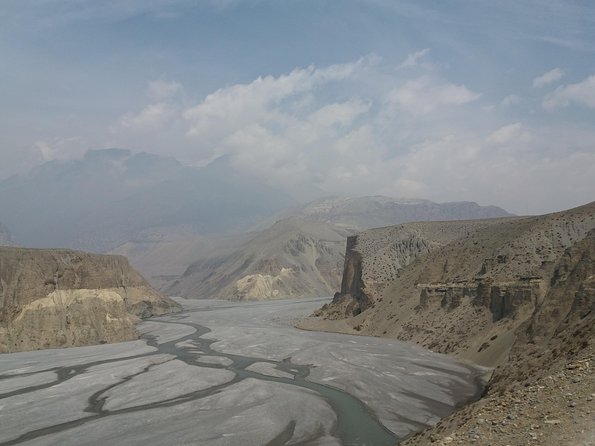
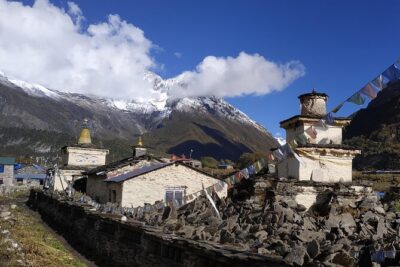
Upper Mustang is a special choice because the trip is built around place and culture, not only physical scenery. The route leads into a part of Nepal with a strong Tibetan influence, where old monasteries and local cultural towns are as important as the views around them.
You begin in Kathmandu, but the walking section starts in Jomsom. From there, you head via Kagbeni toward Upper Mustang. That change matters. Kathmandu gives you a lively urban beginning and the welcome dinner, while Jomsom moves you into the mountain portion of the journey.
I like this structure because it lets you adjust gradually from city travel to long walking days. At the same time, the trip description does not provide exact daily distances, elevation figures, or a full night-by-night schedule. You should ask for those details before paying, especially if you want to understand the toughest days.
The route also includes Muktinath, making this more than a simple out-and-back walk to Upper Mustang. You get a broader look at the region, with the chance to connect historic religious sites, local settlements, and the mountain route into Mustang.
A few more treks around Kathmandu worth a look
- Everest Base Camp Trek – 14 Days
★ 5.0 · 1,499 reviews - Everest Base Camp Trek
★ 5.0 · 842 reviews - Everest Base Camp Trekking
★ 5.0 · 485 reviews
Kathmandu begins and ends the 16-day journey
Kathmandu acts as the bookend to the trip. You receive a welcome dinner at the start and a farewell dinner at the end, giving the journey a clear beginning and finish.
The tour offers pickup, which is useful after a long international flight or when you are carrying trekking gear. A mobile ticket is also offered, so you do not need to depend on a printed voucher for the booking itself.
The Kathmandu portion is not described as a sightseeing program, so do not assume that city tours, monuments, or extra activities are included. The value here is practical: an organized arrival, a hosted meal, and a supported transition into the trekking itinerary.
I appreciate that the welcome and farewell dinners are included rather than left as optional extras. They give you time to meet the team, settle in, and close the trip without needing to arrange another meal after returning from the mountains.
Jomsom to Kagbeni: the walking route takes shape
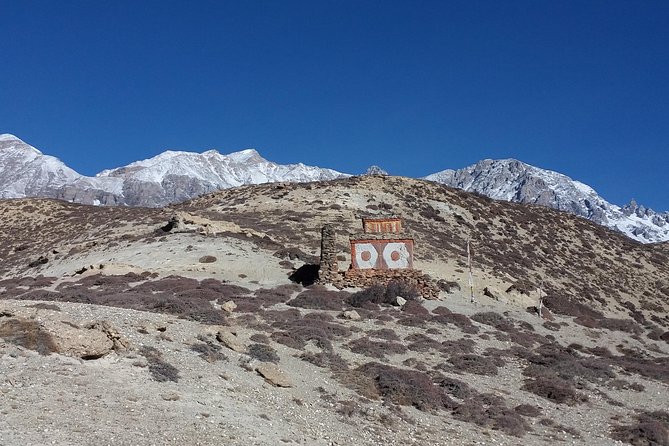
The trek officially gets moving in Jomsom. From here, you walk toward Kagbeni and onward to Upper Mustang, with most days lasting four to six hours.
That daily range is reasonable for someone with moderate fitness, but it should not be treated as an easy sightseeing stroll. You need to be comfortable walking for several hours on consecutive days. The route may feel demanding on days when weather, altitude, or the surface underfoot slows your pace, although the supplied details do not specify exact trail conditions.
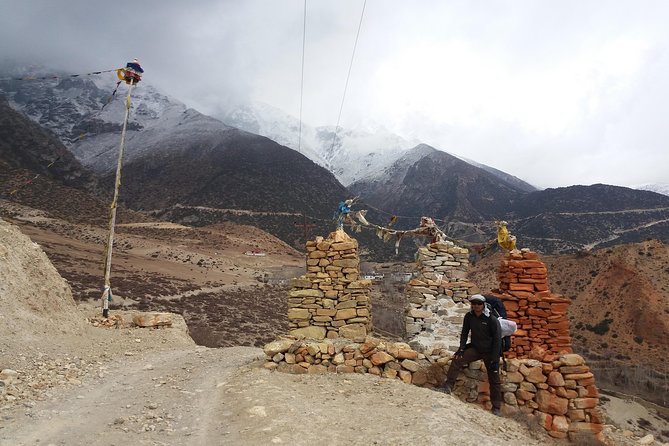
Kagbeni is an important early stop because it marks the transition into the Mustang region. It is described as part of the route rather than simply a passing point, so you have a chance to experience a local cultural town before progressing farther north.
This is where the trip begins to feel distinct from a generic Himalayan trek. Instead of measuring the day only by distance, you are moving through settlements with their own customs, religious buildings, and visual character. Take your time in the towns. A quick photograph does not tell you much about a place, while a slow walk through its lanes can make the cultural side of the trip far more rewarding.
Muktinath adds a major cultural stop
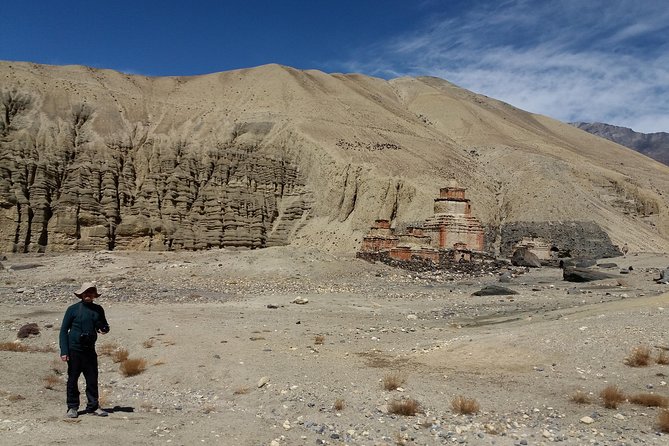
Muktinath is included in the wider Mustang experience, and that gives the itinerary extra depth. It is one of the best-known places in this part of Nepal, with significance for both Hindu and Buddhist traditions.
The information provided does not specify exactly which day you visit Muktinath or how long you stay. That is worth confirming before departure, especially if this is one of your main reasons for booking. A stop can mean anything from a short visit to a more deliberate exploration, and the schedule should make that clear.
I like having Muktinath included because it prevents the trek from feeling too narrowly focused on one destination. You are seeing several parts of Mustang rather than walking directly toward one final point and turning around.
The practical challenge is pacing. A trip that includes Jomsom, Kagbeni, Muktinath, and Upper Mustang over approximately 16 days has a lot to fit in. Ask how much time is allocated to walking, rest, cultural visits, and transfers. Those small details shape the experience more than the headline duration.
Same trailhead, a longer or shorter day out:
- Annapurna Circuit Trek with Tilicho Lake
★ 5.0 · 368 reviews - Everest Base Camp Trekking – 13 Day
★ 5.0 · 365 reviews - Everest Base Camp Trek
★ 5.0 · 350 reviews - Everest Base Camp Trek -14 Days
★ 5.0 · 321 reviews
Upper Mustang brings monasteries and local life
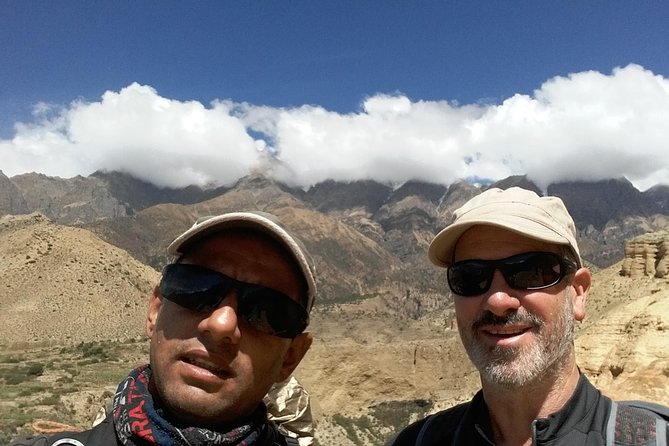
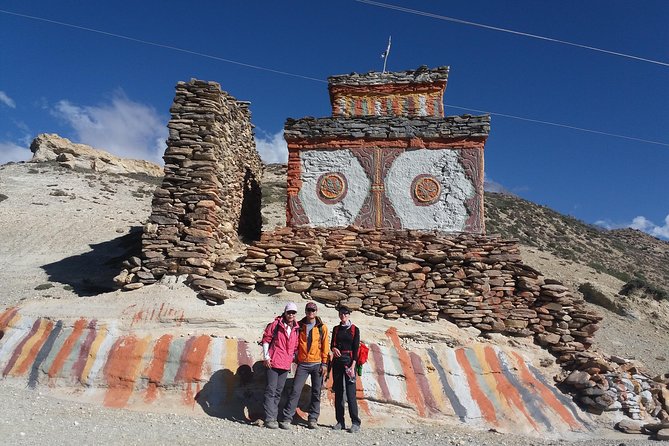
The main reward comes as you continue into Upper Mustang. The focus is on old monasteries and local cultural towns, with the chance to see the Tibetan influence that defines this area.
I would approach these visits with patience. Monasteries are not just photo stops, and local towns are not stage sets. You will get more from the experience if you allow time to look closely, listen to your guide, and respect the quiet rhythm of religious and community spaces.
The exact monasteries are not named in the available details, so you should request the planned list. That will help you judge whether the itinerary matches your interests. Some people want a strong cultural program, while others mainly want long mountain walks. This trip appears better suited to the first group, especially if old religious sites and local traditions are a major reason you are considering Mustang.
The phrase Tibetan culture should also be understood broadly here. It points to the character of the region, its monasteries, and its towns. It does not mean every activity is formally presented as a cultural demonstration. Much of the value comes from simply being present in the places along the route.
A private group can make the pace more personal
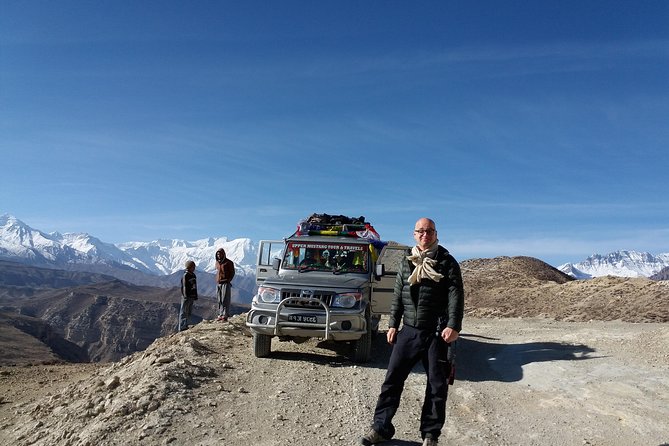
This is a private tour, so only your own group takes part. That is a meaningful advantage on a trek where daily walking time can vary from one person to another.
A private arrangement can make it easier to pause at a monastery, adjust the walking rhythm, or discuss concerns with the guide. It may also suit families, couples, or friends who prefer not to merge their plans with a larger departure.
The tradeoff is that private travel is often more expensive per person than a shared group. At $2,205.13 per person, the price needs to be judged against what is included, not just compared with the cheapest trekking option.
The strongest praise connected with this experience centers on the staff. Shaktiman is described as good-humored, energetic, and willing to go the extra mile. Sajana is praised for helping shape an itinerary around limited time, while Ram Adhikari is described as professional and strong on route planning and daily stages. Those details suggest a team that pays attention to service, not only logistics.
Still, names and good impressions should not replace practical questions. Ask who will guide your specific departure, how many support staff will accompany you, and how the private group schedule is handled if someone needs a slower day.
Is $2,205.13 good value?
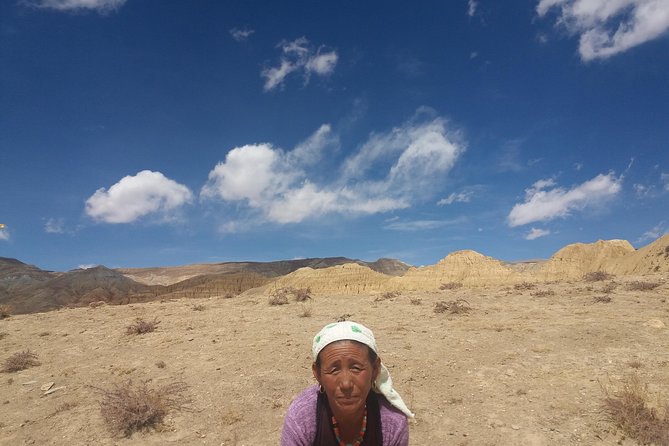
The price is not a bargain-style trekking rate, but it includes several useful elements. You receive breakfast every day during the trip, lunch during the trek, dinner during the trek, and welcome and farewell dinners in Kathmandu.
Food coverage matters on a route where finding meals independently can take time and energy. It also makes budgeting easier. You do not need to guess the cost of every trek-day lunch or dinner, although you should still allow money for drinks and personal purchases.
The package does not include bottled water, soda, or WiFi on board. Bottled water is especially important to note. You need to plan how you will handle hydration, since water costs are not covered by the quoted price.
The package details do not list accommodation, permits, porter support, transport beyond the stated pickup, guide fees, or insurance. Before booking, ask for a written list of these items. A higher price can be fair if major trekking costs are included, but you should not have to guess what the total trip budget will be.
The five-star feedback attached to the experience gives the price some support, particularly because the praise focuses on staff service and itinerary help. One person described the Mustang journey as a lifetime experience, while another praised the team for making the most of limited time without losing the fun of the trip. That points to value in planning and personal attention, not only meals.
Fitness, pace, and preparation
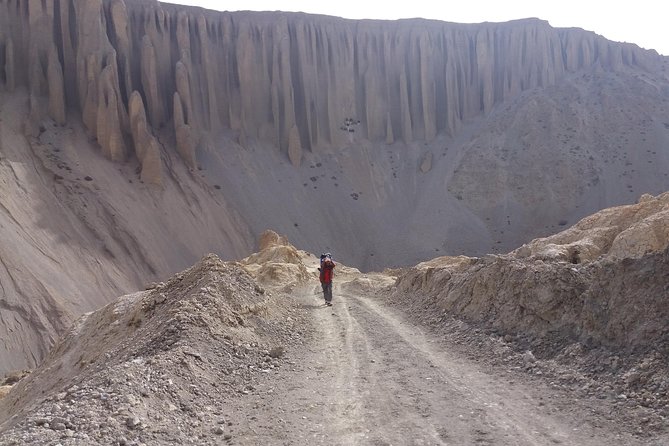
You should have a moderate physical fitness level for this trek. Four to six hours of walking per day is the clearest physical requirement supplied, and the approximate 16-day duration means you need enough stamina to repeat that effort.
You do not need to be an elite athlete based on the information given, but you should be honest about your walking habits. If several hours on foot already feels tiring at home, this may not be the right first trekking holiday without extra preparation.
Build up with regular walks before departure. Practice carrying the day bag you expect to use, even though the available details do not confirm porter arrangements. Ask the operator about the hardest walking days, rest days, and what happens if you cannot complete a planned stage.
Weather also matters. The experience requires good weather, and poor conditions may cause cancellation. In that case, you are offered a different date or a full refund. The standard cancellation rule is strict: if you cancel or request an amendment for another reason, the payment is not refunded.
That policy makes travel insurance worth considering, even though insurance is not listed as an inclusion. Read the terms carefully before paying, particularly if your flights or other bookings are expensive.
Who will enjoy this trek most?
I would recommend this experience to you if you want a private Himalayan trek with a strong cultural focus. It suits people who are curious about Tibetan-influenced communities, old monasteries, Muktinath, and the daily rhythm of walking between towns.
It is also a good match if you value personal service. The feedback gives repeated attention to helpful guides, friendly porters, careful stage planning, and a team willing to adapt an itinerary around limited time.
You may want another option if you prefer a relaxed holiday with short walks, guaranteed internet, or a fully itemized package with no extra spending on drinks. WiFi is not included, and bottled water is not included, so this is not designed as a resort-style trip.
The tour may also be less suitable if you need a fixed, highly detailed schedule before booking. The supplied plan gives the main route and walking times, but not every overnight stop, monastery, or transfer. Get those details first.
Final verdict: should you book Upper Mustang?
Book this trek if Upper Mustang culture is your main goal, you are comfortable walking four to six hours a day, and you value a private group with guide support. The combination of Jomsom, Kagbeni, Muktinath, monasteries, and local towns gives you a meaningful look at the whole Mustang region rather than one isolated stop.
At $2,205.13, I would book only after confirming what is included beyond meals and pickup. Ask about accommodation, permits, transport, porter services, water arrangements, the named guide for your departure, and the full day-by-day plan.
If those answers are clear, the price can be reasonable for a private 16-day journey with meals and experienced local support. If they are vague, pause before committing, because the strict non-refundable policy leaves little room for changing your mind.
FAQ
How long does the Upper Mustang Trek last?
The tour lasts approximately 16 days.
Where does the walking portion begin?
The walking portion begins in Jomsom.
Which route does the trek follow?
The route goes from Jomsom via Kagbeni toward Upper Mustang.
Is Muktinath included?
Yes. The experience includes the wider Mustang region, including Muktinath.
How many hours do you walk each day?
Daily walking generally lasts four to six hours, depending on the day.
What cultural sights are included?
The trek includes visits to old monasteries and local cultural towns, with a focus on Tibetan culture.
Is this a private tour?
Yes. Only your own group participates in the activity.
Are meals included?
Breakfast is included every day during the trip. Lunch and dinner are included during the trek, along with welcome and farewell dinners in Kathmandu.
Is the experience refundable if you cancel?
No. It is non-refundable and cannot be changed for personal reasons. If poor weather forces the operator to cancel the experience, you are offered a different date or a full refund.
Recently added around Kathmandu
- Ghorepani Poon Hill Trek★ 5.0 · 16 reviews
- Private Manaslu Circuit Trek at Himalayas★ 5.0 · 3 reviews
- Amazing 1 Day Trekking Experience in Kathmandu Nepal★ 5.0 · 24 reviews
- Ghorepani Poonhill Trek★ 5.0 · 5 reviews
- Upper Mustang Trekking★ 5.0 · 2 reviews
- Upper Mustang Trekking★ 3.0 · 2 reviews
- Upper Mustang Trekking★ 5.0 · 4 reviews
- Upper Mustang Trek 14 Days★ 5.0 · 3 reviews
Kathmandu Trekking Tours, compared.