
REVIEW · KATHMANDU
Everest Base Camp Trek with Helicopter Return – 10 Days
Everest rewards steady effort. This 10-day trek gives you the classic route from Lukla to Everest Base Camp, then replaces the long return walk with a helicopter flight to Kathmandu. I especially like the two acclimatization stops, at Namche Bazaar and Dingboche, and the fact that meals, lodges, permits, porters, gear, and transport are bundled into the price.
The main catch is the schedule. Ten days is a tight plan for a high-altitude trek, and the final push to Base Camp comes after several demanding walking days. Weather can also disrupt both the Lukla flight and the helicopter, so you need a little patience and flexibility.
Key points to know before booking
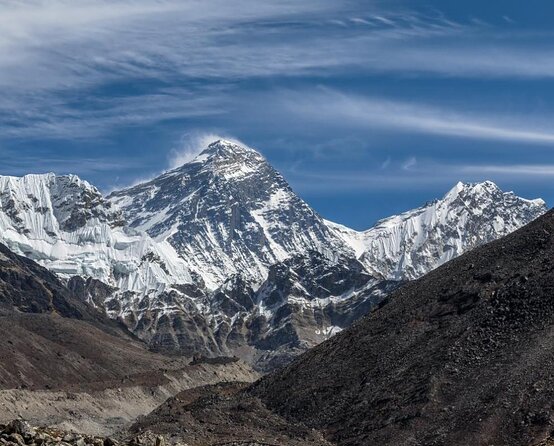
- The route reaches Everest Base Camp on foot: You hike through Lukla, Namche Bazaar, Tengboche, Dingboche, Lobuche, and Gorakshep before reaching the famous base camp.
- The helicopter saves the return journey: After the Kala Patthar viewpoint, you fly back toward Kathmandu by shared helicopter rather than retracing the trail to Lukla.
- Two acclimatization stages are built in: You spend an extra day around Namche Bazaar and pause at Dingboche, both important breaks before the highest section.
- The $3,400 price covers a lot: Flights, lodging, meals during the trek, guide, porters, permits, equipment, airport transfers, and Kathmandu hotel breakfast are included.
- The group can reach 15 people: This is still a small-group format, but it is not a private trek. Ask how the group is divided among guides and porters.
- You need moderate fitness and tolerance for basic lodges: Tea houses provide a useful place to sleep and eat, but this is a mountain trek, not a soft hotel holiday.
Why the helicopter return changes the trek
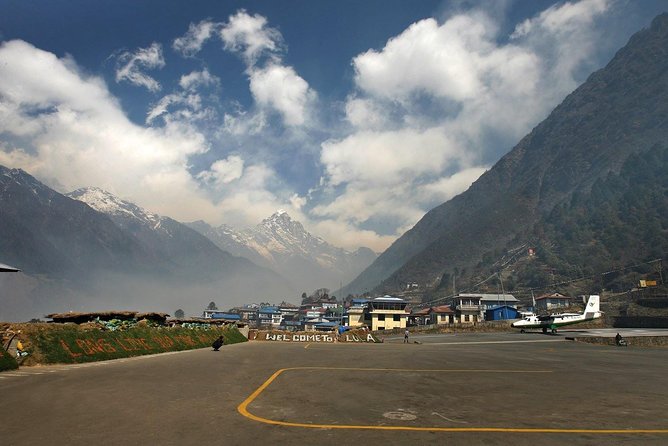
The helicopter is not just a flashy add-on. It changes the rhythm of the whole trip.
A standard Everest Base Camp trek needs several days to walk back from Gorakshep through the same villages and valleys. This version uses Day 9 for Kala Patthar and the flight back instead. That gives you more time in Kathmandu, reduces the total number of walking days, and avoids repeating the route from the high country.
I like this design for anyone with limited holiday time. The walk still includes the classic approach to Base Camp, but the return does not become a second trek. You also get an impressive aerial view of the Khumbu region, weather permitting.
There are two practical limits. First, the helicopter is shared, so you should not expect a private flight at your preferred minute. Second, mountain weather can stop aircraft from flying. The operator says a weather cancellation can lead to another date or a full refund, but you still need to allow some flexibility around your international departure.
The helicopter departure is described after the Kala Patthar hike, with the flight arranged from the upper Khumbu area, commonly associated with Gorakshep in the schedule. Confirm the exact pickup point and aircraft plan before departure, since conditions and air-traffic rules can affect the day.
More Everest Base Camp Treks in Kathmandu:
- Everest Base Camp Trek – 14 Days
★ 5.0 · 1,499 reviews - Everest Base Camp Trek
★ 5.0 · 842 reviews - Everest Base Camp Trekking
★ 5.0 · 485 reviews
Day 1: Kathmandu arrival and a useful pause
Your first day is simple. You are met at the airport and taken to your Kathmandu hotel, with the rest of the day free to rest or explore.
That open time matters. The next morning starts early, with a 6:15 am meeting time listed for the trip. Kathmandu can be tiring after an international flight, so I would use Day 1 for sleep, a light meal, and a final check of clothing and personal supplies rather than trying to pack in sightseeing.
Accommodation in Kathmandu includes breakfast. Lunch and dinner in the capital are not included, and neither are personal costs such as laundry, internet, phone calls, hot showers, battery charging, or drinks.
Day 2: The short flight to Lukla and the walk to Phakding
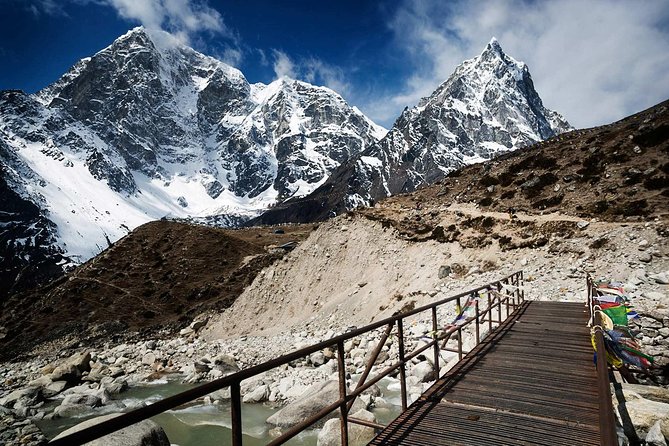
The mountain portion begins with a morning transfer to the domestic airport and a flight to Lukla. The flight itself is listed at about 30 minutes, but airport and weather delays can make the full morning much longer.
Lukla is the gateway to the Everest region. After meeting the trekking crew, you begin walking toward Phakding through green surroundings, with views toward Kusum Kanguru. This first walking day is relatively short compared with what comes later, which gives you a chance to settle into your boots and walking pace.
Sagarmatha National Park begins to frame the journey. The park is a UNESCO World Heritage Site and protects the high-country setting around Everest. You are not simply walking toward a famous mountain, you are entering a protected region shaped by Sherpa villages, Buddhist landmarks, rivers, bridges, and long-standing mountain routes.
Day 3: The long climb to Namche Bazaar
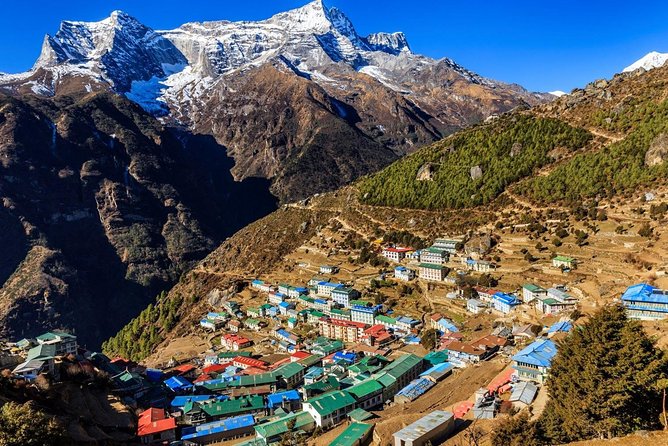
The walk from Phakding to Namche Bazaar is one of the first serious tests. The trail follows the Dudh Koshi River, passes through pine forest, and crosses the Hillary Suspension Bridge before climbing toward the park checkpoint and Namche.
The schedule describes this as a long day, with up to 12 hours associated with the stop. That figure may include the full day around the destination rather than continuous walking, but you should still prepare for a demanding ascent.
Namche Bazaar is the Sherpa capital and the main gateway to the Everest region. Its position makes it an important rest point, but it is also a proper mountain town with a strong sense of place. The Sherpa Museum adds cultural context, though its admission is not included.
I like having the museum listed here because it keeps the trek from becoming only a mountain-view exercise. You can learn about Sherpa culture and traditions before going higher. The drawback is that Namche arrives after a hard climb, so you may be more interested in tea and sleep than exhibits.
A few more treks around Kathmandu worth a look
- Everest Base Camp Trek with Helicopter Return from Gorakshep to Lukla
★ 5.0 · 161 reviews - Everest Base Camp Trek with Helicopter Return to Lukla – 10 Days
★ 5.0 · 34 reviews - Everest Base Camp Trek with Helicopter Return -11 Days
★ 5.0 · 12 reviews - Helicopter Return Everest Base Camp Trek, KTM-LUKLA & Gorakshep-KTM by Heli
★ 5.0 · 9 reviews
Day 4: Acclimatization above Namche
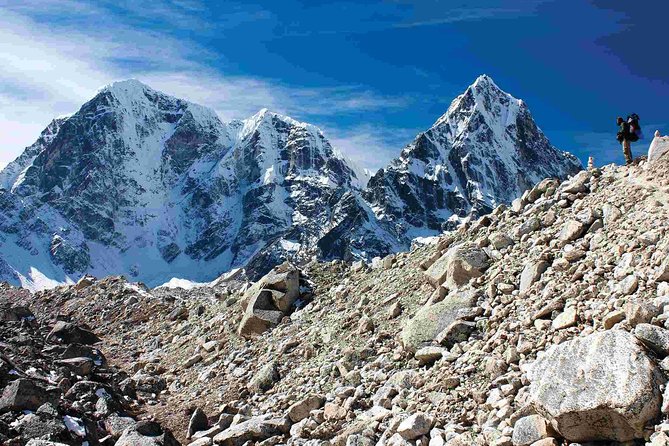
Day 4 is set aside for acclimatization, with a hike toward Everest View Hotel and the Syangboche area. This is one of the most important days in the program.
You do not gain much by rushing uphill every day. A rest day with a shorter hike gives your body time to adjust while keeping you active. The Everest View Hotel route also offers a chance to see Everest and other Khumbu peaks without committing to another full walking day.
The schedule gives no detailed mileage or walking time for this excursion, so ask your guide how long the group normally spends on the trail. Conditions, pace, and health can change the plan. If you feel unwell at Namche, speak up early. The guide’s job is not just to keep the group moving, it is to help manage altitude safely.
Day 5: Tengboche and its hilltop monastery
After Namche, the trail passes through Kayangjuma and Sanasa, crosses the Dudh Koshi near Punki Tenga, and then climbs more steeply toward Tengboche.
Tengboche is one of the memorable stops on the route. Its monastery is described as the largest in the Khumbu region, and the village sits on the approach to Everest Base Camp. The combination of a Buddhist religious center and high Himalayan views gives this day more character than a simple point-to-point walk.
The climb after Punki Tenga can feel rougher, especially as altitude begins to affect your breathing. Keep your pace slow and even. You do not win anything by racing the group here.
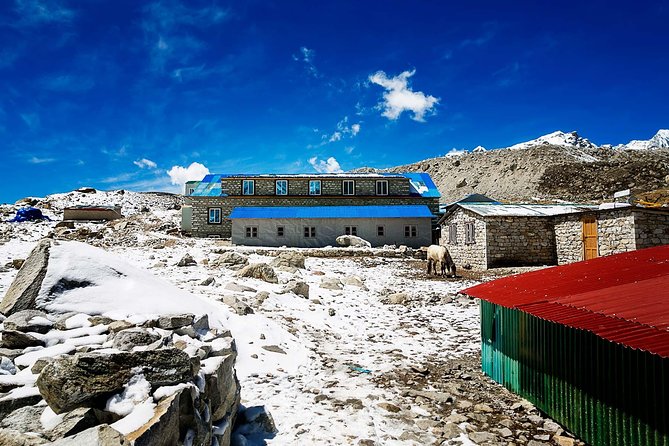
Accommodation is in guest houses or lodges. Tea house trekking is practical, but conditions are basic compared with Kathmandu. Your package includes the lodge, meals, sleeping bag, down jacket, and walking pole, which reduces the amount of bulky equipment you need to bring.
Day 6: Pangboche, the Imja Valley, and Dingboche
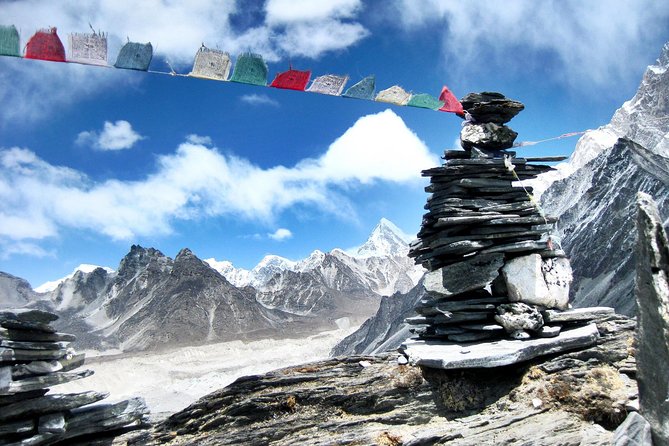
The trail continues past chortens, mani walls, and small villages before crossing the Imja Khola and reaching Pangboche at about 3,900 meters. From there, it enters the Imja Valley and continues toward Dingboche.
This section feels increasingly high and open. The route has less of the lower valley greenery and more of the stark mountain setting you came to see. Buddhist stonework and village life remain part of the walk, giving the route a human scale even as the altitude rises.
Dingboche is another acclimatization point. That pause is valuable because the next days lead toward Lobuche, Gorakshep, and Base Camp. The program is compact, so there is not much spare time if altitude sickness appears. Take headaches, nausea, unusual tiredness, or breathing trouble seriously and tell your guide.
Day 7: Toward Lobuche and the Khumbu Glacier
From Dingboche, the route climbs through the Khumbu Khola Valley toward Duglha. You pass places such as Dusa and Phulung Karpo, then continue near Chola Lake before reaching the higher section toward Lobuche.
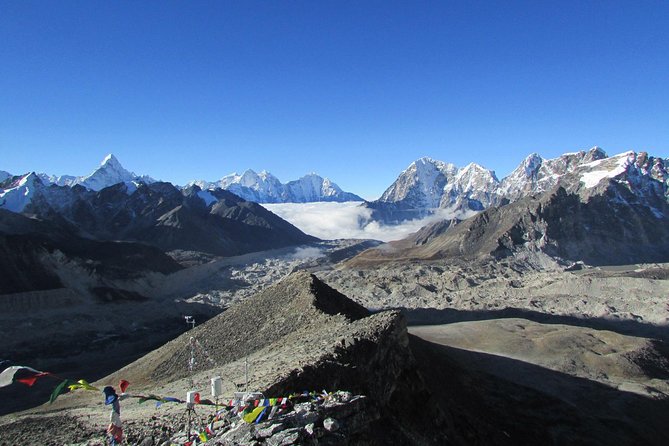
The scenery changes again. Lobuche Peak lies near the Khumbu Glacier and has east and west summits. This is a colder, rougher part of the trek, and the combination of altitude and uneven trail can make the day feel longer than the distance suggests.
You will want warm layers, gloves, and a reliable down jacket. Those items are included, but check their condition and fit early in Kathmandu. A poor fit becomes irritating after many hours of walking.
Day 8: The final walk to Everest Base Camp
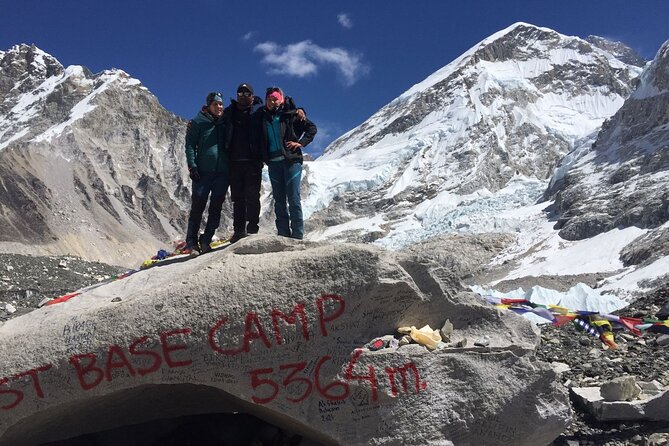
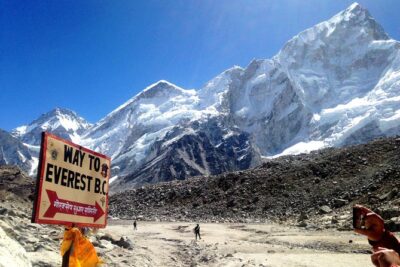
The Base Camp day includes several ups and downs and about three hours of steady hiking before you reach Everest Base Camp. From there, you can see the Khumbu Glacier and icefall, then return to Gorakshep.
This is the emotional high point of the trek, but it is not an easy stroll to a sign. You are already at high altitude, and the trail can feel demanding even if the walking time sounds manageable. The schedule allows about 30 minutes at Base Camp, which is enough for photographs and a short pause, but not a long picnic.
Gorakshep is the last stop for the trek and your base for the night. Keep your expectations realistic. High-altitude lodges are chosen for location and access, not luxury. The included meals help control costs, but drinks such as tea, coffee, hot chocolate, boiled water, bottled water, soft drinks, and beer are extra.
Day 9: Kala Patthar before the flight home
The final mountain morning begins with a hike to Kala Patthar. This viewpoint is known for broad views of Everest and the surrounding Khumbu peaks, and it is often one of the best places on the route for seeing Everest clearly.
The timing matters. You climb first, then take the helicopter back toward Kathmandu, so this is a full and memorable day. The plan does not list a separate helicopter sightseeing stop, so treat the flight mainly as transport with excellent views, not as a guaranteed scenic tour.
The helicopter is shared, and the flight depends on weather and operating conditions. If everything works, you skip the long walk down to Lukla and return to Kathmandu in a single flight. That is the central value of this trip.
Day 10: Airport transfer and onward travel
After breakfast, a private vehicle takes you to the international airport. The program ends here, so make sure your international flight timing leaves enough room for the return from the mountains and for any weather-related change.
The operator provides airport pickup and drop-off by private vehicle according to the schedule. Kathmandu accommodation includes breakfast, while meals in the city are your responsibility.
What the $3,400 price really covers
At $3,400 per person, this is not a budget Everest trek. The price makes more sense once you count what is included:
- Kathmandu accommodation with breakfast
- Domestic flight from Kathmandu to Lukla
- Shared helicopter flight from the Everest region to Kathmandu
- Guest house or lodge accommodation during the trek
- Breakfast, lunch, and dinner during the trek
- English-speaking trekking guide
- One porter for every two trekkers
- Everest trekking permit and TIMS card
- Duffle bag, down jacket, sleeping bag, and walking pole
- Airport transfers
- Government taxes, VAT, office service charges, landing fees, and facility fees
The helicopter is the expensive piece that changes the comparison with a standard trek. You are paying for saved walking days and a faster return, not simply for a flight at the end.
Bring extra money for Nepal’s entry visa, food in Kathmandu, drinks, personal services, internet, charging, showers, and tips. Tipping is expected but not mandatory. Carrying accurate US dollar cash and two passport photographs is advised for faster visa processing.
Guide support, porters, and group size
The maximum group size is 15 people. That is small enough to feel organized, but large enough that walking speeds and fitness levels may vary.
The package includes an experienced English-speaking guide and porters at a ratio of one porter for two trekkers. Porters carry the main duffle bags, while you should expect to carry your daily essentials, water, layers, and personal items.
The strongest praise connected with this trip centers on the staff. Guides named in the supplied information include Dipak, Ram, Ramesh, and assistant guide Rabi. Specific accounts describe Dipak and porter Ram as helpful, while Ramesh is credited with taking close care of group safety and health. Binayak is also singled out for quick communication during trip planning.
That detail matters. On a high-altitude trek, friendly service is welcome, but practical support matters more. Clear communication, attention to health, and help with bags can make a hard route feel manageable.
Who should book this trek?
I would recommend this trip to someone who wants the classic Everest Base Camp route but has only 10 days, prefers an organized package, and values a fast return to Kathmandu. It also suits anyone who would rather spend the return day seeing the mountains from a helicopter than walking the same trail back.
You should be comfortable with long walking days, steep sections, simple lodges, early starts, and changing weather. The stated requirement is moderate physical fitness, but the altitude makes this more demanding than an ordinary moderate hike.
I would not choose it if you want a relaxed holiday, private transport throughout, guaranteed flight times, or hotel-level comfort in the mountains. I would also think carefully if your international departure is fixed immediately after Day 10, since both aircraft legs can be affected by weather.
Free cancellation is available up to 24 hours before the experience starts. Less than 24 hours before the start time, changes and refunds are not accepted. If poor weather or insufficient bookings cancel the trip, you are offered another date or a full refund.
Should you book it?
Book this trek if the helicopter return is a major part of the appeal and you understand that the 10-day schedule will be physically serious. The route includes the essential Everest villages, two acclimatization stages, Base Camp, and Kala Patthar, while the package removes much of the planning work.
The best value comes from the combination of included services and saved return days. Before paying, confirm the exact helicopter departure point, how the 15-person maximum is staffed, what happens if the Lukla flight is delayed, and whether your personal schedule allows a weather buffer.
For a focused Everest experience with strong logistical support, this is a well-designed option. Its main weakness is also its selling point: the tight timetable leaves little room for problems. Go prepared, walk patiently, and treat the helicopter as weather-dependent rather than guaranteed.
FAQ
How long is the Everest Base Camp trek with helicopter return?
The experience lasts approximately 10 days, including arrival and departure days in Kathmandu.
What time does the trip start?
The listed start time is 6:15 am.
Is the flight from Kathmandu to Lukla included?
Yes. The package includes the flight from Kathmandu to Lukla.
Is the helicopter flight back to Kathmandu included?
Yes. The return helicopter flight is included on a group-sharing basis.
Where does the trek visit?
The route includes Lukla, Phakding, Namche Bazaar, Tengboche, Dingboche, Lobuche, Gorakshep, Everest Base Camp, and Kala Patthar.
Are meals included?
Breakfast, lunch, and dinner are included during the trek. Breakfast is included with the Kathmandu accommodation, but lunch and dinner in Kathmandu are not included.
Is trekking equipment provided?
The package includes a duffle bag, down jacket, sleeping bag, and walking pole.
What happens if bad weather cancels the trip?
If poor weather cancels the experience, you are offered a different date or a full refund.
Recently added around Kathmandu
- Ghorepani Poon Hill Trek★ 5.0 · 16 reviews
- Private Manaslu Circuit Trek at Himalayas★ 5.0 · 3 reviews
- Amazing 1 Day Trekking Experience in Kathmandu Nepal★ 5.0 · 24 reviews
- Ghorepani Poonhill Trek★ 5.0 · 5 reviews
- Upper Mustang Trekking★ 5.0 · 2 reviews
- Upper Mustang Trekking★ 3.0 · 2 reviews
- Upper Mustang Trekking★ 5.0 · 4 reviews
- Upper Mustang Trek★ 5.0 · 5 reviews
Everest Base Camp Treks, compared.




Browse the lists this tour appears in