
REVIEW · KATHMANDU
Helicopter Return Everest Base Camp Trek, KTM-LUKLA & Gorakshep-KTM by Heli
Everest begins with a mountain flight. This trek combines the classic route through Namche, Tengboche, Dingboche, and Gorakshep with a helicopter return from the high Himalayas, giving you a strong mix of walking and time-saving transport. I especially like the gradual route toward Everest Base Camp, with rest days at Namche Bazaar and Dingboche, and the chance to see Sherpa villages, monasteries, prayer wheels, suspension bridges, the Khumbu Glacier, and the peaks around Kala Patthar. I also like that the company provides a guide, permits, mountain teahouse lodging, and a complimentary duffel bag.
The main concern is the unclear trip length and pricing. The experience is advertised as roughly nine days, but the detailed schedule runs to 14 days, and the helicopter flights from Kathmandu to Lukla and Gorakshep to Kathmandu are listed as extra costs. At $9,999 per person, you should get the exact inclusions, flight plan, and final price in writing before paying.
Key points to know before booking
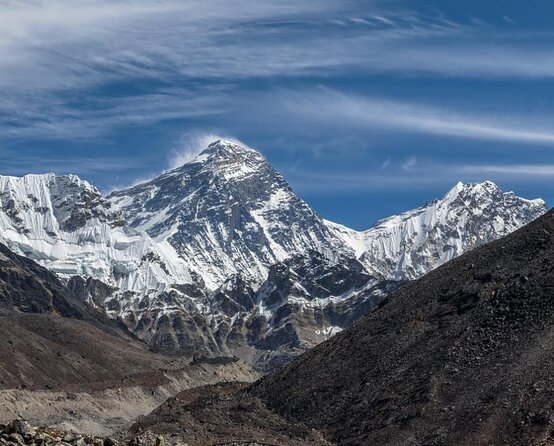
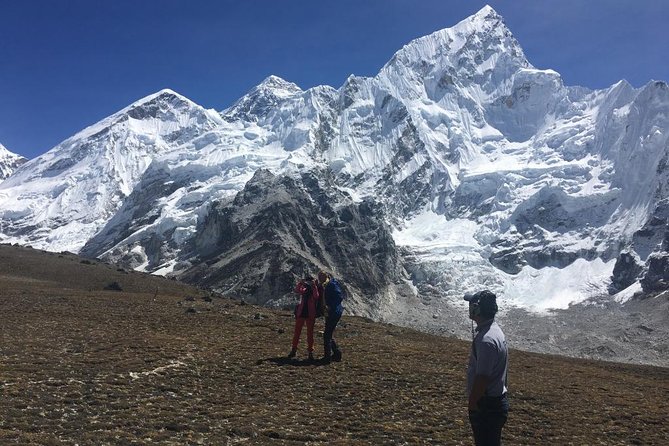
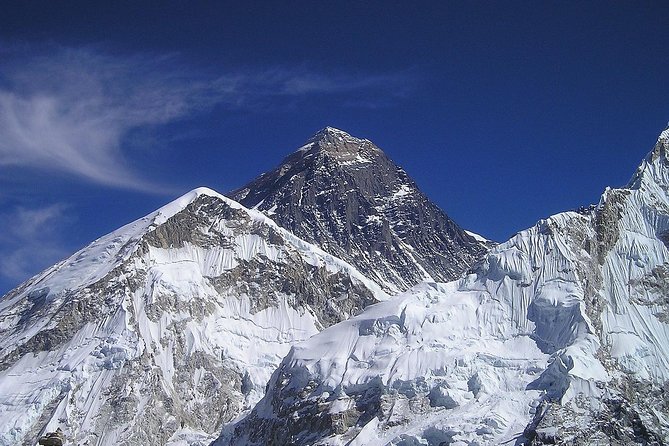
- Kala Patthar at 5,545 meters: The highest point on the walking route gives you views of Everest, Nuptse, Pumori, Lhotse, Changtse, the Khumbu Glacier, and the Khumbu Icefall.
- Two acclimatization stops: Rest days in Namche Bazaar and Dingboche help break up the steady climb toward Gorakshep.
- Helicopter logistics matter: The listed sharing prices are $400 from Kathmandu to Lukla and $999 from Gorakshep to Kathmandu during the stated peak months.
- Small maximum group: The group limit is 15 people, a useful size for mountain walking and guide support.
- Guiding receives strong praise: Buddhi and guide Dipak are repeatedly singled out for planning, communication, care, and practical help.
- Food and lodging are simple: Mountain teahouses and breakfast are included, while lunch and dinner are paid locally.
What this Everest trek actually includes
This is not a short helicopter sightseeing flight with a quick photograph at Base Camp. The central experience is a demanding multi-day trek along the Khumbu route, with helicopter transport planned at the beginning and end.
The route begins in Kathmandu at 1,350 meters and reaches Gorakshep at 5,180 meters, Everest Base Camp at 5,364 meters, and Kala Patthar at 5,545 meters. Those elevations are not minor details. You need to be ready for cold, thin air, long walking days, and basic mountain lodging.
The guide team is an important part of the package. Buddhi handles planning and local coordination, while Dipak has been praised for his organization, information, and steady care on the trail. Porters are available at $30 per day, paid directly at Lukla. That cost should be included in your personal budget.
The package includes mountain teahouse accommodation, a trekking guide, entry permits, trekking permits, and nine breakfasts. It does not include private transportation, lunch, or dinner. You also receive one complimentary trekking duffel bag, which must be returned after the trip. A sleeping bag may be provided if needed, but it too must be returned.
More Everest Base Camp Treks in Kathmandu:
- Everest Base Camp Trek – 14 Days
★ 5.0 · 1,499 reviews - Everest Base Camp Trek
★ 5.0 · 842 reviews - Everest Base Camp Trekking
★ 5.0 · 485 reviews
Kathmandu to Lukla: a fast start at 5:45 a.m.
The meeting time is 5:45 a.m., so this trip starts early. The flight to Lukla is listed as taking about 35 minutes, and the small Tenzing-Hillary Airport is the gateway to the Everest region.
The helicopter option can be useful when you want to avoid depending entirely on the regular flight schedule. However, the published costs need careful attention. A shared helicopter from Kathmandu to Lukla is listed at $400 per person in October, November, March, April, and May. A private helicopter is listed at $2,000 from Kathmandu to Lukla.
That does not appear to be included in the stated $9,999 price. Ask the operator to explain precisely what the headline price covers. The same question applies to the return helicopter from Gorakshep.
Once in Lukla, the first walk goes to Phakding, at 2,780 meters. This is a relatively short introduction to the trail, with a stated walking time of three to four hours. The route passes through small settlements such as Nurning, Phakding, and Benkar, with prayer wheels, bridges, and views along the Dudh Koshi River.
Phakding to Namche Bazaar, where the route gets serious
The walk from Phakding to Namche Bazaar takes about five to six hours. You pass through Monjo and Jorsale before entering Sagarmatha National Park and following the Dudh Koshi toward Namche.
Namche Bazaar sits at 3,440 meters and is one of the most memorable places on the route. It is a traditional trading center as well as a practical stopping point. You can expect shops, food, mountain views, and a strong Sherpa presence in one compact Himalayan town.
The first rest day is scheduled here. That is good planning. Rather than racing uphill, you get time to adjust to the height before heading toward Tengboche. The schedule does not specify individual rest-day activities, so you should ask your guide what the day will include. The key value is not a packed program. It is giving your body time to adapt.
The walk to Namche is also where the trek begins to feel like more than a scenic hike. The bridges, river crossings, changing villages, and higher mountain air make the route increasingly demanding.
Tengboche and Dingboche, with two different kinds of mountain culture
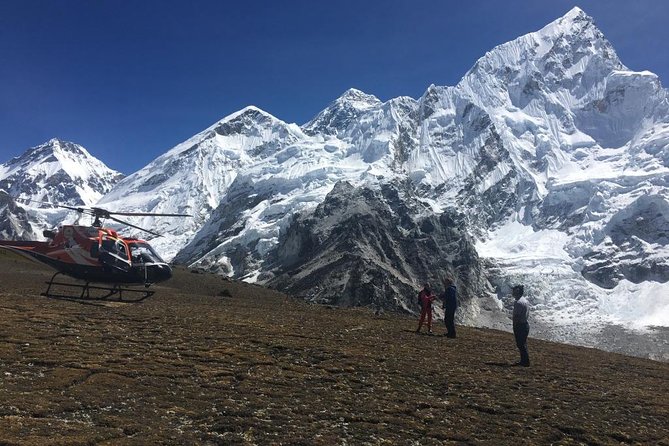
From Namche, you continue to Tengboche, at 3,850 meters. The walk takes about four to five hours. Tengboche is known for its monastery, and it gives you a clear sense of the spiritual character of the Khumbu.
Prayer flags, chortens, prayer wheels, and monasteries are not decorative extras here. They are part of the daily life of the communities along the route. You will see how Buddhist traditions shape the villages and the trail itself.
The next stage leads to Dingboche at 4,350 meters, again taking about four to five hours. Dingboche is a high settlement and an important pause before the final push toward Lobuche, Gorakshep, and Base Camp.
A second rest day is scheduled at Dingboche. I consider this one of the most valuable features of the plan. At this altitude, the issue is not simply how fit you are. Your body needs time to respond to the thinner air. The schedule allows that adjustment before the hardest section.
You should not treat either rest day as a wasted day. They are part of the safety and comfort of the route.
A few more treks around Kathmandu worth a look
- Everest Base Camp Trek with Helicopter Return from Gorakshep to Lukla
★ 5.0 · 161 reviews - Everest Base Camp Trek with Helicopter Return to Lukla – 10 Days
★ 5.0 · 34 reviews - Everest Base Camp Trek with Helicopter Return -11 Days
★ 5.0 · 12 reviews - Everest Base Camp Trek with Helicopter Return – 10 Days
★ 5.0 · 9 reviews
Lobuche to Gorakshep and Everest Base Camp
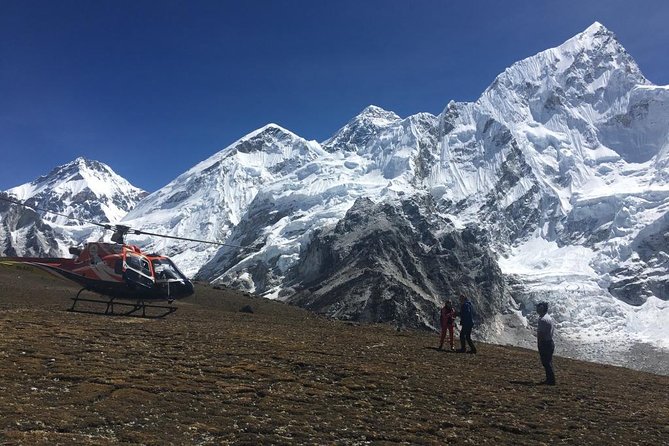
The walk from Dingboche to Lobuche takes about four to five hours and reaches 4,910 meters. At this point, the altitude becomes a major part of the experience.
The next day is one of the biggest of the trek. You walk from Lobuche to Gorakshep, at 5,180 meters, in about three to four hours. From Gorakshep, the route continues to Everest Base Camp, at 5,364 meters, requiring another two to three hours of walking.
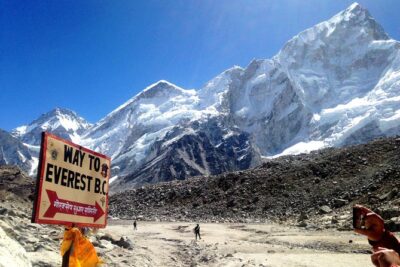
Base Camp is an important goal, but keep your expectations realistic. The schedule promises access to the famous site and views of the surrounding high mountains. It does not promise a particular expedition setup or climbing activity. The value is in reaching the point used by Everest expeditions and seeing the Khumbu Icefall and glacier system from the trail.
The altitude can make these distances feel much longer than the numbers suggest. You should carry water, warm layers, sun protection, and a day pack. The packing advice specifically calls for a down jacket, gloves, warm hat, waterproof outer layer, good socks, and sturdy trekking shoes.
Kala Patthar at 5,545 meters
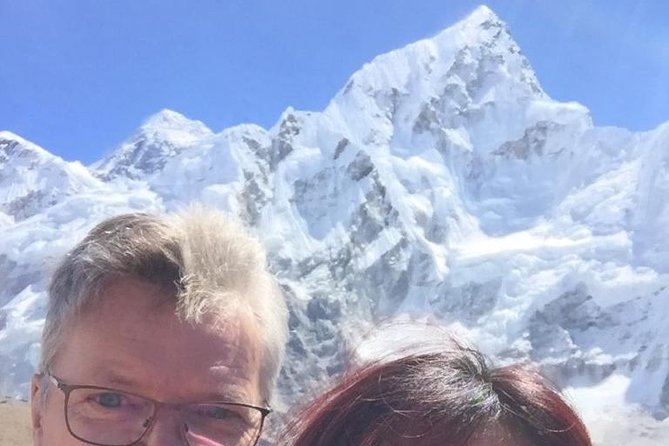
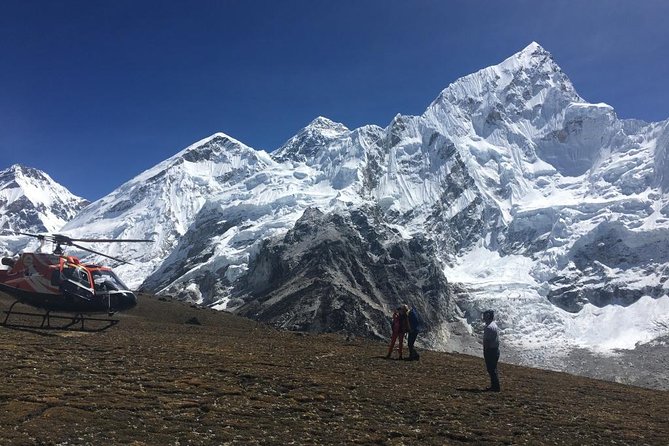
The walk to Kala Patthar begins from Gorakshep and takes about two to three hours. At 5,545 meters, this is higher than Everest Base Camp and is the major viewpoint of the route.
From here, the promised views include Everest, Nuptse, Pumori, Lhotse, and Changtse. You can also see the Khumbu Glacier, Khumbu Icefall, glacial rivers, and avalanche paths. If your goal is a wide view of the Everest region rather than simply standing at Base Camp, Kala Patthar may be the most rewarding point of the trek.
After Kala Patthar, the schedule calls for a long walk to Pheriche, at 4,280 meters, taking five to six hours. That is a demanding day, especially after the high point. Pace matters. You should follow the guide’s advice and avoid treating the descent as an easy stroll.
The return to Lukla and the helicopter question
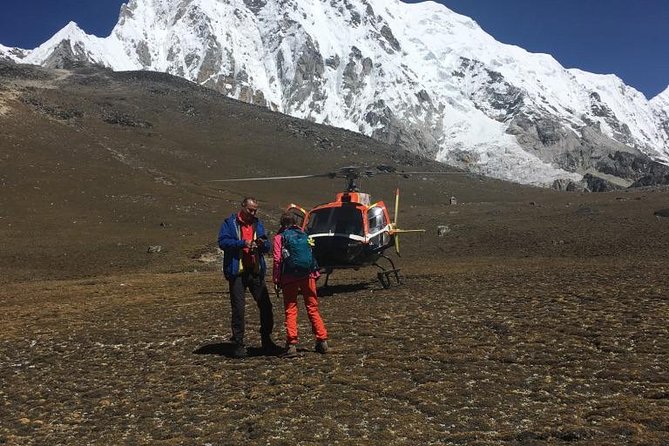
From Pheriche, the route returns to Namche Bazaar in about four to five hours, then continues to Lukla in five to six hours. This lets you see some of the same villages from a new direction and gives you a final chance to experience the trail on foot.
The written schedule then lists a regular flight from Lukla to Kathmandu on day 13, followed by final departure on day 14. Yet the tour name and additional pricing describe a helicopter return from Gorakshep to Kathmandu.
These are two different versions of the trip. One is a full trek back to Lukla followed by a flight. The other uses a helicopter to remove the return trek and bring you back from the high region. The helicopter from Gorakshep to Kathmandu is listed at $999 per person in a shared flight during October, November, March, April, and May. A private helicopter is listed at $3,600 per helicopter.
This is the single biggest point to settle before booking. Confirm whether you are buying the helicopter-return version, the standard return-to-Lukla version, or a package where helicopter charges are added later.
Guide support and the human side of the trip
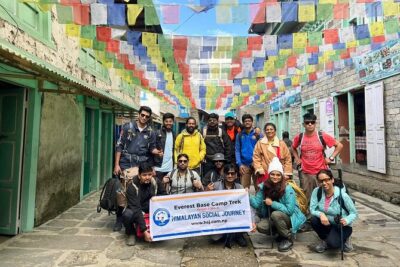
The strongest part of the operation appears to be the personal attention from the team. Buddhi is praised for prompt communication, trip planning, local help, and staying attentive throughout the stay in Nepal.
Dipak is repeatedly described as an excellent mountain guide. His role includes planning the walking days, explaining the route, and helping keep the trek organized. Porters named Carmen and Desantis have also received warm praise for their work on one trip.
That matters on the Everest route. You are not only paying for directions. You are paying for someone who can help with timing, local arrangements, changing conditions, and the practical strain of high-altitude walking.
The experience has a maximum of 15 people. That is not a private trek, but it is small enough to avoid the feel of a large tour group. Ask how many people are booked for your departure and how many guides and porters will be assigned.
Teahouses, meals, and what to pack
Mountain teahouse accommodation is included. These lodges are part of the character of the route, but you should not expect city-hotel comforts. The information specifically warns that temperatures can fall below freezing inside a teahouse, making a down jacket essential for staying comfortable.
Nine breakfasts are included. Lunch and dinner are paid locally, so carry enough accessible money for meals and small purchases. The food has received positive comments, including Tibetan bread and a range of choices, but the package does not state a meal budget.
Bring a day pack, trekking shoes, sports shoes or sandals, a sun hat, sunglasses, warm hat, fleece or puffy jacket, waterproof layer, warm sweater, raincoat, gloves, three or four trekking shirts, trekking trousers, underwear, and four or five pairs of good socks.
A water bottle, flashlight, camera batteries, and a four-season sleeping bag are also on the recommended list. The company may provide a sleeping bag if you need one. You must return it after the trek.
Is $9,999 good value?
At first glance, $9,999 per person is a very high price for a guided trek. The value depends almost entirely on what that figure actually includes.
The package provides a guide, permits, mountain teahouses, and nine breakfasts. It also includes the organizational support of Himalaya Holiday Service, the group structure, and the possibility of helicopter transport. But the published details separately list both helicopter legs, porter pay, private transport, lunch, and dinner.
If the $9,999 price includes the shared helicopter flights, accommodation, staff, permits, and all required transport, the convenience may appeal to people who want a tightly managed trip and do not want to arrange the Everest route alone. If the helicopter charges are extra, the final cost could be considerably higher.
The price is harder to judge because the duration is inconsistent. The experience is described as approximately nine days, while the detailed plan lasts 14 days. Get a written breakdown showing the number of nights, exact flight type, meal coverage, porter arrangements, and return method.
Free cancellation is available if you cancel at least 24 hours before the start time. Changes made within 24 hours are not accepted, and no refund is given for late cancellation. The helicopter operation also depends on good weather. If poor weather cancels it, you are offered another date or a full refund.
Who should choose this trek?
I would consider this trip if you want the classic Everest Base Camp route but prefer strong local coordination and the option to shorten the return with a helicopter.
It suits people who are comfortable walking for several hours on consecutive days and who understand that Base Camp is reached at high altitude, not by an easy sightseeing path. The itinerary includes many four to six-hour walking days, plus the demanding Gorakshep, Base Camp, and Kala Patthar section.
It is also a good fit if you value Sherpa culture, monasteries, prayer flags, mountain villages, and time on foot more than luxury. You should be ready for basic teahouses, locally paid meals, cold nights, and a packing list built for changing mountain conditions.
I would hesitate if you want a short, clearly defined nine-day holiday or if you dislike uncertainty around flights. The conflicting duration and helicopter costs need to be resolved before you commit.
Should you book it?
Book this trek if the operator confirms the exact 14-day or nine-day plan, explains the helicopter fees, and gives you a complete price in writing. The route itself is powerful: Namche, Tengboche, Dingboche, Everest Base Camp, and Kala Patthar provide a full introduction to the Everest region, while the guides and local support have earned strong praise.
Do not book on the headline price alone. Ask one direct question: What will I pay in total, and exactly where will I sleep and walk each day? If the answer is clear, this could be a well-supported way to tackle one of Nepal’s great treks. If the answer remains vague, choose a package with a cleaner itinerary and simpler pricing.
FAQ
How long does the Everest Base Camp trek take?
The experience is described as approximately nine days, but the detailed schedule runs from arrival in Kathmandu through final departure over 14 days. Confirm the exact duration before booking.
What is the starting time?
The meeting time is 5:45 a.m.
Is pickup offered?
Yes, pickup is offered.
How many people can join the group?
The maximum group size is 15 people.
Are helicopter flights included in the price?
The listed details show helicopter charges separately. A shared helicopter from Kathmandu to Lukla is listed at $400 per person, and a shared helicopter from Gorakshep to Kathmandu is listed at $999 per person during October, November, March, April, and May. Confirm whether these costs are included in your quoted price.
What accommodation is included?
Mountain teahouse accommodation is included.
Are meals included?
Nine breakfasts are included. Lunch and dinner are paid locally.
Is a porter included?
A porter is available for $30 per day, paid directly to the porter at Lukla.
What happens if bad weather cancels the helicopter?
The experience requires good weather. If it is canceled because of poor weather, you are offered a different date or a full refund.
Recently added around Kathmandu
- Ghorepani Poon Hill Trek★ 5.0 · 16 reviews
- Private Manaslu Circuit Trek at Himalayas★ 5.0 · 3 reviews
- Amazing 1 Day Trekking Experience in Kathmandu Nepal★ 5.0 · 24 reviews
- Ghorepani Poonhill Trek★ 5.0 · 5 reviews
- Upper Mustang Trekking★ 5.0 · 2 reviews
- Upper Mustang Trekking★ 3.0 · 2 reviews
- Upper Mustang Trekking★ 5.0 · 4 reviews
- Upper Mustang Trek★ 5.0 · 5 reviews
Everest Base Camp Treks, compared.




Browse the lists this tour appears in