
REVIEW · KATHMANDU
Everest Base Camp Trekking
Mountains reward steady steps. This 14-day Everest Base Camp trek combines small-group guidance with some of the finest mountain views in Nepal, taking you from Kathmandu to Lukla, through Namche Bazaar and the Khumbu Valley, and finally to Everest Base Camp and Kala Patthar. I like the maximum group size of 10, which gives you personal attention without turning the trek into a private expedition. I also like that teahouse accommodation, meals, and local transportation are included, so you can focus on walking instead of arranging each night’s details.
The main caution is altitude and physical demand. This is not a sightseeing trip with a few scenic walks. You need strong fitness, patience on steep rocky trails, and comfort with basic mountain accommodation. The $1,350 price offers useful value for a guided route of this length, but you should still read the booking terms carefully to understand exactly what personal expenses and equipment costs remain yours.
The company receives a 99 percent recommendation rate and a five-star average from 485 ratings. Guides such as Biru, Ambar, Ramesh, and Parshu are praised for kindness, safety, and practical help. That matters here. A good guide can help you keep a sensible pace, manage difficult days, and avoid turning a mountain goal into a race.
Key points to know before booking
- Maximum 10 people: A small group allows more direct help from your guide and less waiting on the trail.
- Two key mountain goals: You reach Everest Base Camp and climb to Kala Patthar for a sunrise view.
- Acclimatization is built in: Namche Bazaar includes a rest day with a short viewpoint hike.
- Lukla flights shape the trip: Your mountain journey begins and ends with domestic flights between Kathmandu and Lukla.
- Meals and teahouses are included: This simplifies the trek, though mountain accommodation is still basic.
- Strong fitness is required: Steep climbs, rocky descents, altitude, and changing weather make this a serious walking holiday.
Why the small group matters on the Everest route
Everest Base Camp is a famous goal, but the route is not self-explanatory in every section. A guide helps you stay on the right trail, manage the daily pace, and understand the villages, monasteries, rivers, and mountain culture around you. That practical support is especially useful when you are tired or when weather changes the feel of the trail.
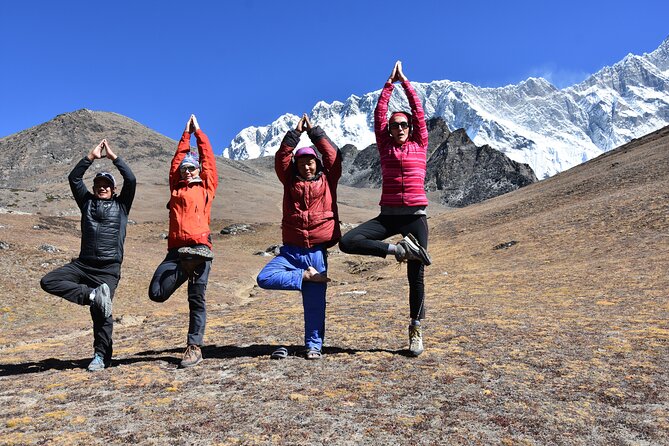
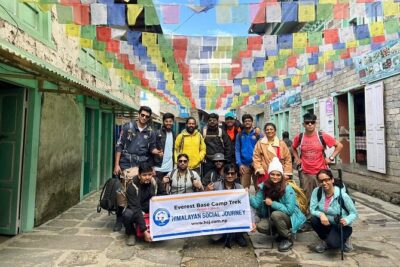
The group limit of 10 is a sensible middle ground. You get companionship and shared transport without the long delays that can come with a large tour. You can also ask more questions and raise concerns more easily. Names that appear repeatedly in the feedback include Biru, Ambar, Ramesh, and Parshu, with particular praise for their calm help and attention to safety.
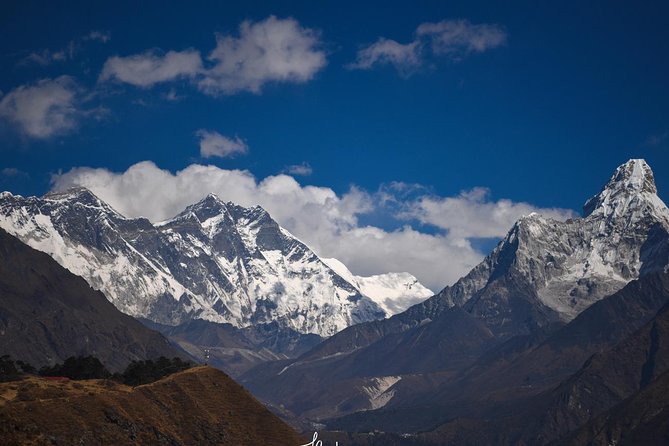
The route is also designed around acclimatization rather than simply pushing uphill each day. The stay in Namche Bazaar is important. You do not just stop there to rest your legs. You take a short hike to a nearby viewpoint, which gives your body time at altitude while providing an excellent first look at the surrounding peaks.
More Everest Base Camp Treks in Kathmandu:
- Everest Base Camp Trek – 14 Days
★ 5.0 · 1,499 reviews - Everest Base Camp Trek
★ 5.0 · 842 reviews - Everest Base Camp Trekking – 13 Day
★ 5.0 · 365 reviews
Kathmandu arrival and the practical start
Your trip begins at Tribhuvan International Airport, where an airport representative meets you and takes you to your hotel by private tourist vehicle. Day one is deliberately light. You can rest after the flight or visit the company office to go over the trek details.
That gentle start is useful because the next morning begins early. Kathmandu is also your chance to handle final shopping and city walking before the mountain section, especially if you need small personal items for the trail. The provided schedule does not list a detailed equipment briefing, so use the office meeting to ask direct questions about clothing, altitude, luggage, and the flight to Lukla.
On the final day, you have time for more shopping or sightseeing around Kathmandu Valley before your scheduled airport transfer. This creates a little breathing room around the trek instead of ending the mountain portion and sending you straight home.
The Lukla flight and the first walk into the Khumbu
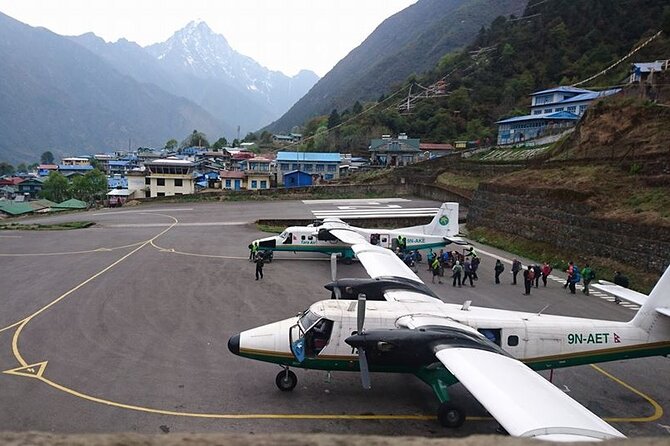
After breakfast on day two, you transfer to the domestic airport for the flight to Lukla. The early departure offers views of sunrise on snow-covered mountains. Lukla’s Tenzing-Hillary Airport is the gateway to the trek, and landing there makes the change from city travel to mountain walking feel immediate.
The first trekking day follows pine forests and the Dudh Koshi River, with views toward Mount Thamserku. You pass settlements before reaching the entrance checkpoint for Sagarmatha National Park. This section gives you a gradual introduction to the route, but you should not mistake a relatively moderate opening for an easy holiday. You are already walking at altitude, and the days ahead become harder.
A guide is particularly helpful here because the route includes village paths, river crossings, and park access points. You can concentrate on the scenery and your footing instead of constantly checking directions.
Namche Bazaar and the first acclimatization day
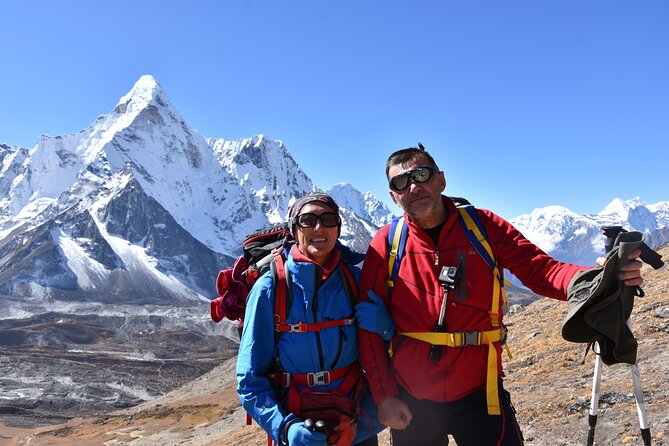
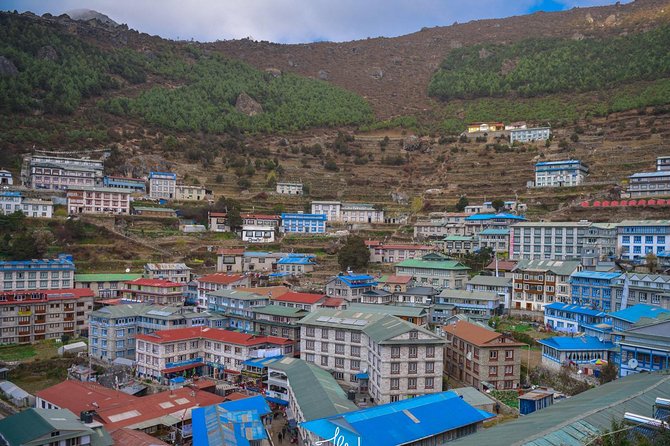
Namche Bazaar is the largest settlement in the Khumbu region. It has ATMs, internet cafés, restaurants, and bakeries, so it feels like a useful supply stop rather than an isolated hamlet. That does not make it a city. Supplies and services remain limited compared with Kathmandu, and the mountain setting quickly reminds you that every item arrived by a long route.
Day four is an acclimatization day, but it is not a day of doing nothing. You take a short hike to a viewpoint, giving your body time to adjust while you gain wider views. This is one of the most important parts of the schedule. A fast itinerary may look attractive on paper, but the extra time in Namche can make the upper route more manageable.
I would use this stop to check your pace, appetite, hydration, and general condition. You should tell your guide if you feel unwell. The itinerary makes clear that you need strong fitness, and the high point of the trip is still several days away.
A few more treks around Kathmandu worth a look
- Annapurna Circuit Trek with Tilicho Lake
★ 5.0 · 368 reviews - Everest Base Camp Trek
★ 5.0 · 350 reviews - Everest Base Camp Trek -14 Days
★ 5.0 · 321 reviews - Manaslu Circuit Trek
★ 5.0 · 292 reviews
Phorse, Pangboche, and changing mountain scenery
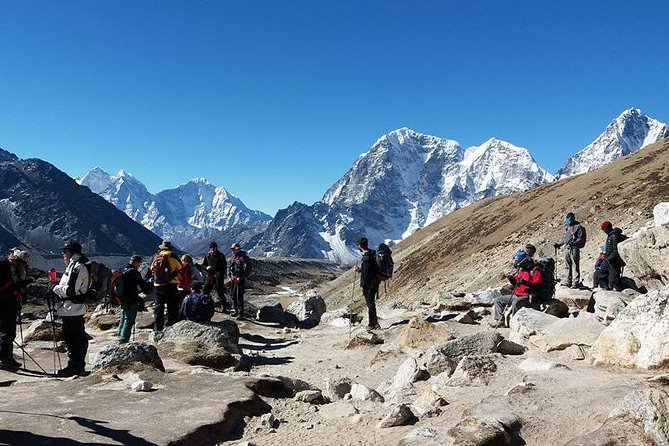
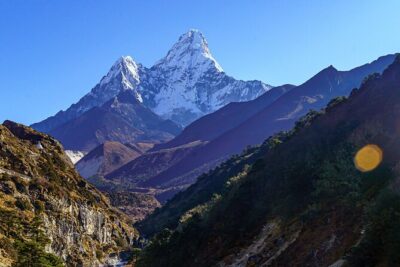
From Namche, the trail heads toward Phorse. The route includes Mugla Pass, with views of Ama Dablam, Mount Khumbu, and Mount Thamserku. You then descend toward the Dudh Koshi and cross the river.
This is a good reminder that the trek is not a simple staircase uphill. You gain height, lose some of it, cross rivers, and climb again. That rhythm can be tiring, but it also keeps the route visually varied. You are moving through pine and alpine areas, villages, river valleys, and increasingly open mountain country.
The next day takes you toward Dingboche, beginning with a visit to the region’s largest Buddhist monastery. The trail continues through alpine forest to Pangboche and onward through the villages of Shomare and nearby settlements. The monastery visit adds a cultural layer to a trip that could otherwise become a long series of mountain photographs.
I like this part of the schedule because it connects the scenery with the communities that live here. Your guide can explain more about local life and Nepali culture, which is one of the stated benefits of traveling with a guide.
The approach to the glacier and high country
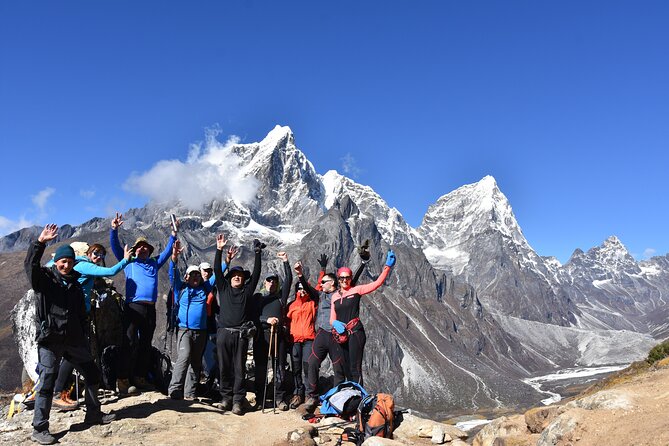
The itinerary describes the next stage through the Khumbu Khola valley, passing Dusa, a place associated with yak herders, and Phulong Karp, linked with the first successful Everest expedition in 1953. It also notes views toward Chola Lake.
At this height, the surroundings become more exposed and the walking more demanding. The trail is no longer simply a pleasant route between green hills. You move through a harsher alpine setting, where wind, cold, and thin air can affect your pace.
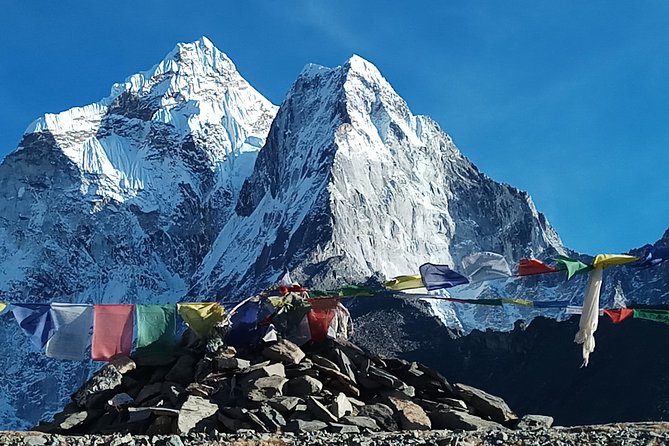
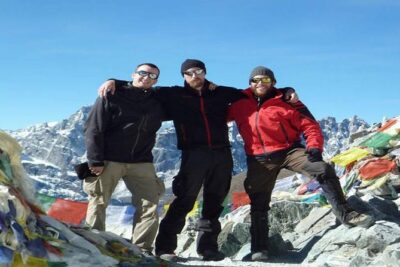
The following day includes a steep climb over the terminal moraine of the Khumbu Glacier. You reach Chupki Lhara, where boulders and prayer flags mark the route. A collection of stones with prayer flags provides a quiet reminder that this is more than a sporting challenge. The trail carries local religious meaning as well as the memory of mountaineering history.
The terms in the itinerary are not always perfectly clear about the overnight villages for each day, so I would ask for a final day-by-day lodging plan before departure. The overall route is clear, but precise daily distances and elevations are not provided.
Reaching Everest Base Camp on day nine
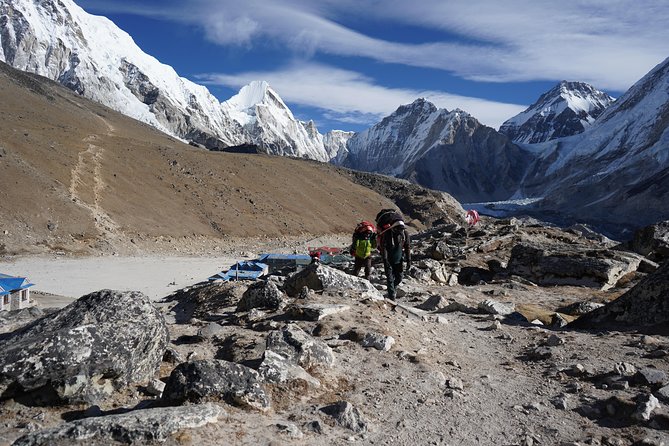
Day nine is presented as the central day of the route. From Thangma Riju, you can experience a 360-degree view of snow-covered mountains. One important detail is easy to miss: Mount Everest itself is not visible from this viewpoint.
That is not a flaw. It is simply part of how the mountain sits in relation to the route. The reward here is a broad mountain panorama rather than one single famous summit.
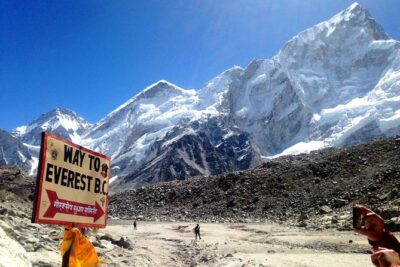
The route then reaches Everest Base Camp. You spend about 30 minutes at the site, with admission included. Reaching Base Camp is a major personal milestone, but the experience is not a luxury sightseeing stop. The ground can be rough, the air is thin, and conditions may be cold or unsettled.
You should also keep expectations realistic. Base Camp is famous because climbers use it as a staging point, but it is not the highest viewpoint on this itinerary. The next morning at Kala Patthar may provide the more dramatic Everest view.
Kala Patthar sunrise and the best mountain view
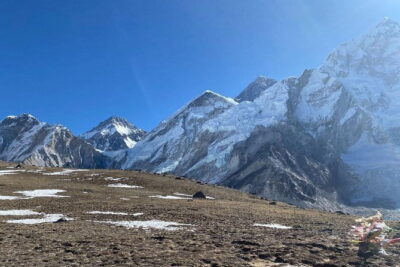
Day ten begins very early so you can reach Kala Patthar for sunrise. The climb is timed for the shift from darkness to morning light, when the peaks begin to catch the first rays of the day. This is the visual high point of the trip.
The route mentions views toward peaks including Lingtr… The supplied itinerary cuts off part of the name, so you should rely on your guide for the exact viewpoint details. The key point is clear: Kala Patthar is chosen for sunrise, and the early start is essential to that experience.
You need to be ready for cold, darkness, and a steep uphill walk. The effort is worthwhile for many people, but it is not a casual photo stop. If altitude has affected you earlier, tell your guide before attempting the climb. Safety should matter more than reaching a particular rock at a particular minute.
After Kala Patthar, the trek turns back down. The return is not simply an easy stroll. Descending over rocky ground can be hard on knees and ankles, especially after several days of exertion.
The long return through Pheriche and Pangboche
The descent follows the route toward Duglha, passing through Pheriche, Orsho, and Shomare before reaching Pangboche. You continue through mountain villages and can explore an old monastery in Pangboche.
This section gives you a second look at places you passed while climbing, but the experience changes because you now understand the effort behind each uphill stretch. Downhill walking may feel easier for your lungs, yet steep rocky trails demand careful foot placement.
The itinerary specifically advises walking slowly and in a controlled, balanced manner on the steep terrain. Take that advice seriously. Fatigue can make a descent more dangerous than a climb, and there is little value in rushing when the schedule already allows a full return route.
The final trail to Lukla and flight back
The last trekking day continues down steep trails toward the suspension bridge over the Dudh Koshi. The route passes through the mountain villages and returns toward Lukla.
The final walking days can feel both satisfying and tiring. You are losing altitude, but your legs have already worked hard for more than a week. Use your guide’s pace rather than trying to prove anything to the group.
On day 13, you take the mountain flight from Lukla back to Kathmandu. The route offers another chance to see the mountains from above, though flights are naturally tied to weather and operating conditions. The schedule includes time in Kathmandu for shopping and walking, followed by a celebration of completing the trek.
Day 14 is your final day in Nepal. You can shop or sightsee around Kathmandu Valley before going to Tribhuvan International Airport for your scheduled flight.
What the $1,350 price is buying you
At $1,350 per person, this is not merely a walking route with a guide attached. The package includes airport pickup, local transportation, the domestic flights connected with the trek, teahouse accommodation, meals, and guided support according to the supplied details.
That makes the price easier to justify than it might first appear. Organizing a 14-day high-altitude route requires multiple transfers, mountain lodging, meals, permits or park access arrangements, and careful timing around Lukla flights. The small group also gives you more personal support than a large departure.
Still, do not treat the price as an all-inclusive holiday budget. The supplied information does not list every personal cost, such as equipment, drinks, souvenirs, insurance, or optional purchases. Ask what is covered before booking, especially if you are comparing this trip with a cheaper independent plan.
The experience is booked an average of 56 days ahead, so leaving arrangements until the last minute may be unwise. You need a valid passport, and the booking requires each participant’s passport name, number, expiry date, and country.
Who should book this trek?
I would choose this trip if you want the classic Everest Base Camp route but do not want to manage every flight, meal, overnight stop, and trail decision yourself. It suits an active person with strong fitness who appreciates a guide, shared company, and a clear 14-day framework.
It is also a good fit for solo bookers who want support without paying for a fully private trek. The feedback gives special credit to guides and porters for helping when people became unwell or needed changes to their plan. One person who had originally planned a Three Passes route changed direction after feeling unwell at altitude, which shows why flexibility and honest communication with your guide matter.
I would not choose it if you want a relaxed holiday, private rooms throughout, or a low-effort way to see Everest. The route is cold, steep, rocky, and physically serious. It operates in all weather, so proper clothing is essential.
Should you book the Everest Base Camp trek?
Book it if Everest Base Camp is a genuine personal goal and you want the structure of a guided small group. The strongest reasons are the 10-person limit, built-in acclimatization, included meals and teahouses, and the combination of Base Camp with Kala Patthar sunrise.
Before paying, confirm the detailed daily distances, lodging names, what equipment and personal costs are excluded, and how weather-related flight changes are handled. You can cancel for a full refund up to 24 hours before the start time, but changes or cancellations inside that window are not accepted.
For a fit person who wants mountain scenery, cultural contact, and practical help on a demanding route, this is a well-organized choice. For anyone unsure about high-altitude exertion, the itinerary deserves careful thought before booking.
FAQ
How long is the Everest Base Camp trek?
The experience lasts approximately 14 days, including arrival and departure time in Kathmandu, the flights to and from Lukla, the trek, and the final day in Nepal.
Where does the trek begin?
The meeting point is Tribhuvan International Airport in Kathmandu. An airport representative meets you and arranges private transport to the hotel.
What is the maximum group size?
The group has a maximum of 10 participants.
Are meals and accommodation included?
Yes. Teahouse accommodation, meals, and local transportation are included in the experience.
Does the trek reach Everest Base Camp?
Yes. The itinerary includes Everest Base Camp on day nine, with about 30 minutes at the site and no separate admission charge listed.
Is a passport required?
Yes. You need a current valid passport on the day of travel. The booking also requires each participant’s passport name, number, expiry date, and country.
Recently added around Kathmandu
- Ghorepani Poon Hill Trek★ 5.0 · 16 reviews
- Private Manaslu Circuit Trek at Himalayas★ 5.0 · 3 reviews
- Amazing 1 Day Trekking Experience in Kathmandu Nepal★ 5.0 · 24 reviews
- Ghorepani Poonhill Trek★ 5.0 · 5 reviews
- Upper Mustang Trekking★ 5.0 · 2 reviews
- Upper Mustang Trekking★ 3.0 · 2 reviews
- Upper Mustang Trekking★ 5.0 · 4 reviews
- Upper Mustang Trek★ 5.0 · 5 reviews
Everest Base Camp Treks, compared.
Browse the lists this tour appears in