
REVIEW · KATHMANDU
From Kathmandu: Guided Everest Base Camp Trek
The Himalaya starts with a small plane. This 12-day trek pairs Everest Base Camp with Sherpa villages, Buddhist monasteries, and grand views of Everest, Lhotse, Nuptse, and Ama Dablam. I like the built-in acclimatization days in Namche Bazaar and Dingboche, and I also like the personal support praised for guides Saran and Prayas. The main caution is simple: this is a demanding high-altitude trek, not a casual walk.
At $408 per person, the trip offers strong value if your selected option includes the flights, lodging, guide support, national park permit, and full-board food. I especially like the careful pre-trip communication from Rajesh, who helped one solo visitor prepare through WhatsApp. Still, check exactly what your booking includes, since domestic flights and full-board meals are listed as options rather than universal inclusions.
Five things to know before you book
- Lukla begins the adventure: The route starts with a domestic flight from Kathmandu, followed by a trek to Phakding.
- Two acclimatization days matter: You pause in Namche Bazaar and Dingboche before reaching the higher villages.
- Everest Base Camp is not the only prize: Tengboche Monastery, Sherpa villages, suspension bridges, and Sagarmatha National Park add depth to the walk.
- Kala Patthar brings the big view: At 5,545 meters, this is the highest point on the route and the place for close views of Everest and the surrounding peaks.
- Guide support is a major strength: Saran and Prayas received warm praise for English skills, health checks, encouragement, photography, and practical help.
- The $408 price needs careful checking: Confirm whether flights, food, and pickup are included in the specific package you choose.
Why this Everest trek is worth your time
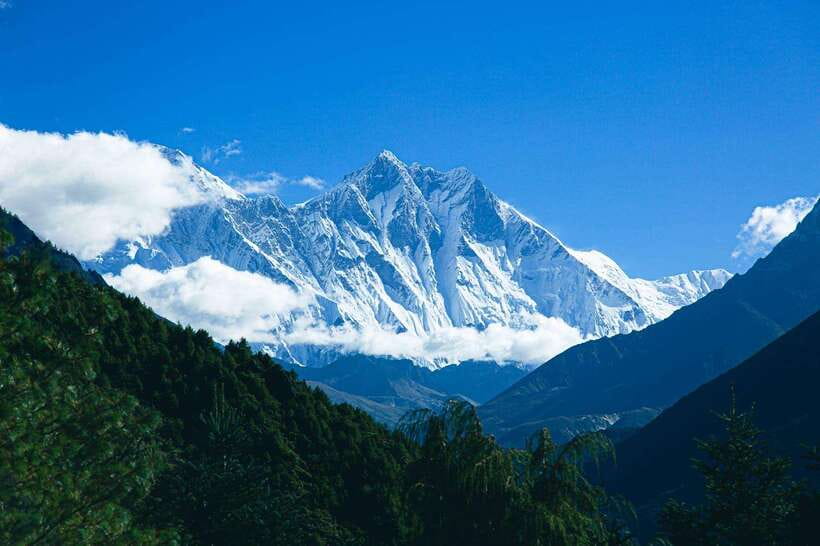
The Everest Base Camp route is famous for its mountains, but the best part is the steady change in place and culture. You begin among lower valleys and forest, pass through Sherpa settlements, enter Sagarmatha National Park, and finish beside glaciers and high mountain rock.
I like the way this tour gives you time to adjust instead of racing straight uphill. A day in Namche Bazaar and another in Dingboche help break up the long climb. They also let you see more than the trail directly in front of your boots.
You will visit Buddhist monasteries and have opportunities to see Sherpa customs, local dress, and village life. Tengboche is especially important. Its monastery sits at about 3,867 meters, with wide views toward the Everest range and a chance to witness daily prayer and religious practice.
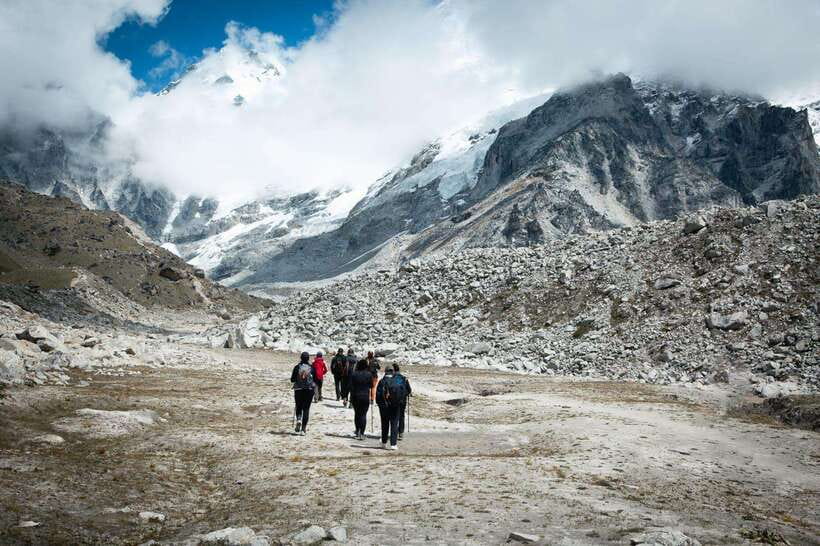
The route is physically serious. You will handle steep climbs, rocky paths, suspension bridges, and high-altitude walking. The reward is not only reaching Base Camp. It is the gradual approach, with each day bringing a different view of the Khumbu region.
More Everest Base Camp Treks in Kathmandu:
- Everest Base Camp Trek – 14 Days
★ 5.0 · 1,499 reviews - Everest Base Camp Trek
★ 5.0 · 842 reviews - Everest Base Camp Trekking
★ 5.0 · 485 reviews
Day 1: Kathmandu to Lukla and Phakding
The first day begins with a flight from Kathmandu to Lukla, followed by a trek to Phakding at about 2,610 meters. The round-trip domestic flight is included only if you select the relevant option, so confirm this before paying.
Lukla is the practical gateway to the Everest region. From there, the walk to Phakding gives you a manageable first day rather than an immediate high-altitude test. It is still a real trek, but the lower elevation makes this a useful start.
Your guide meets you along the route and helps set the pace. That matters from the beginning. You want enough energy left for the much harder days ahead, not a heroic first afternoon followed by sore legs and poor sleep.
Day 2: Phakding to Namche Bazaar
The trail climbs from Phakding toward Namche Bazaar at about 3,440 meters. This is where the route begins to feel properly mountainous, with more sustained uphill walking and the first strong sense that altitude will shape your days.
Namche is often described as the gateway to the Everest region, and that is a fair description. It is a key meeting point for people heading farther into the Khumbu, with shops, local crafts, and Sherpa culture all part of the stop.
The village is also useful because it gives you a place to pause before climbing higher. The town itself is part of the experience, not merely a bed for the night. I would use this stop to ask your guide about the next few days, check your layers and water, and avoid spending too much energy shopping or wandering uphill.
Day 3: Acclimatization in Namche Bazaar
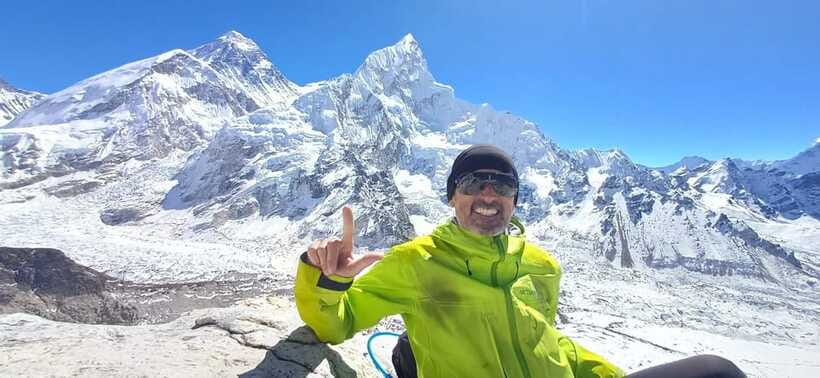
This is a rest day in the schedule, but rest does not necessarily mean lying indoors all day. The purpose is to give your body time to adjust to 3,440 meters before the route climbs again.
You can use the day to explore Namche, enjoy the mountain setting, and learn more about Sherpa life. The tour description also points to local cultural experiences, including traditional clothing and museum visits. The exact program may depend on the guide and conditions, so ask what is planned when you arrive.
I consider this one of the most valuable days in the whole plan. A rushed trek may look efficient on paper, but high altitude rewards patience. This pause makes the later stages more manageable.
More Guided Treks in Kathmandu:
- 12 Day Everest Base Camp Guided Trek
★ 5.0 · 40 reviews - Everest Base Camp Trek 15 days | Local Guide | Flexible Itinerary
★ 5.0 · 27 reviews - From Kathmandu: 12-Day Everest Base Camp Guided Trekking
★ 5.0 · 26 reviews - 5 Day Private Guided Trekking in Annapurna Base Camp
★ 5.0 · 25 reviews
Day 4: Namche to Tengboche
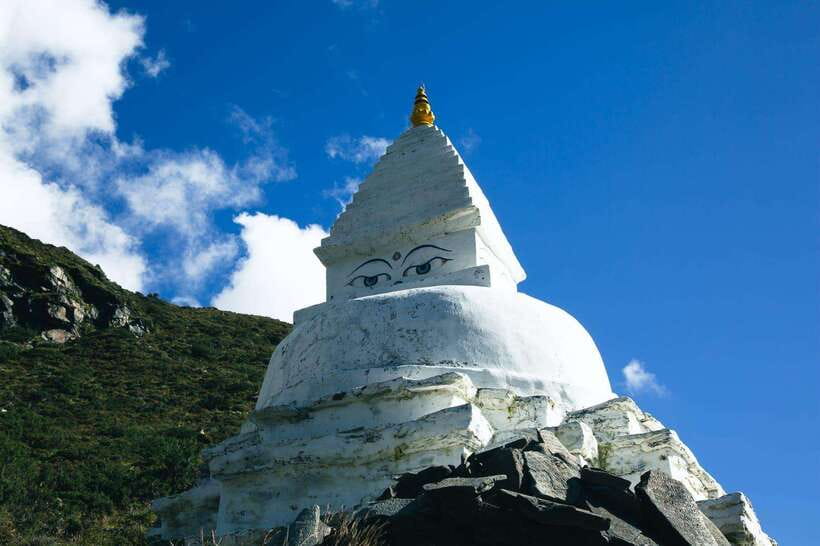
The trek continues to Tengboche, listed at about 3,800 meters. The village is known for its Buddhist monastery and for wide views of the high peaks.
Tengboche adds a spiritual side to the journey. You may see prayer activity and have time to take in the monastery setting rather than simply passing through another mountain settlement. For many people, this is one of the most memorable cultural stops before Base Camp.
The altitude also becomes more noticeable here. You are gaining height day after day, so the guide’s role matters. Saran was praised for checking on health, helping with difficult climbs, and keeping communication clear. That sort of attention is especially useful when the trail becomes tiring.
Day 5: Tengboche to Dingboche
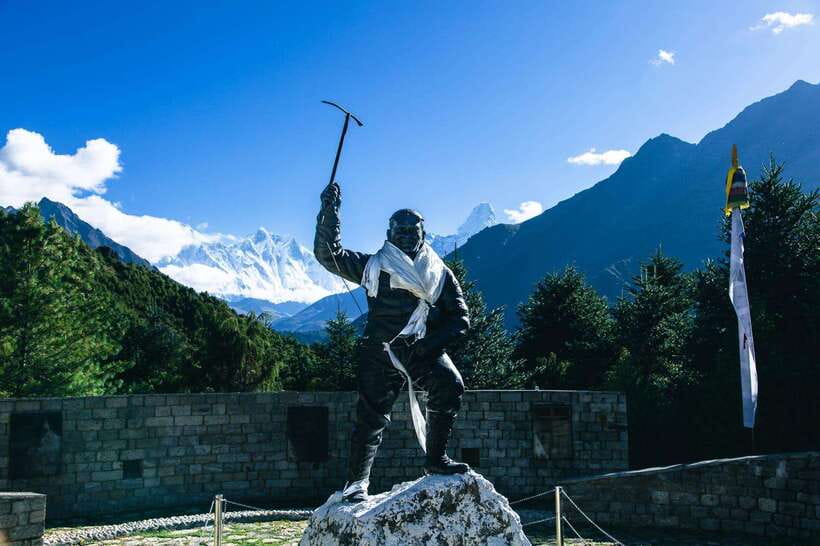
The route rises to Dingboche at approximately 4,400 meters. By now, the trees and lower valley scenery give way to a more open, rugged setting, with large peaks shaping almost every part of the walk.
Dingboche is an important staging point for the upper route. It is high enough for altitude to become a central concern, but the schedule gives you another pause before the next major climb.
This is not a day to prove how fast you can walk. Keep your pace steady and let the guide know if you feel unwell. The tour price includes accommodation and food for the guide, and a guide is provided for the trek. Food for you depends on the full-board option you select.
Day 6: Acclimatization in Dingboche
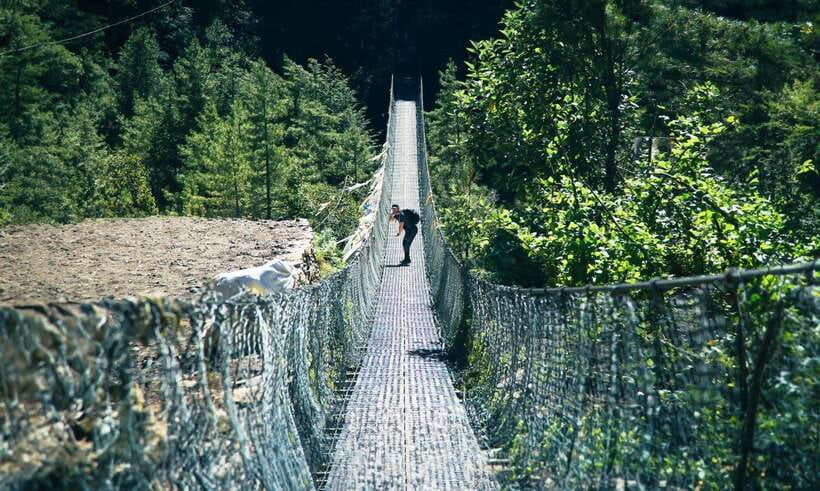
The second acclimatization day takes place at 4,400 meters. This break is even more important than the one in Namche because the following stages move toward 5,000 meters and beyond.
You will have time to rest, adjust to the thin air, and prepare for the colder, harder section ahead. Dingboche is also a good place to check your clothing, bag, and basic supplies. Keep the day simple. You are not wasting time by resting here. You are protecting the rest of the trek.
One solo visitor from Australia became ill late in the trek and received medical help plus porter support for the final day. That does not remove the risks of high altitude, but it suggests the operator can respond when a participant needs extra assistance. You should still carry travel insurance, which is not included.
Day 7: Dingboche to Lobuche
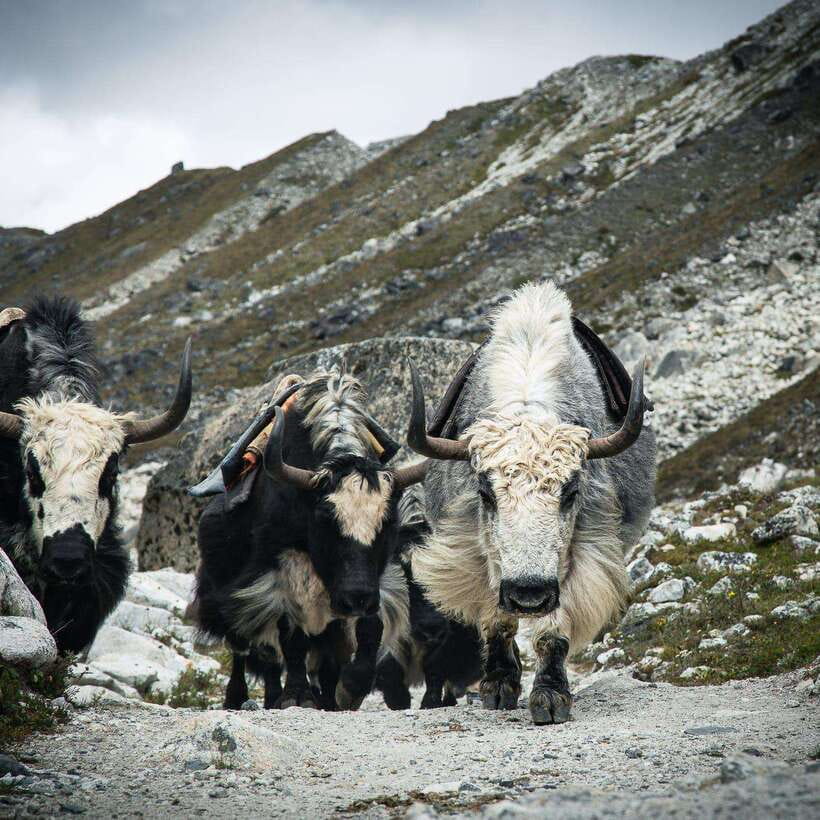
The walk to Lobuche reaches about 4,900 meters. The terrain becomes more severe, and the high peaks feel closer and more imposing.
This is one of the days when the route demands patience. Ascents may be slow, and the combination of altitude, cold, and rocky ground can make a modest distance feel long. Your guide can help you keep a sensible rhythm and monitor how you are coping.
Lobuche is a practical overnight stop before Gorak Shep. Do not expect this stage to feel easy simply because the destination is a small settlement. At this height, every climb costs more effort.
Day 8: Gorak Shep and Everest Base Camp
The trail reaches Gorak Shep at about 5,150 meters, then continues to Everest Base Camp at roughly 5,365 meters. This is the day many people have pictured for years, and it delivers a strong sense of achievement.
Base Camp gives you a direct connection with the mountaineering world, along with views toward the Khumbu Icefall and nearby glaciers. The setting is stark and powerful. You are not standing on the summit of Everest, of course, but you are at the foot of the route used by climbers attempting the highest mountain on Earth.
This is also a demanding day. You will walk high, and you will need to return to Gorak Shep after reaching Base Camp. Take photos, but do not let the photo stop become the whole experience. Give yourself time to notice the ice, rock, and scale of the peaks around you.
Day 9: Kala Patthar and Pheriche
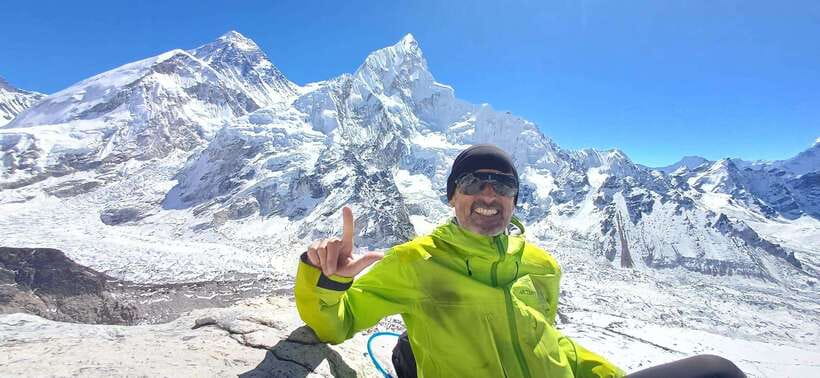
The early trek to Kala Patthar reaches approximately 5,545 meters, the highest point in the schedule. It is included for the views, especially toward Everest and the surrounding mountains.
The route then descends to Pheriche at about 4,200 meters. That drop in elevation is welcome after the high point, though the early start and steep climb can make this a tiring morning.
Kala Patthar is often the visual high point of the trip. From Base Camp, the view of Everest itself may not be as direct as you expect. Kala Patthar is included to give you that closer, broader mountain view, so do not judge the trek only by the Base Camp stop.
Days 10 and 11: Pheriche to Namche, then Lukla
The return begins with a trek from Pheriche back to Namche Bazaar, followed by the walk to Lukla. Descending is usually easier on the lungs, but it still puts pressure on knees and legs, especially after many days on rocky paths.
Returning through Namche gives you a familiar stop in the middle of the journey. You can look back on how far you have come, though the final walk to Lukla still requires a full effort.
The tour includes accommodation during the trek, but the supplied information does not specify hotel names or room standards. If comfort matters to you, ask the operator for current lodging details before booking.
Day 12: Lukla to Kathmandu
The final day is the return flight to Kathmandu. The round-trip flight is included only with the appropriate option, so make sure your chosen package covers it.
Domestic mountain flights can be an important part of the planning, and your schedule may depend on flight conditions. The information provided does not give a backup transport plan, so ask the operator how delays are handled if that is a concern.
After nearly two weeks on foot, the flight is a quick return to the capital. A welcome and farewell coffee are included, a small touch that gives the trip a clear beginning and end.
What the $408 price really gives you
At $408 per person, this is a low price for a 12-day guided Everest Base Camp trek if the key services are included. The package covers a guide, the guide’s lodging and food, accommodation during the trek, the Sagarmatha National Park permit, a trekking map, a first-aid kit, and hotel pickup and drop-off.
The important detail is the word if. Round-trip Kathmandu to Lukla flights are included only if that option is selected. Food and drinks are included if you choose the full-board option. Nepal visa fees and travel insurance are not included.
I would compare the final price after adding the flight and meal options. A low headline price can change once you select the services you actually need. Still, the included guide and permit support make this a worthwhile starting price, especially for a solo participant who wants help without joining a very large group.
Small groups are available, which is useful on a route where pace and health can vary widely. Ask how many people are in your departure and whether the guide will be dedicated to your party or shared with other participants.
Guides, communication, and solo support
The strongest part of this experience is the human support. Saran received repeated praise for being encouraging, funny, attentive, and helpful on difficult sections. One participant said he carried a heavy pack when she was struggling, took photographs, and even made a video.
Prayas was also praised for helpful guidance and good English. The available language for the live tour guide is English, and one Japanese solo participant reported that communication worked well despite limited English ability.
Rajesh handled advance communication and answered questions through WhatsApp. That is useful for a trip requiring careful preparation. You can ask about clothing, food, flights, luggage, and the exact package before you leave.
This support is especially valuable for solo women and first-time high-altitude trekkers. It does not make the route easy, but it can make the hard days less confusing and less lonely.
Who should book this trek?
You should consider this trip if you want the classic Everest route, prefer a guided experience, and can commit to 12 days of demanding walking. It suits people who value mountain scenery, Sherpa culture, Buddhist sites, and the satisfaction of reaching a famous destination on foot.
It may not suit you if you want a relaxed holiday, dislike basic mountain accommodation, or are not prepared for steep trails and high altitude. The itinerary includes two acclimatization days, but that does not remove the physical challenge.
Before booking, confirm four details: the flight option, the full-board food option, the size of the group, and the accommodation standard. Also arrange travel insurance yourself, since it is not included.
Should you book it?
I would book this trek if the final price remains close to $408 after adding flights and meals, and if you want personal guide support rather than an independent walk. Saran, Prayas, and Rajesh appear to be the key strengths, particularly for solo participants who want clear communication and help when the route gets hard.
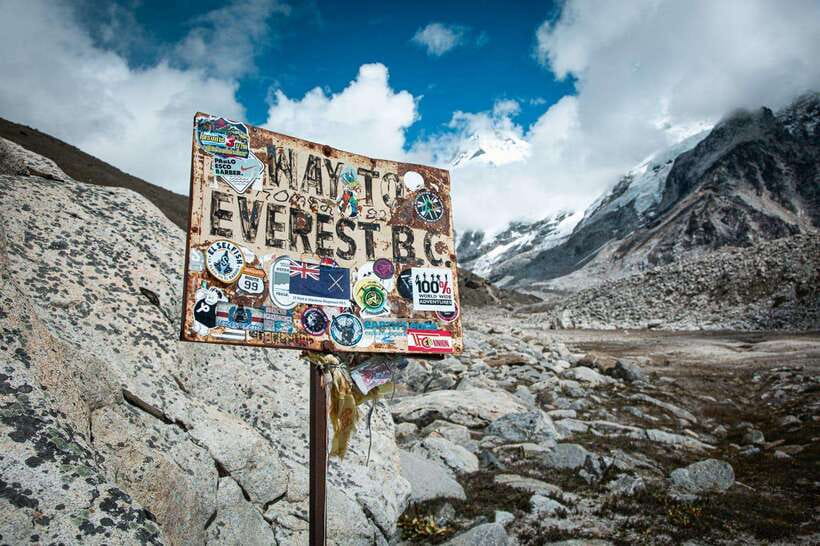
Book with realistic expectations. You are paying for a demanding Himalayan trek, not a polished resort holiday. If you accept the effort, plan carefully, and confirm what the package includes, this is a strong-value way to reach Everest Base Camp and see much more than the famous sign at the end.
FAQ
How long is the Everest Base Camp trek?
The experience lasts 12 days, including flights between Kathmandu and Lukla, the trek to Everest Base Camp, the return walk to Lukla, and the flight back to Kathmandu.
Is the Kathmandu to Lukla flight included?
Round-trip domestic flights are included if you select the option that includes them. Check your chosen package carefully before booking.
What language does the guide speak?
The live tour guide speaks English.
Is a guide provided for the trek?
Yes. A guide is included, along with accommodation and food for the guide.
Is food included for participants?
Food and drinks are included if you select the full-board option. Confirm this option when booking.
Is the Sagarmatha National Park permit included?
Yes. The Sagarmatha National Park permit is included.
Is travel insurance included?
No. Travel insurance is not included and must be arranged separately.
Can I cancel for a full refund?
You can cancel up to 24 hours in advance for a full refund.
Recently added around Kathmandu
- Ghorepani Poon Hill Trek★ 5.0 · 16 reviews
- Private Manaslu Circuit Trek at Himalayas★ 5.0 · 3 reviews
- Amazing 1 Day Trekking Experience in Kathmandu Nepal★ 5.0 · 24 reviews
- Ghorepani Poonhill Trek★ 5.0 · 5 reviews
- Upper Mustang Trekking★ 5.0 · 2 reviews
- Upper Mustang Trekking★ 5.0 · 4 reviews
- Upper Mustang Trek★ 5.0 · 5 reviews
- Upper Mustang Trekking★ 3.0 · 2 reviews
Everest Base Camp Treks, compared.




Browse the lists this tour appears in