
REVIEW · KATHMANDU
12 Day Everest Base Camp Guided Trek
The world’s highest base camp rewards steady feet. This 12-day trek from Kathmandu follows the classic route through Lukla, Namche Bazaar, Tengboche, Dingboche, Lobuche, and Gorakshep before reaching Everest Base Camp. I like the sensible acclimatization days in Namche and Dingboche, and I like that the $1,300 price includes flights, permits, meals, lodges, guide service, and airport transfers.
The main consideration is the altitude. You reach 5,364 meters at Everest Base Camp and climb Kala Patthar to about 5,545 meters, so this is a serious mountain trek, not a sightseeing walk with a few scenic strolls. The schedule is well paced, but you still need strong fitness, patience, and comfort with basic mountain accommodation.
Key points at a glance
- Lukla flight included: The package covers the Kathmandu to Lukla flight, the return flight, and airport tax.
- Two acclimatization stops: Rest days in Namche Bazaar and Dingboche help you adjust before the highest section.
- Everest Base Camp plus Kala Patthar: You reach Base Camp on Day 8, then climb Kala Patthar for the best stated sunrise views on Day 9.
- Small group size: The maximum group size is 14 people, with group discounts available.
- Meals and mountain lodging included: Eleven breakfasts, eleven lunches, eleven dinners, and eleven lodge nights are part of the price.
- Strong guide support: Names praised in the feedback include Raj, Bir, Arjun, Suraj, Dhana, and Rajan, with particular praise for careful check-ins and help when people felt unwell.
What the $1,300 price really covers
At $1,300 per person, this is not a bare-bones walking package. The price includes 11 nights in trekking lodges, a guide, domestic airport transfers, National Park entry paperwork, the TIMS permit, Kathmandu to Lukla flights in both directions, and airport tax.
Your three daily meals on the trek are also included: 11 breakfasts, 11 lunches, and 11 dinners. That matters in the Khumbu, where costs rise as supplies travel farther into the mountains. You also receive a sleeping bag, down jacket, and duffel bag if needed, although those items must be returned after the trek.
The value is strongest if you need a guided trip with the main logistics handled. You do not have to arrange the Lukla flight, permits, lodge bookings, or emergency helicopter arrangements yourself. Emergency helicopter service can be arranged, but your travel insurance company must pay for it.
The price does not include a Nepal visa, Kathmandu hotels, Kathmandu meals, personal drinks, hot showers, internet, laundry, phone service, bar bills, tips, or a porter. A porter is available if you need one, but the cost is not included. Before booking, ask yourself if you want to carry your own pack or budget separately for porter help.
More Everest Base Camp Treks in Kathmandu:
- Everest Base Camp Trek – 14 Days
★ 5.0 · 1,499 reviews - Everest Base Camp Trek
★ 5.0 · 842 reviews - Everest Base Camp Trekking
★ 5.0 · 485 reviews
Day 1: Lukla to Phakding begins at altitude
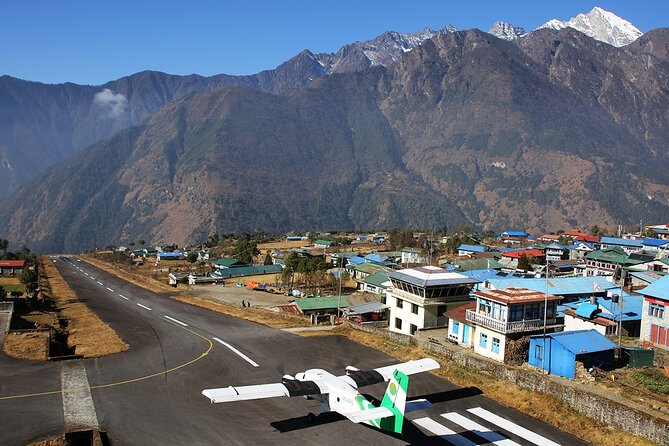
The day starts early, with a 6:15 a.m. meeting time at Outfitter Himalaya Holidays on Thamel Marg in Kathmandu. The included flight to Lukla takes about 35 minutes and offers mountain views before landing at the small Lukla airport.
After meeting the guide and porters, you walk along the left bank of the Dudh Koshi River to Phakding. The first day takes about three to four hours and is described as an easier introduction to the trail.
That gentler opening is useful. You have already dealt with an early start and a high-altitude flight, so a short walking day lets you begin without burning too much energy. You should still take it slowly. The trek has only just begun, and the biggest challenge is not speed but staying healthy for 12 days.
Day 2: The long climb to Namche Bazaar
The route follows the Dudh Koshi, crossing the river several times before entering Sagarmatha National Park at Jorsale. Lunch is taken there, followed by a longer walk through pine trees and across the plateau associated with the Saturday market.
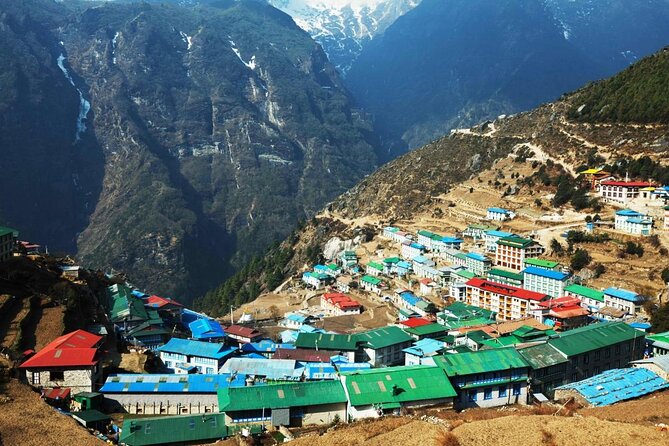
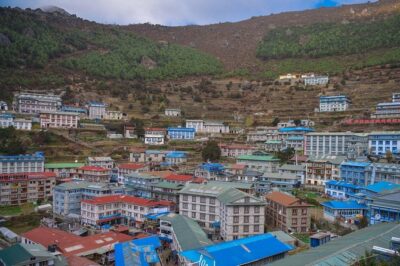
Namche Bazaar sits at 3,440 meters and is surrounded by mountain ridges. The approach is one of the key physical tests of the early trek. You gain altitude, and the final section can feel demanding even though the walking distance is manageable.
Namche is more than a place to sleep. It has lodges, tea shops, and souvenir shops, giving you a chance to buy small supplies and settle into the rhythm of the Khumbu. The views open out around the village, but the real value is the pause that follows.
Day 3: A necessary rest day in Namche
Day 3 is reserved for acclimatization. You stay in Namche rather than pushing farther up the valley, a choice I consider essential rather than optional.
The schedule describes Namche as an ideal place to rest before continuing toward Base Camp. You have time to explore the village and take short side walks, but the goal is not to fill every hour. Rest, drink enough, and pay attention to how your body feels.
The guide team’s role becomes especially important here. Several people praised guides such as Raj, Bir, Suraj, and Rajan for checking on group members, explaining the daily plan, and responding when someone became ill. That sort of steady attention is valuable in a trek where altitude problems can turn serious.
More Guided Treks in Kathmandu:
- Everest Base Camp Trek 15 days | Local Guide | Flexible Itinerary
★ 5.0 · 27 reviews - From Kathmandu: 12-Day Everest Base Camp Guided Trekking
★ 5.0 · 26 reviews - 5 Day Private Guided Trekking in Annapurna Base Camp
★ 5.0 · 25 reviews - Upper Mustang Classic Trek with Local guide
★ 5.0 · 15 reviews
Day 4: Tengboche and its famous monastery
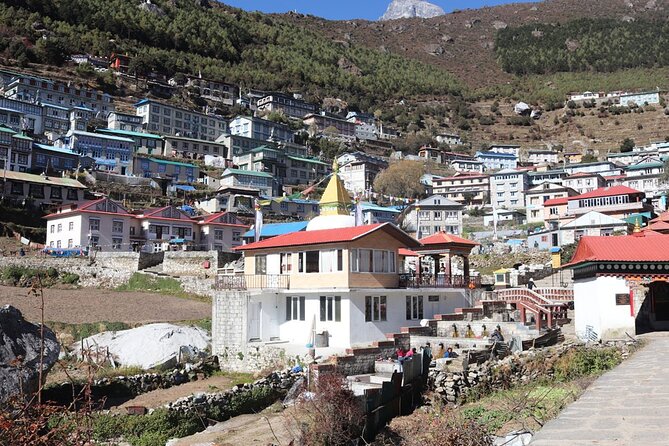
Leaving Namche, you follow a ridge trail and mostly level mountain paths with views of Thamserku, Kantega, and Kusum Kanguru. After descending to the river at Phunki Tenga, the route climbs through rhododendron forest to Tengboche.
Tengboche is one of the memorable stops on the route because of its monastery and mountain setting. The walk combines open views with forest and a demanding uphill section, so it feels varied rather than like one long climb.
The day is also a reminder that distance is only part of the story. A route that looks short on a map can still take effort when it drops to a river and climbs again. Keep your pace calm and let the guide set the rhythm.
Day 5: Pangboche, suspension bridges, and Dingboche
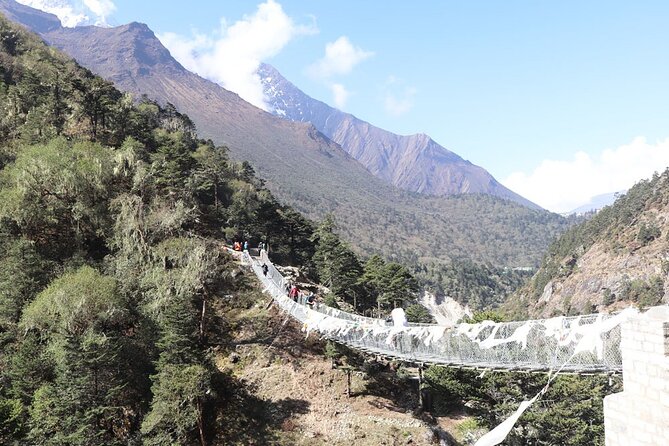
The trail descends through rhododendron forest to the Imja Khola, which you cross by suspension bridge. You then pass a long Mani stone wall before entering Pangboche.
The stone wall gives the walk a clear cultural character. These carved prayer stones are not scenery placed for tourists. They are part of the religious life of the region, and you should pass respectfully, keeping the local customs in mind.
From Pangboche, the route continues through summer pastures to Dingboche. The village is a major altitude marker, and reaching it means you are moving into the harder upper section of the trek.
Day 6: Dingboche makes room for your lungs
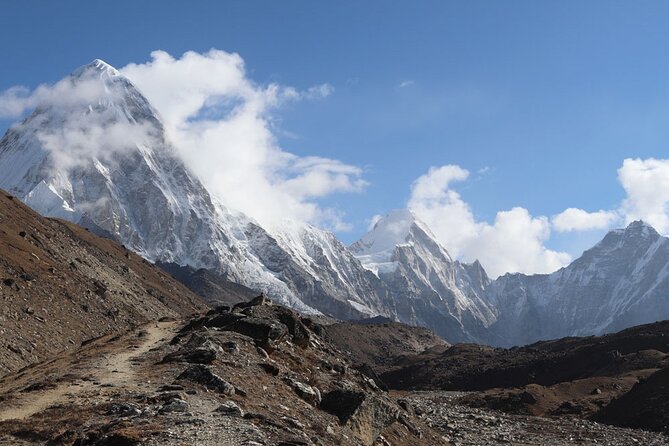
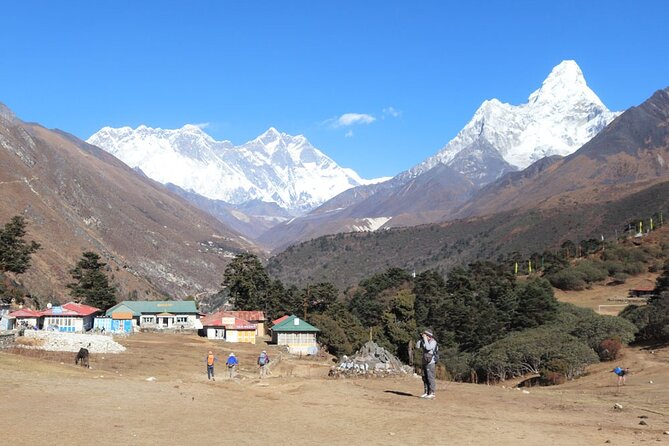
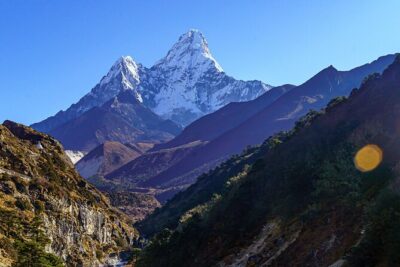
Dingboche is the second major acclimatization stop. The day includes views toward the North Face of Ama Dablam, the Lhotse-Nuptse ridge, and the valley leading toward Island Peak.
The walking is short, with time to rest in the afternoon and take a side trip around the valley. This is exactly the kind of day you want before heading higher. The itinerary does not try to rush you straight from Dingboche to Lobuche and beyond.
You may feel fit in Dingboche and still need to respect the altitude. A common mistake is treating an acclimatization day as a chance to prove how strong you are. The better approach is to walk gently, eat, sleep, and save energy for the difficult days ahead.
Day 7: The moraine climb to Lobuche
The morning route leads north for about 50 minutes to a Mani prayer stupa. From there, the trail looks down toward Pheriche and opens views of Tawache, Ama Dablam, Pokalde, Kongma Tse, and the great wall of Nuptse.
After about two hours, the trail from Pheriche joins near Dugla at roughly 4,595 meters. You cross a small wooden bridge over the Khumbu Glacier river, then climb a steep hill. At the top, views of Pumori and the western side of Everest appear.
This is one of the days when the trek begins to feel truly high and exposed. The route is not presented as technically difficult, but the altitude and steep section can make each step feel slow. Lobuche is a practical overnight stop before the final push to Base Camp.
Day 8: Gorakshep and Everest Base Camp
The route from Lobuche follows a rocky moraine path beside the Khumbu Glacier. You can see icy ponds and ice formations below, though the walking surface is uneven and tiring.
You reach Gorakshep for lunch and leave your main belongings at the lodge. This is the last place on the route with lodge accommodation, so carrying only what you need for the Base Camp walk makes sense.
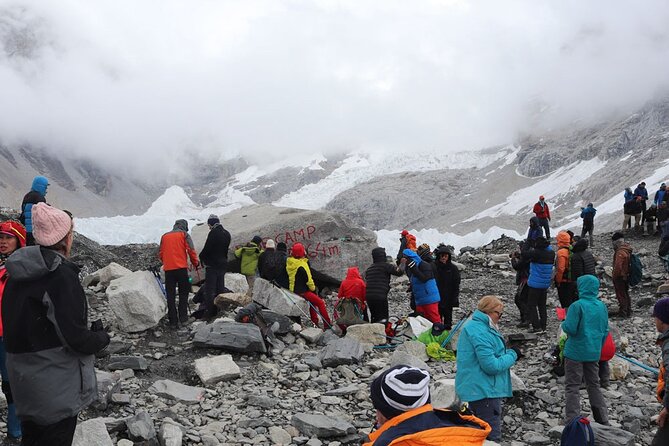
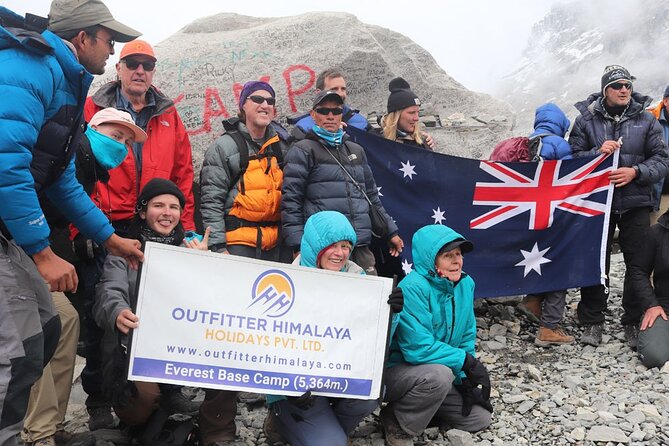
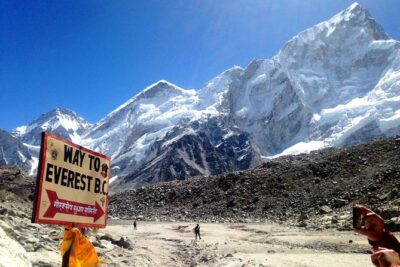
From Gorakshep, you continue toward Everest Base Camp. The final route crosses rocky moraine terrain, and the achievement comes from persistence more than from one dramatic final step. At 5,364 meters, the air is thin, the trail is rough, and progress can be slow.
You spend some time at Base Camp and in the surrounding area before returning to Gorakshep for the night. The schedule calls this the moment your dream comes true, but the practical truth is just as useful: reaching Base Camp is only half of the high point. You still need to get back safely.
Day 9: Sunrise from Kala Patthar
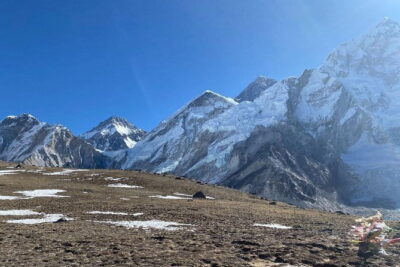
The day begins early with a climb to Kala Patthar at about 5,545 meters. From the summit, you get panoramic views of Everest, Pumori, Lingtren, Khumbutse, Nuptse, Lhotse, Ama Dablam, Thamserku, and other Himalayan peaks.
This is arguably the visual highlight of the trip. Everest Base Camp itself does not necessarily provide the clearest view of Mount Everest, while Kala Patthar is included specifically for the broad sunrise panorama.
The climb is short compared with the full trek, but the altitude makes it hard. After sunrise, you return to Gorakshep for breakfast and continue downhill to Pheriche. The descent is easier on the lungs, though tired knees may complain.
Days 10 to 12: Returning through the Khumbu
Day 10 takes you from Pheriche back to Namche Bazaar. The route passes through rhododendron forest and Tengboche, where you can again see the monastery, Ama Dablam, green hills, and river views. It is a long return day, but losing altitude generally makes walking more comfortable.
On Day 11, you leave Namche for Lukla. The route crosses the Bhote Koshi River several times and includes a final uphill climb of about 45 minutes before reaching Lukla. Calling it the last day of the adventure is fair, but it is not a completely effortless stroll. Your legs have already worked hard for more than a week.
Day 12 begins with breakfast, followed by the walk to Lukla airport and the flight back to Kathmandu. Mountain flights depend on weather, so keep your wider Nepal plans flexible. The stated cancellation terms allow a full refund if the operator cancels because of poor weather, or you can choose another date.
Lodges, food, and what to pack for comfort
The package provides 11 nights in trekking lodges. The accommodation is basic mountain lodging, and the feedback describes it as comfortable considering the remote locations and high elevation. You should not expect city-hotel facilities.
Hot showers, internet, laundry, phone service, drinks, and bar bills cost extra. These are easy expenses to underestimate, especially after several days in the mountains. Bring some spending money and decide in advance which comforts matter most to you.
The package includes a sleeping bag and down jacket if necessary, plus a duffel bag. You should confirm the available sizes and equipment arrangements before departure. A porter is not included, so budget for one if you do not want to carry your own load.
The guide team and group size
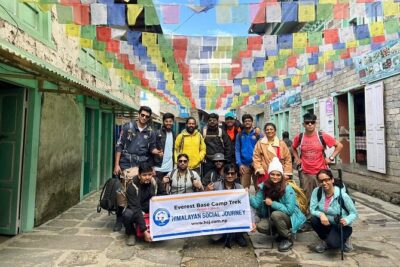
The maximum group size is 14, large enough to share the energy of a group but small enough for a guide to keep track of people. Some recent departures were much smaller, including one group of four, though you should not assume every departure will be that intimate.
The strongest praise has focused on care and coordination. Guides named in the feedback include Raj, Bir, Arjun, Suraj, Dhana, and Rajan. Their reported strengths include regular health checks, clear updates, help during sickness, and keeping the group moving without making people feel abandoned.
That matters more than cheerful conversation. On the upper trail, a guide who notices a problem early can help the group make a safer decision. You still need to be honest about symptoms and fitness. A guide cannot remove the altitude risk.
Who should book this trek?
This trek suits you if you already enjoy long days on foot, can handle steep uphill sections, and are prepared for cold, basic accommodation and high altitude. You should have a strong physical fitness level, as the operator states directly.
It is a good fit for someone who wants the classic Everest route without arranging flights, permits, lodges, meals, and emergency planning alone. It also suits solo visitors who prefer the security of a guided group.
I would think twice if you dislike early starts, shared trekking lodges, rocky trails, or uncertain mountain flight schedules. The 12-day format is efficient, but it leaves little spare time if weather or illness causes delays.
The experience currently carries a 4.9 out of 5 rating from 40 ratings, with 100 percent recommending it. The most praised qualities are guide care, organization, spectacular mountain views, and the feeling of being looked after from airport pickup to the return flight.
Should you book the 12-day Everest Base Camp trek?
Book it if you want a well-organized classic route with the main costs bundled into one price. The two acclimatization days, included Lukla flights, guide support, meals, permits, and emergency arrangements make the package practical for a first Everest Base Camp attempt.
Before paying, confirm porter costs, equipment availability, current flight arrangements, and what happens if weather disrupts your schedule. If you prepare for the altitude and accept that comfort will be limited, this trek offers a strong balance of structure, support, and mountain access.
FAQ
How long is the Everest Base Camp trek?
The experience lasts approximately 12 days, including flights between Kathmandu and Lukla.
Where does the trek start?
The meeting point is Outfitter Himalaya Holidays on Thamel Marg in Kathmandu, Nepal.
What time does the trek start?
The listed start time is 6:15 a.m.
What is the maximum group size?
The maximum group size is 14 people.
Is the Lukla flight included?
Yes. The package includes the Kathmandu to Lukla flight, the return flight, and airport tax.
Are meals included?
Yes. The package includes 11 breakfasts, 11 lunches, and 11 dinners during the trek.
Is accommodation included?
Yes. Eleven nights in trekking lodges are included.
Is a porter included?
No. Porter service is not included, but you can request one separately.
Is travel insurance required?
Yes. Travel insurance is compulsory, and it must cover the trip. Emergency helicopter service can be arranged, but the cost is paid by your travel insurance company.
What is the cancellation policy?
You can receive a full refund if you cancel at least six full days before the start time. Cancellation two to six full days before the start time receives a 50 percent refund. Cancellations less than two full days before departure are nonrefundable. If poor weather causes the operator to cancel, you can choose another date or receive a full refund.
Recently added around Kathmandu
- Ghorepani Poon Hill Trek★ 5.0 · 16 reviews
- Private Manaslu Circuit Trek at Himalayas★ 5.0 · 3 reviews
- Amazing 1 Day Trekking Experience in Kathmandu Nepal★ 5.0 · 24 reviews
- Ghorepani Poonhill Trek★ 5.0 · 5 reviews
- Upper Mustang Trekking★ 5.0 · 2 reviews
- Upper Mustang Trekking★ 3.0 · 2 reviews
- Upper Mustang Trekking★ 5.0 · 4 reviews
- Upper Mustang Trek★ 5.0 · 5 reviews
Everest Base Camp Treks, compared.
Browse the lists this tour appears in