
REVIEW · KATHMANDU
Everest Base Camp trek with Helicopter return 9 days
The mountain gives you no easy days. This nine-day Everest Base Camp trek packs the classic route into a short schedule, then replaces the long walk back with a helicopter from Gorakshep to Lukla. I like the efficient design and the built-in acclimatization day in Namche Bazaar. I also like that permits, meals, a porter for every two people, medical checks, and mountain transport are included.
The main concern is the pace. You reach Kala Patthar at 5,644 meters, or 18,519 feet, in only a week of mountain walking. That makes this a serious high-altitude trek, despite the convenient helicopter return. Weather can also affect flights, so you need flexibility and good travel insurance.
Key Points Before You Book
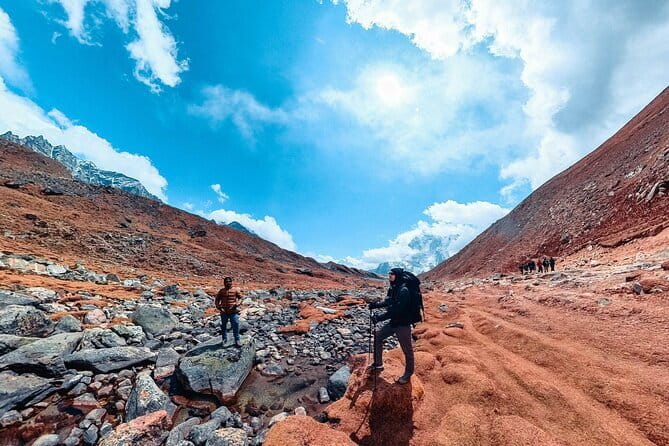
- A classic route in nine days: You walk from Lukla through Namche, Tengboche, Dingboche, Lobuche, and Gorakshep before reaching Everest Base Camp and Kala Patthar.
- Helicopter return from Gorakshep: You avoid the long descent and fly to Lukla, where the included flight back to Kathmandu is scheduled.
- One acclimatization day in Namche: The rest day includes a walk toward Khumjung and the Everest View Hotel.
- Altitude is the real challenge: The route rises from Lukla to Kala Patthar, with steeper, more remote walking above Dingboche.
- Practical support is included: You get an experienced guide, one porter for two people, permits, meals, ground transport, an oximeter, and a first-aid kit.
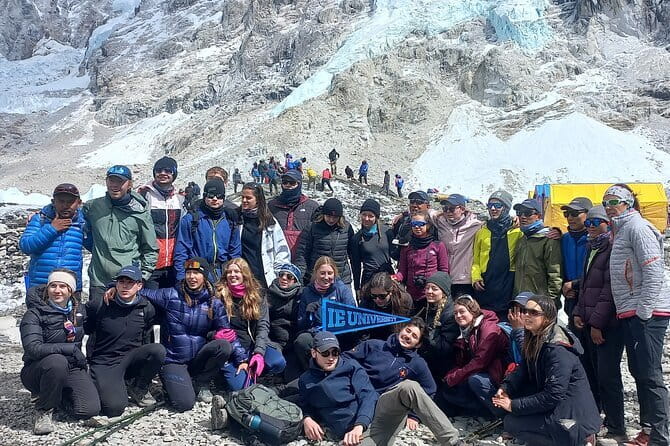
- A private trip for your group: Only your own party takes part, which can make the pace and support feel more personal.
What This Everest Trek Is Really Offering
At $3,888 per person, this is not a budget walk in the Himalayas. You are paying for a short schedule, private ground transfers, a guide, porter support, Lukla flights, permits, meals, and a helicopter flight out of the high country.
That price makes more sense if your time is limited. A conventional Everest Base Camp trek requires a long return walk after reaching the goal. Here, you spend seven full days in the mountains and use the final day for Kala Patthar, helicopter transport, and the return flight toward Kathmandu.
I like that the package includes more than just a guide. The guide’s salary, food, lodging, transportation, and insurance are covered. You also get a porter for every two people, which means you can walk with a lighter daypack. Your own luggage arrangements still need careful confirmation before departure, so ask exactly what weight the porter will carry.
The food package covers eight breakfasts, eight lunches, and eight dinners. Drinks, sweets, alcoholic beverages, and other purchases are extra. Tea houses charge separately for hot showers and phone charging, usually about $2 to $5, so carry some cash in Nepalese rupees.
More Everest Base Camp Treks in Kathmandu:
- Everest Base Camp Trek – 14 Days
★ 5.0 · 1,499 reviews - Everest Base Camp Trek
★ 5.0 · 842 reviews - Everest Base Camp Trekking
★ 5.0 · 485 reviews
Day 1: A Soft Landing in Kathmandu
Your airport team collects you at the international terminal and drives you to the hotel in a private car. They also help with check-in and luggage, which is useful after a long international flight.
After some rest, you meet the core team. This first day is more about getting organized than sightseeing. Use it to check your gear, confirm the early Lukla departure, ask about porter limits, and make sure your insurance covers high-altitude trekking and helicopter evacuation.
Kathmandu meals are not included for lunch and dinner. The tour price also excludes your visa, international flights, travel insurance, personal spending, and tips for the guide, porter, and driver.
Day 2: Lukla and the First Mountain Walk
You leave early for the flight from Kathmandu to Lukla. The flight is short and offers mountain views, but the schedule depends on weather and airport conditions. Do not plan an important international connection immediately after the trek.
At Tenzing Hillary Airport, porters join the group and you begin walking. The first day is a useful introduction to the route. You are not yet facing the highest sections, but the path is already mountain terrain, with changes in elevation and uneven ground.
The schedule lists about four hours of walking. That leaves time to settle into the rhythm of the trek and adjust to the first night in the Khumbu region. Your guide handles the route and local arrangements while you focus on walking, hydration, and a steady pace.
Day 3: Phakding to Namche Bazaar
This is a longer day, listed at about six hours. From Phakding, the path passes through rhododendron and magnolia forest before reaching Toktok at 2,760 meters.
You continue toward Monjo from Bengkar Village, crossing two bridges along the way. These early sections mix forest, villages, river crossings, and rising trails. It is a pleasant contrast to the bare rock and ice you will see higher up.
Namche Bazaar is one of the most important stops on the route. It is the main settlement in the area and your base for altitude adjustment. Reaching it is a clear step up from the lower valley, and you may feel the thinner air here even before the route becomes truly high.
A few more treks around Kathmandu worth a look
- Everest Base Camp Trek with Helicopter Return from Gorakshep to Lukla
★ 5.0 · 161 reviews - Everest Base Camp Trek with Helicopter Return to Lukla – 10 Days
★ 5.0 · 34 reviews - Everest Base Camp Trek with Helicopter Return -11 Days
★ 5.0 · 12 reviews - Helicopter Return Everest Base Camp Trek, KTM-LUKLA & Gorakshep-KTM by Heli
★ 5.0 · 9 reviews
Day 4: Acclimatization Around Namche and Khumjung
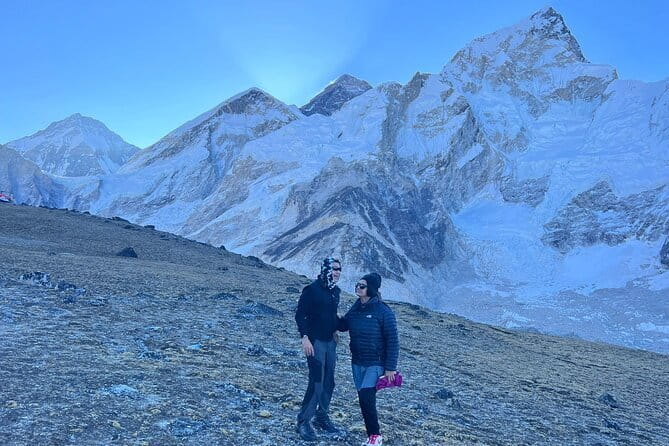
The rest day in Namche is one of the strongest parts of the plan. You do not simply sit indoors. The schedule includes a walk toward Khumjung and the Syangboche airstrip above Namche, followed by the Everest View Hotel.
This is a smart mountain routine: walk high, return lower, and give your body time to adjust. The day is listed at about five hours, so it still feels active rather than wasted.
The Everest View Hotel provides a chance to look toward the Everest region without yet committing to a long, punishing day. Khumjung adds village scenery and a quieter feel than Namche. Keep your pace easy. A rest day is not the place to prove your fitness.
The guide carries an oximeter and checks pulse, oxygen saturation, and heart rate twice daily. That does not replace your own judgment, but it adds useful monitoring. Tell the guide promptly if you develop a headache, nausea, unusual fatigue, or breathing trouble.
Day 5: Namche to Kyangjuma
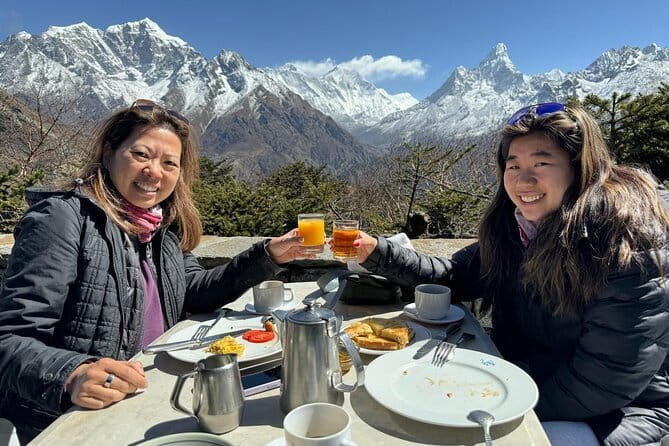
The walk to Kyangjuma reaches about 3,550 meters and takes roughly five hours. The trail rises along green foothills, with mountain views opening along the way.
The route description includes a descent toward Phunki Tenga after the climb. That is typical of Himalayan walking: a day can involve both gaining and losing height, even when your final destination is higher. You need to save energy for these repeated ups and downs.
Kyangjuma is a good point to notice the change in the valley. The lower forests begin to give way to a more open mountain setting, and the route feels less urban than Namche. This is also where the practical value of a porter becomes clearer. A lighter pack helps your knees on descents and your lungs on climbs.
Day 6: Tengboche and the Rhododendron Forest
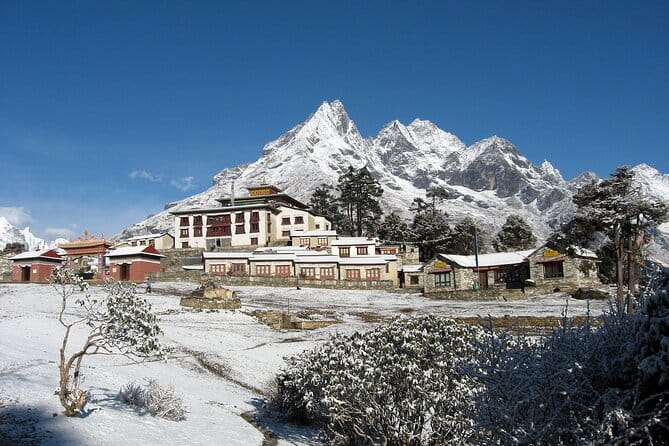
The schedule places you in Tengboche and lists about five hours of walking. An early start gives you a chance to see sunrise before breakfast, a worthwhile moment in a place known for its mountain setting and monastery area.
From Tengboche, the trail descends through rhododendron forest toward Deboche at 3,320 meters. The route may offer sightings of musk deer, blue sheep, and monkeys, though wildlife is never guaranteed.
This section feels different from the high, rocky days ahead. You still have trees, but the air is thinner and the route continues to gain altitude overall. Tengboche is an important emotional marker. From here, the trek begins to feel less like a village walk and more like a journey into the high Himalayas.
Day 7: Toward the Khumbu Glacier
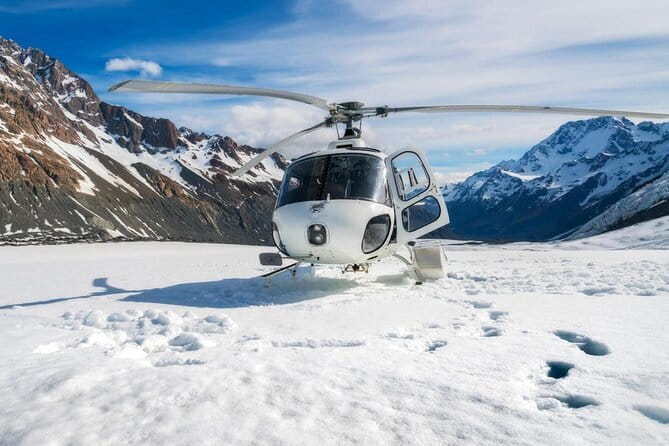
The next stage brings you into more exposed country. The route leaves Dingboche and climbs along a ridge, with views toward Cholatse and Tawache. The day is listed at about six hours and is described as involving the Khumbu Glacier.
Above Dingboche, the trail becomes steeper and more remote. That detail matters more than the word moderate in the general difficulty rating. Moderate fitness may be enough for the walking, but altitude can make every slope feel much harder.
Take short, regular breaks instead of waiting until you are exhausted. Drink often, protect yourself from the sun, and keep your pace slow enough to speak in full sentences. You are not racing anyone. The goal is to arrive safely and continue the next morning.
The views become more severe here, with rock, ice, ridges, and high peaks replacing much of the earlier forest. This is where the trek delivers its strongest sense of distance from ordinary life.
Day 8: Lobuche to Gorakshep and Everest Base Camp
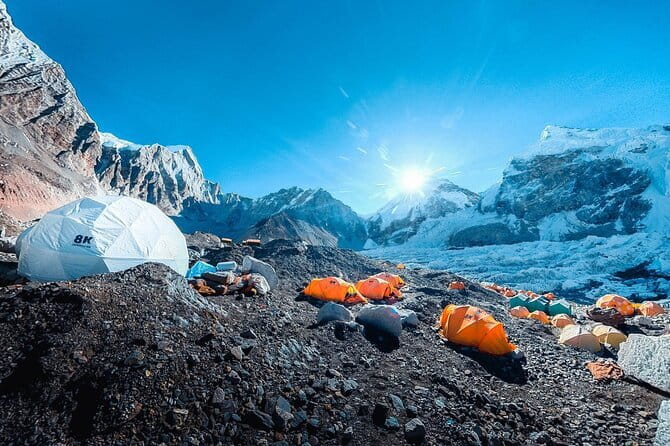
This is the big walking day, listed at about eight hours. You leave Lobuche and follow a broad valley toward Gorakshep. The trail starts gradually, then becomes steeper and more demanding as the elevation increases.
From Gorakshep, you walk toward Everest Base Camp. The route is rocky, uneven, and tiring, especially after several days of altitude exposure. The base camp area is a major goal, but the finest mountain viewpoint comes the next morning from Kala Patthar.
You should expect a long day with little comfort. Meals are included, but snacks and sweets are not. Carry extra food you know you can eat at altitude, along with water and any personal medication.
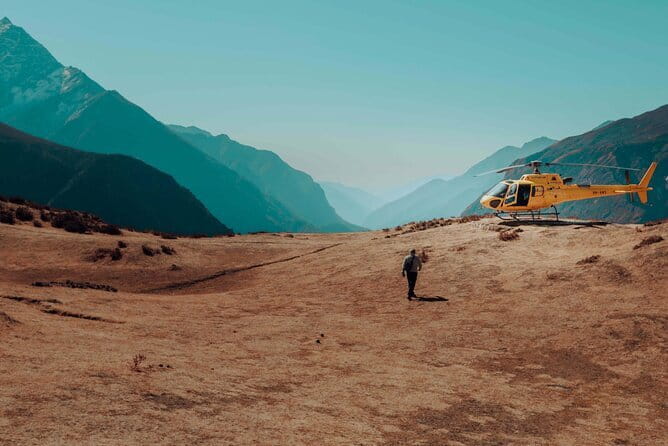
Gorakshep is also the place where the helicopter return becomes practical. The flight is scheduled from here to Lukla, but mountain weather can change quickly. The operator has experience using helicopters when conditions create problems on mountain trips, yet no company can control cloud, wind, or airport restrictions. Build patience into your plans.
Day 9: Kala Patthar and the Helicopter Back
The final morning starts with the climb to Kala Patthar. The trail begins above Gorakshep and is well used, though the altitude makes it far from easy. The early sun gives the peaks a golden light, and this is the best place in the program for a broad mountain view.
Kala Patthar reaches 5,644 meters, higher than Everest Base Camp itself. That fact surprises many people. Base Camp is the symbolic destination, but Kala Patthar gives you the high viewpoint that makes the surrounding peaks easier to appreciate.
After the morning walk, you return to Gorakshep for the helicopter flight to Lukla. The included Kathmandu to Lukla and Lukla to Kathmandu flights make the transport chain fairly simple on paper, but helicopter and small-aircraft schedules are weather sensitive.
The helicopter return saves days of downhill walking. It also gives you a dramatic aerial view of the valley, assuming visibility is good. The tradeoff is that you lose the slower return journey through villages and forests. If you value time and want to reduce the strain of descending, this is an excellent exchange.
Guides, Porters, and Safety Support
The company places an experienced mountain guide with the group and includes the guide’s basic costs. Good guiding matters here because the route is not difficult only in a technical sense. Pace, altitude awareness, weather decisions, and group communication all affect the outcome.
Several guide names appear in the company’s wider trip feedback, including Raj, Ramesh, Sital, and Ganesh. Raj is praised for making the process efficient and helping with questions. Ramesh is singled out for practical help during an Everest trek, while Sital and Ganesh receive warm comments for friendly support on other Nepal routes. Ask who will lead your group before you pay, since the names connected with the company are not necessarily assigned to every departure.
The oximeter checks twice a day are a helpful extra. So is the first-aid kit. Still, you need personal travel and medical insurance. The package does not include your insurance, and you should check that it covers trekking at this altitude and helicopter-related care.
Tips for the guide, porter, and driver are expected but not included. Budget for them separately and ask the operator for current local guidance.
Who Will Like This Trek Most?
I would choose this trip if you have limited time but still want the major Everest route on foot. It suits people who prefer a private group, want porter support, and would rather fly down than spend several extra days retracing the trail.
It is less suitable if you want a slow acclimatization program, dislike early starts, or have no experience with long days above 4,000 meters. The nine-day format leaves little spare time if you feel unwell or flights are delayed.
A moderate fitness level is required, but fitness alone does not guarantee comfort at altitude. Prepare with long uphill walks, stair training, and a loaded daypack before arriving. Keep your expectations realistic: the helicopter makes the return quicker, not the ascent easier.
Is the $3,888 Price Fair?
The value depends on what you would otherwise have to arrange. Private airport transfers, Lukla flights, permits, meals, a guide, a porter, medical monitoring, and the high-cost helicopter flight are all bundled together.
The package is expensive compared with a basic tea house trek, but the helicopter alone changes the calculation. You are paying for time saved, transport coordination, and a private operating structure. If you have only nine days available, that convenience may be worth more than the lower price of a longer standard route.
Bring extra money for Kathmandu meals, drinks, showers, charging, sweets, tips, visa costs, and personal purchases. Also buy suitable insurance before arrival. Those extras can add up quickly.
Should You Book It?
Book this trek if you want the classic Everest Base Camp experience in a tight window and accept a demanding altitude schedule. The Namche acclimatization day, porter support, included meals, private transport, and helicopter return make the plan practical.
I would pause if your schedule cannot absorb weather delays or if you are choosing it mainly because the word helicopter makes the trip sound easy. The hardest part is still the climb to Kala Patthar. For fit walkers with limited time, strong mountain support, and a clear understanding of the risks, this is a costly but efficient way to reach the Everest region.
FAQ
How long does the Everest Base Camp helicopter return trek last?
The experience lasts approximately nine days. You spend seven full days in the mountains and return by helicopter on the final day.
What is the highest point on the trek?
The highest point is Kala Patthar at 5,644 meters, or 18,519 feet.
Is the helicopter flight included?
Yes. The package includes a helicopter flight from Gorakshep to Lukla, along with the Kathmandu to Lukla and Lukla to Kathmandu flights.
Are meals included?
Eight breakfasts, eight lunches, and eight dinners are included. Kathmandu lunch and dinner, drinks, sweets, desserts, and alcoholic beverages are not included.
Is a guide and porter included?
Yes. An experienced guide is included, along with one porter for every two people. Tips for the guide, porter, and driver are expected but are not included.
Can I cancel for a full refund?
You can receive a full refund if you cancel at least 24 hours before the experience start time. Cancellations or changes made within 24 hours are not accepted for a refund.
Recently added around Kathmandu
- Ghorepani Poon Hill Trek★ 5.0 · 16 reviews
- Private Manaslu Circuit Trek at Himalayas★ 5.0 · 3 reviews
- Amazing 1 Day Trekking Experience in Kathmandu Nepal★ 5.0 · 24 reviews
- Ghorepani Poonhill Trek★ 5.0 · 5 reviews
- Upper Mustang Trekking★ 5.0 · 2 reviews
- Upper Mustang Trekking★ 5.0 · 4 reviews
- Upper Mustang Trek★ 5.0 · 5 reviews
- Upper Mustang Trekking★ 3.0 · 2 reviews
Everest Base Camp Treks, compared.




Browse the lists this tour appears in