
REVIEW · KATHMANDU
Everest Base Camp Trek with Helicopter Flight Back
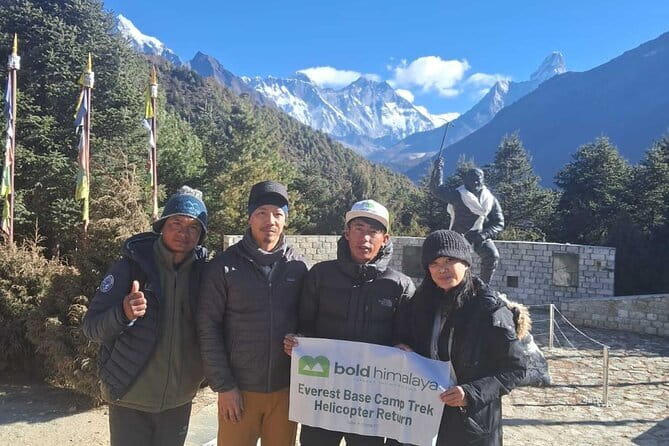
The return flight changes the whole trek. Bold Himalaya’s 10-day Everest Base Camp trip gives you the classic Khumbu route, then replaces the long walk back with a helicopter flight to Kathmandu. I like the clear rhythm of the trip: acclimatization in Namche Bazaar and Dingboche, a night near Everest Base Camp, and an early Kala Patthar climb before the flight home.
I also like that the package includes a guide, domestic flight to Lukla, park permits, meals, sleeping bag, down jacket, trekking poles, and a duffle bag. The main catch is important: the helicopter flight from Gorak Shep to Kathmandu is not included in the $446.50 price, and porters and travel insurance are extra. You need to budget for those costs before booking.
Key points to know before booking
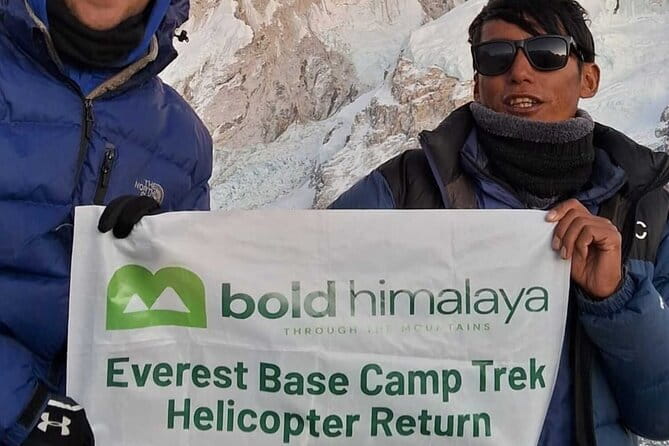
- Kala Patthar comes before the helicopter flight: You get the famous high viewpoint at 5,550 meters before leaving the Khumbu.
- Two acclimatization stops are built in: Namche Bazaar includes an Everest View Hotel hike, while Dingboche offers a Nagarjun Peak climb.
- The return trek is removed: This saves several walking days, but the helicopter fare is paid separately.
- The trip is private: Only your own group takes part, rather than a mixed public group.
- Guide and basic trekking equipment are included: A guide’s salary, food, accommodation, insurance, sleeping bag, down jacket, poles, and duffle bag are covered.
- Weather can change the plan: The helicopter requires suitable conditions, and poor weather may lead to a new date or a full refund.
Why this 10-day route works
The standard Everest Base Camp route is famous for its views, Sherpa villages, suspension bridges, monasteries, and steadily increasing altitude. It is also a serious walk back out. This version keeps the best-known portion of the route and removes the return on foot.
That makes the trip appealing if you want the achievement of reaching Base Camp but have limited time, limited interest in retracing the same trail, or a strong preference for a more comfortable finish. The flight also adds a memorable final scene, with mountain views from the air instead of another week of walking.
The tradeoff is simple. You pay separately for the helicopter, and you lose the slower return through the villages. If the helicopter is delayed by weather, the schedule may change. This is still a high-altitude trek, not a sightseeing holiday with a short mountain stroll.
The pace is moderate to demanding, with walking days lasting about four to seven hours. The tour information calls for a moderate fitness level. The highest points are Kala Patthar at 5,550 meters, Everest Base Camp at 5,364 meters, and Gorak Shep at 5,170 meters.
More Everest Base Camp Treks in Kathmandu:
- Everest Base Camp Trek – 14 Days
★ 5.0 · 1,499 reviews - Everest Base Camp Trek
★ 5.0 · 842 reviews - Everest Base Camp Trekking
★ 5.0 · 485 reviews
Kathmandu arrival and the first briefing
Your trip begins at Tribhuvan Airport in Kathmandu, where pickup is offered. Bold Himalaya transfers you to a hotel, gives you time to settle in, and holds an evening briefing about the trek.
This first night matters. It gives you a chance to organize your gear before the early flight to Lukla and ask about the walking schedule, equipment, and altitude plan. One night of Kathmandu accommodation is included at Hotel Thrive or a similar property, with breakfast.
The company’s manager, Sobit, has been praised for careful communication and attention to detail. That is useful before a trip with several moving parts, especially one involving flights, mountain lodges, and a helicopter return.
You also receive a cultural show and dinner program in Kathmandu. It is a short taste of local culture rather than a substitute for time in the mountain villages, but it gives the trip a pleasant opening and closing touch.
Day 2: Lukla to Phakding through alpine forest
The day begins with the domestic flight from Kathmandu to Lukla, or from Ramechap to Lukla when the operating plan requires it. The flight offers Himalayan views and ends at the famous Lukla Airport, where the mountain trek begins.
From Lukla, you walk downhill toward Phakding for around four hours. The route passes through alpine forest and begins gently compared with the harder days ahead.
This first walking day is useful for getting used to the rhythm of a trekking trip. You are not yet at the highest elevations, but the trail is already far removed from city life. The walk introduces the mix of forest, mountain settlements, and river crossings that defines the Khumbu route.
The main practical point is timing. Domestic mountain flights can affect the day’s schedule, and the arrival at Lukla sets the pace for everything that follows. Keep your first day flexible and avoid planning important onward commitments in Kathmandu.
Day 3: Suspension bridges and Namche Bazaar
The walk from Phakding to Namche Bazaar takes about six hours. You follow the Dudh Koshi River, cross suspension bridges, and pass through Sherpa villages on the way to the region’s best-known market town.
Namche is more than a stopping point. It is the main hub of the Khumbu, with a compact town setting and strong Sherpa character. The climb toward Namche also marks a clear change in effort. You gain altitude and spend more time walking uphill.
The suspension bridges add a touch of adventure without requiring technical climbing. You should expect the route to feel more demanding than the first day, especially as you approach Namche.
The guide is included, along with guide insurance, food, accommodation, and salary. That matters here because a good guide does more than lead the way. The company has received particularly warm feedback for guides such as Surendra, who was credited with keeping a couple safe and focused throughout their trek.
A few more treks around Kathmandu worth a look
- Everest Base Camp Trek with Helicopter Return from Gorakshep to Lukla
★ 5.0 · 161 reviews - Everest Base Camp Trek with Helicopter Return to Lukla – 10 Days
★ 5.0 · 34 reviews - Everest Base Camp Trek with Helicopter Return -11 Days
★ 5.0 · 12 reviews - Helicopter Return Everest Base Camp Trek, KTM-LUKLA & Gorakshep-KTM by Heli
★ 5.0 · 9 reviews
Day 4: Namche acclimatization and Everest View Hotel
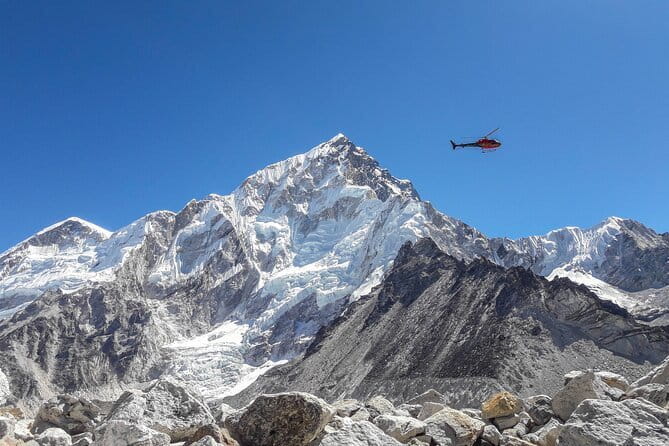
Day four is a rest and acclimatization day in Namche, but rest does not mean doing nothing. The plan includes a visit to the Sherpa Museum and a hike toward the Everest View Hotel, with panoramic views of Everest and the surrounding peaks.
This is one of the smartest parts of the schedule. You spend a second night at the same elevation instead of gaining height every day, while still taking a useful hike. The museum adds cultural context to the mountain journey, and the viewpoint gives you an early look at the peaks you will approach later.
The day lasts about five hours. That is enough activity to keep your legs working without turning the acclimatization stop into another long transfer.
Namche is also the point where you can appreciate the value of a private trip. With only your own group taking part, the pace can be handled around your group’s needs. Still, private does not mean easy. The route remains physically demanding, and the altitude schedule cannot be rushed safely.
Day 5: Tyangboche and the hilltop monastery
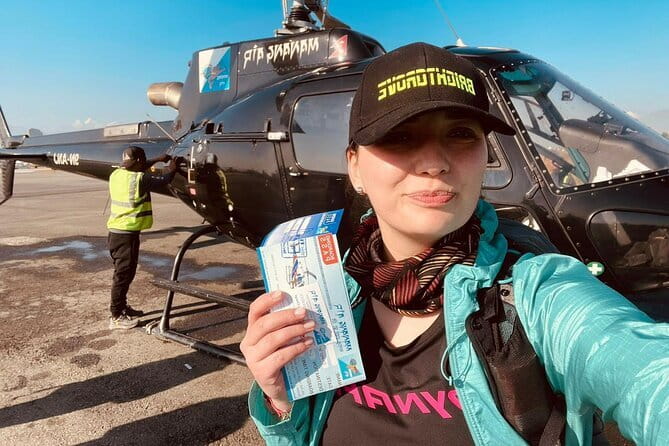
From Namche, the route continues to Tyangboche, with views toward Everest, Lhotse, and nearby peaks. You stop for lunch at Phungi Thanga before continuing uphill to Tyangboche.
The day takes around six hours. The destination is known for its monastery, which gives the trek a strong cultural moment as well as mountain scenery. The setting at Tyangboche helps explain why this route is not only about reaching Base Camp. The villages and religious sites are part of the experience.
You should also expect the climbing to become more noticeable. The route is no longer a gentle introduction, and the altitude begins to influence how quickly you walk. Your guide can help set a steady pace, but you need to pay attention to how you feel.
Meals are included throughout the trek: breakfast, lunch, and dinner are provided for the listed trekking days. Dessert and bar bills are not included, so extras at the lodges come from your own pocket.
Day 6: Pangboche, Somare, and Dingboche
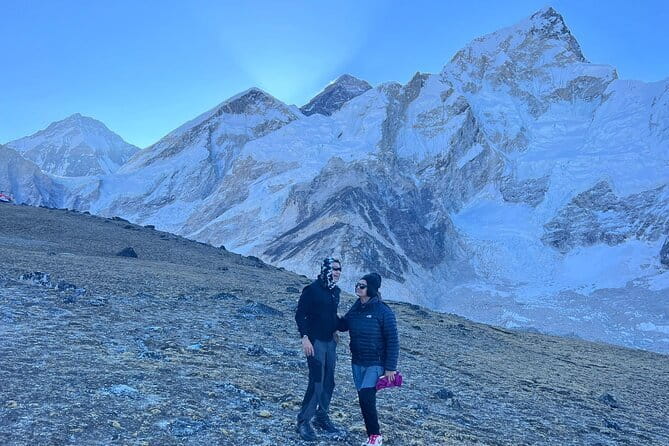
The six-hour walk to Dingboche crosses a suspension bridge over the Imja Khola and passes through rhododendron forest and villages including Pangboche and Somare.
This part of the route gives you a good sense of the changing mountain environment. Forest becomes less dominant as the trail climbs, and the villages feel more closely tied to the high-altitude trekking economy.
Dingboche is an important overnight stop because the next day is set aside for acclimatization. You are already above the lower valley villages, and the route ahead will take you toward Lobuche and Gorak Shep.
The package includes some seasonal fruit and dry nuts during the trek. That is a small but practical touch on walking days, when a simple snack can be useful between meals.
Day 7: Dingboche acclimatization and Nagarjun Peak
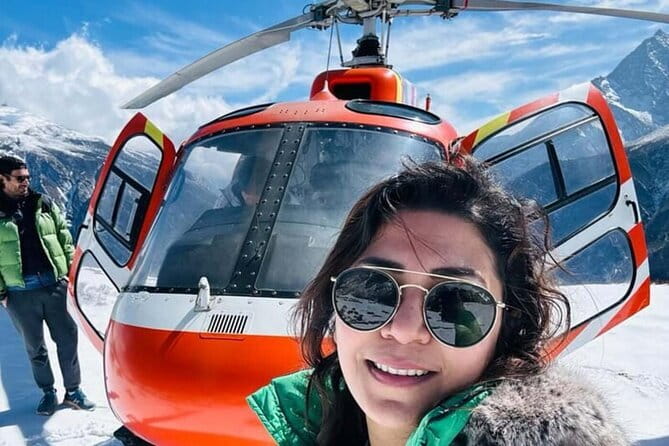
The second acclimatization day takes place in Dingboche. You explore the valley and hike toward Nagarjun Peak, a climb that provides wide mountain views and helps prepare you for higher elevations.
The activity lasts about five hours. Like the Namche stop, this is not a spare day added for convenience. It gives your body more time to adjust while keeping you moving.
The route description refers to a 360-degree mountain view from the higher point. This is one of the days where the journey’s slower pace pays off. You are not simply racing toward the Base Camp sign. You have time to look outward and understand the scale of the Khumbu.
Dingboche also gives you a useful mental break before the harsher section. From here, the nights are higher and the walking days feel more exposed. A moderate fitness level is required, and you should be prepared for the trek to become more strenuous.
Day 8: Thukla Pass and Lobuche at 4,940 meters
The walk to Lobuche takes about six hours and reaches 4,940 meters. You pass through Thukla Pass, where memorials honor climbers who died on Himalayan expeditions.
This is one of the most emotional parts of the route. The memorials add a quiet reminder that Everest is not simply a scenic backdrop. The mountain demands respect, and the journey has real physical risks.
Beyond the pass, the trail brings you closer to glaciers and the high mountain wall. Lobuche is a basic stopping place in a demanding section of the trek. You should expect fewer comforts than in Kathmandu and a stronger focus on rest.
The company supplies a sleeping bag and down jacket if needed, with equipment returned after the trek. These items are especially useful as the altitude rises and overnight conditions become colder. Porters are not included, so you need to arrange and pay for that service separately if you do not want to carry your own bag.
Day 9: Everest Base Camp and Gorak Shep
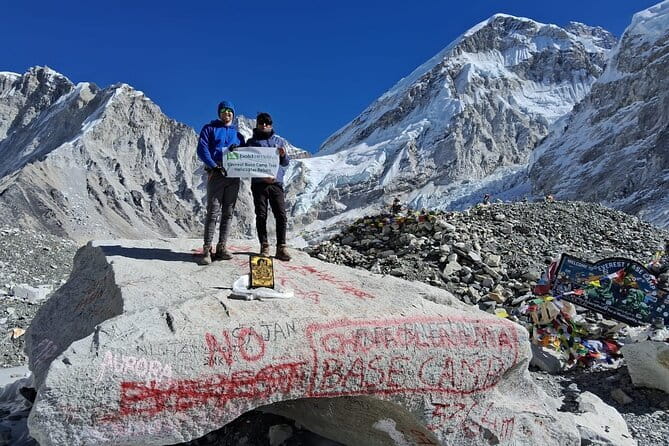
Day nine is the central challenge. You trek to Gorak Shep at 5,170 meters, leave your gear there, and continue to Everest Base Camp at 5,364 meters. The walking day takes about seven hours in total.
The route offers views toward the Khumbu Icefall, one of the most recognizable features of the Everest region. Reaching Base Camp is the goal many people have pictured for years, but the setting is not a comfortable resort. At this altitude, the walk can feel slow and tiring.
You return to Gorak Shep for the night. Leaving your main gear behind for the Base Camp section is practical because it reduces the load during the out-and-back walk.
This is also the point where the route’s schedule deserves honest attention. You reach Base Camp, but the overnight is at Gorak Shep, not at Base Camp itself. The distinction matters if you are comparing different trekking programs.
Day 10: Kala Patthar sunrise and the helicopter home
The final morning begins early with a hike to Kala Patthar at 5,550 meters. From this high viewpoint, you get panoramic Himalayan views at sunrise, then return to Gorak Shep and board a helicopter to Kathmandu.
Kala Patthar is arguably the best viewpoint in the whole plan. Base Camp gives you the destination and the Khumbu Icefall, but Kala Patthar provides the broad mountain view most people imagine when they picture Everest.
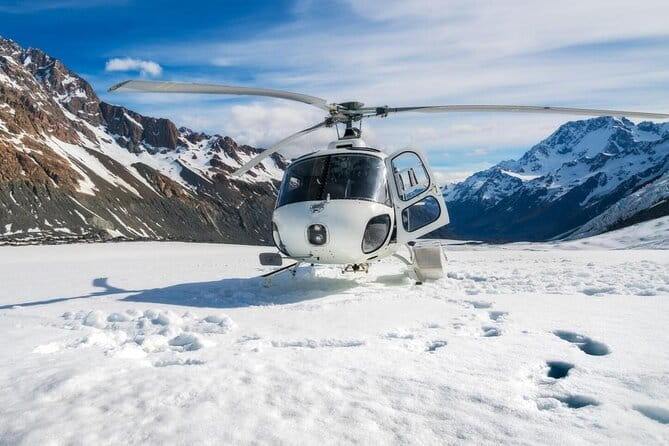
The helicopter removes the long return trek and gives you a dramatic final look at the region from above. It also makes a 10-day schedule possible. You spend the final walking energy on the viewpoint instead of several days retracing the route.
Here is the financial detail you should not miss: the Gorak Shep to Kathmandu helicopter flight is excluded. The advertised price of $446.50 per person covers many trek services, but not this major final transport. Ask Bold Himalaya for the current helicopter price and the exact conditions before you pay.
What the $446.50 price covers
At $446.50 per person, the package has good value if you use the included services. It covers the guide and the guide’s salary, insurance, food, and accommodation. It also includes the Kathmandu to Lukla domestic flight, private transportation, permits, TIMS, breakfast, lunch, dinner, basic equipment, taxes, and service charges.
You also receive a duffle bag, cap, trip certificate, seasonal fruit, dry nuts, and the Kathmandu cultural dinner program. That is a useful amount of ground support for a high-altitude trek.
The price does not cover international flights, travel insurance, porters, tips, dessert, bar bills, or the helicopter. The missing helicopter fare is the most important point because it changes the true cost by a significant amount, even though no amount is provided here.
The package includes one Kathmandu hotel night on a twin-sharing, breakfast basis. Trekking lodge accommodation is part of the guide’s accommodation arrangement, but the description does not promise five-star facilities along the trail.
Comfort, care, and possible changes
The strongest praise for Bold Himalaya focuses on care and accommodation. The company provided comfortable hotels and lodges, with hot water available even during difficult weather linked to a cyclone. That suggests a useful level of attention, though mountain conditions can still bring changes.
The team has also handled two or three schedule or accommodation changes when circumstances required it. That is worth keeping in mind. Flexibility is part of Himalayan travel, and a company that can adjust plans is valuable, but you should not expect every detail to remain fixed.
The trip is private, which helps with pace and communication. The guide is included, and the company’s attention from the first inquiry through the trek has received strong praise. Named staff such as manager Sobit, guide Surendra, and porter Doma Ghale have been singled out for care and determination.
Porters are not included in the price, however. If you want porter support, arrange that before departure and confirm the added fee.
Who should book this trek?
I would recommend this trip to someone who wants the classic Everest Base Camp route but has only 10 days, values a private group, and likes the idea of ending with a helicopter flight. It suits people who want more support than an independent trek and appreciate included equipment and meals.
It is also a good fit if the return walk is your main concern. The helicopter saves time and avoids repeating the same trail, though it does not remove the need for altitude fitness.
I would hesitate if your budget is fixed at $446.50, because the helicopter and porter costs are extra. I would also hesitate if you want a leisurely mountain holiday. The walking days are long, the highest points exceed 5,000 meters, and the weather may change the flight plan.
The cancellation terms are favorable: cancel at least 24 hours before the start for a full refund. If poor weather cancels the experience, you are offered another date or a full refund. Changes made less than 24 hours before the start are not accepted.
FAQ
How long is the Everest Base Camp trek with helicopter return?
The experience lasts approximately 10 days, including arrival in Kathmandu, the trek to Everest Base Camp, the Kala Patthar hike, and the helicopter return plan.
Where does the experience begin?
Pickup begins at Tribhuvan Airport in Kathmandu, Nepal.
Is the tour private?
Yes. This is a private activity, and only your own group participates.
Is the helicopter flight included in the price?
No. The helicopter flight from Gorak Shep to Kathmandu is specifically excluded from the listed price.
What trekking equipment is provided?
A sleeping bag, down jacket, trekking poles, duffle bag, and cap are provided. The sleeping bag, down jacket, and trekking poles are returned after the trek.
Are porters included?
No. Porters are not included, so you need to arrange and pay for them separately if required.
Are meals included?
Yes. The package includes nine breakfasts, eight lunches, and eight dinners. Dessert and bar bills are not included.
What happens if bad weather prevents the helicopter flight?
If poor weather cancels the experience, you are offered a different date or a full refund. The helicopter itself remains an additional cost when the flight operates.
Should you book it?
Book this trek if you want the full Everest Base Camp approach, a Kala Patthar sunrise, and a fast return without walking back through the Khumbu. The included guide, permits, meals, equipment, domestic flight, and private format make the base price attractive.
Before confirming, get the current helicopter fare in writing and ask about porter costs, flight timing, and possible changes caused by weather. If those extra costs fit your budget, Bold Himalaya offers a practical way to reach Everest Base Camp without spending two more weeks on the return trail.
Recently added around Kathmandu
- Ghorepani Poon Hill Trek★ 5.0 · 16 reviews
- Private Manaslu Circuit Trek at Himalayas★ 5.0 · 3 reviews
- Amazing 1 Day Trekking Experience in Kathmandu Nepal★ 5.0 · 24 reviews
- Ghorepani Poonhill Trek★ 5.0 · 5 reviews
- Upper Mustang Trekking★ 5.0 · 2 reviews
- Upper Mustang Trek★ 5.0 · 5 reviews
- Upper Mustang Trekking★ 3.0 · 2 reviews
- Upper Mustang Trekking★ 5.0 · 4 reviews
Everest Base Camp Treks, compared.






Browse the lists this tour appears in