REVIEW · KATHMANDU
Upper Mustang Classic Trek with Local guide
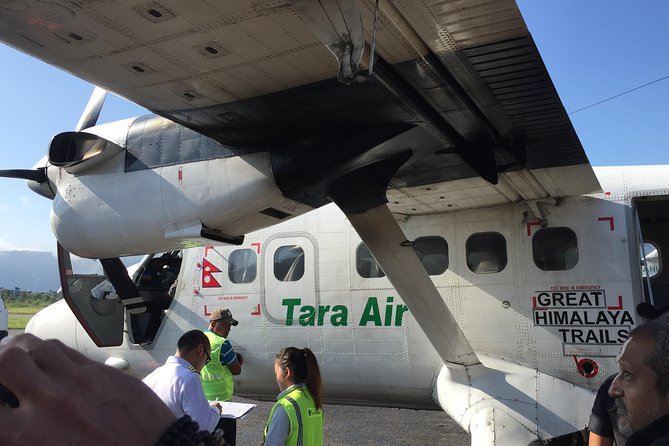
The old kingdom is still wonderfully hard to reach. This private Upper Mustang trek combines Kathmandu’s great Buddhist and Newari monuments with remote villages, cave monasteries, red cliffs, and high desert scenery beyond the Annapurna and Dhaulagiri ranges. I especially like the local guide support and the chance to visit places such as Luri Gompa and a yak-herding camp, rather than simply walking from lodge to lodge.
I also like that much of the difficult planning is handled for you, including transport, tea-house stays, meals, permits, porters, and the Pokhara to Jomsom flight. The main caution is that the published schedule has several unclear or incomplete days, and the $500 Upper Mustang special permit is not included in the $2,500 price.
Six things to know before booking
- Upper Mustang remains culturally distinct: Expect Buddhist monasteries, Bon traditions, prayer wheels, cave sites, and villages influenced by nearby Tibet.
- A local guide can change the experience: Guides such as Norbu, Babu, and Dawa have been praised for adapting routes and explaining local customs.
- The Tiji Festival may be part of the schedule: Day 9 includes the final day of the festival, but confirm the exact dates before paying.
- The price is not fully all-inclusive: The $500 special permit for 10 days in Upper Mustang is extra, along with travel insurance and anything not listed.
- The walking schedule needs clarification: Days 5 through 8 contain little usable information, while several later days are described mainly as drives.
- You need decent stamina and flexibility: The trip is rated for moderate fitness, depends on weather, and requires at least two people per booking.
Why Upper Mustang is worth the effort
Upper Mustang is one of Nepal’s most unusual trekking areas. It sits in the rain shadow of the high Himalayas, so the scenery is dry, wind-carved, and often closer in feel to the Tibetan plateau than to the green foothills near Kathmandu.
You are not coming here for one single viewpoint. The appeal builds slowly through mud-brick villages, whitewashed monasteries, ancient shrines, narrow gorges, old palace settlements, and long views toward the mountains. The Kali Gandaki River provides a natural thread through the journey, while the surrounding cliffs and barren ridges give the trek its memorable character.
The cultural side is just as important as the walking. The route includes Buddhist monasteries, a Bon monastery in Lupra, Thukchen monastery, Charang, and Luri Gompa. If the timing works, you may also see the Tiji Festival in Lo Manthang, one of the most important events in the region.
This is a private trip, so only your own group takes part. That matters in a place where the pace may need to change because of weather, road conditions, altitude, or how your legs feel that day. Several guides connected with this operator have been praised for making route changes and side visits when needed.
More Guided Treks in Kathmandu:
- 12 Day Everest Base Camp Guided Trek
★ 5.0 · 40 reviews - Everest Base Camp Trek 15 days | Local Guide | Flexible Itinerary
★ 5.0 · 27 reviews - From Kathmandu: 12-Day Everest Base Camp Guided Trekking
★ 5.0 · 26 reviews
Kathmandu begins with stupas and palace courtyards
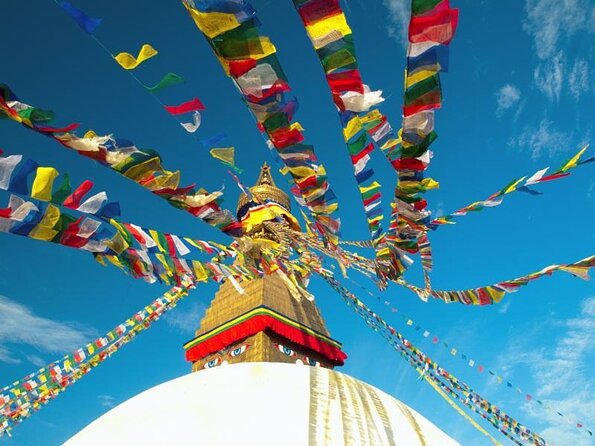
The first day is a full cultural introduction to Nepal. You visit Boudhanath Stupa, Patan Durbar Square, and Swayambhu, giving you three very different views of the Kathmandu Valley.
Boudhanath is the natural first stop. Its huge white dome, golden harmika, prayer wheels, and steady stream of circumambulation make it one of the best places in Nepal to observe living Buddhist practice. People from Himalayan communities and Tibet gather here, and the site remains active rather than simply preserved for sightseeing.
Allow about an hour, as planned. Walk clockwise around the stupa and pay attention to the smaller shrines and shops around the main dome. The admission ticket is included.
Patan Durbar Square takes about two hours and shifts the focus to Newari craftsmanship. The palace courtyards, carved windows, doors, struts, and temples show why Patan is often called Lalitpur, the city of beauty. The Patan Museum adds useful context, especially if you want to understand the metal and woodwork you will later see in Himalayan monasteries.
Swayambhu, often called the Monkey Temple, finishes the day on a hill above the valley. The eastern stairway is said to have 365 steps, and the top provides a broad view across Kathmandu. Admission is free, but the climb makes this a more active stop than the schedule may suggest.
The long road from Kathmandu to Pokhara
Day 2 uses a tourist bus and takes roughly six to seven hours. This is not a glamorous transfer, but it is a practical way to connect Kathmandu with Pokhara without arranging another private vehicle.
You should think of this as a travel day, not a sightseeing day. Road conditions can affect the timing, and the early meeting time listed for the experience is unusually early at 12:15 am. Confirm exactly when your group departs, since that time may refer to a booking system field rather than the actual bus departure.
Pokhara is the staging point for the Mustang section. The city also gives you a chance to rest before the higher and more remote part of the trip, though the schedule does not clearly state how much free time you receive.
Lupra adds a less familiar religious tradition
The third day includes Lupra village and a visit to its Bon monastery. This is a valuable stop because Upper Mustang is usually introduced through Tibetan Buddhism, while Bon represents an older religious tradition associated with the Himalayan region.
The listed visit lasts about four hours. The itinerary does not clearly explain how much of this day is walking and how much is driving, so ask for the expected route before departure. Lupra is important precisely because it is not just another monastery photo stop. A local guide can explain what you are seeing and how Bon practice differs from the Buddhist sites later in the journey.
A few more treks around Kathmandu worth a look
- Everest Base Camp Trek – 14 Days
★ 5.0 · 1,499 reviews - Everest Base Camp Trek
★ 5.0 · 842 reviews - Everest Base Camp Trekking
★ 5.0 · 485 reviews - Annapurna Circuit Trek with Tilicho Lake
★ 5.0 · 368 reviews
Entering Mustang through Chele, Gyakar, and Samar
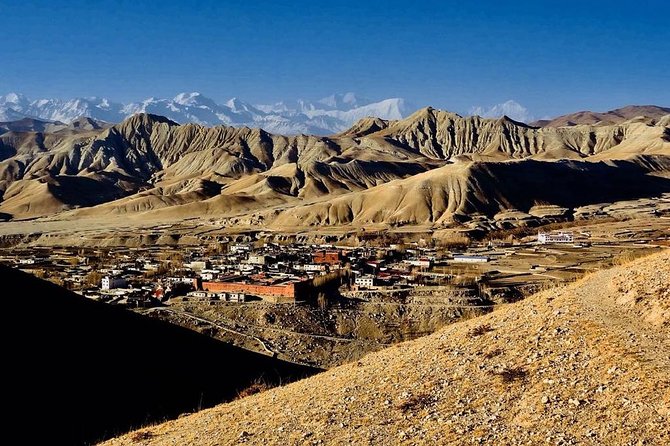
On day 4, you drive to Chhuksang and begin trekking toward Samar through Chele and Gyakar. The stated activity time is about six hours.
This is where the journey starts to feel remote. You trade the comfort of city transport for footpaths, village trails, and the dry mountain scenery that defines Mustang. Gyakar is especially notable for its cultural setting and traditional village character, while Samar provides an important overnight point on the route.
The wording says you start trekking after driving to Chhuksang, so you should ask how far the vehicle goes and what distance you will walk. The itinerary does not give elevation figures, trail distances, or named overnight lodges. Those details matter for packing and for judging the daily effort.
Days 5 through 8 need a clearer briefing
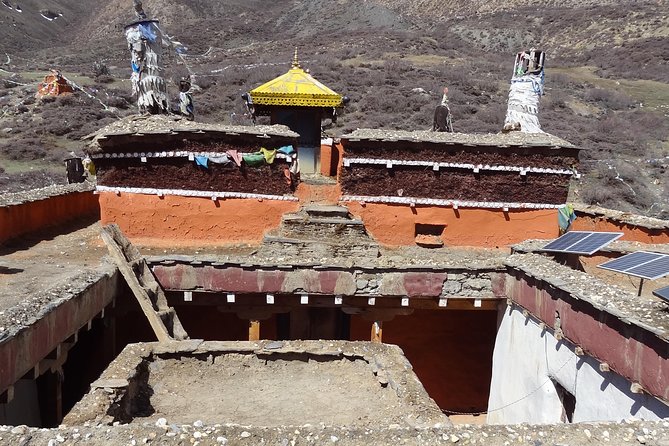
The middle of the itinerary is the weakest part on paper. Days 5, 6, 7, and 8 are labeled Mustang Region, with activity times of six or seven hours, but the descriptions are incomplete.
That does not mean the days will be empty. They are likely intended to cover the central Upper Mustang route, including the main trekking section toward Lo Manthang, but the supplied schedule does not identify the villages, monasteries, walking distances, overnight stops, or road sections. I would not book this trip without asking the operator for a day-by-day version of these four days.
This is also where your guide becomes especially important. Norbu has been praised for being from Upper Mustang and for taking groups to caves, gompas, old monasteries, palaces, and local sites that are easy to miss. Babu has also been praised for caring for the group and adjusting the plan during the trek.
The private format helps here. You can ask to slow down for a monastery, add a short village visit, or adjust a walking day if the group is tired. That flexibility is more useful than a rigid promise of a certain number of daily kilometers.
Thukchen, yak herders, and the Tiji Festival
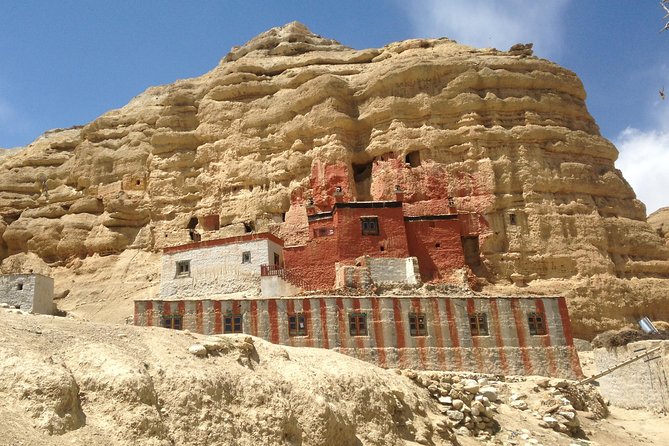
Day 9 is one of the most distinctive days. You leave early, around 6 am, for Thukchen monastery to see the monks chant in the morning. After breakfast, you take a short drive to a nomadic yak-herding area, return to the hotel for lunch, and watch the final day of the Tiji Festival.
The monastery visit gives you a chance to see religious life at a quiet hour rather than only viewing painted walls and statues. You should dress respectfully and follow the guide’s instructions about where to stand and when photography is appropriate.
The yak visit offers a glimpse of pastoral life that is easy to miss on a standard sightseeing route. It is also the sort of activity that benefits from a local guide, since the value lies in meeting people and understanding how the animals fit into life in this high, dry region.
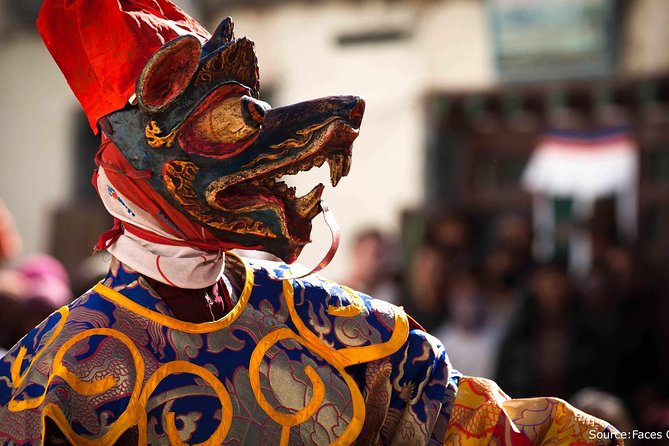
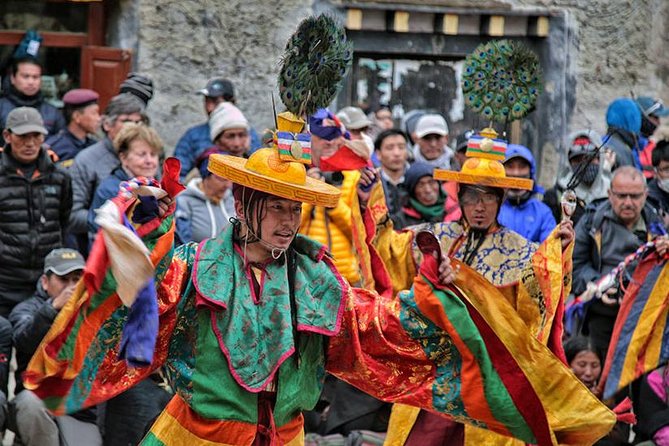
The Tiji Festival is a major draw, but you should confirm the calendar carefully. The itinerary includes the festival’s last day, and the supplied information refers to trips in May, including the 2024 festival. Festival dates change from year to year, so do not assume your departure automatically includes it.
The festival itself may be crowded compared with the rest of Upper Mustang, and it can change the rhythm of the trek. That is a fair trade if you want to see masked dances and religious ceremonies, but less important if you prefer quiet village walks.
Yara and the remarkable Luri Gompa
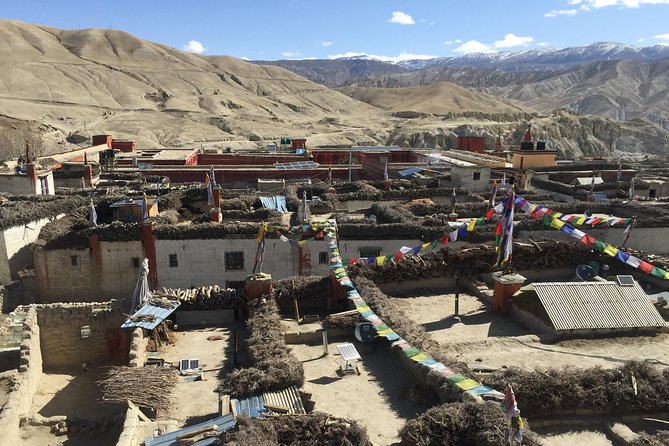
Day 10 heads east to Yara village, following the Kali Gandaki River. The route is primarily a drive, with about six hours scheduled.
The river is a useful visual guide through this part of Mustang, cutting through a region of dry cliffs and open mountain terrain. Reaching Yara by vehicle saves time, but it also means this section is not a continuous walking trek. If you are choosing the experience mainly for hiking, ask how much time you will spend on foot.
After lunch, you visit Luri Gompa. This is one of the strongest cultural stops on the trip. The monastery is described as an extraordinary site, and its remote setting adds to the sense of discovery. The guide’s role matters here because a short visit without context can leave you admiring the location without understanding its religious importance.
Charang, Jomsom, and the flight back
Day 11 includes breakfast in Yara, a monastery visit in Charang, and a drive to Jomsom. The planned duration is about five hours.
Charang is another important cultural stop, and it helps connect the remote villages with Mustang’s former kingdom. The schedule does not specify which monastery you visit or how long you spend there, so ask for those details if religious architecture is a major reason you are booking.
Jomsom is the transport hub for the return journey. On day 12, you take an early morning flight to Pokhara, eat breakfast there, and continue with a city tour. Flights in mountain regions are always worth treating as weather-dependent, even when scheduled in advance. The operator states that poor weather can require a new date or a full refund, but you should also leave flexibility in your wider Nepal plans.
The Pokhara city tour is a useful change of pace after Mustang’s remote villages. The information provided does not name the stops, so confirm whether it is a guided sightseeing tour or a shorter orientation.
The return to Kathmandu is less clearly planned
Day 13 sends you back to Kathmandu by tourist bus, with departure for the bus station at 7 am and an expected journey of about seven hours.
Days 14, 15, and 16 are not described clearly. Day 14 is listed as Pokhara with a five-hour duration, day 15 includes a stop at Kurintar, and day 16 has no usable description. This is the biggest planning concern in the entire program.
The total duration is advertised as approximately 16 days, but the final section needs written clarification. Ask whether these are buffer days, extra sightseeing days, hotel days, or placeholders. Extra time can be useful in Nepal because weather and transport delays happen, but you should know what you are paying for.
What the $2,500 price really covers
The listed price is $2,500 per person. It includes private transportation, a domestic flight, a trekking guide, a porter, the ACAP permit, tea-house accommodation during the Mustang trek, and 16 breakfasts with 11 lunches and 11 dinners.
That package can offer good value because Upper Mustang requires more permits, transport planning, and staff support than many lower-altitude Nepal treks. Having meals and tea-house stays arranged also reduces the need to carry cash and make daily decisions in remote villages.
But the headline price is not the final cost. The special Upper Mustang permit costs $500 per person for 10 days and is excluded. Travel insurance is also excluded, as are all items not specifically listed. You should ask whether Kathmandu and Pokhara hotels, bottled drinks, snacks, charging, tips, extra transport, and additional nights are included before you commit.
The minimum booking is two people, and this is a private activity. For a couple or a small group that wants control over the pace, the private format may justify the price. Solo visitors cannot book it alone under the stated conditions.
Who should book this trek?
I would recommend it to an adult with moderate fitness who wants culture as much as scenery. You should be comfortable with long travel days, basic tea-house accommodation, uncertain mountain transport, and an itinerary that may change because of weather.
It suits you especially well if you want a local guide who can explain Buddhist and Bon traditions, adjust the walking pace, and point out less obvious sites. The strongest guide names connected with the trip are Norbu, Babu, and Dawa, though the actual guide assignment may vary.
I would be more cautious if you want a tightly documented hiking itinerary with exact distances, elevation profiles, and clearly named overnight stops. The missing descriptions for several days need to be resolved first.
Children must be accompanied by an adult, and the minimum age is 18. Service animals are allowed, and the guide may be multilingual. You also need a valid passport on the day of travel.
Should you book the Upper Mustang Classic Trek?
Book it if your priority is a private cultural journey through one of Nepal’s most remote regions, and if you are happy to accept basic logistics and some uncertainty. The monasteries, morning chanting, yak-herding visit, Luri Gompa, and possible Tiji Festival give this trip far more character than a simple point-to-point hike.
Before paying, get the missing days in writing, confirm the festival dates, ask exactly what the $500 permit covers, and clarify the final three days. If the operator provides those details and you have room for weather delays, this can be a strong-value way to see Upper Mustang with local support. If you need a precise walking itinerary or a genuinely all-inclusive price, ask more questions first.
FAQ
How long is the Upper Mustang trek?
The experience lasts approximately 16 days, or 15 nights according to the tour summary.
What is the price per person?
The listed price is $2,500 per person.
Is the Upper Mustang special permit included?
No. The special permit costs $500 per person for 10 days in Upper Mustang and is not included.
What transportation is included?
Private transportation and a domestic flight are included. The route also uses tourist buses between Kathmandu and Pokhara, and the schedule includes flights between Jomsom and Pokhara.
Are meals included?
The package includes 16 breakfasts, 11 lunches, and 11 dinners. Other food and drinks are not specified as included.
Is accommodation included?
Tea-house accommodation during the Mustang trek is included. The information does not clearly specify every hotel or overnight stay in Kathmandu and Pokhara.
Is this a private tour?
Yes. Only your own group participates, and the booking requires at least two people.
What level of fitness is required?
A moderate level of physical fitness is recommended. The schedule includes several activity days of roughly five to seven hours, although exact distances and elevation details are not provided.
What happens if the weather cancels the trip?
The experience is subject to favorable weather. If poor weather causes a cancellation, you are offered an alternative date or a full refund. You can also cancel up to 24 hours before the start time for a full refund, under the stated cancellation terms.
Recently added around Kathmandu
- Ghorepani Poon Hill Trek★ 5.0 · 16 reviews
- Private Manaslu Circuit Trek at Himalayas★ 5.0 · 3 reviews
- Amazing 1 Day Trekking Experience in Kathmandu Nepal★ 5.0 · 24 reviews
- Ghorepani Poonhill Trek★ 5.0 · 5 reviews
- Upper Mustang Trekking★ 5.0 · 2 reviews
- Upper Mustang Trekking★ 3.0 · 2 reviews
- Upper Mustang Trekking★ 5.0 · 4 reviews
- Upper Mustang Trek★ 5.0 · 5 reviews
Guided, compared.
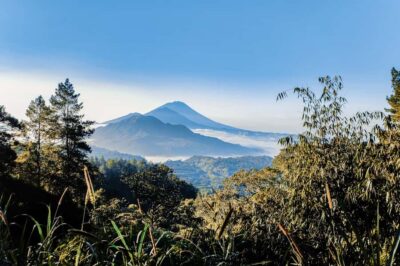
Mount Batur Sunrise Trek With Guide and Breakfast
Read our review →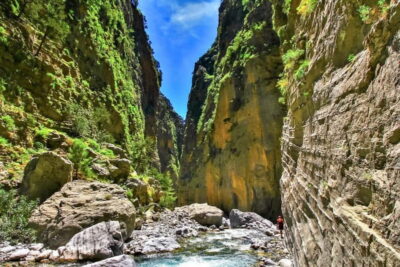
Full-Day Samaria Gorge Trek Excursion & Guide
Read our review →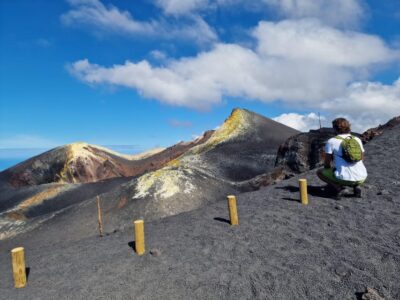
summit craters trekking with volcano guide 3350mt
Read our review →