
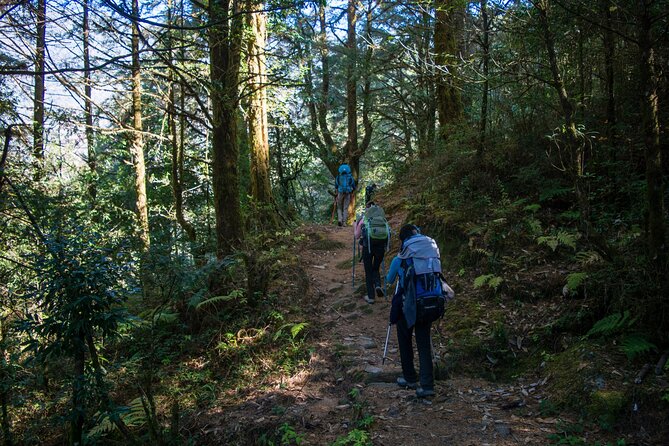
REVIEW · KATHMANDU
Private Annapurna Circuit Trek
The pass is the prize, but the journey earns it. This 11-day private Annapurna Circuit trek takes you from Kathmandu through Manang, across 5,416-meter Thorong La, and down to Muktinath and Jomsom. I like the careful altitude plan, with two nights in Manang, and the chance to experience both mountain scenery and local communities rather than simply racing to the pass.
I also like the private format, which lets your guide adjust the pace or route to your group. Guides such as Ghanshyam, Jeevan, and Shishir have been praised for their care, good humor, and practical judgment. The main drawback is the demanding schedule: the pass day is long, porter service is not included, and travel arrangements on the final day to Pokhara need clarification before you pay.
Key points to know before booking
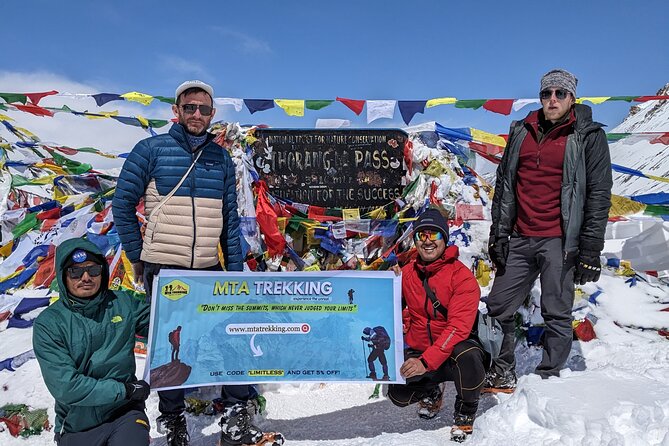
- Thorong La reaches 5,416 meters: This is a serious high-altitude crossing, even though it requires no technical climbing skills.
- Two nights in Manang help with acclimatization: Day 6 gives you time to rest, resupply, and take an optional walk to Gangapurna Lake or Kicho Tal.
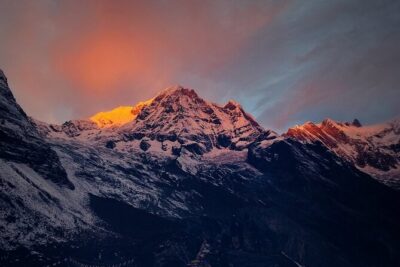
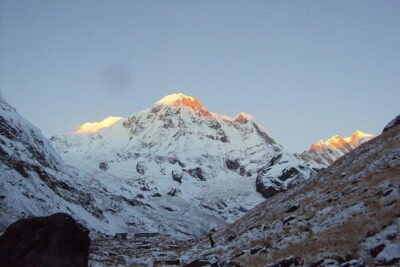
- The scenery changes constantly: Expect forests, apple orchards, Tibetan-style villages, dry mountain country, and views of the Annapurna and Dhaulagiri ranges.
- This is a private trip: Only your group participates, so the guide can respond to your fitness, weather, and timing.
- The $1,150 price includes key basics: Lodging, meals during the trek, a guide, permits, trekking poles, crampons, taxes, and a post-trek foot massage are included.
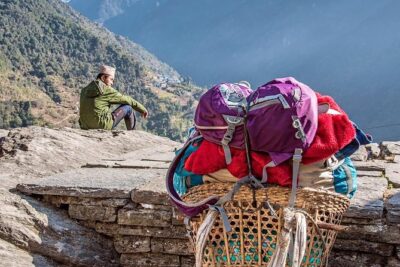
- Porter service and insurance cost extra: You must carry your own bag unless you arrange and pay for a porter separately.
Why the Annapurna Circuit still feels special
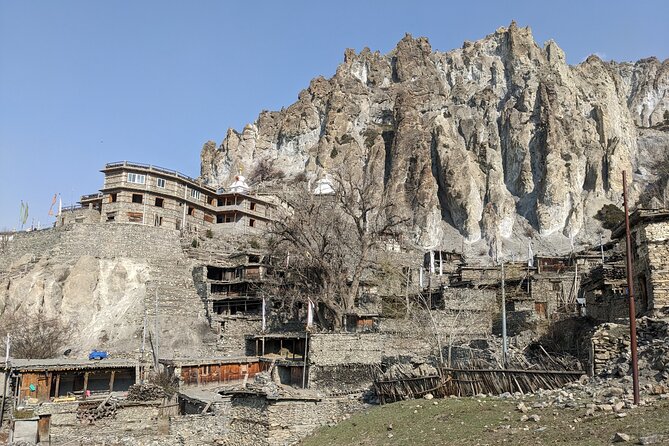
The Annapurna Circuit works because the scenery keeps changing. You begin in Kathmandu and the lower hills, move through green valleys and forests, then reach the high, dry country around Manang and Thorong Phedi. After the pass, the route drops toward Muktinath and Jomsom, where the surroundings feel much more Tibetan and arid.
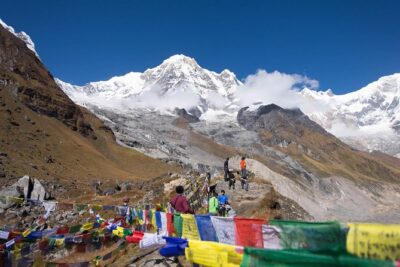
That variety gives the trek its appeal. You are not looking at the same mountain view for 11 days. You pass villages linked by local roads, suspension bridges decorated with prayer flags, apple orchards, monasteries, waterfalls, and high mountain trails.
The cultural side matters just as much. You will meet people in Gurung and Magar villages, stay in simple trekking lodges, and visit Braga monastery, described as 900 years old. Muktinath adds another layer, since it is sacred to both Hindus and Buddhists.
This is not a wilderness-only trek. Roads reach parts of the circuit, and some sections involve long drives. Still, the route offers a strong mix of Himalayan scenery, village life, religious sites, and physical challenge.
More Annapurna Treks in Kathmandu
- Annapurna Circuit Trek with Tilicho Lake
★ 5.0 · 368 reviews - Annapurna base camp trek 5 Days
★ 5.0 · 252 reviews - 14-Day Private Annapurna Base Camp Trek
★ 5.0 · 180 reviews
Kathmandu begins with an easy landing
Your first day is gentle. A representative from MTA Trekking meets you in Kathmandu, takes you to the included budget hotel, and gives you a short briefing about the trip.
That first-night arrangement is useful. You have time to freshen up, ask questions, and check your equipment before leaving the capital. The package includes one hotel night before the trek and one after it, which saves you from arranging the first booking yourself.
The description does not provide a full equipment check or a detailed briefing schedule, so ask about both. At high altitude, small matters such as clothing, water, medication, and the condition of your footwear deserve attention before you leave Kathmandu.
Besisahar and Chame: roads, villages, and permit checks
On Day 2, you travel by public transport from Kathmandu to Besisahar. The ride takes about four to five hours and gives you views of rural Nepal. Besisahar is a practical overnight stop rather than a major sightseeing destination, but it breaks up the journey and puts you closer to the trail.
The use of public transportation keeps the trip grounded in everyday Nepal. It may also mean less control over departure timing and comfort than you would have in a private vehicle. If you value flexibility, ask MTA Trekking what kind of public transport is used and how much luggage you can bring.
Day 3 continues by road from Besisahar to Chame, taking about two to three hours. The route passes Gurung and Magar villages, pine and rhododendron forests, and a roadside waterfall. At Dharapani, you stop to register trekking permits before continuing to Chame.
That permit stop is an important practical detail, not wasted time. It confirms that the trek is properly registered and gives you a clear transition from road travel to mountain walking. Chame provides a first night in a trekking lodge, with a home-cooked meal after the drive.
Chame to Pisang brings the first real walking day
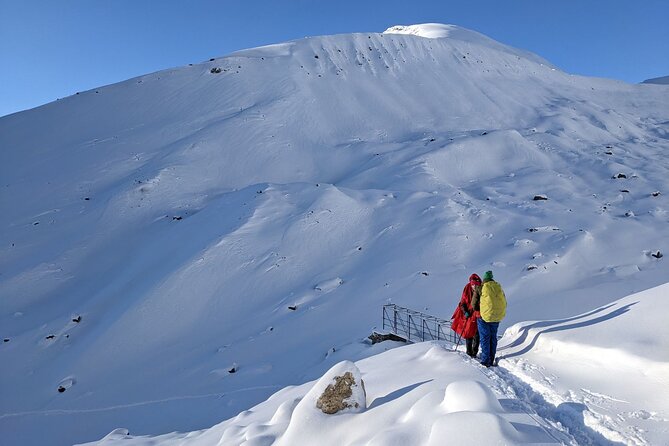
Day 4 takes you from Chame to Pisang in about four to five hours. This is where the trek begins to feel like a trek rather than a long transfer between towns.
You pass apple orchards, rhododendron and conifer forests, and suspension bridges hung with colorful prayer flags. These details give the day plenty of texture. You also get views of Paungda Danda, a flat-topped mountain that is less famous than the Annapurna peaks but memorable from the trail.
Pisang has an alpine setting and gives you a pleasant afternoon to rest. The itinerary does not specify an exact elevation for every overnight stop, so your guide’s pacing matters. Keep the first walking days steady. The goal is not to prove anything in Chame or Pisang. The goal is to arrive at Thorong La in good shape.
Same trailhead, a longer or shorter day out:
- Everest Base Camp Trek – 14 Days
★ 5.0 · 1,499 reviews - Everest Base Camp Trek
★ 5.0 · 842 reviews - Everest Base Camp Trekking
★ 5.0 · 485 reviews - Everest Base Camp Trekking – 13 Day
★ 5.0 · 365 reviews
Pisang to Manang adds culture and altitude
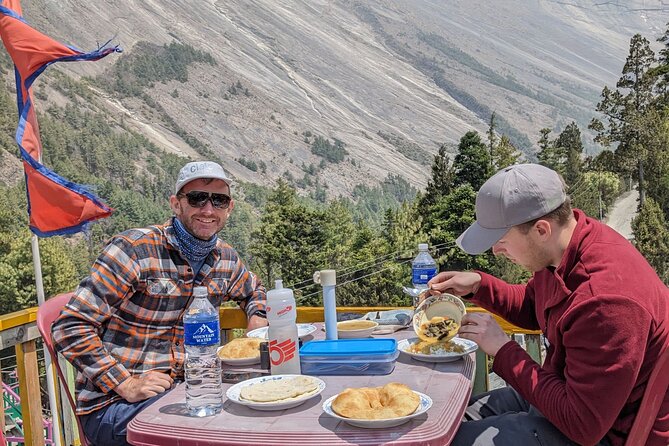
The walk from Pisang to Manang takes about five to six hours. Along the way, you pass evergreen forest, the villages of Humde and Braga, and the old Braga monastery.
Braga is one of the most meaningful stops on the route. A monastery with roughly 900 years of history gives the day more than mountain views. It connects the scenery with the religious and cultural life of the region.
You may see Gangapurna, Pisang Peak, and the Annapurna range. The route can also include views of alpine lakes. Manang is one of the larger communities in the Annapurna region, so it is a useful place to restock basic supplies and eat at local restaurants.
This is also where the altitude begins to demand respect. You are no longer simply walking uphill through attractive countryside. Your body needs time to adjust, and the itinerary wisely gives you two nights in Manang.
Manang provides the trip’s essential rest day
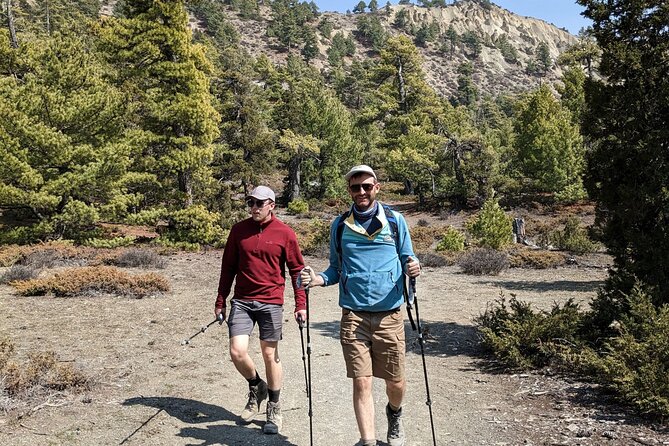
Day 6 is set aside for acclimatization. That may sound like a slow day, but it is one of the most valuable parts of the program.
You can rest, buy supplies, eat local food, and take a day walk to Gangapurna Lake or Kicho Tal. Both are presented as options, so you can match the outing to your condition. If you have a headache, unusual fatigue, or other altitude concerns, rest is more useful than forcing an extra walk.
I like this pause because it gives the trip a sensible rhythm. The trek is not treating Manang as just another overnight stop. You have time to enjoy the town and adjust before the route climbs toward 4,000 meters and beyond.
The guide’s role matters greatly here. Shishir has been praised for keeping a cheerful mood and knowing the Annapurna route well. Ghanshyam has been described as attentive and willing to adapt to individual needs. Those qualities are especially useful when people in the same private group have different walking speeds.
Yak Kharka and Thorong Phedi test your pacing
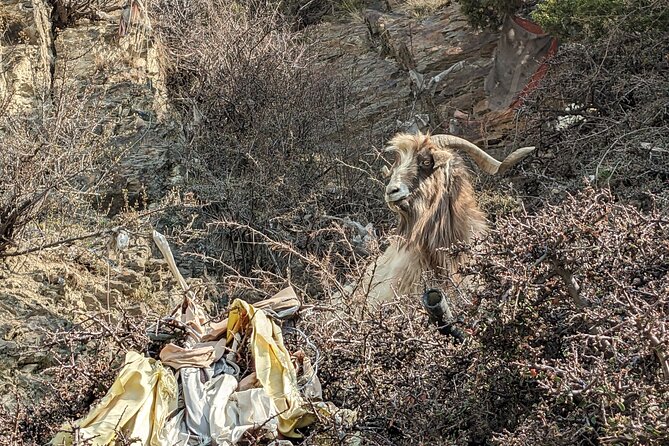
On Day 7, you walk from Manang to Yak Kharka in about four hours. The route crosses several suspension bridges and reaches roughly 4,000 meters.
At this point, you should slow down. The short distance does not mean the day is easy. Thin air can turn a normal uphill section into hard work, and Yak Kharka is a small place with simple teahouse accommodation. The bakery mentioned in the program is a welcome touch, but do not expect the range of supplies available in Manang.
Day 8 takes you from Yak Kharka to Thorong Phedi in about four to five hours. You cross another striking suspension bridge and climb to around 4,600 meters. Thorong Phedi is the final staging point before the pass, with views toward Gangapurna, Tilicho Peak, and the Annapurna range.
This overnight is functional and atmospheric. The settlement is small, and the teahouse is basic. That is part of the deal at this altitude. Your main task is to eat, drink, rest, and prepare for an early, strenuous day.
The program mentions trekking poles and crampons as included equipment. Ask before departure when crampons are needed and whether the supplied pair fits your boots. The exact conditions on Thorong La can vary, and good fit matters more than simply having the gear listed.
Thorong La to Muktinath is the hardest day
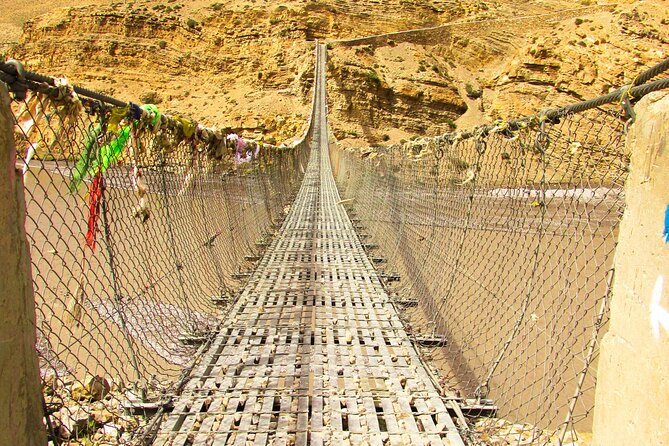
Day 9 is the trip’s centerpiece. You climb from Thorong Phedi to Thorong La Pass at 5,416 meters, then descend to Muktinath. The full day is listed at about eight hours.
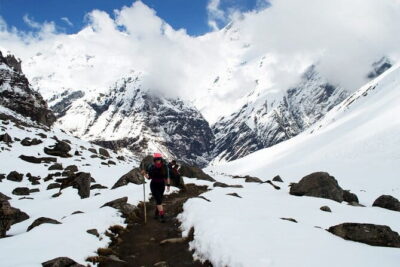
This is a strenuous crossing, not a casual scenic walk. The route reaches one of the highest passes in the world that can be crossed without technical climbing skills. You do not need mountaineering expertise, but you do need a moderate level of fitness, patience, and the ability to handle a long day at altitude.
At the top, the views may include Dhaulagiri and Manaslu, two of the world’s highest mountains. The reward is not only the summit view. It is also the sense of moving from the wetter, greener side of the circuit into the dry country beyond the pass.
The descent to Muktinath is a major relief, though it still takes effort. Muktinath is sacred to Hindus and Buddhists, making it a meaningful place to end the pass day. Give yourself time to absorb the change in scenery and atmosphere instead of treating the town as just a bed for the night.
Do not underestimate this day because the route is nontechnical. High altitude can affect strong walkers, and the schedule leaves little room for a slow start or a major delay. Your guide’s ability to adjust the plan is one of the most important parts of the private format.
Jomsom and the final route toward Pokhara
Day 10 takes you to Jomsom, with about five hours of trekking. Jomsom is an important settlement on the route and a natural stopping point after the pass and Muktinath.
The itinerary gives few details about this section, so ask your operator whether the day is entirely on foot and where you sleep. You should also confirm how your luggage is handled, since porter service is not included.
Day 11 is listed as Pokhara, with about seven hours of travel through the Kali Gandaki Gorge, traditional villages, terraced fields, and views of the Annapurna and Dhaulagiri ranges. The description refers to varied scenery from dry mountains to green valleys, but it does not clearly spell out whether this final leg uses a bus, jeep, or a combination of transport and walking.
That is the one itinerary detail I would clarify in writing before booking. The final day can feel very different depending on the vehicle, road conditions, and departure time. The package includes one hotel night in Pokhara after the trek, plus a one-hour foot massage, which is a welcome finish after the pass.
What the $1,150 price really covers
At $1,150 per person, the package offers reasonable value if you want an organized private trek with core expenses bundled together.
Included items cover:
- An experienced guide
- Breakfast, lunch, and dinner during the trek
- One hotel night before the trek
- One hotel night after the trek
- One hotel night in Pokhara
- Trekking poles and crampons
- ACAP permit and TIMS
- Fees and taxes
- A one-hour foot massage after the trek
The listed meal count suggests breakfast on 10 days, lunch on 9 days, and dinner on 11 days. Ask the operator to confirm exactly which meals are included on transfer days, especially Day 2 and Day 11.
The value becomes weaker if you assume a porter is part of the package. It is not. You must also pay for travel and rescue insurance, tips, phone calls, laundry, bar bills, extra porters, bottled or boiled water, and showers. These costs are normal for a trek, but they should be part of your budget.
The private arrangement adds value for people who want a flexible pace. It is less attractive if you prefer a large social group or want the lowest possible price. Group discounts are offered, so ask how the rate changes with more people.
Guides, flexibility, and the human side
The strongest praise centers on the staff. Ghanshyam is described as attentive and able to adapt to personal needs. Jeevan adjusted another trek when weather and physical condition made the original plan unsuitable, including shortening the route with a jeep. Shishir is remembered for a cheerful attitude, local knowledge, and singing Nepali songs during the walk.
That pattern tells you what kind of service to expect from MTA Trekking: a personal approach rather than a rigid script. Still, ask who your actual guide will be, since the names above may not be assigned to your group.
The program is private, and only your group participates. That gives you a better chance of discussing pace, rest stops, and route changes directly with the guide. It does not remove the physical demands of the trek, and it does not guarantee that every change will be possible in poor weather.
Who should book this trek?
This trip suits you if you want the full classic circuit in a relatively short 11-day format, prefer private guiding, and can handle long walking days at high altitude.
It is a good fit for someone who values:
- Mountain scenery that changes from green valleys to dry high country
- Cultural stops such as Braga monastery and Muktinath
- Organized meals and lodging
- A guide who can adapt the pace
- A clear acclimatization stop in Manang
- A trek that does not require technical climbing
Think carefully if you dislike basic teahouses, public transport, carrying your own luggage, or uncertain road schedules. The trip also demands a moderate fitness level, and Thorong La should not be treated as a sightseeing stop with a short uphill stroll.
Should you book the Private Annapurna Circuit Trek?
I would consider booking this trek if the $1,150 price fits your budget and you want a private guide, included meals, permits, lodging, and a structured route across Thorong La.
Before paying, confirm three things: who your guide will be, how much a porter costs, and how Day 11 gets you from Jomsom to Pokhara. If those details are clear, the program offers a strong balance of scenery, culture, and support.
Choose it for the changing surroundings, the two-night Manang acclimatization, and the chance to cross one of the world’s great high passes without technical climbing. Skip it if you want a relaxed holiday, because the Thorong La day is hard and the altitude is real.
FAQ
How long is the Private Annapurna Circuit Trek?
The trek lasts approximately 11 days, beginning in Kathmandu and ending in Pokhara.
What is the highest point of the trek?
The highest point is Thorong La Pass, at 5,416 meters above sea level.
Is technical climbing experience required?
No. Thorong La can be crossed without technical climbing skills, although the trek requires a moderate level of physical fitness.
Are meals included?
Breakfast, lunch, and dinner are included during the trek. The listed package includes 11 dinners, 10 breakfasts, and 9 lunches. Ask MTA Trekking to confirm the exact meal schedule on transfer days.
Is a porter included?
No. Porter service is not included. Extra porters are also listed among the additional costs.
What accommodation is included?
The package includes one hotel night before the trek, one hotel night after the trek, and one hotel night in Pokhara after the trek. Trekking lodge and teahouse stays are included during the route.
Is travel insurance included?
No. Travel and rescue insurance are not included and must be arranged separately.
Recently added around Kathmandu
- Ghorepani Poon Hill Trek★ 5.0 · 16 reviews
- Private Manaslu Circuit Trek at Himalayas★ 5.0 · 3 reviews
- Amazing 1 Day Trekking Experience in Kathmandu Nepal★ 5.0 · 24 reviews
- Ghorepani Poonhill Trek★ 5.0 · 5 reviews
- Upper Mustang Trekking★ 5.0 · 2 reviews
- Upper Mustang Trekking★ 5.0 · 4 reviews
- Upper Mustang Trek★ 5.0 · 5 reviews
- Upper Mustang Trekking★ 3.0 · 2 reviews
Annapurna Base Camp Treks, compared.

Trekking in Annapurna/Langtang/Everest/Upper Mustang regions
Read our review →
Kathmandu to Annapurna Base Camp (ABC) 5-Day Trek
Read our review →Browse the lists this tour appears in