
REVIEW · KATHMANDU
Kathmandu: 10-Day Annapurna Circuit Guided Trek via Tilicho
High passes reward steady legs. This 10-day Annapurna Circuit route links Tilicho Lake at 5,050 meters with Thorong La Pass at 5,416 meters, then drops into the sacred town of Muktinath. I like the rare combination of high-altitude scenery and Tibetan-influenced villages, and I like that transport, permits, guide services, sleeping bags, poles, and crampons are included. The main drawback is the pace: the Tilicho section and Thorong La crossing demand strong fitness, careful acclimatization, and comfort with long days.
I also like the human touch promised by guide Sud, whose careful attention to health and comfort earned especially warm praise. At $481 per person, the trip can offer very good value, but you should check exactly which meal package you choose and confirm the accommodation count before paying.
Key points to know before booking
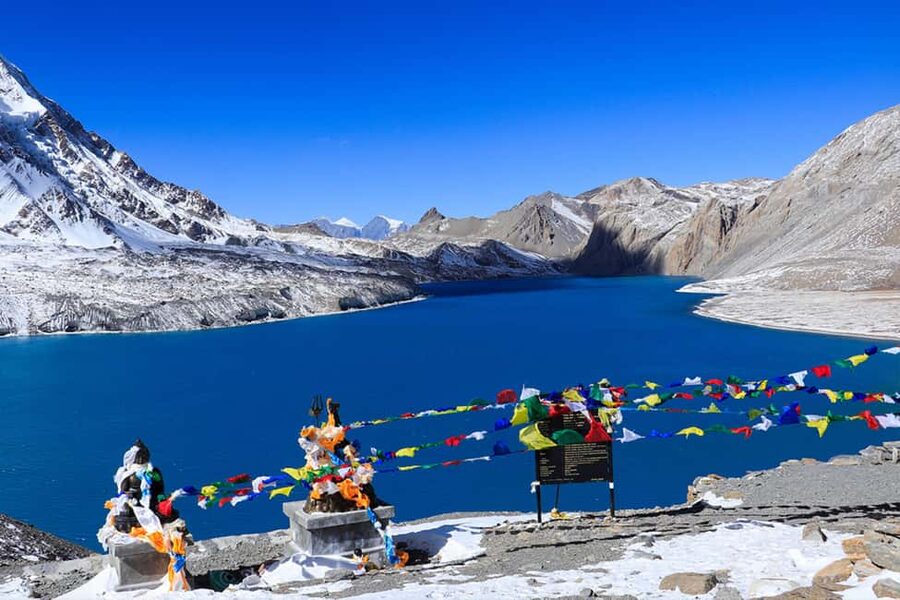
- Tilicho Lake is the route’s dramatic centerpiece: You climb to one of the world’s highest lakes, then descend to Shri Kharka.
- Thorong La is a serious high-pass day: The crossing reaches 5,416 meters and takes about 9 to 10 hours from Thorong Phedi to Muktinath.
- The route mixes buses, jeeps, and hiking: You travel from Kathmandu or Pokhara to Chame, then return by road from Muktinath through Jomsom.
- Manang provides an important rest day: You can explore monasteries or walk toward Gangapurna Lake before gaining more altitude.
- The price includes useful trekking basics: Permits, TIMS fees, guide insurance, trekking poles, sleeping bag, crampons, and staff costs are covered.
- Pack for sudden changes in weather: Sturdy boots, warm layers, a headlamp, refillable bottle, and high-altitude insurance matter more than fancy extras.
Why the Tilicho and Thorong La combination matters
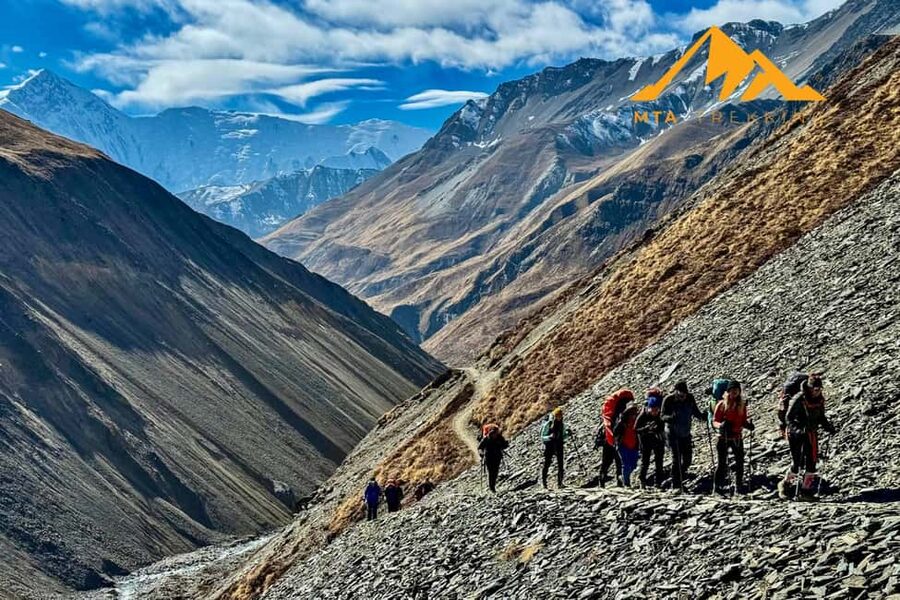
Many Annapurna Circuit itineraries already offer big views, but the route through Tilicho adds a demanding side trip before the main pass. You do not simply walk from village to village. You climb above the Marsyangdi River, enter sparse alpine country, reach a huge blue lake at 5,050 meters, and then return to the main route for Thorong La.
That extra section gives the trip more drama, but it also makes the schedule tighter. You have a rest day in Manang, yet several later days still involve altitude gain and long walking hours. I would view this as a focused mountain trek, not a relaxed village walk.
The route reaches its highest point at Thorong La, 5,416 meters, or 17,769 feet. From there, the path drops toward Muktinath, a major sacred site. You get high Himalayan views, dry mountain country, old villages, and a sharp change in scenery as you descend toward the Kali Gandaki Valley.
More Annapurna Treks in Kathmandu
- Annapurna Circuit Trek with Tilicho Lake
★ 5.0 · 368 reviews - Annapurna base camp trek 5 Days
★ 5.0 · 252 reviews - 14-Day Private Annapurna Base Camp Trek
★ 5.0 · 180 reviews
Day 1: Kathmandu or Pokhara to Chame
The first day is mostly transport. From Kathmandu, the journey takes about 10 hours. From Pokhara, it takes about 6 to 7 hours. The route passes through Besisahar and Dharapani before reaching Chame at 2,670 meters.
The arrangements use a bus from Kathmandu to Besisahar, followed by a shared jeep to Chame. That is practical, but you should expect a full road day rather than a smooth transfer. Terraced fields, rivers, and mountain views help break up the ride.
Chame is the administrative center of the Manang district and your first mountain overnight stop. It gives you a useful change of pace from Nepal’s cities. Since this day is long, keep water, snacks, and a light layer close at hand rather than buried in your luggage.
Day 2: Pine forests and the approach to Upper Pisang
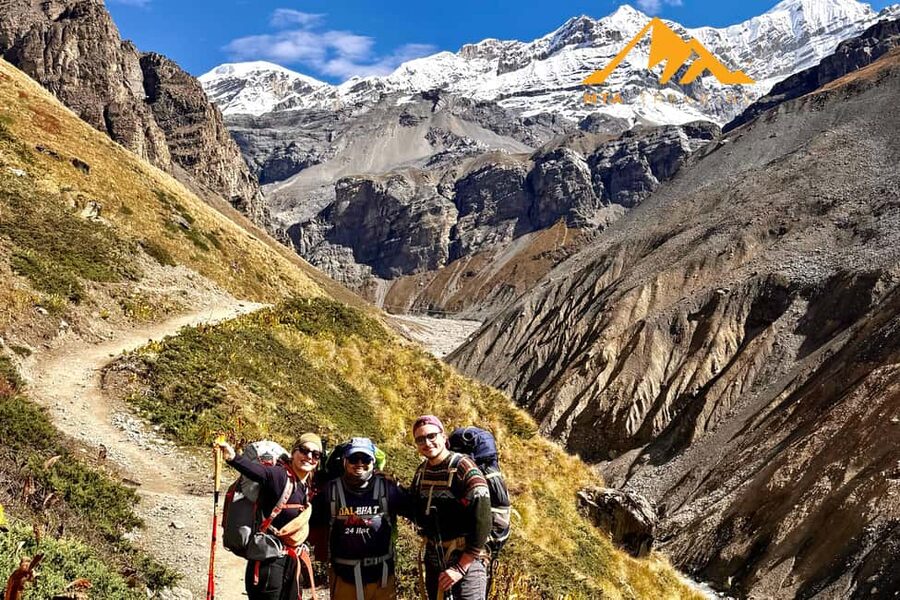
The walk from Chame to Upper Pisang takes about 5 to 6 hours and reaches 3,300 meters. You move through pine and rhododendron forests, with views toward Annapurna II and Lamjung Himal.
Upper Pisang is more than a place to sleep. It is one of the first points where the route feels distinctly high and mountain-bound. The village sits above the Marsyangdi Valley, and the views open up as you leave the lower forests.
The distance is manageable, but this is when you should start walking slowly. A steady pace helps you adjust before the route climbs higher. Avoid treating the first two hiking days as a race. The pass day still lies ahead.
Day 3: Ngawal and Manang at 3,540 meters
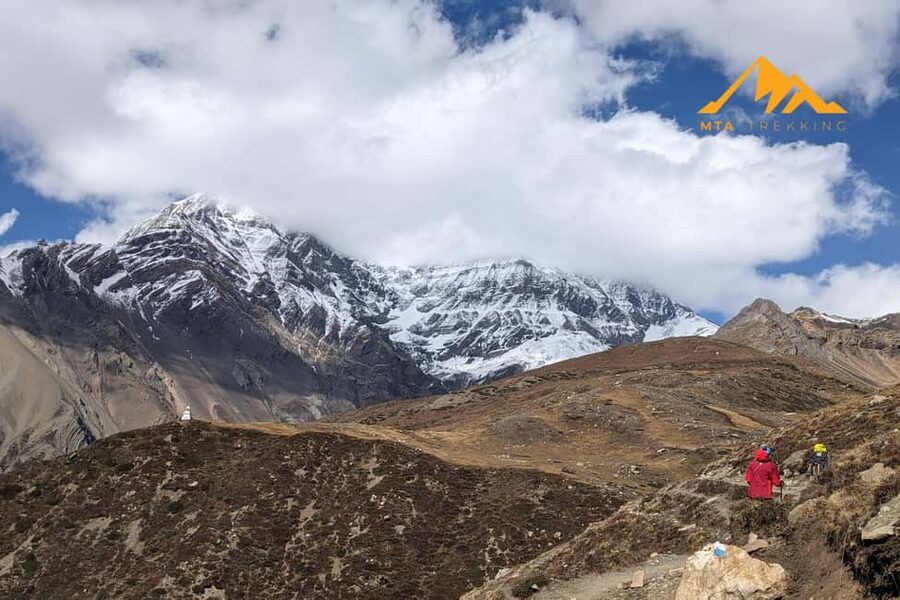
The route from Upper Pisang to Manang takes around 6 to 7 hours and passes through Ngawal. This higher route is one of the most appealing parts of the circuit because it moves through dry, Tibetan-influenced villages rather than only following the river.
Ngawal offers a cultural pause and broad mountain views. You then continue to Manang, a major stopping point with monasteries and a strong local identity shaped by Himalayan trade and Tibetan traditions.
Manang is at 3,540 meters, so this is a key night for noticing how your body responds. Headache, unusual fatigue, or poor sleep should not be brushed aside. Tell your guide early. The guide’s role is especially important here, and the care praised for Sud, including daily attention to health, is the sort of support you want at this stage.
Same trailhead, a longer or shorter day out:
- Everest Base Camp Trek – 14 Days
★ 5.0 · 1,499 reviews - Everest Base Camp Trek
★ 5.0 · 842 reviews - Everest Base Camp Trekking
★ 5.0 · 485 reviews - Everest Base Camp Trekking – 13 Day
★ 5.0 · 365 reviews
Day 4: A needed acclimatization day in Manang
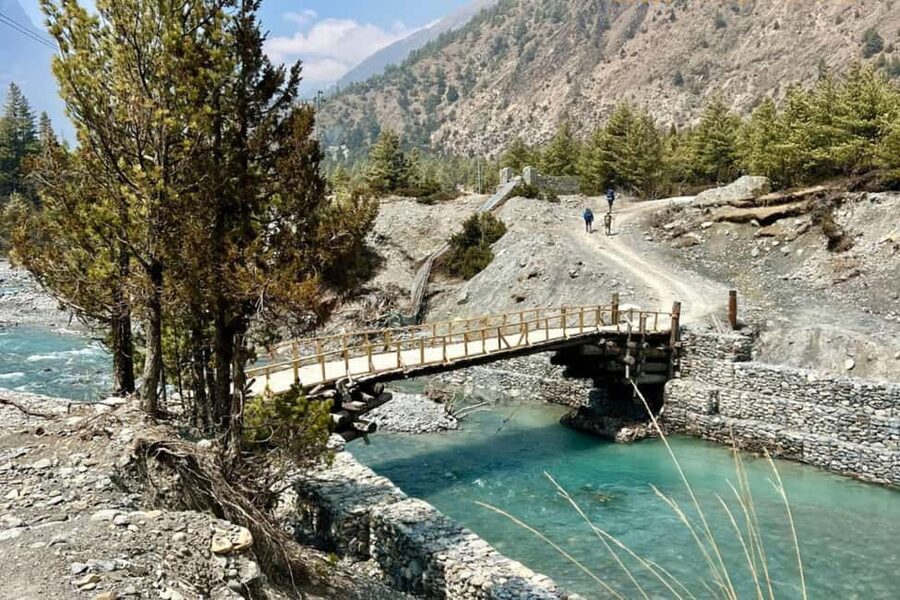
The rest day in Manang is not wasted time. It gives you a chance to stay at altitude before climbing higher toward Tilicho Base Camp and Thorong Phedi.
You can explore local monasteries or take an optional walk toward Gangapurna Lake and nearby viewpoints. The exact activity can depend on your condition and the guide’s advice. I would use this day for a moderate outing, plenty of fluids, and an early night.
Manang is also a good place to organize your pack. Keep warm clothing, a flashlight or headlamp, gloves, and water within reach. You will need them soon, and digging through a large bag in a cold tea house is no one’s idea of fun.
Day 5: Manang to Tilicho Base Camp
The walk to Tilicho Base Camp takes about 6 hours and reaches 4,150 meters. The trail leads above the Marsyangdi River into more exposed alpine country, with dramatic peaks around you.
This is where the route becomes less forgiving. Forests thin out, the air feels colder, and the gain in altitude becomes more noticeable. A guide can help set a pace that protects your energy for the next morning, when you climb to the lake.
The base camp is a functional overnight stop rather than a luxury stay. Tea houses and lodges provide basic mountain hospitality throughout this trek. Expect simple accommodation and focus on warmth, food, rest, and staying dry.
Day 6: Tilicho Lake, then down to Shri Kharka
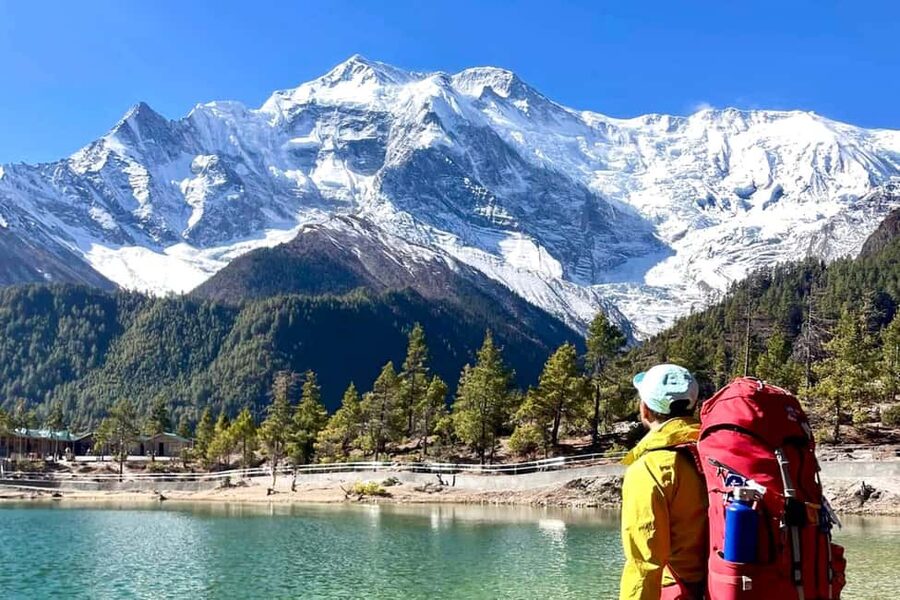
The day begins with the climb to Tilicho Lake, at 5,050 meters. The full day is listed at about 7 hours, including the descent to Shri Kharka at 4,050 meters.
Tilicho is the great reward of this side route. Its height and setting make the approach feel remote and severe, with bare slopes and large mountain views replacing the greener surroundings lower down. The lake is not an easy viewpoint reached by a short walk. You are gaining serious altitude, so move slowly and follow your guide’s instructions.
After time at the lake, you descend to Shri Kharka. That descent matters because sleeping lower is helpful after spending time above 5,000 meters. The day can feel long, especially if wind or snow appears, so warm layers and a headlamp are sensible even if the morning begins clear.
Day 7: Shri Kharka to Yak Kharka
The trail from Shri Kharka to Yak Kharka takes about 5 to 6 hours and stays in open alpine terrain. You may see grazing yaks and wide views across the high country.
There is less village life here than in Manang. The reward is a sense of space and a direct connection with the mountain environment. The word alpine is accurate: the route is sparse, exposed, and shaped by cold conditions.
Yak Kharka sits at roughly 4,050 meters. Since you have already visited Tilicho Lake, this day works as a transition back toward the main pass route. Keep your pace even and resist the urge to spend all your energy admiring every viewpoint. Thorong Phedi comes next.
Day 8: Yak Kharka to Thorong Phedi
The 5-hour walk to Thorong Phedi takes you to 4,450 meters. The ascent is gradual, but altitude makes even moderate distances feel harder.
Thorong Phedi is the staging point for the pass. This is a short hiking day by comparison, yet it may be one of the most important nights of the trip. You need to conserve energy, prepare your warm clothing, charge essential devices if possible, and follow your guide’s advice about the early start.
The accommodation remains tea house style. Do not expect a hotel room or private comforts at this height. The value is location and shelter, not polish.
Day 9: Thorong La Pass to Muktinath
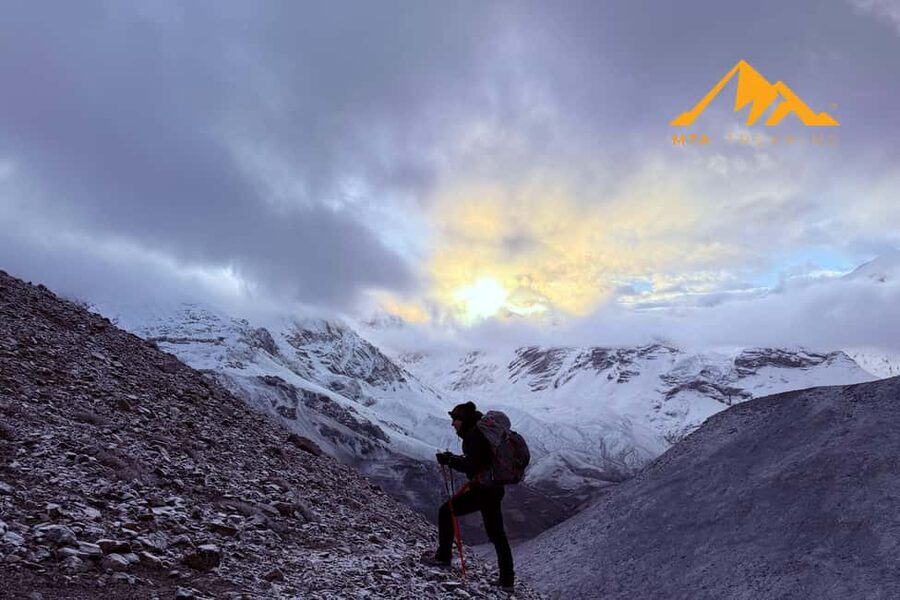
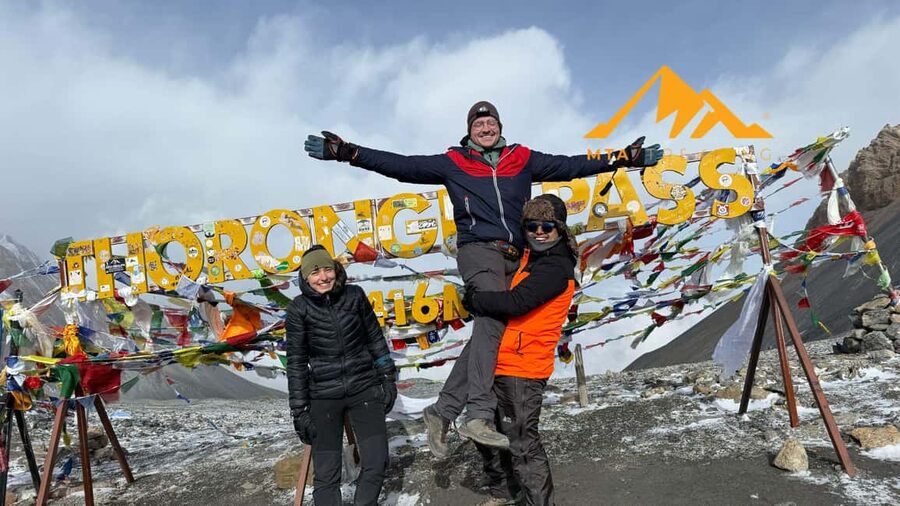
This is the trek’s biggest day. You leave early, climb from Thorong Phedi to Thorong La at 5,416 meters, then descend to Muktinath at 3,800 meters. The total walking time is about 9 to 10 hours.
The climb is demanding because of both altitude and cold. The pass rewards you with wide Himalayan views, and the sunrise is a special reason for the early departure. One particularly positive account singled out the sunrise from Thorong La and the guide’s steady attention to safety and comfort.
The descent to Muktinath is not an easy finish. Your legs will already be tired, and the drop is long. Still, reaching Muktinath feels meaningful. The settlement is sacred to both Hindus and Buddhists, and its religious importance gives the day more depth than a simple pass crossing.
Day 10: Muktinath through Jomsom to Pokhara
The final day is an 8-hour road journey through the Kali Gandaki Valley to Jomsom and onward to Pokhara. The route changes from hiking to a long vehicle transfer, so plan for a different kind of fatigue.
Jomsom is the transport link between the high Mustang area and Pokhara. From there, the trip continues by bus. An optional visit to Tatopani Hot Springs is listed along the way, but you should confirm whether the timing and road conditions allow it on your departure day.
Hotel drop-off in Pokhara is included, along with a tourist-standard night at Hotel Orchid according to the package details. The accommodation information lists nine tea house or lodge nights and one Pokhara hotel night. Since the day-by-day schedule ends with arrival in Pokhara, confirm the exact overnight arrangement and meal plan when booking.
What the $481 price really covers
At $481 per person, this trip is priced as a practical guided trek rather than a luxury package. The value is strongest if you need a guide, permits, transport connections, basic gear, and staff support arranged in one booking.
Included items are:
- Hotel pickup in Kathmandu or Pokhara
- Drop-off in Pokhara
- English-speaking local guide
- Trekking permits, TIMS fees, and government taxes
- Guide rescue insurance
- Medical kit
- Tea house or lodge accommodation
- Listed Pokhara hotel stay
- Sleeping bag, trekking poles, and crampons
- Bus and shared jeep transport
- Staff wages, food, accommodation, equipment, insurance, and transport
If you choose the Full Package, breakfast, lunch, and dinner are included. Soft drinks, hard drinks, extra tea and coffee, bottled or boiled water, hot showers, laundry, phone calls, bar bills, and battery charging cost extra.
A porter is also excluded and is listed at $20 per day. If you do not want to carry your main bag over the pass and through the Tilicho section, add this cost before deciding that the headline price is your final budget.
Food, rooms, and mountain comfort
The food focus is traditional mountain fare, especially dal bhat, lentils and rice. You can also expect other local dishes along the route, though choices naturally become more basic at higher settlements.
Tea houses offer authentic mountain hospitality, but this is not a comfort-first trip. Bring layers for cold rooms, a refillable bottle, and a headlamp. A flashlight is specifically recommended, but a headlamp keeps both hands free on early starts.
Sleeping bags, poles, and crampons are included, which is helpful. You should still bring sturdy trekking boots, warm clothing, rain or snow protection, gloves, and a reliable day bag. Mountain weather can shift quickly, even when the morning looks clear.
Safety, fitness, and the right kind of trekker
The most important safety point is altitude. The route reaches 5,416 meters, and the schedule includes several long days close to or above 4,000 meters. Travel insurance that covers high-altitude trekking above 5,500 meters is described as essential, along with rescue coverage.
You should be comfortable walking for 5 to 10 hours on uneven mountain trails. The tour is best for a fit hiker who accepts basic lodging, changing weather, long road transfers, and a strict schedule. It is not a good match if you want short walks, private rooms, or a gentle introduction to the Himalayas.
The rest day in Manang helps, but it cannot remove the physical demands of Tilicho Lake and Thorong La. Take symptoms seriously, walk at the guide’s pace, and speak up early if you feel unwell.
Who should book this route
I would recommend it to you if you want the main Annapurna Circuit highlights but also want Tilicho Lake, one of the highest lakes in the world. It suits people who value scenery, local villages, sacred places, and a strong sense of progression from river valleys to high passes.
The trip also suits budget-conscious hikers. The permits, staff costs, transport, and useful gear reduce the number of separate arrangements you need to make. The English-speaking guide and included medical kit add reassurance, especially on the highest days.
I would hesitate if you have limited hiking experience, dislike shared transport, or need flexibility. Ten days leaves little spare time for delays or extra rest. A longer itinerary might feel easier, but this package is built for travelers who want the major sights in a compact schedule.
Should you book the 10-day Annapurna Circuit via Tilicho?
Book it if you want a challenging, well-packed Himalayan route with two major high points, Tilicho Lake and Thorong La, at a modest price. The strongest reason to choose it is the route itself, supported by a guide such as Sud, whose careful health checks and calm service were praised in the available feedback.
Before booking, confirm three details: whether your $481 rate includes the Full Package meals, how the nine tea house nights and Pokhara hotel night are counted, and the transport plan for the final day. Add the porter fee, insurance, drinks, hot showers, and charging costs to your real budget.
If you are fit, prepared for basic conditions, and willing to trade comfort for mountain views, this is a compelling value. If you want an easy holiday, choose something gentler. Thorong La does not hand out favors.
FAQ
Where does the trek begin?
You can start from Kathmandu or Pokhara. Pickup is available from hotels in Thamel and nearby areas, with other hotel pickups arranged as needed.
Where does the trek end?
The route ends in Pokhara after traveling from Muktinath through Jomsom by bus.
How high is Tilicho Lake?
Tilicho Lake is at 5,050 meters.
How high is Thorong La Pass?
Thorong La Pass reaches 5,416 meters, or 17,769 feet.
How long is the trek?
The full experience lasts 10 days.
Is an English-speaking guide included?
Yes. A professional local guide who speaks English is included.
Are meals included?
Breakfast, lunch, and dinner are included if you choose the Full Package. Drinks, bottled or boiled water, and tea or coffee outside breakfast are not included.
Is a porter included?
No. Porter service is listed separately at $20 per day.
What gear is provided?
The package includes a sleeping bag, trekking poles, and crampons. You should still bring sturdy boots, warm layers, a headlamp or flashlight, and a refillable bottle.
Recently added around Kathmandu
- Ghorepani Poon Hill Trek★ 5.0 · 16 reviews
- Private Manaslu Circuit Trek at Himalayas★ 5.0 · 3 reviews
- Amazing 1 Day Trekking Experience in Kathmandu Nepal★ 5.0 · 24 reviews
- Ghorepani Poonhill Trek★ 5.0 · 5 reviews
- Upper Mustang Trekking★ 5.0 · 2 reviews
- Upper Mustang Trek★ 5.0 · 5 reviews
- Upper Mustang Trekking★ 3.0 · 2 reviews
- Upper Mustang Trekking★ 5.0 · 4 reviews
Annapurna Base Camp Treks, compared.
Trekking in Annapurna/Langtang/Everest/Upper Mustang regions
Read our review →
Kathmandu to Annapurna Base Camp (ABC) 5-Day Trek
Read our review →Browse the lists this tour appears in