
REVIEW · KATHMANDU
Annapurna Circuit Trek
The high pass is worth every slow step. This Annapurna Circuit journey packs Nepal’s famous mountain route into about 12 days, linking Kathmandu, Besisahar, Chame, Manang, Thorong La, Muktinath, Pokhara, and Kathmandu. I like the mix of mountain walking and local transport, and I like that the price includes guides, permits, meals, lodging, airport transfers, and trekking gear.
The main catch is the pace. Several days are listed at 12 to 14 hours, and the route reaches 5,416 meters at Thorong La. You need moderate fitness, a sensible attitude toward altitude, and some patience for long, rough road journeys.
- Thorong La reaches 5,416 meters, the trek’s major physical and scenic test.
- The route includes an acclimatization day in Manang, with a suggested walk to Gangapurna Lake.
- All ground transport is included, including airport transfers, buses, and jeep rides.
- Three meals a day are provided during the trek, along with three cups of tea daily and seasonal fruit.
- Guides such as Shanta, Buddhi Tamang, Pawan, and Anjan have earned special praise for care and organization.
- The private format means only your group participates, rather than joining a large public departure.
What This Annapurna Circuit Package Really Offers
At $975 per person, this is not just a walking holiday. It combines airport reception, Kathmandu and Pokhara hotels, road transfers, a licensed guide, tea-house accommodation, meals, permits, and basic trekking equipment.
That package can be good value if you would otherwise have to arrange each part yourself. The Annapurna region is not a simple point-to-point walk. You need transport between trail sections, lodging in mountain villages, food, a conservation permit, and someone who understands the route and changing conditions.
The price does not include travel insurance, bottled water, soft drinks, beer, laundry, desserts, or tips. Those extras can add up, especially on a 12-day trip. Bring insurance that covers trekking at high altitude, and keep some local spending money handy.
The tour is private, so you travel only with your own group. That gives you more control than a large departure, though the schedule itself is still demanding. The advertised trek is sometimes described as a 10-day Annapurna Circuit, while the full program lasts 12 days and includes arrival, return travel, and departure. Read the schedule as a compressed circuit with substantial driving, not as 12 leisurely walking days.
Kathmandu Arrival and the First Briefing
Your trip begins at Tribhuvan International Airport, where a guide and staff member receive you and arrange the transfer to your hotel. The first day includes a group briefing covering the trek and useful practical information.
That briefing matters. You are about to move from Kathmandu’s lower elevation toward Manang and then to Thorong La, so this is the time to ask about the walking pace, gear, food, weather, and altitude concerns. The program includes two hotel nights in Kathmandu with breakfast, one at the start and one after returning from the mountains.
The first day is intentionally light, which is helpful after an international flight. Use it to organize your duffle bag, check your sleeping bag and down jacket, and prepare for the early road departure.
More Annapurna Treks in Kathmandu
- Annapurna Circuit Trek with Tilicho Lake
★ 5.0 · 368 reviews - Annapurna base camp trek 5 Days
★ 5.0 · 252 reviews - 14-Day Private Annapurna Base Camp Trek
★ 5.0 · 180 reviews
Besisahar Takes You Beyond Kathmandu
Day two is a long drive to Besisahar in the Lamjung area. The schedule allows about 12 hours, so do not treat this as a quick transfer. The road takes you away from Kathmandu Valley and toward warmer, lower parts of Nepal before reaching the region that leads into the Annapurna route.
The attraction here is the changing view through Nepal’s mid-west, with farm villages, towns, and distant snow-covered peaks. The drawback is simple: you spend most of the day seated. If you dislike long road journeys, this part may feel like work before the trek begins.
Ground transport is included, which removes one major planning problem. Still, road conditions can affect your comfort and timing. Keep water and personal snacks close, even though meals are supplied during the trekking portion.
Chame Brings the Mountains Closer
After breakfast on day three, you continue by road to Chame, headquarters of Manang district. The road is unpaved, and the ride takes another long day, listed at around 12 hours.
This is where the trip begins to feel properly Himalayan. You pass multi-ethnic villages, pine forests, and changing mountain views. The road allows the company to shorten the walking schedule, but you pay for that shortcut with a rough ride.
The program specifically warns against taking a jeep beyond Chame as a way to reach Manang faster. A four-wheel-drive vehicle can reach Manang, but gaining elevation too quickly raises the risk of altitude sickness. That is an important point, not a minor footnote. The short route only works if you respect the acclimatization plan.
The Walk From Chame Toward Manang
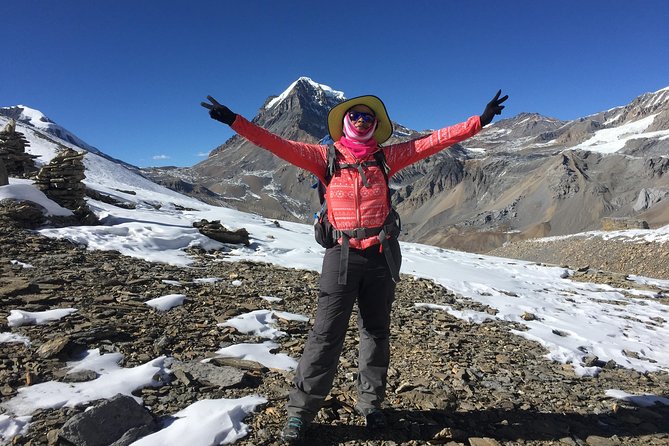
From Chame, the route follows the Marsyangdi River upstream toward Bhratang. The trail moves through pine forest and closer mountain country, with the walking day listed at about 13 hours.
The exact day description places you on the route toward Manang through Dhu and nearby settlements. You should expect a serious day rather than a gentle introduction. The reward is a gradual change from lower forest to colder, higher terrain, with the river and steep mountain walls providing the setting.
This is also the point where your guide’s role becomes especially useful. Guides including Buddhi Tamang, Shanta, Pawan, and Indaco have been praised for keeping groups organized, checking on people, and explaining the route. The schedule is tight, so clear evening briefings can make the next day feel much more manageable.
Same trailhead, a longer or shorter day out:
- Everest Base Camp Trek – 14 Days
★ 5.0 · 1,499 reviews - Everest Base Camp Trek
★ 5.0 · 842 reviews - Everest Base Camp Trekking
★ 5.0 · 485 reviews - Everest Base Camp Trekking – 13 Day
★ 5.0 · 365 reviews
Pisang and Manang: The Best Acclimatization Section
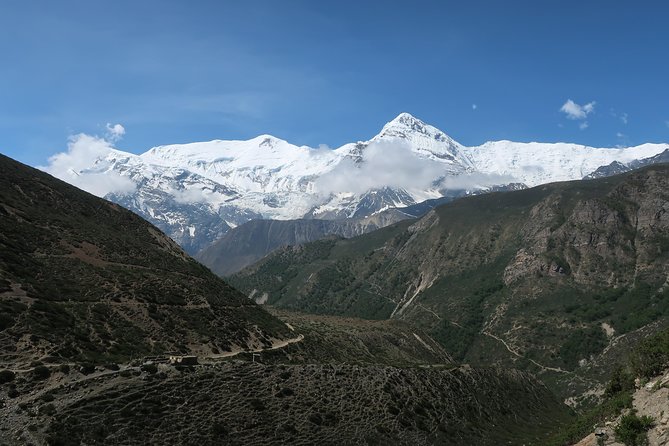
The route continues from Pisang through the Manang Valley. You gain height gradually, with views toward Annapurna II, Annapurna III, and Gangapurna. The trail includes a short uphill section, but the larger benefit is the gradual transition into high mountain terrain.
Day five is listed around 13 hours and ends in Manang. That is a long day, though the scenery gives it purpose. You are no longer simply riding toward the mountains. You are walking through a changing world of pine, rock, river valleys, and high settlements.
Day six is a full rest day in Manang before the crossing of Thorong La. Rest does not mean doing nothing. The recommended outing is a walk to Gangapurna Lake, described as especially beautiful. A short acclimatization walk lets you move your body without committing to another major distance.
I consider this rest day one of the strongest parts of the plan. A short itinerary can tempt operators to cut recovery time, but the Manang pause gives your body a better chance to adjust. Do not use it as an excuse for an exhausting side trip. The main goal is to prepare for higher ground.
Yak Kharka and Thorung Phedi
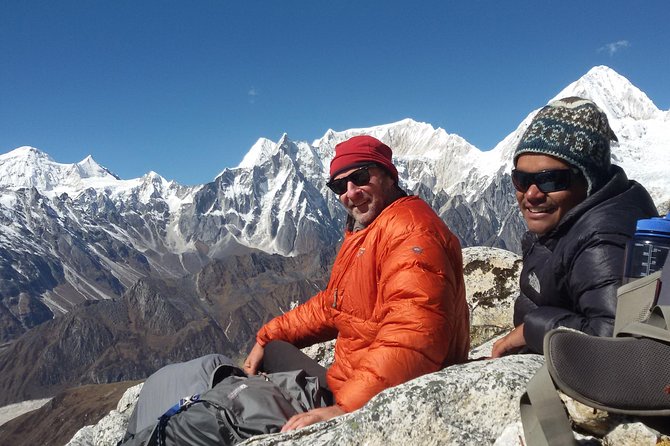
After Manang, you walk to Yak Kharka. This is a high-altitude day with mountain views, small streams, and sightlines toward Gangapurna and Annapurna. The schedule lists up to 14 hours, so you should be ready for a long, steady day.
Yak Kharka is a small settlement rather than a destination with many distractions. That is part of the point. You are positioning yourself for the pass, and the route becomes more focused.
The next stage leads toward Thorung Phedi. You cross a bridge, follow the Jarjung River, and climb toward the pass area. Thorung Phedi provides a place to pause before the final ascent. The day is listed around 13 hours, which makes the pace a serious concern for anyone who is not used to long mountain walks.
Pack your day bag carefully. Your sleeping bag, down jacket, and duffle bag are included, but you still need personal layers, sun protection, and anything you need during the walk. One useful tip from the experience feedback is blunt and practical: bring sunscreen. At high elevation, strong sun and reflected light can punish unprotected skin.
Crossing Thorong La at 5,416 Meters
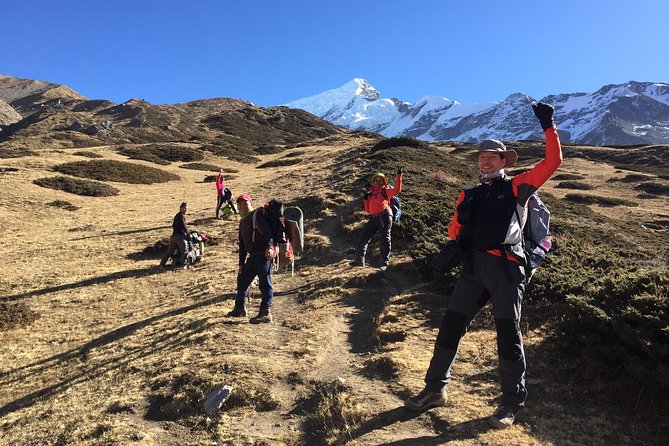
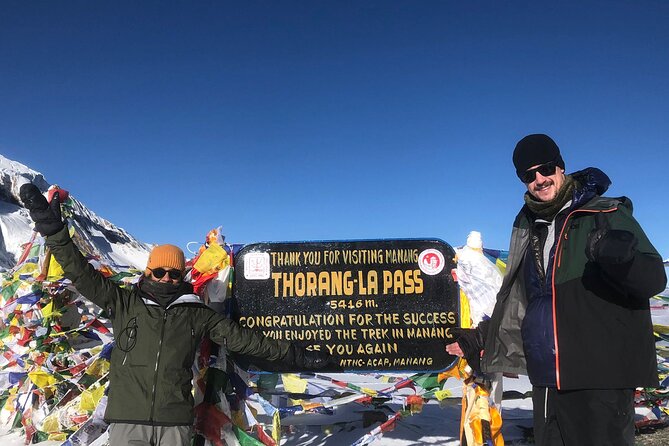
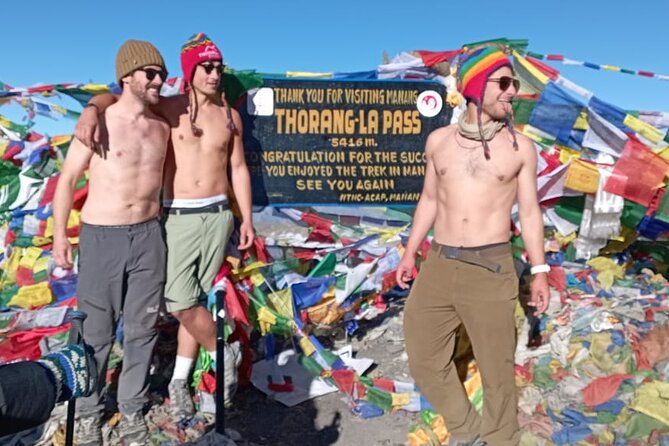
The summit day starts early. You climb from the Thorung Phedi area toward Thorong La, the highest point of the trip at 5,416 meters. Buddhist prayer flags mark the pass, with wide mountain views in every direction.
This is the day that defines the circuit. The ascent can feel slow and heavy, especially after several long days. Your guide should help you keep a sensible rhythm, but no guide can remove the effects of altitude. Tell the guide if you feel unwell, and do not treat reaching the pass as more important than your health.
The schedule places the crossing on day nine, followed by a descent toward Muktinath Temple. That descent changes the feel of the route quickly. You move from the high pass into a culturally important pilgrimage area, with Buddhist and Hindu traditions meeting around Muktinath.
The included admission at Thorong La and Muktinath simplifies the main sightseeing stops. The pass itself, however, is not a quick photo stop. Plan for a physically demanding day listed at about 14 hours.
Muktinath to Pokhara by Road
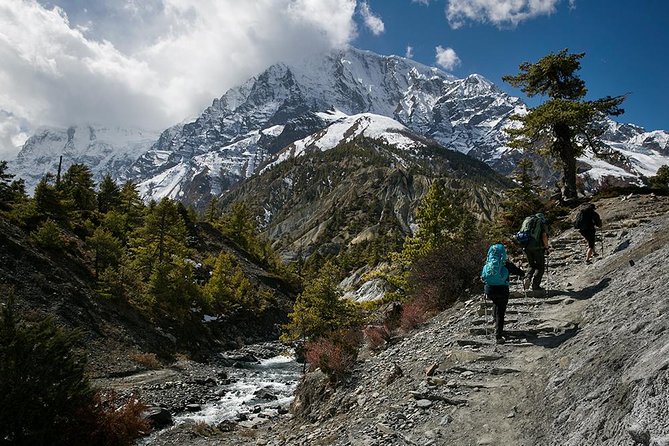
After Muktinath, you drive to Pokhara. The schedule again allows about 14 hours, so expect a long and scenic transfer rather than a relaxed afternoon.
The road gives your legs a break after the pass, but it may test your patience. You continue through changing scenery and mountain settlements before reaching Pokhara. The city provides a welcome contrast to the high route, with a hotel night and breakfast included.
One strength of this plan is that it does not force you to walk every section of the circuit. You experience the major high-altitude crossing, then use transport to connect with Pokhara. One weakness is that the final driving days can feel packed and tiring, particularly after the hardest section of the trek.
Returning to Kathmandu
Day eleven takes you overland from Pokhara to Kathmandu, with farm villages and towns along the way. The listed duration is about 14 hours, so you may not arrive with much energy for sightseeing.
That said, returning by road lets you see another side of Nepal outside the high mountains. The final hotel night in Kathmandu gives you a place to rest before your international departure.
On day twelve, staff transfer you from the hotel to Tribhuvan International Airport according to your flight time. Airport pickup and drop-off are included, which is useful after a trip involving several long road movements.
Food, Lodging, and Equipment
During the trek, the package includes breakfast, lunch, and dinner. You also receive three cups of tea each day and seasonal fruit. That is a practical inclusion, since food stops are part of the daily rhythm in the mountains.
Accommodation is in private local tea houses on a twin-sharing basis. This is not a luxury hotel arrangement. You should expect simple mountain lodging, with the benefit of staying in local communities along the route.
The company supplies a sleeping bag, down jacket, and duffle bag. Those items reduce the amount of specialist equipment you need to bring, though the included list does not cover every personal requirement. You remain responsible for travel insurance and extras such as mineral water, soft drinks, alcohol, laundry, desserts, and crew tips.
The Guides Are a Major Strength
The strongest praise focuses on the guides. Shanta was singled out for making a solo female trekker feel well cared for. Buddhi Tamang was praised for organization, attention, and steady support. Pawan was described as adding humor and warmth to a demanding trip.
Other named staff include Anjan, Suman, Veer, and Anos Tamang. One long trip with Anos included a porter and left the person feeling at home in the mountains. Another account described Veer greeting a group at the airport with a garland of marigolds, a small cultural welcome that made the arrival feel personal.
These details matter because a compressed high-altitude trek depends on people, not just scenery. You want clear plans, regular check-ins, and a guide who can adjust when weather or energy levels change. The available feedback also includes a trip that continued successfully despite poor weather, which suggests some flexibility in the field.
Who Should Book This Trek?
I would recommend this trip to someone who wants the classic Annapurna route but has limited holiday time. It suits you if you want a private group, included transport, a licensed guide, local tea-house stays, and a package that handles most of the major arrangements.
It is less suitable if you want short walking days, luxury accommodation, or a slow, unhurried circuit. The repeated 12 to 14-hour schedules are the clearest warning. You should also think carefully about altitude, since the route reaches 5,416 meters and the company itself warns against rushing from Chame to Manang by jeep.
The experience has a five-star rating from 34 reviews and a 100 percent recommendation figure. Those numbers support the strong impression of reliable guides and well-managed logistics, but they do not change the physical demands of the route.
Should You Book the Annapurna Circuit Trek?
Book it if you want a tightly planned, private Annapurna Circuit with the major pass, local tea houses, meals, transport, and guide support included for $975.
Before paying, make sure you are comfortable with long drives, long walking days, basic lodging, and high altitude. Ask the operator to confirm the exact walking distances, road conditions, group arrangements, and current route plan, especially since the trip is marketed in both 10-day and 12-day terms.
For a fit and prepared visitor, this is a strong-value way to see the Annapurna region without arranging every bus, jeep, permit, meal, and bed yourself. Just remember: the short version saves calendar days, not effort.
FAQ
How long is the Annapurna Circuit Trek?
The full experience lasts approximately 12 days, including arrival in Kathmandu, the trek, return travel to Kathmandu, and airport departure. The route is also described as a 10-day trekking itinerary.
What is the highest point on the trek?
The highest point is Thorong La at 5,416 meters.
Is airport pickup included?
Yes. Airport pickup and drop-off at Tribhuvan International Airport are included in the ground transportation.
Are meals included during the trek?
Yes. Breakfast, lunch, and dinner are included during the trekking portion, along with three cups of tea per day and seasonal fruit.
What accommodation is included?
The package includes two hotel nights in Kathmandu, one hotel night in Pokhara, and private local tea-house accommodation during the trek on a twin-sharing basis.
Is trekking equipment provided?
Yes. The package includes a sleeping bag, down jacket, and duffle bag.
Can I take a jeep all the way to Manang?
A four-wheel jeep can reach Manang, but the program advises against going beyond Chame by jeep because gaining altitude too quickly increases the risk of altitude sickness.
What is not included in the price?
Travel insurance, mineral water, beer, soft drinks, laundry, desserts, and tips for the trekking crew are not included.
What happens if bad weather cancels the trip?
If poor weather causes cancellation, you are offered a different date or a full refund. Free cancellation is available when made at least 24 hours before the experience start time.
Recently added around Kathmandu
- Ghorepani Poon Hill Trek★ 5.0 · 16 reviews
- Private Manaslu Circuit Trek at Himalayas★ 5.0 · 3 reviews
- Amazing 1 Day Trekking Experience in Kathmandu Nepal★ 5.0 · 24 reviews
- Ghorepani Poonhill Trek★ 5.0 · 5 reviews
- Upper Mustang Trekking★ 5.0 · 2 reviews
- Upper Mustang Trekking★ 3.0 · 2 reviews
- Upper Mustang Trekking★ 5.0 · 4 reviews
- Upper Mustang Trek★ 5.0 · 5 reviews
Annapurna Base Camp Treks, compared.

Trekking in Annapurna/Langtang/Everest/Upper Mustang regions
Read our review →
Kathmandu to Annapurna Base Camp (ABC) 5-Day Trek
Read our review →Browse the lists this tour appears in