
REVIEW · KATHMANDU
Annapurna circuit Trek
High passes, old villages, and hard-earned views. Nature Explore Trek’s 12-day Annapurna Circuit combines Himalayan scenery, local culture, basic mountain lodging, and a demanding crossing of Thorong La at 5,416 meters. I like the private group format and the amount of practical support included, especially airport transfers, permits, meals, porters, treated water, and mountain gear.
I also like that the route uses local buses and jeeps instead of pretending every mile must be walked. That keeps the price at $998 per person and makes the circuit possible in just under two weeks. The main drawback is the schedule: several days are long, the road rides can be rough, and the itinerary reaches high altitude quickly. You need moderate fitness, patience, and a sensible attitude toward altitude.
Nature Explore’s strongest praise centers on careful guiding and personal attention. Dinesh, Deepak, Ram, Tej, Nara, and other team members are repeatedly described as caring, capable, and good at handling difficult moments, including medical problems and altitude concerns. The company’s experience with Annapurna Base Camp and other Himalayan trips also adds useful reassurance, though you should confirm your exact guide and final schedule before departure.
Key points at a glance
- Thorong La is the big test: The route crosses the 5,416-meter pass, the highest point on the trip, after a night near Thorong Phedi or Thorong Base Camp.
- The itinerary mixes trekking and road travel: You walk through Chame, Upper Pisang, Manang, Yak Kharka, and Muktinath, then use transport toward Tatopani and Pokhara.
- A full support package is included: Meals, tea or coffee, fresh fruit after dinner, treated water, permits, accommodation, a guide, porter support, and ground transport are covered.
- You receive useful gear: Nature Explore provides a down jacket on a refundable basis, plus a duffle bag and a T-shirt as a gift.
- It is a private activity: Only your group takes part, which can make pacing and communication easier than on a large scheduled departure.
- The final destination is Pokhara: The trip ends there after a six-hour drive from Tatopani, not back in Kathmandu.
What the $998 price really covers
At $998, this trek offers good value if you want a guided Annapurna Circuit without arranging every road transfer, permit, meal, and lodge yourself. The package includes three-star accommodation in Kathmandu, one night in Pokhara after the trek, accommodation during the walking days, all listed meals, tea or coffee, fruit after dinner, and treated drinking water.
It also covers airport pickup and drop-off, local sharing buses or jeeps, the Kathmandu to Dharapani transfer, the Marpha to Tatopani ride, the Annapurna conservation permit, the TMIS card, government taxes, and required trip documents. A guide, porter support, a down jacket, and a duffle bag are also included.
That is a lot of administration taken off your plate. The price does not include international flights, travel insurance, trekking equipment, extra hotel nights, Wi-Fi, laundry, snacks, cold drinks, or tips. You should budget for those separately, especially insurance that covers trekking at high altitude and possible emergency evacuation.
The use of local buses and jeeps helps keep the cost down. It also means you should not expect private, quiet transfers on every road section. Shared transport can be crowded and slow, but it is part of how people in the region move between towns. I see that as a practical tradeoff rather than a flaw, provided you know about it before booking.
More Annapurna Treks in Kathmandu
- Annapurna Circuit Trek with Tilicho Lake
★ 5.0 · 368 reviews - Annapurna base camp trek 5 Days
★ 5.0 · 252 reviews - 14-Day Private Annapurna Base Camp Trek
★ 5.0 · 180 reviews
Day 1: Kathmandu arrival and a useful soft landing
The trip begins with pickup at Tribhuvan Airport in Kathmandu. The listed start time is 6:15 am, so confirm whether that refers to airport pickup, the first full trip day, or a particular departure arrangement. You receive a hotel night in Kathmandu, with three-star accommodation included.
This first day matters because it gives you a chance to meet the team, sort your luggage, and check your clothing and footwear before the road journey. Nature Explore also provides a duffle bag and a down jacket for use during the trek. Since the jacket is refundable, ask how the deposit or return process works.
Do not expect an extended Kathmandu sightseeing program. The purpose here is arrival and preparation, not a city tour.
Day 2: The long road to Dharapani through Besisahar
The drive to Dharapani via Besisahar takes about seven to eight hours and reaches roughly 2,000 meters. It is one of the less glamorous days, but it gets you into the Annapurna region quickly.
You will be in a local sharing bus or jeep. Road conditions can affect the timing, so think of the seven to eight hours as an estimate, not a promise. The reward is that you begin the walking section from Dharapani rather than spending several extra days on lower trails.
This is also your first reminder that the Annapurna Circuit is not a pure walking holiday. Roads now reach many settlements, and this itinerary uses them to fit the main route into 12 days.
Day 3: Dharapani to Chame, with the first mountain rhythm
The trek to Chame takes four to five hours and climbs to about 2,600 meters. Chame is the administrative center of Manang District and a useful place to settle into the daily routine of walking, eating, and sleeping at altitude.
The distance is moderate, but the climb matters. You are gaining height steadily, and your body may notice the change. Keep your pace slow enough to talk without gasping, drink regularly, and tell your guide if a headache or unusual tiredness develops.
The included meals help simplify the day. You receive breakfast, lunch, and dinner, plus tea or coffee, and fresh fruit after dinner. That is especially useful in mountain lodges, where food choices and supplies can be less predictable than in Kathmandu.
Same trailhead, a longer or shorter day out:
- Everest Base Camp Trek – 14 Days
★ 5.0 · 1,499 reviews - Everest Base Camp Trek
★ 5.0 · 842 reviews - Everest Base Camp Trekking
★ 5.0 · 485 reviews - Everest Base Camp Trekking – 13 Day
★ 5.0 · 365 reviews
Day 4: Chame to Upper Pisang at 3,300 meters
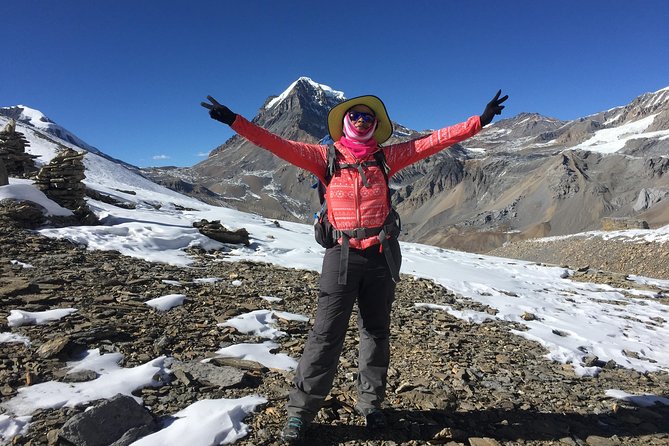
The four to five-hour walk to Upper Pisang takes you to about 3,300 meters. Upper Pisang is an appealing overnight stop because it feels more like a traditional mountain settlement than a road stop, with close views of the high peaks and a more exposed setting.
This is where the trip begins to feel properly Himalayan. The walking hours are manageable, but the altitude keeps rising. You may find that a short climb now takes more effort than it would at home.
The itinerary specifically chooses Upper Pisang rather than simply Pisang. That gives you a higher overnight point and positions you well for the next day, though it also means a slightly tougher adjustment. Your guide’s pacing and willingness to slow down are important here.
Day 5: Upper Pisang to Manang on the upper trail
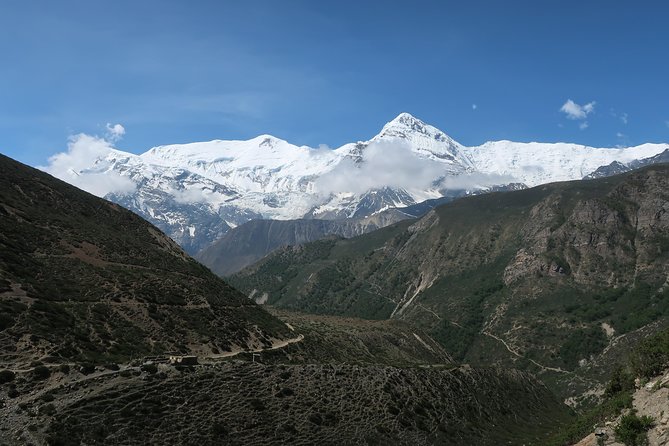
The route to Manang takes seven to eight hours and reaches about 3,500 meters. It uses the upper trail, which is the scenic and more demanding choice.
This is one of the longest walking days. You should expect a full day on your feet, with the altitude adding to the effort. The upper route is valuable because it gives you stronger mountain views and a more traditional sense of the circuit, but it is not the day to race ahead for photographs.
Manang is a major stop on the route and the base for acclimatization. The town has more services than the smaller settlements, though this is still a mountain environment. Wi-Fi, laundry, snacks, and cold drinks are not included, and you may pay extra for them if available.
Day 6: Acclimatization in Manang
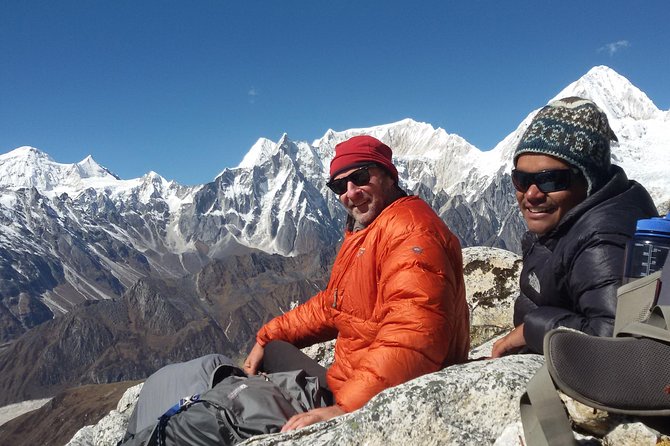
The itinerary includes an acclimatization day in Manang. This is not wasted time. It is one of the most important parts of the trek.
You need time for your body to adjust before the route climbs above 4,000 meters. The exact activities are not specified, so confirm with your guide how the day will be handled. You might take a short walk, rest, or visit nearby points of interest, but the key purpose is to avoid gaining altitude too quickly.
Nature Explore’s past support for people with different fitness levels and for groups dealing with medical concerns is reassuring here. Still, no guide can remove altitude risk. You need travel insurance, and you should never hide symptoms because you want to keep the schedule.
Day 7: Manang to Yak Kharka at 4,060 meters
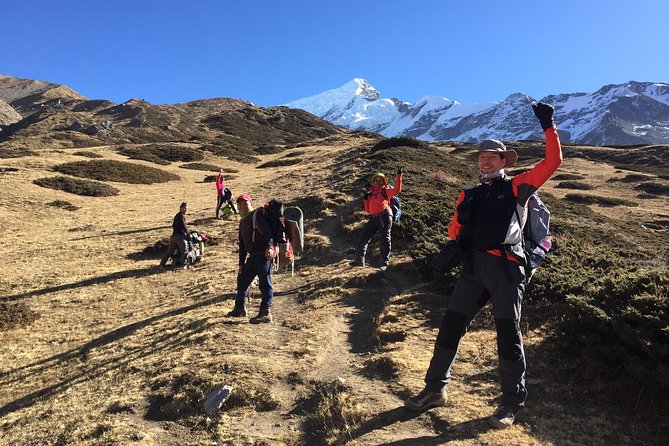
The walk to Yak Kharka takes three to four hours and reaches about 4,060 meters. The shorter walking time does not make this an easy day. At this height, breathing is harder and recovery is slower.
Yak Kharka is a practical overnight stop before the pass. You are trading distance for acclimatization, which is wise. Keep your day simple, stay warm, and avoid treating the short walking time as an invitation to overdo things.
This is also a good point to use the supplied down jacket. Temperatures can drop sharply at high altitude, and mountain lodges are not designed for the same comfort level as city hotels.
Day 8: Yak Kharka to Thorong Phedi or base camp
The trek to Thorong Phedi or Thorong Base Camp takes three to four hours and reaches about 4,500 meters. This is a short but serious approach day.
The itinerary lists both Thorong Base Camp and Thorong Phedi, so the exact overnight location may depend on conditions and lodge availability. Ask which one is planned. That detail affects how close you are to the next day’s pass crossing.
At this altitude, you may feel the cold, thin air, and reduced energy. A good guide should monitor the group, keep the pace controlled, and make sensible decisions if anyone shows signs of altitude sickness. The schedule is tight, so flexibility matters more than ticking off every listed time.
Day 9: Over Thorong La to Muktinath
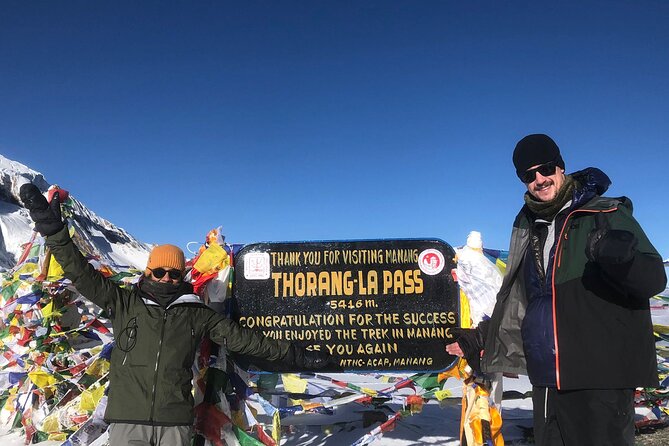
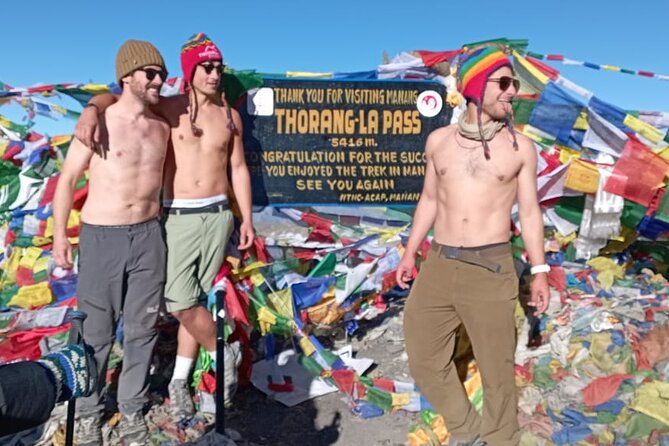
This is the defining day. You cross Thorong La at 5,416 meters, then descend to Muktinath at about 3,800 meters. The listed walking time is seven to eight hours.
The climb to the pass is demanding, and the descent can be hard on your knees. The pass itself is the kind of place that rewards patience: you work for the view, take a few photographs, and then keep moving because the day is not finished.
Muktinath is important to both Hindu and Buddhist traditions. That mix of religion and mountain culture gives the circuit more depth than a simple high-altitude walk. You are not just crossing a pass. You are moving through communities with their own religious practices and local identity.
This is the day when preparation matters most. Carry warm layers, gloves, water, snacks, sun protection, and any personal medication where you can reach them. The package includes treated water and meals, but extra snacks are your responsibility.
Day 10: Muktinath through Jomsom to Marpha
The route to Marpha via Jomsom takes six to seven hours and ends around 2,650 meters. This section shifts the feel of the trip again as you descend into the Kali Gandaki area.
Jomsom is a major transport and administrative center, while Marpha is known for its attractive stone lanes and mountain village character. The lower altitude should feel easier after Thorong La, though walking on roads can be dusty and less peaceful than the high trail.
The itinerary places this day on foot, but road transport is common in this region. Confirm with your guide whether the group will walk the full section or use a vehicle if road or weather conditions call for it.
Day 11: Marpha to Tatopani by bus or jeep
The ride to Tatopani takes about five hours and descends to roughly 1,190 meters. After several days above 3,000 meters, this lower altitude can feel welcome.
Tatopani means hot water, and the name points to the area’s hot springs. The program does not explicitly promise a hot spring visit, so treat that as a possibility rather than a guaranteed feature. The main point of the day is transport and a return to a warmer, lower setting.
The bus or jeep ride may be bumpy. If you are prone to motion sickness, bring suitable medication in your daypack. You should also keep valuables and electronics protected from dust and jolts.
Day 12: Tatopani to Pokhara
The final drive to Pokhara takes about six hours and ends at approximately 740 meters. Your trip ends in Pokhara, and one hotel night there is included after the trek.
This is a practical finish. Pokhara has a more relaxed setting than Kathmandu and gives you a chance to rest after the pass crossing and long road days. The program does not include a return to Kathmandu, so arrange your onward travel from Pokhara or add extra transport and hotel nights if needed.
Guides, porters, and the human side of the trip
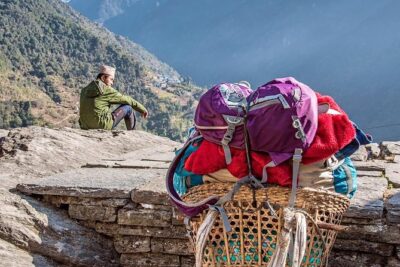
The strongest part of Nature Explore’s reputation is its staff. Dinesh and Deepak receive especially warm praise for clear communication, good judgment, humor, and care. Ram, Tej, Nara, Chhabin, and the porter team are also named for helping people through difficult days and medical situations.
That matters on the Annapurna Circuit. A guide is not simply someone who points toward the next village. You need someone who notices when a group member is struggling, explains changes in transport, and keeps the mood steady when the weather or altitude makes the day harder.
The service is family-run in spirit, and several accounts describe feeling cared for from airport pickup through departure. Still, ask about guide-to-group ratios, porter arrangements, luggage weight limits, and emergency procedures before paying. The information provided confirms porter support but does not state the exact porter-to-client ratio.
Who should book this Annapurna Circuit trek?
I would recommend it to you if you want a guided Himalayan route with a private group, structured transport, and most daily costs handled in advance. It suits people who are comfortable with basic mountain accommodation, long road journeys, and a moderate fitness requirement.
It is less suitable if you want luxury hotels, private transport throughout, a relaxed pace, or a pure walking route with no vehicle sections. It is also not a casual sightseeing trip. The 5,416-meter pass and the seven to eight-hour walking days demand preparation.
Free cancellation is available if you cancel at least 24 hours before the local start time. After that point, the amount paid is not refunded, and late changes are not accepted.
Should you book it?
I think this is a strong-value choice for an organized Annapurna Circuit, especially if you appreciate personal guiding and do not want to arrange permits, food, porters, and road transfers yourself. The price is sensible because it includes more than the headline trek: airport service, Kathmandu and Pokhara hotels, meals, water, permits, equipment loans, and local transport.
Book it if you are ready for high altitude and basic conditions, and confirm the exact guide, transport plan, overnight location near Thorong La, and insurance requirements before departure. If you want a slower, more flexible circuit, ask Nature Explore to customize the schedule. If you want a well-supported challenge in a compact format, this trip deserves serious consideration.
FAQ
Where does the Annapurna Circuit trek begin?
The trip begins with pickup at Tribhuvan Airport in Kathmandu, Nepal.
What time does the trip start?
The listed start time is 6:15 am. Confirm with Nature Explore whether this refers to airport pickup or the first scheduled activity.
How long is the trek?
The experience lasts approximately 12 days.
Where does the trip end?
The trip ends in Pokhara after the final drive from Tatopani.
Is this a private tour?
Yes. Only your group participates in the activity.
What level of fitness is required?
A moderate level of physical fitness is required.
Is accommodation included?
Yes. Accommodation during the trek, a three-star hotel in Kathmandu, and one hotel night in Pokhara after the trek are included.
Are meals included?
Yes. Breakfast, lunch, and dinner are included, along with tea or coffee during the trek and fresh fruit after dinner each day.
Is transportation included?
Yes. Ground transportation during the trek is provided by local sharing bus or jeep. The listed routes include Kathmandu to Dharapani, Marpha to Tatopani, and Tatopani to Pokhara.
Is travel insurance included?
No. International airfare, travel insurance, trekking equipment, extra hotel nights, Wi-Fi, laundry, snacks, cold drinks, and staff tips are not included.
Recently added around Kathmandu
- Ghorepani Poon Hill Trek★ 5.0 · 16 reviews
- Private Manaslu Circuit Trek at Himalayas★ 5.0 · 3 reviews
- Amazing 1 Day Trekking Experience in Kathmandu Nepal★ 5.0 · 24 reviews
- Ghorepani Poonhill Trek★ 5.0 · 5 reviews
- Upper Mustang Trekking★ 5.0 · 2 reviews
- Upper Mustang Trekking★ 3.0 · 2 reviews
- Upper Mustang Trekking★ 5.0 · 4 reviews
- Upper Mustang Trek★ 5.0 · 5 reviews
Annapurna Base Camp Treks, compared.

Trekking in Annapurna/Langtang/Everest/Upper Mustang regions
Read our review →
Kathmandu to Annapurna Base Camp (ABC) 5-Day Trek
Read our review →Browse the lists this tour appears in