
REVIEW · KATHMANDU
Annapurna Base Camp Trek form Kathmandu
The mountains arrive slowly, then all at once. This 11-day private trek links Kathmandu, Pokhara, Poon Hill, Machhapuchhre Base Camp, and Annapurna Base Camp in one well-planned route. I like the combination of a scenic tourist bus to Pokhara and private transfers at the trail ends, and I also like that a guide, porter, permits, lodging, and ground transport are included in the $550 price.
The main consideration is physical effort. You will spend several days walking for five to six hours, reach 4,130 meters at Annapurna Base Camp, and pay separately for meals, personal expenses, and emergency rescue. Strong fitness is essential, and the high altitude deserves respect.
Key Details Before You Book
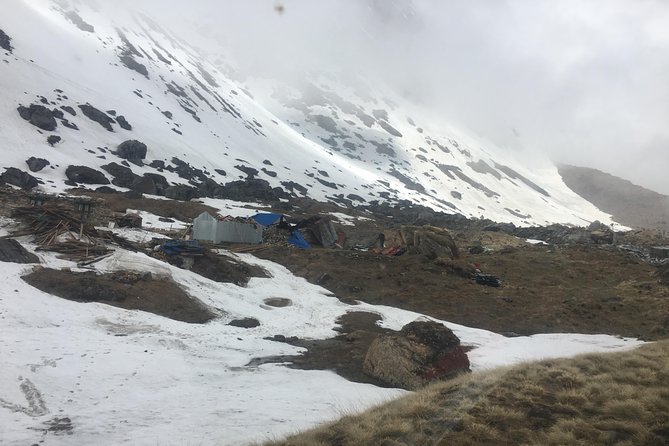
- Annapurna Base Camp at 4,130 meters: The route reaches the main goal after stopping at Machhapuchhre Base Camp at 3,770 meters.
- Poon Hill sunrise: You leave Ghorepani early for one of Nepal’s best-known mountain viewpoints.
- Private 11-day arrangement: Only your own group takes part, with an English-speaking guide.
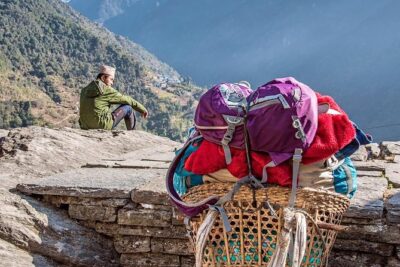
- Helpful porter service: One porter carries up to 15 kilograms for every two guests.
- Pokhara included twice: You stay in Pokhara at the start and return there at the end.
- Hot spring stop at Jhinu Danda: The route includes time for a natural hot spring bath after the long descent.
What the $550 Price Really Buys
At $550 per person, this trek offers a useful set of services for a private mountain trip. The price includes Kathmandu to Pokhara transport by tourist bus, private vehicle transfers to and from Nayapul, an English-speaking trekking guide, porter support, trekking permits, the TIMS card, hotel accommodation in Pokhara, and guesthouse accommodation along the trail.
That matters because the route involves several moving parts. You are not simply paying for a walking guide. The package also handles the road connections at both ends, the paperwork needed for trekking, and the change from city hotel to mountain guesthouse.
The value is strongest for anyone who wants a private arrangement without organizing each transfer separately. You also avoid carrying every item yourself, since one porter is assigned for every two guests and can carry up to 15 kilograms. Pack lightly, though. That allowance is shared, not 15 kilograms per person.
The price does not cover meals. You will also pay for personal expenses, and emergency rescue costs are excluded. Gratitude for the guide and porter is optional, though many people choose to budget for it. The Poon Hill admission ticket and the final private vehicle transfer are also listed as not included, so ask the operator exactly what amount is due for those items before departure.
More Annapurna Treks in Kathmandu
- Annapurna Circuit Trek with Tilicho Lake
★ 5.0 · 368 reviews - Annapurna base camp trek 5 Days
★ 5.0 · 252 reviews - 14-Day Private Annapurna Base Camp Trek
★ 5.0 · 180 reviews
Day 1: Kathmandu to Pokhara by Tourist Bus
The first morning begins with hotel pickup in Thamel and a short transfer to the bus. From there, the road journey to Pokhara takes about seven hours.
This is not a quick airport-style transfer. A tourist bus gives you a slower introduction to Nepal’s roads and countryside, but the day can feel long. Bring water, snacks, and something to occupy you during the ride. Once you reach Pokhara, you transfer to a hotel in the Lakeside area.
Pokhara is a pleasant place to begin the trek. The schedule gives you a night there before heading to the trail, which is useful after the road journey from Kathmandu. You also return to Pokhara at the end, so the trip has a clear city-to-mountain-to-city shape.
Day 2: Nayapul, Ulleri, and the First Big Climb
The next morning starts with a private vehicle drive to Nayapul, taking about one hour and ten minutes. Nayapul is the trail access point for the first walking section.
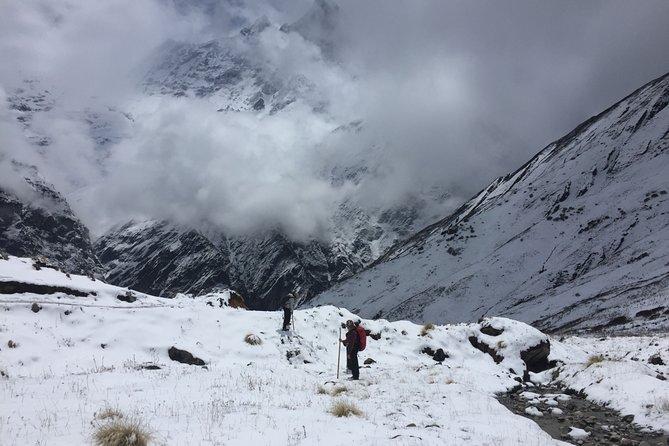
From Nayapul, you trek to Ulleri for roughly five hours. This is where the route begins to feel like a proper Himalayan trek rather than a scenic walk. The day is not the highest point of the trip, but it introduces sustained uphill walking early.
Ulleri is important as a first overnight stop because it breaks up the journey toward Ghorepani. You should begin at a steady pace. Trying to race through the first day can make the following stages harder, especially with a pack and changing altitude.
Day 3: Ulleri to Ghorepani
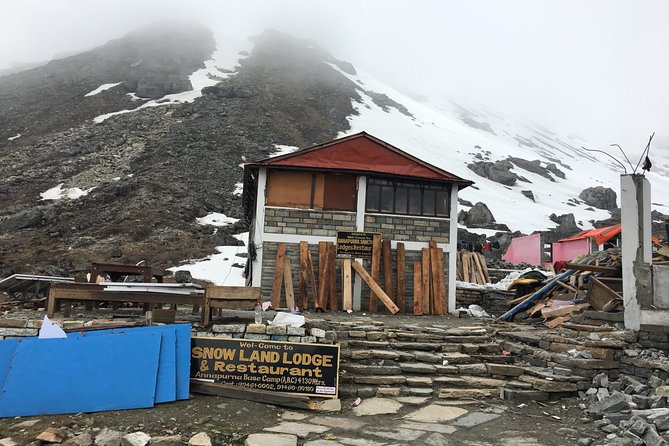
The six-hour walk to Ghorepani brings you into one of the most scenic portions of the route. You can expect broad views toward the Annapurna mountain ranges as the trail gains height.
Ghorepani is more than a sleeping stop. It is the base for the early morning walk to Poon Hill, so arriving with enough energy matters. Keep your warm clothing and headlamp close at hand rather than buried in your luggage. The next morning begins before sunrise.
This day also gives you a useful sense of the trek’s rhythm. You walk for much of the day, stay in a mountain guesthouse, and rely on simple accommodation rather than city comforts. That is part of the tradeoff for reaching the high viewpoints.
Same trailhead, a longer or shorter day out:
- Everest Base Camp Trek – 14 Days
★ 5.0 · 1,499 reviews - Everest Base Camp Trek
★ 5.0 · 842 reviews - Everest Base Camp Trekking
★ 5.0 · 485 reviews - Everest Base Camp Trekking – 13 Day
★ 5.0 · 365 reviews
Day 4: Sunrise at Poon Hill, Then Tadapani
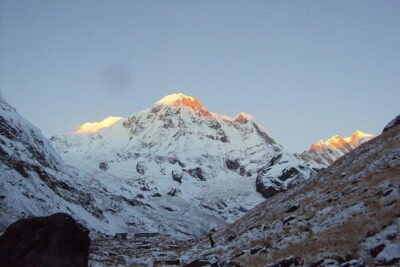
The early walk from Ghorepani to Poon Hill takes about two hours. The reward is a sunrise view over the mountain ranges, with the light changing across the peaks as morning arrives.
Poon Hill is one of the trip’s major highlights because the viewpoint comes relatively early in the trek. You do not need to wait until Annapurna Base Camp to see dramatic mountain scenery. The early start is the cost. Bring warm layers, and expect this to be a tiring morning because you continue walking afterward.
After Poon Hill, the route carries on to Tadapani, with about six hours of trekking listed for the day. You should treat this as a full mountain day, not just a sunrise excursion. The combination of an early start and a long trek makes pacing important.
Day 5: Chhomrong and the Route Deeper Into the Mountains
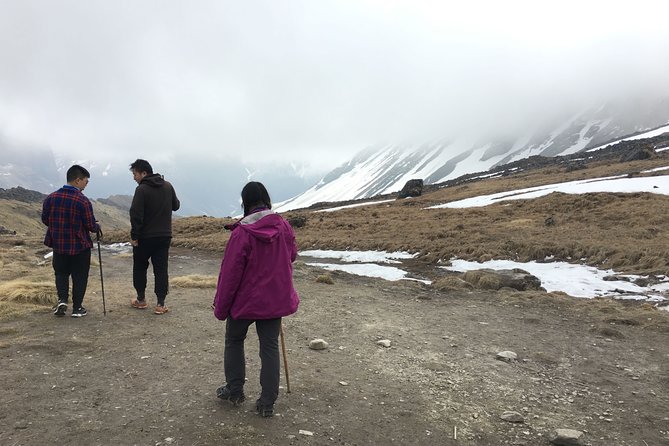
The walk to Chhomrong takes about six hours. Chhomrong is a major stop on the approach to Annapurna Base Camp, and reaching it marks a change from the lower sections of the route toward the more remote mountain stages.
The day rewards patience rather than speed. Your guide can help set a pace that works for the whole group, while the porter lets you walk with a lighter daypack. Even so, you should keep the essentials with you, including water, warm clothing, and personal items.
By this point, the repeated five- and six-hour walks become clear. You need to be comfortable spending most of the day on your feet. The scenery helps, but the trek still demands steady physical work.
Days 6 and 7: Dovan and Deurali
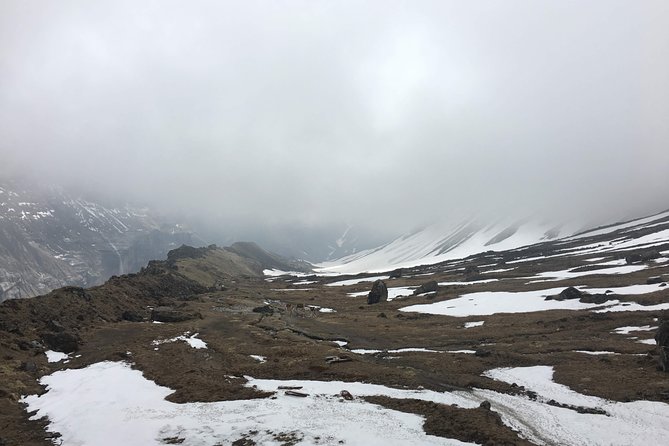
Day 6 takes about five hours to Dovan. Day 7 continues for another five hours to Deurali. These stages are less about a single famous viewpoint and more about gaining position for the final approach.
Dovan is a useful pause on the way toward higher ground. Deurali brings you closer to the main goal and sets up the short but important walk to Machhapuchhre Base Camp and Annapurna Base Camp.
The schedule is sensible in one respect: it divides the approach into manageable days rather than attempting one huge push. Still, altitude increases as you move higher, so your walking speed may naturally slow. Follow your guide’s advice and pay attention to how you feel.
Meals are not included, so plan your daily food budget before setting out. Your accommodation on the trail is in guesthouses, but the package does not list meals as part of the room arrangement.
Day 8: Machhapuchhre Base Camp and Annapurna Base Camp
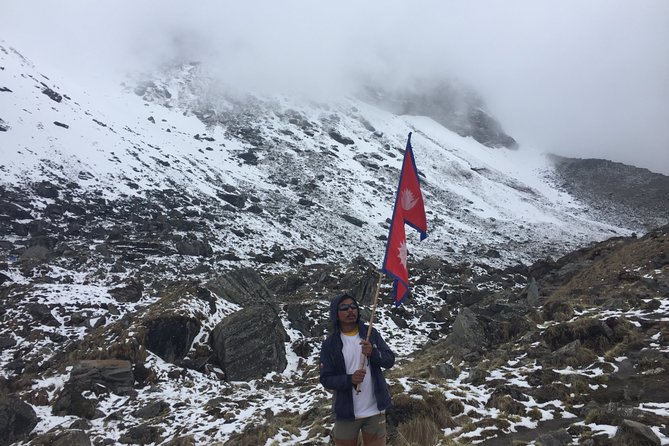
This is the key day of the trek. From Deurali, you walk about two hours to Machhapuchhre Base Camp, at 3,770 meters. The route then continues for another two hours to Annapurna Base Camp, at 4,130 meters.
Machhapuchhre is also known as Fishtail, and reaching its base camp gives you a major milestone before the final section. The short distance can be deceptive. At this height, four hours of walking may feel much harder than four hours at lower elevation.
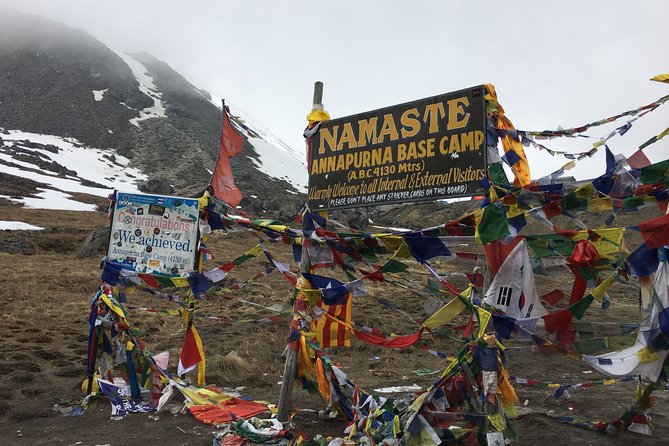
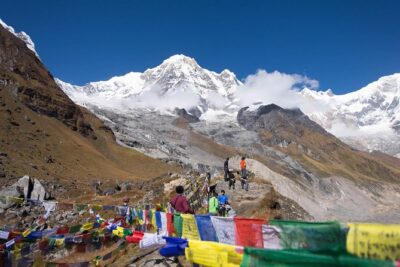
Annapurna Base Camp is the high point of the experience in both senses. You reach the principal destination, surrounded by some of Nepal’s best-known mountain views. The satisfaction comes from the buildup: Kathmandu, Pokhara, the lower trail, Poon Hill, Chhomrong, Dovan, Deurali, Machhapuchhre, and then ABC.
The schedule does not describe a separate acclimatization day at this altitude. That makes the fitness requirement especially important. You should discuss any concerns with the operator before booking and be prepared to walk slowly.
Day 9: The Long Descent to Bamboo
After the base camp visit, the route descends to Bamboo in about six hours. Downhill walking can sound easy, but long descents put plenty of strain on knees and legs.
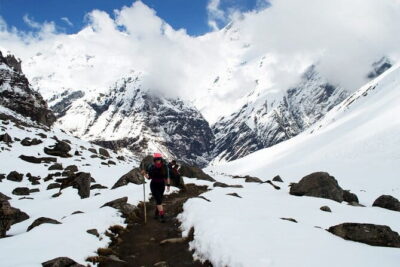
This is a day when trekking poles may be useful, although they are not listed as included. Keep your pace controlled and avoid treating the downhill section as a race. The reward is a return to lower elevation after the high point at Annapurna Base Camp.
The direction of travel also changes the feel of the trip. The approach is about anticipation and gaining height. The return is about looking back at the route and enjoying the knowledge that the hardest objective is behind you.
Day 10: Jhinu Danda and the Natural Hot Spring
The six-hour walk to Jhinu Danda includes one of the trip’s most welcome breaks: a visit to the natural hot spring. After several days of walking, a hot spring bath can be a pleasant way to ease tired muscles.
The hot spring is not a substitute for rest, since you still trek for about six hours that day. Bring a small towel and suitable swimwear if you want to use it, though these items are not specifically listed as provided.
Jhinu Danda adds variety to the route. The trek is not only a sequence of mountain viewpoints. It also includes a simple local stop where you can slow down and enjoy a different kind of outdoor experience.
Day 11: Nayapul to Pokhara
The final walking section takes about six hours as you descend to Nayapul. From there, a private car returns you to Pokhara in about one hour and ten minutes.
The trip ends when you arrive at your Pokhara hotel. This last transfer is practical, especially after six hours on foot, but confirm the payment details because the final vehicle transfer is marked as not included in the cost.
Returning to Pokhara rather than Kathmandu keeps the trip at roughly 11 days. If you need to continue to Kathmandu after the trek, that separate journey is not described in the package and should be arranged independently.
Guides, Porters, and the Private Format
The trek includes an English-speaking guide and is private, meaning only your group participates. That gives you more control over pace and daily rhythm than a large shared departure.
Specific people connected with the operation have received warm praise, including Shubham for arrangements, guide Bisham, and porter Aruna. Names and staff assignments can change, so confirm who will lead your trek before departure. A good guide matters here because the route includes long walking days and a substantial altitude gain.
The porter arrangement is useful but limited. One porter carries up to 15 kilograms for two guests. You should not hand over every item you own. Keep valuables, important documents, medication, water, and a warm layer with you.
Accommodation, Food, and What to Budget
You stay in a hotel in Pokhara and guesthouses during the trek. The information provided does not give the hotel names, room types, meal plans, or guesthouse standards, so ask for those details if they matter to you.
The absence of meals from the price is the biggest budgeting point. You will need money for breakfast, lunch, dinner, drinks, snacks, and personal purchases during the walking days. You also need to allow for the listed Poon Hill admission ticket and final Nayapul to Pokhara vehicle transfer.
The operator includes trekking permits and the TIMS card, which saves you from arranging those documents separately. Emergency rescue is not included, so check your insurance carefully before setting off.
Who Should Book This Trek?
I would recommend this trip to someone who wants the major Annapurna Base Camp route highlights in a private format and values having transport, permits, a guide, and porter support arranged together.
It suits you if you are comfortable with:
- Five- to six-hour trekking days
- Early starts, including the Poon Hill sunrise walk
- Guesthouse accommodation
- Paying separately for meals and personal expenses
- Trekking at elevations up to 4,130 meters
- A long bus ride from Kathmandu to Pokhara
It is less suitable if you want a relaxed sightseeing holiday, dislike early mornings, or need a trip with all food and emergency costs included. The route is rewarding, but the word trek is doing real work here.
Booking confirmation is provided at the time of booking. Free cancellation is available if you cancel at least 24 hours before the start time. Changes or cancellations inside that window are not accepted for a refund.
Should You Book the Annapurna Base Camp Trek?
Book it if you want a focused Himalayan route with two strong viewpoint moments: sunrise at Poon Hill and the final arrival at Annapurna Base Camp. The $550 price is attractive because it combines private support, transport, permits, accommodation, a guide, and porter service.
Before paying, confirm the meal budget, Poon Hill ticket, final transfer cost, guide assignment, porter arrangement, and rescue coverage. If you are fit, pack sensibly, and accept the basic guesthouse format, this is a strong-value way to reach ABC from Kathmandu without arranging every piece yourself.
FAQ
How long does the Annapurna Base Camp trek from Kathmandu take?
The experience lasts approximately 11 days, including transport from Kathmandu to Pokhara, the trek, and the return to Pokhara.
How much does the trek cost?
The listed price is $550 per person.
Is hotel pickup in Kathmandu included?
Yes. Pickup is offered from your hotel in Thamel, followed by a transfer to the tourist bus.
Is the Kathmandu to Pokhara transport included?
Yes. The trip includes transfer from Kathmandu to Pokhara by tourist bus.
Is this a private or group trek?
It is a private trip. Only your own group participates.
Is an English-speaking guide included?
Yes. An English-speaking trekking guide is included.
How much luggage can the porter carry?
One porter can carry up to 15 kilograms for every two guests.
Are meals included?
No. All meals and personal expenses are excluded from the listed price.
Can I cancel for a full refund?
Yes, if you cancel at least 24 hours before the experience start time. Cancellations made less than 24 hours in advance are not refunded.
Recently added around Kathmandu
- Ghorepani Poon Hill Trek★ 5.0 · 16 reviews
- Private Manaslu Circuit Trek at Himalayas★ 5.0 · 3 reviews
- Amazing 1 Day Trekking Experience in Kathmandu Nepal★ 5.0 · 24 reviews
- Ghorepani Poonhill Trek★ 5.0 · 5 reviews
- Upper Mustang Trekking★ 5.0 · 2 reviews
- Upper Mustang Trekking★ 3.0 · 2 reviews
- Upper Mustang Trekking★ 5.0 · 4 reviews
- Upper Mustang Trek★ 5.0 · 5 reviews
Annapurna Base Camp Treks, compared.

Trekking in Annapurna/Langtang/Everest/Upper Mustang regions
Read our review →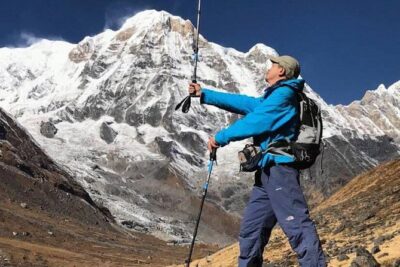
Kathmandu to Annapurna Base Camp (ABC) 5-Day Trek
Read our review →Browse the lists this tour appears in