
REVIEW · KATHMANDU
Nepal Round Tour with Annapurna Trek 14 Days
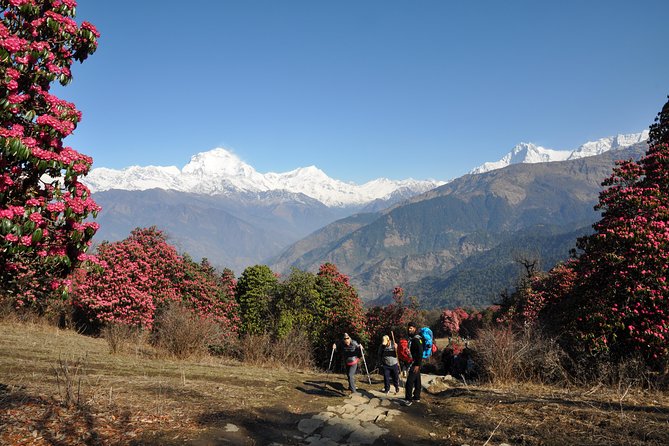
Mountains, temples, and village trails fill this two-week Nepal trip. This private journey combines seven days in the Annapurna region with time in Kathmandu and Pokhara, so you get Himalayan scenery without giving up Nepal’s major cultural sights. I like the mix of trekking and city time, and I like that permits, park fees, trekking meals, guides, and guesthouse stays are included. The main caution is physical: a week on mountain trails requires a moderate fitness level, and trekking gear and insurance are your responsibility.
I also like the private format, which can be adjusted to suit your plans. The included domestic flight between Kathmandu and Pokhara saves a long overland journey. The tradeoff is that the exact daily schedule is not fully detailed, so you should confirm the route, walking hours, elevation changes, and hotel names before paying.
Key points at a glance
- Seven days of Annapurna trekking: Walk through mountain villages with a trekking guide and stay in mountain guesthouses.
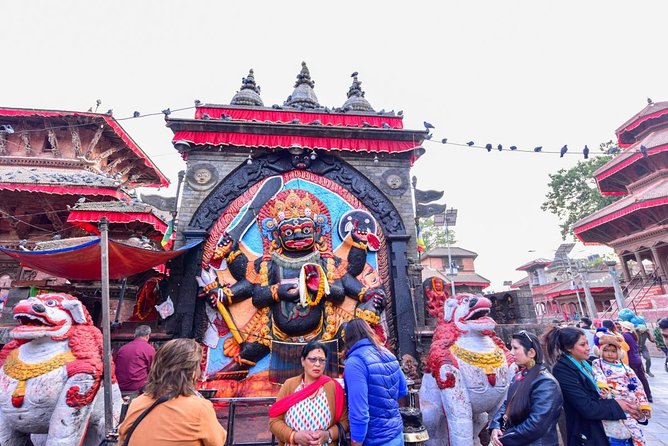
- Kathmandu’s major cultural sights: The wider trip includes places connected with Pashupati, the Buddhist stupa area, Patan Durbar Square, and Bhaktapur.
- Pokhara adds a welcome change of pace: Use the city portion to rest before or after the trek and enjoy its lively atmosphere.
- Permits and meals are covered on trekking days: Breakfast, lunch, and dinner are included during the trek, along with the trekking permit and national park fee.
- A private trip for up to 15 people: The itinerary can be adjusted, but you should confirm exactly how much customization is possible.
- Good value at $1,227.78 per person: The price covers accommodation, transport, guides, permits, and several meals, but not insurance, equipment, or tips.
Why this Nepal itinerary works
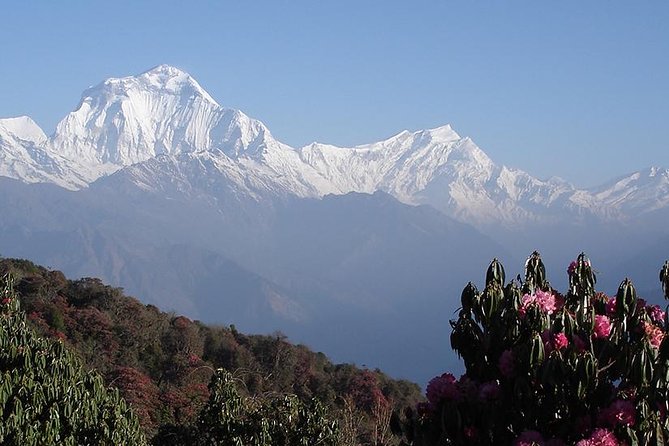
Nepal is easiest to appreciate when you allow time for both the cities and the mountains. Kathmandu gives you shrines, courtyards, temples, and old urban neighborhoods. Pokhara offers a calmer base with access to the Annapurna region. The trek then replaces traffic and monuments with footpaths, village life, and wide mountain views.
That balance is the best reason to consider this trip. A trekking-only holiday can leave you short on time for Nepal’s culture. A city tour can give you beautiful temples but little sense of life beyond the main roads. This plan attempts to do both in 14 days.
The private setup matters, too. You are not locked into the rhythm of a large coach group. The stated maximum is 15 people, and the tour can be customized. Ask in advance about your preferred walking pace, rest days, room arrangements, and the precise trekking route. A flexible trip is useful, but only if the flexibility is clearly explained before departure.
More Annapurna Treks in Kathmandu
- Annapurna Circuit Trek with Tilicho Lake
★ 5.0 · 368 reviews - Annapurna base camp trek 5 Days
★ 5.0 · 252 reviews - 14-Day Private Annapurna Base Camp Trek
★ 5.0 · 180 reviews
Kathmandu begins with temples and old city life
Kathmandu is not simply a starting point for the mountains. It deserves time. The cultural portion can include Pashupati, the city’s important Hindu temple complex, as well as the area associated with cremation ceremonies. You should approach this visit with respect. It is a working religious and family space, not a staged performance.
The Buddhist stupa area offers a different mood. Prayer, ritual, and daily life share the same public spaces, and your guide can help explain what you are seeing. This is where a local guide adds real value. Without context, you may notice the architecture but miss the meaning behind the movement, symbols, and customs.
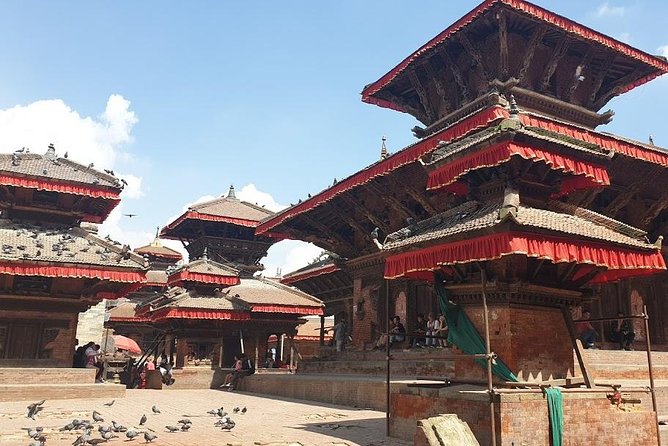
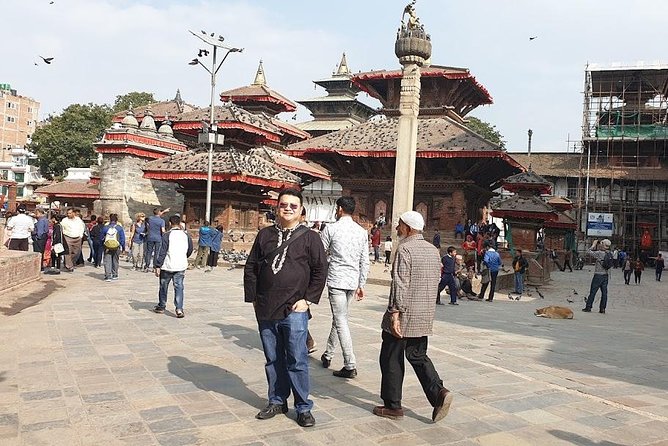
Patan Durbar Square brings another layer of Kathmandu Valley culture. Its courtyards and traditional buildings show the artistic character of the old Newar cities. Bhaktapur offers a more town-like setting, with pottery and local street life among its notable features. One distinctive part of the cultural program is the chance to see a pottery place and observe how traditional craft remains part of everyday life.
The city portion may feel busy after the trek, or the trek may feel demanding after Kathmandu. That is why the order of the days matters. Confirm whether the plan gives you enough time to recover after the flight and prepare for the mountains.
Flying to Pokhara saves a long road journey
The itinerary includes a domestic flight between Kathmandu and Pokhara, which is a practical advantage. A flight reduces the amount of time spent on a long road transfer and gives you more useful hours in the destination. Domestic schedules in mountain regions can be affected by weather, so keep some flexibility in your plans, especially if you have an international flight soon after the return.
Pokhara is an important part of the experience rather than a simple transit stop. It has a livelier, more relaxed feel than Kathmandu and works well as a place to rest, organize your gear, and adjust to the pace of the trip. The tour includes three-star accommodation in Pokhara, though you should confirm the specific property and whether breakfast is provided there on every city day.
The available information says the Pokhara to Kathmandu flight is included. It does not clearly state the direction or timing of every flight, so ask the provider to confirm the full transport plan. Private transportation is included, which should make airport transfers and local movement easier, but the exact vehicles and transfer times are not specified.
Seven days on Annapurna trails
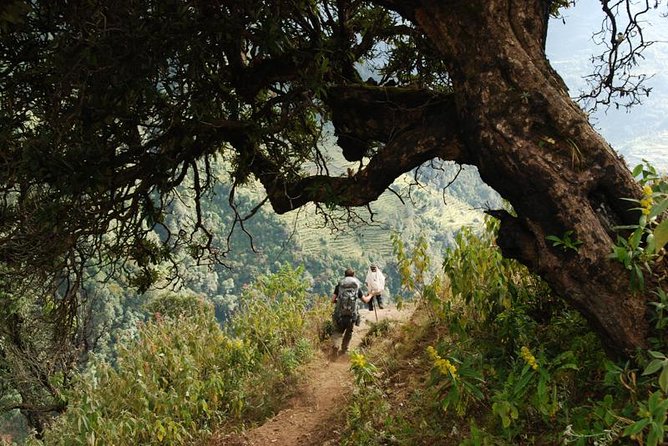
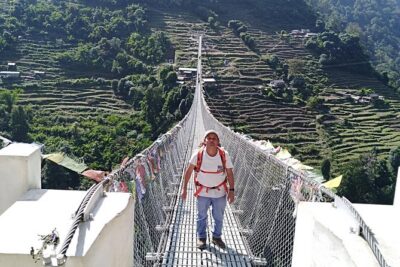
The trekking section is the heart of the trip. You spend about seven days walking in the Annapurna region, staying in mountain guesthouses rather than city hotels. This gives you a closer look at village life and lets you experience the mountains at walking speed.
The route information refers to Khopra Danda, an Annapurna trekking destination, but the complete trail schedule is not supplied. Do not assume every Annapurna tour follows the same path. Ask for the starting village, highest overnight point, highest walking point, daily distances, estimated walking hours, and the number of nights at altitude.
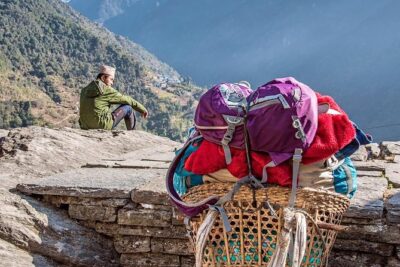
You will have a trekking guide, and porter support may be available as part of the broader arrangements, but the included items specifically name a trekking guide and do not clearly state porter service. Confirm this before you pack. A porter can change how much you need to carry each day, while carrying your own bag requires careful preparation.
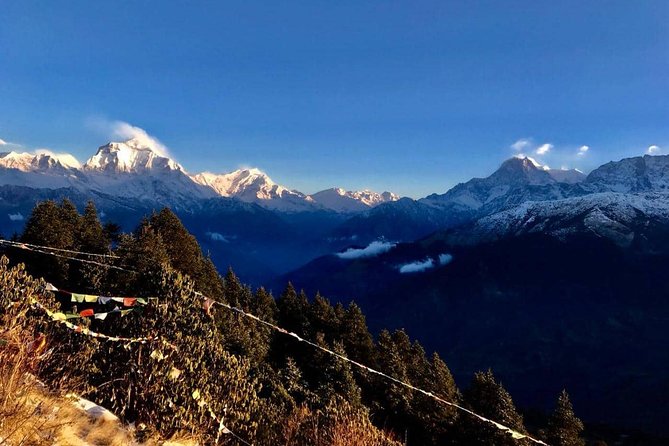
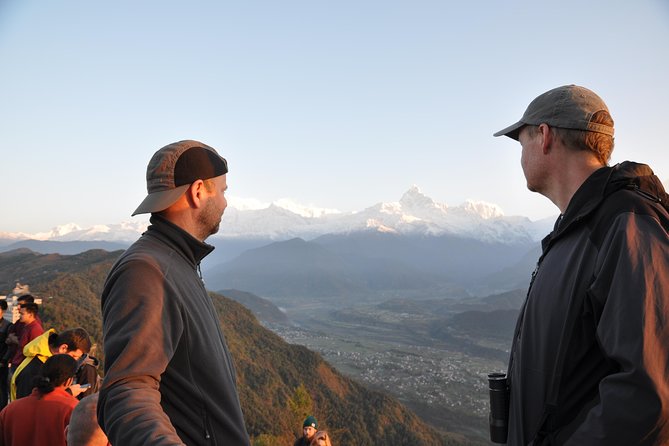
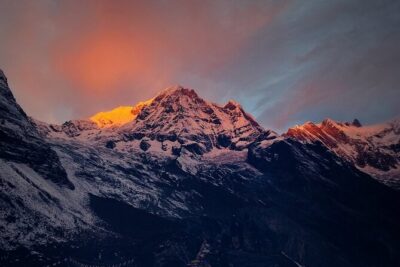
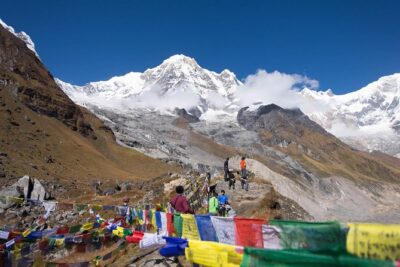
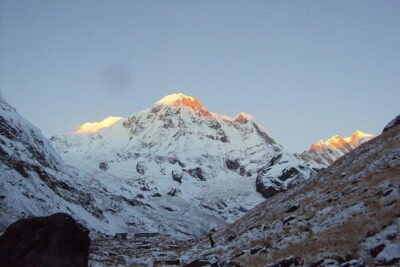
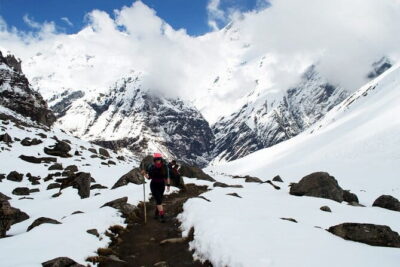
The scenery is a major reward. You can expect mountain views, village paths, and changing terrain, but the quality of the views depends on weather and visibility. A cloudy day is part of mountain travel, not a failure of the trip. The experience is also about quiet village life, not only dramatic peaks.
Mountain guesthouses are practical rather than luxurious. You should expect simpler facilities than in the three-star hotels in Kathmandu and Pokhara. The benefit is location and atmosphere. You spend the night close to the trail and local communities instead of returning to a city after each walk.
Same trailhead, a longer or shorter day out:
- Everest Base Camp Trek – 14 Days
★ 5.0 · 1,499 reviews - Everest Base Camp Trek
★ 5.0 · 842 reviews - Everest Base Camp Trekking
★ 5.0 · 485 reviews - Everest Base Camp Trekking – 13 Day
★ 5.0 · 365 reviews
Food and lodging: what is covered
The package includes three-star hotel accommodation in Kathmandu and Pokhara, plus mountain guesthouse accommodation during the trek. It also includes breakfast, lunch, and dinner on trekking days. That is a meaningful part of the price because arranging food and lodging independently in a trekking region can be inconvenient.
The city meal coverage is less clear. The summary refers to accommodation, all breakfasts, and some other meals, while the detailed inclusions specifically promise full meals during trekking days. Ask which Kathmandu and Pokhara breakfasts are included and which city meals you will pay for yourself.
You should also ask about room occupancy. The supplied details do not say if the price is based on single, twin, or shared rooms. That can affect the final cost, particularly if you are traveling alone.
Three-star accommodation is a sensible middle ground for this kind of tour. You are paying for a usable base and organized transport, not luxury. The guesthouses will be simpler still. Pack with that difference in mind and do not expect hotel-style service in the mountains.
The people can shape the whole experience
A guide is especially useful in Nepal when the trip moves between sacred sites, busy cities, and mountain villages. The guide can handle route details, explain customs, and help you communicate during the trek. The trip information emphasizes friendly and helpful local support, and Shiva is named as a trip planner in personal accounts connected with these arrangements.
That name may be useful if you are interested in a sabbatical, gap-year, or longer cultural program. Some past arrangements included local family contact, community volunteering, or internship planning. Those activities should not be treated as automatic inclusions in this 14-day package. Ask Shiva or the provider to confirm what belongs to this exact tour and what requires a separate arrangement.
This is a good example of why a direct pre-trip conversation matters. Ask who your city guide and trekking guide will be, how many people will be in your private group, and whether a porter is included. You can also ask how the provider handles changes caused by weather or flight delays.
What the $1,227.78 price really buys
At $1,227.78 per person, the tour offers solid value if you want one organized package covering cities, mountains, and internal transport. The price includes private transportation, Kathmandu and Pokhara hotels, mountain guesthouses, the Pokhara to Kathmandu flight ticket, trekking permits, national park fees, a city guide, a trekking guide, and trekking meals.
Those inclusions remove several tasks that can be difficult to coordinate on your own. Permits are essential for the trek, and having them arranged reduces paperwork. The included meals also make the mountain section easier to budget.
The price does not cover trekking gear, travel insurance, or tips for the guide and driver. These are not minor points. Good footwear and suitable layers can affect your comfort and safety, while insurance is important for a trip involving mountain walking and domestic flights.
The value is strongest for someone who wants help with logistics but does not want a large escorted group. It is less attractive if you already have hotel bookings, equipment, permits, or a preferred trekking guide. In that case, compare the package against booking the city and mountain sections separately.
Fitness, gear, and practical preparation
The tour requires a moderate physical fitness level. You do not need to be an elite athlete, but you should be comfortable walking for several consecutive days on uneven mountain paths. The exact distances and elevation profile are not provided, so request them before booking.
Trekking gear is not included. At a minimum, you need suitable walking footwear and clothing that can handle changing mountain conditions. Because the provider does not supply a packing list in the available details, ask for one. It is also worth asking how much luggage you can leave in the city while trekking and what bag you should carry on the trail.
Travel insurance is excluded. Arrange a policy that covers trekking at the elevations listed in your final itinerary, as well as medical treatment, trip interruption, and weather-related transport problems. Do not rely on a standard policy without checking its mountain activity rules.
The experience requires good weather. If poor weather causes cancellation, you are offered another date or a full refund. That policy is reassuring, but you should still avoid scheduling an international departure immediately after the final domestic flight.
Who will enjoy this trip most
I would recommend this tour to someone who wants a first organized visit to Nepal and values variety. You get cultural sites, city time, mountain walking, local guides, and organized transport in one plan. It also suits people who want a private experience without committing to a large group.
It is a particularly good fit for a sabbatical or gap-year traveler who wants more than sightseeing. The connections to local families, community work, or internship planning may be worth asking about, though you must confirm whether those extras are part of your package.
I would hesitate to recommend it to anyone seeking a luxury holiday or a tightly scheduled, fully detailed itinerary. The mountain accommodation is simple, the gear is not included, and the day-by-day route needs clarification. Independent hikers may also prefer to arrange their own hotels, permits, and guide.
Should you book the Nepal Round Tour?
Book this tour if you want a practical blend of Kathmandu culture, Pokhara time, and a seven-day Annapurna trek at a moderate package price. The strongest features are the included permits and trekking meals, private transportation, local guides, and the flight that avoids a long road transfer.
Before booking, get the full itinerary in writing. Confirm the exact trail, highest altitude, walking hours, hotel names, room arrangement, porter service, city meals, and domestic flight schedule. If those details suit your fitness and comfort level, this package offers a well-rounded introduction to Nepal with useful support and plenty of mountain time.
FAQ
How long is the Nepal Round Tour with Annapurna Trek?
The tour lasts approximately 14 days, including time in Kathmandu, Pokhara, and about seven days of trekking in the Annapurna region.
What is included in the tour price?
The price includes private transportation, three-star accommodation in Kathmandu and Pokhara, mountain guesthouse accommodation during the trek, a Pokhara to Kathmandu flight ticket, trekking permits, the national park fee, guides, and trekking meals.
Are meals included?
Breakfast, lunch, and dinner are included during the trekking days. Breakfast and some other meals are included in the broader package, but you should confirm exactly which city meals are covered.
Is trekking equipment included?
No. Trekking gear is not included, so you must arrange your own equipment.
Is travel insurance included?
No. Travel insurance is not included and must be arranged separately.
How fit do I need to be?
You should have a moderate physical fitness level. The trip includes approximately seven days of mountain trekking, though the precise walking distances and elevation schedule should be confirmed before booking.
How many people can join the tour?
The experience has a maximum of 15 travelers, and the tour is described as private and customizable.
What happens if bad weather cancels the trip?
If poor weather causes cancellation, you will be offered a different date or a full refund. For standard cancellations, you must cancel at least 24 hours before the start time to receive a full refund.
Recently added around Kathmandu
- Ghorepani Poon Hill Trek★ 5.0 · 16 reviews
- Private Manaslu Circuit Trek at Himalayas★ 5.0 · 3 reviews
- Amazing 1 Day Trekking Experience in Kathmandu Nepal★ 5.0 · 24 reviews
- Ghorepani Poonhill Trek★ 5.0 · 5 reviews
- Upper Mustang Trekking★ 5.0 · 2 reviews
- Upper Mustang Trekking★ 3.0 · 2 reviews
- Upper Mustang Trekking★ 5.0 · 4 reviews
- Upper Mustang Trek★ 5.0 · 5 reviews
Annapurna Base Camp Treks, compared.
Trekking in Annapurna/Langtang/Everest/Upper Mustang regions
Read our review →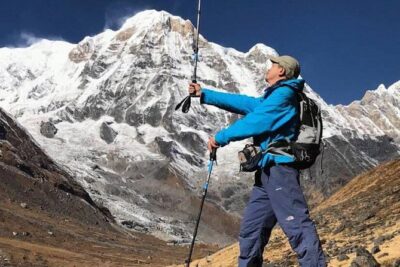
Kathmandu to Annapurna Base Camp (ABC) 5-Day Trek
Read our review →Browse the lists this tour appears in