
REVIEW · KATHMANDU
Everest Base Camp Trekking – 2025/2026
Everest begins with a small plane. This 14-day private trek combines the famous Lukla flight, Sherpa villages, Buddhist monasteries, and close views of Everest for $1,339.20 per person. I like that domestic flights, permits, lodging, and most meals are included, and I also like the private format, which lets your guide match the walking pace to your group. The main concern is altitude: this is a demanding high-mountain trek, not a casual walk, and the published schedule needs clarification around its day numbers.
I also appreciate the practical support. Airport pickup is offered, an English-speaking guide and porter are included, and water purification tablets help reduce the need to buy bottled water. Guides such as Sujal, Samir, Krishna, Hairy, and Prabin Tamang are praised by name for care, communication, and safety. Still, basic mountain lodges, shared bathrooms at higher elevations, paid hot showers, Wi-Fi, drinks, and snacks are part of the reality.
Key points to know before booking
- Lukla flights are included: The price covers the domestic flight from Kathmandu or Manthali to Lukla and the return flight.
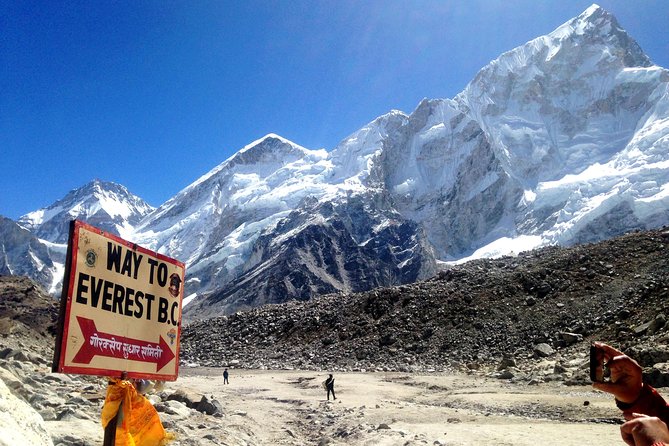
- The highest point is Gorak Shep and Everest Base Camp: The trek reaches cold, thin air and rugged paths at serious altitude.
- Private means flexible pacing: Your group does not need to match a large tour party, which helps if people walk at different speeds.
- Tea-house lodging is simple: Expect clean, basic rooms, warm blankets, and occasional shared bathrooms rather than city-hotel comforts.
- Food is included on a full-board basis: Breakfast, lunch, dinner, and main-course meals are covered during the trek, while drinks and snacks cost extra.
- The schedule needs checking: The supplied plan labels two different stages as Day 9 and does not clearly show Day 8.
What this Everest trek is really offering
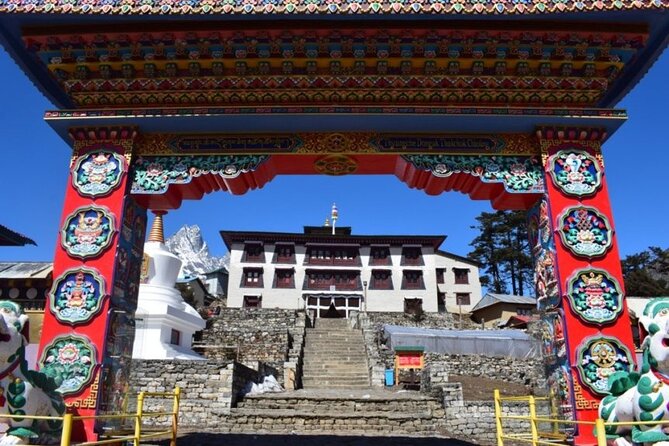
This is the classic Everest Base Camp route in a private format. You fly toward Lukla, walk through the Khumbu region, pass Sherpa settlements and monasteries, reach Everest Base Camp near Gorak Shep, then retrace much of the route before flying back to Kathmandu.
The appeal is not only the destination. You get a close look at mountain life, including lodge dining rooms, stone villages, prayer traditions, and the daily rhythm of people who live at high altitude. Your guide is expected to explain local culture and nature, rather than simply point out the route.
The package costs $1,339.20 per person. For a two-week Nepal trek, that is a useful value if you make full use of the included flights, permits, guide, porter support, accommodation, meals, and transport. The price does not cover your international airfare, Nepal visa, insurance, extra Kathmandu lodging, hot and cold drinks, alcoholic drinks, showers, Wi-Fi, snacks, or personal shopping.
That list matters. A low headline price can rise once you add insurance, clothing, tips, bottled or heated water, laundry, charging, and meals before or after the trek. You should also keep money ready for possible delays, since Lukla flights depend on mountain weather.
More Everest Base Camp Treks in Kathmandu:
- Everest Base Camp Trek – 14 Days
★ 5.0 · 1,499 reviews - Everest Base Camp Trek
★ 5.0 · 842 reviews - Everest Base Camp Trekking
★ 5.0 · 485 reviews
Day 1 in Kathmandu: a soft landing before the mountains
Your first day is for arrival in Kathmandu. An airport representative meets you and transfers you to the hotel, followed by an evening introduction to the trek or tour team.
This is a useful start because Kathmandu can be hectic after a long international flight. You have a chance to meet the guide, check equipment, confirm the flight plan, and ask about the porter arrangement. The supplied meeting time is 7:15 a.m., so keep your first morning organized.
The package notes that standard Kathmandu accommodation is included only in the stated arrangements, while extra nights before or after the trek may be your responsibility. Four- or five-star hotels can be arranged at an added cost. Ask exactly which Kathmandu nights are included before paying.
Day 2: the Lukla flight and an easy start at Phakding
The flight to Lukla is one of the memorable parts of the trip. From Lukla, you walk for roughly three to four hours toward Phakding at about 2,652 meters.
Phakding gives you a gentler first hiking day before the route climbs higher. The path introduces you to the rhythm of the trek: steady walking, short rest breaks, lunch at a lodge, and a simple evening meal.
The flight is also the first major scheduling risk. The package includes the flight, but poor weather can delay or cancel it. Keep spare time in your wider Nepal plans, and do not schedule an important international flight immediately after the trek.
Day 3: Phakding to Namche Bazaar
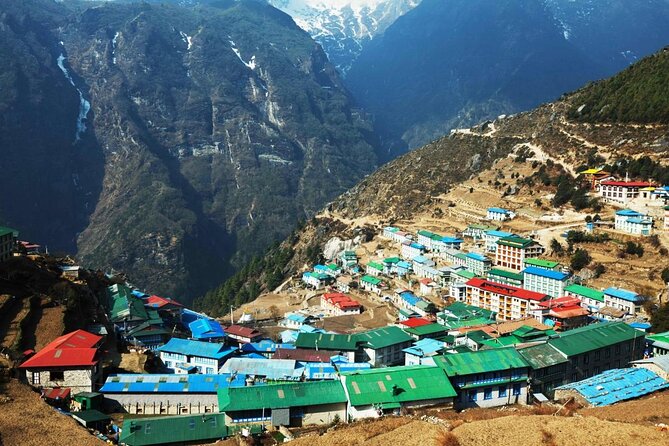
The walk from Phakding to Namche Bazaar covers about 10 to 12 kilometers and takes around five hours. Namche sits at approximately 3,440 meters, though the supplied altitude is written as 11,283 feet.
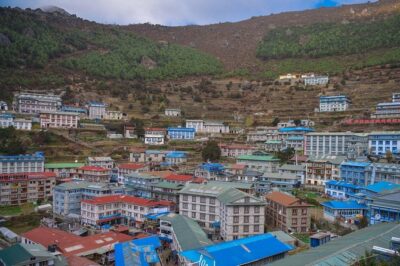
This is a major change from the lower valley. The trail becomes more demanding, and your breathing may feel different as you gain height. Namche is the main trade and rest center of the Khumbu route, with lodges, shops, and a larger village feel than Phakding.
The plan does not clearly show a separate acclimatization day in Namche. That is something I would confirm before booking, because a slower schedule is especially useful at this altitude. The company describes the trek as moderate and suitable for people able to walk three to five hours a day, but the altitude makes those hours feel harder than the distance suggests.
A few more treks around Kathmandu worth a look
- Annapurna Circuit Trek with Tilicho Lake
★ 5.0 · 368 reviews - Everest Base Camp Trekking – 13 Day
★ 5.0 · 365 reviews - Everest Base Camp Trek
★ 5.0 · 350 reviews - Everest Base Camp Trek -14 Days
★ 5.0 · 321 reviews
Day 4: Namche to Pangboche
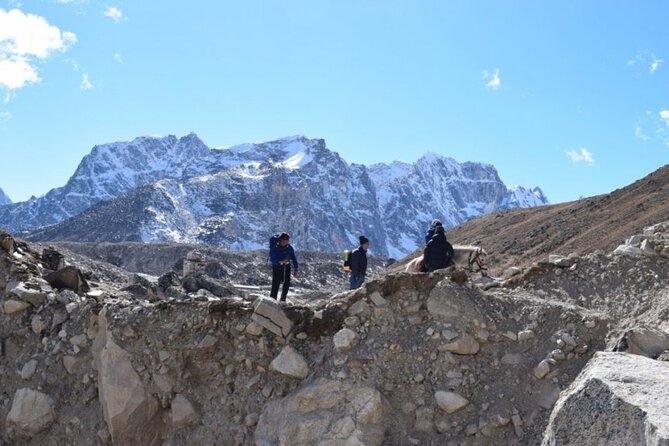
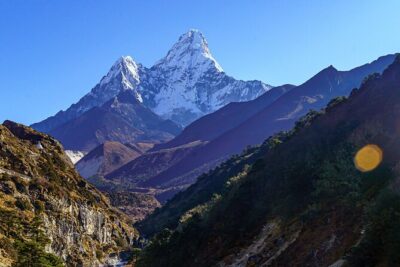
The route continues from Namche to Pangboche, with about five hours of walking. You move through one of the most attractive sections of the trek, with mountain views, Sherpa villages, and Buddhist sites along the way.
Pangboche offers a quieter overnight setting than Namche. The lodge accommodation is basic but intended to be clean and comfortable, with blankets, pillows, and mattresses. Rooms are generally twin-sharing, with a single supplement available for solo participants.
At higher elevations, attached bathrooms cannot always be guaranteed. The operator says it will arrange them where possible, but you may need to share facilities in some villages. Hot showers are not included, and Wi-Fi is an extra expense.
Day 5: Pangboche to Lobuche
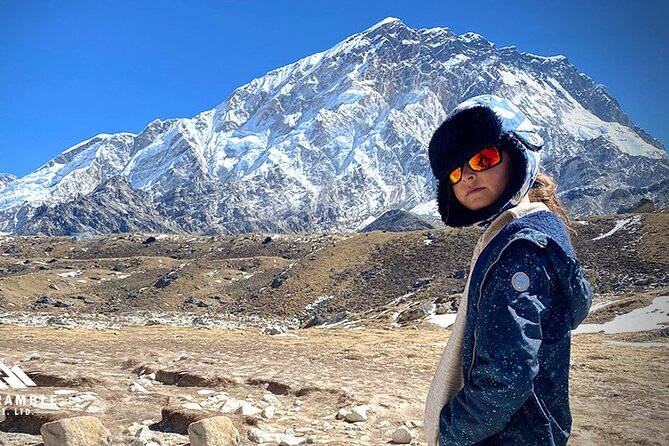
The walk from Pangboche to Lobuche takes around five hours. By now, altitude rather than technical difficulty is the main challenge. This is not a mountaineering expedition, and you do not need crampons, ropes, or climbing skills for the standard trek.
That does not mean the route is easy. You need stamina, warm clothing, secure hiking boots, and patience. The company recommends preparation through walking, stair climbing, jogging, cycling, swimming, or gym work. I would focus on long uphill walks and regular time on your feet before leaving home.
Lobuche is a cold, high settlement. Pack your sleeping bag, even though the company says warm down jackets and sleeping bags can be provided for rent. A headlamp, thermal bottle, sunscreen, sunglasses, gloves, and a warm hat are not luxury items here.
Day 6: Lobuche to Gorak Shep and Everest Base Camp
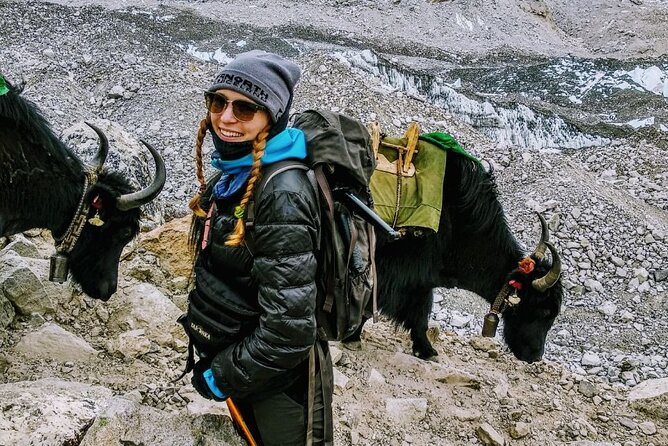
This is the big day. You walk from Lobuche to Gorak Shep, continue to Everest Base Camp, and return to Gorak Shep. The published timing gives about five hours, though the exact duration depends on pace, trail conditions, and how long you stop for photographs.
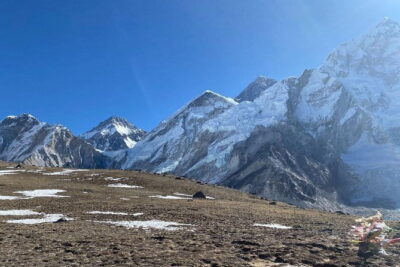
Gorak Shep is the high point of the route for overnight lodging. Everest Base Camp itself is a major emotional marker, but the view of Mount Everest is not always best from the camp. The wider route provides the mountain scenery, while Base Camp gives you the satisfaction of reaching the famous destination.
At this height, cold, fatigue, and thin air can make a short distance feel long. Walk slowly, drink regularly, and tell your guide at once if you feel unwell. The guide’s role is especially valuable here because navigation, pace, and altitude judgment matter more than speed.
The return route: Pangboche, Namche, and Lukla
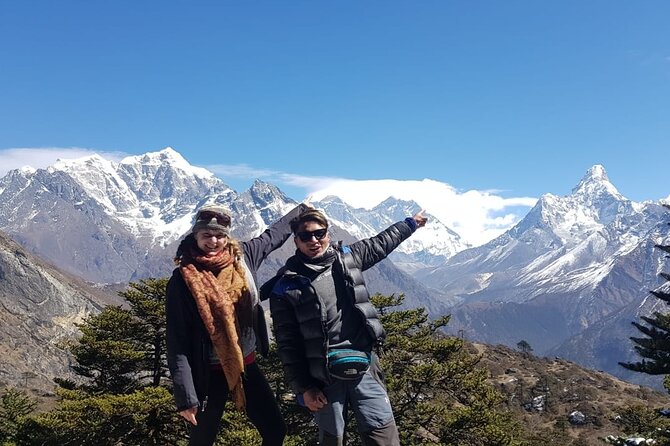
The schedule says you return toward Pangboche on Day 7, later walk from Namche Bazaar to Lukla, and fly back to Kathmandu on Day 9. The day labels appear incomplete, with Day 9 used twice and no clear Day 8. The route itself is understandable, but you should ask Alpine Ramble Treks for a corrected day-by-day plan before departure.
The return walk to Pangboche lets your legs recover from the Base Camp push while you revisit familiar villages from a different direction. The descent is not automatically easy. Uneven stone paths can be tough on knees, especially after several days at altitude.
From Namche to Lukla, expect about five hours according to the supplied program. This is a satisfying final walking stage because you can look back on the route with a better sense of distance and effort. Once you reach Lukla, the trek is nearly finished, though the flight remains dependent on weather.
Daily routine, food, and lodge life
The daily routine is structured without being rigid. Wake-up tea usually arrives around 6 a.m., followed by packing and breakfast at about 7. You walk for 45 minutes to an hour, then pause for three or four minutes. The morning walking usually lasts two to three hours before lunch.
Lunch is generally served around noon or 1 p.m. and takes about 40 minutes. After another two or three hours of walking, you reach the lodge, rest, order dinner before 5 p.m., and eat at a time agreed with the group.
The guide also gives a briefing after dinner about the next day. You can visit a Sherpa settlement, read, shower when available, or simply rest. That quiet evening routine is part of the experience, so do not expect a nightlife trip.
Meals are full-board during the trek. Menus can include dal bhat, Sherpa stew, vegetable dishes, noodles, soup, bread, rice, spaghetti, pizza, eggs, potatoes, and apple pie. Hot drinks such as ginger tea, lemon tea, hot chocolate, coffee, and black tea are commonly available, but the cost of drinks outside the included meal arrangement is excluded.
The company advises avoiding meat in the Everest region because storage and hygiene can be less reliable at altitude. Fresh vegetables, dal bhat, garlic soup, potato soup, and onion soup are safer choices within the stated guidance. Water can be bought by the liter, or you can use tap water with purification tablets. Bring a proper bottle that can handle hot water, since cold water is not always practical at high altitude.
Guides, porters, and the human side of the trip
The private format is one of the strongest parts of this package. You are not locked into a large group pace, and the guide can encourage a slower rhythm when the altitude demands it.
One porter is assigned for two trekkers, with a usual luggage limit of about 18 kilograms. You can request a porter for each person if needed. Pack light and keep a small daypack with water, layers, medication, camera, and documents.
The named guides receive particularly strong praise. Sujal is described as attentive during an EBC trek, while Samir and Sherpa Manish are praised for their care and support. Krishna is noted for going out of his way to keep people comfortable. Hairy is remembered for teaching about the mountains, and Prabin Tamang receives high marks for gear checks, planning, and safety during a separate Island Peak trip.
The provider has a 5.0 rating from 199 published ratings, with 100 percent recommending the experience. That is a strong signal for communication and staff care, though it cannot remove the physical risks of altitude or the rough edges of mountain lodging.
Who should book this trek?
This trek suits you if you can walk three to five hours a day, handle rugged ground, and prepare for cold weather. You do not need technical climbing experience, but you do need stamina and a sensible attitude toward altitude.
It is a good match for someone who wants the famous Everest route with support already arranged. The guide, porter, flights, permits, food, and lodges remove much of the planning burden. The private format is also helpful for couples, families with suitable fitness, or friends who want their own pace.
It is less suitable if you want hotel-level comfort, guaranteed private bathrooms, flexible food costs, or a tightly fixed flight schedule. It is also a poor choice if you have not trained at all. The route is called moderate, but high altitude makes moderate feel serious.
Personal travel insurance is required and is not included. Make sure your policy covers trekking at the altitude reached on this route. The package also advises carrying personal medical supplies such as blister treatment, pain relief, oral rehydration salts, bandages, and any prescribed altitude medication. Ask a medical professional about medication before using it.
Booking advice and cancellation terms
You can cancel at least 24 hours before the local start time for a full refund. Cancellations or changes within 24 hours are not refunded or accepted. If poor weather prevents the trip, you should be offered another date or a full refund, and the same applies if the minimum number of participants is not reached.
The provider accepts last-minute bookings, but that does not guarantee a convenient flight or lodge arrangement. Early booking is the wiser choice during the preferred trekking periods, especially from March to May and from mid-September into the dry season.
Should you book the Alpine Ramble Everest trek?
I would book this trek if you want the classic Everest Base Camp route with a private guide and a good amount of the major cost already bundled into one price. The strongest reasons are the included Lukla flights, meals, permits, guide, porter arrangement, and the repeated praise for staff such as Sujal, Samir, Krishna, Hairy, and Prabin.
Before paying, I would request a corrected itinerary, confirm every Kathmandu hotel night, ask about the current flight departure point, and clarify the acclimatization plan. If you accept simple lodges, unpredictable mountain flights, extra costs for drinks and showers, and a physically demanding route, this package offers a practical way to reach Everest Base Camp with local support.
FAQ
Are flights to Lukla included?
Yes. The package includes the domestic flight from Kathmandu or Manthali to Lukla and the return flight.
How long is the Everest Base Camp trek?
The experience lasts approximately 14 days, including arrival in Kathmandu, the trek, the return flight, and transfers.
Is the trek private?
Yes. This is a private tour and only your group participates.
What meals are included?
Breakfast, lunch, and dinner are included during the trek on a full-board basis. Drinks, snacks, hot and cold water, and alcoholic beverages are not included.
Is accommodation included?
Yes. Trekking lodge accommodation is included. Rooms are generally twin-sharing, and a single supplement is available. Shared bathrooms may be required at higher elevations.
Do I need climbing experience?
No technical climbing skills are required for the standard Everest Base Camp trek. You do need moderate fitness and the ability to walk about three to five hours a day over rugged ground.
What happens if bad weather cancels the trip?
If poor weather cancels the experience, you should be offered another date or a full refund. The same applies if the minimum number of participants is not met.
Recently added around Kathmandu
- Ghorepani Poon Hill Trek★ 5.0 · 16 reviews
- Private Manaslu Circuit Trek at Himalayas★ 5.0 · 3 reviews
- Amazing 1 Day Trekking Experience in Kathmandu Nepal★ 5.0 · 24 reviews
- Ghorepani Poonhill Trek★ 5.0 · 5 reviews
- Upper Mustang Trekking★ 5.0 · 2 reviews
- Upper Mustang Trek★ 5.0 · 5 reviews
- Upper Mustang Trekking★ 3.0 · 2 reviews
- Upper Mustang Trekking★ 5.0 · 4 reviews
Everest Base Camp Treks, compared.
Browse the lists this tour appears in