
REVIEW · KATHMANDU
Everest Base Camp Trek
The mountain reveals itself step by step. This 12-day Everest Base Camp trek combines round-trip Lukla flights with guided walking through Sherpa villages, monastery country, and high Himalayan terrain. I like that meals, permits, and trek accommodation are included, and I especially like the two acclimatization days, which give your body a better chance to adjust.
The trip costs $1,445 per person, a fair package price for the flights, food, guide support, and permits. The trade-off is real: you need strong fitness, long uphill days are normal, a porter costs extra, and flights to Lukla can be affected by weather.
Key things to know before choosing this trek
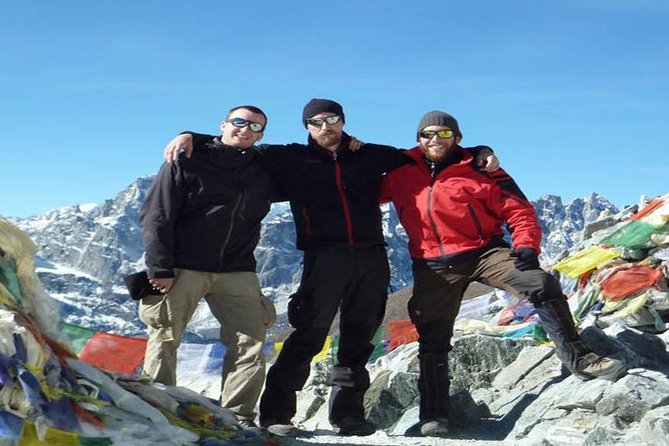
- Lukla is your dramatic starting point: The trek begins with a short flight from Kathmandu to the mountain airstrip, followed by a roughly 3.5-hour walk to Phakding.
- Two acclimatization days are built in: You spend one day around Namche Bazaar and another around Dingboche, both important breaks before higher walking.
- Everest Base Camp is reached on Day 8: You hike to Base Camp, then return to Gorakshep instead of sleeping at the destination.
- Kalapatthar adds a major viewpoint: The next morning brings an early high-altitude hike before you descend toward Pheriche.
- The group stays small: No more than 12 people are scheduled, with at least two people required per booking.
- The guide team receives strong praise: Guides named in the feedback include Nima, Ramesh, Madan, Manoj, Pralhad, Purna, and others who were often praised for encouragement, flexibility, and care.
Why this Everest Base Camp route works
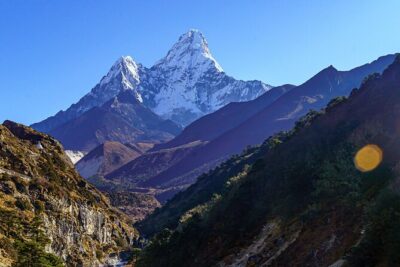
The classic appeal here is simple: you walk toward Everest rather than merely viewing it from a lookout. Over nearly two weeks, the route gives you time to move from Kathmandu’s busy streets into quiet mountain settlements, thin air, stone paths, and the working world of the Khumbu region.
I like the way the schedule treats acclimatization as part of the experience instead of a nuisance. The day around Namche Bazaar and the day around Dingboche break up the hardest upward push. You still need to walk, but these pauses give you time to adjust, wash clothes, rest your legs, and take in the setting.
You also get a local guide throughout the trek. That matters in a place where weather, fatigue, and altitude can change the day’s plan. The strongest praise for Mosaic Adventure centers on guide support. Nima was singled out for encouraging a tired trekker, while Manoj was praised for helping two people with altitude problems and changing their plan. That does not remove the risks of high-altitude trekking, but it shows why a good guide is more than someone who points toward the next village.
More Everest Base Camp Treks in Kathmandu:
- Everest Base Camp Trek – 14 Days
★ 5.0 · 1,499 reviews - Everest Base Camp Trek
★ 5.0 · 842 reviews - Everest Base Camp Trekking
★ 5.0 · 485 reviews
Day 1: Lukla to Phakding begins the real adventure
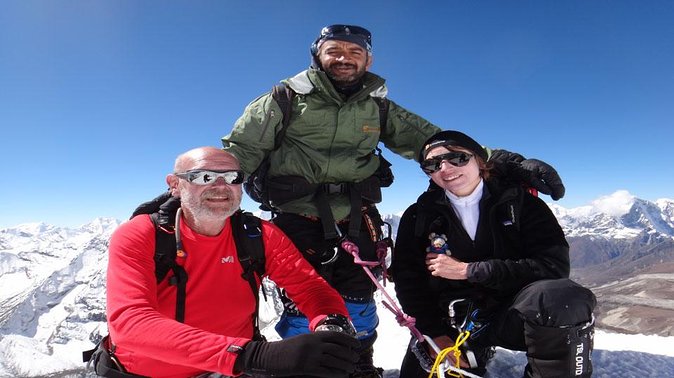
The journey starts with a short flight from Kathmandu to Lukla, followed by about 3.5 hours of walking to Phakding. The flight is part of the drama. You leave the capital quickly and arrive in a mountain setting where the trek begins almost at once.
Phakding is not the main prize, but it is a sensible first night. The walking day is short by Himalayan standards, allowing you to get used to the trail, your boots, and the rhythm of carrying your own day pack. You should still take this opening walk seriously. It is your first test of how your body handles repeated uphill and downhill movement.
Pickup is offered, and the meeting time is listed as 5:15 a.m. That early start makes sense for the flight schedule, but you should be prepared for a very early morning before the trekking even begins.
Day 2: The long climb to Namche Bazaar
The walk to Namche Bazaar is listed at about eight hours and includes mostly uphill travel over rough, rocky terrain. This is where the trek starts to feel like a serious physical project rather than a scenic walk.
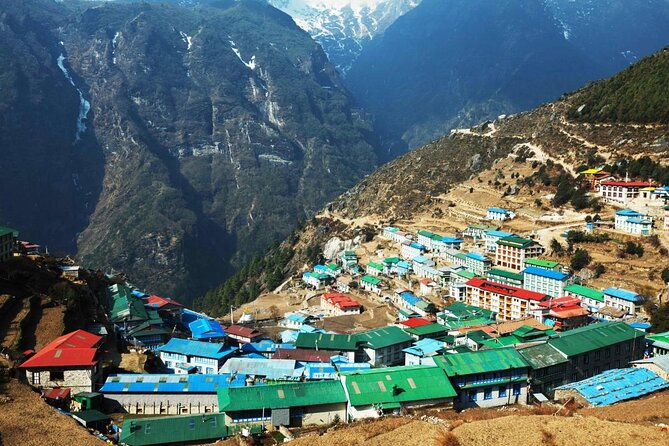
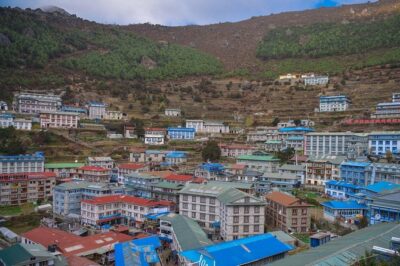
Namche is one of the route’s most appealing stops. It is a colorful mountain town and a natural place to pause before the trail rises higher. The approach can feel demanding, especially if you are carrying too much. Since porter service is not included, you need to decide before departure how much weight you can comfortably manage.
I would pack lightly and treat the eight-hour estimate as a full day, not a casual guideline. Your guide can help set a pace, but you still need to arrive with enough energy for the next day.
Day 3: A useful acclimatization day near Namche
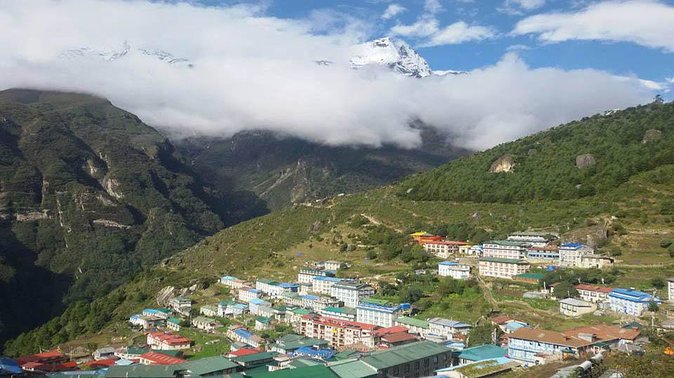
The schedule keeps you around Namche for a day trip, including the Everest View Hotel. This is an important feature, not filler. You gain height during the day, see more of the surrounding mountains, and return to Namche rather than pushing onward immediately.
The Everest View Hotel gives the day a clear destination. You can expect the views to be the main reward, while the walking helps your body begin adjusting to the increasing altitude. The day also gives you a chance to learn how your guide manages the group and how you respond to the thinner air.
Do not use this as a reason to race ahead. The goal is controlled effort. Drink, eat, walk steadily, and tell your guide early if you feel unwell.
A few more treks around Kathmandu worth a look
- Annapurna Circuit Trek with Tilicho Lake
★ 5.0 · 368 reviews - Everest Base Camp Trekking – 13 Day
★ 5.0 · 365 reviews - Everest Base Camp Trek -14 Days
★ 5.0 · 321 reviews - Manaslu Circuit Trek
★ 5.0 · 292 reviews
Day 4: Monastery country and a change of pace
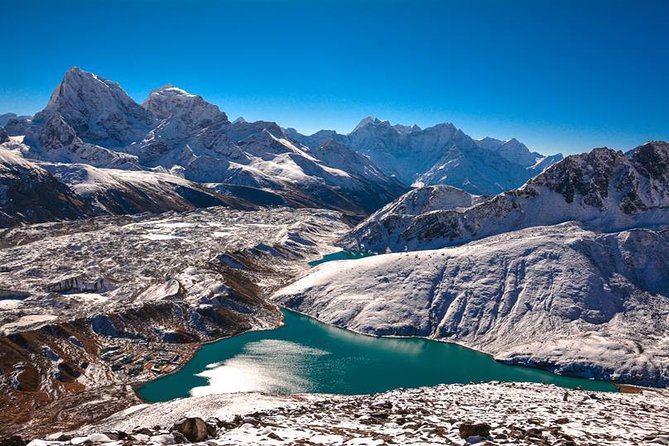
Day 4 is described as a trip to the monastery, but the schedule does not give the monastery’s name or a detailed walking time. That means you should see this as a cultural and scenic day, while confirming the exact stop with Mosaic Adventure before departure.
This less detailed portion may be one of the trip’s strengths. The trek is not only about checking off Base Camp. A monastery visit offers a look at the spiritual side of the region and gives the route a quieter pause after the long push to Namche.
Still, the lack of detail is worth noting. Ask what monastery you will visit, how far you will walk, and whether the plan changes with weather or group needs.
Day 5: Eight hours toward Dingboche
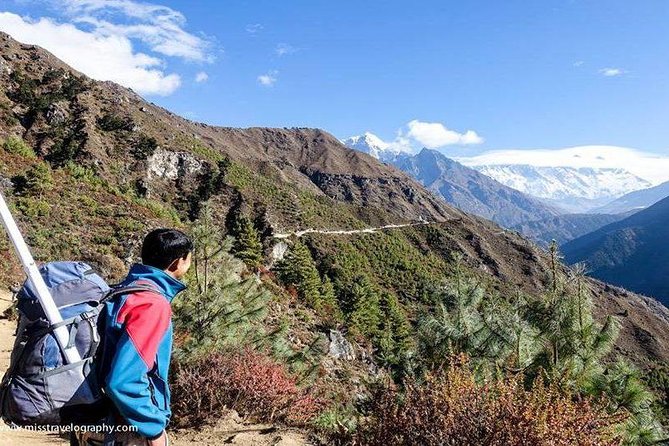
The route continues to Dingboche, again with an estimated walking time of eight hours. By now, the pattern is clear: long days, steady climbing, and a growing need to conserve energy.
Dingboche is an important high point on the route because the next day is reserved for acclimatization. Reaching it is an achievement, but you should not plan a late celebration. Eat dinner, prepare your clothing for the next morning, and give your legs a chance to recover.
The meals are included, which simplifies the trek budget. Breakfast, lunch, and dinner are provided for 11 days. You should still advise the operator about dietary requirements when booking, since food needs become harder to manage once you are away from Kathmandu.
Day 6: Acclimatizing around Dingboche
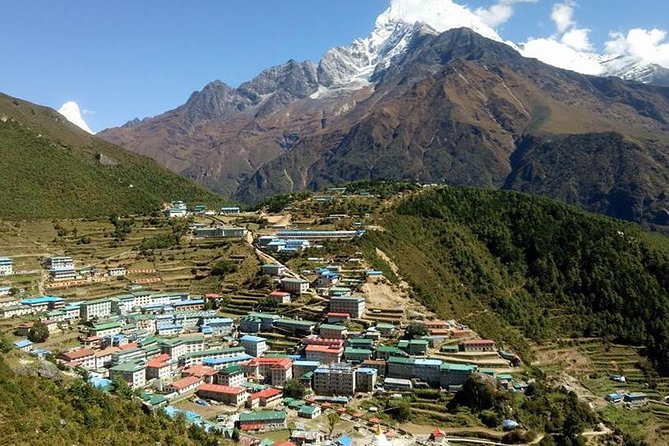
The day trip around Dingboche is another carefully placed pause before the route gets higher and harder. You are not simply sitting in a lodge. You walk, gain more exposure to the altitude, and return to the same base for another night.
I see this as one of the strongest practical parts of the schedule. A shorter trip that tried to rush from village to village might look efficient on paper, but it would give you less room to adjust. Here, the program accepts that high-altitude walking takes time.
You should listen to your guide and your own body. Strong fitness helps, but fitness does not guarantee that you will react well to altitude. The experience is intended for people prepared for high-altitude trekking, not for casual walkers who happen to like mountain scenery.
Day 7: The trail to Lobuche
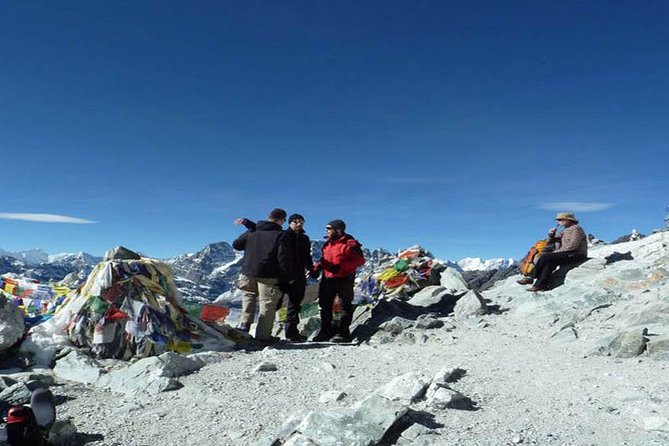
The walk to Lobuche brings you closer to the main goal. The scenery becomes more severe, and the route feels less like a village-to-village hike and more like a high mountain journey.
No walking time is provided for this day, so do not build a tight personal schedule around it. Your pace may depend on weather, group condition, and how well everyone has adjusted. This is another reason the small maximum group size of 12 is helpful. A guide has fewer people to monitor than on a large departure.
At this point, ordinary comforts matter. Dry socks, a warm layer, snacks, and a properly fitted day pack can make a major difference. The operator supplies meals and accommodation, but your personal equipment remains your responsibility.
Day 8: Everest Base Camp and the return to Gorakshep
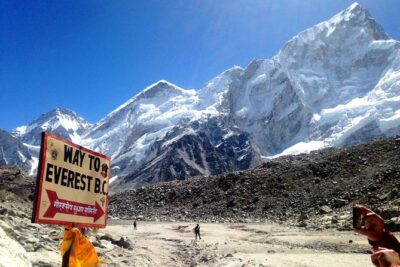
This is the emotional center of the trek. You walk to Everest Base Camp, then return to Gorakshep for the night. Reaching Base Camp is a major physical accomplishment, but the day is not finished once you arrive. You still have to walk back.
That return is an important detail. You should save energy rather than treating the approach as a one-way victory march. The high altitude can make every step slower, and the return may feel just as demanding as the walk in.
Base Camp is famous because it is tied to Everest expeditions, but this experience does not take you to the summit. You are visiting the base area and experiencing the route used by expeditions, not climbing Everest itself. That distinction helps set sensible expectations.
Day 9: Kalapatthar, then down to Pheriche
The next day begins with a hike to Kalapatthar before continuing to Pheriche. This is likely to be one of the most rewarding viewpoints of the trip, though the early start and high altitude can make it tough.
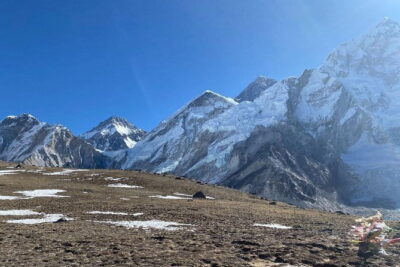
Kalapatthar provides the big mountain panorama many people imagine when they picture an Everest trek. You should expect effort, cold, and a slower pace. The reward is not just reaching another point on a map, but seeing the high peaks from a memorable angle.
After Kalapatthar, the trek descends to Pheriche. Downhill walking can sound easy, but tired knees and uneven ground can make it demanding. Keep your poles handy if you use them, and do not rush simply because the route is losing height.
Days 10 and 11: Retracing the trail to Namche and Lukla
The return route follows the same trail back to Namche Bazaar, then continues to Lukla. Some people prefer a loop with new scenery every day, so retracing the route may feel repetitive. I see a benefit in it, too: you notice villages, bridges, and mountain views differently after completing the high section.
The descent gives your breathing a break, but the total effort is not over. Day 10 returns you to Namche, and Day 11 continues to Lukla. These are long walking days after the most demanding part of the trek, so your recovery matters.
This is also where guide flexibility can be valuable. The feedback highlights Mosaic staff who adjusted support when someone was walking slowly or feeling unwell. One guide arranged for a Sherpa to stay with another member of the group so nobody was left unsupported. You should not assume every change is guaranteed, but that kind of attentive organization is exactly what you want in a small trekking group.
Day 12: Flight back to Kathmandu
The final day brings a flight from Lukla and a transfer to your Kathmandu hotel. The flight is included in the price, which is a major convenience and a meaningful part of the package value.
Mountain weather can affect aviation, and the experience operates in all weather conditions. You need to dress properly and keep some patience available for changes. The operator’s feedback describes support during difficult travel to and from Lukla, but no company can control the weather.
Arriving back in Kathmandu after the trek should feel like a sharp change of pace. You have moved from rocky paths and mountain lodges back into city life in less than an hour of flying.
What the $1,445 price really covers
At $1,445 per person, the cost is easier to judge when you separate the included pieces. The package includes round-trip Kathmandu to Lukla flights, trekking accommodation, 11 breakfasts, 11 lunches, 11 dinners, permits, and guide support.
That is useful value for a guided high-altitude trek. You are not paying only for a route and a room. You are also paying for planning, local coordination, and help when the day does not go exactly as planned.
Several costs remain outside the price. Travel insurance, personal expenses, porter service, and tips are not included. I would treat insurance as essential rather than optional, especially for a trek where altitude and weather can affect plans.
Also ask for a clear explanation of accommodation standards, porter rates, and tipping expectations before you leave. The package includes accommodation, but the supplied details do not describe room arrangements or lodge standards.
Guide support is the biggest reason to consider Mosaic Adventure
The most consistent praise goes to the guides and support team. Nima, Ramesh, Madan, Manoj, Pralhad, Purna, Laxman, and others are named for being encouraging, responsive, friendly, and attentive.
That praise is specific, not just general politeness. A guide encouraged a tired trekker each day. Another helped people dealing with altitude problems and changed the plan. A birthday cake was arranged for one participant. These details suggest a company that pays attention to the people in the group, not only the route.
You should still ask about guide-to-group ratios and porter arrangements before booking. The maximum group size is 12, which is much more manageable than a large crowd, but the actual group size may vary.
Who should book this trek?
I would recommend it to someone who wants a structured Everest Base Camp experience and prefers local support rather than arranging every flight, permit, meal, and lodge independently.
It suits you best if you:
- Have strong physical fitness
- Are prepared for long uphill and downhill walking
- Can handle early starts
- Accept basic trekking conditions
- Want a small guided group
- Are willing to carry your own gear unless you pay for a porter
- Understand that weather can affect Lukla flights
I would hesitate if you want a relaxed holiday, dislike repeated walking days, or have not prepared for altitude. The route is famous, but fame does not make it easy.
Booking confirmation is provided at the time of reservation, and a minimum of two people is required. You also need to provide passport details for every participant, including name, number, expiry date, and country.
Cancellation and practical planning
The cancellation terms are strict close to departure. Canceling two to six full days before the start can qualify for a 50 percent refund, while canceling less than two full days before departure brings no refund. Changes are not accepted inside those same short windows.
Before paying, confirm the meeting arrangements, pickup details, dietary needs, porter cost, insurance requirements, and the exact monastery visit. Those questions are more useful than simply asking how beautiful Everest will look. The mountain will take care of the scenery. You need to take care of the practical details.
Should you book the Everest Base Camp trek?
I would book this trek if you want the main Everest Base Camp route in a guided, small-group format and value strong local support. The included Lukla flights, meals, permits, and acclimatization days make the $1,445 price reasonable.
I would not book it casually. You need solid fitness, suitable clothing, insurance, and a clear understanding that the route can be physically and mentally demanding. If you prepare properly, Mosaic Adventure appears to offer the kind of personal guide support that can turn a hard trek into a manageable and deeply memorable one.
FAQ
How long is the Everest Base Camp trek?
The trek lasts approximately 12 days, beginning and ending in Kathmandu.
What is included in the price?
The price includes trek accommodation, breakfast for 11 days, lunch for 11 days, dinner for 11 days, trekking permits, and round-trip flights between Kathmandu and Lukla.
Are flights from Kathmandu to Lukla included?
Yes. Round-trip flights from Kathmandu to Lukla are included.
Is airport or hotel pickup available?
Pickup is offered, and the final day includes a transfer to your hotel in Kathmandu.
How many people can join the trek?
The activity has a maximum of 12 participants.
How many people are required to book?
A minimum of two people per booking is required.
Do I need strong fitness?
Yes. The trek is intended for people with a strong physical fitness level who have prepared for high-altitude trekking.
Is a porter included?
No. Porter service is not included in the price.
Are travel insurance and tips included?
No. Travel insurance, personal expenses, porter service, and tipping are excluded.
What time does the experience start?
The listed start time is 5:15 a.m.
Are meals included every day?
Breakfast, lunch, and dinner are included for 11 days. You should provide any dietary requirements when booking.
Can the trek operate in bad weather?
The experience operates in all weather conditions, so you should dress appropriately. Weather may also affect travel to and from Lukla.
Recently added around Kathmandu
- Ghorepani Poon Hill Trek★ 5.0 · 16 reviews
- Private Manaslu Circuit Trek at Himalayas★ 5.0 · 3 reviews
- Amazing 1 Day Trekking Experience in Kathmandu Nepal★ 5.0 · 24 reviews
- Upper Mustang Trekking★ 5.0 · 2 reviews
- Ghorepani Poonhill Trek★ 5.0 · 5 reviews
- Upper Mustang Trekking★ 3.0 · 2 reviews
- Upper Mustang Trekking★ 5.0 · 4 reviews
- Upper Mustang Trek★ 5.0 · 5 reviews
Everest Base Camp Treks, compared.
Browse the lists this tour appears in