
REVIEW · KATHMANDU
Annapurna Circuit Trek with Tilicho Lake
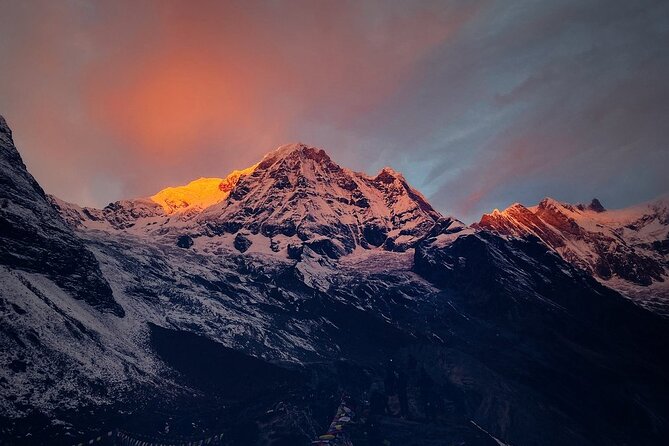
The mountains change every day. This 16-day Annapurna Circuit trek adds Tilicho Lake to a classic Himalayan route, taking you from river valleys and pine forests to high passes, Tibetan-style villages, hot springs, and sunrise at Poon Hill. I like that meals, permits, lodging, local transport, guides, and porters are bundled together, and I like the strong focus on acclimatization before the hardest days. The catch is clear: this is a demanding trek, not a relaxed sightseeing holiday.
The $1,093 price offers solid value if you want the main logistics handled for you. You still need good fitness, patience with long road rides, and a willingness to sleep in basic tea houses. The small-group format, capped at 15 people, keeps the trip social without making it feel like a large expedition.
What makes this trek worth considering
- Tilicho Lake adds a serious high-altitude detour: You spend two days reaching the lake and return through a different route before heading toward Thorong La.
- The route has real variety: Expect waterfalls, suspension bridges, forests, deep valleys, dry mountain country, villages, monasteries, and hot springs.
- Acclimatization is built into the schedule: Day 6 is spent around Manang, with a hike to Gangapurna Lake and Base Camp.
- The hardest day begins before sunrise: The crossing of Thorong La requires a 3 a.m. start and a long push to the pass.
- Porter and guide support are included: Discovery World Trekking covers their wages, meals, lodging, transport, and insurance.
- The finish has two strong rewards: Poon Hill sunrise and a return to Kathmandu by tourist bus, with an optional flight at extra cost.
What the $1,093 package really covers
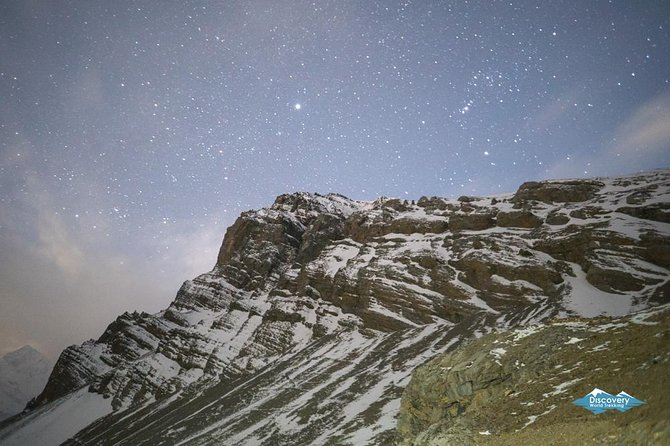
The price is useful because it removes many of the small decisions that can wear you down on a long mountain trek. Your tea house or lodge stay includes breakfast, lunch, and dinner, while the Annapurna Conservation Area Permit and TIMS card are also covered. You are not left to sort out permits, food, and village lodging day by day.
Transport is another major part of the value. The package includes the drive from Kathmandu toward Syange, public transport from Muktinath to Tatopani, the onward return toward Pokhara, and a tourist bus from Pokhara to Kathmandu. One night in a selected Pokhara hotel with breakfast is included as well.
The package also pays for the guide and porters’ meals, insurance, salary, lodging, and transport. That matters ethically and practically. You are not expected to negotiate these costs on the trail, and the guide can focus on route choices, pacing, and safety.
The price does not cover every possible expense. The wording says costs not listed under inclusions are excluded, so you should clarify personal drinks, snacks, extra hotel nights, optional flights, and any other personal spending before departure. The return flight from Pokhara to Kathmandu is specifically not included.
More Annapurna Treks in Kathmandu
- Annapurna base camp trek 5 Days
★ 5.0 · 252 reviews - 14-Day Private Annapurna Base Camp Trek
★ 5.0 · 180 reviews - Annapurna Base Camp Trekking
★ 5.0 · 116 reviews
Kathmandu to Syange, with a long first ride
Day 1 begins with a six to seven-hour drive from Kathmandu, covering about 190 kilometers toward Besishar and Syange. You pass farms, villages, rivers, and early mountain views. The ride is part of the reality of this route: it saves walking time, but it can be tiring before your feet have even settled into a trekking rhythm.
The listed stop is Sandup Choeding Gompa, though the day description mainly emphasizes the drive. I would confirm the exact overnight point and stop sequence with the operator before setting out, since mountain routes can change with road conditions and local arrangements.
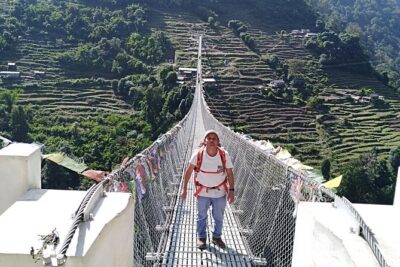
Day 2 brings the first proper walking. After breakfast, you cross a suspension bridge and climb toward Tal in the Manang region. Waterfalls, a river, and sandy riverbanks give this section a pleasant start, while the steep climb offers a quick reminder that the route is not a gentle stroll.
Chame and the first big mountain views
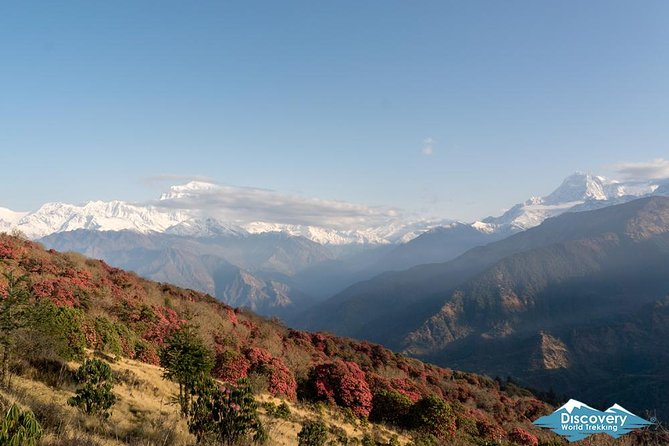
On Day 3, the trail follows a river through pine, fir, oak, and maple forest toward Chame, the administrative center of Manang District. This is one of the greener sections of the trek, and the trees provide a welcome contrast to the exposed high country later on.
The Annapurna Range begins to feel close and dramatic here. Views toward Lamjung and nearby peaks help make the walking feel purposeful, although clouds can affect what you see. The trail is not only about distant mountains. Forest shade, river sounds, and the changing shape of the valley do much of the work.
Day 4 takes you through a steep, narrow valley toward Paungda Danda, a curved rock face rising about 1,500 meters from the river. You also get views of Annapurna II and Pisang Peak. This is a good example of why a guide adds value: a guide can point out the major rock formations and peaks instead of leaving you to guess what you are seeing.
Pisang to Manang, where the air changes
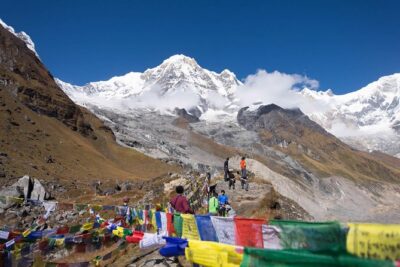
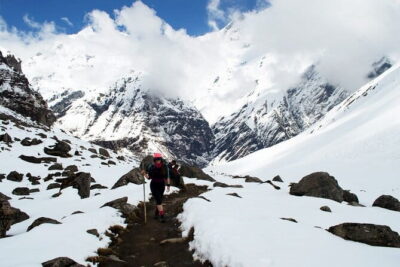
Day 5 uses the upper trail through Upper Pisang and Geru. It is chosen for its mountain views, including Annapurna II, Annapurna III, Annapurna IV, Gangapurna, Tilicho, and Pisang Peak. The route climbs into colder, drier air, and the change is not just scenic. Your body begins working harder with every rise.
You reach the Manang area near the local airport. This is an important point to slow down, drink regularly, and watch how you feel. The itinerary is ambitious, and the altitude becomes a central concern from here onward.
Day 6 is set aside for acclimatization around Manang. You hike toward Gangapurna Lake and Base Camp, then spend time around Manang village and its monastery. The views include Annapurna III, Tilicho, Pisang, and Chulu peaks.
I consider this one of the strongest parts of the schedule. A rest day that still includes a moderate hike is more useful than simply staying in bed, because it lets you gain height and return lower to sleep. You should still tell your guide promptly if you develop serious symptoms. The package includes assistance arranging a rescue operation in a complicated health situation, but prevention and honest communication are far better than relying on an emergency plan.
Same trailhead, a longer or shorter day out:
- Everest Base Camp Trek – 14 Days
★ 5.0 · 1,499 reviews - Everest Base Camp Trek
★ 5.0 · 842 reviews - Everest Base Camp Trekking
★ 5.0 · 485 reviews - Everest Base Camp Trekking – 13 Day
★ 5.0 · 365 reviews
The Tilicho Lake detour
Day 7 is described as an easier walk along an upper route, down to a river and through conifer forest, followed by the Tibetan-style settlement of Khangsar. The published stop label says Mardi Himal, but the description clearly focuses on Khangsar and the approach to Tilicho. Ask for the current day-by-day version before booking so the labels match the actual route.
Day 8 continues through an area marked by landslides and unusual rock formations. You walk to Tilicho Base Camp, where views open toward Tilicho Peak and other snow-covered mountains. The day is not described as especially long, but the terrain deserves care. Loose ground and exposed sections can make the route feel more serious than the mileage suggests.
Day 9 starts early to avoid the afternoon wind. You climb steadily for two to three hours to Tilicho Lake, described in the itinerary as one of the highest lakes in the world and also known as the Great Ice Lake. The lake is the payoff for the detour, but getting there requires a sustained uphill effort at high altitude.
This is a day when your pace matters more than speed. Keep your breathing controlled, follow the guide’s instructions, and carry enough water for the climb. Weather can change quickly in high country, so the early start is practical, not ceremonial.
Returning toward Thorong Phedi
Day 10 takes you back toward Khangsar, passing Tare Gumba, described as a thousand-year-old monastery. You then follow a rock wall, cross a bridge, and continue through the Thorong Khola valley toward Yak Kharka.
The route now shifts from the lake detour back to the main Annapurna Circuit. You are moving toward the trek’s highest point, so the walking may feel harder even when the scenery is less dramatic than at Tilicho.
Day 11 is a climb to Thorong Phedi, a small and busy settlement with views toward Mt. Gundang, Mt. Syagang, Thorung Peak, and Mt. Khatungkan. The overnight stop is functional. Do not expect luxury. Its value is its position below Thorong La, allowing you to begin the pass crossing early.
The 3 a.m. start and Thorong La
Day 12 is the biggest physical test. You wake around 3 a.m. and climb to Thorong La, one of the world’s highest mountain passes and the highest point of this trek. The early start is designed to improve your chance of crossing before strong afternoon winds arrive.
This day calls for realistic expectations. You may be walking for many hours, and the combination of cold, altitude, steep climbing, and thin air can test even fit people. The guide’s role is especially important here. A good guide can help with pacing, route finding, and decisions if weather or health becomes a concern.
The reward is the sense of crossing from one side of the Annapurna region to another. From the pass, you descend toward Muktinath. The descent is not easy simply because it is downhill. Tired legs and loose ground still require attention.
Muktinath, Tatopani, and a change of pace
Day 13 begins with a visit to Muktinath Temple before a vehicle ride to Tatopani. Muktinath is an important religious site, and the visit adds cultural meaning to a trek that could otherwise become all about altitude and scenery.
Tatopani is known for natural hot springs. After the hardest mountain days, the chance to soak is well timed. It offers a simple physical pleasure: warm water, tired legs, and a chance to feel human again.
The public transport section from Muktinath to Tatopani is included, but road travel in the mountains can be slower and less polished than the vehicle description suggests. Leave room for delays and focus on the fact that this ride avoids another long walking section.
Tatopani to Ghorepani and the rhododendron forests
Day 14 climbs toward Ghorepani through Sikha and Chitre, villages associated with Thakali communities. The trail passes terraced farmland and forests of rhododendron, birch, and magnolia, with mountain views around you.
This day provides a welcome change after the bare high-altitude country. The route is greener, but do not mistake that for easy. You are still climbing toward Ghorepani, and the accumulated fatigue from the circuit can make the ascent feel long.
The stop is listed near the Ghorepani Community Hospital, which is a practical local reference rather than a sightseeing attraction. The real reason to be here is the position below Poon Hill.
Poon Hill sunrise and the ride home
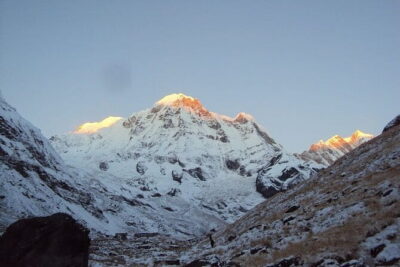
Day 15 begins with an early climb to Poon Hill at 3,210 meters. The viewpoint looks toward the Annapurna and Dhaulagiri massifs, Machhapuchhre, also called Fishtail, and Mt. Manaslu. Rice terraces add detail below the peaks.
Sunrise at Poon Hill is a fitting final mountain moment, but it means another early start after two demanding weeks. Bring warm layers and accept that clouds may soften the view. The morning is still worthwhile for the setting and the sense of finishing a long route.
Day 16 includes breakfast and a tourist bus back to Kathmandu. A 225-minute flight is offered as an optional alternative, but it costs extra. The bus is slower and less expensive, while the flight saves time. The package also includes a farewell dinner and a completion certificate from Discovery World Trekking.
Guides, porters, and group size
The maximum group size is 15 people. That is small enough for a shared experience but large enough that the walking pace may not suit everyone equally. Ask how the group is divided if fitness levels vary.
The strongest praise attached to this company focuses on the human side of the trek. Guide names connected with recent trips include Hari Gurung, Dev, Suresh, Kersing, and porters such as Damar, Sangkar, Bikesh, Asis, Monis, Rupesh, and Surya. Descriptions of the service repeatedly emphasize friendly support, mountain explanations, fruit prepared by a porter, and careful attention to group needs.
Those details matter. On a 16-day trek, a guide who explains villages and peaks can turn a hard walk into a more meaningful one. A kind porter can also make camp life feel far less transactional. Still, staff assignments can change, so treat the names as examples rather than guaranteed personnel.
Who should book this trek?
You should consider it if you want a serious Himalayan route but do not want to manage every permit, lodge, meal, road connection, and high-pass decision yourself. It suits fit, active people who can handle repeated full days of walking and a very early pass crossing.
It is less suitable if you want private rooms, flexible mornings, short walks, or a low-altitude holiday. You should also think carefully about the Tilicho detour. It adds a special destination, but it also adds altitude, effort, and exposure to changing weather.
The 99 percent recommendation rate and 5-star rating from 368 submitted ratings suggest strong satisfaction, especially with the guides and porters. I would still read the inclusions closely and ask about personal expenses, current road conditions, guide assignment, and the exact overnight stops before paying.
The non-refundable policy is strict. If you cancel or request a change, the payment is not returned. Poor weather or failure to meet the minimum group size can lead to a new date, an alternative experience, or a full refund, but you should not assume ordinary schedule changes will be covered.
Should you book it?
Book this trek if you want the full Annapurna Circuit experience with a worthwhile Tilicho Lake side trip, and if you value having a local team handle the practical work. The combination of Manang acclimatization, Tilicho Lake, Thorong La, Muktinath, Tatopani, and Poon Hill gives you a lot in 16 days.
I would skip it if your fitness is uncertain or if the idea of basic lodge accommodation and a 3 a.m. start sounds miserable. For the right person, $1,093 is a fair price for the permits, food, accommodation, guide, porter support, and transport included. Go in prepared, ask precise questions before departure, and let the mountains set the pace.
FAQ
Where does the Annapurna Circuit trek begin and end?
The trip begins in Kathmandu and returns to Kathmandu. The route includes transport through Syange, trekking through the Annapurna region, a stay in Pokhara, and a tourist bus back to Kathmandu.
How long is the trek?
The experience lasts approximately 16 days.
Is Tilicho Lake included?
Yes. The itinerary includes a two-day section through Khangsar and Tilicho Base Camp, followed by an early climb to Tilicho Lake.
Is Thorong La included?
Yes. You cross Thorong La on Day 12, which is described as the highest point of the trek.
How difficult is this experience?
It is designed for fit, active people and requires a moderate physical fitness level. The route includes steep climbs, high altitude, long walking days, and a 3 a.m. start for Thorong La.
Are meals included?
Yes. Breakfast, lunch, and dinner are included during the trek. The package lists 16 breakfasts, 16 lunches, and 16 dinners.
Is accommodation included?
Yes. Tea house or lodge accommodation with meals is included during the trek. One night in a selected hotel in Pokhara with breakfast is also included.
Are permits included?
Yes. The Annapurna Conservation Area Permit and Trekkers Information Management System card fee are included.
Is transport included?
Yes. The package includes the drive from Kathmandu to Syange, public transport from Muktinath to Tatopani, transport connected with Pokhara, and a tourist bus from Pokhara to Kathmandu.
Is the flight from Pokhara to Kathmandu included?
No. A 225-minute flight can be chosen instead of the tourist bus, but it is not included in the package price.
What is the maximum group size?
The maximum group size is 15 people.
What happens if bad weather cancels the trek?
If the experience is canceled because of poor weather, you are offered a different date or a full refund. If the minimum number of participants is not met, you are offered a different date, another experience, or a full refund.
Recently added around Kathmandu
- Ghorepani Poon Hill Trek★ 5.0 · 16 reviews
- Private Manaslu Circuit Trek at Himalayas★ 5.0 · 3 reviews
- Amazing 1 Day Trekking Experience in Kathmandu Nepal★ 5.0 · 24 reviews
- Ghorepani Poonhill Trek★ 5.0 · 5 reviews
- Upper Mustang Trekking★ 5.0 · 2 reviews
- Upper Mustang Trekking★ 3.0 · 2 reviews
- Upper Mustang Trekking★ 5.0 · 4 reviews
- Upper Mustang Trek★ 5.0 · 5 reviews
Annapurna Base Camp Treks, compared.
Trekking in Annapurna/Langtang/Everest/Upper Mustang regions
Read our review →
Kathmandu to Annapurna Base Camp (ABC) 5-Day Trek
Read our review →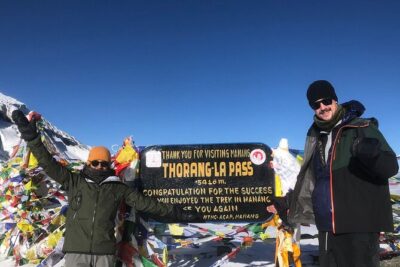
Browse the lists this tour appears in