
REVIEW · KATHMANDU
11-Day Annapurna Base Camp Trek
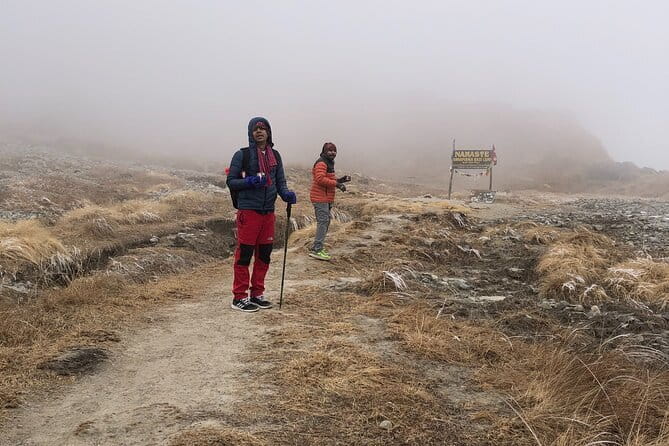
Mountains reward patience and strong legs. Magic Himalaya Treks’ 11-day Annapurna Base Camp trek combines high Himalayan views with Gurung and Magar villages, forest paths, terraced farmland, and a restorative stop at Jhinu Danda’s hot springs. I especially like the chance to see Annapurna I and Machapuchare, known as Fishtail, while staying in local mountain lodges rather than rushing straight to the base camp.
I also like the practical support: permits, a TIMS Card, an English-speaking guide, porters, meals during the trek, staff costs, a duffel bag, medical kit, and transport are included. The main consideration is the physical demand. You need moderate fitness, and the route reaches 4,130 meters at Annapurna Base Camp, with long uphill and downhill sections.
What makes this Annapurna trek worth considering
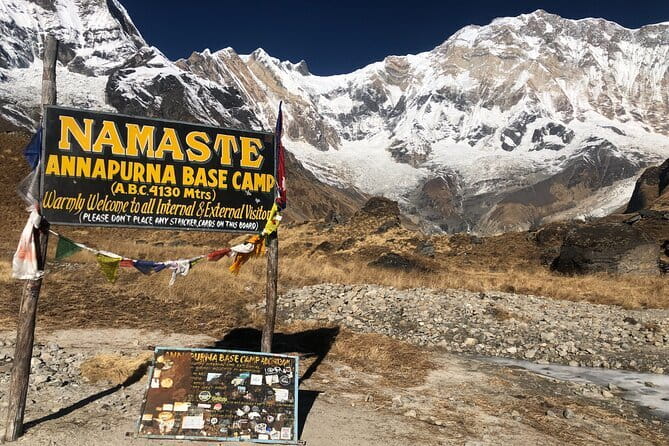
- Annapurna Base Camp at 4,130 meters: The route finishes in a dramatic high mountain bowl surrounded by major Himalayan peaks.
- Fishtail views from the trail: Machapuchare appears during the trek, giving you one of Nepal’s most recognizable mountain silhouettes.
- Gurung and Magar culture: Ghandruk and other villages bring local life, traditional communities, and chances to meet people along the route.
- Jhinu Danda hot springs: A warm pool beside the river offers a welcome break after cold mornings and hard walking.
- Private group format: Only your own group participates, with a licensed guide and one porter for every two trekkers.
- Two long road journeys: The bus rides between Kathmandu and Pokhara take about seven hours each way, so you should treat the transport days as part of the experience.
From Kathmandu arrival to a first night in Thamel
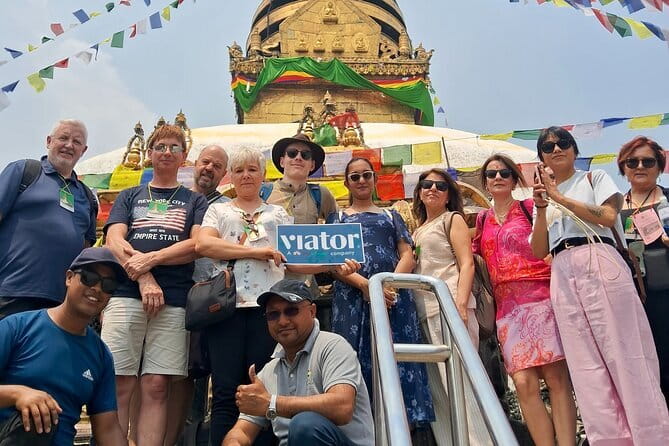
Your trip begins at Tribhuvan International Airport, where a Magic Himalaya representative meets you and drives you to a hotel in Thamel. This airport pickup removes one of the first hassles of arriving in Nepal, especially if it is your first visit.
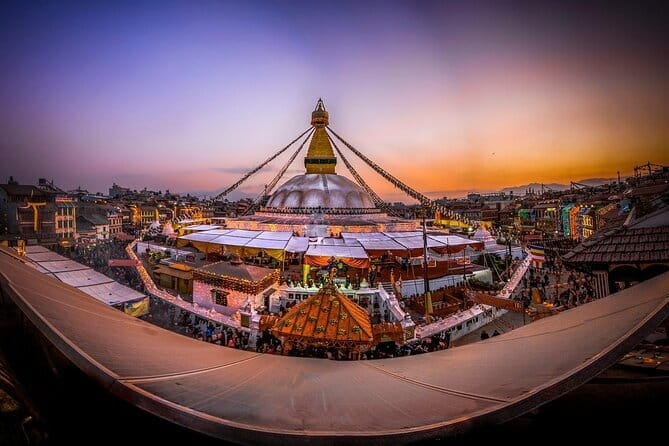
You receive practical advice about the trek, including basic do’s and don’ts, then have the rest of the day to rest. If your energy holds, a short walk around Thamel gives you an early look at Kathmandu’s street life and local culture. I would keep this first outing modest. The next days include a long drive and then steady walking, so this is a good time to sleep, check your gear, and ask your guide any last questions.
The start point is listed as Tribhuvan Airport, and pickup is offered. The tour is available every day during the stated operating period, from August 10, 2024 through June 18, 2026.
More Annapurna Treks in Kathmandu
- Annapurna Circuit Trek with Tilicho Lake
★ 5.0 · 368 reviews - Annapurna base camp trek 5 Days
★ 5.0 · 252 reviews - 14-Day Private Annapurna Base Camp Trek
★ 5.0 · 180 reviews
The seven-hour road to Pokhara
After breakfast on day two, you meet your guide at the hotel and go to the tourist bus station. The drive to Pokhara takes about seven hours, with stops for snacks and lunch. You travel along a hill highway through Nepal’s countryside, so the journey gives you changing views before the real trek begins.
This is useful transport, not a quick transfer. If you prefer to spend every day on foot, the bus ride may feel long. On the other hand, it avoids adding another trekking day before the route starts and keeps the package price lower than a plan built around private or air travel.
You spend the night at a hotel in Pokhara. The city is a major base for Himalayan adventures, and the next morning gives you a first chance to see the Annapurna massif in clear weather.
Ghandruk brings the mountains and village life together
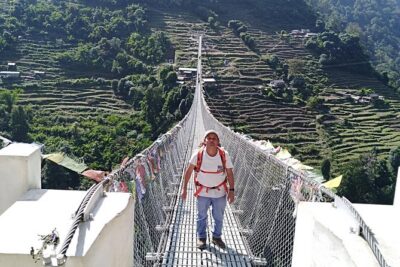
Day three begins with a drive from your Pokhara hotel to Nayapul. From there, the first two hours follow a roadway before the trail climbs toward Ghandruk from Syauli Bazaar. This opening walk eases you into the trek, though the later climb means you should not mistake day three for an easy stroll.
Ghandruk is one of the most memorable stops because the village setting brings the cultural side of the route into focus. The trek passes through communities linked with Gurung and Magar culture, and you have opportunities to meet local people rather than seeing the mountains only from a bus window.
A clear morning can bring your first strong view of the Annapurna range. Weather controls how much you see, so keep your expectations flexible. Mountain scenery is never guaranteed on a particular morning, but the route still offers village paths, farmland, and changing views as you gain height.
You spend the night at a hotel in Ghandruk. That overnight stop also breaks up the journey before the route turns toward the deeper forest and higher sections of the Annapurna Sanctuary.
Chhomrong and Sinuwa: a day of steps
On day four, you can begin with a sunrise view from your room before breakfast. The trail then rises and drops several times as you make your way to Chhomrong for lunch. Afterward, you descend to a river crossing and walk for about 45 minutes to Sinuwa.
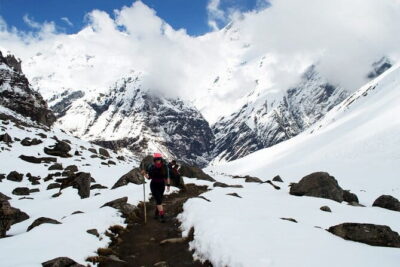
This section is a good reminder that Himalayan trekking is not simply a steady climb. You may gain altitude overall, but the route includes repeated steps and descents. That rhythm can be tiring on the knees, especially when you are still adjusting to the trail.
Sinuwa becomes your overnight stop. The pace is sensible for a trek that must reach 4,130 meters without rushing every stage into one punishing day. I would use this evening to refill water, check socks and footwear, and keep the next morning simple.
Same trailhead, a longer or shorter day out:
- Everest Base Camp Trek – 14 Days
★ 5.0 · 1,499 reviews - Everest Base Camp Trek
★ 5.0 · 842 reviews - Everest Base Camp Trekking
★ 5.0 · 485 reviews - Everest Base Camp Trekking – 13 Day
★ 5.0 · 365 reviews
Forest walking through Bamboo and Dovan
Day five leads from Sinuwa through forest. You can see Fishtail from parts of the route, while much of the day offers shade and woodland scenery rather than wide mountain views.
The route reaches Bamboo, a natural rest point, then continues to Dovan for lunch. After lunch, you walk for about two hours to the Himalayan hotel area for the night. The schedule gives you a full day on foot, but it is broken into clear stops.
This forest section has a different feel from the open village scenery around Ghandruk. I like that change. The trek does not depend on one viewpoint or one postcard moment. Instead, it moves through several kinds of Nepalese scenery, from cultivated hillsides to woodland and high alpine ground.
The hard push to Annapurna Base Camp
Day six is the central test of the trek. You eat breakfast around 6:30 a.m. and begin walking at approximately 7:30. The first major point is Hinku Cave, followed by Deurali, where you stop for a break.
From Deurali, the route takes about three hours to reach Machapuchare Base Camp, or MBC. Lunch is provided there before the final two-hour walk to Annapurna Base Camp. The total day is long, and the altitude makes every climb feel more demanding.
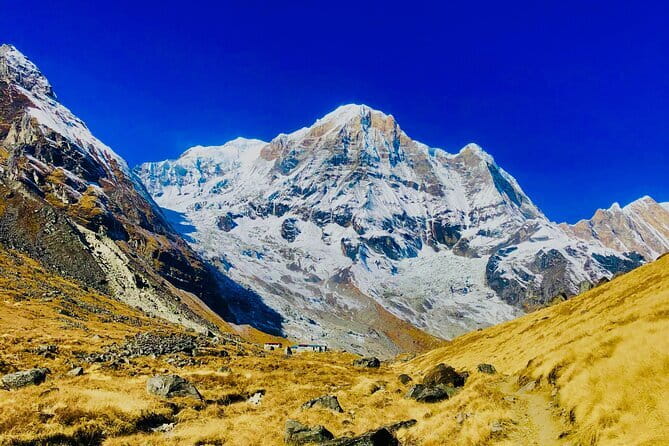
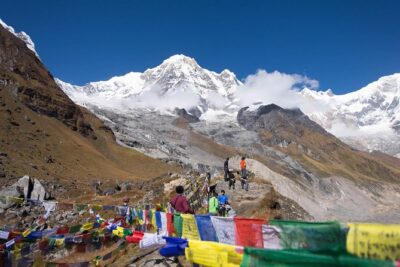
Annapurna Base Camp sits at 4,130 meters above sea level. Around five tea houses provide food and accommodation at the base camp, giving you a basic place to eat and sleep at the route’s highest point.
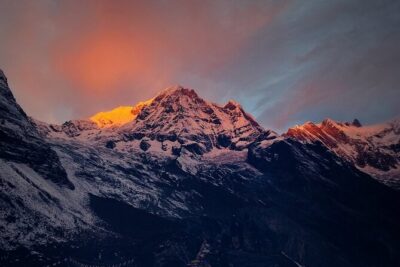
The reward is the setting. You are surrounded by high peaks, with Annapurna I and Machapuchare among the major sights. The base camp is not simply a finish line. It is the point where the forests, villages, and lower mountain paths give way to an open high-altitude mountain bowl.
Because the altitude is serious, you should listen closely to your guide and avoid treating the final day as a race. The itinerary includes a medical kit and required medicine for the trek, but rescue operations are not included in the price. Any rescue cost would be your responsibility.
Sunrise at base camp, then back toward Sinuwa
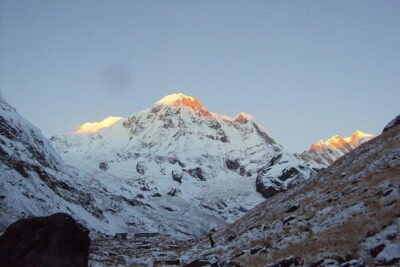
Day seven begins early so you can watch the sunrise over the mountains. This is one of the best reasons to sleep at base camp rather than walk up for a short visit. Morning light can change the appearance of the peaks minute by minute, and you have time to experience the setting before the descent begins.
After breakfast, you descend toward Bamboo or Sinuwa for the night. The schedule describes Sinuwa as the overnight destination, although the exact lodge location can depend on the day’s conditions and pace. Your guide can clarify the stopping point as you walk.
Downhill walking may sound easier after the base camp push, but it still demands care. Long descents place pressure on your knees and feet. Trekking poles, if you use them, can be useful, though the package details do not specifically state that poles are supplied.
Jhinu Danda and the hot springs
Day eight offers one of the route’s most welcome changes. After breakfast, you make a shorter walk toward the hot springs at Jhinu Danda. You descend to the river and reach the hot pool, probably around lunchtime.
The springs matter because they give your body a break after cold, high-altitude conditions. Sitting in warm water beside the river can feel like a small luxury after several days of uphill and downhill walking. It also gives the trek a pleasant ending rather than sending you directly from base camp to a road transfer.
You spend the night in Jhinu Danda. The stop adds more than comfort. It gives the route a memorable local setting and a chance to slow down before the final trek to Nayapul.
Five hours to Nayapul and an evening in Pokhara
After breakfast on day nine, you walk for about five hours to Nayapul. You have lunch there, then drive approximately one and a half hours back to Pokhara.
This is another full day, even though the walking is easier than the base camp ascent. The return drive lets you cover ground quickly, and the evening is free for lakeside time and city life. Lunch and dinner in Pokhara are not included, so you should budget separately for those meals.
I like this final Pokhara evening because it gives you a clear change of pace. After village lodges and high mountain paths, you can enjoy a more urban setting before returning to Kathmandu.
Kathmandu farewell and airport transfer
Day ten repeats the long road journey back to the Kathmandu Valley. After breakfast, you go to the bus park and drive through the countryside, with stops for local snacks and lunch. You should allow plenty of patience for this seven-hour transfer. Road conditions and traffic can affect arrival time.
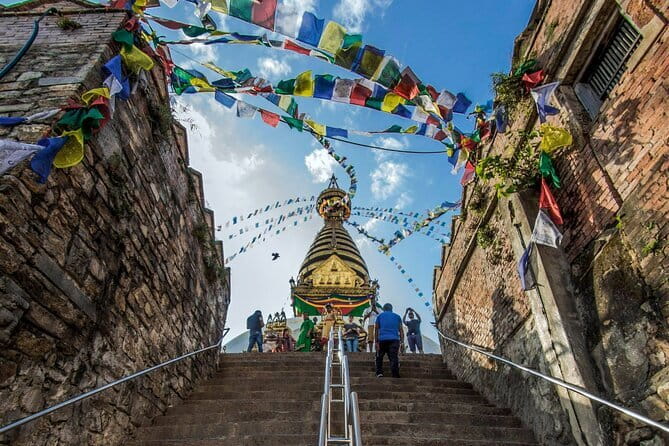
You reach Kathmandu in the afternoon and return to the hotel. If you have time, you can explore monuments near the hotel. The package also includes a Nepali farewell dinner with your trekking team, a fitting final evening after traveling together through the mountains.
On day eleven, a representative picks you up at your hotel and transfers you to the airport. The tour ends there, so check your departure timing carefully and confirm the pickup details with the company after booking.
What the $910 price covers
At $910 per person, the package offers good value for a private 11-day trek if you want the major arrangements handled together. The price includes:
- Annapurna conservation permits
- TIMS Card
- Trekking map
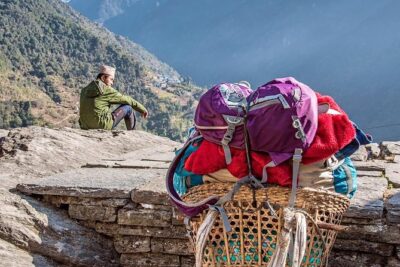
- Licensed guide and required porters
- One porter for every two trekkers
- Company duffel bag for porter transport
- Transport listed in the program
- Trekking staff food, drinks, salary, equipment, insurance, and accommodation
- Medical kit and required trek medicine
- Seven lunches, seven dinners, and ten breakfasts
- Farewell dinner
- Local taxes and VAT
That list matters because permits, staff, transport, and porter support can add up quickly when arranged separately. You also avoid carrying every item yourself, since the porter carries the company duffel bag.
The price does not cover lunch and dinner in Kathmandu or Pokhara, bar bills, the Nepal entry visa, rescue operations, or airport and departure tax. These exclusions are manageable, but you should set aside extra money for city meals, drinks, visa costs, and any emergency transport.
Guide support and private group advantages
The experience is private, meaning only your own group participates. That can make the walking pace and daily discussions easier to manage than a large fixed group. It also gives you a direct relationship with your guide.
One particularly praised guide is Shanta, described as a friendly host who became a trusted companion during the trek. The two available ratings are listed as 5, and the comments praise the company’s effort, hospitality, organization, and support. The strongest theme is the guide relationship, not just the mountain scenery.
You should still ask before departure how large your group will be and how porter bags are handled. The stated ratio is one porter for two trekkers, which is a useful balance between support and responsible load sharing.
Who should book this trek?
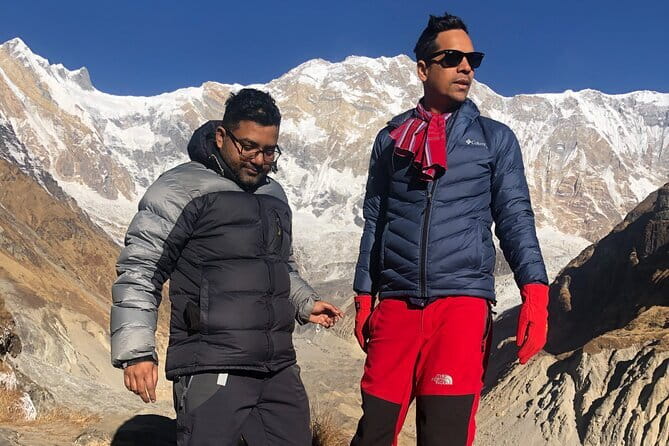
I would recommend this route to someone who wants a classic Nepal trek without arranging every permit, lodge, transfer, and porter independently. It suits people with moderate physical fitness who can handle several hours of walking, repeated steps, long descents, and a night at 4,130 meters.
It is also a good fit if you value variety. You get Kathmandu and Pokhara, village culture, forest walking, high mountain views, a base camp sunrise, and hot springs in one 11-day plan.
I would think twice if you dislike long bus rides, basic mountain accommodation, or demanding uphill and downhill days. The program is active almost every day, and reaching base camp requires patience rather than speed.
Free cancellation is available if you cancel at least 24 hours before the experience start time. Changes or cancellations inside that window are not accepted for a refund, and the cutoff follows local time.
Should you book the Annapurna Base Camp trek?
Book it if you want a supported, private trek with the main costs bundled into one price and a route that mixes mountain views with local villages. The best parts are the sunrise at Annapurna Base Camp, the views of Fishtail, the cultural stop in Ghandruk, and the hot springs at Jhinu Danda.
Before paying, confirm the exact hotel names, porter luggage limit, transport details, and how the guide handles altitude concerns. If you are comfortable with the physical work and accept the long Kathmandu to Pokhara bus rides, Magic Himalaya Treks offers a practical way to reach Annapurna Base Camp without giving up the human side of the route.
FAQ
Where does the Annapurna Base Camp trek begin?
The experience begins with pickup at Tribhuvan International Airport in Kathmandu, Nepal.
How long is the trek?
The full experience lasts approximately 11 days, including arrival, transport between Kathmandu and Pokhara, the trek, and airport departure.
What is the highest point on the route?
Annapurna Base Camp is at 4,130 meters above sea level.
Is a guide included?
Yes. The package includes an English-speaking local guide who holds the required license.
Are porters included?
Yes. Required porters are included, with one porter assigned for every two trekkers.
Are meals included?
Ten breakfasts, seven lunches, and seven dinners are included. Lunch and dinner in Kathmandu and Pokhara are not included.
Is the tour private?
Yes. Only your own group participates in this private tour or activity.
What is the cancellation policy?
You can cancel at least 24 hours before the experience start time for a full refund. Cancellations or changes made less than 24 hours before the start time are not accepted for a refund.
Recently added around Kathmandu
- Ghorepani Poon Hill Trek★ 5.0 · 16 reviews
- Private Manaslu Circuit Trek at Himalayas★ 5.0 · 3 reviews
- Amazing 1 Day Trekking Experience in Kathmandu Nepal★ 5.0 · 24 reviews
- Ghorepani Poonhill Trek★ 5.0 · 5 reviews
- Upper Mustang Trekking★ 5.0 · 2 reviews
- Upper Mustang Trekking★ 3.0 · 2 reviews
- Upper Mustang Trekking★ 5.0 · 4 reviews
- Upper Mustang Trek★ 5.0 · 5 reviews
Annapurna Base Camp Treks, compared.
Trekking in Annapurna/Langtang/Everest/Upper Mustang regions
Read our review →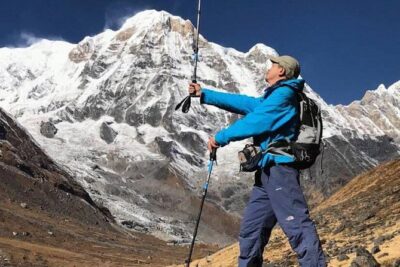
Kathmandu to Annapurna Base Camp (ABC) 5-Day Trek
Read our review →Browse the lists this tour appears in