
REVIEW · KATHMANDU
Adventurous Annapurna Base Camp Trekking
Mountains arrive one step at a time. This 14-day Annapurna Base Camp journey combines Kathmandu’s major sights, Pokhara’s easy charm, sunrise at Poon Hill, and a demanding trek into the Annapurna Sanctuary. I like the way the route mixes high mountain views with Gurung villages, forests, suspension bridges, and a hot spring stop at Jhinu. I also like that the price includes permits, accommodation, meals, land transfers, a guide, and one porter for every two people.
The main caution is physical effort. The trail includes steep stone steps, long downhill sections, and a rapid loss of nearly 2,000 meters on the return from the base camp area to Bamboo. The itinerary also contains a few inconsistent place names, so I would confirm the exact overnight sequence with Adventure Thirdpole before departure.
Key points to know before booking
- A full Annapurna experience in 14 days: You get Kathmandu sightseeing, Pokhara, Poon Hill, Annapurna Base Camp, Gurung villages, and the Jhinu hot springs.
- Poon Hill adds a second mountain highlight: The early morning walk to 3,210-meter Poon Hill brings wide views of the Dhaulagiri and Annapurna ranges before the main base camp trek.
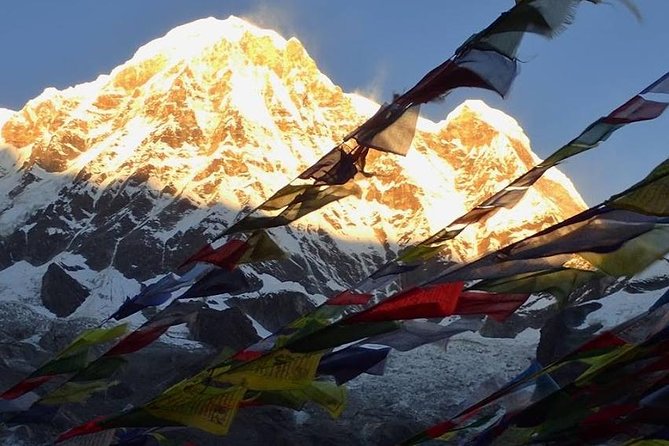
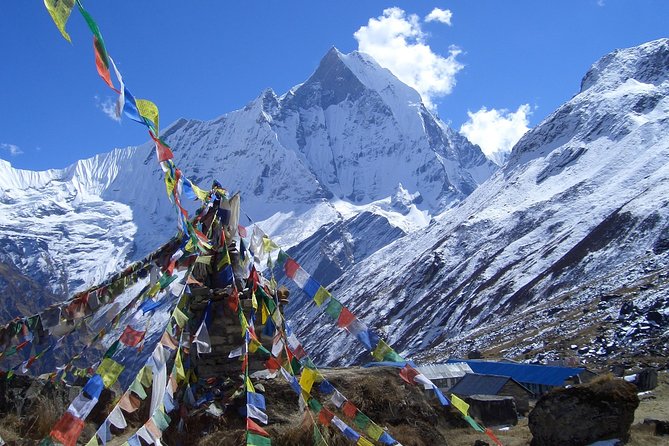
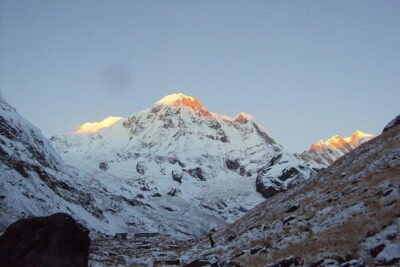
- The base camp setting is the grand finale: Annapurna I rises to 8,091 meters, with Machapuchare, Annapurna South, Hiunchuli, Annapurna III, and the glacier nearby.
- The route is private: Only your group takes part, which gives you more room to set the pace and ask your guide for help.
- The price covers the essentials: At $1,650 per person, the package includes lodging, permits, a guide, porter support, many meals, and transport.
- The hardest parts are easy to underestimate: Ulleri’s roughly 3,000 stone steps and the long descent from the sanctuary demand a moderate level of fitness.
What the $1,650 price really covers
At $1,650 per person, this is not simply a guided walk to Annapurna Base Camp. The package begins with airport pickup in Kathmandu and includes hotel accommodation in Kathmandu and Pokhara, land transport, Kathmandu sightseeing, a professional guide, TIMS registration, and the Annapurna Conservation Area Permit.
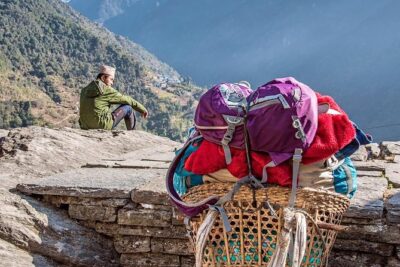
You also receive one porter for every two people. That matters on a trek where carrying a full pack would make the steep sections much harder. You should still expect to carry a small daypack with water, warm layers, rain protection, and personal items.
The package includes 11 breakfasts, 11 dinners, and nine lunches. Some meals are not included, so you need money for unspecified food, drinks, snacks, and personal purchases. Soft drinks, tips, sleeping bags, down jackets, travel insurance, and emergency medical evacuation are also your responsibility.
For a private 14-day trip with permits, transport, accommodation, staff, and meals included, I see reasonable value here. The price becomes less attractive if you already have trekking gear, prefer to arrange your own hotels, or want to travel independently. It becomes more useful if you want one company to handle the moving parts from airport arrival through departure.
Travel insurance is mandatory. The package does not cover medical evacuation, so your policy should address trekking at altitude and helicopter evacuation before you arrive in Nepal.
More Annapurna Treks in Kathmandu
- Annapurna Circuit Trek with Tilicho Lake
★ 5.0 · 368 reviews - Annapurna base camp trek 5 Days
★ 5.0 · 252 reviews - 14-Day Private Annapurna Base Camp Trek
★ 5.0 · 180 reviews
Kathmandu begins with temples and preparation
Your first day is deliberately gentle. Staff meet you at Tribhuvan International Airport, take you to the hotel, and give you time to rest before a welcome dinner and introduction to the trekking crew.
Day two brings a long sightseeing circuit through the Kathmandu Valley. You visit Pashupatinath Temple, Kathmandu Durbar Square, Swayambhunath, also called the Monkey Temple, and Boudhanath. These sites give you a useful first look at Nepal’s Hindu and Buddhist traditions before you leave the city for mountain villages.
The sightseeing day is listed as lasting up to 12 hours, so it will not feel like a casual stroll. I would keep the evening after it quiet. You want to begin the trek rested, not already worn down by city traffic, heat, and a packed schedule.
Pokhara adds a softer pause before the trail
On day three, you leave early, with a 6:00 a.m. meeting time, and travel by tourist bus toward Pokhara. The route follows the Trisuli and Marshyangdi rivers, passing rural villages and changing mountain scenery along the way.
The bus journey takes most of the day. That is useful to know because Pokhara may sound close on a map, but this is not a quick transfer. Once you arrive, the plan gives you time to freshen up, boat on Fewa Lake, and walk beside the water.
I like this pause in the schedule. Pokhara lets you slow down before the serious walking begins. The lake outing is also a pleasant contrast to Kathmandu’s crowded streets and the stone trail ahead.
Ulleri tests your legs early
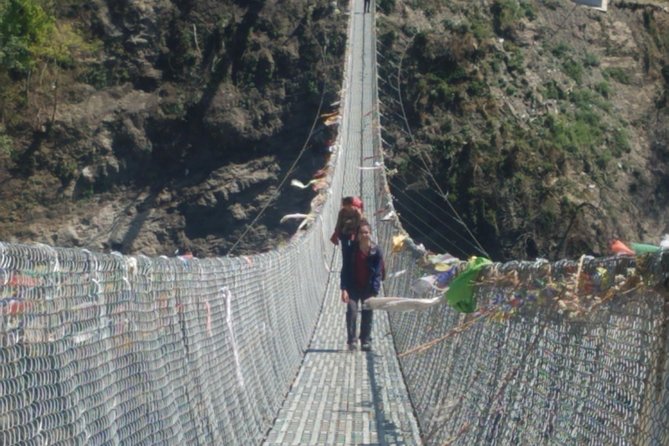
After breakfast on day four, you drive to Nayapul and begin walking. Permits are checked near Birthanthli, then the trail follows waterfalls, forest, rivers, and suspension bridges toward Tikhedhunga and Ulleri.
The day ends with the first major physical test: roughly 3,000 stone steps up Ulleri Hill. This is not a warm-up in the gentle sense. You will want sturdy shoes, walking poles if you use them, and a steady pace rather than a heroic first-hour push.
Your overnight stay is in a rural lodge. The package includes accommodation, but the supplied information does not specify the exact lodge standards or room arrangements. Expect a practical trekking stop rather than a full-service hotel.
Same trailhead, a longer or shorter day out:
- Everest Base Camp Trek – 14 Days
★ 5.0 · 1,499 reviews - Everest Base Camp Trek
★ 5.0 · 842 reviews - Everest Base Camp Trekking
★ 5.0 · 485 reviews - Everest Base Camp Trekking – 13 Day
★ 5.0 · 365 reviews
Ghorepani and Poon Hill deliver the first big views
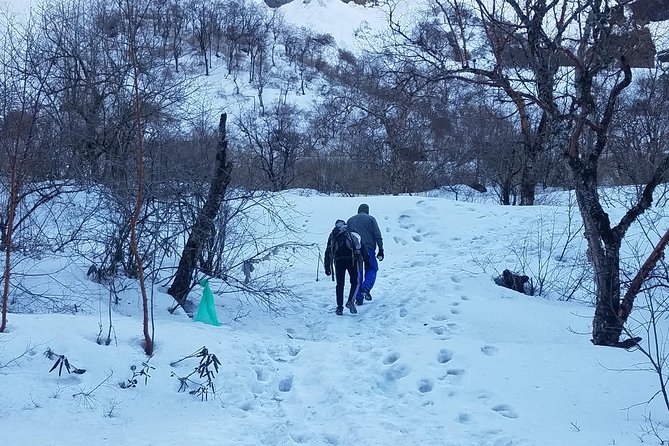
On day five, the trail climbs gradually through rhododendron and oak forests. From the top of Ulleri, you may see Annapurna South and Hiunchuli. Banthanti and Nangethani provide village points along the way before you reach Ghorepani.
Ghorepani is an important viewing stop. A short walk to the ridge brings panoramic views toward Dhaulagiri and the Annapurna range. The day is much more about steady climbing than distance, and the forest gives the route variety after the exposed steps of Ulleri.
The next morning starts before sunrise. You walk for about 45 minutes in the dark, using a torch, to reach Poon Hill at 3,210 meters. Give yourself enough warm clothing for the wait. The reward is a broad sunrise view of Dhaulagiri and the Annapurna range.
After returning for breakfast, you continue toward Tadapani through Deurali and Banthanti. The route may bring sightings of monkeys and birds, while Tadapani offers close views of Annapurna South, Hiunchuli, and Machapuchare, also known as Fishtail.
This two-part mountain viewing is one of the strongest features of the trip. Poon Hill gives you a wide panorama, while Tadapani brings the peaks closer.
Chhomrong opens the door to the sanctuary
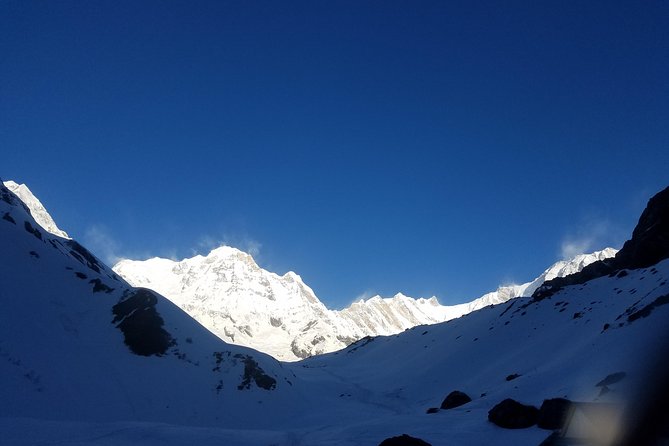
Day seven includes a two-hour descent, a stream crossing, and a gradual climb toward the Gurung settlement of Gurjung. You then reach Chhomrong, one of the larger villages on this route.
Chhomrong is more than a place to sleep. It is a strong cultural stop, with Gurung community life and mountain views tied closely to the trail. The itinerary includes breakfast, lunch, and dinner here, so you can settle in rather than rush through.
From Chhomrong, the route moves toward the upper Modi Khola valley. The schedule supplied for day eight labels the stop as Ghandruk, but the description clearly follows the route through Bamboo and Dovan toward Himalaya. I would ask the operator to clarify this before booking, since the overnight village matters when you are planning daily distances and altitude gain.
The Modi River route feels wild and enclosed
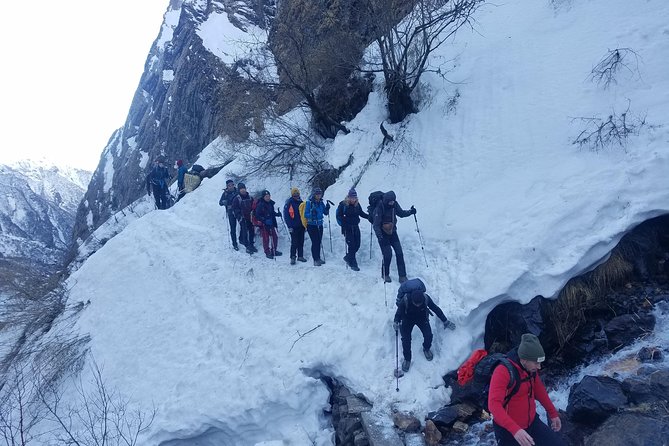
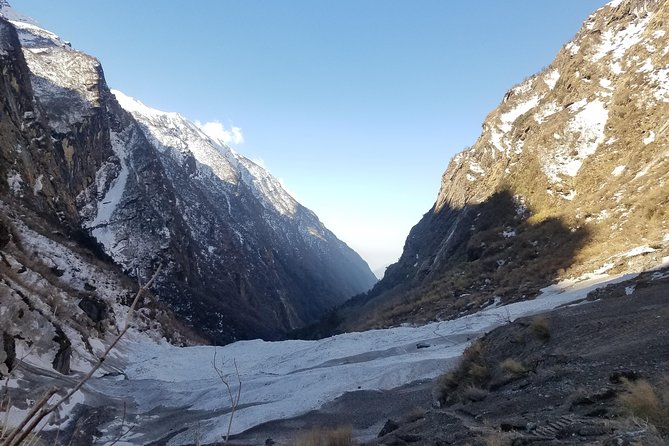
The trail toward the inner valley changes character. You walk through a deep gorge beside the Modi River, with water noise and birds replacing the open ridge views of Poon Hill.
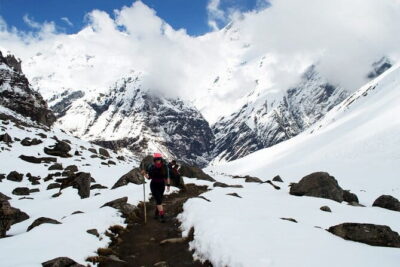
This section can feel more enclosed and shaded. You may see monkeys and Himalayan goats, and the route keeps your attention on the river, forest, and rock walls. The natural drama builds gradually rather than arriving in one grand viewpoint.
The itinerary’s place labels become muddled again on the later days. The intended route is clear enough: continue upward through Bamboo, Dovan, and the Himalaya area to Annapurna Base Camp, then return downhill toward Bamboo before heading to Jhinu. Confirm the exact lodge stops with the company so you know how the walking hours are divided.
Annapurna Base Camp is the central reward
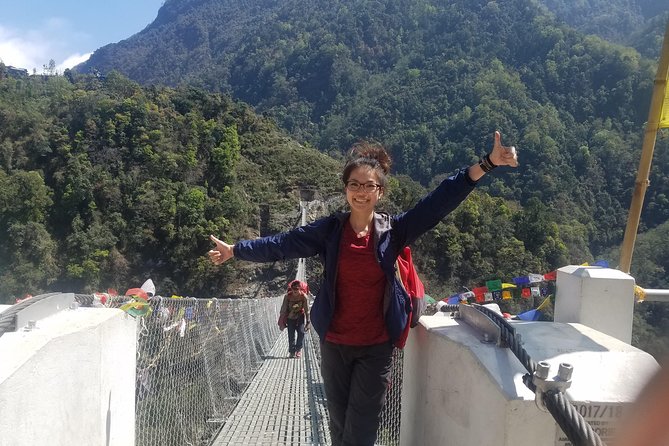
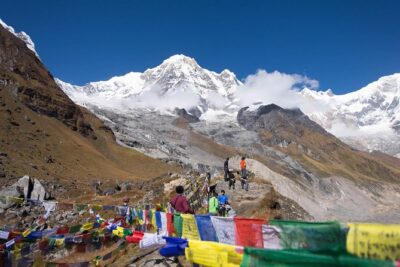
Day nine takes you to Annapurna Base Camp. Here the mountains surround you in a natural amphitheater, giving the sanctuary its special character.
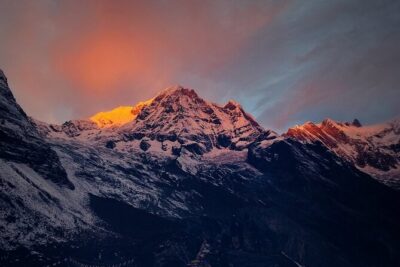
Annapurna I reaches 8,091 meters and is the main prize. From base camp, you also look toward Annapurna South, Hiunchuli, Annapurna III, and Machapuchare. The Annapurna Glacier adds another stark reminder that this is a high mountain environment, not simply a scenic village walk.
The description promises time in the afternoon for a close view of Annapurna I and the surrounding peaks. That is important because reaching base camp is only part of the experience. You want time to walk around, take photographs, and absorb the scale of the mountains rather than arrive, eat, and immediately turn around.
At this altitude, cold and weather can shape the day. The experience requires good weather, and poor conditions can lead to a different date or a full refund if the activity is canceled. Your guide’s judgment matters here, especially when clouds or trail conditions reduce visibility.
The return is harder than many people expect
After the base camp night, the route turns sharply downhill. You wake early for sunrise over the mountains, then descend toward Bamboo, losing nearly 2,000 meters in six to seven hours according to the schedule.
Downhill walking can be tougher on knees than climbing is on lungs. I would use trekking poles if available, shorten your stride, and avoid racing the group. This is the part where a moderate fitness requirement becomes very real.
The following section brings you back toward Sinuwa and Chhomrong, with another steep descent to Jhinu. You leave your bags in the village and walk down to the Modi Khola River for the hot springs.
Jhinu is a welcome recovery stop. The hot springs give your legs a chance to relax after the long descent, though the trail down and back still requires care. Pack swimwear where you can reach it easily instead of burying it in your main luggage.
Returning to Pokhara and Kathmandu
The final trekking day follows a flatter route from Jhinu toward Birethanti and Nayapul. A vehicle then takes you back to Pokhara, with a hotel check-in and free time afterward.
The itinerary gives this day about six hours of walking plus a one-hour drive. That makes it easier than the mountain days, but you may still feel the accumulated fatigue. Pokhara is a good place for a proper meal, a hot shower, and a quiet evening.
On day 13, you can return to Kathmandu by road or choose a 30-minute flight at an additional cost. The road option keeps the price lower but takes much longer, while the flight saves time. The trip ends with a farewell dinner before airport transfer on day 14.
The guide team is a major part of the value
The strongest praise for this experience centers on the care and organization provided by the Adventure Thirdpole team. Raj is singled out for planning, communication, and making quick decisions when conditions change. Deepak, Mahila, and Ram are also named for their support and encouragement.
That flexibility matters in Nepal. One group originally planned for Everest Base Camp but changed to Annapurna Base Camp after haze disrupted the flight to Lukla. Another itinerary was adjusted to fit a shorter schedule, and a group starting from Australian Camp received help with coordination.
You should not treat this as a promise that every request will be possible. You should treat it as a reason to discuss your fitness, dates, preferred transport, and time limits before paying. The private format means your group has a better chance of adjusting the pace than it would on a large departure.
Who should book this trek?
I would recommend this trip to you if you want a classic Nepal trek but also want city sightseeing, Pokhara, and a private guide team built into one package. It suits people with moderate fitness who can manage long days, steep steps, repeated descents, and basic trekking accommodation.
It is especially good for first-time Himalayan trekkers who want porter support and organized transfers. The route gives you a clear progression, from city temples to forest trails, village culture, Poon Hill, and finally the Annapurna Sanctuary.
I would hesitate if you dislike early starts, long bus journeys, basic lodges, or uncertain mountain weather. I would also ask detailed questions if you need a highly precise day-by-day plan, since several place names in the schedule do not match the walking descriptions.
Cancellation is free if you cancel at least 24 hours before the start time. Changes made within 24 hours are not accepted, and poor weather may result in a new date or full refund.
Should you book Adventurous Annapurna Base Camp Trekking?
I think you should book it if the combination of Poon Hill and Annapurna Base Camp appeals to you more than a single-purpose trek. The route gives you two excellent mountain viewpoints, a strong cultural element, private support, and a useful set of inclusions for $1,650.
Before booking, ask Adventure Thirdpole to confirm the exact overnight stops for days eight through eleven, what type of rooms are provided, and which meals are included on each day. If you are comfortable with the physical demands and prepare for the steep steps and long descent, this is a well-rounded way to reach Annapurna Base Camp without arranging every detail yourself.
FAQ
How long is the Annapurna Base Camp trek?
The experience lasts approximately 14 days, including arrival and departure days, Kathmandu sightseeing, travel to Pokhara, the trek, and the return to Kathmandu.
What is the price per person?
The listed price is $1,650 per person.
Is airport pickup included?
Yes. Staff meet you at Tribhuvan International Airport on arrival and transfer you to your hotel.
Is this a private tour?
Yes. Only your group participates in the activity.
What permits are included?
The package includes the Trekkers Information Management System registration and the Annapurna Conservation Area Permit.
Is a guide included?
Yes. A professional trekking guide is included.
Is porter service included?
Yes. The package provides one porter for every two people.
Is travel insurance included?
No. Travel insurance is not included, and it is a mandatory booking condition. Medical evacuation is also not included.
Can you cancel for a full refund?
Yes, if you cancel at least 24 hours before the experience start time. Cancellations made less than 24 hours before the start time are not refunded.
Recently added around Kathmandu
- Ghorepani Poon Hill Trek★ 5.0 · 16 reviews
- Private Manaslu Circuit Trek at Himalayas★ 5.0 · 3 reviews
- Amazing 1 Day Trekking Experience in Kathmandu Nepal★ 5.0 · 24 reviews
- Upper Mustang Trekking★ 5.0 · 2 reviews
- Ghorepani Poonhill Trek★ 5.0 · 5 reviews
- Upper Mustang Trekking★ 3.0 · 2 reviews
- Upper Mustang Trekking★ 5.0 · 4 reviews
- Upper Mustang Trek★ 5.0 · 5 reviews
Annapurna Base Camp Treks, compared.

Trekking in Annapurna/Langtang/Everest/Upper Mustang regions
Read our review →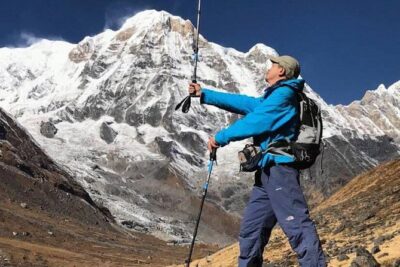
Kathmandu to Annapurna Base Camp (ABC) 5-Day Trek
Read our review →Browse the lists this tour appears in