
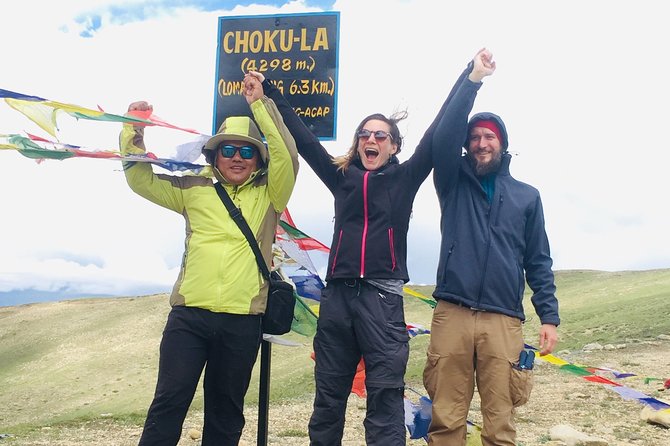
REVIEW · KATHMANDU
12 days Upper Mustang Trek in Annapurna Region, Nepal
Upper Mustang feels like another country. This 12-day journey takes you from Kathmandu to Pokhara, then into the dry upper Kali Gandaki valley, where Tibetan-influenced villages, old monasteries, caves, and colorful mountain walls replace the usual Nepal trekking scenery. I like the small private-group format and the chance to reach Lo-Manthang without arranging permits, guides, transport, and lodges on your own.
I also like that the price includes meals during the trek, a guide, one porter for every two guests, permits, Pokhara hotels, and the flights between Pokhara and Jomsom. The catch is simple: this is a moderate to strenuous trek with several long walking days, high elevations, basic guesthouses, weather-sensitive flights, and limited comfort. You need reasonable fitness and a willingness to accept mountain delays.
Key points to know before booking
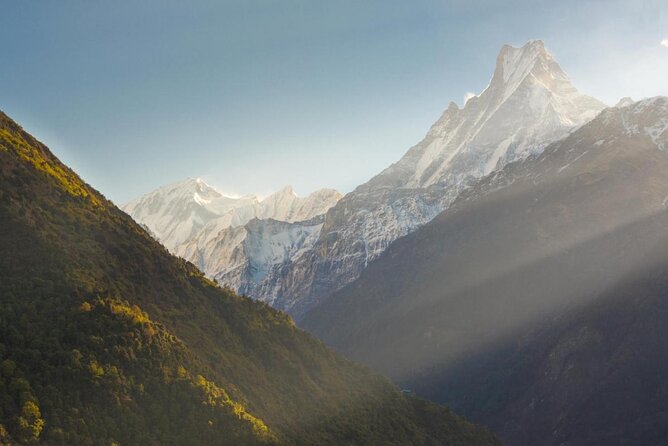
- Upper Mustang is a dry, Tibetan-influenced world: Expect barren hills, colorful rock formations, old monasteries, caves, and villages unlike the greener lower Annapurna routes.
- Lo-Manthang is the main prize: You get a full excursion day there instead of walking in and out without time to explore.
- Jomsom flights save road time: The package includes the Pokhara to Jomsom flight and the return flight, though weather can affect this part of the plan.
- Your meals are covered on trek: Breakfast, lunch, dinner, tea, and coffee are included from the walking days onward.
- The guiding team receives strong praise: Bhairam is noted for careful management, while guides Gokal and Bishnu are praised for helping guests feel comfortable and secure.
- The price is strongest for first-time organized trekkers: At $2,340 per person, you pay for permits, support, transport, food, and a private arrangement rather than just a bed and a guide.
Why Upper Mustang feels unlike the rest of Nepal
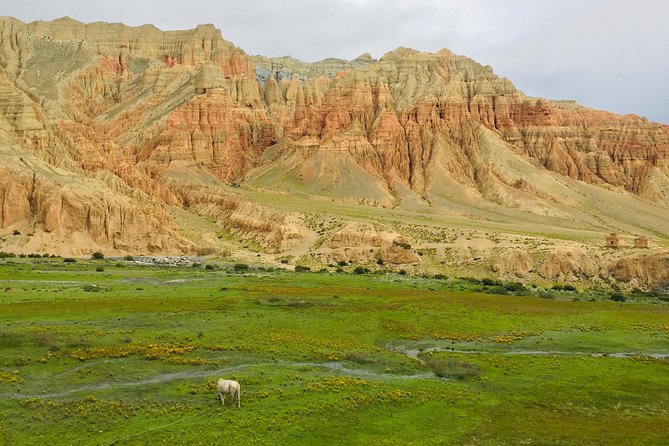
Upper Mustang occupies the higher Kali Gandaki valley, north of Kagbeni and close to the Tibetan plateau. It is known for a dry, almost desert-like setting, with shrubs, bushes, exposed rock, and mountains marked by striking colors and shapes.
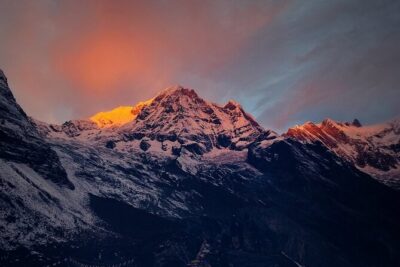
That setting is the first reason I would choose this trip. Many Nepal treks focus on green valleys and high snowy passes. Here, the scenery is more spare and graphic. You see broad views toward Nilgiri, Annapurna, Dhaulagiri, and other peaks, but the main visual surprise is the contrast between those mountains and the bare hills around you.
The cultural side matters just as much. The route passes through communities shaped by Tibetan traditions, with old monasteries, caves, and settlements that give the walk a strong sense of place. You are not simply ticking off viewpoints. The villages and religious sites help explain why this isolated valley feels so different from Pokhara or Kathmandu.
The trip also reaches the Kali Gandaki region, described as the world’s deepest gorge. You should not expect a single dramatic viewpoint to explain the whole area. Instead, the gorge is part of the route’s larger character, linking the lower river valley with the high, dry country around Lo-Manthang.
More Annapurna Treks in Kathmandu
- Annapurna Circuit Trek with Tilicho Lake
★ 5.0 · 368 reviews - Annapurna base camp trek 5 Days
★ 5.0 · 252 reviews - 14-Day Private Annapurna Base Camp Trek
★ 5.0 · 180 reviews
Days 1 and 2: Kathmandu to Pokhara, then Jomsom
The first day uses a private car for the roughly six-hour drive from Kathmandu to Pokhara. That transfer gets you out of the capital and places you in the main staging city for the trek. You spend the night at Hotel Kantipur or a similar property, with breakfast included.
This is a practical start rather than a sightseeing day. If you hope to explore Pokhara, do not assume the schedule leaves much free time. The main value is having private transport and a hotel night before the mountain flight.
On day two, you fly from Pokhara to Jomsom at about 2,720 meters, then walk for roughly two hours to Kagbeni at 2,810 meters. The flight avoids a long road journey and brings you quickly into the trekking region. Kagbeni is the first overnight stop on foot and provides a gentler introduction than starting with a full day of uphill walking.
The flight is also one of the trip’s weak points. Mountain aviation depends on weather, and the package specifically notes that poor conditions can lead to cancellation or a changed date. Build a little patience into your plans, especially if you have an important international flight immediately after the trek.
Days 3 and 4: Kagbeni to Samar and Geling
Day three is a major walking day, with six to seven hours on foot to Samar at 3,660 meters. The rise from Kagbeni to Samar means altitude becomes a real part of the experience. You should be ready for slower walking, dry air, and a full day on the trail.
Samar gives you your first strong sense of Upper Mustang’s remote character. The route leaves the lower valley feel behind and moves into more exposed country. The scenery is not soft or leafy. Its appeal comes from rock, open space, unusual colors, and the feeling that you are moving through an old route between cultures.
Day four covers five to six hours to Geling at about 3,570 meters. The elevation is slightly lower than Samar, but the walking remains serious. Geling is another village stop, with a guesthouse stay and all three main meals included.
I like the way these two days create a gradual transition. You do not fly straight to Lo-Manthang and miss the change in surroundings. You walk into the upper valley, giving the route time to unfold. The drawback is that the itinerary gives only broad timing, not a detailed breakdown of trail conditions or rest stops. Your guide will be important in setting the pace.
Days 5 and 6: Tsarang and the arrival at Lo-Manthang
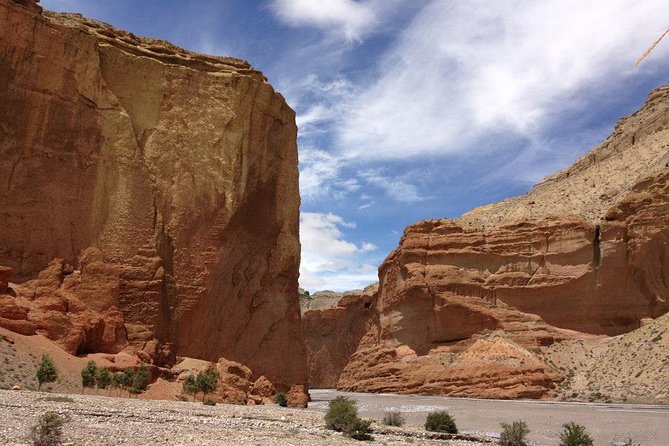
Day five takes you to Tsarang after six to seven hours of walking. At roughly 3,560 meters, Tsarang remains high, dry, and exposed. This is another long day, so you should not treat the journey as a casual cultural walk.
The route’s value lies in the steady sequence of villages and old sites. Upper Mustang is best experienced at walking speed. You have time to see how the settlements fit into the bare mountain setting, rather than viewing them through a vehicle window.
Day six is shorter, at about four hours to Lo-Manthang, which sits around 3,809 meters. Reaching the valley’s main town is the high point of the outward journey. You have made the long approach through Kagbeni, Samar, Geling, and Tsarang, and now you have time to explore the place that gives the trek its name.
At this elevation, you should expect cooler conditions and the possibility of feeling the altitude. The package calls for moderate physical fitness, and that description is fair. There is no claim of technical climbing, but several days are long, and the elevation adds effort to ordinary walking.
Same trailhead, a longer or shorter day out:
- Everest Base Camp Trek – 14 Days
★ 5.0 · 1,499 reviews - Everest Base Camp Trek
★ 5.0 · 842 reviews - Everest Base Camp Trekking
★ 5.0 · 485 reviews - Everest Base Camp Trekking – 13 Day
★ 5.0 · 365 reviews
Day 7: A full excursion in Lo-Manthang
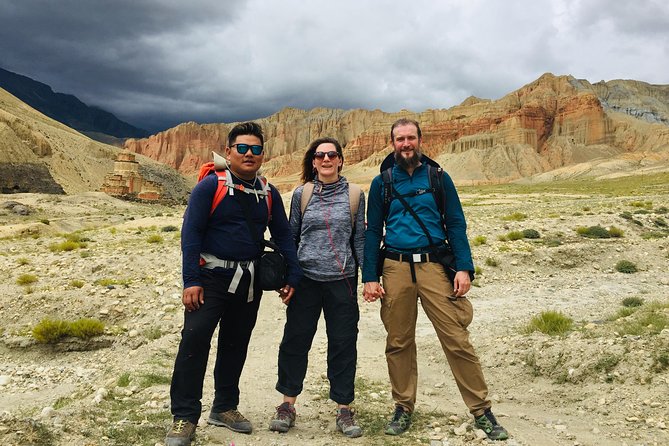
The full day in Lo-Manthang is one of the smartest parts of this plan. A quick arrival followed by an immediate return would make the trek feel rushed. An excursion day gives you room to explore the town and nearby cultural sites at a more sensible pace.
The experience centers on monasteries, local culture, caves, and the unusual setting of the Lo-Manthang valley. The mountains around the town are described as colorful and almost sculpted, with shrubs and bushes scattered through an otherwise barren setting. This is the kind of place where a slower day adds real value.
The schedule does not list each excursion site, so do not book expecting a fixed menu of named monuments. Your guide can shape the day within the available time. The English-speaking guide is included, and that matters here because the cultural details are a major reason to come.
This is also your best chance to rest before the return walk. The schedule has already given you several long days, so a pause in Lo-Manthang helps balance the physical demands.
Days 8 to 10: The return trek to Jomsom
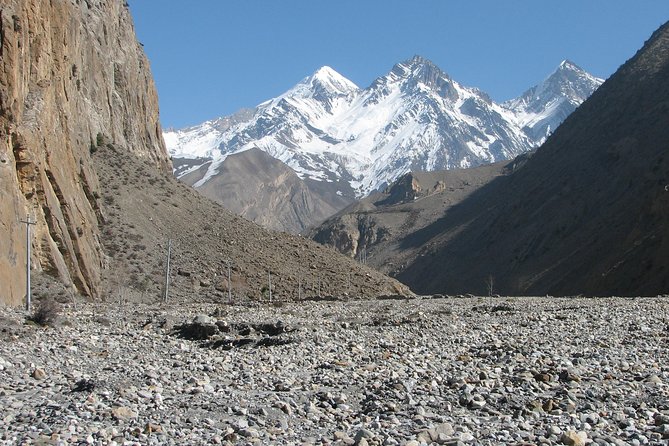
The return takes three days, with overnight stops in guesthouses along the way. The program does not specify the exact villages or daily walking hours, so you should think of this as a flexible return section rather than a tightly itemized route.
Walking back is not wasted time. You see familiar places from a different direction, and the light may change the look of the rock walls and valley. Still, the return leg can feel less exciting if you prefer a one-way route. The appeal depends on enjoying the walk itself, not only the destination.
All meals are included on these trekking days, with tea and coffee as well. That keeps the daily budget easier to manage. You will still need money for drinks outside the included meals, personal purchases, and alcoholic beverages. Bottled drinks are not included either.
Accommodation is twin-sharing in lodges and guesthouses. This is functional mountain lodging, not a hotel-based holiday. If you value privacy or polished facilities, ask about room arrangements before paying. If you are comfortable sharing and want the route more than luxury, the setup is sensible.
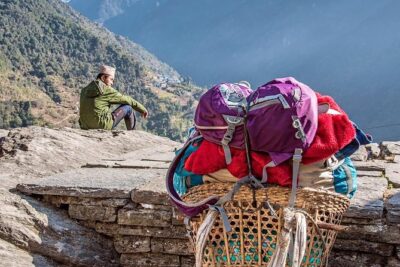
A guide and one porter for every two guests are included. That ratio is useful: you carry less of the heavy load, while the guide handles route support and day-to-day decisions. One published account gives particular praise to Bhairam, the manager, for making guests feel welcome and secure. Guides Gokal and Bishnu are also singled out for strong support. Those names give you useful contacts to request when confirming your arrangements, though assignment cannot be guaranteed.
Days 11 and 12: Flying out and returning to Kathmandu
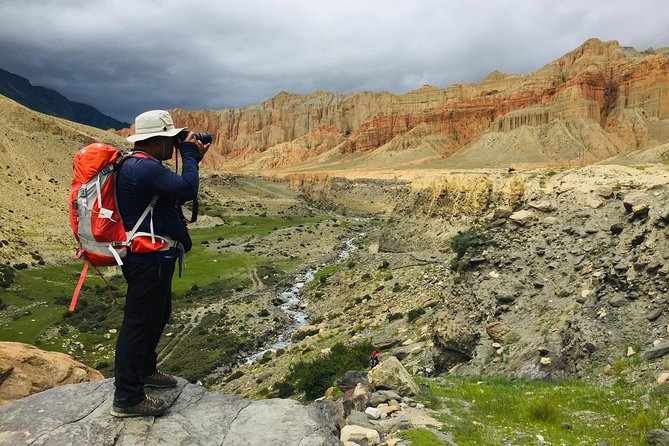
Day 11 uses the return flight from Jomsom to Pokhara, followed by a hotel night with breakfast. As on the outbound flight, weather can affect timing. Keep your schedule loose enough to handle a delay.
Day 12 returns you to Kathmandu by private car, where the activity ends at the original meeting point. Lunch and dinner in Pokhara and Kathmandu are not included, and neither is a Kathmandu hotel. You should plan those costs separately.
The private vehicle is air-conditioned, which is useful on the long road transfers. It also gives your group more control than a shared bus, though the trip’s overall pace still depends on roads, weather, and mountain transport.
What the $2,340 price really covers
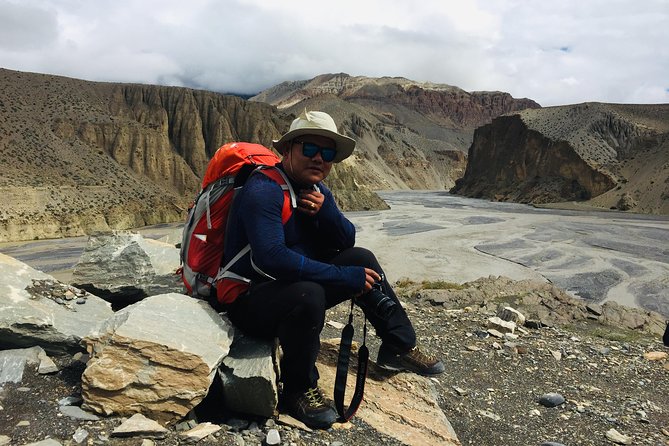
At $2,340 per person, this is not a bargain-basement trek, but the package includes many costs that add up quickly in Nepal. You receive two nights in Pokhara, twin-sharing lodging during the trek, three daily meals on the walking days, tea and coffee, a special Mustang permit, an Annapurna Conservation Area Permit, round-trip flights between Pokhara and Jomsom, an English-speaking guide, porter support, and private vehicle transfers.
The permits are especially important. Upper Mustang requires a special trekking permit, so arranging the region independently is not as simple as choosing a lodge and walking north. The package removes much of that paperwork and puts the required support in one booking.
You still need to budget for a Nepal visa, listed at about $25, plus Kathmandu accommodation, meals in Kathmandu and Pokhara, personal trekking equipment, bottled drinks, and alcohol. Those exclusions are normal enough, but they make the headline price less than your final trip cost.
I see the strongest value for someone who wants a private trip without building every piece from scratch. Solo visitors may find the per-person price harder to justify, since the porter arrangement is based on two guests. Two friends, couples, or small groups can make better use of the included support.
Who should book this trek?
I would recommend it to you if you want a rare cultural and geographic side of Nepal, can handle long walking days, and prefer a guide-led trip. The minimum age is 12, but younger trekkers still need to meet the physical demands. Children must be accompanied by an adult.
You should have a moderate fitness level and be comfortable with a moderate to strenuous amount of walking. This is not a gentle village stroll. The highest listed overnight elevation is about 3,809 meters, and several days last five to seven hours.
A vegetarian option is available if you request it when booking. That is worth arranging early rather than hoping it can be added at the last minute.
I would hesitate if you need guaranteed flight times, hotel-level comfort, or a highly detailed day-by-day plan for the return route. I would also avoid placing a major international departure immediately after day 12. The weather-sensitive flights deserve breathing room.
The booking offers free cancellation up to 24 hours before the start time for a full refund. Changes made inside that period are not accepted, and poor weather or an insufficient number of participants can lead to a new date, an alternative experience, or a refund.
My verdict on the Upper Mustang route
You should book this trek if the unusual setting and Tibetan-influenced culture matter more to you than comfort and convenience. The full day in Lo-Manthang, included permits, covered trek meals, private transfers, and porter support make the $2,340 cost reasonable for an organized private journey.
Ask for clear confirmation of your guide, the exact return stops, room arrangements, and flight contingency before you go. If Bhairam, Gokal, or Bishnu are available, their praised work makes them worth requesting. Choose this trip for the high valley, old monasteries, caves, and strange colorful mountains, not for easy walking. If that trade suits you, Upper Mustang should be a memorable choice.
FAQ
Where does the Upper Mustang trek start and end?
The activity starts in Kathmandu at the listed meeting point and ends back there after the return drive from Pokhara on day 12.
How long is the Upper Mustang trek?
The package lasts approximately 12 days, including road transfers, flights, trekking days, an excursion day in Lo-Manthang, and the return to Kathmandu.
What is included in the price?
The price includes two nights in Pokhara with breakfast, twin-sharing lodge accommodation during the trek, breakfast, lunch, dinner, tea and coffee during the trek, Mustang and ACAP permits, round-trip flights between Pokhara and Jomsom, an English-speaking guide, one porter for every two guests, and air-conditioned vehicle transport.
Are meals included throughout the whole trip?
Breakfast is included during the two Pokhara hotel nights. Breakfast, lunch, dinner, tea, and coffee are included during the trek. Lunch and dinner in Kathmandu and Pokhara are not included.
Is this trek suitable for children?
The minimum age is 12, and children must be accompanied by an adult. The trek also requires a moderate fitness level and a moderate to strenuous amount of walking.
Can I request vegetarian food?
Yes. A vegetarian option is available, but you should request it when booking.
What happens if bad weather cancels a flight or the trip?
The experience requires good weather. If poor weather causes cancellation, you can be offered another date or a full refund. The same applies if the minimum number of participants is not met.
Recently added around Kathmandu
- Ghorepani Poon Hill Trek★ 5.0 · 16 reviews
- Private Manaslu Circuit Trek at Himalayas★ 5.0 · 3 reviews
- Amazing 1 Day Trekking Experience in Kathmandu Nepal★ 5.0 · 24 reviews
- Ghorepani Poonhill Trek★ 5.0 · 5 reviews
- Upper Mustang Trekking★ 5.0 · 2 reviews
- Upper Mustang Trekking★ 3.0 · 2 reviews
- Upper Mustang Trekking★ 5.0 · 4 reviews
- Upper Mustang Trek★ 5.0 · 5 reviews
Annapurna Base Camp Treks, compared.
Trekking in Annapurna/Langtang/Everest/Upper Mustang regions
Read our review →
Kathmandu to Annapurna Base Camp (ABC) 5-Day Trek
Read our review →Browse the lists this tour appears in