
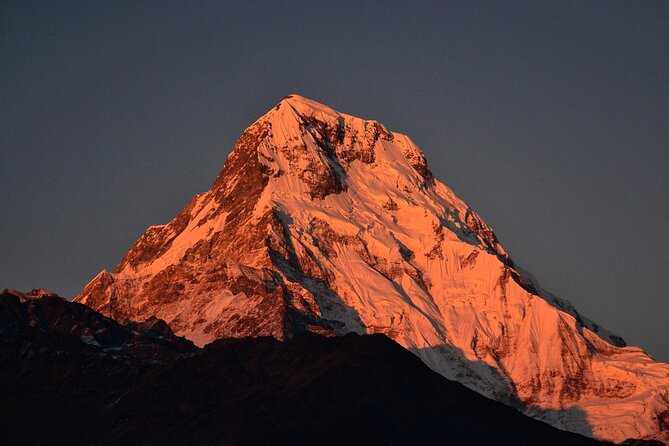
REVIEW · KATHMANDU
12 Days Annapurna Base Camp Trek
Big mountains, strong legs, good tea. This 12-day Annapurna Base Camp Trek takes you from Kathmandu to Pokhara, through Gurung and Magar villages, and up to Annapurna Base Camp at 4,130 meters. I like the mix of rhododendron forests, terraced farmland, mountain views, and local teahouse stays. I also like that the route includes both Poon Hill sunrise and the natural hot springs at Jhinu Danda.
The main drawback is the physical demand. The trail includes long climbs, steep descents, and more than 3,000 stone steps on the way to Ulleri. You need a moderate level of fitness, and the return journey from Base Camp is long even though it is mostly downhill.
Five things to know before booking
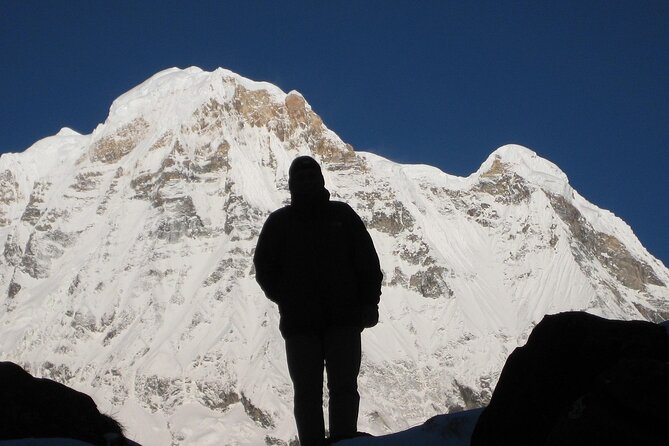
- Poon Hill adds a superb sunrise stop: You rise early from Ghorepani for views of Dhaulagiri, Annapurna, and Machapuchare.
- Ulleri is the first serious test: The steep staircase section can be tiring before you have settled into the walking rhythm.
- Base Camp sits at 4,130 meters: The final approach leaves the forest behind and opens into high alpine meadows and huge peaks.
- Jhinu Danda brings a welcome soak: Natural hot springs by the river offer a pleasant rest after several demanding days.
- The tour is private: Only your own group takes part, which should make pacing and guide support more personal.
- The price is $1,200 per person: Meals, government fees, entrance fees, WiFi on board, and excess baggage are listed as included, but public transportation and airport departure tax are not.
Kathmandu arrival and the first practical briefing
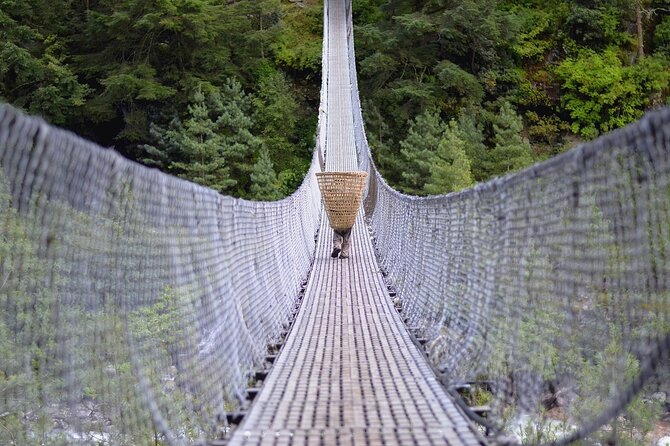
Your trip begins at Tribhuvan International Airport. Pickup is offered, with the meeting point listed at P924+79H in Kathmandu, and the usual first stop is a hotel in the Thamel area.
Thamel is a useful base for a trek because you can sort out last-minute needs, meet your guide, and get settled before heading into the hills. The first day also includes a trek briefing and permit preparation. That is important, not just administrative. You want clear information about the walking schedule, transport, meals, and what the guide expects from you before leaving the city.
The first day is listed as lasting about 12 hours, but much of that depends on your arrival time and airport transfer. I would avoid planning anything ambitious for the evening. Give yourself room to recover from the flight and prepare for the next morning.
The company, Everest High Pass Adventures, has received particular praise for personal service and prompt communication. One person who had not yet taken a Nepal and Bhutan trip still found the responses to questions professional and helpful. That matters here, since a trek has many moving parts and quick answers before departure can prevent avoidable stress.
More Annapurna Treks in Kathmandu
- Annapurna Circuit Trek with Tilicho Lake
★ 5.0 · 368 reviews - Annapurna base camp trek 5 Days
★ 5.0 · 252 reviews - 14-Day Private Annapurna Base Camp Trek
★ 5.0 · 180 reviews
Pokhara by road or by air
On Day 2, you travel to Pokhara, the main gateway for the Annapurna trek. You can choose a six to eight-hour overland drive or a flight of about 25 minutes.
The flight saves most of a day and gives you more time beside Phewa Lake. The road journey takes much longer, but it may suit you if you prefer to avoid a short flight or want to see more of the journey between Kathmandu and Pokhara. The supplied details do not specify whether one option costs extra, so ask before booking.
Pokhara is calmer than Kathmandu and gives you a softer transition into the trek. You can see the Annapurna range from the city, enjoy time by the lake, and make sure your kit is ready. The city also provides a useful buffer if transport changes affect the schedule.
Day 3: Nayapul, Birethanti, Tikhedhunga, and Ulleri
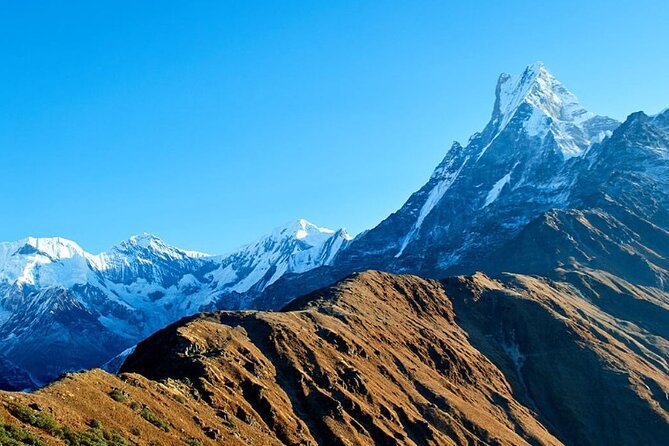
After breakfast, a 1.5-hour drive takes you to Nayapul, where the walking begins. The early trail passes through Birethanti and Tikhedhunga before the major climb to Ulleri.
The staircase section contains more than 3,000 stone steps. This is not a gentle warm-up, so use the day to find a steady pace rather than racing ahead. Short rests will help, especially if your legs are still adjusting after the flight or drive from Kathmandu.
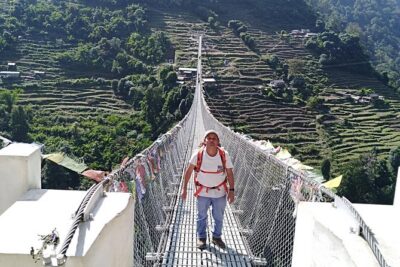
Ulleri gives you the first real sense that this is a mountain trek, not simply a scenic village walk. The route passes through rural settlements and farmland, with the trail rising steadily through the foothills. The walking time is listed as a full day, and the exact pace will depend on your group.
Day 4: Rhododendron forest and Ghorepani
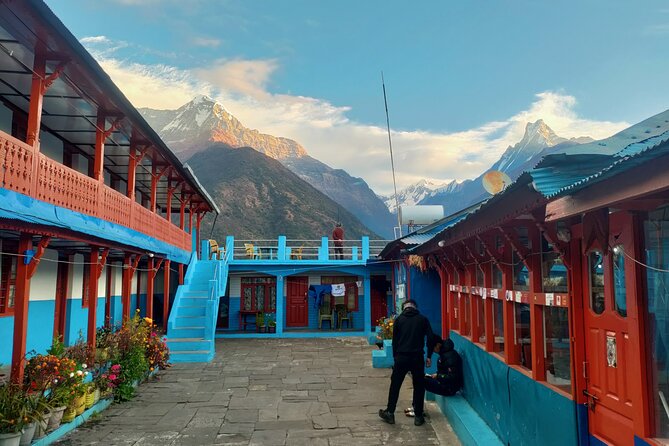
The trail continues uphill through rhododendron and oak forest. Waterfalls and Magar villages add variety, so this day is not just a steady climb toward a bed for the night.
Ghorepani is a popular mountain village with broad views and a cool alpine setting. It is also the staging point for the early morning walk to Poon Hill. You should expect an early start the next day, so use the evening to organize warm clothes, water, and a headlamp if you carry one.
The forest section can feel enclosed at times, then open suddenly near the village and higher viewpoints. I like this change in scenery because the route does not reveal everything at once. The cost is that the uphill walking can feel repetitive if you focus only on reaching the next stop.
Same trailhead, a longer or shorter day out:
- Everest Base Camp Trek – 14 Days
★ 5.0 · 1,499 reviews - Everest Base Camp Trek
★ 5.0 · 842 reviews - Everest Base Camp Trekking
★ 5.0 · 485 reviews - Everest Base Camp Trekking – 13 Day
★ 5.0 · 365 reviews
Day 5: Poon Hill sunrise and the trail to Chhomrong
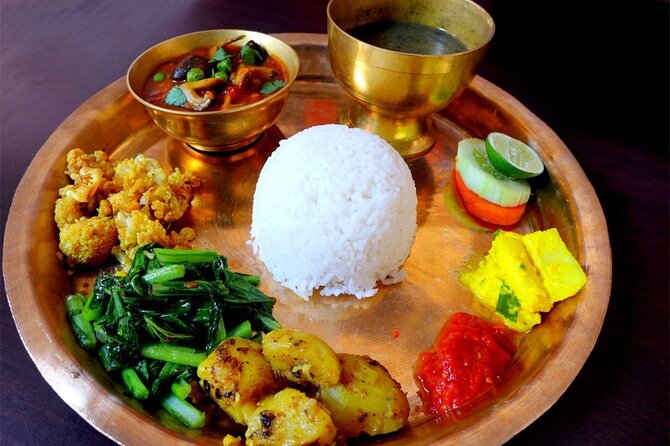
The morning begins before breakfast with a walk to Poon Hill. From the viewpoint, you can watch sunrise over Dhaulagiri, Annapurna, and Machapuchare. This is one of the strongest moments in the whole route, but it comes with a simple price: you must get out of bed while it is still dark and climb before the day has properly started.
After returning to Ghorepani for breakfast, you continue through forested trails toward Chhomrong. The route changes again, with woodland giving way to terraced farmland and village paths.
Chhomrong is a large Gurung village with views toward Annapurna South and the sacred Machapuchare. It is a good place to slow down and notice the human side of the trek. The mountains are the headline, but the stone paths, terraces, and village life make the route feel connected to Nepal rather than just a long walk to a viewpoint.
Day 6: The steep route to Chhomrong
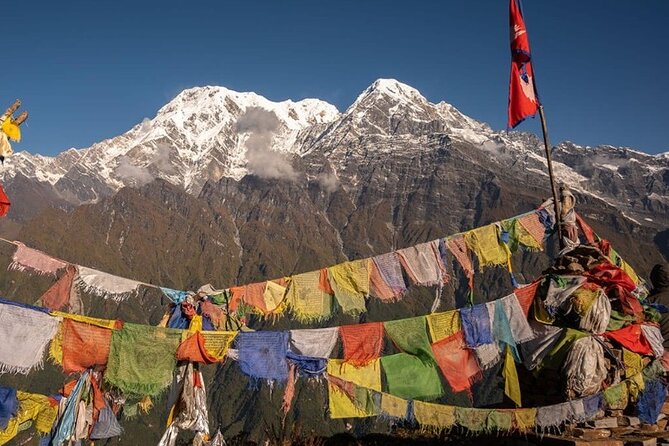
The approach to Chhomrong includes a steep descent to a stream, followed by another climb through farmland and forest. This up-and-down pattern is common in the Annapurna foothills. A day can look modest on a map and still test your legs because the trail loses height before gaining it again.
The village itself is one of the more scenic stops. You get views toward Annapurna South and Machapuchare, while the Gurung setting gives the overnight stay a strong local character.
For you, the useful lesson is to protect your knees on the descent and save energy for the climb afterward. Trekking poles can be valuable here, though they are not specifically listed as part of the tour.
Day 7: Bamboo, Dovan, Himalaya, and the higher gorge
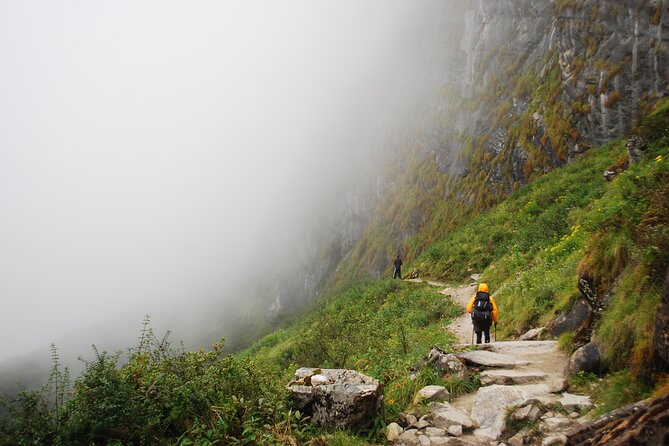
From Chhomrong, the route drops toward the river and then climbs back to Sinuwa. After that, the trail enters bamboo forest and continues through Bamboo and Dovan before reaching Himalaya.
This is a quieter section, with thick forest and a more enclosed feel. The route gradually prepares you for the higher country without sending you straight into exposed alpine terrain. You will notice the scenery becoming more rugged as the path follows the gorge.
The day is described simply as a full day of trekking, so do not expect a quick transfer. The private format is useful here. Your guide can help maintain a pace that fits your group, rather than forcing you to keep up with a large mixed party.
Day 8: Deurali, MBC, and Annapurna Base Camp
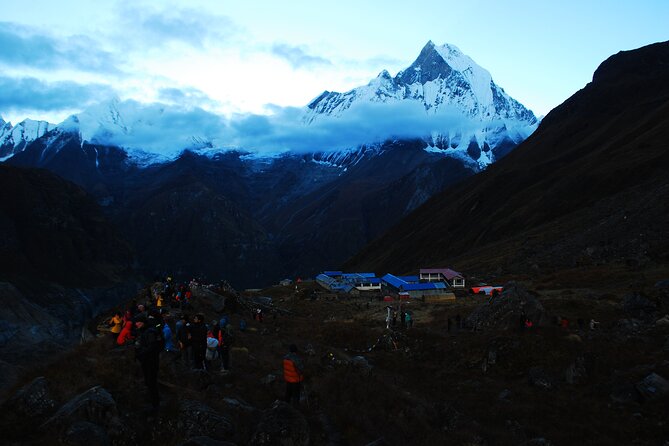
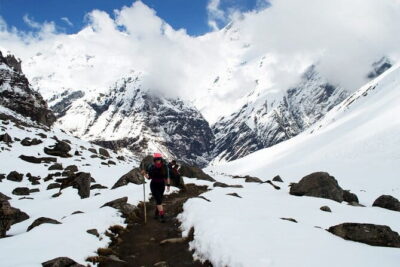
The climb beyond Himalaya passes Deurali and Machapuchare Base Camp, often shortened to MBC. Here, the forest gives way to open alpine meadows, and the views become larger with every step.
The final approach to Annapurna Base Camp is gradual rather than one single wall of climbing. At 4,130 meters, though, even a moderate slope can feel demanding. Take your time, drink water, and pay attention to how you feel. The supplied information does not set out a detailed altitude-safety plan, so ask the operator how the guide handles altitude concerns before you leave.
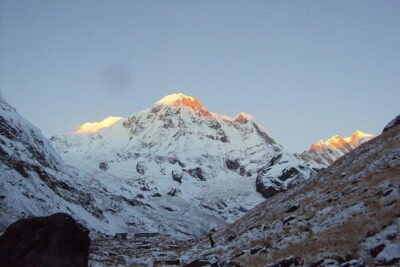
Base Camp is surrounded by high peaks, including Annapurna I and Machapuchare. Sunset here is listed as part of the experience, and the early evening light should be one of the memorable points of the trek. The price includes entrance fees and government fees, which helps explain part of the $1,200 cost.
This is also the point where the physical effort pays off most clearly. You have moved from tropical-feeling forest and terraces into a high mountain bowl in only a few days. The contrast is what makes this route so rewarding.
Day 9: The long return through MBC and Bamboo
After an early sunrise over the Annapurna range, you retrace the trail through MBC, Deurali, and Dovan before reaching Bamboo.
The descent is easier in terms of breathing and uphill effort, but it is still long. Your knees and feet may be more tired than your lungs, so take care on uneven stone paths. The advice to take your time is sound. A rushed descent can turn a good final section into an uncomfortable one.
Returning through familiar places also lets you notice details missed on the way up. Forest sounds, waterfalls, and village paths may feel different when you are no longer focused on gaining altitude.
Day 10: Chhomrong to Jhinu Danda and the hot springs
The trail climbs back to Chhomrong, then descends steeply to Jhinu Danda. This is another day when the route asks you to gain height and then give it back.
The reward is a visit to natural hot springs beside the river. After several days of walking, the chance to soak your legs is more than a pleasant extra. It gives the trek a change of pace before the final return to Pokhara.
Jhinu Danda is one of the most practical highlights of the trip. Poon Hill provides the grand viewpoint, Base Camp provides the high mountain goal, and the hot springs provide physical relief. That mix keeps the trek from becoming a simple sequence of climbs and sleeping stops.
Day 11: Returning to Pokhara
You take a short final walk to Siwai or Nayapul, then drive back to Pokhara. The day is a useful reset after the harder mountain sections.
In Pokhara, you can have a lakeside dinner, book a massage, or simply rest. The itinerary leaves room to reflect on the trek rather than rushing directly into another major activity. If you choose the road option between Pokhara and Kathmandu, this evening also gives you a chance to prepare for the next day.
Day 12: Back to Kathmandu
The final day takes you from Pokhara to Kathmandu by flight or road. Depending on your international flight schedule, you can go straight to the airport or spend another night in the city.
The return transport deserves attention when you plan your flights. A six to eight-hour road trip and a short flight create very different margins for an international departure. Ask the company to confirm the timing before setting your flight.
What the $1,200 price really gives you
At $1,200 per person, this is not a budget walk, but the value depends on how much support you want. The trip lasts 12 days and includes a private group, meals, government fees, entrance fees, WiFi on board, and excess baggage. Pickup is offered, and guide support runs through a route with several transport changes and long trekking days.
Public transportation and airport departure tax are not included. The wording around excess baggage and WiFi on board is also unusual for a mountain trek, so I would ask exactly when those benefits apply and whether any transport supplements are due.
The private format is a strong point. You are not placed into a large group with a fixed pace, and the guide can respond to your needs more directly. Several comments about the company praise personal care, polite service, and helpful guides. Mandip Ji is specifically praised for a calm manner, mountain knowledge, and a consistently friendly attitude.
Who should book this Annapurna trek?
I would recommend it to you if you want a classic Nepal route with a clear goal, but also care about villages, forests, terraces, and time in Pokhara. It suits people who can manage full days of walking and steep stairs without needing a luxury pace.
You do not need to be an expert mountaineer. The route is described as moderate and suitable for novice and experienced trekkers. Still, moderate does not mean easy. The altitude, long descents, and stone steps require preparation.
This trip may be less suitable if you dislike early mornings, basic mountain accommodation, long drives, or repeated uphill and downhill sections. The supplied information does not give detailed accommodation standards, room arrangements, shower access, or a day-by-day walking-hour breakdown, so ask about those points before paying.
The company has earned a perfect 5 rating from four submitted evaluations, with the strongest praise aimed at communication, personal care, friendly guides, and practical help during the trip. That is encouraging, but the small number of evaluations means I would still confirm the exact inclusions and guide assignment in writing.
Cancellation is free up to 24 hours before the start time. Inside that window, the amount paid is not refunded, and changes are not accepted. If poor weather cancels the experience, you are offered another date or a full refund.
Should you book it?
Book this trek if you want Poon Hill sunrise, Annapurna Base Camp, Gurung and Magar villages, and Jhinu Danda hot springs in one organized private trip. The route gives you a satisfying range of scenery and a strong mountain finish for $1,200.
Before booking, confirm the transport choice between Kathmandu and Pokhara, what excess baggage and WiFi mean in practice, the accommodation setup, and the guide assigned to your group. If you are comfortable with long walking days and steep steps, this is a well-rounded Annapurna introduction. If you want a slow holiday with little physical strain, choose something gentler.
FAQ
Where does the Annapurna Base Camp Trek begin?
The experience begins in Kathmandu, Nepal. Pickup is offered, and the listed meeting point is P924+79H Kathmandu, Nepal.
How long is the trek?
The experience lasts approximately 12 days.
How high is Annapurna Base Camp?
Annapurna Base Camp is at an altitude of 4,130 meters.
How do I travel from Kathmandu to Pokhara?
You can choose between a six to eight-hour overland drive and a flight of about 25 minutes.
Is Poon Hill included?
Yes. The itinerary includes an early morning hike to Poon Hill on Day 5, followed by a return to Ghorepani for breakfast.
Are the Jhinu Danda hot springs included?
Yes. The route reaches Jhinu Danda on Day 10, with time to visit the natural hot springs beside the river.
What is included in the price?
Meals, excess baggage, WiFi on board, admission fees, government fees, and entrance fees are listed as included.
What happens if bad weather cancels the experience?
You are offered a different date or a full refund if poor weather causes the experience to be canceled.
Recently added around Kathmandu
- Ghorepani Poon Hill Trek★ 5.0 · 16 reviews
- Private Manaslu Circuit Trek at Himalayas★ 5.0 · 3 reviews
- Amazing 1 Day Trekking Experience in Kathmandu Nepal★ 5.0 · 24 reviews
- Ghorepani Poonhill Trek★ 5.0 · 5 reviews
- Upper Mustang Trekking★ 5.0 · 2 reviews
- Upper Mustang Trekking★ 3.0 · 2 reviews
- Upper Mustang Trekking★ 5.0 · 4 reviews
- Upper Mustang Trek★ 5.0 · 5 reviews
Annapurna Base Camp Treks, compared.
Trekking in Annapurna/Langtang/Everest/Upper Mustang regions
Read our review →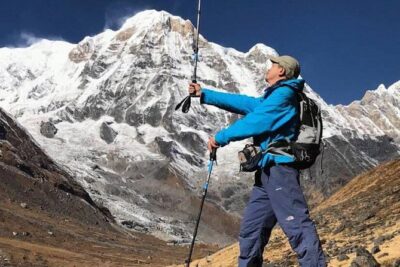
Kathmandu to Annapurna Base Camp (ABC) 5-Day Trek
Read our review →Browse the lists this tour appears in