
REVIEW · KATHMANDU
10 Days Annapurna Base Camp Trek from Kathmandu
Reach the foot of giants on foot. This 10-day Annapurna Base Camp trek combines Himalayan villages, rhododendron forests, waterfalls, and high mountain views with useful road transfers from Kathmandu. I like the private format, which keeps the schedule within your group, and I like that permits, official documents, guide costs, and major transfers are already covered.
The strongest part is the human side. Guides including Krishna, Amrit, Milan, Prakash, Deepak, Biru, and others have been praised for their humor, English, safety care, local knowledge, and flexibility. The main drawback is the physical demand: several days run for six or seven hours, with steep steps, repeated climbs, and a major descent of about 1,700 meters.
Key points at a glance
- A private trek with a local guide: Only your group takes part, and the guide can adjust the pace and offer help along the trail.
- Two long tourist-bus rides: The journey between Kathmandu and Pokhara takes about seven hours each way.
- A steady climb through mountain villages: Ghandruk, Chhomrong, Bamboo, and Deurali each bring different scenery and trail conditions.
- Annapurna Base Camp on day six: The route reaches the high point of the trip after forests, avalanche-prone areas, and snow-capped views.
- Hot springs may be part of the return: Jhinu Danda is included, and one account praises a hot-spring stop, but confirm the exact timing before departure.
- Good coverage for $490: Transport, permits, guide expenses, Pokhara hotels, and key vehicle transfers are included, but meals and drinks are extra.
What the $490 price really covers
At $490 per person, this trek offers solid value if you want the main arrangements handled for you. The price includes hotel pickup and drop-off, the Kathmandu to Pokhara and return tourist bus, two nights in a two-star hotel in Pokhara with breakfast, a licensed English-speaking trekking guide, trekking permits, official documents, and private road transfers between Pokhara, Nayapul, and Siwai.
It also covers your guide’s food, accommodation, and other trip expenses. That matters on a trek, since small daily costs can otherwise add up quickly.
Food and drinks are not included, so budget separately for meals during the walking days. Gratuities are optional. A porter is not listed among the inclusions, so ask before booking if you want someone to carry your main bag.
The private setup is another part of the value. You are not tied to a large group’s pace, which can help if one person needs more breaks or if your group wants time for photos. Group discounts are offered, though the exact terms are not provided.
More Annapurna Treks in Kathmandu
- Annapurna Circuit Trek with Tilicho Lake
★ 5.0 · 368 reviews - Annapurna base camp trek 5 Days
★ 5.0 · 252 reviews - 14-Day Private Annapurna Base Camp Trek
★ 5.0 · 180 reviews
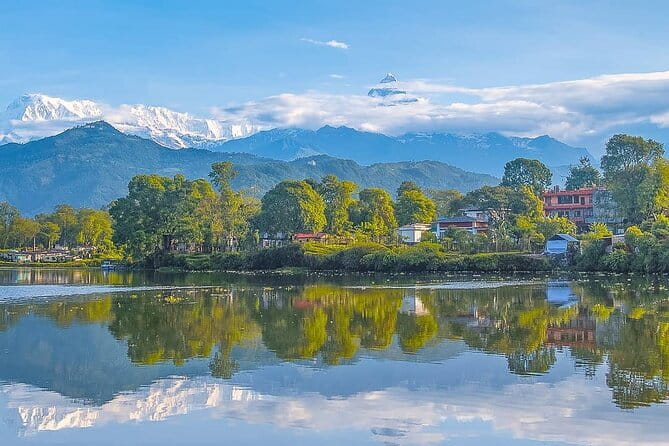
Kathmandu to Pokhara: seven hours before the walking begins
The first day is mostly about reaching Pokhara. Pickup is offered, followed by a tourist bus ride of roughly seven hours through river valleys, hills, and small Nepalese settlements.
This is not a quick transfer. The road journey takes up much of the day, so you should treat it as part of the adventure rather than a minor detail. The bus is described as a luxury sofa-seat tourist bus, which should make the ride more comfortable than basic public transport.
You spend the night in Pokhara at a two-star hotel, with breakfast included during the stay. Pokhara Lakeside gives you a useful pause before the trail starts. You can rest, organize your pack, and prepare for several demanding days on foot.
There is one timing point to clear up. The day description says pickup happens early in the morning, while the published start time is 11:15 am. Confirm your exact pickup time with CAN Travels before the trip.
Day two: Nayapul to Ghandruk by steep village trail
The walking begins after a vehicle transfer from Pokhara to Nayapul. From there, the trail passes through Sauli Bazar and climbs toward Ghandruk.
Allow five to seven hours for this section. The route is described as a steep hill trail, so this is not a gentle introduction. Ghandruk is known for its Gurung culture and mountain setting, giving you an early taste of village life rather than only mountain scenery.
The first walking day can feel long because your body is still adjusting to the rhythm. Keep your day pack light, use the breaks your guide suggests, and do not burn all your energy on the first climb.
The reward is Ghandruk itself. From the village, you can look toward mountain peaks and experience a traditional Gurung community. This cultural element gives the trek more depth than a simple point-to-point hike.
Day three: Ghandruk to Chhomrong and the Gurung way of life
The trail from Ghandruk to Chhomrong crosses Kumrong Danda, with both uphill and downhill sections. The walking time is about six hours.
Chhomrong is one of the key settlements on the route, and the day brings another chance to see the daily life of the Gurung people. The appeal here is not only the scenery. You are moving through inhabited mountain communities, where the villages help explain how people live along this route.
The repeated ascents and descents are worth noting. A six-hour day is not simply six hours of level walking. Expect stone steps, uneven ground, and changes in pace.
Your guide can make a big difference here. Specific guides praised for this trek include Krishna, Amrit, Milan, Prakash, Deepak, and Biru. The strongest feedback focuses on guides who kept people safe, explained local culture, spoke good English, and brought a friendly attitude when the trail became tiring.
Same trailhead, a longer or shorter day out:
- Everest Base Camp Trek – 14 Days
★ 5.0 · 1,499 reviews - Everest Base Camp Trek
★ 5.0 · 842 reviews - Everest Base Camp Trekking
★ 5.0 · 485 reviews - Everest Base Camp Trekking – 13 Day
★ 5.0 · 365 reviews
Day four: Chhomrong to Bamboo through forest and steps
Day four starts with a steep descent from Chhomrong to the Chhomrong Khola. After crossing the stream, the trail climbs again toward Bamboo.
This is a classic mountain day: down first, then up. The route includes repeated uphill and downhill sections, so trekking poles could be useful, though they are not listed as part of the equipment provided.
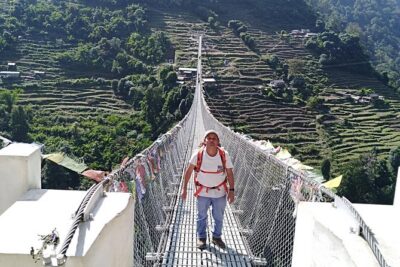
The forest becomes a major feature. Bamboo and rhododendron trees line much of the route, with streams and bridges adding variety. The shade is welcome, but the combination of damp ground, stone steps, and steep grades can slow you down.
Bamboo is a practical overnight point rather than a grand destination. Its value is its position on the route, allowing you to break the journey before the higher sections toward Deurali and Base Camp.
Day five: Bamboo to Deurali through rhododendron forest
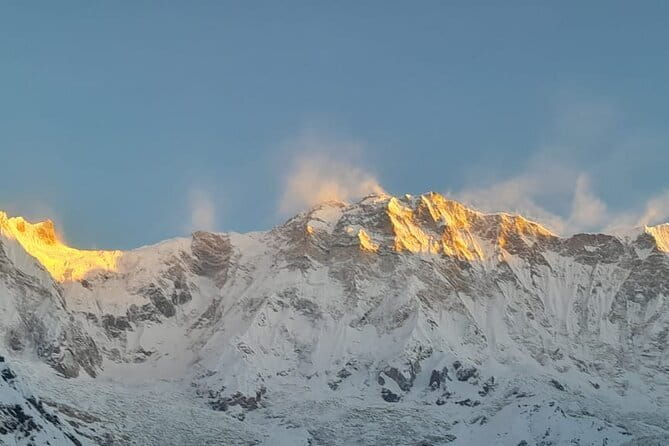
The route from Dovan toward Deurali is described as short and beautiful, taking about seven hours overall. You continue through bamboo and rhododendron forests, with Himalayan peaks appearing through the trees and above the valley.
This day changes the mood of the trek. You are moving away from the lower village sections and closer to the high mountain zone. The forest still provides cover, but the peaks become more prominent.
The trail remains physically serious. A short-looking mountain route can still involve steady climbing and rough footing. Walk at a pace that lets you speak in short sentences without gasping, and keep drinking regularly.
Deurali is the staging point for the main goal. You spend the night knowing that Annapurna Base Camp is next, but you also need to respect the coming day. The guide’s role in setting a safe pace is especially important here.
Day six: Deurali to Annapurna Base Camp
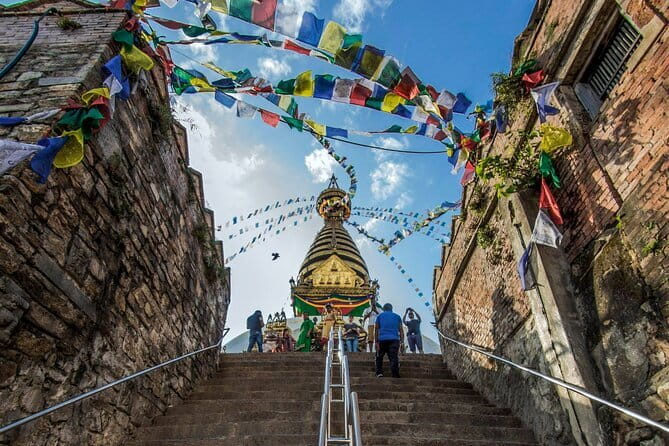
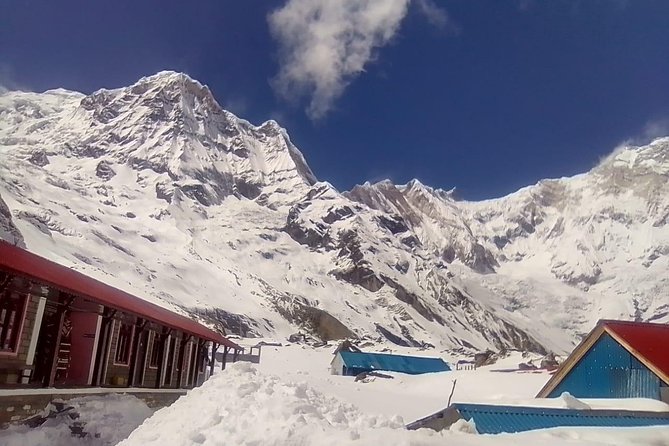
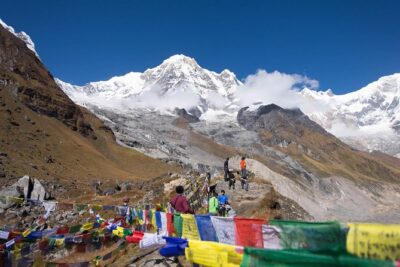
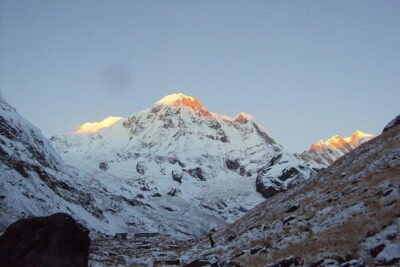
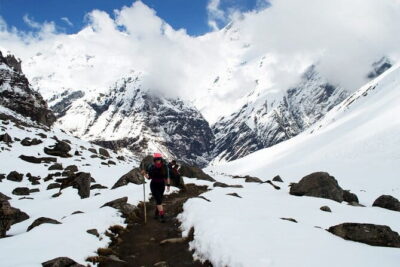
This is the centerpiece of the trek. From Deurali, you move through high alpine forest and toward the snow-capped peaks surrounding Annapurna Base Camp.
The route includes several places known for avalanches. That detail makes this more than a scenic walk. Conditions can change, and you should follow your guide’s instructions closely rather than stopping wherever you like for photographs.
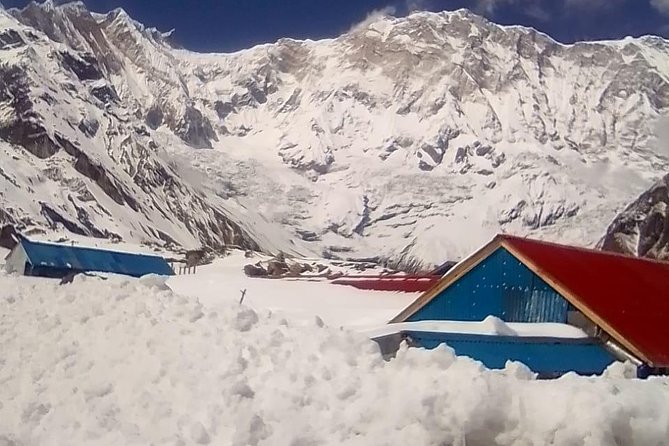
The walking time is about seven hours. The effort pays off when the trail opens toward the mountains and you reach Annapurna Base Camp. The setting is the reason most people choose this route: towering peaks, cold air, open views, and the feeling of having walked into the heart of the range.
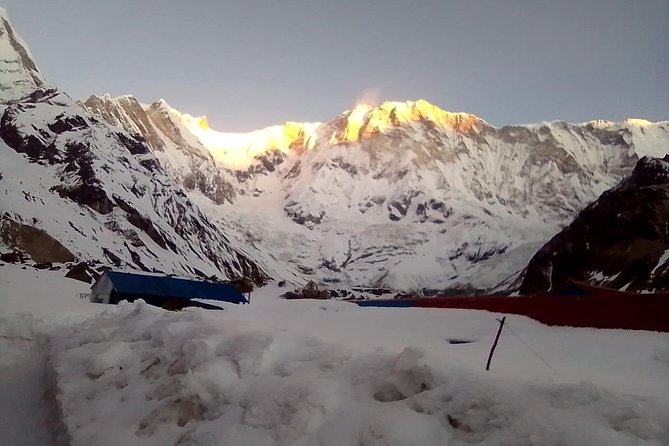
The sunrise views are a major attraction. Ask your guide about the exact morning plan, since clear visibility and the local schedule affect what you can see. Even without perfect weather, the arrival itself is the emotional high point.
One account describes the views from Base Camp as incredible and says the walking was worth it. That matches the structure of the trip: the first five days build toward this moment, and the return route lets you see familiar terrain from a different direction.
Day seven: the long drop from Base Camp to Bamboo
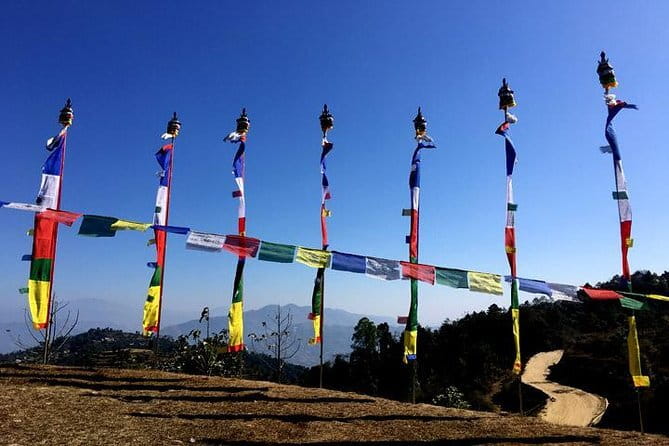
After spending time with the mountains, you begin the return to Bamboo along the same route. The walking time is about six hours, with a descent of roughly 1,700 meters.
That figure tells you what to expect. Descending is often harder on the knees than climbing is on the lungs, especially on stone steps. Take short, controlled steps and use breaks before your legs begin to shake.
The return route may feel less exciting at first, but it gives you another view of the forests, bridges, and valley. You may also notice details missed during the climb, since the pressure of reaching Base Camp has passed.
Bamboo is a useful overnight stop because it breaks up the steep descent. This is another reason the 10-day structure works better than trying to rush back in fewer days.
Day eight: Bamboo to Jhinu Danda and the possibility of hot springs
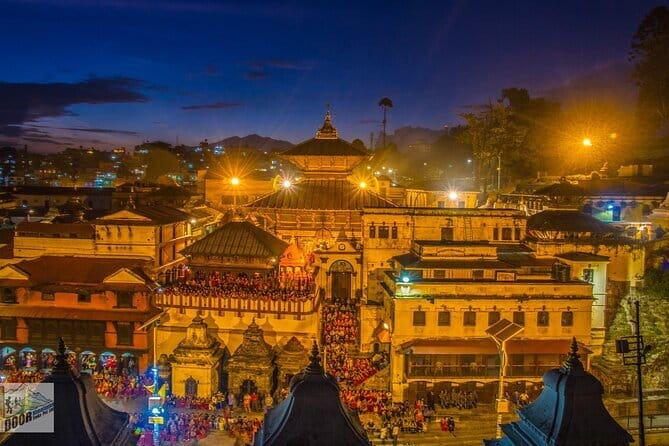
The trail continues from Bamboo toward Jhinu Danda. You make a steep ascent to Kuldi Ghar, pass through Sinuwa, follow stone steps toward Lower Chhomrong, and then climb again.
The day takes about six hours and includes another thousand-meter climb according to the description. That makes Jhinu Danda more than a soft landing after Base Camp. You still need good legs and patience.
Jhinu Danda is associated with hot springs, and a praised experience included a hot-spring visit that was described as especially welcome after the trek. The exact schedule is not clearly fixed in the supplied details, so confirm whether the hot springs are included in your group’s plan and on which day.
The stop can be a fine way to ease tired muscles, but do not assume it replaces the day’s climbing. The route remains active and steep in places.
Day nine: Siwai to Pokhara after the final trail section
After breakfast, you trek to Siwai. From there, a shared jeep or bus takes you to Nayapul, followed by a private car or jeep to Pokhara.
The walking is described as one of the easiest parts of the trip, though you still need to account for the road transfers. This mixed transport arrangement is practical because it avoids repeating the full trail back to Nayapul.
You return to Pokhara for the night. It is a useful recovery stop after the high route, and the included hotel arrangement gives you a proper bed before the final road journey.
The private vehicle between Nayapul and Pokhara is a valuable inclusion. It reduces the uncertainty of arranging the last connection yourself, though the first portion uses shared transport.
Day ten: Pokhara to Kathmandu by tourist bus
The final day follows the highway back through rivers, hills, and small settlements. The tourist bus ride takes about seven hours and ends in Kathmandu Valley.
This is another full road day, so avoid planning a tight onward connection unless you have plenty of extra time. Traffic and road conditions can affect the arrival time, and the published duration is an estimate.
Hotel drop-off is included. That simple detail is useful after ten days of walking and long transfers, especially if you do not want to negotiate transport after reaching the tourist bus park.
Guide quality and the private format
The most strongly praised part of this experience is the guiding. Krishna is described as helpful, funny, and easy to understand. Amrit is praised for his care and positive attitude. Milan is credited with attention to safety and detail, while Prakash is described as making the trek easy to manage.
Deepak is noted for explaining local plants and animals, and Biru for being proactive and good company. These details matter because a guide on the Annapurna route does more than point toward the next village. The guide controls the pace, helps with trail decisions, explains local life, and watches for signs that someone needs a break.
The experience is private, so only your group participates. That gives you more control than a fixed large-group departure, but it also means you should discuss your group’s fitness and preferences before setting out.
What to pack and what to clarify
The tour provides a normal emergency first-aid kit with the guide, but personal preparation is still your responsibility. Bring walking shoes or boots with good grip, warm layers for Base Camp, rain protection, a small day pack, water, sunscreen, and basic personal medication.
Meals are not included, so ask how much cash you should carry and whether food can be purchased at each overnight stop. The supplied information says food and drinks are available for purchase, but it does not state meal prices.
Also confirm the pickup time, porter arrangements, hot-spring plans, and the exact hotel names in Pokhara. These are small questions that prevent confusion later.
Free cancellation is available if you cancel at least 24 hours before the experience starts. Changes or cancellations inside that window are not accepted for a refund.
Who should book this Annapurna trek?
I would choose this trip if you want a guided route to Annapurna Base Camp without arranging permits, buses, hotel nights, and trail transfers on your own. It suits people with moderate fitness who can manage six to seven hours of walking, steep steps, and major elevation changes.
It is less suitable if you want luxury mountain lodges, included meals, a slow schedule, or short walking days. The two-star Pokhara hotel is practical, but the package is built around access and organization rather than comfort.
The $490 price is attractive because many major costs are included. Just remember to add meals, drinks, tips, and possibly a porter to your budget.
Should you book it?
Book this trek if your priority is a well-organized route with a private group, a local English-speaking guide, and strong coverage of permits and transport. The best reasons to choose it are the direct path to Base Camp, the cultural stops at Ghandruk and Chhomrong, and the guide support praised by name.
Before paying, confirm the 11:15 am start time against the early pickup wording, ask about porter service, and clarify the hot-spring stop. If those details suit you and you are ready for steep six-hour days, this is a good-value way to reach Annapurna Base Camp from Kathmandu.
FAQ
How long does the Annapurna Base Camp trek take?
The experience lasts approximately 10 days, including travel between Kathmandu and Pokhara and the walking route to and from Annapurna Base Camp.
Is hotel pickup and drop-off included?
Yes. Hotel pickup and drop-off are included.
How do I travel between Kathmandu and Pokhara?
You travel by luxury sofa-seat tourist bus. Each journey takes about seven hours.
Are Pokhara hotel nights included?
Yes. Two nights in a two-star hotel in Pokhara are included, with breakfast.
Are meals and drinks included?
No. Food and drinks are available for purchase but are not included in the tour price.
Is this a private trek?
Yes. This is a private activity, and only your group participates.
What cancellation terms apply?
You can receive a full refund if you cancel at least 24 hours before the experience starts. Cancellations or changes made less than 24 hours before the start time are not accepted for a refund.
Recently added around Kathmandu
- Ghorepani Poon Hill Trek★ 5.0 · 16 reviews
- Private Manaslu Circuit Trek at Himalayas★ 5.0 · 3 reviews
- Amazing 1 Day Trekking Experience in Kathmandu Nepal★ 5.0 · 24 reviews
- Ghorepani Poonhill Trek★ 5.0 · 5 reviews
- Upper Mustang Trekking★ 5.0 · 2 reviews
- Upper Mustang Trekking★ 3.0 · 2 reviews
- Upper Mustang Trekking★ 5.0 · 4 reviews
- Upper Mustang Trek★ 5.0 · 5 reviews
Annapurna Base Camp Treks, compared.

Trekking in Annapurna/Langtang/Everest/Upper Mustang regions
Read our review →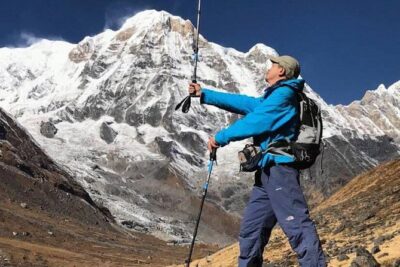
Kathmandu to Annapurna Base Camp (ABC) 5-Day Trek
Read our review →Browse the lists this tour appears in