
REVIEW · KATHMANDU
Private Lobuche East Peak Climb and Mt Everest Base Camp Trekking
Reach two Himalayan milestones in one trip. This 17-day private journey combines Lobuche East Peak at 6,119 meters with Everest Base Camp, the Gokyo Valley, and the demanding Cho La Pass. I like the route for two clear reasons: it gives you more than the standard Everest Base Camp walk, and it keeps the group private, so the pace and support are focused on your party.
The other strong point is the practical package. Meals from days 3 through 15, camping and climbing equipment, entrance fees, taxes, and the Lobuche climbing permit are included. The main caution is the altitude and physical demand. Calling Lobuche East a fairly easy Himalayan climb does not make it easy for everyone, and personal gear, insurance, emergency costs, and alcoholic drinks are extra.
Key points to know before booking
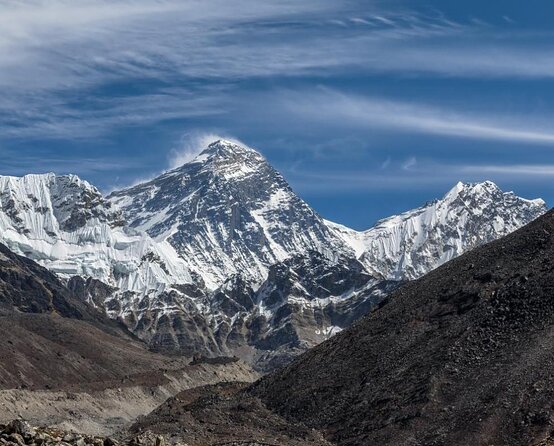
- Three major objectives in one route: You trek through Gokyo Valley, cross Cho La Pass, visit Everest Base Camp, and climb Lobuche East.
- A private group: Only your party takes part, which can make a real difference during long trekking and climbing days.
- The summit is the headline moment: Clear morning views from Lobuche East have been praised as the finest part of the trip.
- A local operator with repeat customers: Three Jewels Adventures has arranged more than one successful climbing trip for some clients, including Lobuche East and Island Peak.
- A substantial package for $2,470: The price covers meals for most of the trekking period, permits, entrance fees, taxes, camping, and climbing equipment.
- You need genuine mountain readiness: Moderate physical fitness is required, and the high altitude is the main challenge, not just the walking distance.
Why this route offers more than standard Everest Base Camp
A direct Everest Base Camp trek is already a major mountain trip. This route adds two important changes: Gokyo Valley and Cho La Pass before the Everest Base Camp section, followed by the Lobuche East climb.
That makes the experience broader and harder. You are not simply walking to Base Camp and returning. You are moving through several different parts of the Everest region, then taking on a 6,119-meter summit attempt.
I like that structure for anyone who wants a stronger sense of the region. Gokyo gives the trip a second high-altitude setting, while Cho La adds a serious pass crossing. Everest Base Camp then becomes one part of a larger journey rather than the sole target.
The tradeoff is time and energy. A 17-day schedule leaves less room for casual wandering or long rest periods than a slower trekking holiday. You should choose this route because you want the added challenge, not because you hope to squeeze a mountain climb into an easy vacation.
More Everest Base Camp Treks in Kathmandu:
- Everest Base Camp Trek – 14 Days
★ 5.0 · 1,499 reviews - Everest Base Camp Trek
★ 5.0 · 842 reviews - Everest Base Camp Trekking
★ 5.0 · 485 reviews
Days 1 and 2: Kathmandu and preparation
The tour begins in Kathmandu, with pickup offered and confirmation provided when you book. The stated meeting and operating hours run from 7:15 AM to 7:15 PM, Monday through Sunday, during the listed operating period.
The supplied details do not give a full day-by-day account of the Kathmandu portion, so you should ask the operator exactly how arrival, equipment checks, permits, and transport are handled before departure. That is especially important for a peak climb, where missing personal equipment can become a serious problem.
Three Jewels Adventures has received particularly positive feedback for communication and organization. Amber is named as the trip manager, and one client described communication with Amber as courteous, professional, and responsive before a planned April departure.
That is useful information, but you should still confirm the practical details in writing. Ask what climbing equipment is supplied, what you must bring yourself, and how the schedule works if weather interrupts the climb.
Days 3 through 15: What the included meals mean
All meals are included from day 3 through day 15, along with coffee and tea. This is a valuable part of the price because food costs can add up during a long mountain trip, especially when access becomes more difficult at higher elevations.
The information does not specify menus, meal locations, or dietary arrangements. If you have allergies, vegetarian requirements, or other food needs, contact Three Jewels Adventures before booking rather than assuming the standard meals will suit you.
The long included-meal period also makes budgeting easier. You still need money for personal purchases and excluded drinks, but the main food cost is covered for most of the active trek.
Gokyo Valley: the quieter opening to the high route
Gokyo Valley is the first major feature of the route. It gives you a different approach to the Everest region before the trip turns toward Cho La Pass and Everest Base Camp.
Because the route includes Gokyo rather than taking the most direct Base Camp path, you get a fuller mountain itinerary. You also accept extra trekking effort in return. The tour description does not list every village, overnight stop, or walking time, so you should request the final schedule if daily distances matter to you.
For me, Gokyo is appealing because it prevents the trip from feeling like a single-purpose march. You have time to experience another high valley before the summit attempt. The cost is that your legs and lungs have more work to do before Lobuche East.
A few more treks around Kathmandu worth a look
- Annapurna Circuit Trek with Tilicho Lake
★ 5.0 · 368 reviews - Everest Base Camp Trekking – 13 Day
★ 5.0 · 365 reviews - Everest Base Camp Trek
★ 5.0 · 350 reviews - Everest Base Camp Trek -14 Days
★ 5.0 · 321 reviews
Cho La Pass: the route’s serious test
Cho La Pass is one of the most demanding parts of the journey. It links the Gokyo section with the Everest Base Camp route and gives the trip its high mountain character.
The supplied information does not state the pass elevation, crossing time, or exact conditions. That means you should not judge the difficulty from the phrase fairly easy climb. The pass and the summit are separate challenges, and both require preparation.
Good physical fitness matters here. The operator describes the trip as suitable for people with a moderate fitness level, but you should read that as a minimum general guide rather than a guarantee of comfort. You will be better prepared if you already handle long uphill walks and repeated strenuous days well.
Weather also matters. The operator states that the experience requires good weather and may be moved to another date or fully refunded if poor conditions cause cancellation. Mountain weather can affect both the pass and the summit plan, so flexibility is part of the deal.
Everest Base Camp: a major stop, not the finish line
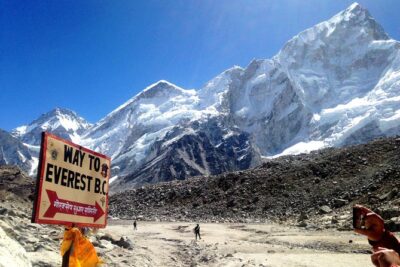
Everest Base Camp is included after the Gokyo Valley and Cho La Pass sections. For many people, reaching Base Camp would be the main purpose of a Nepal trek. Here, it is one milestone on the way to Lobuche East.
That changes how you should think about the experience. You are not finishing at Base Camp and relaxing. The climbing objective still demands attention, equipment, and energy. If your main wish is simply to reach Base Camp, a shorter and less technical trip may suit you better.
If you want the Base Camp experience plus a serious peak objective, this route gives you more value than a standard trek. You also gain a better sense of scale by approaching Everest from several directions instead of following one straightforward route.
Lobuche East at 6,119 meters
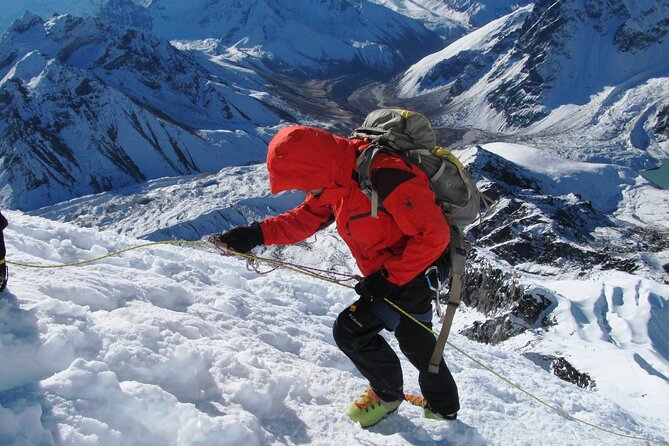
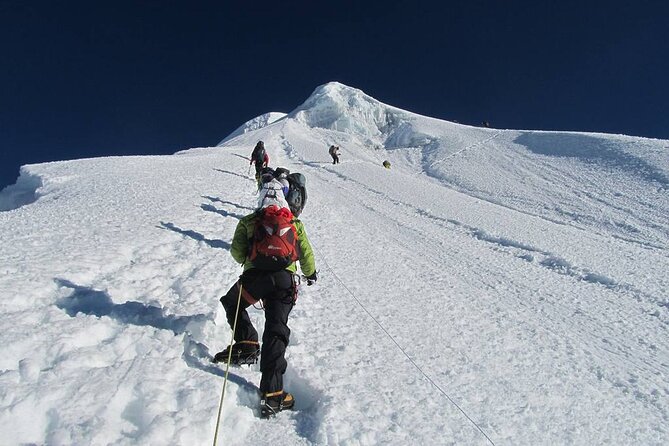
The summit attempt is the defining feature of the trip. Lobuche East reaches 6,119 meters, high enough that altitude becomes a central concern. The climbing section is supported by camping and climbing equipment, and the climbing permit is included.
The phrase fairly easy is relative. Lobuche East may be considered a suitable short Himalayan climb for people with the right preparation, but it remains a high-altitude ascent. You should be ready for cold, fatigue, changing weather, and the need to follow your guide’s decisions closely.
The strongest praise connected with this trip concerns the summit views on a clear morning. That detail tells you when the reward is greatest: the top, in good conditions, can be the moment that makes the long route worthwhile.
Safety support is another major part of the experience. One client who had climbed both Lobuche East and Island Peak with the company said the guides worked hard to support success and safety. That does not remove the risks of mountaineering, but it suggests that guide support is one of the operator’s main strengths.
You should ask what is included in the phrase climbing equipment. Personal trekking gear is specifically excluded, and emergency costs and insurance are also excluded. Confirm your required clothing, boots, head protection, sleeping equipment, and technical items before you arrive.
The return to Kathmandu
After the peak and Base Camp sections, the route returns to Kathmandu. The total duration is about 17 days, giving you a substantial Himalayan trip without extending into a month-long expedition.
The return matters because it gives the journey a clear finish rather than leaving you to arrange the last part on your own. Still, the supplied information does not list the exact return transport or final-day timing. If you have an international flight soon afterward, ask how much buffer the company recommends.
A private trip can make this final stage easier to adjust, but only if the operator has room to change the schedule. Mountain delays are possible, so avoid booking a tight onward connection.
What $2,470 includes, and what it does not
At $2,470 per person, this is not a cheap trek, but it is also more than a basic walking package. You are paying for a 17-day private experience with a peak climb, a major pass, Gokyo Valley, and Everest Base Camp.
The included items are useful:
- Meals from day 3 through day 15
- Coffee and tea
- Camping equipment
- Climbing equipment
- Entrance fees
- All stated fees and taxes
- Lobuche climbing permit
That package reduces several large costs and makes the price easier to assess. The private format also adds value if you care about having only your own group on the trip.
You must budget separately for alcoholic drinks, personal trekking gear, emergency expenses, and insurance. The last two deserve special attention. Emergency support can be costly in the mountains, and insurance is not included, so arrange suitable cover before departure.
The price is strongest for someone who wants the full combination of trekking and climbing. It is harder to justify if you only want Everest Base Camp and have no interest in Cho La or Lobuche East.
Private group support and the human side
Only your group participates, which gives this experience a more personal feel than a large shared departure. A private format may help with pacing, questions, and day-to-day decisions, though the exact maximum group size is not provided.
The company’s praised qualities are practical rather than flashy. Communication, courtesy, reliability, and help with successful climbs come through as its strongest points. Three Jewels Adventures has also handled repeat bookings, including both Lobuche East and Island Peak, which suggests some clients trust the team with demanding mountain plans.
Amber is the only named staff member in the supplied information, and the comments focus on Amber’s pre-trip communication. You should ask for the names and roles of the guides assigned to your departure before you travel.
Who should book this climb?
I would recommend this experience to you if you:
- Want Everest Base Camp plus a genuine peak climb
- Prefer a private group rather than a shared tour
- Can handle long, strenuous mountain days
- Like a route that includes Gokyo Valley and Cho La Pass
- Want permits, meals, taxes, and climbing support grouped into one price
- Are comfortable preparing your own personal gear and insurance
I would be more cautious if you:
- Have only limited hiking experience
- Want a relaxed holiday with plenty of spare time
- Need a fully supplied personal equipment list
- Are uncomfortable with weather-related changes
- Only want to reach Everest Base Camp and do not care about climbing Lobuche East
The operator asks for a moderate fitness level, but I would prepare beyond the bare minimum. The route combines altitude, a high pass, and a summit attempt. You should also ask direct questions about acclimatization, daily walking hours, equipment, emergency procedures, and the backup plan for poor weather.
Free cancellation is available if you cancel at least 24 hours before the start time. Cancellations made later are not refunded, and changes within 24 hours are not accepted. If bad weather forces the experience to be canceled, you are offered another date or a full refund.
Should you book the Lobuche East and Base Camp route?
Book it if you want a serious, varied Himalayan trip rather than a simple Base Camp walk. The combination of Gokyo Valley, Cho La Pass, Everest Base Camp, and a 6,119-meter summit gives you a lot for 17 days, and the private format plus included permit, meals, taxes, and climbing support make the $2,470 price reasonable for the right person.
Do not book it casually. The main risks are the high altitude, demanding schedule, weather, and extra cost of personal equipment, insurance, and emergencies. If you prepare carefully and want the summit to be the central reward, Three Jewels Adventures appears to offer a well-supported route with strong communication and a good record of helping clients complete ambitious climbs.
FAQ
How long is the Lobuche East and Everest Base Camp trip?
The experience lasts approximately 17 days.
What places are included in the route?
The route includes Gokyo Valley, Cho La Pass, Everest Base Camp, Lobuche East Peak, and a return to Kathmandu.
How high is Lobuche East Peak?
Lobuche East Peak reaches 6,119 meters above sea level.
Are meals included?
Yes. All meals are included from day 3 through day 15. Coffee and tea are also included.
Is this a private tour?
Yes. Only your group participates in the private tour or activity.
Is travel insurance included?
No. Emergency costs and insurance are not included. Personal trekking gear and alcoholic drinks are also excluded.
Recently added around Kathmandu
- Ghorepani Poon Hill Trek★ 5.0 · 16 reviews
- Private Manaslu Circuit Trek at Himalayas★ 5.0 · 3 reviews
- Amazing 1 Day Trekking Experience in Kathmandu Nepal★ 5.0 · 24 reviews
- Ghorepani Poonhill Trek★ 5.0 · 5 reviews
- Upper Mustang Trekking★ 5.0 · 2 reviews
- Upper Mustang Trekking★ 3.0 · 2 reviews
- Upper Mustang Trekking★ 5.0 · 4 reviews
- Upper Mustang Trek★ 5.0 · 5 reviews
Everest Base Camp Treks, compared.




Browse the lists this tour appears in