
REVIEW · KATHMANDU
Mardi Himal Trek
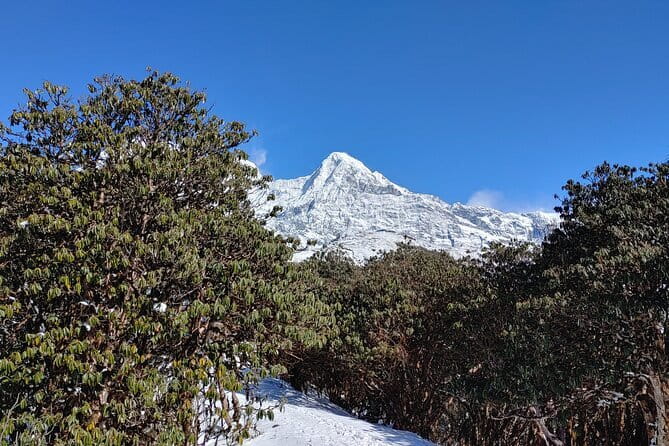
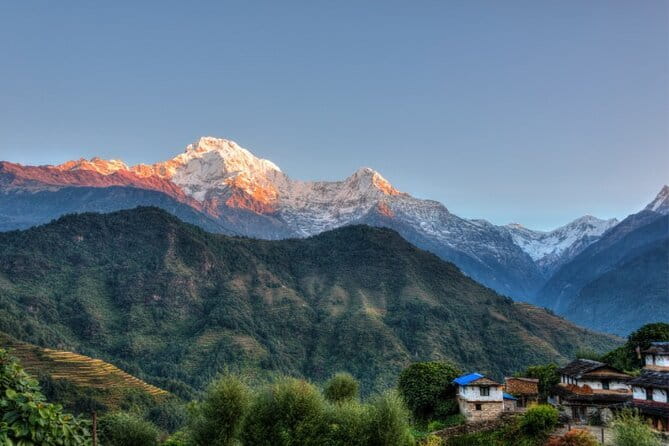
Mountain views arrive early here. The Mardi Himal Trek combines a manageable Himalayan route with striking sights of Annapurna, Machhapuchhre, and Mardi Himal, making it a strong first trek for hikers with moderate fitness. I like the carefully supported setup, including domestic flights, permits, a trained guide, porter help, and warm gear. I also like that the route passes through forest, villages, tea gardens, and high mountain lodges rather than rushing straight to a base camp. The main caution is altitude: Mardi Base Camp reaches about 4,500 meters, and cold, steep sections can make this much harder than the phrase beginner-friendly suggests.
This is an 11-day private trip from Kathmandu, priced at $1,058 per person. The most praised guide in the feedback is Birendra, who is repeatedly described as careful, friendly, funny, and good at adapting the route to weather and conditions. You should also know that meals in Kathmandu and Pokhara are mostly your responsibility, and hot showers, WiFi, drinks, tips, insurance, and personal costs are extra.
Key points to know before booking
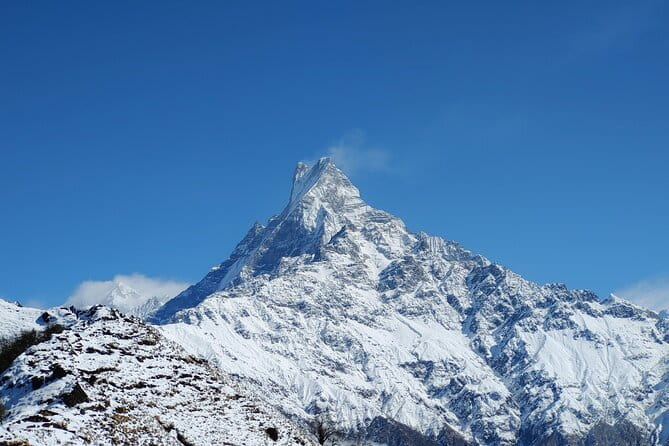
- Mardi Base Camp reaches about 4,500 meters: This is the high point and the most demanding day, even though the route suits many first-time trekkers.
- The route changes character every day: You walk from village paths to rhododendron and pine woods, then above the tree line toward High Camp and the base camp.
- Flights save valuable time: Kathmandu to Pokhara and back are included, along with private ground transfers.
- Guide and porter support are included: Your guide’s meals, lodging, insurance, and salary are covered, as are the porter’s basic costs.
- Cold-weather gear is available: A down jacket, sleeping bag, and duffel bag can be provided on request and must be returned.
- The best scenery is not limited to the summit day: The viewpoint above High Camp and the sunrise around Lwangghale add variety to the trip.
Why this trek works for first-time Himalayan hikers
I like the balance here. You get a real high-altitude trek, not a soft day walk with a mountain photo at the end, but the schedule gives you shorter walking days above 3,000 meters. That matters. A good trekking plan is not simply about covering distance. It is about giving your body time to adjust.
The route also has a pleasant rhythm. You begin with city time in Kathmandu, fly to Pokhara, drive to Kande, and then walk through villages and forest before reaching the high camps. After the base camp, you descend through Sidding and Lwangghale rather than retracing every step.
The word easy needs care. The early trail may feel reasonable, but the climb to High Camp and Mardi Base Camp can be tiring. Thin air, cold nights, uneven ground, and long walking hours are part of the deal. You need moderate physical fitness, sturdy footwear, and patience on uphill sections.
More Mardi Himal Treks in Kathmandu
- Mardi Himal Trek Nepal
★ 5.0 · 29 reviews - Mardi Himal Trek – 8 Days | Hidden Gem of the Annapurnas
★ 5.0 · 19 reviews - Mardi Himal Base Camp Trek -9 Days
★ 5.0 · 18 reviews
Days 1 and 2: Kathmandu to Pokhara and Kande
Your first day begins at Kathmandu airport. A company representative or tour leader meets you, handles the transfer, and takes you to Thamel. The scheduled airport and hotel transfer takes about 30 minutes, leaving you time to rest before the walking begins.
Thamel is a useful place to settle in. You can sort clothing, check your bags, and make sure you have the personal items not supplied by the company. Since the tour provides a down jacket, sleeping bag, and duffel bag on request, ask early if you need them.
Day 2 starts with an early flight from Kathmandu to Pokhara. The domestic flight is included for you and the guide, which is a real convenience. A road journey would take much longer and could eat into your trekking time.
From Pokhara, a private vehicle takes you to Kande. The walk then begins through easier paths toward Deurali. The day lasts about five hours, so it gives you a useful introduction without throwing you straight into the hardest climbs.
You should pay attention to how your body feels here. The first day on foot is the right time to adjust your pack, socks, boots, and walking pace. Do not wait until Forest Camp to discover that something rubs.
Days 3 and 4: Deurali, Forest Camp, and Low Camp
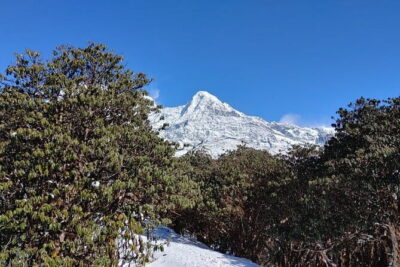
After a hearty meal in Deurali, you walk for about six hours toward Forest Camp. The route begins fairly level, then moves through woodland. Rhododendron trees are a major pleasure on this section, especially in spring when the flowers add strong color to the route.
Forest Camp gives the trek a different feel from the open village paths. You are surrounded by trees, and the walking becomes quieter and more enclosed. It is a lovely section, but the forest can also make the trail feel more tiring because the views are less constant. You will need to enjoy the walking itself, not expect a mountain panorama every minute.
Day 4 continues through mixed woodland toward Low Camp. Because you are now above 3,000 meters, the planned walking time is shorter, around five hours. That slower pace is sensible. The guide may ask you to drink more water, walk steadily, and avoid racing ahead.
Low Camp is an important transition point. The trees begin to thin, and the route starts to feel more exposed. You may find the combination of altitude and cold more noticeable here. A warm layer should be easy to reach in your day bag, not buried in the duffel.
Day 5: High Camp and a proper altitude break
Day 5 is another shorter walking day, planned at about five hours. The purpose is not to collect distance. It is to let you adjust before the base camp push.
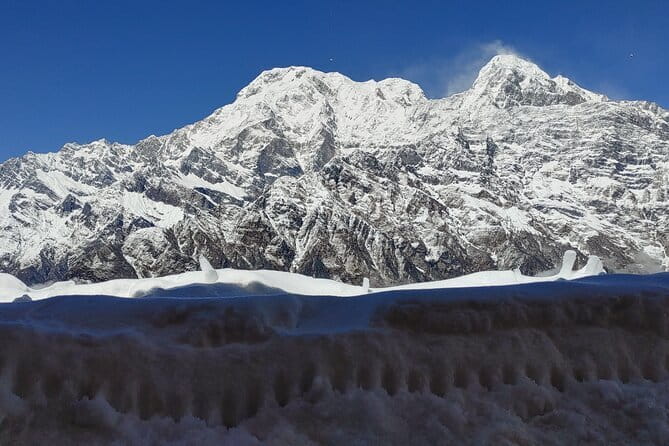
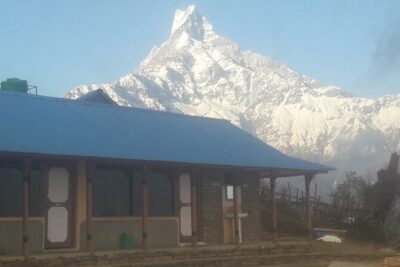
The schedule includes a walk through rhododendron and pine forest, with a lunch stop at Low Camp. From there, you continue toward High Camp. The upper route brings larger views of the Annapurna Massif, Machhapuchhre, and Mardi Himal.
This is the point where the trek may feel serious. High Camp sits above 3,000 meters, and cold weather is likely to matter more than it did in the low valleys. One useful tip from the trip feedback is simple: bring enough warm clothing. Do not assume the down jacket alone will solve every cold-weather problem.
Food is available at the mountain lodges, so you do not need to carry every meal. Small snacks are still useful. One particularly cheerful suggestion from the feedback is to try pizza at High Camp, a reminder that mountain lodge food can offer pleasant surprises.
Same trailhead, a longer or shorter day out:
- Everest Base Camp Trek – 14 Days
★ 5.0 · 1,499 reviews - Everest Base Camp Trek
★ 5.0 · 842 reviews - Everest Base Camp Trekking
★ 5.0 · 485 reviews - Annapurna Circuit Trek with Tilicho Lake
★ 5.0 · 368 reviews
Day 6: The climb to Mardi Base Camp
This is the big day. After breakfast, you walk toward Mardi Himal Base Camp, with about seven hours scheduled for the full outing.
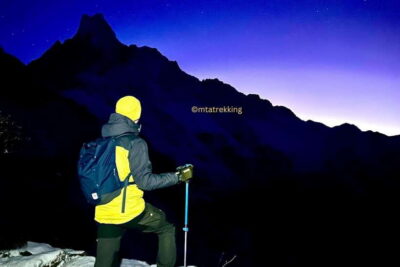
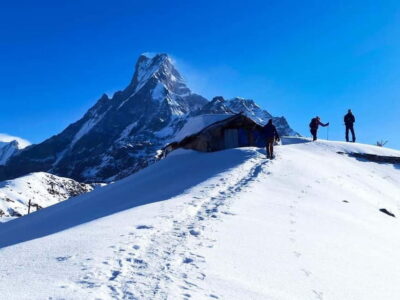
The route includes a viewpoint with broad views of the Annapurna range, Machhapuchhre, and Mardi Himal. The scenery becomes the reward for the slower uphill work. The base camp reaches about 4,500 meters, so you should expect the air to feel thin and the walking to take more effort than the distance alone suggests.
I like that the base camp is treated as the high point of the trip rather than a quick photo stop. Reaching it can feel emotional, especially after several days of steady climbing. You get a clear sense of progress: village, forest, high camp, then the mountain viewpoint and base camp.
The practical issue is weather. Mountain conditions can change, and one piece of feedback describes the guide and porter adjusting the route around weather and difficulties. That flexibility is valuable. A strict schedule is less useful than a sensible guide who knows when to slow down or alter a plan.
You should also be realistic about altitude symptoms. The supplied plan stresses hydration, and you should follow that advice. If you feel unwell, tell your guide promptly. A private trip helps here because the pace can be managed around your own group rather than a large mixed party.
Day 7: Descending to Sidding
After the high point, you descend toward Sidding for about six hours. The first part passes through rhododendron and pine trees, bringing shade and a welcome change after the open high sections.
The descent is not automatically easy. Knees can suffer after a demanding summit day, and one piece of feedback describes tired knees during the final days. Trekking poles may help, though they are not listed among the supplied equipment, so you should ask the company about them or arrange your own.
You may stop at Low Camp for food, depending on the timing. The return route offers a chance to notice details missed on the way up. The same forest looks different when you are descending, and your attention is less fixed on gaining height.
Sidding provides a more grounded end to the high-altitude portion. From here, the trip shifts toward villages and local scenery rather than thin air and mountain ridges.
Day 8: Village paths and Lwangghale
Day 8 is often the prettiest walking day for people who enjoy cultural detail as much as big peaks. The route toward Lwangghale takes about six hours and is mostly flat.
Lwangghale is described as a charming village with old family houses. This is the kind of stop that gives the trek character. You are not only walking to a height on a map. You are passing through a settled place with its own buildings, tea gardens, and daily life.
The route also offers a gentler physical pace after the base camp. Flat walking can still take time, but it gives your legs a break from constant climbing and descending. I would keep your camera ready here, but also leave room to simply observe. The village section is one of the trip’s more local moments.
Day 9: Sunrise, tea gardens, and Pokhara
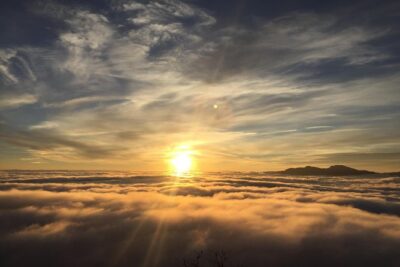
Rise early in Lwangghale for a walk through the surrounding tea gardens. Sunrise adds a quiet final mountain moment before breakfast and the return to Pokhara.
After the walk, you return to the guesthouse, eat, and continue toward Pokhara. The day is planned at about five hours. The change from walking lodge to lakeside city can feel sudden, but that is part of the appeal. You move from high trails to restaurants, hotels, and easier transport in a single day.
Your Pokhara hotel is in the three-star category and includes breakfast. Other meals in Pokhara are not generally covered, except where specifically listed. Budget for food and drinks here rather than assuming every meal is part of the package.
Day 10: Pokhara sightseeing after the trek
Day 10 gives you a proper rest from the trail, though it is still active. After breakfast at a lakeside spot, you can visit sights including Davis Waterfall and Gupteswor Mahadev Cave.
This is a good use of the final Pokhara day. You have time to recover while seeing a different side of the region. The city stop also helps break up the long return journey to Kathmandu.
The itinerary allows about five hours for sightseeing. Since the tour is private, your group has more room to set the pace than it would on a large shared departure. Still, the exact feel of the day may depend on timing, weather, and how tired you are after the trek.
Day 11: Kathmandu culture and the trip home
The final day returns you to Kathmandu by domestic flight, with private city transfers included. A town guide takes you around major cultural sites, giving you about five hours of sightseeing.
The schedule is useful if you want more than airports and hotel rooms. Kathmandu adds a cultural finish to a mountain trip, and the guided visits help you use your last day well.
The package ends back at the Mission Himalaya Treks and Expeditions meeting point in Thamel. You should check your international flight plans carefully, since the tour itself does not include international airfare or visa fees.
What the $1,058 price really covers
At $1,058, the cost is not just payment for a guide and a trail permit. It includes a large amount of transport and support:
- Kathmandu to Pokhara and return flights, including the guide
- Private airport, city, sightseeing, and ground transfers
- Three-star hotel stays in Kathmandu and Pokhara with breakfast
- Trekking lodges in twin-sharing rooms
- ACAP and TIMS permits
- A government-licensed, ministry-trained guide
- Porter support, including food, lodging, salary, and insurance
- Eight lunches, eight dinners, and ten breakfasts
- Down jacket, sleeping bag, and duffel bag on request
- Government taxes and company service charges
That makes the price reasonable for a supported private trek. The domestic flights alone remove a major transport headache, while the guide and porter reduce the weight and planning burden.
The price is not all-inclusive. You pay for international flights, Nepal visa fees, travel and rescue insurance, food in Kathmandu and Pokhara, drinks, WiFi, hot showers, tips, and personal expenses. You also do not receive a refund if you decide to leave the trek early, so insurance matters.
Guide quality, private format, and group comfort
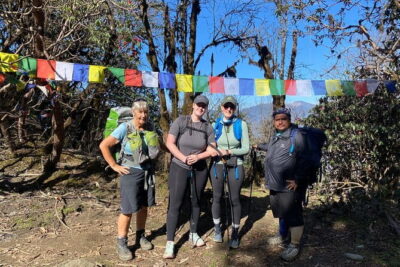
The strongest praise centers on the support team. Birendra is repeatedly described as professional, warm, careful, and fun. One account specifically credits him with taking good photos, while another highlights his patience when the route and weather became difficult.
Porters also receive strong praise for being caring and capable. That matters more than it may sound. A porter who helps carry equipment lets you walk with a lighter day pack, while a good guide can keep an eye on pace, weather, and altitude.
This is a private activity, so only your group participates. That gives you a more personal pace and avoids waiting for a large party. Group discounts are offered, but the details are not specified, so ask the company for the current terms before booking.
Who should book the Mardi Himal Trek?
I would suggest this trek to you if you want:
- Your first serious Himalayan trek
- Big Annapurna views without a two-week walking schedule
- A route that includes forests, villages, tea gardens, and high camps
- Help with permits, transport, luggage, and mountain logistics
- A private trip with a guide and porter
- A mix of trekking and sightseeing in Kathmandu and Pokhara
I would think twice if you dislike cold nights, shared lodge rooms, long walking days, or steep uphill and downhill paths. The route is suitable for people with moderate fitness, but it is not a sightseeing tour with a few casual walks. The 4,500-meter base camp requires preparation and a willingness to slow down.
The best seasons are not stated in the supplied details, but spring rhododendron color is specifically highlighted. If flowers matter to you, ask the operator about current trail conditions and timing before you choose dates.
Should you book it?
I would book this trek if you want a well-supported first Himalayan experience and value having transport, permits, guide costs, porter costs, and much of the food handled in advance. The combination of mountain views, woodland, local villages, Pokhara, and Kathmandu gives you more variety than a route focused only on reaching a high camp.
Before paying, confirm the exact lodge standards, the requested gear, current flight arrangements, guide assignment, and what happens if weather changes the route. If you prepare for cold, bring useful snacks, keep your day bag light, and respect the altitude, the Mardi Himal Trek offers a strong amount of adventure for its price.
FAQ
How long is the Mardi Himal Trek?
The full experience lasts approximately 11 days, including Kathmandu, Pokhara, the trek, return flights, and sightseeing.
What is the highest point on the trek?
Mardi Himal Base Camp reaches about 4,500 meters.
Are flights between Kathmandu and Pokhara included?
Yes. Domestic flights from Kathmandu to Pokhara and back are included for you and the guide.
Is a guide and porter included?
Yes. The package includes a government-licensed trekking guide and a porter, along with their meals, accommodation, salary, and insurance.
Are meals included throughout the trip?
The package includes eight lunches, eight dinners, and ten breakfasts. Meals in Kathmandu and Pokhara are not included except for the listed breakfast and other specified items.
Can I cancel for a full refund?
Yes, if you cancel at least 24 hours before the experience start time. Cancellations made less than 24 hours before the start time are not refundable.
Recently added around Kathmandu
- Ghorepani Poon Hill Trek★ 5.0 · 16 reviews
- Amazing 1 Day Trekking Experience in Kathmandu Nepal★ 5.0 · 24 reviews
- Private Manaslu Circuit Trek at Himalayas★ 5.0 · 3 reviews
- Ghorepani Poonhill Trek★ 5.0 · 5 reviews
- Upper Mustang Trekking★ 5.0 · 2 reviews
- Upper Mustang Trekking★ 3.0 · 2 reviews
- Upper Mustang Trekking★ 5.0 · 4 reviews
- Upper Mustang Trek★ 5.0 · 5 reviews
Mardi Himal Treks, compared.
Mardi Himal Trek – 8 Days | Hidden Gem of the Annapurnas
Read our review →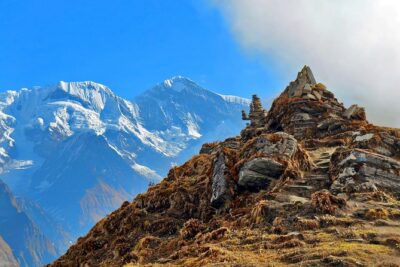
Browse the lists this tour appears in