
REVIEW · KATHMANDU
Mardi Himal Trek – 8 Days | Hidden Gem of the Annapurnas
Mountain views without Everest crowds.
This private Mardi Himal trek gives you a strong taste of the Annapurna region in just eight days. I like the quiet rhododendron trails and the way the itinerary allows time to adjust to the altitude. I also like that a guide travels with your private group, so you can set a sensible pace rather than chase a large group uphill.
The main caution is physical: this is still a real Himalayan trek. The route reaches 14,760 feet (4,500 meters), and some days involve several hours of uphill walking. Basic teahouses keep costs down, but you should not expect hotel comfort in the mountains.
Key Points Before You Book
- Private trekking format: You walk only with your own group and guide, with some room to adjust the pace and schedule.
- High point at 14,760 feet: The final viewpoint offers views toward Annapurna South, Hiunchuli, Machhapuchhre, and Mardi Himal.
- Four main trekking days: The route combines forest paths, alpine terrain, village sections, and a demanding descent.
- Simple teahouse lodging: Breakfast is included, along with five lunches and five dinners.
- Kathmandu and Pokhara included: The trip begins and ends in Kathmandu, with time beside Pokhara’s lakeside.
- Strong service record: The experience has a listed 5 out of 5 rating from 19 reviews, with 100 percent recommending it.
Why Mardi Himal Works for a Short Nepal Trek
Mardi Himal suits you if you want big Himalayan scenery without signing up for a two-week expedition. The route climbs from the Pokhara area through forest, open ridges, and alpine ground, ending at a high viewpoint below Mardi Himal.
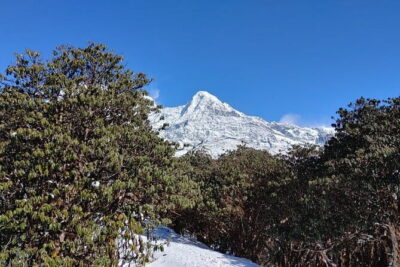
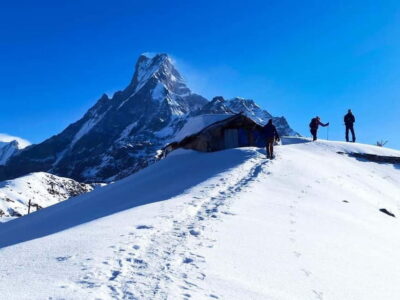
The appeal is variety. One morning you may walk beneath rhododendron trees. Later, the trees thin out and the views open toward the sharp profile of Machhapuchhre, also known as Fishtail. The trail then becomes more exposed and rugged as you approach High Camp and the early morning viewpoint.
I particularly like the balance between scenery and schedule. You spend the first part of the trip reaching Pokhara and preparing, then have several walking days before returning to Kathmandu. That gives you more breathing room than a rushed trek that tries to fit everything into a few days.
The private format also matters. If your knees need a longer break, or you want to stop for photos, you are not tied to the pace of a large group. The guide is there to support you and explain the natural and cultural details along the way.
Still, private does not mean easy. The maximum altitude is significant, and the walking days include steady climbs. A moderate fitness level is required. You should be comfortable walking for several hours on uneven ground, with Day 5 listed at around six hours.
More Mardi Himal Treks in Kathmandu
- Mardi Himal Trek
★ 5.0 · 41 reviews - Mardi Himal Trek Nepal
★ 5.0 · 29 reviews - Mardi Himal Base Camp Trek -9 Days
★ 5.0 · 18 reviews
Day 1: Thamel Gives You Time to Prepare
Your first day is based in Kathmandu, with a transfer to your hotel and time in Thamel. This busy district is a practical place to get organized before heading into the mountains.
You can use the afternoon or evening to check your clothing, sort your daypack, and take care of any last-minute needs. The supplied schedule allows about three hours for this part of the trip, though your exact free time depends on arrival and transfer arrangements.
Thamel is also a useful introduction to Kathmandu. You get a quick sense of the city before the trip shifts to quieter roads and mountain villages. Since pickup is offered, ask the provider in advance where and when you will meet. The stated start time is 6:15 in the morning, so do not plan a late night.
Day 2: The Long Road to Pokhara
The second day begins early, with a tourist bus departure at about 6:30 in the morning. The drive follows the Trishuli and Marshyangdi river corridors, giving you a look at Nepal beyond Kathmandu.
This is not a quick transfer. The itinerary allows about six hours for the return bus to Kathmandu on Day 8, and the Kathmandu to Pokhara journey is also a substantial road day. You should treat the bus rides as part of the experience, not as a minor connection.
The reward is Pokhara Lakeside. After arriving, you have time for an evening walk beside the lake. This is a gentler day than the mountain sections and gives you a chance to rest before hiking begins.
I like this overnight in Pokhara because it avoids pushing straight from Kathmandu into the trail. You get a change of setting, a little recovery time, and a clear transition from city travel to trekking.
Day 3: Australian Camp and Pothana
From Pokhara, the route uses a roughly one-and-a-half-hour drive to Kande. From there, the trek begins through Australian Camp and Pothana.
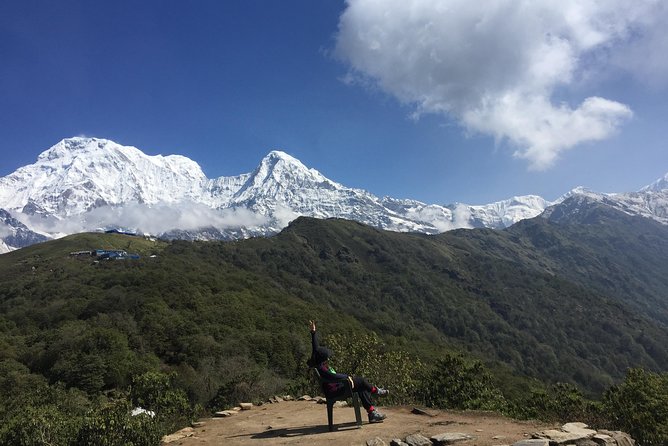
This opening walking day introduces the route without immediately throwing you into the highest ground. The trail passes through forest and includes views toward the Annapurna range and Machhapuchhre. The listed trekking time is about one hour for this section, though the actual day also includes the drive and stops.
Australian Camp and Pothana are important because they shift the mood of the trip. Roads and city traffic give way to footpaths, mountain air, and small settlements. You begin to see how the trek depends on teahouses and local communities rather than full-service mountain hotels.
The first day is a good place to settle into your walking rhythm. Keep your pack light, drink regularly, and use the guide’s advice on pace. A private trek works best when you speak up early about fatigue, blisters, or altitude discomfort.
Same trailhead, a longer or shorter day out:
- Everest Base Camp Trek – 14 Days
★ 5.0 · 1,499 reviews - Everest Base Camp Trek
★ 5.0 · 842 reviews - Everest Base Camp Trekking
★ 5.0 · 485 reviews - Annapurna Circuit Trek with Tilicho Lake
★ 5.0 · 368 reviews
Day 4: Forest Trails and Fewer People
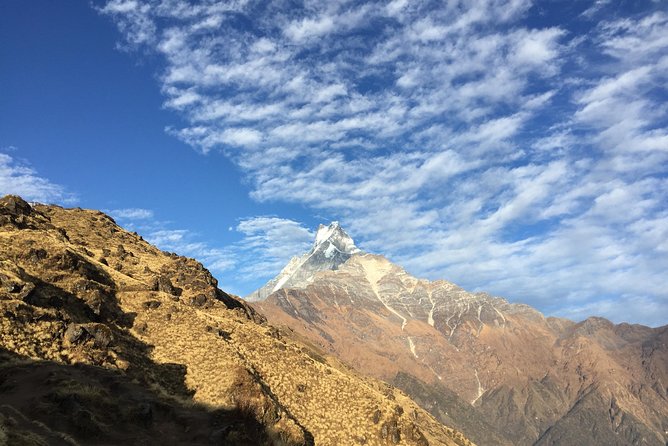
Day 4 follows a quieter trail through rhododendron forest. This is one of the most appealing parts of Mardi Himal for you if you dislike crowded trekking routes.
The Annapurna region is famous, but not every section feels packed. Here, the route offers a more peaceful walk through trees before the trail rises toward more open ground. Rhododendrons are a defining part of the scenery, although the amount of flowering depends on the season.
The schedule does not provide a precise walking time for this day. That is useful in one way because it suggests a flexible pace, but it also means you should confirm the day’s expected distance and overnight stop before departure.
This is where the guide can add real value. The route is not only about reaching High Camp. A good guide helps you notice local plants, settlements, mountain names, and changes in the terrain. The strongest feedback about this operator repeatedly praises friendly guides, practical help, and clear organization.
Day 5: Climbing Above the Trees
Day 5 is the hardest-looking day on paper, with around six hours of walking and a gradual climb toward views of Mardi Himal and Machhapuchhre.
The phrase gradual climb should not fool you into expecting an easy stroll. At this point, the trail rises above the tree line and changes to alpine terrain. There is less forest cover, more open ground, and a greater sense of exposure to the mountain weather.
The views improve as you go. Machhapuchhre is a major visual prize, with its distinctive twin summit shape, while Mardi Himal becomes more immediate. You will want to stop often for photographs, but remember that the altitude makes every uphill section feel harder than the same distance at home.
This is an excellent day for the private format. You can take breaks as needed instead of feeling embarrassed about slowing the group. One person who described the trek directly said the route was hard at times but manageable with helpful local support and regular breaks. That is the right attitude here: steady, patient, and not in a hurry.
Day 6: The Early Viewpoint Walk
Day 6 begins with an early morning hike to the viewpoint. The walk is listed at about three hours, followed by a return to High Camp for breakfast and rest.
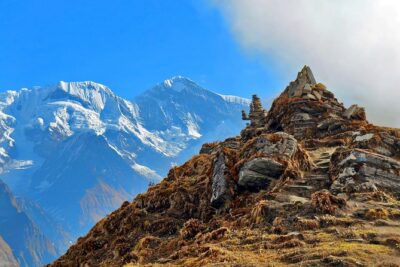
Early starts in the mountains can be cold and uncomfortable, but the timing is designed around the views. From the viewpoint, you can see Annapurna South, Hiunchuli, and Machhapuchhre in a broad mountain panorama. Mardi Himal is the central reason for choosing this route, but the wider Annapurna setting is what gives the viewpoint its scale.
Returning to High Camp for breakfast is a sensible touch. You do not have to carry on immediately after the viewpoint. You can eat, warm up, and rest before the next part of the day.
This is also the point where altitude deserves your full attention. The trip allows what it describes as plenty of acclimatization time, but no itinerary can remove the effects of 4,500 meters. Tell your guide promptly if you feel unwell. Do not treat a headache, dizziness, or unusual tiredness as something to hide.
Day 7: A Long Descent and Pokhara Evening
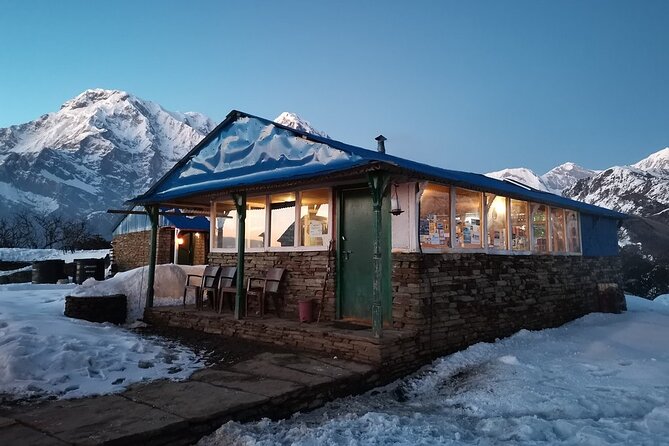
The final mountain section descends through forest and small settlements before the group drives back to Pokhara.
Downhill walking is often easier on the lungs but harder on the knees. Trekking poles can help, though they are not listed as included equipment. Take your time on steep or uneven sections, especially after several days of walking.
The return to Pokhara restores some comfort. You have a free evening at Lakeside to relax after the mountain portion. It is a useful buffer before the long bus ride to Kathmandu, and you can enjoy the contrast between the quiet trail and the easier pace beside the lake.
The descent is not merely a way to finish. It gives you another view of the communities and forest you passed on the way up. A slower pace helps you notice the details that disappear when all your attention is fixed on reaching the next teahouse.
Day 8: Returning to Kathmandu
The last day uses a morning tourist bus back to Kathmandu, with a transfer to your hotel after arrival.
Road conditions can affect the timing of any Nepal bus journey, so keep your plans flexible after reaching the capital. The schedule gives about six hours for this transfer. Avoid booking a tight international connection on the same day unless you have a large margin.
The trip ends where it began, in Kathmandu. That makes the route fairly simple to manage, especially if you want one company handling the hotel transfer, Pokhara connection, guide, mountain lodging, and meals.
Teahouses, Meals, and What the Price Covers
The listed price is $666.67 per person. The value depends on what you want from a short Nepal trek.
Included meals cover seven breakfasts, five lunches, and five dinners. Drinks are not included, so budget extra for bottled water, tea, coffee, soft drinks, or other beverages. The mountain lodges are basic but described as comfortable, which is the right expectation. You get shelter and meals, not resort facilities.
At this price, you are paying for more than four days of walking. The package also includes the Kathmandu and Pokhara portions, transportation between the cities, a private guide, teahouse arrangements, and trip coordination. That can be worthwhile if you prefer one point of contact rather than arranging each part yourself.
The strongest value comes from the private setup. A cheaper group trek may offer a lower headline price, but it may also give you less control over breaks and daily rhythm. Here, the extra cost can make sense if you are traveling alone, as a couple, or with family and want personal support.
Ask for a clear list of what transport and accommodation are included before paying. The supplied details confirm meals, but they do not give a full equipment list or specify every transfer cost. Also ask what happens if weather or road delays require a change.
Guide Support and the Human Side of the Trek
The service record is unusually strong: a listed 5 out of 5 rating from 19 reviews, with every recommendation marked positive. The praise focuses on organization, safety, friendly staff, and guides who explain things patiently.
Sobit is repeatedly connected with the company’s customer service and trip arrangements. The feedback also gives a warm mention to Panoramic Guest House, suggesting it is a lodging name worth recognizing if it appears in your own itinerary.
One solo woman specifically described feeling safe and well cared for. Another person appreciated having the freedom to stop when the trek felt difficult. These details matter more than general claims about service because they point to the practical strengths you need on a mountain trip: communication, patience, and support when your energy drops.
The feedback is not limited to Mardi Himal, so do not treat every compliment as proof about every moment of this particular route. Still, the repeated pattern is clear enough: the operator’s service and personal attention are major reasons to consider the trip.
Who Should Choose This Trek?
I would recommend Mardi Himal to you if you:
- Want Himalayan mountain views in an eight-day schedule
- Prefer a private trip to a large group
- Can handle several hours of walking on uneven trails
- Like basic teahouse accommodation
- Want time in both Kathmandu and Pokhara
- Value a guide who can adjust breaks and explain local details
It may not suit you if you want a soft adventure with little exertion. The altitude is high, Day 5 is long, and the final viewpoint requires an early start. It may also disappoint you if you expect private bathrooms, polished hotels, or drinks to be included in the mountain package.
The trek is also not ideal for a rushed post-arrival schedule. The first bus day is early, the road journey is long, and the mountain section deserves patience. Give yourself room to adjust rather than treating every hour as a race.
Practical Details to Know Before Departure
Confirmation is provided at booking, and pickup is offered. The meeting time is 6:15 in the morning, so confirm the exact pickup point and make sure your hotel knows about the early departure.
A moderate level of physical fitness is required. Train with long walks, hills, and stairs before you arrive. You do not need to be an elite athlete, but you should be comfortable walking for multiple hours and handling several consecutive days on foot.
Service animals are allowed, and the experience is near public transportation. Those details may matter to some people, but the more important preparation is footwear, warm layers, rain protection, and a small daypack. The supplied information does not state that gear is provided, so ask before assuming anything is included.
Free cancellation is available if you cancel at least 24 hours before the start time. Changes or cancellations inside that window are not accepted for a refund.
Should You Book the Mardi Himal Trek?
I would book this trek if you want a moderate but genuine Himalayan experience, especially if mountain views matter more to you than luxury. The quiet forest route, high viewpoint, time in Pokhara, and private pacing create a well-balanced trip.
I would pause if your fitness is poor, if you dislike early starts and long bus rides, or if 4,500 meters feels too ambitious. Ask the operator to confirm daily walking times, lodging names, transport details, and what support is available if you need a slower schedule.
For the right person, the $666.67 price offers solid value. You get a private eight-day framework, meals, mountain lodging, transport between the main bases, and a guide-led route through one of Nepal’s most scenic trekking areas.
FAQ
How long is the Mardi Himal Trek?
The experience lasts approximately eight days, including time in Kathmandu, travel to Pokhara, four main trekking days, the return to Pokhara, and the bus ride back to Kathmandu.
What is the highest altitude on the trek?
The maximum altitude is listed as 14,760 feet, or 4,500 meters.
Is this a private trek?
Yes. Only your group participates, and the itinerary can be adjusted to suit your needs.
What meals are included?
The package includes seven breakfasts, five lunches, and five dinners. Drinks are not included.
What kind of accommodation is provided?
You stay in basic but comfortable teahouses during the mountain portion of the trip. The supplied details do not specify every lodging name.
What fitness level is required?
A moderate level of physical fitness is required. The trek includes several walking days, with one day listed at about six hours, plus an early morning hike to the viewpoint.
Recently added around Kathmandu
- Ghorepani Poon Hill Trek★ 5.0 · 16 reviews
- Private Manaslu Circuit Trek at Himalayas★ 5.0 · 3 reviews
- Amazing 1 Day Trekking Experience in Kathmandu Nepal★ 5.0 · 24 reviews
- Ghorepani Poonhill Trek★ 5.0 · 5 reviews
- Upper Mustang Trekking★ 5.0 · 2 reviews
- Upper Mustang Trekking★ 3.0 · 2 reviews
- Upper Mustang Trekking★ 5.0 · 4 reviews
- Upper Mustang Trek★ 5.0 · 5 reviews
Mardi Himal Treks, compared.
Browse the lists this tour appears in