
REVIEW · KATHMANDU
Mardi Himal Trek
Mountain views come with a fair bit of stair climbing. The 10-day Mardi Himal Trek combines Annapurna scenery, quiet mountain villages, Pokhara, and a high ridge facing Machapuchare, the famous fishtail peak. I especially like the mix of wildlife and mountain views, including possible sightings of danphe pheasants, dzo, and perhaps the elusive red panda, along with the chance to meet Rai, Limbu, Chhetri, Brahmin, and Gurung communities.
I also like the route’s variety. You move from Kathmandu traffic to Pokhara and Phewa Lake, then from forest trails to rhododendron country and open pastures. The main concern is the physical effort: days of five to eight hours include steep stone steps, narrow ridge paths, and high-altitude walking, so moderate fitness is essential.
Key Points Before You Book
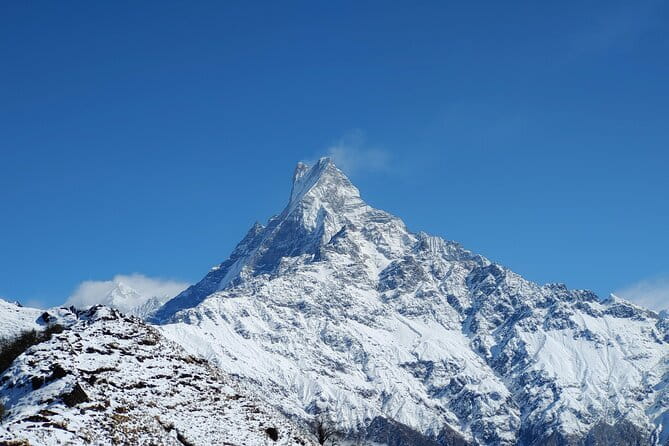
- Mardi Himal views: The route reaches high viewpoints facing Machapuchare, Annapurna South, Hiunchuli, and Dhaulagiri.
- A varied 10-day plan: Kathmandu, Pokhara, forest trails, high camp, traditional villages, and a return by road.
- Private group format: Only your group takes part, with a guide and one porter for every two members.
- Cultural encounters: Siding, Kalimati, and Ghalel offer a closer look at mountain life beyond the main tourist routes.
- Price includes useful basics: Transport in Nepal, guesthouse lodging, permits, guide, porters, government tax, service charge, and four breakfasts.
- Bring extra cash: Hot water, showers, drinks, internet, laundry, phone calls, trekking equipment, insurance, and other personal expenses cost extra.
What the $950 Price Really Covers
At $950 per person, this is not a bare-bones walk with a map and a vague promise of a bed. The package includes airport transfers, transport between Kathmandu and Pokhara, road transfers connected with the trek, twin-sharing guesthouse accommodation, an experienced guide, porters, Annapurna Conservation permits, TIMS permits, government tax, office service charges, and four breakfasts.
That bundle gives the price solid value, especially if you want the practical work handled for you. Permits are arranged, a guide leads the route, and one porter is assigned for every two people. You still need to budget for international flights, a Nepal tourist visa, travel insurance, meals not listed, drinks, showers, hot water, laundry, internet, phone calls, trekking equipment, and personal purchases.
The breakfast allowance deserves attention. The package specifies four breakfasts, not every meal for the full 10 days. Ask the operator to confirm exactly which meals are included before paying, particularly if you are comparing this trip with other Mardi Himal packages.
The tour is private, which matters if you prefer your own pace and group dynamic. It does not mean the trek is luxurious. Guesthouses are simple, and the route includes rural areas where services are limited. Bring a four-season sleeping bag, as requested, and expect to pay separately for comforts that are easy to take for granted in Kathmandu or Pokhara.
More Mardi Himal Treks in Kathmandu
- Mardi Himal Trek
★ 5.0 · 41 reviews - Mardi Himal Trek Nepal
★ 5.0 · 29 reviews - Mardi Himal Trek – 8 Days | Hidden Gem of the Annapurnas
★ 5.0 · 19 reviews
Kathmandu Arrival and the Road to Pokhara
On arrival at Tribhuvan International Airport, an Accessible Adventure representative meets you outside the terminal with a sign and transfers you to your hotel by private vehicle. The transfer is listed as about two hours, depending on traffic. Kathmandu can be a slow-moving introduction to Nepal, so the pickup is useful after a long flight.
The next morning begins early. A guide picks you up around 6:30 AM, takes you to the bus station, and helps you board the 7:30 AM tourist bus to Pokhara. The ride usually takes six or seven hours. You pass river valleys, terraced barley and rice fields, and green hills, so the journey becomes part of the trip rather than a simple transfer.
Still, this is a long road day. If you dislike extended bus rides, prepare mentally and bring water, snacks, and something to read. On arrival, you check into your Pokhara hotel and have the evening free.
Pokhara is a welcome pause before the serious walking begins. It sits beside Phewa Lake, and a boat ride offers reflective water and views toward Machapuchare. The plan also leaves room for a good dinner, which is useful because the mountain portion is much simpler.
Phedi, Dhampus, and the First Stone Steps
After breakfast in Pokhara, you drive for less than an hour to Phedi Khola, the trailhead area. The first walking day takes about five hours and introduces the pattern that continues through the trek: forest shade, small settlements, stone staircases, and steady climbing.
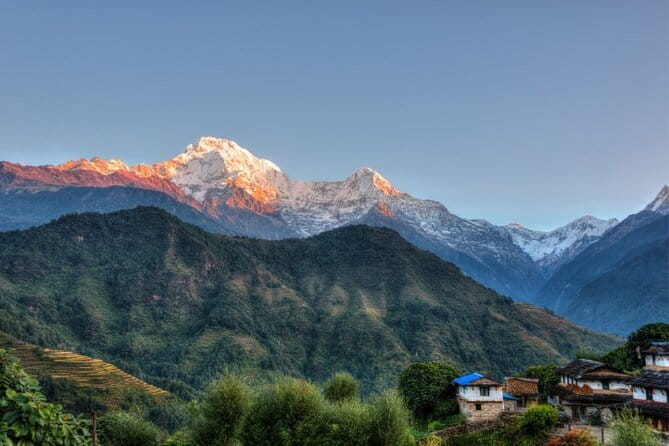
Dhampus makes a natural lunch stop. The village offers a fine view of the Annapurna range, and it is a sensible place to pause before continuing uphill. The route then reaches Pothana, a picturesque village with stone houses and paved paths.
Pothana also shows the change brought by trekking tourism. You find snacks and souvenirs alongside older buildings and local routines. That mix is not unpleasant, but it reminds you that this is a working mountain route, not a preserved museum village.
The day is moderate by Himalayan standards, yet the steps can make it feel harder than the five-hour estimate suggests. Good walking shoes matter here. Trekking poles would also be useful, though equipment is not included.
Forest Trails, Low Camp, and Machapuchare
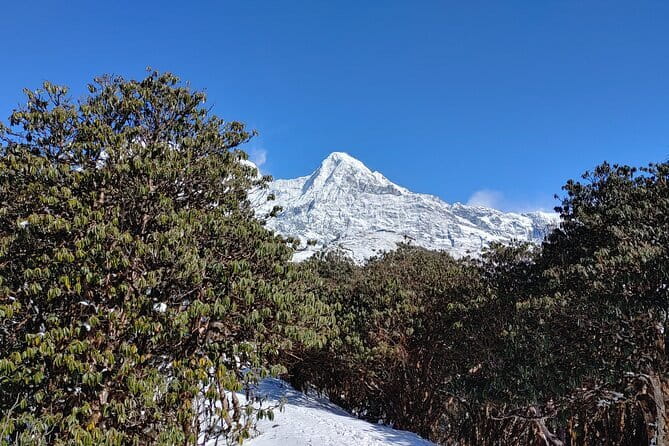
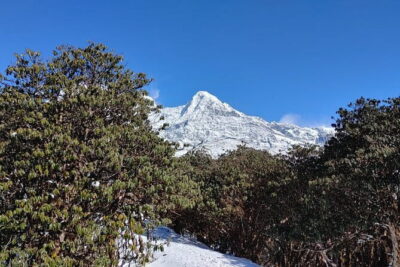
The middle days bring the most dramatic change in scenery. As you walk along the ridge toward Mardi Himal and Machapuchare, the trees thin out. Rhododendron bushes appear among shrubs, and the route gains a more open mountain feel.
One day includes an uphill walk of about five hours toward high camp, with the possibility of seeing Nepal’s national bird, the danphe, also called the Himalayan monal. Wildlife sightings are never guaranteed, but the route passes through suitable habitat. Keep your eyes open rather than expecting animals to pose beside the trail.
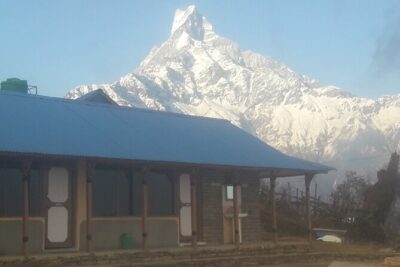
Another trekking day is listed at about eight hours and begins through mossy woodland from Kokar. Mist and filtered sunlight can make this section particularly appealing for photography. You then stop at Low Camp, where Machapuchare’s fishtail summit comes into view.
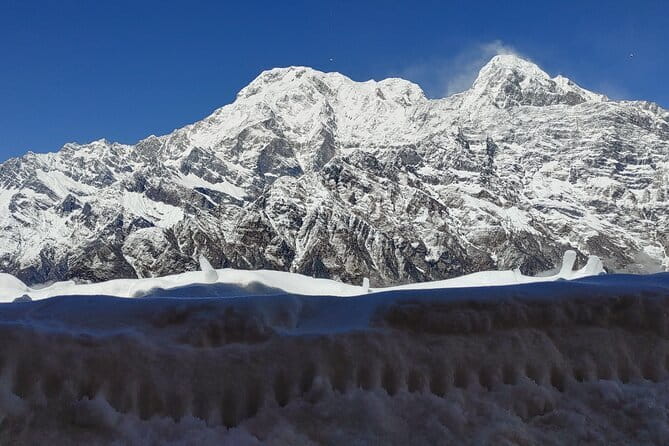
As the trail turns west, Annapurna South and Hiunchuli appear above the route. The trees become thinner, rhododendrons remain common, and the ridge opens toward larger mountain views. The scenery earns the effort, but eight hours on a rising trail is a serious day. Start early, take steady breaks, and do not treat the schedule as a race.
The itinerary uses several camp names, including Kokar, Low Camp, and High Camp, and the day descriptions do not present every overnight transition in a perfectly clear order. Before departure, ask for the final night-by-night plan, including the exact elevation of each overnight stop. That small check can make packing and altitude planning easier.
Same trailhead, a longer or shorter day out:
- Everest Base Camp Trek – 14 Days
★ 5.0 · 1,499 reviews - Everest Base Camp Trek
★ 5.0 · 842 reviews - Everest Base Camp Trekking
★ 5.0 · 485 reviews - Annapurna Circuit Trek with Tilicho Lake
★ 5.0 · 368 reviews
High Camp, Sunrise, and the Best Viewpoint
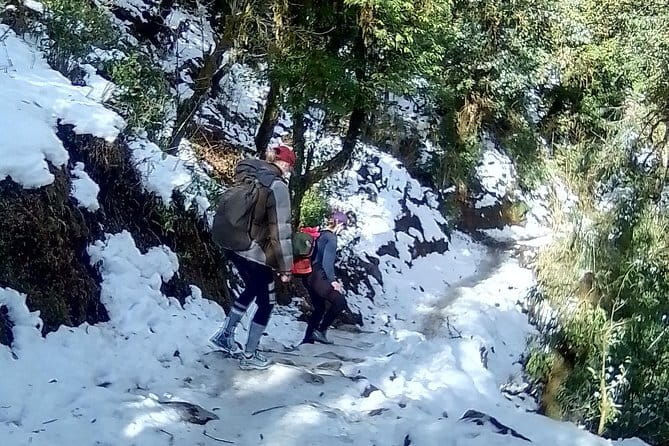
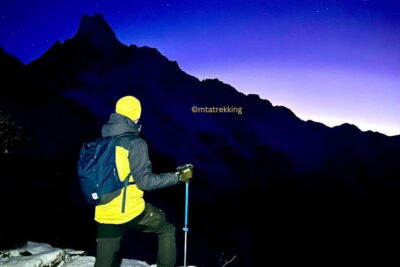
The early start at high camp is one of the trip’s main rewards. You walk along a ridge toward a viewpoint as the sun rises over the Himalayas. The route follows a well-used trail through grassy pasture, but parts are steep and narrow.
You may see dzo grazing in the fields. These animals are hybrids of yak and cattle, and they are part of the practical mountain economy. In summer, sheep and goats also use these pastures, while herders’ huts appear along the route.
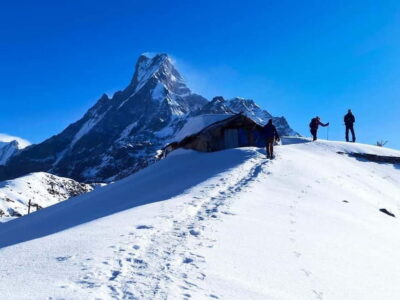
The climb to the upper viewpoint takes about three hours. From there, the broad mountain panorama is the reason many people choose Mardi Himal instead of a longer Annapurna itinerary. The views include Machapuchare, Annapurna South, Hiunchuli, and, from the wider region, Dhaulagiri.
The high ridge is not a casual stroll. Narrow sections can feel uncomfortable if you dislike exposure, and the steep climb demands patience. Your guide’s role matters here, particularly in setting a safe pace and helping the group respond to changing weather.
Siding and the Return Through Less-Visited Villages
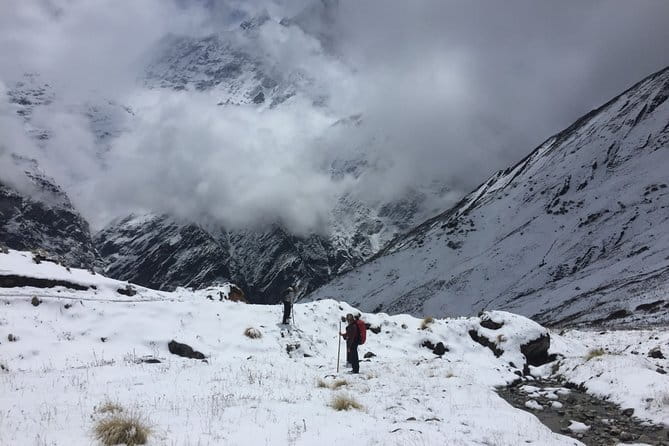
The return does not simply reverse every step. After leaving high camp, the route heads toward Low Camp and then branches toward Siding. That change keeps the walk interesting and brings you into a village with less tourist traffic.
Siding is especially valuable for cultural contact. Local families have adapted to trekking while keeping village life at the center. The accommodation may be connected with a family that operates guesthouses in both Siding and Low Camp, giving the route a more personal feel.
The day is about seven hours, so the cultural interest comes after another substantial walk. You should expect simple accommodation and fewer services than in Pokhara. That is part of the appeal, but it also means you need to be comfortable with basic conditions.
This is one of the strongest parts of the route for anyone who wants more than mountain photographs. The Annapurna peaks get the attention, but the village stay helps you understand how people live along these trails and how tourism fits into the local economy.
Kalimati, Ghalel, and the Jeep Back to Pokhara
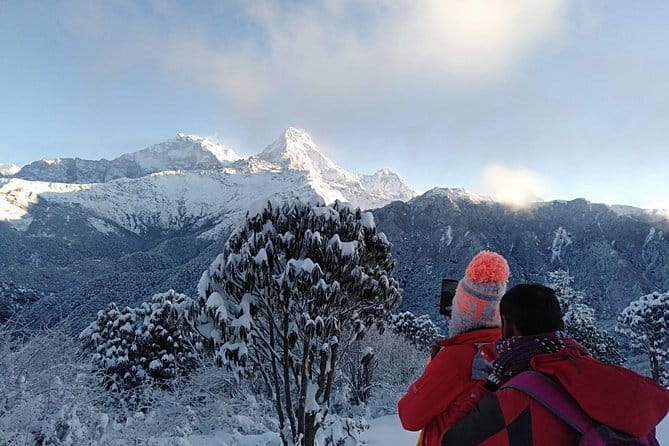
After breakfast in Siding, you walk toward the road in the direction of Lumle. The five-hour route passes through Kalimati and Ghalel, bringing another look at Nepal’s social mix.
Kalimati is primarily Brahmin. Ghalel includes Brahmin and Gurung residents, while Siding includes its own local traditions and community structure. These are not staged cultural performances. You pass through settlements where people work, live, and operate small guesthouses in a changing rural economy.
The walk ends at Lumle, where a prearranged Jeep takes you back to Pokhara. The drive takes about two hours. After several days of basic mountain accommodation, Pokhara’s restaurants and lakefront setting feel like a real treat.
The return route is practical rather than scenic in the same way as the high ridge. You trade dramatic peaks for village observation and road access. That balance helps the itinerary avoid becoming a simple out-and-back trek.
The Long Return to Kathmandu
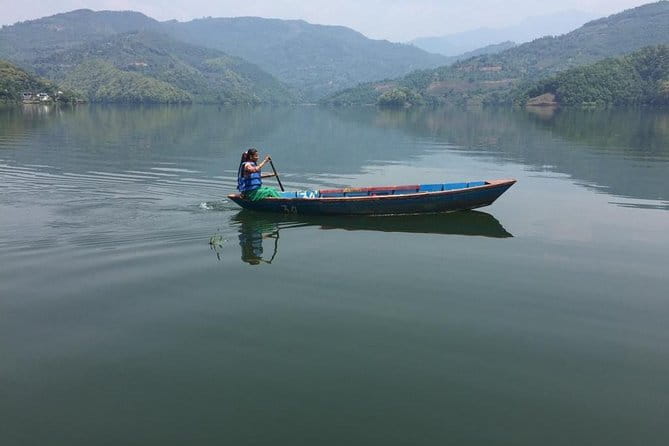
After a final breakfast in Pokhara, you take the tourist bus back to Kathmandu. Allow six or seven hours. The road gives you another look at Nepal’s rural valleys and terraces, but you may be ready for a quiet evening by this point.
If time allows after lunch, Swayambhunath and Boudhanath are sensible choices. Both are large Buddhist stupas, and both are easy additions to a short Kathmandu visit. The plan does not promise a full sightseeing day, so keep expectations realistic.
Your final airport transfer is arranged for roughly three hours before your international departure. The experience ends with transport rather than a formal closing activity, which is exactly what you want when airport timing matters.
How Hard Is the Mardi Himal Trek?
The trip is rated for people with moderate physical fitness. That description is fair, but it should not be mistaken for easy. Walking days range from about five to eight hours, with repeated climbs, stone stairs, steep ridges, and narrow trail sections.
You do not need to be an elite hiker based on the information provided. You do need to prepare for consecutive walking days and high mountain conditions. The family group described by the operator included an eight-year-old on a shorter five-day version to the Mardi Himal viewpoint, but that should not be taken as proof that every child will find the full 10-day program suitable.
A guide, porter support, and private format help. One porter serves two members, so you can avoid carrying your full load, but you still need a daypack with water, clothing layers, and personal essentials.
The four-season sleeping bag is specifically requested. Bring appropriate trekking equipment, as it is not part of the package. Travel insurance is also your responsibility.
Who Will Like This Trip Most?
I would recommend this trek to you if you want a manageable introduction to Nepal’s mountain routes without giving up village contact or time in Pokhara. It suits people who value scenery but also want to meet local communities and see how guesthouses support rural families.
The private format is useful for couples, families, and small groups who prefer not to fit into a large fixed party. The guide names that appear in the supplied details include Shyaam, praised for his energy and good humor, and Hari and Mahendra, who helped arrange trips around different time limits and budgets. Guide quality can shape a trek, so it is worth asking who will lead your departure.
I would think twice if you want hotel comfort, short walking days, or a fully inclusive meal plan. The package leaves many everyday costs outside the price, and the middle section includes long days at elevation.
Accessible Adventure has a perfect five-star score from four submitted ratings, with special praise for smooth organization, friendly guides, planning help, and a positive first trekking experience for a family group. That is encouraging, though four ratings are still a small sample. I would use the praise as a good sign, not as a guarantee that every departure will feel identical.
Cancellation is flexible up to 24 hours before the start time for a full refund. Poor weather may lead to a new date or a full refund, but changes made within 24 hours are not accepted.
Should You Book the Mardi Himal Trek?
Book it if you want big Annapurna views in a compact route, plus Pokhara, forest walking, high pastures, and genuine village contact. The $950 price is reasonable for the transport, permits, guide, porter arrangement, and accommodation included, but you must budget for meals, equipment, insurance, and personal services.
Before paying, confirm the exact overnight schedule, which four breakfasts are included, and what meals are available in the mountain villages. If you are ready for long walking days and simple guesthouses, Mardi Himal offers a strong balance of scenery, culture, and practical organization.
FAQ
How long is the Mardi Himal Trek?
The full experience lasts approximately 10 days, including arrival and departure transfers, travel between Kathmandu and Pokhara, the trek, and return transport.
What is the price per person?
The listed price is $950 per person.
Is airport pickup included?
Yes. Pickup from Tribhuvan International Airport and the final transfer to the airport are included according to the program.
What accommodation is provided?
Twin-sharing accommodation in guesthouses is included during the trek. Hotel accommodation is also arranged in Kathmandu and Pokhara as part of the program.
Are a guide and porters included?
Yes. One experienced guide is included, along with porters arranged at a ratio of one porter for every two members.
Are trekking permits included?
Yes. Annapurna Conservation permits and TIMS permits are included.
Do I need travel insurance and trekking equipment?
Yes. Travel insurance and trekking equipment are not included. You are specifically advised to bring a four-season sleeping bag.
Recently added around Kathmandu
- Ghorepani Poon Hill Trek★ 5.0 · 16 reviews
- Private Manaslu Circuit Trek at Himalayas★ 5.0 · 3 reviews
- Amazing 1 Day Trekking Experience in Kathmandu Nepal★ 5.0 · 24 reviews
- Upper Mustang Trekking★ 5.0 · 2 reviews
- Ghorepani Poonhill Trek★ 5.0 · 5 reviews
- Upper Mustang Trekking★ 3.0 · 2 reviews
- Upper Mustang Trekking★ 5.0 · 4 reviews
- Upper Mustang Trek★ 5.0 · 5 reviews
Mardi Himal Treks, compared.
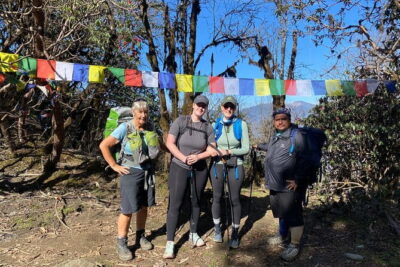
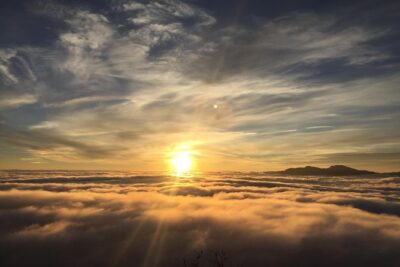
Mardi Himal Trek – 8 Days | Hidden Gem of the Annapurnas
Read our review →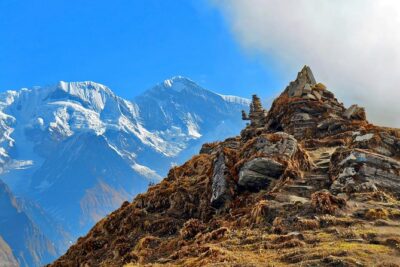
Browse the lists this tour appears in