
REVIEW · KATHMANDU
Luxury Everest Base Camp Trek -11 Days
Everest feels closer from the trail. This 11-day trek combines the classic route from Kathmandu to Everest Base Camp with upgraded teahouses, experienced local support, and a helicopter return from Gorakshep to Kathmandu. I especially like the sensible acclimatization days in Namche Bazaar and Dingboche, along with the chance to see the Everest range from both the ground and the air. The main caution is altitude: this is still a serious mountain trek, even with better rooms and a helicopter ride at the end.
The $4,500 price is high, but it covers much more than a basic hiking package. Flights to Lukla, meals in the mountains, permits, a guide, porter support, upgraded teahouse accommodation, rescue arrangements, and the shared helicopter flight are included. I also like that the trip is private, so your own group sets the pace within the planned schedule. Weather can still disrupt flights, and personal expenses, insurance, tips, and extra nights are not included.
Key points at a glance
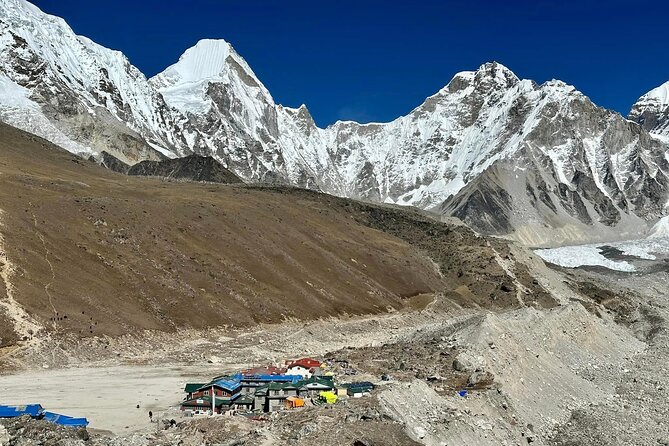
- A helicopter finish from Gorakshep: You return by shared helicopter after reaching Everest Base Camp and Kalapatthar, avoiding the long walk back down.
- Two planned acclimatization days: Time in Namche Bazaar and Dingboche gives you a better chance to adjust to increasing altitude.
- Upgraded mountain accommodation: The package uses upgraded teahouses on a twin-sharing basis rather than only basic trekking lodges.
- A private group experience: Only your own party takes part, with one porter assigned for every two clients.
- Strong personal support: Guide Prakash received specific praise, while company owner Bhagwat Simkhada is described as highly involved in planning and communication.
- A demanding high-altitude itinerary: Kalapatthar reaches 5,545 meters, so comfort does not remove the physical challenge.
What the $4,500 price actually buys
At first glance, $4,500 per person may seem steep for an 11-day trek. The value becomes clearer when you separate the trip into its costly parts. You get airport pickup, two nights in a five-star Kathmandu hotel with breakfast, domestic air transport to Lukla or Ramechhap and onward to Lukla, nine nights of mountain meals, upgraded teahouse rooms, permits, guides, porters, and a helicopter flight back from Gorakshep.
A basic Everest Base Camp trek usually saves money by using simpler accommodation and returning on foot. This trip pays for time and comfort at the end. Once you reach Gorakshep, you do not have to repeat the long descent through Lobuche, Dingboche, Tengboche, Namche, and Lukla. The helicopter also gives you a second way to see the Khumbu region, this time from above.
The helicopter is shared, so this is not a private aircraft charter. That distinction matters. You are paying for a premium transfer, but not total exclusivity in the air. The trip itself is private, which means your hiking group does not join a large mixed party.
The package also includes a duffle bag, company T-shirt, first-aid supplies, travel and rescue arrangements, and a farewell dinner at an authentic Nepalese restaurant with cultural performance. You still need to budget for your Nepal visa, international flights, travel insurance, tips, drinks, laundry, phone calls, battery charging, hot showers, bottled or boiled water, and any extra nights caused by delays.
More Everest Base Camp Treks in Kathmandu:
- Everest Base Camp Trek – 14 Days
★ 5.0 · 1,499 reviews - Everest Base Camp Trek
★ 5.0 · 842 reviews - Everest Base Camp Trekking
★ 5.0 · 485 reviews
Day 1: Kathmandu arrival and a soft landing
Your trip begins at Tribhuvan International Airport, where a company representative picks you up and takes you to your hotel by private vehicle. This is useful after an international flight, especially if Kathmandu is your first stop in Nepal.
You spend the night in a five-star hotel, with breakfast included during the scheduled stay. The first evening is also your chance to ask practical questions about the trek, check your gear, and make sure dietary needs have been noted. Vegetarian meals are available if requested in advance.
The itinerary description leaves the evening fairly open. That is a good thing. You should use it to rest rather than fill every hour with sightseeing before the mountain days begin.
Day 2: Flying to Lukla and starting the trail
The flight to Lukla puts you at about 2,860 meters and marks the real start of the trek. From Lukla, you walk toward Phakding, the first mountain settlement on the route.
The itinerary information gives more detail about the Lukla flight and the start of the walk than the precise walking time. That is worth noting because mountain flight schedules can change. The included airfare is a major part of the package value, but you should still allow flexibility in your wider Nepal plans.
The route from Lukla to Phakding is an introductory walking day rather than the hardest section. You will already notice that the trek is not a sightseeing trip with occasional steps. From this point onward, most movement is on foot, and the altitude gradually becomes the main concern.
Day 3: Phakding to Namche Bazaar
The walk from Phakding to Namche Bazaar takes you deeper into the Khumbu region. Namche sits at approximately 3,440 meters and is one of the best-known stops on the Everest route.
This day matters because the trail gains a substantial amount of height. You may feel the change in breathing even if the walking distance seems manageable. The pace of your guide and porter support becomes important here. The package provides one porter for every two clients, which gives you the option of carrying only a daypack while your main belongings go ahead.
Namche is more than a sleeping stop. It is the first major place where you pause before going higher. The itinerary wisely keeps the following day for acclimatization rather than pushing directly toward Tengboche.
A few more treks around Kathmandu worth a look
- Annapurna Circuit Trek with Tilicho Lake
★ 5.0 · 368 reviews - Everest Base Camp Trekking – 13 Day
★ 5.0 · 365 reviews - Everest Base Camp Trek
★ 5.0 · 350 reviews - Everest Base Camp Trek -14 Days
★ 5.0 · 321 reviews
Day 4: Acclimatization around Namche
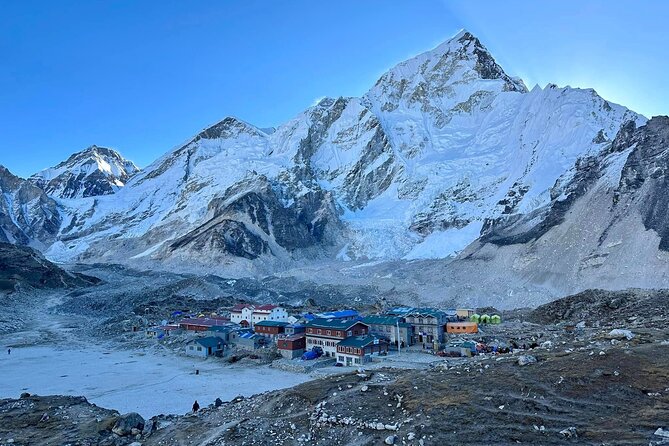
The fourth day is spent at about 3,880 meters. The plan includes a visit to Hotel Everest View, a well-known viewpoint in the area, before returning to Namche.
This is a valuable part of the schedule. Acclimatization days are not wasted days. They let you gain height during the day while keeping your overnight routine at a lower elevation than the day’s highest point. That approach gives your body more time to adjust before the route climbs again.
You should not expect a full rest day with no walking. The itinerary includes a viewpoint visit, so you will still be active. The reward is a first strong look at the Everest range from the trail area, along with time to settle into the rhythm of the trek.
Day 5: Namche to Tengboche
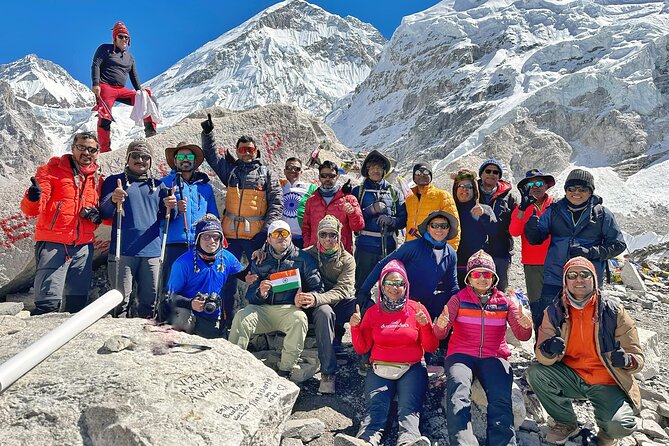
You leave Hotel Everest View and walk to Tengboche, at around 3,820 meters. The journey usually takes four to five hours, making it shorter than some of the higher days still ahead.
Tengboche is one of the most memorable stops on the route because of its mountain setting and famous monastery. The supplied itinerary does not specify a monastery visit, so you should not treat that as a guaranteed guided activity. Still, the stop gives you an important cultural and visual break after the busy route through Namche.
This section is also a reminder that distance is only one measure of difficulty. Uphill sections, uneven ground, weather, and altitude can make a four-hour day feel much longer. A guide who watches the group’s pace is a real advantage.
Day 6: Tengboche and Diboche to Dingboche
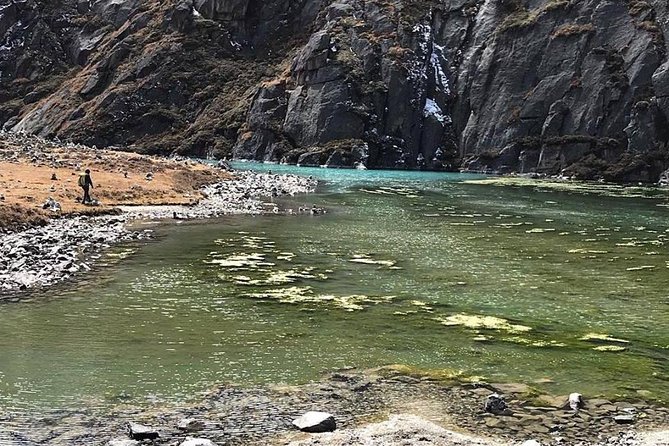
The itinerary describes the walk from Diboche to Dingboche, at approximately 4,360 meters, as a five to six-hour day. Dingboche is a key staging point before the route moves toward Lobuche and Everest Base Camp.
At this height, you should expect slower walking and less energy for ordinary tasks. The mountain scenery becomes more severe, with fewer signs of settled life and more exposed high-altitude terrain. The route is no longer simply a pleasant hill walk.
The upgraded teahouses help here, but they do not turn the mountain into a hotel circuit. Accommodation remains in teahouses, and the package specifies twin-sharing rooms. You should be comfortable with simple mountain facilities and with the possibility that personal extras such as hot showers and charging cost more.
Day 7: A second acclimatization day in Dingboche
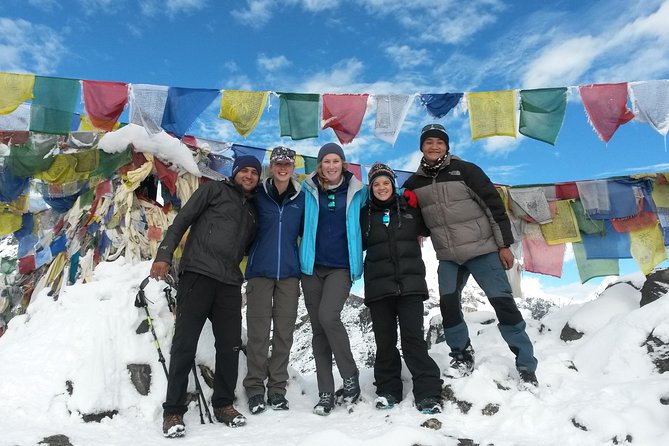
Dingboche provides the second planned acclimatization day, at 4,360 meters. This pause is especially important because the next two days take you toward the highest overnight stops and Everest Base Camp.
The purpose is straightforward: give your body time to adjust before the trail rises again. You may take a gradual walk during the day, but the schedule is designed to prevent a rapid climb with no recovery period.
This is one of the itinerary’s strongest features. A shorter trip might try to cut a rest day, but doing so can make the high sections much harder. The two acclimatization stops show that the plan is built around altitude management, not just reaching Base Camp as quickly as possible.
Day 8: Dingboche to Lobuche
The five to six-hour walk from Dingboche to Lobuche takes you across high-altitude ground and rocky terrain. The itinerary warns of challenging weather, and you should take that seriously. Conditions can change quickly in the mountains, and cold or wind can make a moderate day feel demanding.
Lobuche is an important overnight stop before the final approach. By now, the route’s physical demands are clear. You are not only walking uphill. You are doing so at a height where every step can require more effort.
Meals are included during the trek, with breakfast, lunch, and dinner covered according to the package. That removes one major daily decision, but drinks, bottled or boiled water, and personal snacks are extra. You should confirm current meal arrangements and water costs before departure.
Day 9: Lobuche to Gorakshep and Everest Base Camp
This is one of the hardest days. The trek from Lobuche to Gorakshep and onward to Everest Base Camp takes about six to seven hours, crossing rocky ground and glacial moraine.
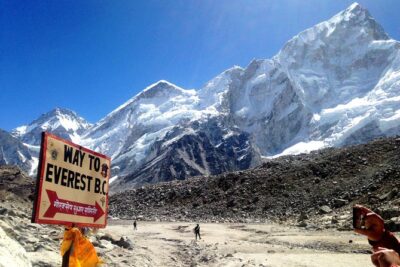
The route climbs steadily, and the altitude is now a serious factor. The itinerary notes views of surrounding peaks, but the main reward is reaching Everest Base Camp itself. You will be standing at the base camp used by expeditions, although the summit of Everest remains far above and is not reached on this trek.
Gorakshep serves as the high overnight base for the final viewpoint. Conditions here can feel basic despite the upgraded accommodation policy. A better teahouse may provide a more comfortable room, but it cannot change the remoteness, cold, or thin air.
You should keep your expectations practical. This is a major achievement, but it is not a leisurely photo stop. Take the walk slowly, listen to your guide, and do not judge the day by speed.
Day 10: Kalapatthar at 5,545 meters and the helicopter return
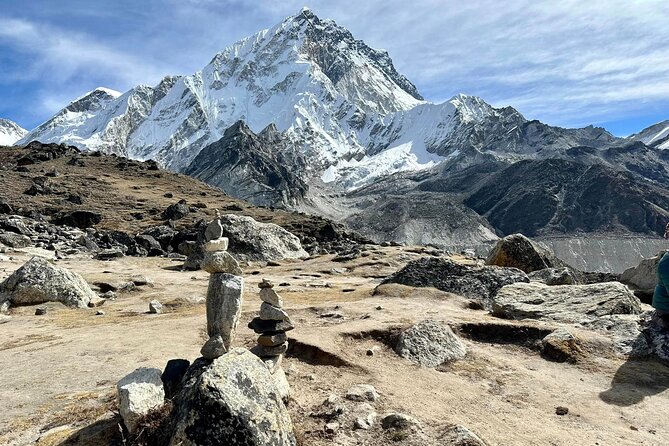
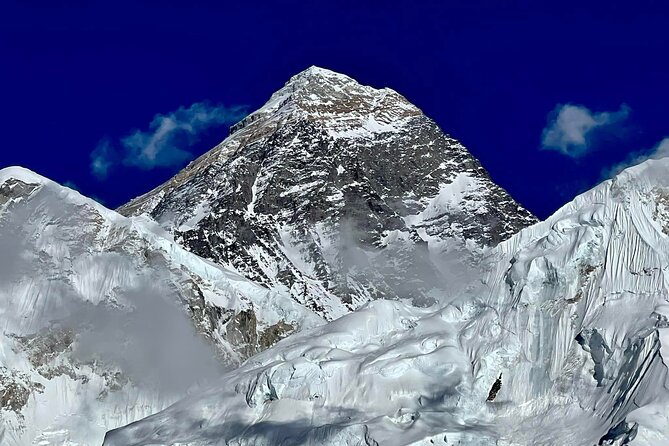
The final mountain highlight is Kalapatthar, at 5,545 meters, or 18,192 feet. The viewpoint is known for panoramic views of Everest and the surrounding peaks, making it one of the best places on the route for a broad Himalayan view.
The day also includes the helicopter transfer from Gorakshep to Kathmandu. This is the feature that changes the whole character of the trip. On a standard trek, you would begin a long return journey on foot. Here, after the high-altitude section, you get an aerial view of the region and a much faster return to the capital.
The schedule provided places the helicopter fare from Gorakshep to Kathmandu in the inclusions, while Day 11 is reserved for airport transfer. Because helicopter timing depends on weather and operating conditions, you should confirm the exact sequence before departure. The trip may use the helicopter after the Kalapatthar visit, but the precise departure time is not stated.
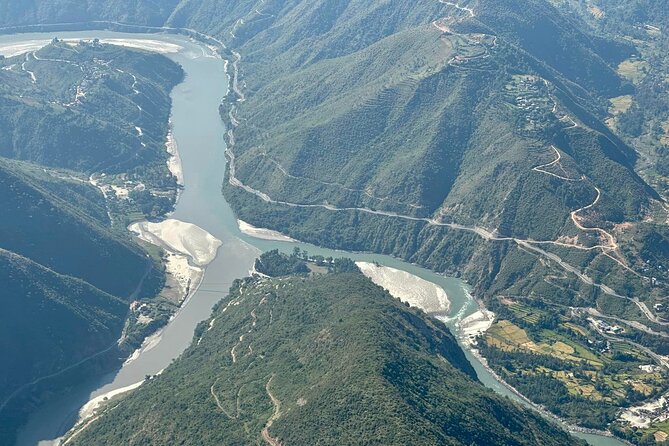
The aircraft is shared. That keeps the cost below a private charter, though it also means the flight arrangement may depend on available space and conditions. The helicopter is a practical reward, not just a luxury photo opportunity. It reduces the physical load of the descent and gives you a rare overhead view of the valleys, ridges, and high peaks.
Day 11: Airport transfer and the trip home
A company representative takes you to the airport about three hours before your scheduled flight. The activity ends back at the original meeting point, Tribhuvan International Airport.
The package includes a farewell dinner before departure, with a cultural performance at an authentic Nepalese restaurant. This gives the trip a more complete ending than simply checking out of a hotel and heading to the airport.
You should still protect yourself against delays. Early arrivals, late departures, early returns from the mountains, and weather-related changes can create extra hotel nights or meals in Kathmandu. Those costs are not included.
Guides, porters, and personal service
The strongest praise connected to this company focuses on personal support. Prakash is singled out as an excellent guide, and Bhagwat Simkhada, the company owner, is described as highly organized and involved in communication before and during trips.
That matters on a trek where plans can change. You want a company that answers questions, handles transport, and keeps an eye on the group rather than leaving you to solve every problem at altitude. The package includes an experienced guide, porters, rescue arrangements, and a first-aid kit.
The porter ratio is one porter for two clients. You should pack with that limit in mind and clarify the duffle bag weight allowance before setting out. Tips are not included, so plan for those separately if you choose to tip the guide and porter.
Who should book this trek?
This trip suits you if you want the classic Everest Base Camp route but prefer a more comfortable setup and a quicker return. It is also a good fit for a private family group, provided everyone has the required moderate physical fitness and understands the altitude involved.
You should not book it simply because the word luxury appears in the title. The route still includes six to seven-hour walking days, rocky and glacial terrain, cold conditions, and a high point above 5,500 meters. The upgraded rooms and helicopter transfer improve comfort, but they do not remove the need for preparation.
Spring and autumn are identified as the best seasons because weather is generally more stable for helicopter flights and Himalayan views. Even then, mountain conditions can affect the schedule. Build flexibility into your international travel plans and buy travel and rescue insurance, which is not included.
Final verdict: a strong premium choice for the right trekker
I would recommend this $4,500 package if you value support, upgraded teahouses, and a helicopter return more than keeping the price low. The two acclimatization days, private group format, included mountain meals, and local staff support add real value.
I would choose a cheaper standard trek if you are comfortable walking back from Base Camp and do not care about upgraded accommodation. But if you want to reach Everest Base Camp without spending several more days descending on foot, this plan makes a persuasive case. Confirm the helicopter schedule, extra-cost items, porter limits, and delay policy before paying. Then judge the trip honestly: it is a premium version of a demanding trek, not an easy holiday with mountain views.
FAQ
How long is the Luxury Everest Base Camp Trek?
The trek lasts approximately 11 days, beginning and ending in Kathmandu.
Is airport pickup included?
Yes. Pickup from Tribhuvan International Airport and transfer to the Kathmandu hotel by private vehicle are included.
Is the helicopter flight included?
Yes. A shared helicopter flight from Gorakshep to Kathmandu is included in the package price.
Are meals included during the trek?
Breakfast, lunch, and dinner are included during the mountain trek. Kathmandu meals are not included except for the scheduled breakfasts and farewell dinner arrangements.
What accommodation is provided?
The package includes two nights in a five-star Kathmandu hotel with breakfast and upgraded teahouse accommodation during the trek, based on twin sharing.
Is this a private tour?
Yes. This is a private activity, and only your own group participates. A guide and porters are included, with one porter provided for every two clients.
Recently added around Kathmandu
- Ghorepani Poon Hill Trek★ 5.0 · 16 reviews
- Private Manaslu Circuit Trek at Himalayas★ 5.0 · 3 reviews
- Amazing 1 Day Trekking Experience in Kathmandu Nepal★ 5.0 · 24 reviews
- Upper Mustang Trekking★ 5.0 · 2 reviews
- Ghorepani Poonhill Trek★ 5.0 · 5 reviews
- Upper Mustang Trekking★ 3.0 · 2 reviews
- Upper Mustang Trekking★ 5.0 · 4 reviews
- Upper Mustang Trek★ 5.0 · 5 reviews
Everest Base Camp Treks, compared.




Browse the lists this tour appears in