
REVIEW · KATHMANDU
Langtang Valley Trekking
The Himalayas begin close to Kathmandu. The Langtang Valley Trek offers snowy peaks and glacier country without sending you far across Nepal for the trailhead. I like the direct airport pickup and return, and I like the mix of forests, waterfalls, Tamang villages, monasteries, and yak pastures. The main drawback is the long road journey to Syapru Besi and back, with up to eight hours in a local bus or jeep.
This is a private trip for your group, priced at $1,120 per person for about 10 days. Guide support, permits, meals, teahouses, and transport are included, which makes the price easier to understand. The schedule is active but not rushed, though you need moderate fitness and must be comfortable with basic mountain lodging.
Key points at a glance
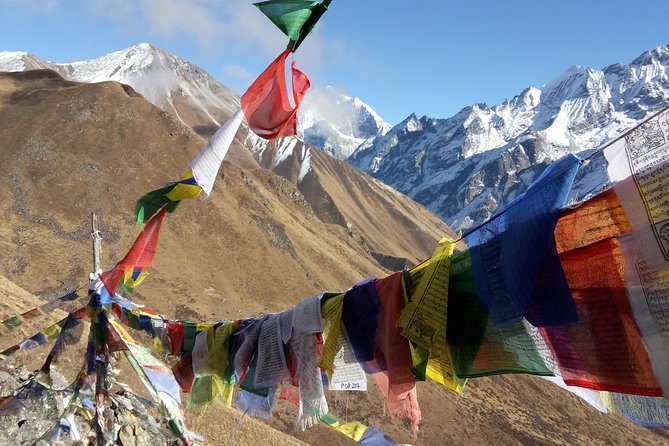
- Langtang Lirung and Ganesh Himal views: The route brings you close to peaks rising above 7,000 meters, including Langtang Lirung at 7,227 meters and Ganesh Himal at 7,422 meters.
- A practical route from Kathmandu: You reach Syapru Besi by road, trek up the valley, then return by the same general route.
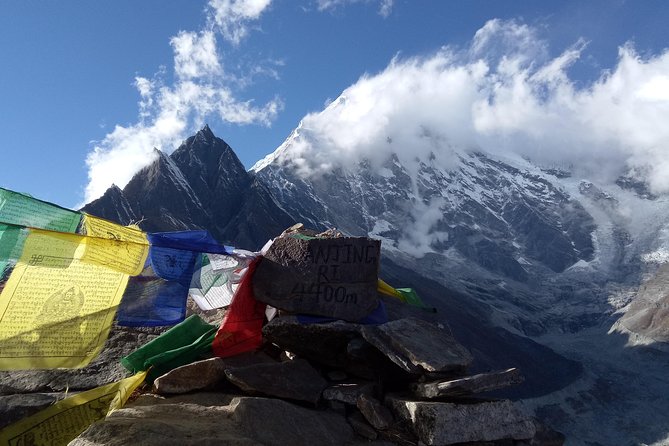
- Kyanjin Gompa is the high point: You spend two nights here, with time for rest, the old monastery, the cheese factory, and a possible hike to Tserko Ri.
- The trek includes full-board meals: Breakfast, lunch, and dinner are provided during the walking portion, along with tea or coffee.
- Private service with named staff: Sudeep is praised as a guide, Dinas as a porter, and Zon for helpful pre-trip service.
- A strong choice for families and solo guests: Personal service, airport transfers, and a private group setup make the trip easier to manage.
Why Langtang works so well from Kathmandu
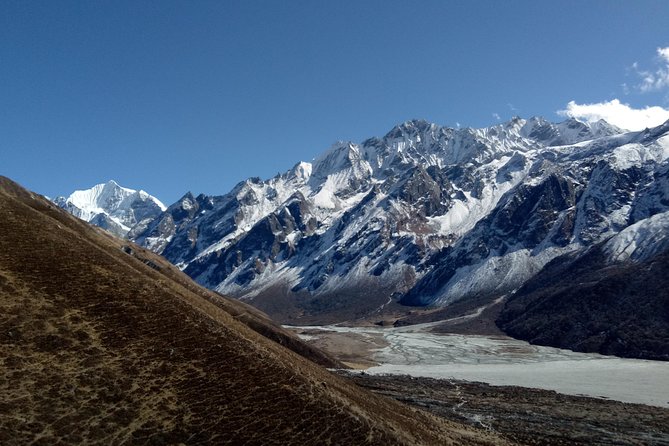
Langtang is one of Nepal’s more practical major trekking areas. You begin in Kathmandu, drive north to Syapru Besi, and reach the walking route without another domestic flight. That saves both money and a layer of airport uncertainty.
The reward is a fast change of scenery. The drive follows villages, hill towns, the Trishuli River, and rolling mountain country. It is not a luxury transfer, and six to eight hours on a local bus or jeep can feel long. Still, the road places you directly at the southern gateway to the trek.
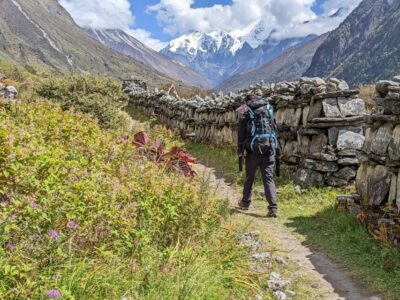
The valley is known for views of Langtang Lirung, Ganesh Himal, and Dorje Lakpa, which rises to 6,966 meters. You also pass through oak and rhododendron forests, with flowers such as white daisies, purple foxgloves, yellow snapdragons, and rhododendrons appearing along the route.
I especially like the contrast here. One hour you may be walking beneath trees and across a small bridge. Later, the valley opens toward snow-covered summits. The route gives you both close contact with local communities and broad Himalayan views.
More Langtang Treks in Kathmandu:
- Langtang Valley Trek
★ 5.0 · 140 reviews - Langtang Valley Trek
★ 5.0 · 61 reviews - 8 Days Tour in Langtang Valley Trek
★ 5.0 · 45 reviews
Days 1 and 2: Kathmandu to Syapru Besi
Your trip begins at Tribhuvan International Airport. A company representative meets you at the terminal, takes you to your Kathmandu hotel, and explains the plans. The airport transfer is private, which is welcome after an international flight and removes the need to find transport on arrival.
The published start time is 12:15 am, so confirm the exact pickup details before you fly. The airport and hotel service is included both at the beginning and end of the trip.
The second day is mostly about reaching Syapru Besi. The drive takes about six to seven hours, passing small towns, hill villages, the Trishuli River, and changing mountain scenery. This is useful transport rather than a sightseeing excursion, so plan for a full day on the road.
You stay in Syapru Besi before beginning the trek. Because the route starts near Kathmandu, you avoid spending an extra day traveling to a distant trailhead. The tradeoff is that the road can be tiring before your first walking day.
Day 3: Forest trails and Lama Hotel
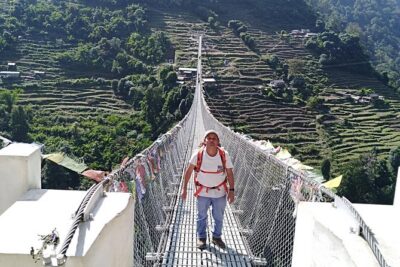
After breakfast, you begin walking through oak and rhododendron forest. The trail includes both climbs and descents, so the day is not a steady uphill march. You eventually cross a bridge over the Langtang Khola before taking a steeper trail toward Lama Hotel.
The walking time is about six hours. Lama Hotel is an important overnight stop on this route and gives you your first real taste of mountain teahouse life.
This is where moderate fitness matters. Six hours on a trail with steep sections can feel very different from six hours on a city walk. Take the pace seriously, use your guide’s advice, and avoid treating the first day as a race.
Day 4: Waterfalls, Ghoda Tabela, and the rebuilt valley
The next walking day lasts about four hours, making it shorter than the previous one. From Lama Hotel, you continue beside waterfalls and gain views toward the Himalayan range.
Ghoda Tabela is a green meadow and a useful visual change from the forest. Snow-covered mountains begin to feel closer here. You then pass a temporary settlement once used by herders and encounter a Buddhist monastery before entering Langtang Valley.
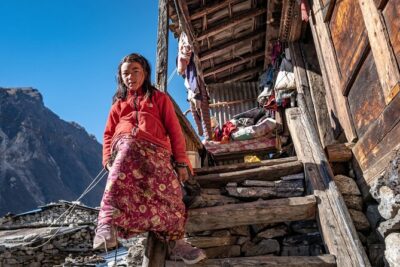
The valley was badly affected by the 2015 earthquake. Many houses have since been rebuilt, and that recovery is part of what you see as you walk through the area. After about half an hour, you reach Mundu village for the night.
This section carries more meaning than a simple mountain viewpoint. You see a living community that has rebuilt homes and continues to support the trekking route. Keep your eyes open for local details rather than focusing only on the peaks.
A few more treks around Kathmandu worth a look
- Everest Base Camp Trek – 14 Days
★ 5.0 · 1,499 reviews - Everest Base Camp Trek
★ 5.0 · 842 reviews - Everest Base Camp Trekking
★ 5.0 · 485 reviews - Annapurna Circuit Trek with Tilicho Lake
★ 5.0 · 368 reviews
Day 5: Mundu to Kyanjin Gompa
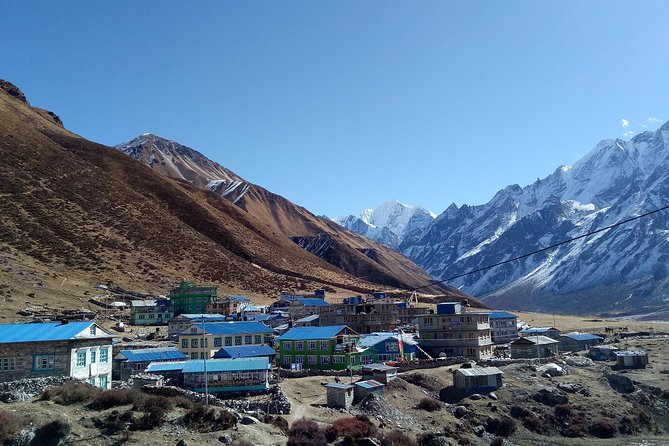
From Mundu, the trail leads to Kyanjin Gompa in about five hours. The route passes yak pastures, small streams, and moraines, giving you a more open and rugged setting than the lower forest trail.
Kyanjin Gompa is the main destination of the trek. You can visit the old monastery and the Kyanjin Cheese Factory, two stops that give the high valley more character than a simple mountain camp.
The name gompa refers to a Buddhist monastery, and this area offers a clear connection between the high mountain setting and local religious life. The yak pastures and cheese factory also show how people use the valley for more than tourism.
Your lodge or mountain teahouse accommodation here is functional rather than polished. The package includes lodging in mountain teahouses, but you should not expect hotel-style comfort at altitude. The appeal is being close to the route and the valley, not having every modern convenience.
Day 6: Rest or Tserko Ri
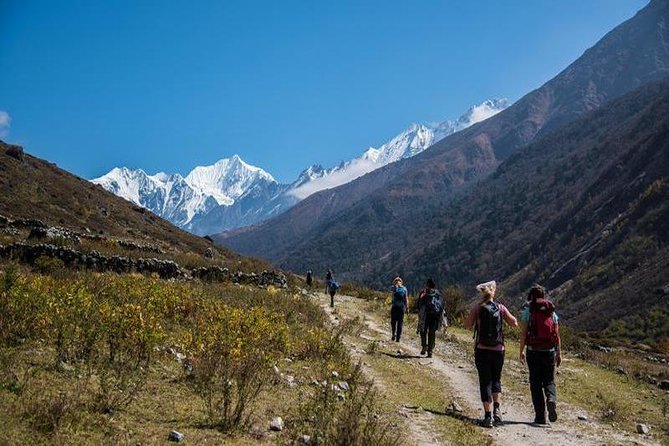
You have a second night at Kyanjin Gompa. That is a smart feature of the schedule because it gives you a chance to rest instead of packing and moving every day.
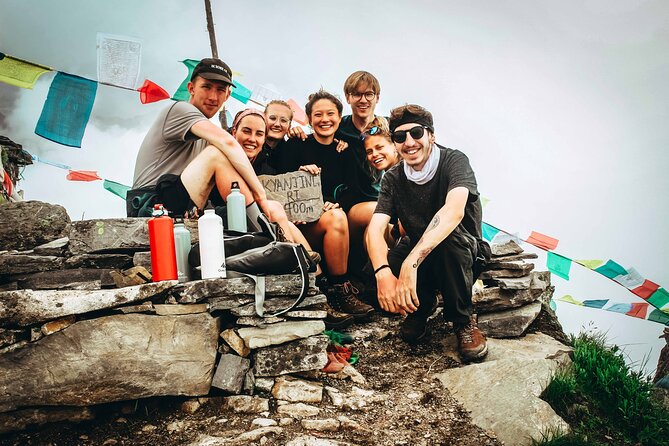
You can visit the monastery and explore the outskirts of Kyanjin Valley. The plan also allows a hike to Tserko Ri, with about five hours listed for the day. The exact amount of walking depends on what you choose to do.
This is the day to be honest about your energy. If you feel good, Tserko Ri offers a more demanding outing. If you are tired, staying near Kyanjin Gompa still gives you a useful high-valley experience without forcing another hard climb.
The free choice is one of the better parts of the route. A fixed program can become uncomfortable when your body needs rest. Here, the extra day gives your group room to adjust.
Days 7 and 8: The return through Langtang National Park
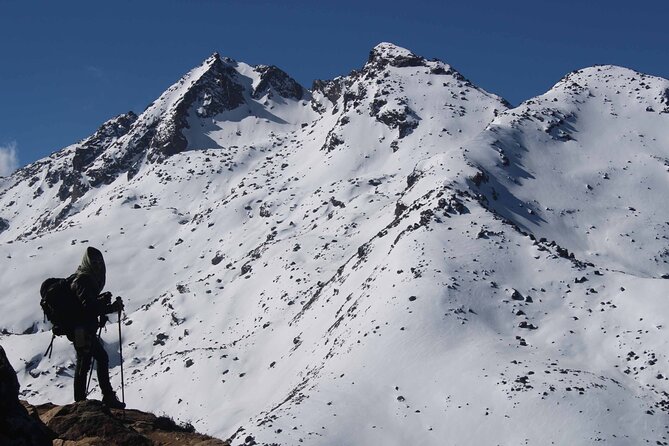
After breakfast on Day 7, you descend toward Lama Hotel. The walk takes about six hours and passes villages, Tamang communities, and Himalayan views. Descending is usually easier on the lungs than climbing, but it can still be hard on knees and ankles.
You spend the night at Lama Hotel, then continue down to Syapru Besi on Day 8. This final walking day takes about five hours.
The return route uses familiar ground from a different angle. You may notice details you missed while climbing, especially in the villages and forest. The route is not a loop, so anyone hoping for a completely different return trail should understand that you generally retrace the valley.
A guide matters here. The package includes an English-speaking trekking guide, and Sudeep is specifically praised for his work. Dinas is named as a porter, and the personal accounts also describe the service as reassuring for a solo guest. Those details suggest a strong focus on care, not just navigation.
Days 9 and 10: Road back to Kathmandu and airport departure
Day 9 is another long transfer, about eight hours, from Syapru Besi to Kathmandu. This may be the least enjoyable part of the trip, particularly after several days of walking. It is also the practical cost of choosing a trekking area reachable by road from the capital.
You return to Kathmandu rather than spending another night near the trailhead. The next day, a company representative takes you to the airport.
The included airport service is useful if your flight timing is awkward or if you do not want to arrange a taxi after a long trek. Check your departure time carefully, since the published schedule includes a seven-hour Day 10 entry that may refer to the transfer window rather than a full day of activities.
What the $1,120 price really covers
At $1,120 per person, this is not simply a guided walk. The price includes private airport transfers, twin-sharing hotel accommodation in Kathmandu, local bus or jeep transport, mountain teahouse lodging, a trekking guide, permits, entrance fees, official documents, and full-board meals while trekking.
The package also includes nine breakfasts, seven lunches, and seven dinners. Tea and coffee are included during the trekking period. That leaves you with fewer daily costs to manage, though you still need money for water, laundry, phone use, bar bills, and other personal purchases.
The main omissions are important:
- International flights
- Nepal entry visa
- Travel and rescue insurance
- Tips for the guide and porter
- Personal expenses
- Anything not listed in the included services
Tipping is expected, so add it to your real budget. Insurance is also not optional in practical terms for a Himalayan trek. The price looks fair for the services included, particularly for a private group, but it is not an all-expenses-paid holiday.
Group discounts may improve the value for families or friends booking together. Because only your group participates, you are not tied to strangers’ pace or preferences. That can matter on the rest day at Kyanjin Gompa and during long transfer days.
Food, lodging, and daily comfort
The meal plan removes much of the guesswork. Breakfast, lunch, and dinner are covered during the trek, with tea and coffee available. The supplied details do not provide menus, so you should not book this expecting a particular cuisine or special dietary arrangement unless you confirm it directly.
Accommodation in Kathmandu is twin sharing. In the mountains, you use lodges or teahouses. These are part of the experience, but comfort is basic compared with city hotels. The purpose is shelter, food, and a place to sleep along the trail.
Pack with simple mountain routines in mind. Keep personal water costs in your budget, and expect laundry and phone service to be separate. The supplied information does not state whether Wi-Fi, hot showers, or charging are included, so ask before departure if those comforts matter to you.
Who should book this trek?
This route suits you if you want a proper Himalayan walk without adding a domestic flight to the plan. It also works well if you prefer a fixed package with transport, permits, meals, guide service, and lodging arranged together.
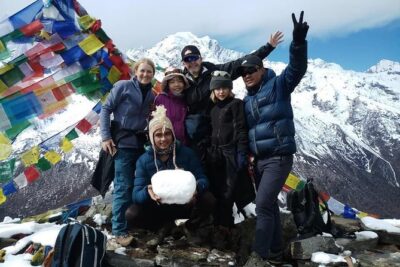
Families may appreciate the private format and the airport assistance. One personal account describes a memorable family trip, while another describes feeling safe as a solo guest. The company also arranged a free city tour for a guest who arrived a day early, and a birthday cake and balloons were provided during the trek. Those gestures suggest a personal approach, though you should not assume every extra is guaranteed.
You should have moderate physical fitness. The walking days range from about four to six hours, with a possible five-hour outing to Tserko Ri. The road transfers are also demanding, especially the return to Kathmandu.
The trek may not suit you if you want luxury lodging, short road transfers, or a fully flexible schedule. It is also not the right choice if you are looking for a technical climbing trip. This is a guided valley trek with mountain walking, village stays, monasteries, and optional higher hiking.
Booking, cancellation, and practical checks
Confirmation is provided when you book, and the activity is near public transportation. The experience starts and ends at Tribhuvan International Airport, with the airport transfers included.
You can cancel for a full refund up to 24 hours before the experience start time. Cancellations or changes made less than 24 hours before the start time are not accepted for a refund. The cutoff follows Nepal local time.
Before paying, confirm the pickup hour, hotel name, luggage arrangements, expected tip, insurance requirements, and the conditions for the Tserko Ri hike. These points do not change the appeal of the trek, but they help prevent small surprises from becoming large ones.
Should you book the Langtang Valley Trek?
I would choose this trek if I wanted a ten-day Nepal experience with strong scenery and practical support, especially from Kathmandu. The high point is not just the mountain view. It is the combination of forests, waterfalls, Tamang villages, Buddhist sites, yak country, the cheese factory, and time to rest at Kyanjin Gompa.
Book it if you accept basic teahouses, long road transfers, and active walking days. Skip it if your priority is luxury or a short, easy holiday. For families, small private groups, and solo guests who want organized support, the included transport, guide, permits, meals, and personal service make the $1,120 cost reasonable.
FAQ
Where does the Langtang Valley Trek start?
The experience starts at Tribhuvan International Airport in Kathmandu, Nepal.
Where does the trek end?
The activity ends back at the Kathmandu meeting point after the return drive from Syapru Besi.
How long does the experience last?
The trip lasts approximately 10 days.
How much does the trek cost?
The listed price is $1,120 per person.
Is this a private tour?
Yes. Only your group participates in the activity.
Is airport transportation included?
Yes. Private vehicle transfers from the airport to the hotel and from the hotel to the airport are included.
Is transportation to the trekking area included?
Yes. Local bus or jeep transportation between Kathmandu and Syapru Besi is included.
Are meals included?
Yes. Breakfast, lunch, and dinner are provided during the trekking period, with tea and coffee included while trekking.
Is a guide included?
Yes. An English-speaking trekking guide is included. Tips for the guide and porter are not included, and tipping is expected.
Is travel insurance included?
No. Travel and rescue insurance are not included in the price.
Can I cancel for a full refund?
Yes, if you cancel at least 24 hours before the experience start time. Cancellations made less than 24 hours before the start time are not refundable.
Recently added around Kathmandu
- Ghorepani Poon Hill Trek★ 5.0 · 16 reviews
- Private Manaslu Circuit Trek at Himalayas★ 5.0 · 3 reviews
- Amazing 1 Day Trekking Experience in Kathmandu Nepal★ 5.0 · 24 reviews
- Upper Mustang Trekking★ 5.0 · 2 reviews
- Ghorepani Poonhill Trek★ 5.0 · 5 reviews
- Upper Mustang Trekking★ 3.0 · 2 reviews
- Upper Mustang Trekking★ 5.0 · 4 reviews
- Upper Mustang Trek★ 5.0 · 5 reviews
Langtang Valley Treks, compared.
Trekking in Annapurna/Langtang/Everest/Upper Mustang regions
Read our review →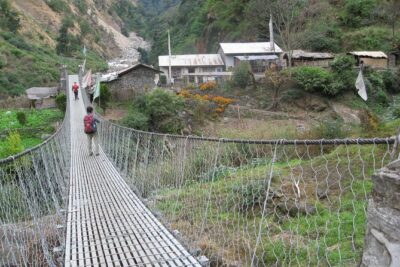
Browse the lists this tour appears in