
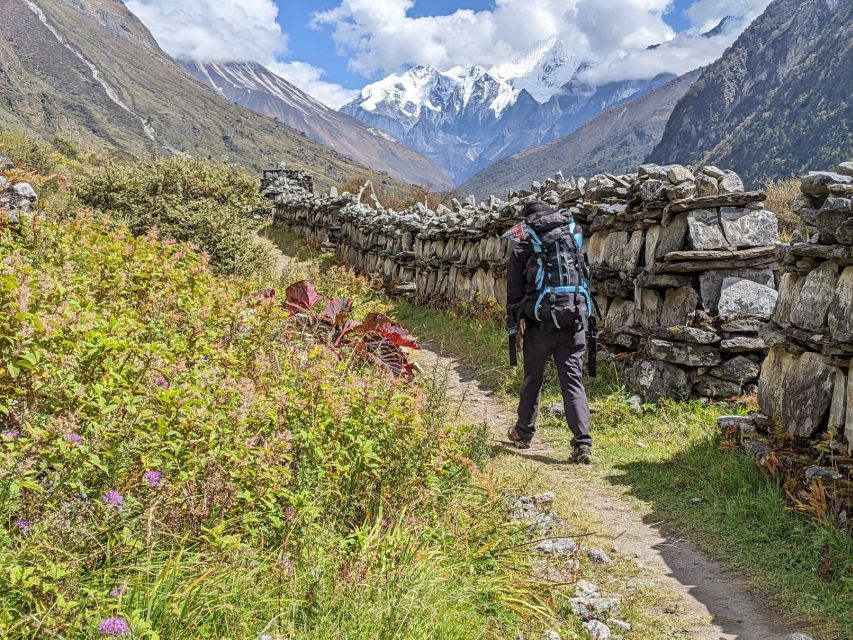
REVIEW · KATHMANDU
Kathmandu: 6-Day Limitless Langtang Trek
The Himalayas reward steady feet. This six-day Langtang trek gives you a compact taste of Nepalese mountain life, with forest paths, river valleys, Tamang villages, monasteries, cheese-making, and high viewpoints. I especially like the strong cultural element, including time in Kyanjin Gompa and contact with local communities. I also like that the trip includes a guide, permits, transport, and five nights of accommodation at a modest listed price of $181 per person.
The main caution is the pace. Several days involve long hours on steep trails, and the route reaches nearly 3,870 meters before an optional climb to about 4,770 meters. Altitude and cold nights deserve respect, even though the trek is described as suitable for first-time hikers, families, couples, and solo visitors.
Key points to know before you book
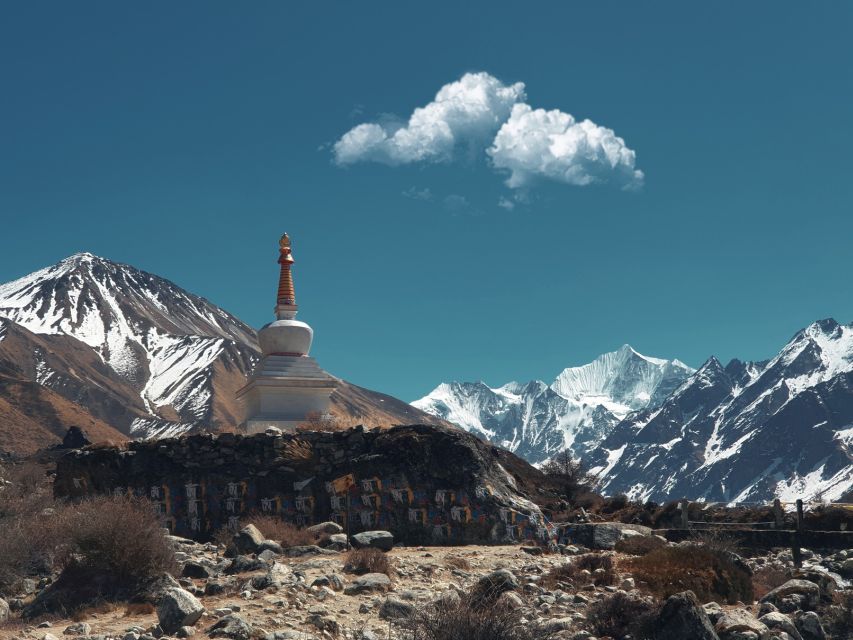
- Kyanjin Gompa is the high point of the standard route: You reach 3,870 meters and find monasteries, a cheese factory, mountain views, and a quiet Himalayan setting.
- The optional Kyanjin Ri climb is serious: The summit reaches roughly 4,770 meters, so this is not a casual walk. Your guide can help you decide if it suits your condition.
- The first and last days involve long road travel: Expect about six hours by road from Kathmandu to Syabrubesi, then another shared bus ride back.
- Guides receive the strongest praise: Mahesh Aryal, Niraj, Bipin, Dipesh, and Ghanshyam are specifically praised for patience, safety checks, route knowledge, and clear daily briefings.
- Porter service costs extra: The guide is included, but porter charges are not. That matters on steep days and should be arranged before departure.
- The price is attractive, but check the package: Meals are included during the trek for the Full Package only, while drinks, bottled or boiled water, showers, charging, insurance, and personal costs are extra.
Why Langtang works for a short Nepal trek
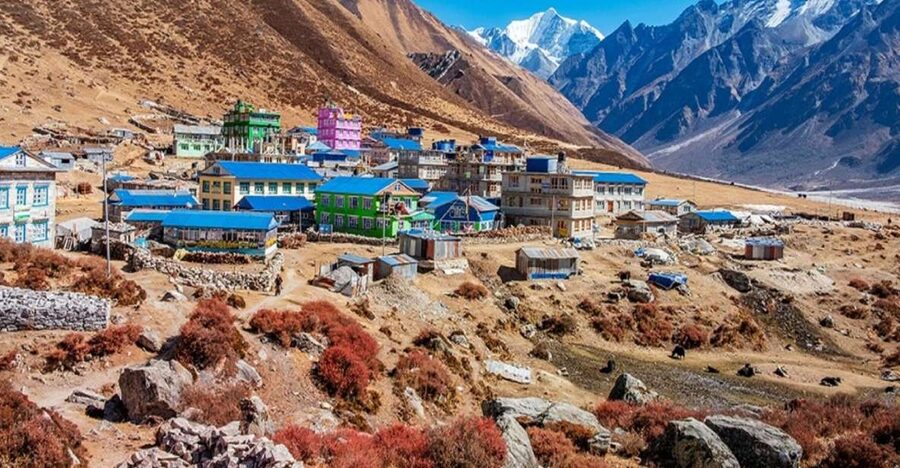
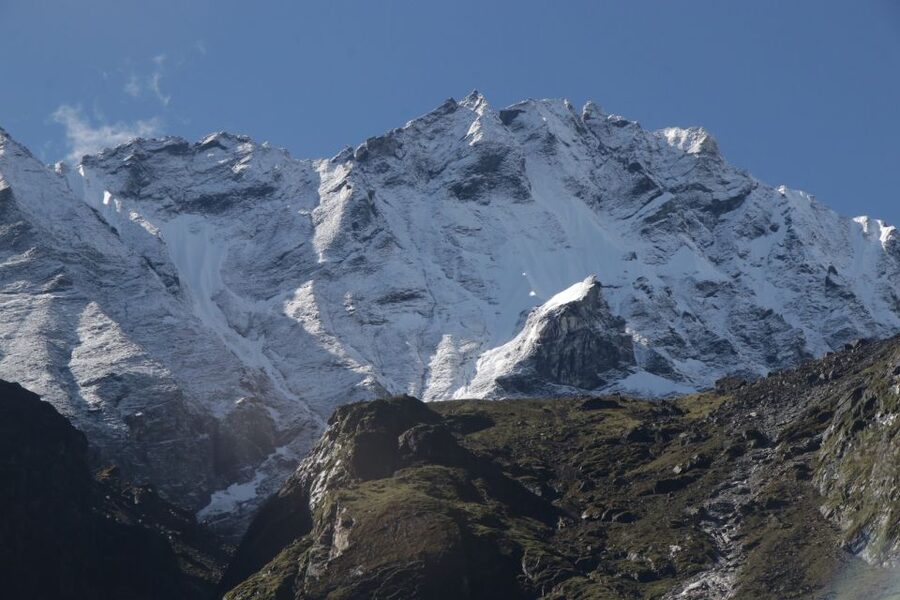
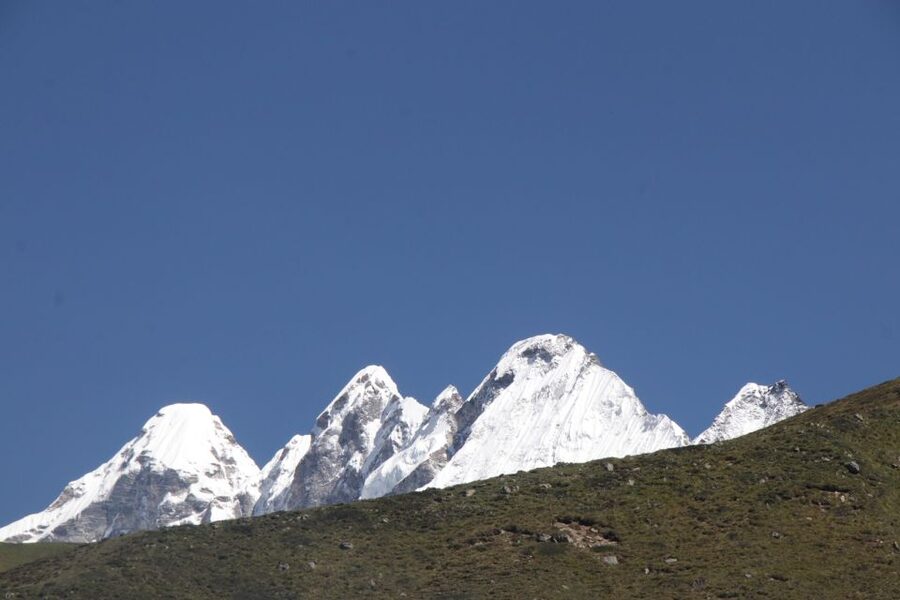
Langtang offers a genuine mountain journey without asking you to spend two weeks on the trail. You leave Kathmandu by road, walk beside the Langtang River, climb through forest, pass villages, and reach a high valley framed by snow-covered peaks. The route feels active and remote, but it remains manageable within six days.
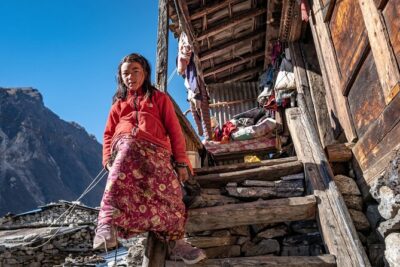
I like the mix of scenery and daily life here. This is not just a walk from one viewpoint to another. You also see how Tamang communities live, eat, work, and welcome visitors in the upper valley. The monasteries and spiritual sites add a quiet note to the trip, while the cheese factory at Kyanjin Gompa gives the high-altitude section a distinctive local touch.
The route is described as moderate, but that label needs context. You may spend six to eight hours walking on some days, with sustained uphill sections and a major altitude gain. A first-time trekker can handle it with preparation and a sensible pace, but you should not treat it as an easy sightseeing tour.
More Langtang Treks in Kathmandu:
- Langtang Valley Trek
★ 5.0 · 140 reviews - Langtang Valley Trek
★ 5.0 · 61 reviews - 8 Days Tour in Langtang Valley Trek
★ 5.0 · 45 reviews
Day 1: Kathmandu, Syabrubesi, and Pahiro
The first day begins with a long drive from Kathmandu to Syabrubesi. The road follows winding mountain routes through changing scenery, and the journey itself is part of the Nepal experience. It is also the least comfortable part for anyone who dislikes rough roads or long bus rides.
From Syabrubesi, you walk for around two hours toward Pahiro at about 1,550 meters. The trail follows the Langtang River and passes through forest. This short opening walk lets you loosen your legs after the drive without immediately pushing into high altitude.
You spend the night in Pahiro. Accommodation is described as private, though the exact room arrangement and lodge standard should be confirmed before departure. Since your price includes five nights during the trek, ask the operator to clarify how the private room applies in each location.
There is one itinerary detail worth checking. The schedule names Pahiro as the first overnight stop, then describes Day 2 as starting from Syabrubesi. That may simply be a wording error, since the walking route is expected to continue from Pahiro. Ask for the final day-by-day plan before you set out.
Day 2: Forest trails to Ghoda Tabela
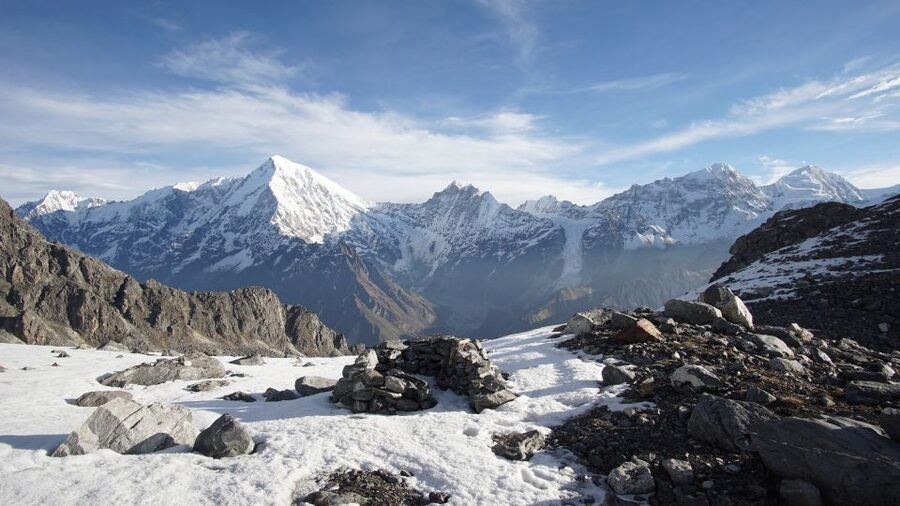
The second walking day is longer, listed at about six hours, and brings a clear change in effort. You pass through green forest, villages, and waterfalls while following the river corridor toward Ghoda Tabela at approximately 2,900 meters.
This is the sort of day when a guide adds real value. A good guide sets a steady pace, points out the route, and helps you judge when to rest. Mahesh Aryal was praised for checking comfort, explaining the next day, and knowing the best stops and lodges. Bipin was also praised for handling meal orders and explaining practical details at the end of each day.
The climb to nearly 2,900 meters is significant. You may feel the difference in breathing, especially if you are not used to mountain walking. Keep your pace slow, drink regularly, and tell your guide early if you develop a headache, unusual fatigue, or nausea. You should not feel embarrassed about slowing down. The goal is to reach Kyanjin Gompa safely, not to win a race against the person ahead.
Ghoda Tabela is valued for its calm setting. The forest begins to open, the air feels thinner, and the upper mountains become more present. This is also a good night to check your cold-weather gear before the higher section.
Day 3: Reaching Kyanjin Gompa at 3,870 meters
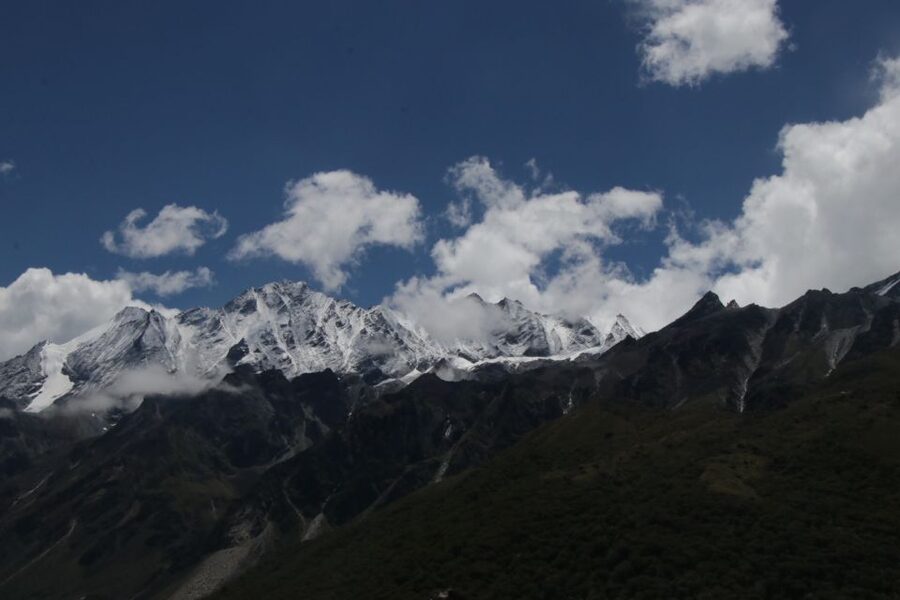
The route from Ghoda Tabela to Kyanjin Gompa is the dramatic heart of the trek. You continue uphill through the Langtang Valley, with wider mountain views and a stronger sense of being above the ordinary world.
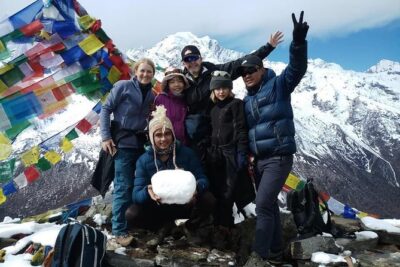
Kyanjin Gompa sits at about 3,870 meters. Reaching it is an achievement, particularly after several days of walking. The village offers more than scenery. You can visit monasteries, see the cheese factory, meet local people, and learn about Tamang culture through daily contact rather than a staged performance.
This is where the trek feels most rewarding for me. The setting is quiet, the mountain views are broad, and the cultural experience has room to breathe. You are not rushing through a single photo stop. You spend the night in the area and have time to look around.
The altitude is also the central challenge. A reviewer who extended the trip to eight days reached around 4,700 meters with the help of guide Niraj, but that should not be treated as a promise or a target for everyone. Your own pace, fitness, acclimatization, weather, and health matter more than someone else’s summit.
At night, temperatures can fall sharply. One January visitor specifically advised bringing warm clothing and medication, while another described the accommodation as comfortable, with fires sometimes burning in dining areas. Bring layers, gloves, a warm jacket, and a sleeping bag as requested by the operator.
A few more treks around Kathmandu worth a look
- 6 Days Poon Hill – Ghandruk Circuit Trek from Kathmandu
★ 5.0 · 10 reviews - Kathmandu: 6 Days Langtang Valley Trek with Kyanjin Ri
★ 5.0 · 7 reviews - Ghorepani Poonhill Trek (6 Days)
★ 5.0 · 6 reviews - Dive into Spirituality: 6 Days Trek to Gosaikunda Lake
★ 4.5 · 3 reviews
Day 4: The optional Kyanjin Ri climb
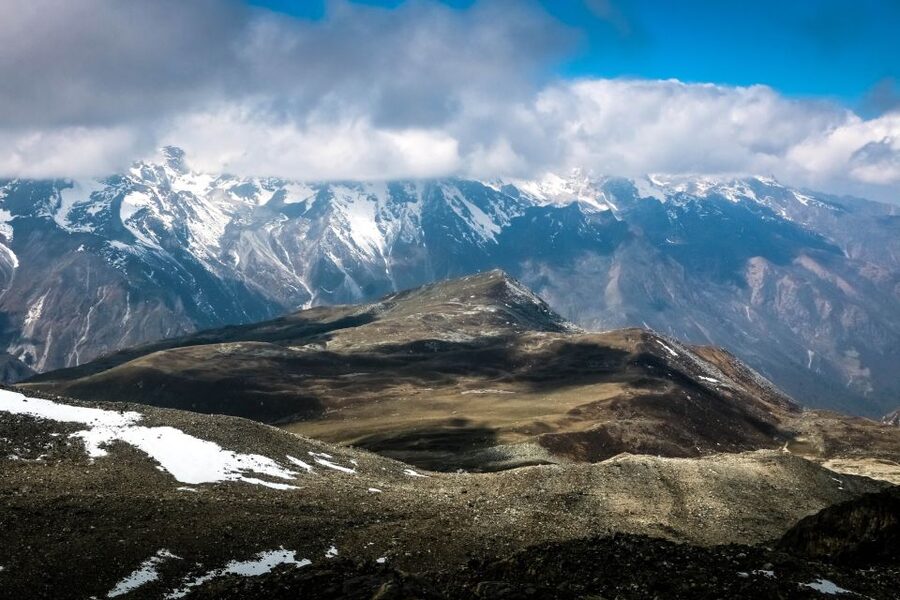
Day 4 is the most demanding and the least straightforward part of the schedule. The plan describes a climb from the Langtang area to Kyanjin Ri at roughly 4,770 meters, followed by a return along the same route and an overnight stay at Thangsyap, around 3,200 meters.
The climb is optional. That is important. Kyanjin Ri is not a small village lookout reached in a few easy minutes. It is a steep ascent at high altitude, and the schedule itself notes that some people may find it hard.
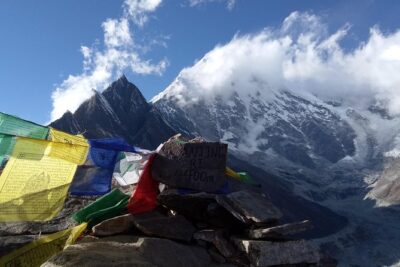
If you are fit, acclimatizing well, and comfortable with the conditions, the climb can provide the biggest views of the trip. You may see snow-covered peaks and the glacial valley spread below you. The early start and uphill effort can be worth it for a clear panorama, but no view is worth pushing through serious altitude symptoms.
Your guide should help you make the call. Niraj was praised for supporting a 4,700-meter summit, while Mahesh was praised for regular safety checks and clear plans. Those are exactly the habits you want on this day: honest advice, patience, and no pressure to continue.
The itinerary uses both Kyanjin Gompa and Langtang Village in describing this day, so confirm the precise starting point and overnight stop. The route appears to involve climbing from the high valley, returning by the same trail, and descending toward Thangsyap. A clear briefing will prevent confusion.
Day 5: A long descent to Syabrubesi
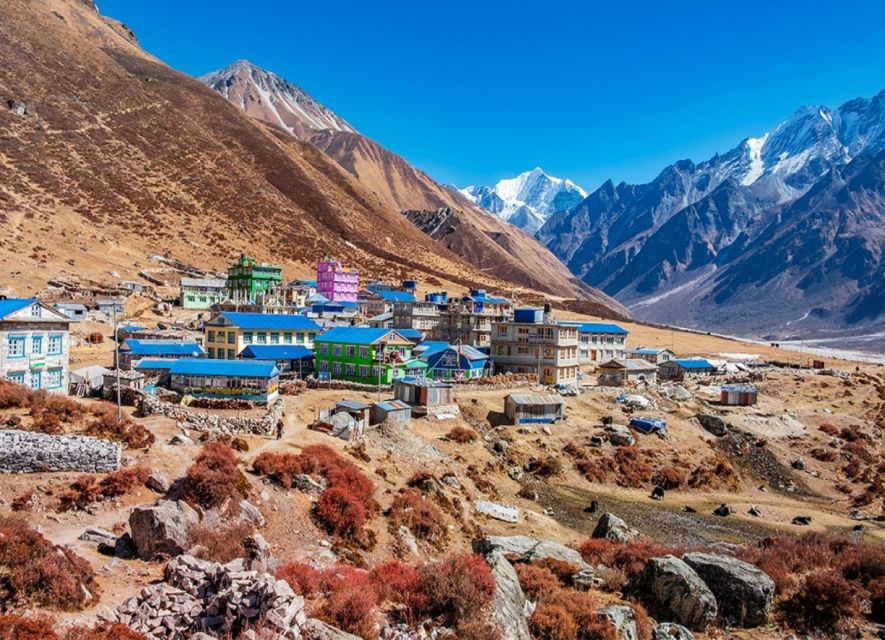
From Thangsyap, you descend toward Syabrubesi at about 1,550 meters. The trail retraces much of the route beside the Langtang River, passing through familiar forest and village scenery from a new direction.
Downhill walking sounds easy, but it can be hard on knees and thighs after several days on the trail. Trekking poles can help, though they are not specifically listed as included. Wear shoes with good grip and keep your pace controlled on uneven ground.
The lower altitude usually feels easier for breathing, but tired legs can make this a surprisingly long day. A porter can be useful if you are carrying a large pack. Porter service is extra, and several positive accounts specifically praised the help with larger bags. Arrange this in advance rather than assuming it will be added automatically.
Back in Syabrubesi, you spend the final trekking night. The return to road level gives you a chance to rest before the bus ride to Kathmandu.
Day 6: Shared transport back to Kathmandu
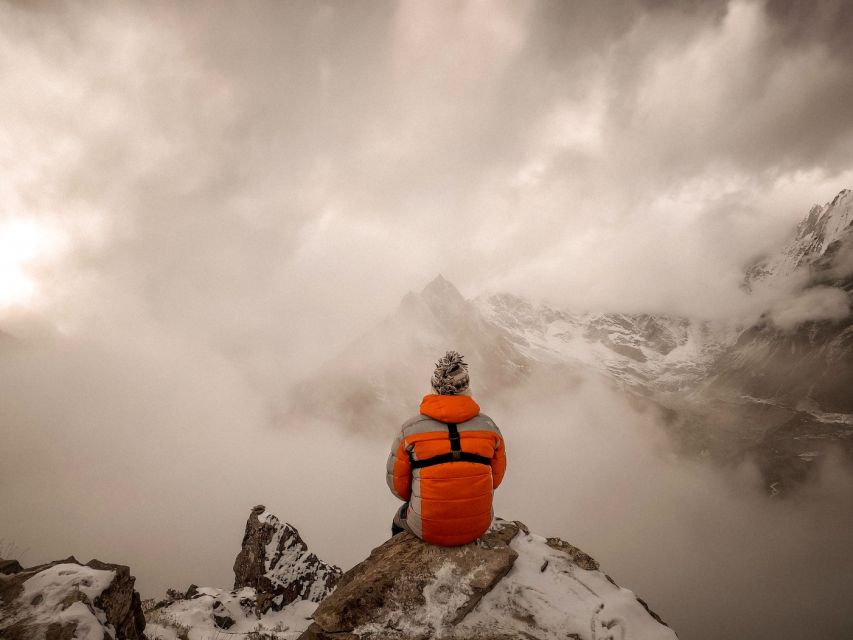
The final day is a drive from Syabrubesi to Kathmandu in shared transport. You get one last look at the mountain roads and river valleys before returning to the city.
Shared transport keeps the cost down, but it gives you less control over departure timing and seating than a private vehicle. The operator says transport depends on the number of people and may be shared by bus. If comfort or a fixed departure matters to you, ask about upgrade options before booking.
This is not a final sightseeing day in Kathmandu. It is mainly a transport day, so avoid scheduling an important flight immediately afterward. The tour does not include extra nights in Kathmandu or Pokhara if you arrive early, depart late, or return from the mountains ahead of schedule for reasons outside the stated plan.
Guides are the heart of the experience
The strongest praise focuses on the guides. Specific names include Niraj, Mahesh Aryal, Bipin, Dipesh, and Ghanshyam. Their praised qualities are practical: they explain the next day, check how you feel, handle food arrangements, answer questions, help with bags when needed, and avoid pushing people beyond their limits.
That matters more than polished speeches. On a mountain trek, a guide who notices your pace and explains the plan can change the whole experience. Dipesh was praised for patience with first-time trekkers, while Ghanshyam helped a solo woman feel safe. Those details suggest a service culture built around personal attention.
The advertised guide languages are English, Hindi, and Nepali. The group type is private, which should give you more flexibility than a large fixed group. Still, confirm how many people are in your private party and whether the named guides are available for your dates. The guide assigned to you may differ.
What the $181 price really covers
At $181 per person, this is a low listed price for a six-day guided Himalayan trek. The value comes from bundling several important costs: hotel pickup and drop-off, an English-speaking guide, permits, paperwork, the Trekkers’ Information Management System fee, five nights of accommodation, transport, government tax, and staff costs.
For the Full Package, breakfast, lunch, and dinner are included during the trek. That distinction matters. Confirm that your booking is for the Full Package if you expect meals to be covered.
You still need to budget for:
- Soft and hard drinks
- Bottled or boiled water
- Showers and battery charging
- Phone calls and laundry
- Extra porters
- Travel and rescue insurance
- Nepalese visa fees
- International flights
- Extra hotel nights caused by schedule changes
The guide is included, but porter charges are extra. Insurance is especially important because rescue cover is not included. The low price is appealing, but the final cost will be higher once you add personal expenses, warm gear, water, and insurance.
What to pack for the altitude
The required list is sensible. Bring your passport or ID card, hiking shoes, a jacket, gloves, hat, sunglasses, sunscreen, a towel, flashlight, trekking gear, and sleeping bag.
I would pay special attention to four items. Warm clothing is essential for high nights. Sunglasses and sunscreen matter at altitude. A flashlight is useful when power or lighting is limited. Good shoes matter on steep, uneven trails.
You should also arrive ready for cold conditions in January and possibly other shoulder-season dates. The supplied accounts describe winter nights as cold but accommodation as comfortable. That is encouraging, but a lodge fire does not replace warm clothing.
Who should choose this trek?
This trip suits you if you want a real Himalayan walk but have only six days. It works well for couples, private groups, solo visitors, and first-time trekkers who are prepared for long walking days.
It is especially good for someone who values local culture alongside mountain scenery. Kyanjin Gompa, Tamang communities, monasteries, and the cheese factory give the route more substance than a simple viewpoint hike.
You should think twice if you dislike long road journeys, steep trails, basic mountain accommodation, cold nights, or uncertain weather. Pregnant women are specifically advised not to take the trip. Anyone with medical concerns should seek professional advice before booking, since the route reaches high altitude and rescue insurance is not included.
Should you book the Langtang trek?
Book it if you want a short, guided route with striking mountain views, cultural contact, and a chance to add Kyanjin Ri if conditions allow. The price is strong for the listed inclusions, and the repeated praise for guides such as Mahesh, Niraj, Bipin, Dipesh, and Ghanshyam is a real positive.
Before paying, confirm three things: the exact walking route on Days 1, 2, and 4, whether your reservation includes the Full Package meals, and the cost of a porter. Add travel and rescue insurance, pack for cold nights, and allow flexibility around the shared bus ride.
With those points settled, this is a practical way to experience the Langtang Valley in less than a week. You get forests, river paths, mountain villages, monasteries, Tamang hospitality, and a serious optional climb, all without committing to a much longer Nepal trek.
FAQ
How long is the Langtang trek?
The experience lasts six days, including travel from Kathmandu to Syabrubesi and the return drive to Kathmandu.
What is the price of the trek?
The listed price is $181 per person.
Is a guide included?
Yes. An authorized English-speaking guide is included. Guides are also available in Hindi and Nepali.
Is the group private?
Yes. The group type is listed as private.
Are meals included?
Breakfast, lunch, and dinner during the trek are included for the Full Package only. Confirm your selected package before booking.
Is a porter included?
No. Porter service is available at an extra charge.
How high does the trek go?
Kyanjin Gompa is at about 3,870 meters. The optional Kyanjin Ri climb reaches approximately 4,770 meters.
Is the Kyanjin Ri climb required?
No. The climb is optional and may be difficult for some people.
What transport is used?
The itinerary uses shared transportation or a bus, depending on the number of people. The trip from Kathmandu to Syabrubesi takes about six hours, followed by a return bus journey on Day 6.
What should I bring?
Bring a passport or ID card, towel, sunscreen, gloves, sleeping bag, flashlight, hiking shoes, jacket, hat, trekking gear, and sunglasses.
Recently added around Kathmandu
- Ghorepani Poon Hill Trek★ 5.0 · 16 reviews
- Private Manaslu Circuit Trek at Himalayas★ 5.0 · 3 reviews
- Amazing 1 Day Trekking Experience in Kathmandu Nepal★ 5.0 · 24 reviews
- Upper Mustang Trekking★ 5.0 · 2 reviews
- Ghorepani Poonhill Trek★ 5.0 · 5 reviews
- Upper Mustang Trekking★ 3.0 · 2 reviews
- Upper Mustang Trekking★ 5.0 · 4 reviews
- Upper Mustang Trek★ 5.0 · 5 reviews
Langtang Valley Treks, compared.
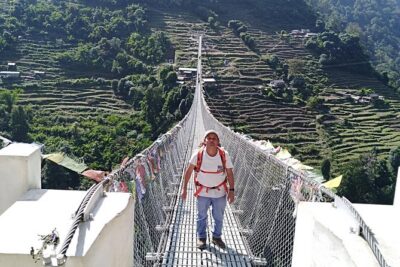
Trekking in Annapurna/Langtang/Everest/Upper Mustang regions
Read our review →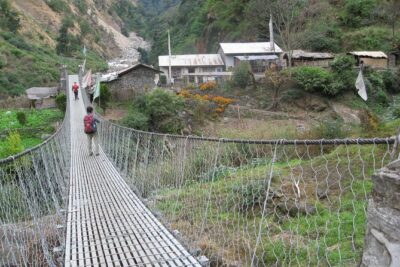
Browse the lists this tour appears in