
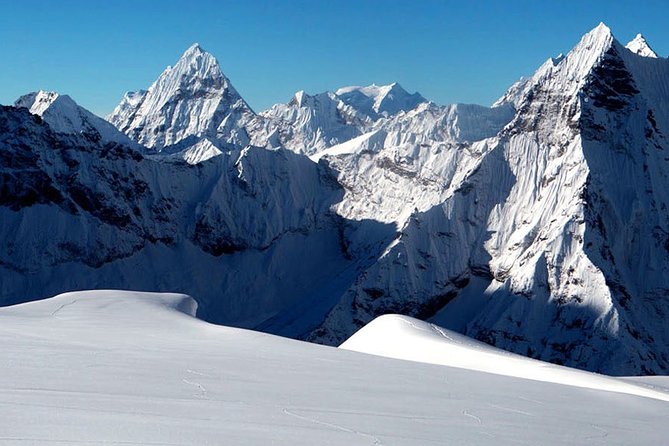
REVIEW · KATHMANDU
Langtang Valley Trek – 11 DAYS
High peaks arrive sooner than expected. This 11-day Langtang Valley Trek pairs Tamang villages and Buddhist culture with forests, glaciers, and grand Himalayan views, without requiring a long expedition. I like the private jeep transfers and the small-group setup, and I like that meals, permits, guide, porter, and trekking gear are included. The main catch is the demanding climb to Tsergo Ri at 4,984 meters, which makes this tougher than the phrase easy trek suggests.
You also get three Kathmandu nights, a half-day city tour, and seven nights in mountain lodges. The five posted experiences give the trip a 4.8 rating, with special praise for organization, friendly staff, and guides including Nima, Pemba, and Njima. Still, you should budget extra for hot showers, bottled water, Wi-Fi, Kathmandu entrance fees, tips, insurance, and personal expenses.
Key points at a glance
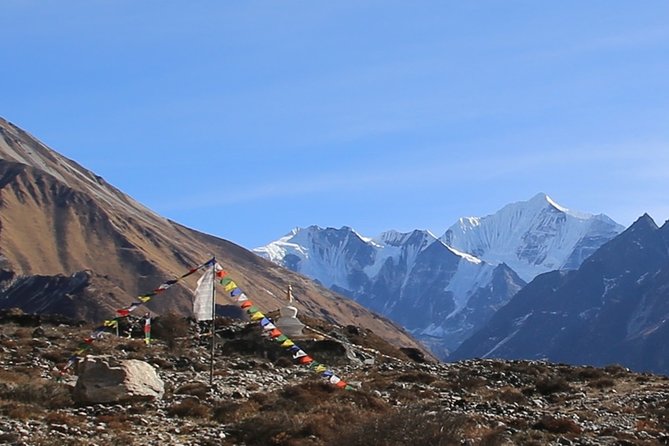
- Tsergo Ri viewpoint: A strenuous five-hour ascent from Kyanjin Gompa leads to wide views of Langtang Lirung, Gang Chhenpo, Naya Kangri, and Dorje Lakpa.
- Tamang culture: The route passes villages shaped by Tibetan Buddhist customs, with monasteries, chortens, mani walls, and prayer flags.
- Kyanjin Gompa base: This is the trek’s high point, with an alpine setting at 3,860 meters and views toward icefalls from Langtang Lirung and Kimshung.
- Private transport: A private jeep carries you between Kathmandu and Syabrubesi, avoiding a public group transfer.
- Strong staff support: Guide and porter costs, food, insurance, lodging, permits, and equipment are included.
- Extra costs matter: Nepal visa, insurance with evacuation, Kathmandu entrance fees, hot water, Wi-Fi, bottled water, tips, and personal purchases are not included.
Why Langtang works in an 11-day trip
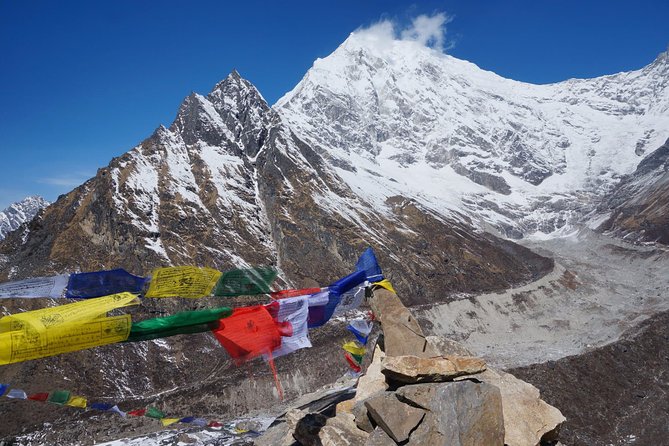
Langtang gives you a proper Himalayan trek without committing to the longer schedules often needed for Everest or Annapurna routes. You begin with Kathmandu, drive north to Syabrubesi, walk into Langtang National Park, reach Kyanjin Gompa, climb a high viewpoint, and return by the same valley.
That return route is not a flaw. It lets you see the same valley from a different angle, and it keeps the trip straightforward. You do not need to cross a high pass or change valleys. The tradeoff is that days eight and nine repeat much of the approach trail, so the trek is best for you if scenery, mountain culture, and a manageable route matter more than constant novelty.
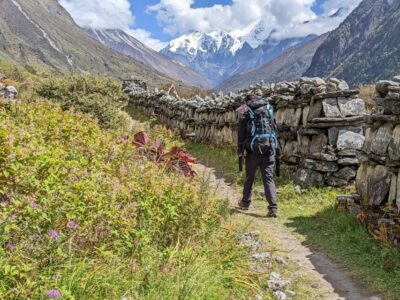
The scenery changes steadily. Lower sections pass through pine, bamboo, oak, maple, hemlock, and rhododendron forest. Higher up, the trees thin, pastures appear, and the valley opens into a glacial U shape. At Kyanjin, the setting becomes alpine, with icefalls and high peaks close by.
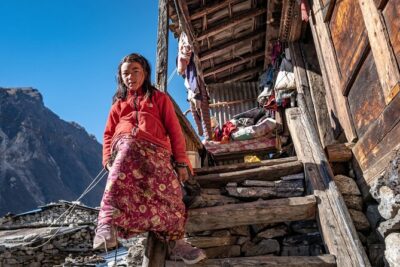
The route also has cultural depth. Tamang communities in this region speak a Tibeto-Burman language and follow a form of Tibetan Buddhism. Small monasteries, mani walls, chortens, prayer flags, and water-driven mills make the walk feel like a journey through lived-in mountain communities, not just a march toward a viewpoint.
More Langtang Treks in Kathmandu:
- Langtang Valley Trek
★ 5.0 · 140 reviews - Langtang Valley Trek
★ 5.0 · 61 reviews - 8 Days Tour in Langtang Valley Trek
★ 5.0 · 45 reviews
Kathmandu begins with temples and a practical briefing
Your first day is simple: airport pickup, hotel check-in, and free time in Kathmandu. The included hotel is a three-star property, and breakfast is included during the Kathmandu portion. No meal is listed for arrival day, so plan around your flight time.
Day two combines trip preparation with a half-day tour of the Kathmandu Valley. You visit Kathmandu Durbar Square for Newari palace architecture, Boudhanath Stupa, Swayambhunath Stupa, and Pashupatinath Temple beside the Bagmati River. The mix of Hindu and Buddhist sites gives you useful context before entering a region shaped by Tibetan Buddhism.
This is also the day for last-minute shopping and the trip orientation. I value that timing. You can ask questions, check your equipment, and deal with small purchases before leaving the city. Entrance fees in Kathmandu are not included, so keep some money available.
The welcome dinner is included. It gives the group and staff a chance to meet before the long drive north.
Day three: the road to Syabrubesi
The drive from Kathmandu to Syabrubesi covers about 132 kilometers. This is not a sightseeing day in the formal sense, but it is important because Syabrubesi is the trekking gateway.
Private jeep transport is included, along with a driver, fuel, road taxes, parking fees, and the driver’s meals and lodging. That arrangement is useful for a private group because you avoid coordinating separate transport. It also means the schedule is built around your own party rather than a large shared vehicle.
Breakfast, lunch, and dinner are included on this day. Once you reach Syabrubesi, the walking section begins the next morning.
Days four and five: forest trails and Tamang villages
Day four leaves the main road and crosses the Bhote Koshi by suspension bridge. You pass the police post, enter old Syabrubesi, and can visit the village monastery in its small stone building. From there, the path follows a stone-paved street, crosses the Langtang Khola, and continues through trees, side streams, settlements, and a landslide area.
A second suspension bridge and the waterfall at Doman add variety to the day. The route is not simply a forest walk. It brings you through places where mountain life is visible in the buildings, paths, bridges, and religious features.
Day five brings a stronger climb through hemlock, oak, maple, and white and pink rhododendron forest. You pass Gumanchok, cross a stream, and climb toward Ghora Tabela, marked by a Nepal Army and National Park post.
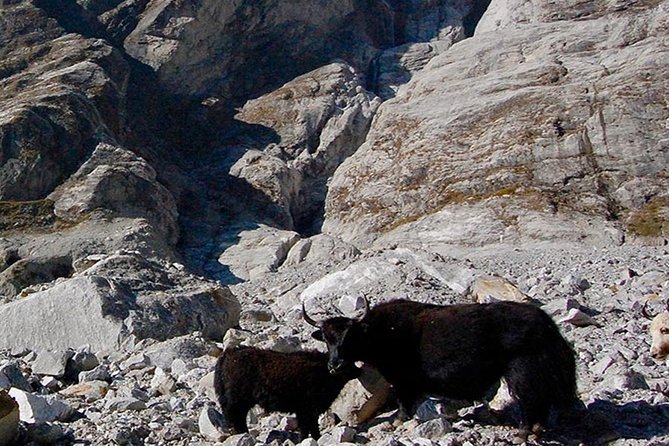
After Ghora Tabela, the valley opens into a classic glacial form. You cross a helipad and yak pastures, then climb through rhododendron forest toward Thangshyap. The trail continues above fields to Ghumba village, where a gompa provides another chance to see local religious life.
This is one of the days when the trip’s forest-to-alpine progression becomes clear. It also reminds you that the trek is not entirely gentle. The route includes sustained climbs, and good walking shoes, trekking poles, and patience will help.
A few more treks around Kathmandu worth a look
- Everest Base Camp Trek – 14 Days
★ 5.0 · 1,499 reviews - Everest Base Camp Trek
★ 5.0 · 842 reviews - Everest Base Camp Trekking
★ 5.0 · 485 reviews - Annapurna Circuit Trek with Tilicho Lake
★ 5.0 · 368 reviews
Day six: reaching Kyanjin Gompa at 3,860 meters
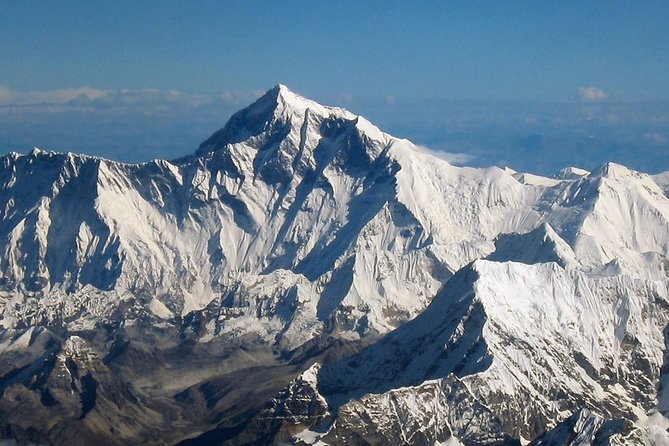
The trail passes through villages and follows a ridge topped by a large chorten. You continue past a mani wall, cross a stream, and reach Mundu. From there, the route follows the rushing river toward Yamphu, where you pass a yak wool shop and yak pastures.
A moraine climb brings the first clear view of Kyanjin Gompa. The monastery appears ahead beneath dramatic icefalls flowing from Langtang Lirung and Kimshung. That approach is the visual payoff of the lower valley walking.
Kyanjin Gompa sits at 3,860 meters, or 12,665 feet. You have time to acclimatize and explore the area, including the Nyingmapa school monastery. The overnight stay here is important because it gives your body time to adjust before the higher climb to Tsergo Ri.
The altitude should not be treated casually. The schedule includes acclimatization time, but you still need to walk at a measured pace, drink regularly, and tell your guide if you feel unwell. The package includes a guide, but no trek can remove the personal risk of altitude.
Day seven: Tsergo Ri is the hard day
From Kyanjin Gompa, the climb to Tsergo Ri takes about five hours. The route first heads east toward Langshisha Kharka, crosses a stream, and then branches into a side valley near a cairn.
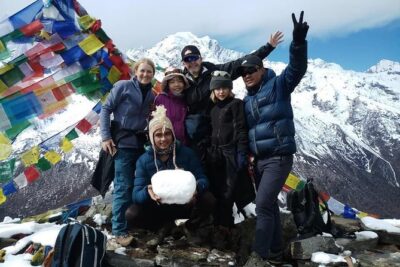
The climb becomes steep and switchbacks up the hillside. You pass stone herder huts at Yala Kharka before making the final ascent toward prayer flags at the viewpoint. At 4,984 meters, Tsergo Ri is nearly 1,100 meters higher than Kyanjin Gompa.
The views are the reason for the effort. You can look toward Langtang Lirung at 7,246 meters, Gang Chhenpo at 6,388 meters, Naya Kangri at 5,846 meters, and Dorje Lakpa to the east. The route is close to the Tibetan border, adding a sense of geographic scale to the high ridge.
You return to Kyanjin Gompa for the night. This is the day that changes the trip from a moderate mountain walk into a serious high-altitude outing. If you want a softer schedule, ask the operator about alternatives before booking. The supplied program specifically includes Tsergo Ri, so you should be ready for a steep, tiring ascent.
Days eight and nine: retracing the valley
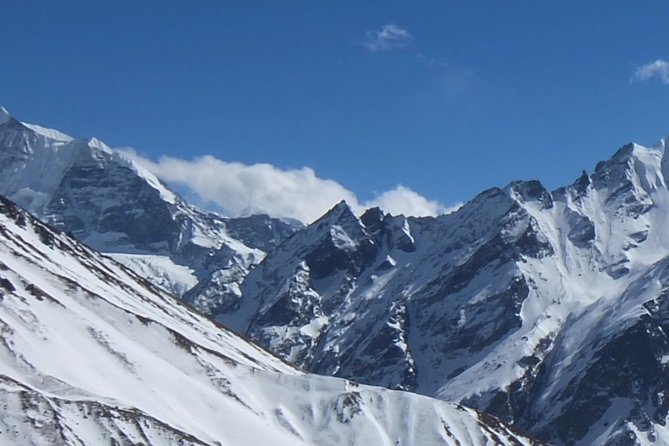
Day eight follows the approach route back to Lama Hotel. By now, the trees and lower elevations may feel welcoming after the cold, open terrain around Kyanjin Gompa. The return is still a full trekking day, so do not mistake downhill walking for effortless walking.
Day nine continues from Lama Hotel back to Syabrubesi. You pass again through the valley communities and forest sections. Because the route is out and back, you gain a second look at features that may have passed quickly on the way up.
Seven nights are spent in lodges or guest houses during the trek. Breakfast, lunch, dinner, and tea or coffee are included on the trekking days. The package also supplies a down jacket and sleeping bag, both returned after the trek, plus an ACH kitbag and T-shirt.
The accommodation is practical rather than luxurious. Hot showers, hot water, Wi-Fi, and bottled water cost extra. Bring a refill strategy and enough cash for basic comforts, since personal expenses are not covered.
Day ten returns you to Kathmandu
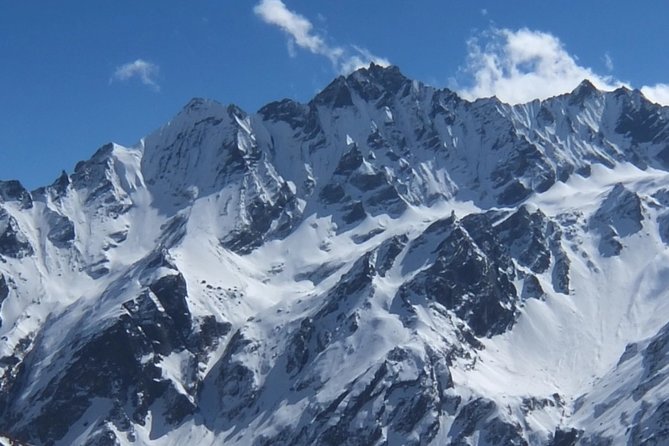
A private jeep takes you from Syabrubesi back to Kathmandu. This is a leisure day for gifts and souvenirs, followed by an included farewell dinner and a chance to share photographs and trip memories.
The timing gives you a buffer before your flight home, which is useful after a mountain trip. It also leaves room for a quiet evening rather than forcing an immediate airport departure after the trek.
If you plan to stay longer, the operator offers other activities and trips, including national park game drives, rafting, mountain biking, Tibet, India, and Bhutan. Those are separate arrangements, not part of the 11-day price.
What the $1,399 price really covers
At $1,399 per person, the trip offers solid value if you want a supported trek rather than arranging each part yourself. The price includes airport and hotel transfers, three Kathmandu hotel nights with breakfast, seven trekking lodge nights, a guide, a porter, permits, private jeep transport, trekking meals, welcome and farewell meals, and equipment.
The porter arrangement is one porter for every two trekkers. Guide and porter salary, food, lodging, and insurance are included. This reduces the need to negotiate costs along the route and gives you a clearer budget.
You still need to pay for:
- Nepal entry visa and international airfare
- Travel insurance, including evacuation coverage
- Kathmandu entrance fees
- Lunch in Kathmandu
- Tips for guides, porters, and local staff
- Bottled water, desserts, hot showers, hot water, and Wi-Fi
- Laundry, bar bills, and other personal expenses
The price makes the most sense for you if you value convenience and local support. Independent trekkers may spend less by arranging transport and lodging themselves, but they would also take on more planning and coordination.
Guide quality and group feel
The experience is a private tour, so only your group participates. That can make a major difference on a trek. You get a more personal pace and do not have to match a large mixed group.
The staff receive particularly strong praise for communication, kindness, and organization. Guides named in the feedback include Nima, Pemba, and Njima. Sujan, the company’s managing director, is also singled out for attentive planning and a strong understanding of what international visitors need.
That matters most on the trail. A guide who communicates clearly can help you understand the day’s effort, cultural sites, meals, and altitude concerns. A well-organized operator also makes the airport pickup, permits, transport, and gear handover less stressful.
Tips are not included. Ask before departure about the company’s preferred tipping practice so you can budget respectfully for the local team.
Who should book this trek?
This trek suits you if you want Himalayan scenery, Buddhist culture, and a high viewpoint in less than two weeks. It is also a good fit if you prefer private transport, included meals, and staff support over independent planning.
You should be comfortable with several days of walking, forest climbs, suspension bridges, and high altitude. The Tsergo Ri day is the key test. Calling the overall route easy can be misleading if you focus on that ascent.
It may not suit you if you dislike returning along the same trail, want hotel-style comfort in the mountains, or prefer a slow itinerary with several rest days. The included lodge accommodation is practical, and extra charges apply for several comforts.
The cancellation policy is straightforward: you can receive a full refund if you cancel at least 24 hours before the local start time. Changes or cancellations made within 24 hours are not accepted for a refund.
Should you book the Langtang Valley Trek?
I would choose this trek if you want a compact Nepal route with genuine village life, high mountain views, and a clearly supported plan. Kyanjin Gompa and the icefalls provide the central reward, while Tsergo Ri gives you the big summit-day challenge.
Book it if the $1,399 price fits your budget after adding insurance, visa, tips, water, and Kathmandu admission fees. Before paying, confirm the expected walking pace, porter load arrangements, lodge standards, and whether the Tsergo Ri climb is required for everyone in your group.
If you are reasonably fit and ready for altitude, this is a strong choice. If you want a truly easy holiday, choose a lower route or ask for a gentler plan.
FAQ
How long is the Langtang Valley Trek?
The experience lasts approximately 11 days, including arrival and departure, a Kathmandu sightseeing day, transport between Kathmandu and Syabrubesi, and seven nights in trekking lodges or guest houses.
Is transportation included?
Yes. Airport and hotel transfers are included in a private car or van. Private jeep transport between Kathmandu and Syabrubesi is also included, along with the driver, fuel, road taxes, and parking fees.
What meals are included?
Breakfast is included during the Kathmandu hotel stay. Breakfast, lunch, dinner, and tea or coffee are included during the trek, along with a welcome dinner and farewell dinner.
Is a guide and porter included?
Yes. An experienced English-speaking trekking guide and a porter are included. The porter arrangement is one porter for every two trekkers, and salary, food, lodging, and insurance costs are covered.
What is the highest point on the trek?
The highest scheduled point is Tsergo Ri at 4,984 meters, or 16,353 feet. Kyanjin Gompa, where you stay before the climb, is at 3,860 meters.
What is not included in the price?
Nepal visa fees, international airfare, departure tax, travel insurance with evacuation coverage, Kathmandu entrance fees, tips, lunch in Kathmandu, bottled water, hot showers, hot water, Wi-Fi, laundry, bar bills, desserts, and personal expenses are not included.
Recently added around Kathmandu
- Ghorepani Poon Hill Trek★ 5.0 · 16 reviews
- Private Manaslu Circuit Trek at Himalayas★ 5.0 · 3 reviews
- Amazing 1 Day Trekking Experience in Kathmandu Nepal★ 5.0 · 24 reviews
- Ghorepani Poonhill Trek★ 5.0 · 5 reviews
- Upper Mustang Trekking★ 5.0 · 2 reviews
- Upper Mustang Trekking★ 3.0 · 2 reviews
- Upper Mustang Trekking★ 5.0 · 4 reviews
- Upper Mustang Trek★ 5.0 · 5 reviews
Langtang Valley Treks, compared.
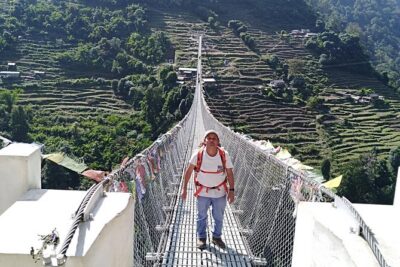
Trekking in Annapurna/Langtang/Everest/Upper Mustang regions
Read our review →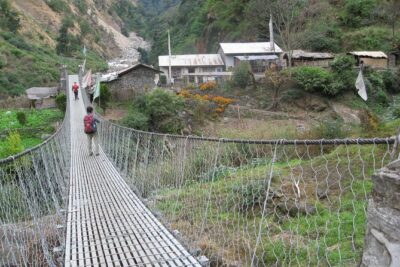
Browse the lists this tour appears in