
REVIEW · KATHMANDU
Langtang Valley Trek
A quieter Himalayan route with serious scenery. The Langtang Valley Trek gives you eight days of forests, high mountain views, Tamang villages, monasteries, and a challenging day above Kyanjin Gompa. I especially like the mix of natural beauty and local culture, plus the chance to see the region’s post-earthquake renewal in a meaningful way. The main consideration is simple: this is still a real Himalayan trek, with a moderate fitness requirement, long walking days, basic mountain lodging, and a rough road journey to Syabrubesi.
I also like that this is a private trek, so your group is not folded into a large tour. Guides such as Dhruba, Nima, Lhakpa, Gopi, and Dorje Sherpa have been praised for their care, mountain knowledge, and ability to explain local customs and wildlife. The trade-off is that the published price of $1,050 per person does not spell out every practical inclusion, so you should confirm transport, permits, porter arrangements, and the exact meal plan before paying.
The route begins and ends in Kathmandu, with an early 6:15 a.m. meeting at Sorhakhutte. You get pickup assistance, a mobile ticket, and a planned eight-day route. Expect comfort to be modest but worthwhile: tea houses are described as clean and cozy, while food highlights can include yak cheese, Tibetan bread, and sea buckthorn juice.
Five things that define this Langtang trek
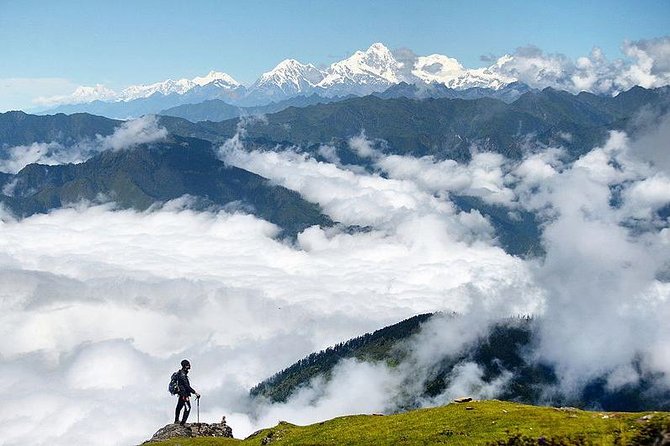
- Tserko Ri and Kyanjin Ri: Two high viewpoints provide the trek’s biggest mountain panoramas, though the climb is the most demanding part of the schedule.
- A private group: Only your party participates, giving you more control over pace, questions, and rest stops.
- Tamang culture: Villages, hospitality, monasteries, and gompas add human depth to the mountain scenery.
- Langtang National Park: The area is home to Himalayan tahr, Himalayan black bear, and the elusive red panda, although wildlife sightings are never guaranteed.
- A recovery-minded route: Hiking in Langtang supports communities rebuilding after the 2015 earthquake and helps keep local cultural traditions visible.
Why Langtang is a strong alternative to Nepal’s busiest treks
Langtang sits close enough to Kathmandu for an eight-day program, but it feels far removed from city life once you reach the valley. You move from forested hills to open alpine country, with Langtang Himal growing larger as you walk. That change in scenery gives the trek a satisfying sense of progress without requiring a much longer expedition.
I like this route for its balance. You are not walking only for mountain photographs. The Tamang communities give the journey a local character, and the monasteries and gompas add quiet pauses along the way. The experience also carries a clear connection to the region’s recovery after the 2015 earthquake, making your visit more than a scenic holiday.
Still, you should set realistic expectations. This is not a luxury lodge holiday simply because the operator’s name includes Luxury. Tea house accommodation can be clean and comfortable, but facilities in the mountains remain basic. Your price may cover key arrangements, yet the supplied details do not clearly list permits, transport, guide service, porter service, or every night of lodging. Ask for a written breakdown.
More Langtang Treks in Kathmandu:
- Langtang Valley Trek
★ 5.0 · 140 reviews - Langtang Valley Trek
★ 5.0 · 61 reviews - 8 Days Tour in Langtang Valley Trek
★ 5.0 · 45 reviews
Day 1: The road from Kathmandu to Syabrubesi
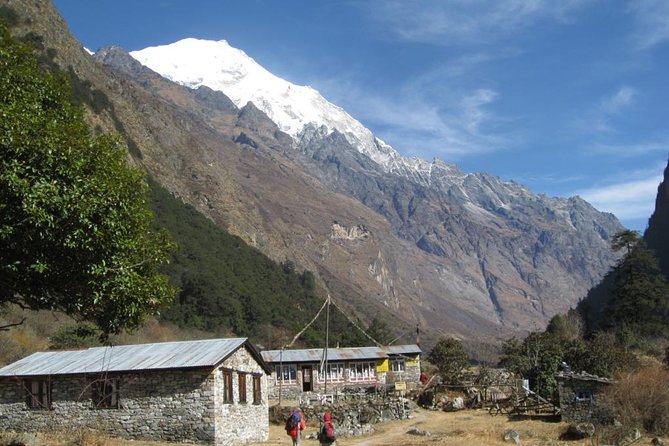
Your first day begins early, with a 6:15 a.m. start at Sorhakhutte in Kathmandu. From there, you take a scenic drive toward Syabrubesi, the roadhead for the trek.
The drive is part of the experience, not merely a transfer. It takes you out of the Kathmandu Valley and toward the foothills, with changing views as the city gives way to rural Nepal. You should also expect this to be a tiring day. The road journey can feel long, and you will want a good breakfast, water, and patience.
Syabrubesi is where the walking begins the following day. Because the trek starts at a lower elevation than Kyanjin Gompa, the first walking days allow you to gain height gradually. That is a sensible design for a short Himalayan itinerary.
Day 2: Syabrubesi to Lama Hotel through forest
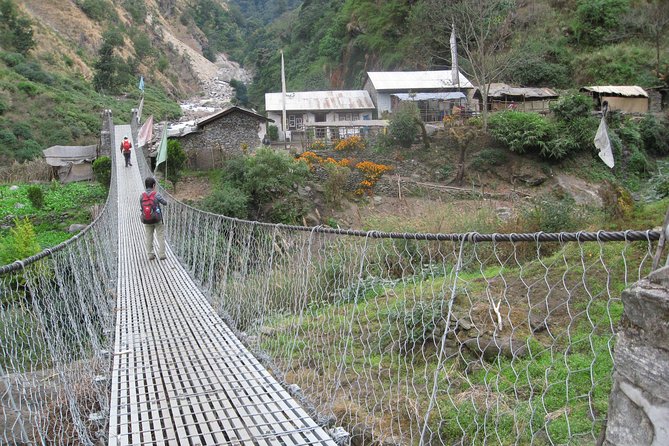
The trail leaves Syabrubesi and enters the Langtang region, following a route through forested country toward Lama Hotel. This is the point when the journey begins to feel like a trek rather than a road tour.
The forest gives you shade and a softer introduction to the mountains. You may notice the change in plant life and hear more birds than you did around Kathmandu. Langtang National Park also begins to feel important here, with possible wildlife sightings including Himalayan tahr, Himalayan black bear, and red panda.
Keep that wildlife promise in perspective. A red panda is elusive, and you should not book this trek expecting a guaranteed sighting. The stronger reason to value the park is the protected setting itself, along with the chance to walk through a varied natural environment.
Lama Hotel is a practical overnight stop. This is also a day when your guide matters. Dhruba, for example, has been praised for pointing out details in the wildlife and scenery while looking after the group from breakfast through dinner. Good guiding adds plenty to a forest walk that might otherwise seem like a long uphill day.
Day 3: Lama Hotel to Langtang Village
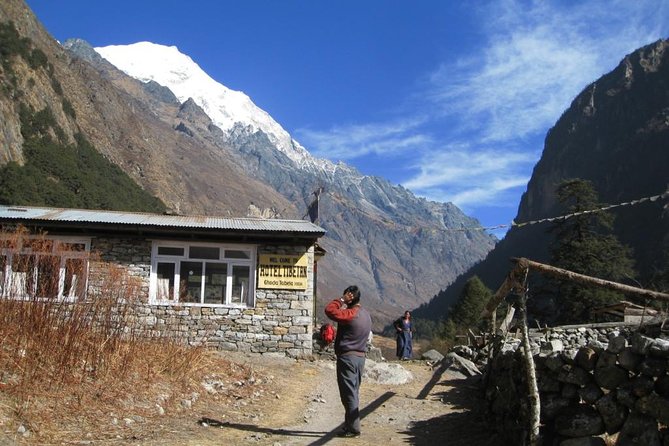
On the third day, the trail continues from Lama Hotel toward Langtang Village. The valley begins to open, and the mountain scenery becomes more visible as you gain height.
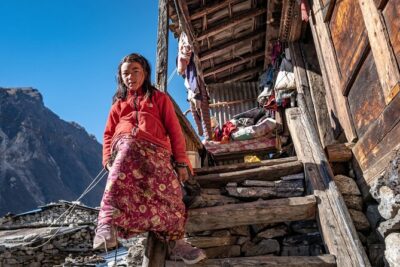
Langtang Village is not just another overnight marker. It gives you a closer look at the communities that make this region distinct. Tamang traditions, local hospitality, and the area’s recovery after the earthquake form an important part of the setting. You can appreciate the mountains more when you understand that people live, work, and rebuild here.
Food is part of the pleasure of this section. The strongest culinary details associated with the route include yak cheese, Tibetan bread, and sea buckthorn juice. These are not grand restaurant dishes, but they are exactly the sort of local touches that make a tea house trek memorable.
Tea houses are described as clean and cozy, though you should still expect simple rooms and practical facilities. Pack with that in mind. Warm layers, a headlamp, personal toiletries, and snacks are sensible additions, especially since bottled water, coffee, tea, soft drinks, snacks, and alcohol are not included in the stated package.
A few more treks around Kathmandu worth a look
- Everest Base Camp Trek – 14 Days
★ 5.0 · 1,499 reviews - Everest Base Camp Trek
★ 5.0 · 842 reviews - Everest Base Camp Trekking
★ 5.0 · 485 reviews - Annapurna Circuit Trek with Tilicho Lake
★ 5.0 · 368 reviews
Day 4: Langtang Village to Kyanjin Gompa
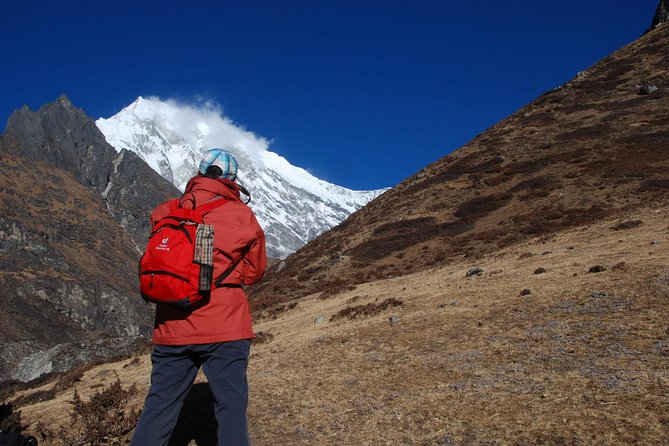
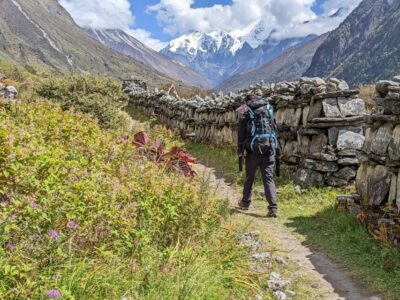
The route continues to Kyanjin Gompa, one of the most important points of the trek. The valley feels more alpine here, and the mountain views become the main event.
Kyanjin Gompa also gives the trek its spiritual center. Ancient monasteries and gompas appear along the route, offering a chance to slow down and observe rather than simply hurry toward the next viewpoint. You may find that the quiet moments around these religious sites stay with you as much as the large peaks.
This is a major adjustment day because you are moving higher. Walk steadily, drink regularly, and tell your guide if you feel unwell. The program calls for a moderate fitness level, but fitness alone does not remove the need to respect altitude and changing weather.
The accommodation at Kyanjin Gompa is likely to be basic mountain tea house lodging. The setting, however, is exceptional. You are now in the high valley, with large Himalayan views close at hand and fewer signs of the outside world.
Day 5: Tserko Ri and Kyanjin Ri viewpoints
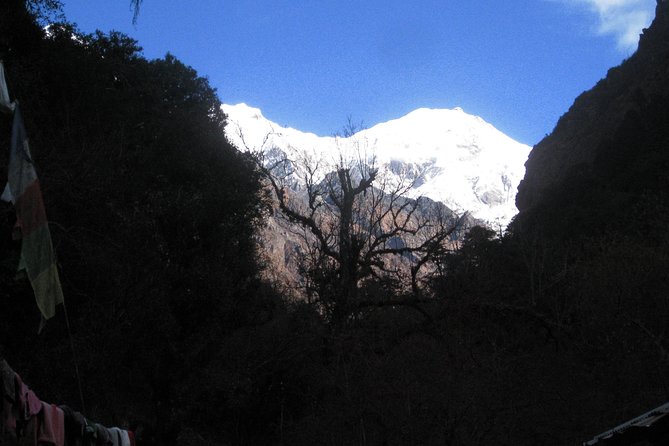
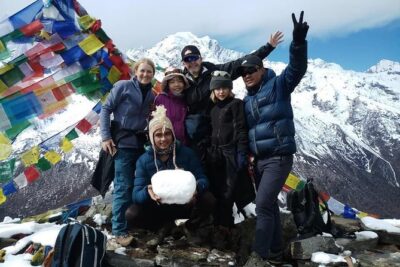
The fifth day is the visual centerpiece of the trek. You hike toward Tserko Ri and Kyanjin Ri for broad views of the Himalayas.
The supplied schedule names both points, but it does not explain the exact order, distance, or elevation gain. That matters because this is likely to be the hardest day of the itinerary. Ask your guide how the two viewpoints will be handled and whether the plan changes with weather or group energy.
Tserko Ri is especially appealing if you want a high mountain panorama rather than a short walk around the village. Kyanjin Ri offers another elevated viewpoint near Kyanjin Gompa. Together, they provide the personal achievement promised by the route, but they also demand your best effort.
You may encounter snow near Kyanjin Gompa in colder months. One February departure included a snowy walk that changed the bare high country into a winter scene. That sounds beautiful, but snow also means colder conditions, slower progress, and a greater need for proper clothing and footwear.
Do not judge the day only by whether you reach both summits. Mountain weather can change, and the experience requires good conditions. A strong guide will help you make a sensible call rather than push for a photograph at any cost.
Day 6: Returning to Lama Hotel
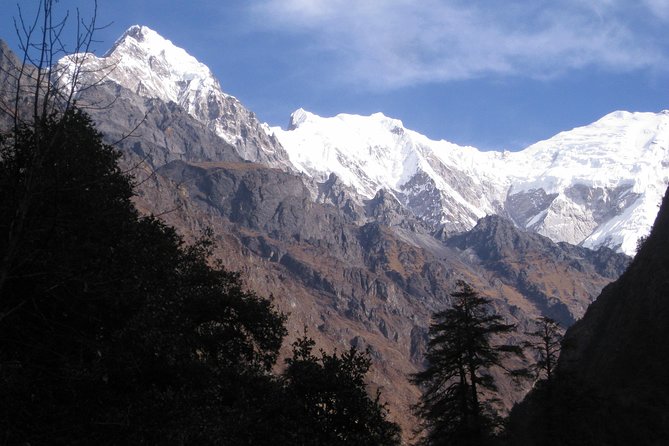
The return trek to Lama Hotel follows the valley back toward lower ground. You may recognize sections of the trail, but the views change when you face in the opposite direction.
Descending can feel easier on your lungs, yet it is not always easier on your knees. Trekking poles can help, especially after the long climb to the viewpoints. Take your time and keep your footing steady on uneven ground.
This is also a good day to appreciate the route without the pressure of reaching a new high point. You can notice village details, forest changes, and mountain shapes that escaped your attention on the way up. Guides who explain the local environment add real value here, particularly if you are interested in plants, animals, and Tamang culture.
Day 7: Lama Hotel to Syabrubesi
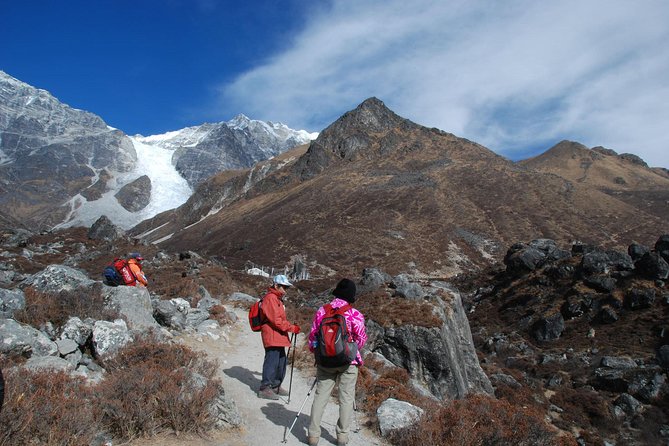
The final walking day brings you back to Syabrubesi. By now, the valley should feel familiar, but the descent gives you a fresh view of the route.
This day can be satisfying and tiring in equal measure. You have completed the high section, yet your legs have already done several demanding days. Keep some energy for the next morning, when the road journey back to Kathmandu begins.
Syabrubesi is a useful closing point because it marks a clear change from mountain travel to road travel. It also gives you a final night or stop in the trekking area before returning to the capital, depending on how the operator schedules the transport.
Day 8: Returning to Kathmandu
The last day is the drive from Syabrubesi back to Kathmandu. The journey closes the loop and returns you to the same meeting point in Sorhakhutte.
You may be ready for a shower, a proper bed, and a slower meal after the trail. At the same time, the drive provides one last look at the hills and villages outside the capital. The tour ends back at the meeting point, which is convenient if you have left luggage or made onward plans nearby.
Because road conditions and timing are not detailed, confirm the expected arrival time before scheduling a flight or another fixed appointment. The safest plan is to leave a generous buffer.
What the $1,050 price gives you in practical terms
At $1,050 per person, this is not the cheapest way to walk in Nepal. The value depends heavily on what the operator confirms as included. The private format, guide support, planned transport, and organized eight-day schedule can justify a higher price for you if you prefer not to arrange each element yourself.
The strongest value is likely the combination of logistics and local support. You are not only paying for a trail. You are paying for help with the route, mountain timing, communication, and the practical decisions that become more important as you go higher.
The food policy needs clarification. Breakfast is listed, along with trekking meals at lunch and dinner, but the wording does not clearly state how many meals are included each day. Bottled water, snacks, coffee, tea, soft drinks, and alcoholic drinks are excluded. Budget for those extras and ask if tea house meals are fully covered or limited to one meal in each category.
You should also confirm the status of permits, accommodation, road transport, guide fees, porter service, and equipment. These details can change the real cost considerably. A clear written answer is more useful than a low headline price.
Guides, private groups, and the human side of the trek
A private group is one of the better features here. You can ask questions without holding up a large party, and your guide can respond to your pace and fitness. That matters on the Tserko Ri day and during the return walk.
The guide team has received particularly warm praise for care and personal attention. Dhruba has been credited with explaining wildlife and scenery while taking care of daily needs. Nima has been valued for his understanding of the mountains, people, and local stories. Lhakpa has been praised for practical help, and Gopi for friendly support on a solo trek.
Families and solo trekkers have both used this route. One family completed it with a nine-year-old child, while solo participants appreciated being able to discuss arrangements directly with the Kathmandu office. That does not mean the route is effortless for children or solo hikers. It means the private format can be adapted more easily than a large scheduled group, subject to the guide’s assessment.
Who should book the Langtang Valley Trek?
You should consider this trek if you want a compact Himalayan route with more than mountain views. It suits you if Tamang culture, monasteries, wildlife, and local food are as important as reaching a high viewpoint.
It is also a good choice if you want a private experience and have moderate fitness. You need to be comfortable walking for several days, handling uneven trails, and coping with simple tea house conditions. The fifth day is likely to test you most.
You may want a different program if you need hotel-level comfort, dislike long road journeys, or want a precise list of every included service before booking. You should also ask for a slower or customized schedule if you are concerned about the pace, altitude, or traveling with a young child.
The route is especially meaningful for people interested in responsible local tourism. Your visit supports a region still connected to post-earthquake recovery and cultural preservation. That does not remove the need to travel thoughtfully, but it gives the journey a clear purpose beyond scenery.
Final call: is this trek worth booking?
I would choose the Langtang Valley Trek if you want an eight-day Himalayan experience that combines high views with Tamang communities and spiritual sites. The route offers a strong mix of forests, alpine scenery, local food, wildlife possibilities, and personal challenge.
Before booking, ask for the exact elevation profile, daily walking hours, meal coverage, lodging details, porter arrangements, permits, and transport inclusions. If those answers are clear and you are comfortable with moderate fitness and basic mountain accommodation, $1,050 can be fair value for a private, well-supported trek.
Book it for the full experience, not just the red panda or the summit photograph. Wildlife is uncertain, weather can change, and Tserko Ri may demand patience. The dependable rewards are the changing scenery, the Tamang welcome, the mountain villages, and the sense of reaching the high valley under your own power.
FAQ
Where does the Langtang Valley Trek begin?
The trek begins at Sorhakhutte in Kathmandu, Nepal. The listed start time is 6:15 a.m., and pickup is offered.
How long does the Langtang Valley Trek last?
The experience lasts approximately eight days. It includes travel from Kathmandu to Syabrubesi, six days of trekking and return travel, and the drive back to Kathmandu.
Is this a private trek?
Yes. Only your group participates in this private activity.
What level of fitness do I need?
You should have a moderate level of physical fitness. The schedule includes several consecutive trekking days and a viewpoint hike to Tserko Ri and Kyanjin Ri.
Are meals included?
Breakfast is included. The package also lists lunch and dinner during trekking, but the exact daily meal coverage should be confirmed before booking.
What is not included?
Bottled water, snacks, coffee, tea, soda, and alcoholic beverages are not included. You should budget separately for these items.
What happens if bad weather cancels the trek?
If poor weather causes cancellation, you will be offered a different date or a full refund. If you cancel, you can receive a full refund when you cancel at least 24 hours before the experience start time.
Recently added around Kathmandu
- Ghorepani Poon Hill Trek★ 5.0 · 16 reviews
- Private Manaslu Circuit Trek at Himalayas★ 5.0 · 3 reviews
- Amazing 1 Day Trekking Experience in Kathmandu Nepal★ 5.0 · 24 reviews
- Ghorepani Poonhill Trek★ 5.0 · 5 reviews
- Upper Mustang Trekking★ 5.0 · 2 reviews
- Upper Mustang Trek★ 5.0 · 5 reviews
- Upper Mustang Trekking★ 3.0 · 2 reviews
- Upper Mustang Trekking★ 5.0 · 4 reviews
Langtang Valley Treks, compared.

Trekking in Annapurna/Langtang/Everest/Upper Mustang regions
Read our review →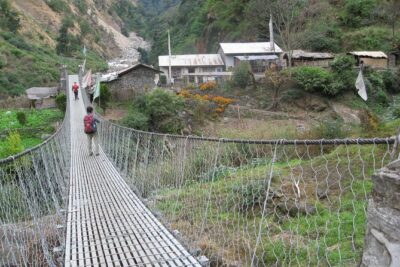
Browse the lists this tour appears in