
REVIEW · KATHMANDU
Kathmandu: 14-Day Everest Base Camp with Kala Patthar Trek
Mountains make every day count. This 14-day trek takes you from Kathmandu to Everest Base Camp and the summit viewpoint of Kala Patthar, with time in Sherpa villages, mountain lodges, and Namche Bazaar. I like the careful acclimatization days at Namche and Dingboche, and I like that the price includes flights, permits, guides, Kathmandu transfers, and trekking equipment.
The main drawback is the altitude and the cost of eating along the trail. Meals are not included, nor are drinks, hot showers, travel insurance, or porter charges. Flights to Lukla can also be delayed or canceled by weather, so you need patience, flexibility, and a real medical evacuation policy.
- Lukla at 2,850 meters: Your trek begins with a flight to one of Nepal’s most demanding mountain airports.
- Namche Bazaar acclimatization: You get a full rest day with a two to three-hour excursion before climbing higher.
- Tengboche and Ama Dablam: The route brings you into the Sherpa heartland and some of the finest mountain views in the Khumbu.
- Everest Base Camp at 5,364 meters: You reach the famous base camp before returning to Gorak Shep.
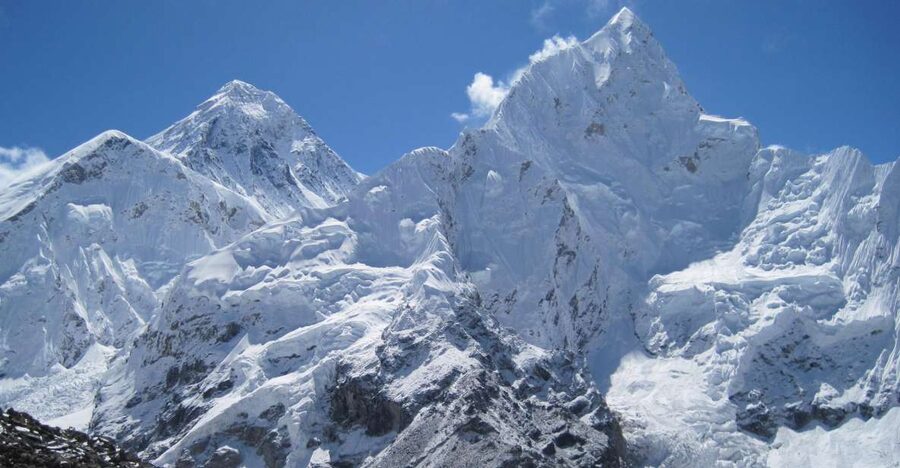
- Kala Patthar at 5,545 meters: This high viewpoint is the trip’s best chance for broad views of Everest, Lhotse, Nuptse, and Ama Dablam.
- Guided logistics: An English-speaking guide, national park permits, domestic flights, lodge stays, and airport transfers are included.
What the $1,296 Price Really Covers
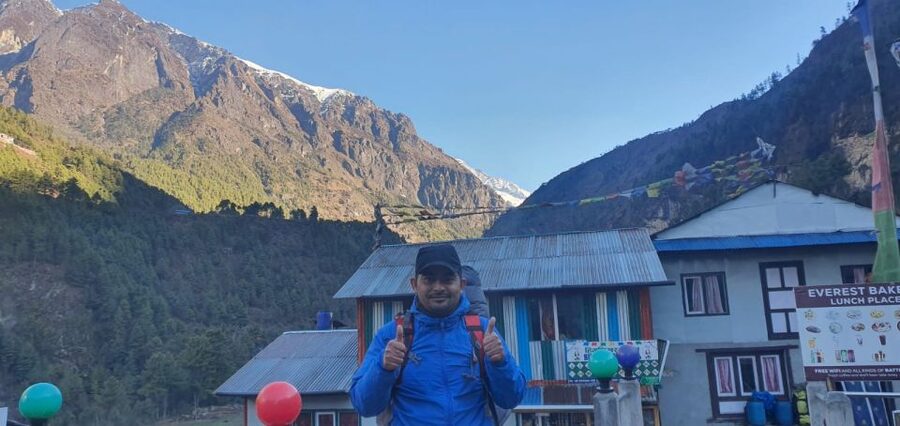
At $1,296 per person, this trek offers solid value if you want the main logistics arranged for you. The cost includes airport pickup in Kathmandu, domestic airport transfers, two nights of standard Kathmandu accommodation with breakfast, the Kathmandu to Lukla and Lukla to Kathmandu flights, permits, tea-house lodging, and an English-speaking guide.
It also covers the guide’s salary, food, drinks, accommodation, transport, and insurance. A jacket, sleeping bag, and duffle bag are available to use if required. That reduces the amount of gear you need to buy or carry from home.
The price does not cover your meals during the trek. You pay for breakfast, lunch, and dinner in the mountain lodges, as well as alcoholic and non-alcoholic drinks. Hot showers are also extra, and valid travel insurance with emergency medical evacuation is required.
The porter arrangement needs careful checking before you book. The information says one porter for two people under exclusions, while the included section covers the guide and porter’s salary and costs. Ask the operator exactly what porter service is included in your booking and what extra charge applies. That small question can prevent a large surprise.
Kathmandu Begins and Ends the Journey
Your first day is mainly for arrival. A representative meets you at Tribhuwan International Airport and takes you to your hotel by private car, van, or bus. This is useful after a long flight, especially if Kathmandu is new to you.
You receive two nights of standard accommodation in Kathmandu with breakfast. The final night is scheduled after you return from the mountains on day 13, giving you a buffer before your departure on day 14.
That buffer matters. Lukla flights depend on weather, and a delay can disrupt the rest of your plans. I would avoid booking an international flight that leaves immediately after the scheduled return unless you have a backup plan.
More Everest Base Camp Treks in Kathmandu:
- Everest Base Camp Trek – 14 Days
★ 5.0 · 1,499 reviews - Everest Base Camp Trek
★ 5.0 · 842 reviews - Everest Base Camp Trekking
★ 5.0 · 485 reviews
Lukla to Phakding: A Gentle Start at 2,640 Meters
On day two, you fly from Kathmandu to Lukla, at 2,850 meters. The airport is famous for its short, demanding approach and mountain setting. It is one of the trip’s memorable moments, but it is also the part most exposed to poor weather.
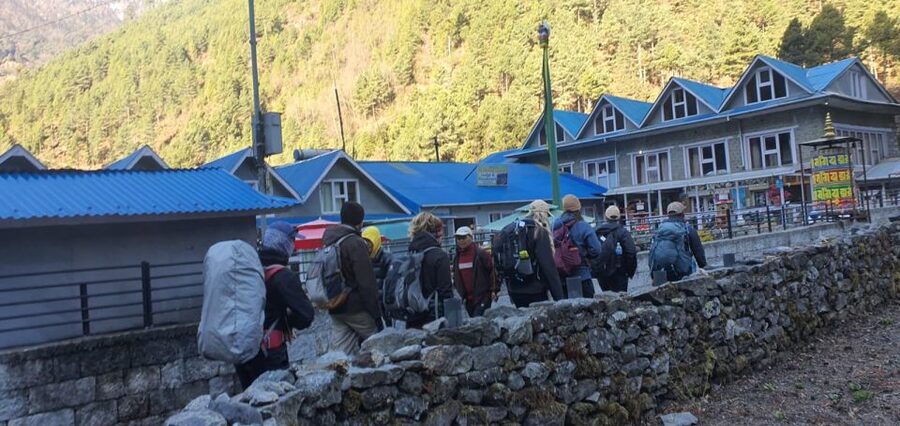
After landing, you trek downhill and onward to Phakding, at 2,640 meters. The walk takes about four to five hours. This first stage is useful because it gives your body time to begin adjusting without sending you straight to a much higher sleeping altitude.
You stay in a tea house or lodge. These are practical mountain accommodations, not luxury hotels. The included lodging keeps costs manageable, but meals, drinks, and hot showers are paid separately.
Phakding to Namche Bazaar: The First Serious Climb
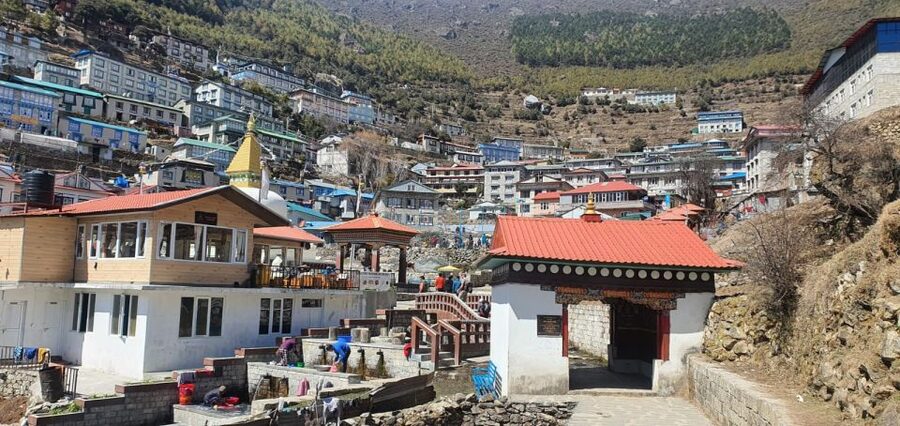
The next day takes you from Phakding to Namche Bazaar, at 3,440 meters. Allow six to seven hours. This is where the trek starts to feel like a real Himalayan route rather than a high-altitude walk.
Namche is the main Sherpa center of the Khumbu region. It is a key stop for supplies, guides, porters, and trekkers, but its biggest value is practical: you spend time here before climbing farther into the mountains.
Day four is reserved for rest and acclimatization. You take a two to three-hour excursion around Namche rather than spending the whole day lying in bed. That is a sensible approach. Gentle movement helps you get used to the height while keeping the schedule manageable.
Take this day seriously. Drink water, move slowly, and tell your guide about headaches, nausea, unusual tiredness, or breathing trouble. The goal is not to prove toughness. The goal is to continue safely.
Tengboche at 3,870 Meters and the Sherpa Heartland
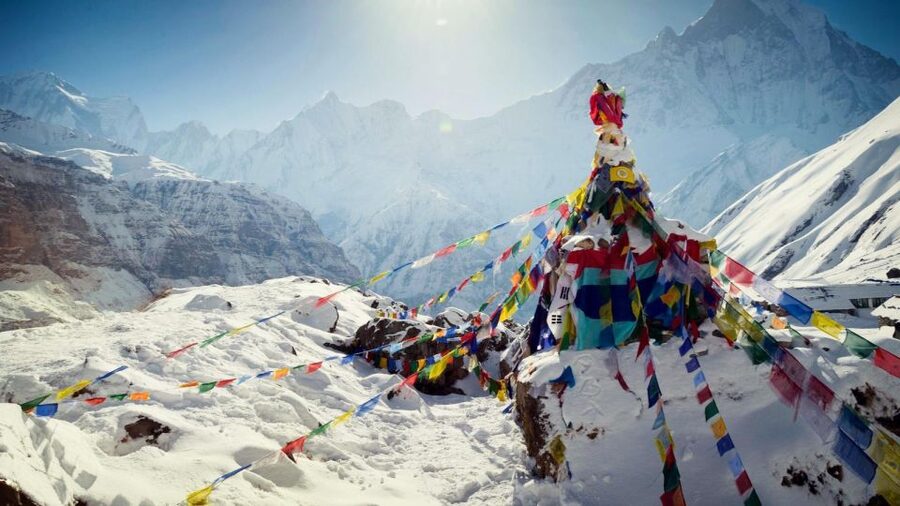
The trek from Namche to Tengboche takes about five to six hours. You climb to 3,870 meters, entering a more open mountain setting with views toward Everest, Lhotse, Nuptse, and Ama Dablam.
Tengboche is one of the route’s most important cultural stops. The village is part of the Sherpa heartland, and the stop gives the trek more meaning than a simple march toward a famous number. You are moving through communities shaped by Himalayan trade, trekking, and Buddhist traditions.
This is also a day when the altitude begins to show itself. The walking time is not extreme by lowland standards, but the height changes how your body handles every uphill section. Keep your pace steady and avoid racing ahead.
The guide is central here. The operator provides an experienced English-speaking guide, and specific guides named in past bookings include Anjan and Padam. If one of those guides is assigned to you, confirm the details before departure rather than assuming all guide arrangements are identical.
A few more treks around Kathmandu worth a look
- Annapurna Circuit Trek with Tilicho Lake
★ 5.0 · 368 reviews - Everest Base Camp Trekking – 13 Day
★ 5.0 · 365 reviews - Everest Base Camp Trek
★ 5.0 · 350 reviews - Everest Base Camp Trek -14 Days
★ 5.0 · 321 reviews
Dingboche at 4,410 Meters: Another Vital Pause
Day six takes you from Tengboche to Dingboche, at 4,410 meters, in about five to six hours. Dingboche marks a major change in the trek. The air is thinner, the route feels more exposed, and the days ahead demand more from you.
You spend day seven acclimatizing in Dingboche. This second planned rest day is one of the strongest parts of the schedule. Without it, the jump toward Lobuche and Gorak Shep would feel rushed.
The supplied schedule describes the day as continued acclimatization, but it does not specify the exact excursion. Your guide will set the pace and activity. You should treat it as a recovery day with light walking, not as a chance to add an unofficial summit attempt.
From this point, simple tasks take longer. Dressing, eating, climbing stairs, and packing your bag can all feel harder. Keep your clothing accessible, use sunscreen, and protect your eyes with sunglasses. Sun at high altitude can be harsh even when the air feels cold.
Lobuche at 4,940 Meters: High Country Begins
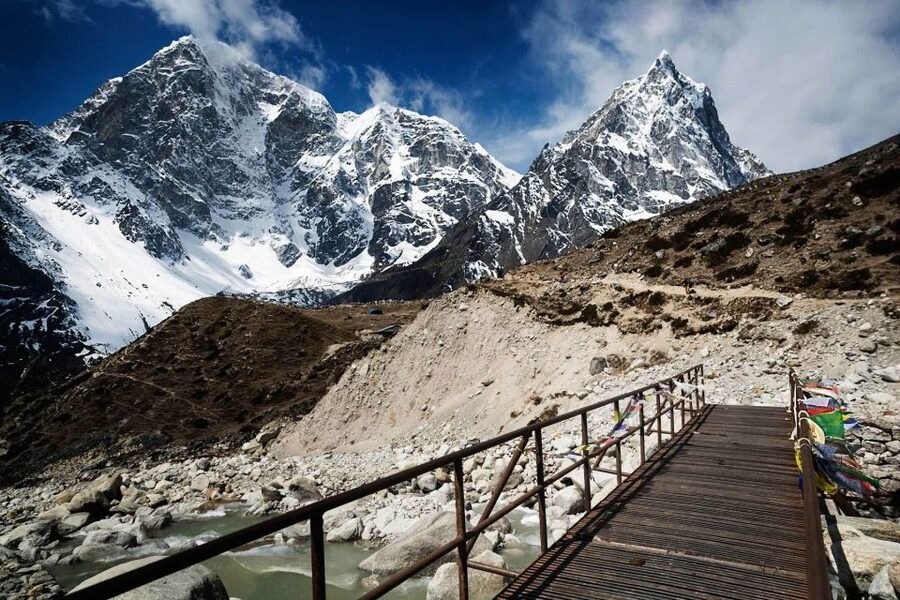
On day eight, you walk from Dingboche to Lobuche, reaching 4,940 meters. The route takes about five to six hours. This is a high sleeping altitude, and the schedule now becomes less about covering distance quickly and more about managing energy.
Lobuche is a staging point for the final approach to Everest Base Camp. Your body may feel slow here, and that is normal. You should eat what you can, drink regularly, and follow the guide’s advice.
Food is not included, so plan your daily budget. The mountain menu is paid separately, and prices can feel high because supplies must reach remote lodges. Bring enough cash for meals, drinks, showers, and small personal needs.
Everest Base Camp at 5,364 Meters
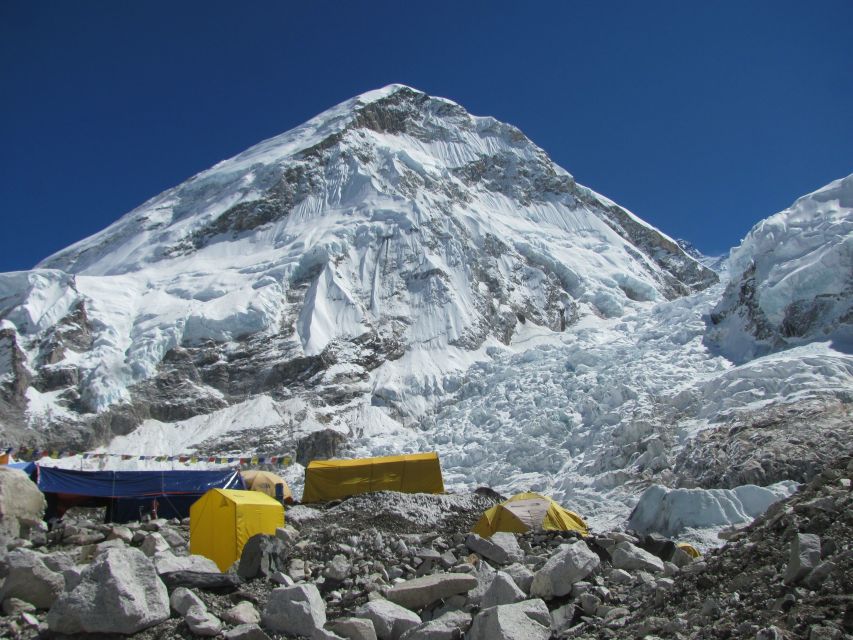
Day nine is the trek’s main event. You leave Lobuche for Gorak Shep, at 5,170 meters, then continue to Everest Base Camp at 5,364 meters before returning to Gorak Shep.
The day is demanding because you climb high, continue walking, and then return to sleep at Gorak Shep. The schedule does not provide exact walking hours, so you should expect a long day and keep your focus on steady progress rather than speed.
Everest Base Camp is famous, but do not expect a view from the camp itself that looks like every expedition photograph. Its value is the arrival, the route, and the knowledge that you have reached the staging area used by climbers attempting Everest. The great mountain views are often better from Kala Patthar the next morning.
Gorak Shep is a basic overnight stop. Keep your expectations realistic. At this height, warmth, rest, and a safe place to sleep matter more than comfort.
Kala Patthar at 5,545 Meters
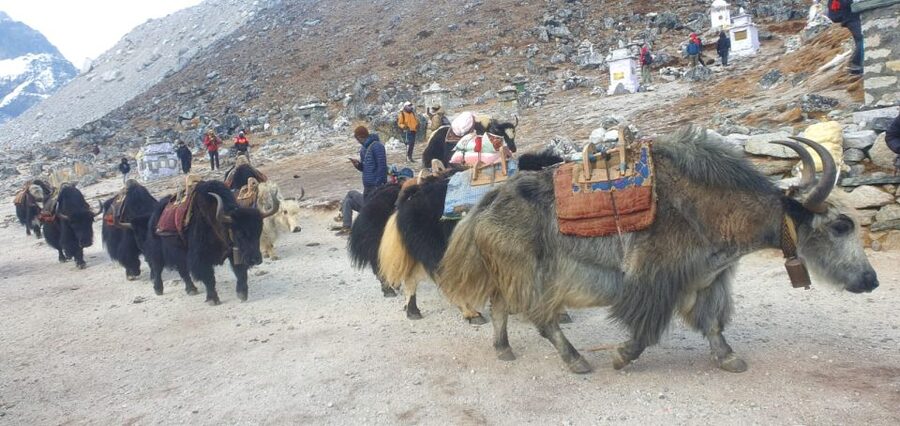
Day ten begins with a hike to Kala Patthar, at 5,545 meters. This is the highest point on the route and one of the most rewarding sections for mountain views.
From Kala Patthar, you may see Everest, Lhotse, Nuptse, and Ama Dablam. The viewpoint gives you the broad perspective that many people hope for when they sign up for an Everest trek. It is also physically demanding, so your guide’s pace and your own condition matter more than reaching the top quickly.
After Kala Patthar, you descend to Pheriche, at 4,371 meters. This is a major relief for the body. Even if the descent strains your knees, sleeping lower generally feels easier than spending another night at Gorak Shep.
Bring hiking shoes with good support. The route includes long walking days, repeated climbs and descents, and high-altitude ground. Shoes, socks, and sun protection are not minor details here.
Three Days Down Through the Khumbu
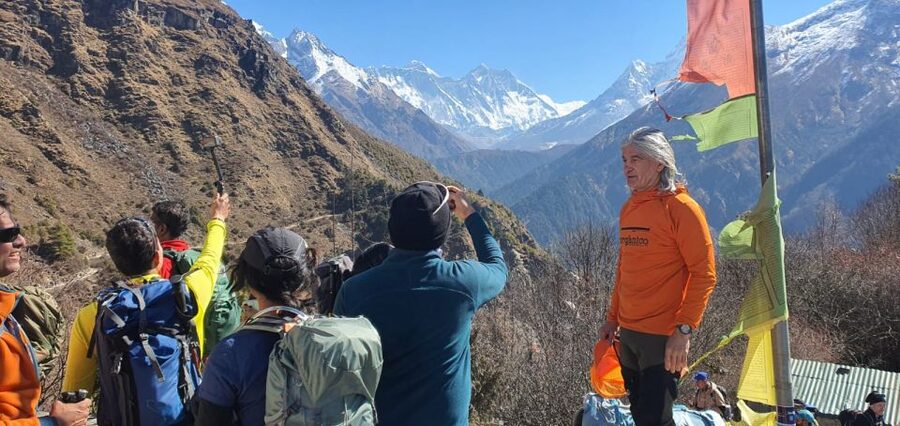
After Pheriche, you continue descending for three days before returning to Kathmandu on day 13. The exact overnight stops are not specified, so you should ask the operator for the current return route and lodge plan.
The descent has a different rhythm. You are no longer chasing a higher point, but your legs have already worked hard for more than a week. Downhill walking can be tiring in its own way, especially if your knees are sensitive.
This is when the value of a good guide becomes clear. The best guides do more than point toward mountains. They help you judge pace, monitor altitude symptoms, manage the day’s walking, and deal with changes such as flight delays or route adjustments.
Past bookings have specifically praised guide communication and organization. Hari was described as easy to reach, while Anjan and Padam were praised for careful support. These names may not be assigned to every departure, so use them as prompts for questions, not as a promise.
Food, Lodges, Showers, and Daily Comfort
Tea houses provide the basic structure of the trek. You sleep in lodges along the route, but the package does not include your meals. You should budget separately for all food and drinks during the mountain portion.
Do not assume hot showers are included. They are specifically excluded, so shower fees can add up if you want one after long walking days. Alcohol and other drinks are also extra, and alcohol is a poor match for strenuous high-altitude walking.
You receive a jacket, sleeping bag, and duffle bag if required. Confirm the condition and size of borrowed gear before leaving Kathmandu. Pack your own essential layers, socks, sunglasses, hat, sunscreen, toilet paper, and trekking shoes.
The required clothing list includes two T-shirts, long pants, shorts, socks, a hat, sunglasses, sunscreen, mosquito repellent, and trekking shoes. The list is basic, so you should also ask what additional cold-weather layers you need for the highest nights.
Weather, Lukla Flights, and Schedule Risk
The biggest practical risk is the Lukla flight. Weather can stop aircraft from operating, and one past booking had the Everest Base Camp route canceled because no flight could reach Lukla. The operator tried for several days, then arranged another base camp trek at the customer’s request with guide Padam.
That example shows two things. First, you need flexibility. Second, alternative arrangements may be possible, but they should never be assumed. Ask what happens if your Lukla flight is canceled and keep extra days available if you can.
The activity allows free cancellation up to 24 hours in advance and offers reserve-now, pay-later booking. Those policies help before departure, but they do not remove the weather risk once you are in Nepal.
Who Should Book This Trek?
I would recommend this trek to someone who wants a guided Everest route with the major logistics arranged and who accepts basic accommodation and extra daily costs. It suits people who value the Sherpa villages, mountain views, and gradual acclimatization as much as the achievement of reaching Base Camp.
It is not suitable for pregnant women, people with heart problems, or people with mobility impairments. You also need valid travel insurance that includes emergency medical evacuation.
The rating of 4.2 from 21 ratings suggests a generally positive experience, with strong praise for guides, communication, and organization. The canceled-flight account is just as useful as the enthusiastic praise because it shows the trip can change when weather takes control.
Should You Book the Everest Base Camp and Kala Patthar Trek?
Book it if you want 14 days of guided trekking, a planned acclimatization schedule, and the convenience of included flights, permits, lodge accommodation, Kathmandu transfers, and loan equipment.
Think twice if you need predictable flights, included meals, private comfort, or a short physical challenge. The route reaches 5,545 meters, and you must pay for food, drinks, showers, insurance, and possibly porters on top of the advertised price.
Before paying, confirm three things: the porter arrangement, the current flight plan for Lukla, and the exact guide assigned to your departure. If those details suit you, this is a well-structured way to reach Everest Base Camp and gain the wider Kala Patthar view without arranging every permit and transfer yourself.
FAQ
How long is the Everest Base Camp and Kala Patthar trek?
The trek lasts 14 days, including arrival and departure arrangements in Kathmandu, the flight to Lukla, the mountain route, the return flight, and a final night in Kathmandu.
What altitude does Kala Patthar reach?
Kala Patthar reaches 5,545 meters. It is the highest point listed on the route.
Is food included during the trek?
No. Breakfast, lunch, and dinner during the trek are not included. Alcoholic and non-alcoholic drinks are also extra.
Are domestic flights included?
Yes. The Kathmandu to Lukla and Lukla to Kathmandu flight tickets are included.
Is a guide provided?
Yes. The trek includes an experienced, helpful, English-speaking guide. The guide’s salary, food, drinks, accommodation, transport, and insurance are included.
What should I bring?
Bring two T-shirts, long pants, shorts, socks, trekking shoes, sunglasses, a hat, sunscreen, mosquito repellent, and toilet paper. The activity also advises bringing suitable hiking shoes and sun protection.
Recently added around Kathmandu
- Ghorepani Poon Hill Trek★ 5.0 · 16 reviews
- Private Manaslu Circuit Trek at Himalayas★ 5.0 · 3 reviews
- Amazing 1 Day Trekking Experience in Kathmandu Nepal★ 5.0 · 24 reviews
- Ghorepani Poonhill Trek★ 5.0 · 5 reviews
- Upper Mustang Trekking★ 5.0 · 2 reviews
- Upper Mustang Trekking★ 3.0 · 2 reviews
- Upper Mustang Trekking★ 5.0 · 4 reviews
- Upper Mustang Trek★ 5.0 · 5 reviews
Everest Base Camp Treks, compared.




Browse the lists this tour appears in