
REVIEW · KATHMANDU
Gokyo Lake Trek
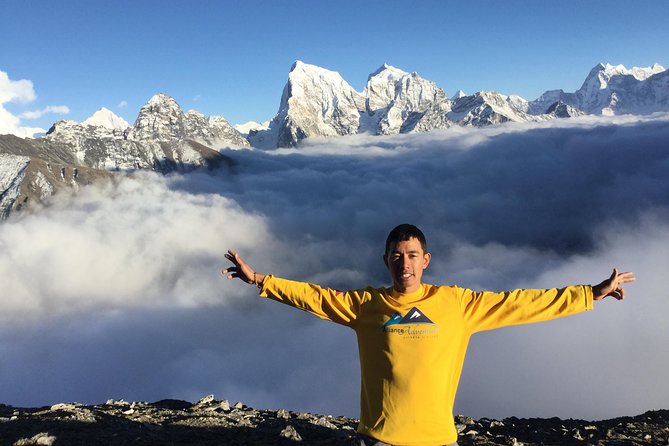
High lakes, thin air, big payoffs. The 15-day Gokyo Lake Trek takes you from Kathmandu to Lukla, Namche Bazaar, Machhermo, and the turquoise lakes of Gokyo Valley, with superb views of Everest, Cho Oyu, Makalu, Lhotse, Nuptse, and Ama Dablam. I especially like the Gokyo Ri sunrise viewpoint and the chance to see Sherpa villages, suspension bridges, glaciers, and mountain lakes in one trip.
I also like the practical support: accommodation, meals, permits, a guide, porters, a sleeping bag, a down jacket, trekking poles, and transportation are included. The main drawback is altitude. Gokyo Lake sits at about 4,750 meters, and the itinerary includes long uphill days, cold nights, weather-sensitive flights, and a non-refundable booking policy.
Key points to know before booking
- Gokyo Ri delivers the grand view: A climb above Gokyo offers wide views toward Everest, Makalu, Cho Oyu, and other Himalayan peaks.
- The trek begins with a Lukla flight: The short flight is dependent on clear weather, and the itinerary uses Manthali Airport for the air connection.
- Namche is more than a stopover: You get an acclimatization hike to Everest View Hotel, Khumjung Village, and Hillary School.
- The package includes useful gear: A warm down jacket, sleeping bag, trekking poles, waterproof duffel bag, and medical kit are provided.
- This is a private trip: Only your own group participates, with an English-speaking guide and porters.
- The price covers much of the hard-to-arrange work: At $1,785 per person, the package includes permits, meals on the trail, lodging, road transfers, and guide support, but not insurance, showers, charging, or Kathmandu meals.
What the $1,785 price really covers
The listed price is $1,785 per person for roughly 15 days. That is not simply the cost of a walking route. It also pays for airport and road transfers, two nights in Kathmandu with breakfast, trekking permits, TIMS cards, accommodation during the trek, trail meals, guide and porter support, and local and government taxes.
You also receive a waterproof trekking duffel bag, company T-shirt, warm down jacket, sleeping bag, and walking poles. Those inclusions matter. Renting or buying cold-weather gear in addition to the tour price can add up quickly, especially if you do not already own high-altitude equipment.
Food on the trail includes breakfast, lunch, dinner, tea, coffee, ginger, lemon, honey, and hot chocolate. Kathmandu lunches and dinners are not included, nor are soft drinks, bottled water, phone calls, laundry, bar bills, hot showers, or battery charging. Travel insurance and high-altitude sickness insurance are also your responsibility.
I see reasonable value here for a first Himalayan trek, especially if you want one company handling the permits, gear, transfers, and porters. The price is less attractive if you already have your own equipment and prefer to arrange meals and lodges independently.
More Everest Base Camp Treks in Kathmandu:
- Everest Base Camp Trek – 14 Days
★ 5.0 · 1,499 reviews - Everest Base Camp Trek
★ 5.0 · 842 reviews - Everest Base Camp Trekking
★ 5.0 · 485 reviews
Days 1 and 2: Kathmandu preparation and the Manthali transfer
Your first day begins with a welcome at the hotel, a briefing about the Gokyo Lake and Gokyo Ri route, and free time. This is useful rather than filler. You can ask last questions, check your gear, and prepare for the shift from city streets to mountain trails.
Day 2 includes a half-day city tour before lunch and a drive to Manthali Airport. The stated drive takes about four hours. This arrangement is designed to avoid a very early morning road journey on the day of the Lukla flight.
You should pay attention to the timing here. Kathmandu and Manthali are not interchangeable departure points, and road or flight schedules can affect the start of the trek. Keep your first two days flexible and avoid booking tight onward connections.
Day 3: Flying to Lukla and beginning on foot
The flight to Lukla takes about 15 minutes when weather is clear. That short flight matters because mountain weather can change quickly, and the itinerary specifically notes that the flight depends on suitable conditions.
Once in Lukla, you begin walking through Sherpa communities, local culture, and mountain scenery. The first trekking day is listed at about five hours. It is an important change of pace: you leave airport routines behind and begin moving through the Khumbu region under your own power.
You should expect the flight schedule to be one of the least predictable parts of this trip. The supplied tour information includes an example of poor weather preventing a Lukla flight after two attempts on another Nepal trek. That makes travel insurance and extra personal flexibility especially important.
Day 4: Suspension bridges and the climb to Namche Bazaar
The route to Namche includes five suspension bridges, river views, mani stones, and the high Hillary Suspension Bridge. If the weather is clear, you may get an early view of Everest.
This is about a six-hour trekking day, and the route climbs steadily toward Namche Bazaar. The arrival feels earned. Namche is a major staging point for Everest Base Camp and other Khumbu routes, with small shops, bakeries, coffee bars, and supplies.
Calling Namche a small mountain market gives you the right idea. You can find many practical items there, but prices are not presented as a bargain destination. The useful point is convenience. If you forgot gloves, snacks, or a basic personal item, Namche may offer a second chance.
A few more treks around Kathmandu worth a look
- Annapurna Circuit Trek with Tilicho Lake
★ 5.0 · 368 reviews - Everest Base Camp Trekking – 13 Day
★ 5.0 · 365 reviews - Everest Base Camp Trek
★ 5.0 · 350 reviews - Everest Base Camp Trek -14 Days
★ 5.0 · 321 reviews
Day 5: Acclimatization around Everest View Hotel
Day 5 is one of the most useful days in the schedule. You hike through Sagarmatha National Park to Everest View Hotel, visit Khumjung Village and Hillary School, then return to Namche for free time.
The walking time is about four hours, but do not treat this as a lazy day. The purpose is to gain height during the day and sleep back in Namche. That pattern gives your body a better chance to adjust before the route climbs higher.
The views can include Everest and surrounding snow peaks. Khumjung adds a cultural stop to the mountain scenery, while Namche gives you time to rest, browse shops, or enjoy a bakery and coffee before the more remote sections begin.
Day 6: Namche to Dole, with a long uphill stretch
The trek from Namche toward Dole takes around seven hours, making it one of the longer days. The route climbs for much of the day and passes below the high mountains.
You might see Himalayan mountain goats along the trail if conditions and luck cooperate. That detail is small, but it captures the appeal of this route. The walk is not only a march toward a viewpoint. It is a gradual passage through changing terrain, with animals, rivers, villages, and peaks appearing along the way.
This is where your fitness begins to matter more. You should train before arrival with regular hill walking or day hikes. The supplied guidance recommends starting when you have free time and building up with mountain walks in your home country.
Day 7: Dole to Machhermo and a useful altitude briefing
The route from Dole to Machhermo takes about five hours. The setting becomes more open and high, with striking views toward Cho Oyu and the surrounding peaks when the weather cooperates.
Machhermo is also a place to learn more about altitude sickness. The Himalayan Rescue Association has volunteers and a doctor who can brief you about mountain illness. I value this part of the plan because altitude problems are not something you should treat casually or hide from your guide.
Listen carefully, even if you feel strong. Headaches, unusual tiredness, nausea, or other symptoms need attention at altitude. The tour provides a medical kit bag, but that does not replace your own insurance or a proper high-altitude policy.
Day 8: Glacier, Cho Oyu, and the first Gokyo Lakes
Day 8 brings the scenery most people have come for. You walk through the Gokyo Glacier area, with views toward Cho Oyu and the Gokyo Lakes. The walking time is about five hours.
The lakes are the visual reward of the route. Instead of following the standard Everest Base Camp trail, you reach a chain of high-altitude lakes surrounded by snowy peaks. The setting feels open, stark, and quiet, though conditions can be cold and the air thin.
You should pace yourself here. The scenery may tempt you to rush ahead for photographs, but slow walking is the sensible choice at this elevation. Drink regularly, keep warm, and follow the guide’s advice.
Day 9: Gokyo Ri and the best viewpoint of the trek
The main event is the early climb to Gokyo Ri. After breakfast, you ascend for a panoramic Himalayan view that can include Everest and Makalu, along with Cho Oyu and other major peaks. The viewpoint is described as offering a 360-degree mountain panorama.
This is likely to be the hardest and most rewarding morning of the trek. The exact quality of the view depends on clouds, wind, and visibility, so you should not treat clear skies as guaranteed. Even with imperfect weather, the climb gives you a strong sense of the scale of the Gokyo Valley.
If you still have energy, the schedule allows a walk toward the Fifth Lake. That option should be handled carefully. It adds distance at high elevation, so I would consider it only if you feel well and your guide agrees.
Days 10 to 12: Returning through the Khumbu
Day 10 retraces the route past the lakes and mountains before continuing downhill. The day is listed at about seven hours. You get a final chance for photographs, then begin the long return.
Day 11 includes more walking below Thamserku, Kusum Kanguru, and Ama Dablam, with another view of Everest if conditions allow. You also return to Namche Bazaar. The six-hour day combines mountain scenery with the comfort of reaching a familiar market town.
Day 12 takes you back toward Lukla, with about five hours of walking. The itinerary describes this as the last stretch near the Hillary route and the final steps of the trek. In Lukla, you celebrate with your guide and porters.
That celebration is a nice human touch. The route is not only about checking off Gokyo Ri. You depend on the people carrying equipment, arranging lodges, preparing meals, and helping you manage the high country. The company includes insurance for guides and porters, which is a responsible part of the package.
Days 13 to 15: Returning to Kathmandu
Day 13 begins with a flight to Manthali, followed by a roughly four-hour drive to Kathmandu. You then have time to rest. As with the outbound flight, weather can affect the schedule, so keep your international departure plans sensible.
Day 14 adds a guided tour focused on Nepal’s history and cultures, followed by free time and a farewell dinner provided by the company. This gives the trip a softer finish after the physical demands of the mountains.
Day 15 is reserved for last-minute shopping before your flight home. Since Kathmandu lunches and dinners are not covered, budget separately for meals during these final city days.
Guides, porters, and the private format
The tour is private, so only your own group participates. That gives you more control over walking pace and daily conversation than a large shared departure. It can also make the trip feel more personal, though your group still needs to follow the fixed route and altitude plan.
An English-speaking guide leads the trek, with porters assisting with equipment and luggage. Customer feedback about Alliance Adventure repeatedly praises clear communication, personal care, and helpful advice. Guides named Urja and Ashish have received particular praise in company feedback, so you could ask whether either is available for your dates. Availability is not guaranteed.
The company provides a medical kit bag, but you should still carry any personal medication and arrange travel and high-altitude insurance. Tips for guides and porters are not included, so plan for that additional cost.
Packing for cold nights and strong sun
The company supplies a down jacket, sleeping bag, trekking poles, and a waterproof duffel bag. You still need suitable personal clothing.
Bring a windproof outer jacket, gloves, a warm hat, sunglasses, sunscreen, lip balm, lightweight trekking shoes, and wool or thermal socks. Thermal underwear is recommended for cold nights. A flashlight and spare batteries are also listed.
Sun can be intense at high altitude, even when the air feels cold. Sunglasses, sunscreen, and lip balm are practical necessities, not decorative extras. Comfortable trousers are recommended for men, while women are advised to wear loose skirts during the day.
The tour requires a moderate fitness level and sets the minimum age at 18. I would not choose this trip as a first test of your fitness. Build stamina with repeated hikes and uphill walking before you arrive.
Who should book this trek?
I would choose this trip if you want a supported high-altitude trek with a strong mix of mountain views and village life. It suits you if you like the idea of Everest scenery but prefer Gokyo Lakes and Gokyo Ri to the busier Base Camp route.
It is also a good fit if you want one price to cover much of the planning. The permits, transport, lodging, meals on the trail, gear, guide, and porters are already organized.
I would hesitate if you need a guaranteed flight schedule, dislike long uphill days, or cannot accept cold nights and limited charging. I would also think twice if you need flexible cancellation, since the booking is non-refundable and cannot be changed for any reason.
Should you book the Gokyo Lake Trek?
Book it if the view from Gokyo Ri, the lakes, Cho Oyu, and the Everest region appeal more than a quick sightseeing holiday. The package gives you solid logistical support and a clear 15-day plan, with useful equipment included.
Before paying, confirm the expected Lukla and Manthali flight arrangements, ask who will guide your group, check the meal and lodge details, and buy proper travel and high-altitude insurance. If you prepare physically and accept the weather and altitude risks, this is a well-supported way to reach one of Nepal’s most memorable mountain viewpoints.
FAQ
How long is the Gokyo Lake Trek?
The trip lasts approximately 15 days, including Kathmandu stays, transportation, the trek, a city tour, and the return home.
Where does the trek begin?
The tour starts in Kathmandu, Nepal. The group later travels to Manthali Airport and flies to Lukla when weather conditions permit.
Is the Lukla flight guaranteed?
No. The flight depends on suitable weather and clear conditions.
What is included in the price?
The $1,785 price includes transportation from arrival through departure, two Kathmandu hotel nights with breakfast, trekking accommodation, meals and drinks on the trek, a guide, porters, permits, TIMS cards, taxes, a medical kit, a down jacket, sleeping bag, trekking poles, and a waterproof duffel bag.
Is travel insurance included?
No. Travel insurance and high-altitude sickness insurance are not included and must be arranged separately.
Who can join the trek?
The minimum age is 18, and participants should have a moderate level of physical fitness. The activity is private, so only your own group participates.
Recently added around Kathmandu
- Ghorepani Poon Hill Trek★ 5.0 · 16 reviews
- Amazing 1 Day Trekking Experience in Kathmandu Nepal★ 5.0 · 24 reviews
- Private Manaslu Circuit Trek at Himalayas★ 5.0 · 3 reviews
- Ghorepani Poonhill Trek★ 5.0 · 5 reviews
- Upper Mustang Trekking★ 5.0 · 2 reviews
- Upper Mustang Trekking★ 3.0 · 2 reviews
- Upper Mustang Trekking★ 5.0 · 4 reviews
- Upper Mustang Trek★ 5.0 · 5 reviews
Everest Base Camp Treks, compared.




Browse the lists this tour appears in