
REVIEW · KATHMANDU
From Kathmandu/Lukla: Everest Base Camp (EBC) 10-Day Trek
The mountain decides the pace here. This 10-day trek combines Everest Base Camp at 5,364 meters with Sherpa villages, high Himalayan views, and a sunrise climb to Kala Patthar at 5,545 meters. I like the careful acclimatization plan and the practical gear provided, including a down jacket, sleeping bag, trekking poles, and water purification tablets. The main drawback is the altitude: even fit hikers can become exhausted, and the demanding schedule leaves little room for a slow recovery.
I also like the private-group format and the chance to spend time in Namche Bazaar, including a hike to Hotel Everest View. At $322 per person, the price is attractive for the guide, permits, accommodation, and Kathmandu to Lukla flights when booking the Kathmandu option. Still, you need to budget separately for meals, hot showers, Wi-Fi, charging, snacks, insurance, and possibly a porter.
Key points to know before booking
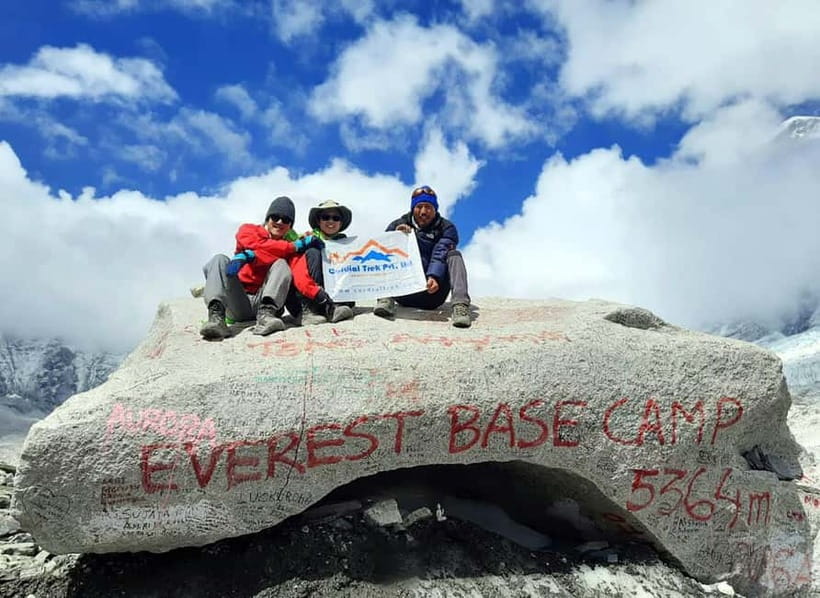
- The highest night is at Gorak Shep: You reach Everest Base Camp from Lobuche, then return to Gorak Shep before the Kala Patthar climb.
- Namche provides the main acclimatization break: The planned hike to Hotel Everest View lets you gain height during the day and sleep lower in Namche.
- Kala Patthar is the sunrise highlight: At 5,545 meters, it offers the clearest scheduled viewpoint toward Everest and the surrounding peaks.
- The price depends on your starting point: Kathmandu bookings include flights and airport transfers, while Lukla bookings do not include the airfare unless you add it.
- Meals and porters cost extra: The basic price covers accommodation and core trekking support, but not daily food or porter service.
- Altitude preparation matters more than speed: A verified booking described reaching Base Camp but needing a helicopter from the helipad after severe exhaustion at altitude.
Why this 10-day route works
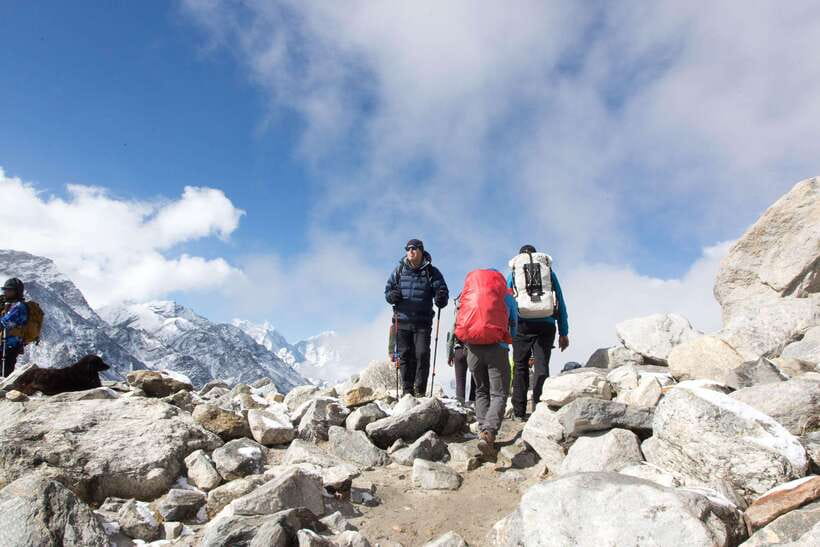
The route follows the classic approach to Everest Base Camp, starting at Lukla and moving through Phakding, Namche Bazaar, Deboche, Dingboche, Lobuche, and Gorak Shep. You then return through Pheriche and Namche before finishing in Lukla.
This is not a casual mountain walk. The itinerary includes long days, repeated climbs, thin air, cold nights, and rough high-altitude paths. Yet the schedule is sensibly shaped around acclimatization. You gain height gradually, spend a full day in Namche, and make a second stop in Dingboche before pushing higher.
I like that the route does not rush straight from Namche to the upper Khumbu. The Namche rest day is not wasted time. Your short hike to Hotel Everest View reaches about 3,880 meters, then you sleep back in Namche at roughly 3,440 meters. That pattern helps your body adjust while giving you an early look at the Himalayan peaks.
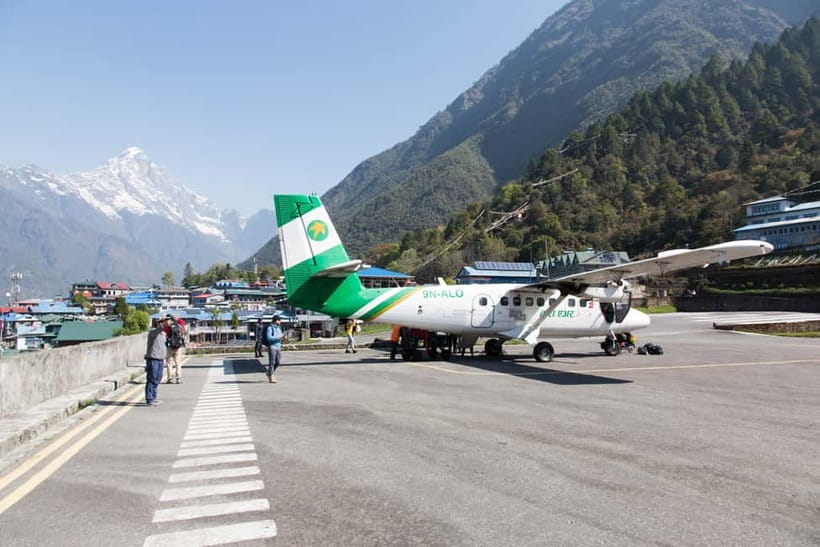
The private-group setup should also make the trek easier to manage. You can discuss pace, rest stops, and how you feel with the English or Hindi-speaking guide. The guide meets you at Lukla airport, holding a name card at the exit terminal.
More Everest Base Camp Treks in Kathmandu:
- Everest Base Camp Trek – 14 Days
★ 5.0 · 1,499 reviews - Everest Base Camp Trek
★ 5.0 · 842 reviews - Everest Base Camp Trekking
★ 5.0 · 485 reviews
Day 1: Lukla to Phakding, 2,800 meters
If you are coming from Kathmandu, the trip begins with an early domestic flight to Lukla, followed by an airport transfer from your hotel to the domestic terminal. If you book the Lukla option, you meet the guide at the airport instead.
After a pre-trek briefing, you walk for roughly three to four hours to Phakding. This is a manageable first day, but it still introduces you to the rhythm of the trek: steady walking, short climbs, stone paths, suspension bridges, and cool mountain air.
Phakding is useful as a gentle start because you do not gain too much height on the first afternoon. Your maximum altitude is about 2,800 meters, and you spend the night in a mountain guesthouse. Do not expect city comforts. Hot showers, Wi-Fi, and battery charging are not included, and food is also outside the basic price.
Day 2: Phakding to Namche Bazaar, 3,440 meters
The five to six-hour walk to Namche is one of the first serious days. You gain a considerable amount of height and enter the area known as the gateway to Everest.
Namche is more than a stopping point. It is the main trading center on this route and a good place to adjust to mountain life before the higher stages. The route takes you through Sherpa settlements and mountain scenery, with the walking becoming more demanding as Namche approaches.
The key point is not to treat this day as a race. Your body is still adapting, and the next morning includes an acclimatization hike. Keep your pace even, drink regularly, and tell your guide if a headache, nausea, or unusual tiredness develops.
Day 3: Namche Bazaar and Hotel Everest View
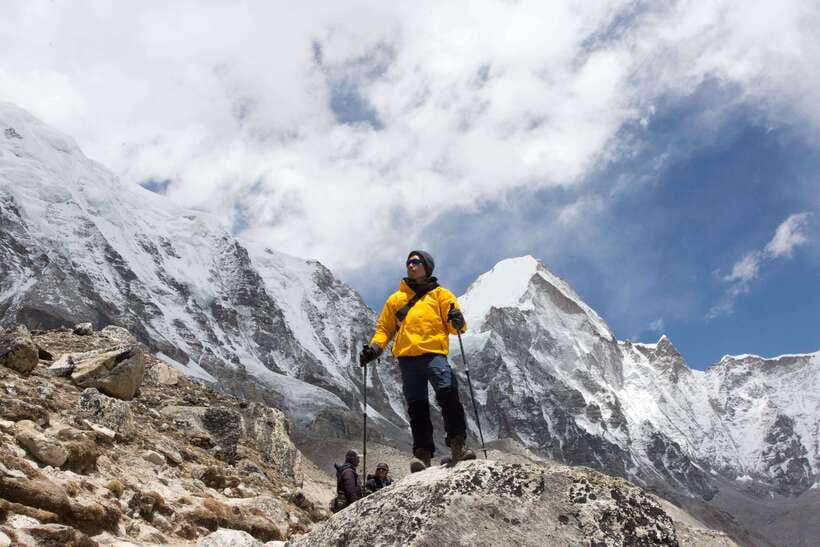
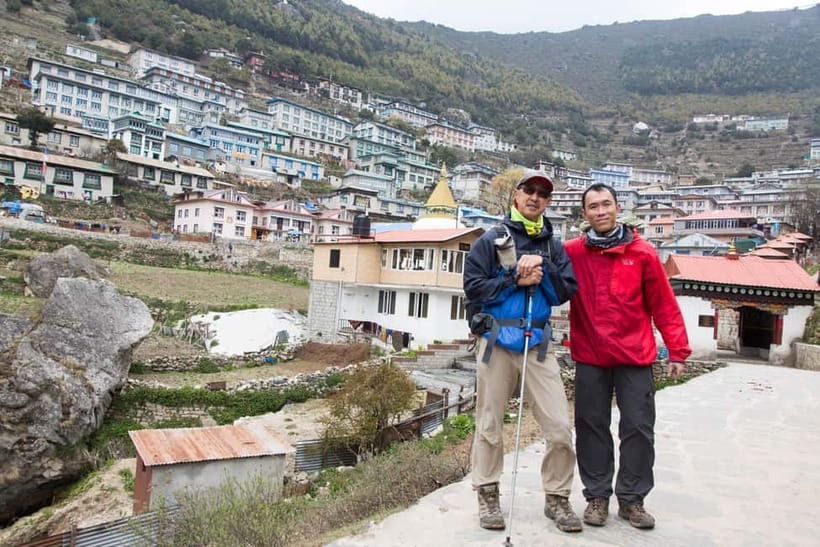
The Namche acclimatization day is one of the smartest parts of the schedule. Rather than spending the entire day lying down, you make a short hike to Hotel Everest View at about 3,880 meters.
The climb gives you panoramic views of the central Himalayas and helps your body experience a higher altitude before you return to sleep in Namche. The hotel viewpoint is also a practical reward. You get a strong mountain panorama without committing to another full trekking day.
Take this day seriously. Walk, look around Namche, organize your pack, and rest. This is also a good time to check your warm layers, water supply, headlamp, and medications. The trek gets colder and more exposed from here.
A few more treks around Kathmandu worth a look
- Annapurna Circuit Trek with Tilicho Lake
★ 5.0 · 368 reviews - Everest Base Camp Trekking – 13 Day
★ 5.0 · 365 reviews - Everest Base Camp Trek
★ 5.0 · 350 reviews - Everest Base Camp Trek -14 Days
★ 5.0 · 321 reviews
Day 4: Namche to Deboche via Tengboche
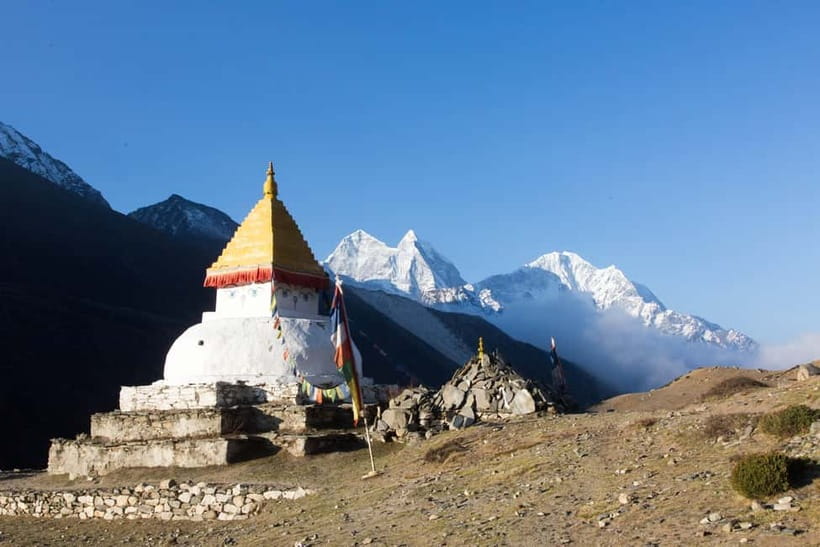
The route to Deboche takes about five to six hours and passes through rhododendron forest before reaching the famous Tengboche Monastery. The monastery gives the day a cultural focus that is different from simply chasing mountain views.
Deboche sits at around 3,820 meters and feels quieter than Namche. It is a good overnight point before the trail rises toward Dingboche. The walking remains demanding, but you are still below the highest section of the trek.
I like this part because the route connects the physical challenge with Sherpa culture. You are not simply moving from one altitude marker to another. Villages, monasteries, stone walls, and local life make the journey feel grounded.
Day 5: Deboche to Dingboche, 4,410 meters
The five to six-hour walk to Dingboche takes you above 4,000 meters. This is where the air begins to feel noticeably thinner, and a steady pace becomes more important than speed.
Dingboche is a traditional Sherpa village surrounded by stone-walled fields. The walls protect small plots from the mountain conditions and give the settlement a distinct appearance. You also get impressive views of Ama Dablam, one of the most memorable peaks on the route.
This night can feel difficult for some people because the altitude is now serious. You should keep drinking water, eat what you can, and tell your guide if symptoms worsen. The schedule does not include a separate full rest day here, so your earlier acclimatization in Namche matters.
Day 6: Dingboche to Lobuche, 4,940 meters
The walk to Lobuche takes about five to six hours and brings you close to the high point of the trek. The route becomes more stark and demanding as you leave the lower villages behind.
Lobuche is small, but its location is important. At approximately 4,940 meters, it is the last overnight stop before Gorak Shep and Everest Base Camp. You can expect cold conditions and a basic mountain guesthouse rather than comfort.
The view toward Nuptse gives this day much of its visual appeal. The walking itself may feel repetitive or tiring, especially as the air gets thinner. That is normal to a point, but you should not ignore serious symptoms. Altitude can turn a difficult day into a dangerous one quickly.
Day 7: Lobuche to Gorak Shep and Everest Base Camp
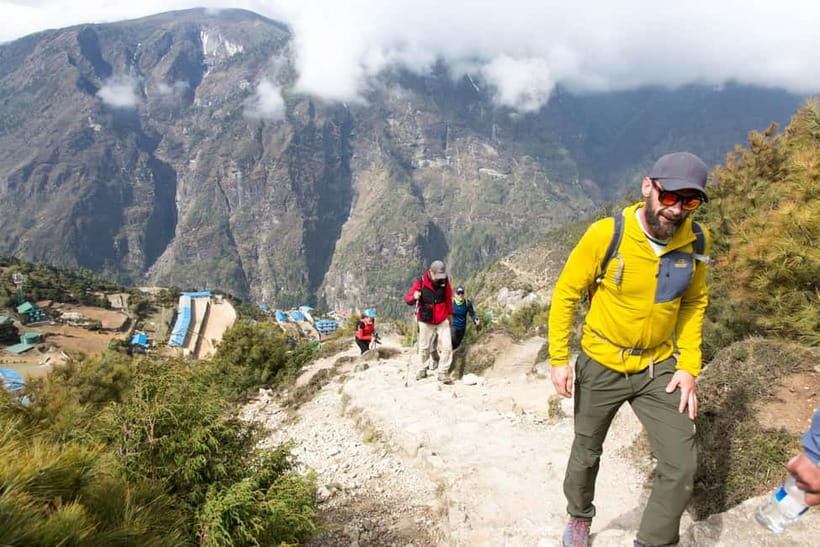
This is the day most people picture when they think about the trek. You walk for four to five hours from Lobuche to Gorak Shep, take a break, then continue toward Everest Base Camp.
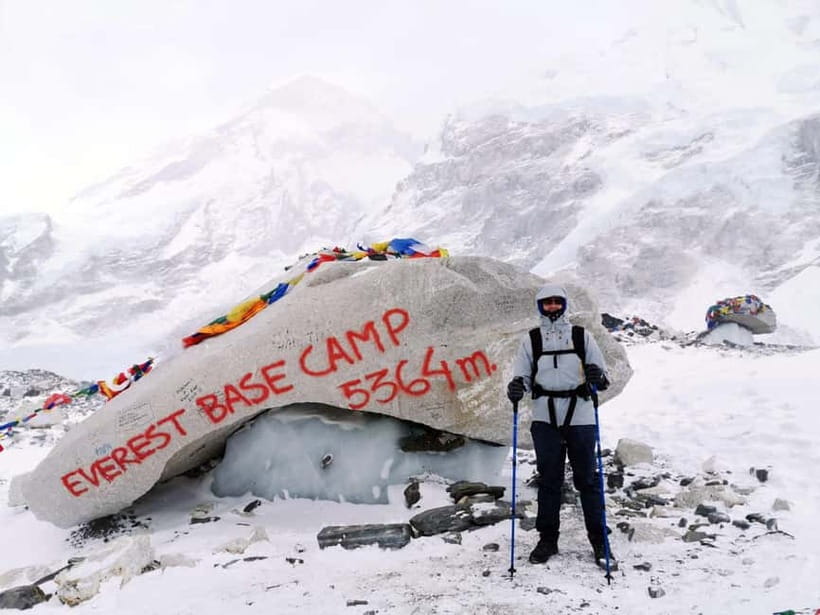
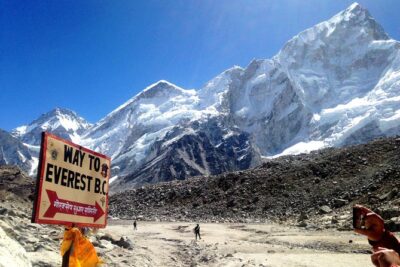
The Base Camp section takes another three to four hours round trip from Gorak Shep. You pass through the stark upper Khumbu and reach the famous view of the Khumbu Icefall. At 5,364 meters, the air is thin, the surroundings are severe, and the achievement feels real even if you spend only a short time at the camp.
Do not expect to see the summit of Everest from Base Camp itself in the way many photographs suggest. Kala Patthar is the better scheduled viewpoint for Everest. Base Camp is valuable for the setting, the route history, and the feeling of reaching the end of the approach.
You return to Gorak Shep for the night. This is one of the hardest days because of the altitude, the distance, and the need to walk back after reaching your goal.
Day 8: Kala Patthar at 5,545 meters, then Pheriche
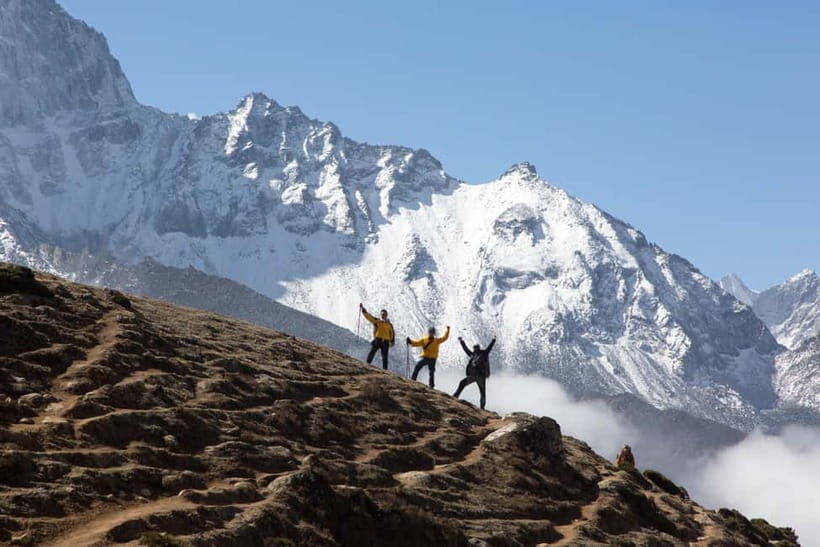
The pre-sunrise hike to Kala Patthar takes about two to three hours. It is the highest point on the itinerary, at 5,545 meters, and the sunrise views toward Everest are the visual high point of the entire route.
This climb is short on paper but tough in practice. You gain more height after sleeping at Gorak Shep, and the early cold can make every step feel slow. Take warm clothing, gloves, a headlamp, water, and your camera if you can manage the extra weight.
After breakfast in Gorak Shep, you walk four to five hours down to Pheriche. The lower altitude should feel helpful, though the descent still places stress on tired knees and legs. Pheriche is at about 4,240 meters, according to the route description, and the schedule identifies it as the night stop before returning to Namche.
One important reality comes from a verified booking: reaching Base Camp was possible, but altitude-related exhaustion later required a helicopter departure from the helipad. That does not mean you should expect the same outcome, but it shows why insurance and an emergency plan are essential. Travel insurance is mandatory for this trek.
Day 9: Pheriche to Namche Bazaar
The five to six-hour return to Namche is mostly downhill, with some uphill sections still mixed in. After the high-altitude days, the lower air around Namche should feel more comfortable.
This is a satisfying part of the route because the villages and paths now feel familiar. You can also look back on the long climb from Lukla and recognize how far you have gone.
Namche is the final major overnight stop before Lukla. Use the evening to repack, charge devices if you pay for charging, and prepare for the last walking day. The basic package does not cover Wi-Fi or battery charging, so keep your electronics use modest.
Day 10: Namche to Lukla
The final five to six-hour hike returns you to Lukla via Phakding. Your legs may be tired, but the lower altitude and the knowledge that the hardest section is over can make this day feel lighter.
The trip ends with a farewell to the guide and team. If you have a flight back to Kathmandu, the provided plan has you stay overnight in Lukla and fly the next morning, with airport transfer included for the Kathmandu option.
Flight timing in the mountains can be affected by conditions, so keep your plans flexible after the trek. The supplied schedule specifically places the return flight on the following morning rather than promising a same-day departure.
What the $322 price really covers
At $322 per person, this is a low price for a guided Everest Base Camp trek, but it is not an all-inclusive holiday. For the Kathmandu starting option, the package includes Kathmandu to Lukla and Lukla to Kathmandu flights, airport transfers, permits, a Sherpa guide, and 10 nights in mountain guesthouses.
You also receive a down jacket, sleeping bag, trekking poles, first aid if needed, water purification tablets, and a duffle bag if you choose the porter option. Those inclusions reduce the cost of buying or transporting bulky gear.
The major extra costs are:
- Meals
- Porter service
- Hot showers
- Wi-Fi
- Battery charging
- Hot, cold, and alcoholic drinks
- Snacks
- Travel insurance
- Flights, if you choose the Lukla-only option
The meal add-on and porter add-on should be clarified before payment. A porter can make a large difference on a trek of this length, especially when you are carrying warm clothing and sleeping equipment. If you are booking from Lukla, confirm the airfare cost and airport transfer arrangement as well.
Gear, fitness, and altitude planning
Cordial Trek provides a down jacket, sleeping bag, and trekking poles, but you still need a serious personal kit. Bring thermal layers, a warm hat or beanie, gloves, a neck gaiter, hiking boots, warm socks, hiking trousers, a towel, sunscreen, sunglasses, toiletries, a headlamp, and a water bottle.
A 20 to 25-liter daypack is recommended. If you use the porter option, a duffle bag is provided. Crampons are suggested only if snowfall is expected, so ask about current conditions before setting out.
You need enough fitness for repeated five to six-hour walking days and the ability to handle steep climbs at high altitude. This trek is not suitable for people with mobility impairments, and it is not recommended for people over 95. Those limits do not replace medical advice, particularly if you have existing heart, lung, or altitude-related concerns.
Carry any required medication and plan for delays or evacuation. One person who completed the Base Camp section still needed a helicopter down after becoming very exhausted from the altitude. That is precisely why travel insurance is not an optional extra here.
Should you book this Everest Base Camp trek?
Book it if you want a private, guided EBC route with a sensible acclimatization stop in Namche, basic gear supplied, and a low starting price. It suits hikers who accept simple guesthouses, long walking days, limited services, and cold high-altitude conditions in exchange for the chance to reach Base Camp and Kala Patthar.
Think twice if you want comfortable lodging, included meals, a relaxed timetable, or guaranteed flight times. The $322 price is strong value only after you add food, insurance, possible porter service, personal drinks, and the Lukla airfare if you are not starting in Kathmandu.
My practical advice is to book with a clear medical plan, carry warm layers in your daypack, and treat the acclimatization days as essential rather than optional. The most praised parts of this trip are the guide support, the beautiful country, the kind local people, and the satisfaction of reaching EBC. The hardest part is equally clear: altitude can overpower even a well-prepared hiker.
FAQ
How long is the Everest Base Camp trek?
The trek lasts 10 days, beginning in Lukla and finishing in Lukla. If you return to Kathmandu by flight, the schedule places that flight on the morning after the final overnight stay in Lukla.
Is the Kathmandu to Lukla flight included?
Yes, Kathmandu to Lukla and Lukla to Kathmandu flights are included when you book the option starting from Kathmandu. Airport transfers are also included for that option.
Is the flight included when starting from Lukla?
No. The Lukla option does not include Kathmandu to Lukla and Lukla to Kathmandu flights. An airfare add-on with airport transfers is available.
What is the highest point on the route?
Kala Patthar is the highest point, at 5,545 meters. Everest Base Camp is at 5,364 meters.
Is food included in the price?
No. Meals are not included in the basic package, but a meal add-on is available.
Is a porter included?
No. Porter service is an add-on. A duffle bag is provided if you choose the porter option.
Where do I meet the guide?
At Lukla airport, look for the guide holding a name card at the exit terminal. If you use the Kathmandu pickup, the driver collects you from your hotel lobby or the entrance of your residential apartment.
What equipment does the company provide?
The package provides a down jacket, sleeping bag, trekking poles, first aid if needed, water purification tablets, and a duffle bag with the porter option.
What languages does the guide speak?
The available guide languages are English and Hindi.
Can I cancel the booking?
You can cancel up to 24 hours in advance for a full refund. The reserve now and pay later option allows you to hold your place without paying immediately.
Recently added around Kathmandu
- Ghorepani Poon Hill Trek★ 5.0 · 16 reviews
- Private Manaslu Circuit Trek at Himalayas★ 5.0 · 3 reviews
- Amazing 1 Day Trekking Experience in Kathmandu Nepal★ 5.0 · 24 reviews
- Ghorepani Poonhill Trek★ 5.0 · 5 reviews
- Upper Mustang Trekking★ 5.0 · 2 reviews
- Upper Mustang Trekking★ 3.0 · 2 reviews
- Upper Mustang Trekking★ 5.0 · 4 reviews
- Upper Mustang Trek★ 5.0 · 5 reviews
Everest Base Camp Treks, compared.




Browse the lists this tour appears in