
REVIEW · KATHMANDU
Everest Base Camp Trekking – 13 Days
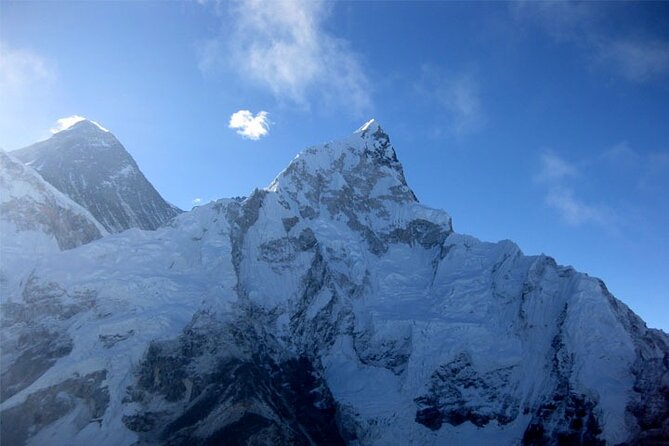
Dreams get serious above the tree line. This 13-day Everest Base Camp trek takes you from Kathmandu to Lukla, through Sagarmatha National Park, and onward to Everest Base Camp and Kala Patthar. I like the classic route and the practical support: a licensed guide, assistant Sherpa, porter service, meals, permits, and optional gear are included. The main drawback is the tight schedule, especially when Lukla flights are delayed or altitude slows the group.
I also like the built-in acclimatization days at Khumjung and Dingboche. They give you a better chance to adjust before the highest walking days. You should still take the physical demands seriously. The package asks for moderate fitness, and the itinerary includes long uphill walks at high altitude, with no promise that weather or health will allow every day to run as planned.
Key points before you book
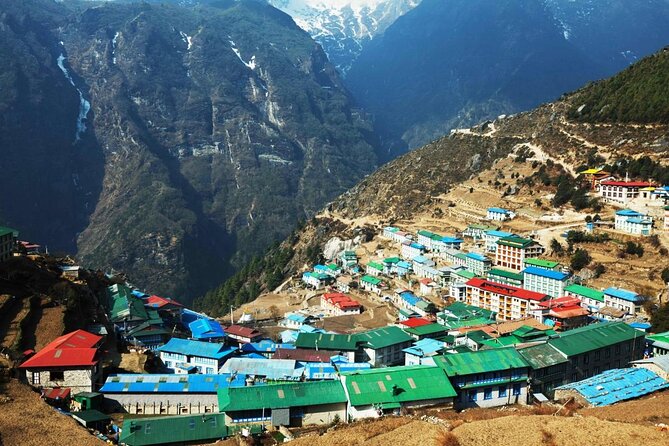
- Lukla to Everest Base Camp in 13 days: The route follows the standard approach through Phakding, Namche, Tengboche, Dingboche, Lobuche, Gorakshep, and Kala Patthar.
- Two acclimatization stops: Khumjung and Dingboche include shorter hikes designed to help you adjust to altitude.
- Porter support included: One porter is provided for every two trekkers, along with a guide and assistant Sherpa based on group size.
- Meals and basic trekking costs covered: The price includes 12 breakfasts, 12 lunches, 12 dinners, government and local taxes, TIMS, and a first-aid kit.
- Lukla flights need flexibility: Delays and cancellations can happen even in the best season, so you should keep one or two spare days after the trek.
- A small but not private group: The maximum group size is 26 people, which can feel social but may not suit anyone seeking a quiet custom trek.
What the $1,697 price really covers
At $1,697.37 per person, this is not simply a walking tour with a hotel at each end. The cost covers the working parts of a Himalayan trek: a licensed trekking leader, assistant Sherpa support, porter service, staff flights, salaries, equipment, insurance for staff, the TIMS card, route maps, meals, and local and government taxes.
The porter arrangement is one of the more useful inclusions. One porter serves two trekkers, so you can carry a lighter daypack rather than haul all your clothing and equipment up the trail. You should still pack carefully and keep essentials, medication, documents, and valuables with you.
A sleeping bag, down jacket, and duffel bag may be supplied if needed, but these items are loaned and must be returned. Ask in advance about availability and condition. The package also includes an NAT T-shirt and certificate of appreciation, which are pleasant extras but not reasons to choose the trek.
The price does not include alcoholic or non-alcoholic drinks, travel and rescue insurance, or tips for guides and porters. Insurance is especially important here. The trek reaches high altitude, and the operator says the leader may change or cancel parts of the route for safety, weather, illness, or natural disasters.
More Everest Base Camp Treks in Kathmandu:
- Everest Base Camp Trek – 14 Days
★ 5.0 · 1,499 reviews - Everest Base Camp Trek
★ 5.0 · 842 reviews - Everest Base Camp Trekking
★ 5.0 · 485 reviews
Days 1 and 2: Lukla, Phakding, and the first suspension bridges
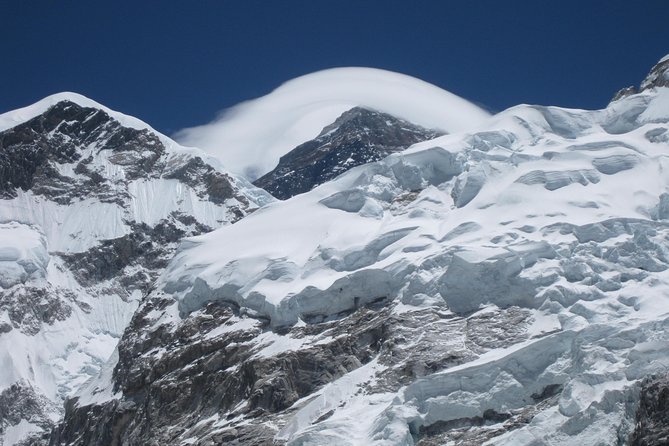
Your trek begins with a flight to Lukla, followed by a walk to Phakding. The first day takes about four hours and is described as relatively easy, with a route beside the Dudh Koshi River, suspension bridges, villages, and monasteries.
This opening stage gives you time to settle into the walking rhythm. It is not just a transfer to the mountains. You begin seeing the river valleys, small settlements, and religious sites that make this route feel like a journey through local communities rather than a direct march to a famous viewpoint.
Day 2 leads toward Namche Bazaar and takes about five hours. You cross more suspension bridges, including the Tengjing Hillary Bridge, then climb toward Namche, the main gateway to the Everest Base Camp route.
This is an important change in the trek. The walking gets more serious, and the climb to Namche can feel demanding even before the highest sections. Take your time. The point is to arrive ready for the next day, not to win the first uphill contest.
Day 3 at Khumjung: a useful pause above Namche
Day 3 is set aside for acclimatization. You visit the national park headquarters and its Everest viewpoint, then hike to Khumjung Village. The listed walking time is about four hours.
I like this structure because the itinerary does not rush straight from Namche toward higher ground. Khumjung gives you a shorter day and a chance to see another Sherpa village while your body adjusts.
The national park headquarters viewpoint adds a clear visual reward to the day. You should expect the walk to remain active rather than treat it as a rest day in the usual sense. It is better understood as a slower altitude day with sightseeing.
Day 4 at Tengboche: forest, wildlife, and a major monastery
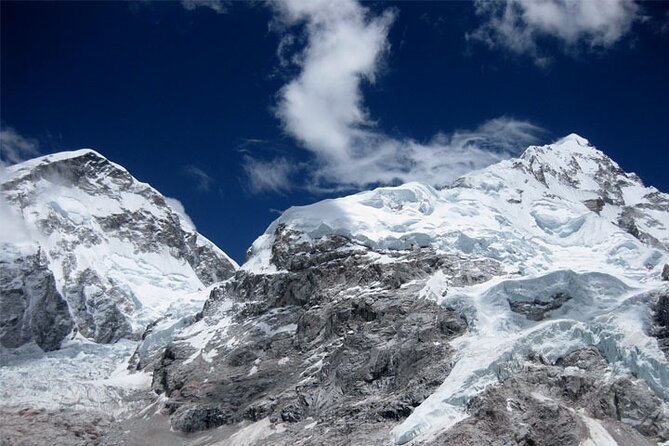
The route to Tengboche takes about five hours and passes through pine forest. The description also points to possible sightings of Himalayan thar and musk deer, though wildlife is never guaranteed.
Tengboche is one of the cultural high points of the route. Its monastery is described as the biggest on this section of the trek, and admission is included here. The setting combines mountain walking with a working religious site, giving you a useful break from the trail’s physical focus.
Keep your expectations practical. You are not visiting a museum attraction with a long list of formal exhibits. The value is in reaching the monastery by foot, seeing the surrounding forest, and having time to appreciate the place within the wider trek.
A few more treks around Kathmandu worth a look
- Annapurna Circuit Trek with Tilicho Lake
★ 5.0 · 368 reviews - Everest Base Camp Trekking – 13 Day
★ 5.0 · 365 reviews - Everest Base Camp Trek
★ 5.0 · 350 reviews - Everest Base Camp Trek -14 Days
★ 5.0 · 321 reviews
Days 5 and 6: Pangboche and Dingboche acclimatization
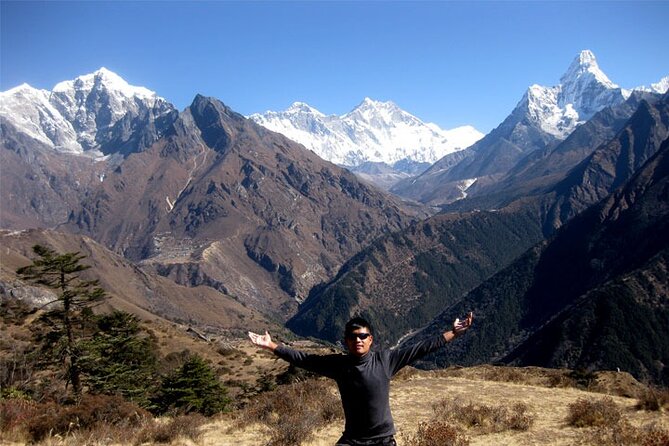
Day 5 takes about four hours and includes a river crossing and a visit to Pangboche Monastery. The overnight stay is in Dingboche, so the day combines a cultural stop with a move to higher ground.
Dingboche then gets its own acclimatization day. The plan is to hike to Nakarjun Peak. The supplied schedule lists four minutes for this activity, which is almost certainly a timing error, so you should ask the operator for the expected walking time before departure.
This is one of the itinerary’s most important pauses. The route is now high enough that rushing becomes a poor strategy. A short acclimatization hike can help you adjust, but you should tell your guide promptly if you develop a headache, nausea, unusual tiredness, or other altitude-related symptoms.
Days 7 and 8: Lobuche, Gorakshep, and Everest Base Camp
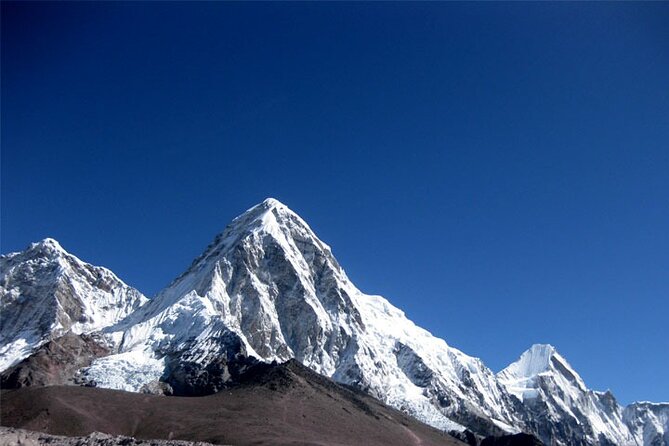
Day 7 takes about five hours as you trek toward Lobuche, crossing Thukla Village. The route is now more exposed to the effects of altitude, and the walking may feel slower than the clock suggests.
Day 8 continues to Gorakshep, where you stop for lunch before visiting Everest Base Camp. The schedule lists seven minutes for the Base Camp visit, another figure that does not match the nature of the route. Treat that number as unreliable and confirm the plan with the operator.
Reaching Everest Base Camp is the emotional center of the trip, but it is worth knowing what the achievement involves. You are not climbing Mount Everest, and you do not reach the summit. You walk to the base area used by Everest expeditions, at the foot of the world’s highest mountain.
The day is also one of the toughest. You need enough energy for the approach, the visit, and the return to Gorakshep. Eat lunch, drink what you can tolerate, and follow the guide’s instructions closely.
Day 9 at Kala Patthar: the best viewpoint of the trek
The early morning climb to Kala Patthar is followed by a trek back to Pheriche. The full day is listed at about six hours.
For many people, Kala Patthar provides the clearest mountain view of the route. The early start is not glamorous, but it is practical. Morning conditions often offer the best chance for open views, and the viewpoint gives you a strong visual payoff after several days of walking.
This is another day when altitude and fatigue matter. You may be excited to reach the viewpoint, but the descent and return to Pheriche still require care. Save some energy and do not let the sunrise climb convince you that the day is already finished.
Days 10 to 12: returning through Namche and Lukla
Day 10 takes you back to Namche and is listed at about six hours. After the high point of the trek, this section lets you lose altitude and return to a larger settlement.
Day 11 continues to Lukla and takes about six hours. The final walking day can feel satisfying, but downhill routes are not always easy. Tired legs, uneven ground, and a full pack can make the return more demanding than expected.
Day 12 is listed as a return to Kathmandu, with 35 minutes shown for the activity. The wording is unclear because the itinerary also says you trek back to Kathmandu. Since the normal transport details are not fully explained here, confirm whether this means a flight from Lukla and how delays are handled.
The operator specifically advises keeping one or two extra days because Lukla flights can be delayed or cancelled due to bad weather. This is not a minor footnote. If you have an international flight immediately after the scheduled return, you are taking a real risk.
Day 13 is reserved for final departure. The activity ends back at the Kathmandu meeting point, Nepal Adventure Team’s office at Amrit Marg 26.
Guides, porters, and the feel of the group
The support plan is one of the strongest parts of this trek. You receive a fully licensed trekking guide, assistant Sherpa support based on group size, and one porter for every two trekkers.
Several past clients singled out the guide and porter support, describing the team as friendly, helpful, professional, and well organized. One account also credits Jeeban and his team with organizing a smooth trip, while another names Sizon as a helpful contact during arrangements. Those details suggest a company that puts real attention into coordination and personal service.
The maximum group size is 26. That is large enough to create a social atmosphere and help spread staff costs, but it also means the pace may not always match your own. Ask how the group is divided on the trail and who makes decisions if people have different walking speeds or health needs.
Tipping is not included. You should plan a separate budget for guide and porter tips, even though no fixed amount is provided.
Food, equipment, and what you still need to arrange
The tour includes 12 breakfasts, 12 lunches, and 12 dinners. That covers the main meals for the 13-day schedule, though you should budget for drinks and any extra food you choose to buy.
Optional sleeping bags, down jackets, and duffel bags may be available. The phrase if necessary means you should not assume every item will automatically be waiting for you. Confirm your equipment needs before arriving in Kathmandu.
You also receive a route map and first-aid medical kit. Travel and rescue insurance is not included, so arrange suitable coverage before departure. The information specifically identifies moderate physical fitness as necessary, and that is a fair warning rather than a formality.
Who should book this Everest Base Camp trek?
This trip suits you if you want the standard Everest Base Camp route with organized support, included meals, porter assistance, and planned acclimatization stops. It is also a good fit if you prefer having a local company handle permits, staff arrangements, route planning, and basic gear support.
You should think twice if you need a flexible private itinerary, dislike group walking, or have no spare time around the Lukla flight. The itinerary contains a few unclear or obviously incorrect time entries, including the four-minute Nakarjun Peak hike and seven-minute Everest Base Camp visit. That does not necessarily undermine the trek, but it does mean you should ask questions before paying.
The best preparation is simple: arrive with moderate fitness, keep your schedule flexible, buy travel and rescue insurance, and do not treat the price as covering every expense. Leave room in your budget for drinks, tips, and possible extra days.
Should you book it?
I would recommend this trek to a reasonably fit first-time Himalayan trekker who wants the classic Everest route without arranging every detail alone. The included guide, porter support, meals, permits, staff costs, and acclimatization days make the $1,697.37 price look fair.
I would not book it with a fixed departure immediately after Day 12. Give yourself one or two spare days for Lukla delays, and confirm the unclear timing and Kathmandu return arrangements before committing. If you can accept weather changes, group logistics, basic mountain accommodation, and a demanding route, this package offers a strong path to Everest Base Camp and Kala Patthar.
FAQ
Where does the Everest Base Camp trek start?
The trek starts in Kathmandu, with the meeting point at Nepal Adventure Team Pvt. Ltd, Amrit Marg 26, Kathmandu 44600, Nepal.
How long does the experience last?
The experience lasts approximately 13 days, followed by final departure on Day 13.
What is the price per person?
The listed price is $1,697.37 per person.
Is pickup offered?
Yes, pickup is offered, and the activity ends back at the stated Kathmandu meeting point.
What meals are included?
The package includes 12 breakfasts, 12 lunches, and 12 dinners.
Is a guide included?
Yes. A fully licensed trekking guide is included, along with assistant Sherpa support based on the group size.
Are porters included?
Yes. Porter service is included at a ratio of one porter for every two trekkers.
Is travel and rescue insurance included?
No. Travel and rescue insurance are not included and must be arranged separately.
Can the itinerary change because of weather?
Yes. The leader may amend or cancel parts of the itinerary because of weather, health concerns, natural disasters, or other safety issues. Lukla flights may also be delayed or cancelled, so one or two spare days are advised.
Recently added around Kathmandu
- Ghorepani Poon Hill Trek★ 5.0 · 16 reviews
- Private Manaslu Circuit Trek at Himalayas★ 5.0 · 3 reviews
- Amazing 1 Day Trekking Experience in Kathmandu Nepal★ 5.0 · 24 reviews
- Ghorepani Poonhill Trek★ 5.0 · 5 reviews
- Upper Mustang Trekking★ 5.0 · 2 reviews
- Upper Mustang Trekking★ 3.0 · 2 reviews
- Upper Mustang Trekking★ 5.0 · 4 reviews
- Upper Mustang Trek★ 5.0 · 5 reviews
Everest Base Camp Treks, compared.






Browse the lists this tour appears in