
REVIEW · KATHMANDU
Everest Base Camp trek in 14 days
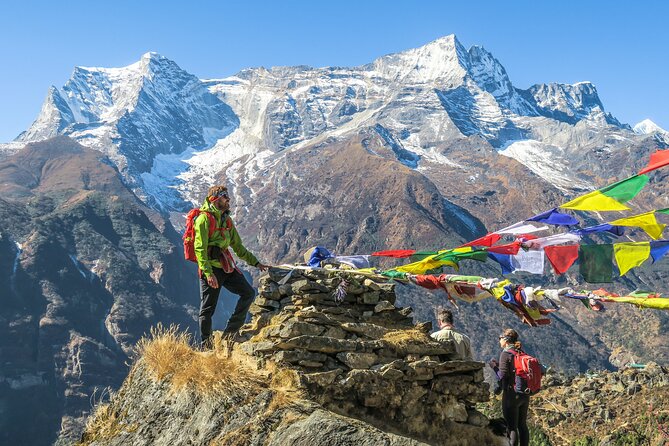
Everest starts with a small plane. This 14-day trek follows the classic route from Kathmandu to Lukla, through Sherpa villages and mountain monasteries, and onward to Everest Base Camp. I especially like the built-in acclimatization day at Namche Bazaar and the chance to climb Kala Patthar for one of the finest Everest views.
The price of $1,450.19 per person covers domestic flights, permits, a licensed English-speaking trek leader, Kathmandu hotels, and mountain lodges. That is useful value for a high-altitude trip, though food, porter service, drinking water, tips, insurance, and personal expenses come separately. The main caution is simple: this is a demanding trek, not a sightseeing holiday with a few walks attached.
Key points to know before you book
- Lukla is part of the adventure: The mountain flight is short, dramatic, and weather dependent.
- Namche gets an acclimatization day: This pause gives you time to rest, explore, and adjust before higher elevations.
- Kala Patthar is a major highlight: At 5,450 meters, it offers a powerful view of Everest and the Khumbu Glacier Valley.
- Lodging is basic after Kathmandu: You get two nights in a four-star Kathmandu hotel, then 11 nights in local lodges on a room-only basis.
- The group is capped at 12 people: That is small enough for personal attention without making the price feel like a private expedition.
- Porters are not included: You need to carry your own main luggage unless you arrange porter service separately.
What the $1,450 price really covers
At first glance, $1,450.19 may look modest for a two-week Himalayan trek. The value improves when you separate the included costs from the expenses you will handle yourself.
The package covers private land transportation, two nights at Yatri Suites & Spa or a similar four-star hotel in Kathmandu, 11 nights in local trekking lodges, the Kathmandu to Lukla and Lukla to Kathmandu flights, national park permits, TIMS registration, other required permits, taxes, and an English-speaking government-licensed trek leader.
You also receive two breakfasts. The wording is important here: meals during the mountain portion are not included. Food and drinks are purchased separately, as are hot water, drinking water, laundry, phone use, tips, donations, and personal items.
Porter service is also excluded. One porter can carry up to 20 kilograms shared between clients, but you will need to arrange and pay for that service if you do not want to carry your own load. For a high-altitude trek lasting 14 days, this is a cost worth planning for rather than treating as a minor extra.
The price is strongest for someone who wants an organized route without paying for a fully private expedition. The maximum group size is 12, and the guide is licensed and English speaking. That gives you structure and support while leaving meals and some services flexible.
More Everest Base Camp Treks in Kathmandu:
- Everest Base Camp Trek – 14 Days
★ 5.0 · 1,499 reviews - Everest Base Camp Trek
★ 5.0 · 842 reviews - Everest Base Camp Trekking
★ 5.0 · 485 reviews
Kathmandu begins with an easy arrival day
Your arrival day is designed to remove stress. A representative meets you at Tribhuvan International Airport with a company sign, helps with your luggage, and takes you by private vehicle to the hotel.
The drive includes outside views of Pashupatinath Temple, the former Royal Palace Museum at Narayanhity, and the Garden of Dreams. You do not stop for a full visit, but the route gives you a quick first look at Kathmandu before you settle into the hotel.
After check-in, a representative discusses the trek and handles the necessary formalities. You then have free time near the hotel. I like this gentle start because the next morning brings a flight to Lukla, and it helps to avoid packing the Kathmandu arrival day with too much activity.
Lukla makes the trek feel real
The flight to Lukla is one of the memorable parts of the trip, even before you take your first step on the trail. The route crosses the Himalayas, with views of snow-covered peaks and, when conditions allow, Mount Everest itself.
Lukla sits at roughly 2,860 meters, and you feel the altitude soon after leaving the plane. The itinerary allows time to stroll around the village that afternoon. Lukla is the main starting point for treks in the Everest region, so this is where the trip changes from an organized Nepal holiday into a serious mountain journey.
Weather can affect the flight schedule. The return flight is scheduled before 10:00 in the morning, but the timing can change according to conditions. You should keep your plans after the trek flexible rather than scheduling an international departure immediately after the domestic flight.
Lukla to Namche follows the Dudh Koshi
The walking begins along the Dudh Koshi, or Milky River. You pass through rhododendron and evergreen oak forest, cross suspension bridges, and see Buddhist stupas and prayer features along the route.
The first walking day takes about four hours and reaches the area around Manjo. It is a pleasant introduction, but do not mistake the moderate distance for an easy start. You are already gaining altitude, and the route includes uneven ground and bridges.
The next day leads toward Namche Bazaar. The path begins gently, then becomes steeper as you climb toward the Sherpa capital. You may catch an early view of Everest while crossing the Dudh Koshi, but the bigger reward is reaching Namche after the sustained uphill work.
The itinerary estimates about six hours for this section. Go slowly. The advice given on the route is sound: steady progress matters more than speed. Shortness of breath is normal at this height, but rushing makes the climb feel much harder.
A few more treks around Kathmandu worth a look
- Annapurna Circuit Trek with Tilicho Lake
★ 5.0 · 368 reviews - Everest Base Camp Trekking – 13 Day
★ 5.0 · 365 reviews - Everest Base Camp Trek
★ 5.0 · 350 reviews - Everest Base Camp Trek -14 Days
★ 5.0 · 321 reviews
Namche Bazaar gives you a necessary pause
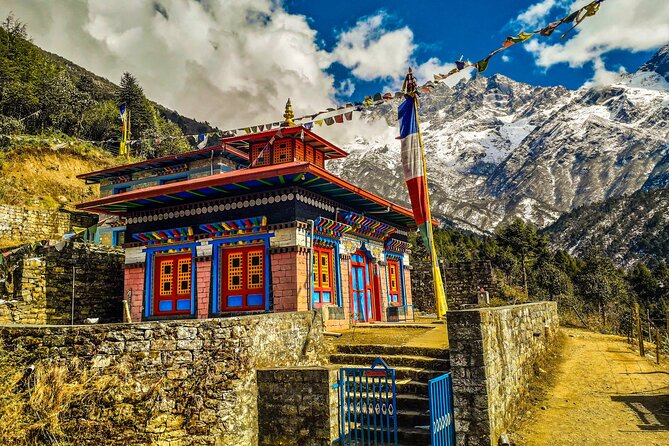
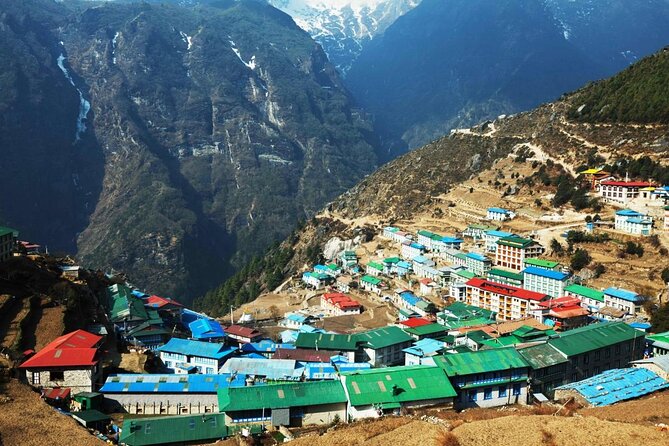
Namche is more than a place to sleep. It is the main market town of the Khumbu region, and the itinerary gives you a full acclimatization day here.
You can rest, walk around the town, and look toward Mount Everest, Thamserku, and Ama Dablam. Early morning is suggested for mountain views, when changing light can project the peaks onto the clouds. It is also a good place to sample salt-butter tea and champa, a barley food associated with Sherpa culture.
If your visit lines up with the Saturday market, you may see local traders selling goods to people from across the Solukhumbu region. This adds a human side to the trek. You are not simply walking between mountain viewpoints. You are moving through communities that depend on the route and the people who pass through it.
The extra day is one of the strongest parts of the schedule. Some fast itineraries cut acclimatization too close. Here, you have a real pause before the trail climbs much higher.
Tengboche brings monasteries and hard climbing
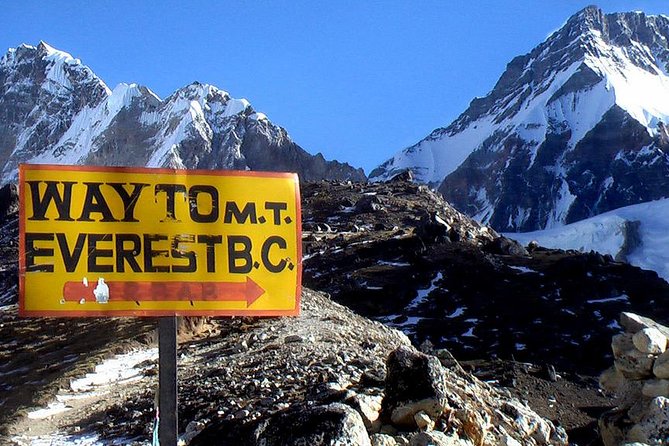
The walk from Namche to Tengboche takes around five hours, with a notable gain in elevation. The route rewards patient pacing with wide views of the Everest range.
Tengboche is known for its hilltop monastery, and the setting is a major cultural highlight of the trip. The itinerary does not promise a specific ceremony or monastery tour, so you should treat the area and its spiritual setting as the attraction rather than expecting a scheduled religious event.
This is one of the days when altitude begins to dominate the experience. The climb may feel slow, and the mountain air can make familiar distances seem long. Take breaks, drink regularly, and listen to your trek leader if the pace needs to change.
Pangboche and Dingboche open the high valley
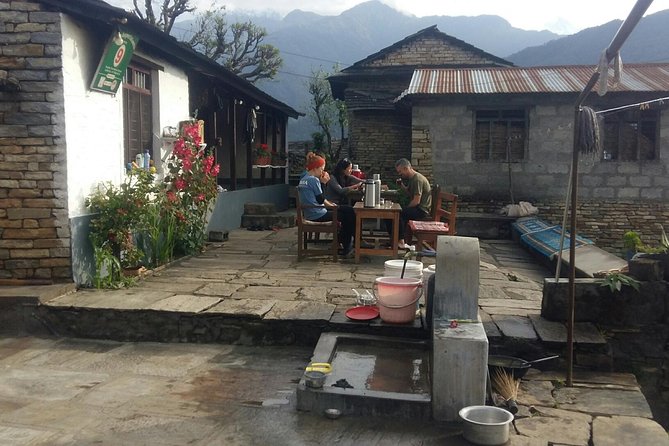
The trail continues from Tengboche toward Dingboche, with about seven hours of walking. You pass Pangboche and follow a valley with a glacial river below and snow-covered peaks ahead.
Ama Dablam is a major visual marker on this section. Its sharp profile gives the route a sense of direction, and the views become more severe and open as trees thin out.
Dingboche is an important stop because the trek is now moving into much higher country. The itinerary does not list a separate acclimatization day here, so you should expect a long walking schedule and pay attention to how your body responds. The combination of altitude, cold, and seven hours on foot can be more tiring than the distance suggests.
Lobuche and the Thukla memorials
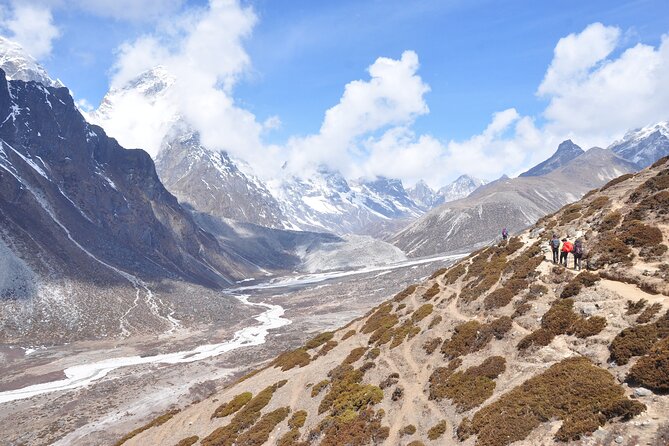
The route from Dingboche to Lobuche takes about seven hours and brings you close to the final approach to Base Camp. The steep climb from Thukla to the memorial area is described as the hardest part of the entire trail.
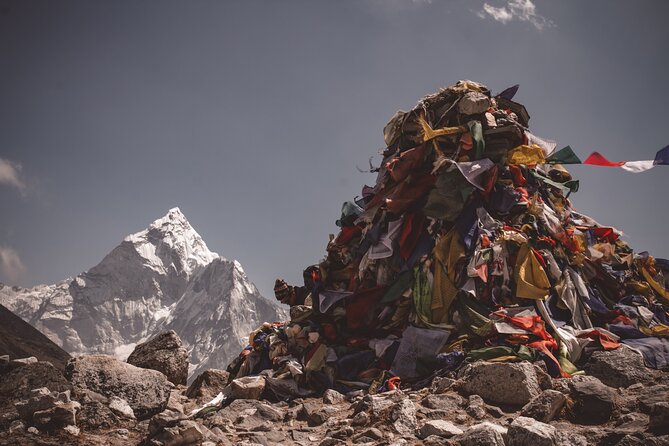
This section carries emotional weight as well as physical difficulty. Prayer flags and memorial markers honor climbers who died on Himalayan expeditions. The route reminds you that Everest is not only a famous summit in photographs. It is a dangerous mountain that has shaped many lives.
Lobuche is one of the highest villages on the route. Accommodation here is basic, and the cold and altitude can make the night uncomfortable. Still, reaching this point means you are close to the main goal.
Gorak Shep is the high point before Base Camp
From Lobuche, the path continues toward Gorak Shep, a sparse high-altitude settlement where snow may cover parts of the trail. The walking time is listed at about six hours.
Gorak Shep is not a place for comfort or long relaxation. It is a staging point for the two big outings: Everest Base Camp and Kala Patthar. The thin air makes even short walks feel demanding, so rest matters.
The plan allows a possible Kala Patthar visit on the same day for sunset if you still have enough energy. That sounds tempting, but do not force it. Kala Patthar is at 5,450 meters, and saving strength for the next morning may be the wiser choice.
Kala Patthar and Everest Base Camp
The next major day includes Kala Patthar and Everest Base Camp, followed by a return to Gorak Shep. The itinerary estimates about seven hours of walking.
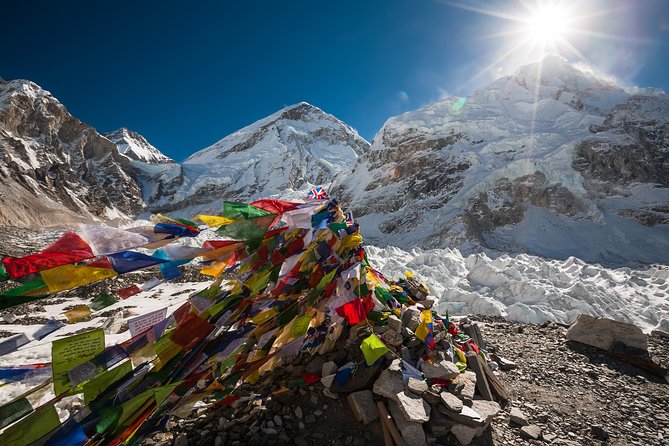
Kala Patthar means black rock, and the summit provides one of the clearest viewpoints toward Mount Everest and the Khumbu Glacier Valley. The altitude is extreme, and the climb is physically demanding, but the view is a fitting reward for the long approach.
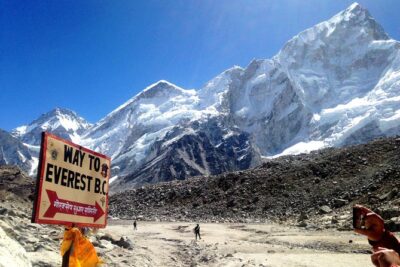
Everest Base Camp itself is the emotional goal of the trip. It is the starting point for Everest expeditions, surrounded by glacier country and the high peaks of the Khumbu. The appearance of Base Camp can change with the climbing season, so you should focus on the achievement of reaching it rather than expecting a permanent village or a single fixed view.
After the visit, you return to Gorak Shep for food and sleep. This is a long, tiring day, and the return walk matters as much as the outward route. Keep your pace controlled and allow time for stops.
The return to Namche and Lukla
The route back to Namche follows the Dudh Koshi and passes water-driven prayer wheels, pine and cedar forest, and views toward the Lhotse and Nuptse wall. Everest may appear behind the surrounding peaks.
The descent to Namche takes around eight hours, so it is not an easy recovery day. Going downhill can be hard on knees and ankles, especially after the high-altitude stretch. Trekking poles may be useful, but the supplied information does not state that equipment is provided, so bring or arrange anything you personally need.
The next day continues to Lukla and takes about six hours. You pass Chumoa, where you can stop for lunch, then follow the river toward Phakding before climbing onward to Lukla. The return to lower country brings relief, while the fading snow peaks mark the end of the hardest section.
Kathmandu offers a soft landing
The flight from Lukla to Kathmandu is scheduled before 10:00 in the morning, subject to weather. Once back in the capital, a transfer takes you to the hotel, and the rest of the day is free for rest.
This extra day is useful. It gives you time to recover from the trek and creates some protection against a delayed Lukla flight. The itinerary does not promise extra sightseeing, so plan on a quiet day unless you arrange independent activities.
On departure day, you are transferred to Tribhuvan International Airport about three hours before your flight. The representative guides you to the check-in hall.
What the past trip accounts tell you about service
The strongest praise centers on organization, guides, and support. Trip accounts describe smooth email planning, helpful coordination by Devi and Nilam, and professional trekking staff. Guide Rohit is specifically praised for pacing, organization, and attention to health.
That matters more than polished hotel details on a route like this. A good trek leader helps you walk at a sensible pace, notice problems early, and make practical decisions when altitude or weather changes the plan.
The accounts also include a couple in their sixties who completed a longer version of the route with their own guide and porter. That does not mean the trek is easy for older people, but it does show that age alone is not the deciding factor. Fitness, preparation, pacing, and medical advice matter more.
Who should book this trek
I would recommend this trip to you if reaching Everest Base Camp is your main goal and you want a fixed route with transport, permits, lodging, and a licensed guide arranged in advance.
It suits people with moderate physical fitness who are comfortable walking for four to eight hours on mountain trails. You need to accept basic lodge accommodation, separate meal costs, changing flight times, and the possibility that altitude will make each day harder than expected.
I would not choose it if you want luxury, a relaxed walking schedule, or a fully inclusive price. The lack of included porter service is also important for anyone who does not want to carry a heavy pack.
Free cancellation is available when you cancel at least 24 hours before the start time. The group maximum is 12, mobile tickets are offered, and pickup is available, which makes the initial logistics fairly simple.
Should you book the Everest Base Camp trek?
Book it if Base Camp is the goal, you value a licensed guide and organized transport, and you are ready for real physical work at high altitude. The Namche acclimatization day, small group size, domestic flights, permits, and Kathmandu hotel stay give the package solid value for the price.
Before paying, budget separately for meals, drinks, porter service, tips, insurance with high-altitude evacuation coverage, and personal expenses. If you prepare for those costs and respect the altitude, this route offers the classic Everest experience: Sherpa villages, prayer flags, monasteries, stark mountain views, and the satisfying arrival at the place where Everest expeditions begin.
FAQ
How long is the Everest Base Camp trek?
The experience lasts approximately 14 days, including arrival and departure in Kathmandu, the trek between Lukla and Everest Base Camp, and the domestic flights.
What is included in the price?
The price includes private land transportation, two nights in a four-star Kathmandu hotel or similar, 11 nights in local trekking lodges, required permits, TIMS, domestic flights between Kathmandu and Lukla, a licensed English-speaking trek leader, government taxes, and two breakfasts.
Are meals included during the trek?
No. Food, drinks, and beverage bills are not included during the trek. The mountain lodge accommodation is provided on a room-only basis.
Is porter service included?
No. Porter service is not included. The package notes that one porter can carry 20 kilograms shared between different clients.
What fitness level is required?
A moderate level of physical fitness is required. The itinerary includes a large amount of walking, with individual days lasting about four to eight hours.
Can the Lukla flights change time?
Yes. The return flight from Lukla is scheduled before 10:00 in the morning, but flight times can change because of weather conditions.
What is the cancellation policy?
You can receive a full refund if you cancel at least 24 hours before the experience start time. Cancellations or changes made less than 24 hours before the start time are not accepted for a refund.
Recently added around Kathmandu
- Ghorepani Poon Hill Trek★ 5.0 · 16 reviews
- Private Manaslu Circuit Trek at Himalayas★ 5.0 · 3 reviews
- Amazing 1 Day Trekking Experience in Kathmandu Nepal★ 5.0 · 24 reviews
- Ghorepani Poonhill Trek★ 5.0 · 5 reviews
- Upper Mustang Trekking★ 5.0 · 2 reviews
- Upper Mustang Trekking★ 3.0 · 2 reviews
- Upper Mustang Trekking★ 5.0 · 4 reviews
- Upper Mustang Trek★ 5.0 · 5 reviews
Everest Base Camp Treks, compared.




Browse the lists this tour appears in