
REVIEW · KATHMANDU
Everest Base Camp Trek – Hiking to Mt Everest
This is a trek with a clear goal. The 15-day Everest Base Camp route combines Sherpa villages, mountain monasteries, glaciers, and high Himalayan views with the support of a private guide and porter. I like that the price includes Kathmandu to Lukla flights, trekking meals, tea house lodging, airport transfers, and a medical kit. I also like the built-in acclimatization days at Namche Bazaar and Dingboche, which are essential rather than optional extras at these heights.
The main consideration is the altitude. Everest Base Camp sits at 5,363 meters, and the itinerary takes you to Kala Patthar at 5,545 meters. That makes this a serious physical challenge, not simply a scenic walk, and flight delays or weather changes can disrupt the plan. Still, the private format gives the company room to adjust, and the strongest feedback praises Jiban, Tony, Tika, Dharma, and Durga for careful support and calm handling of changes.
Key Points Before You Book
- Private trekking group: You trek with only your own group, guide, and porter rather than joining a large public departure.
- Lukla flight included: The package covers flights between Kathmandu and Lukla, the starting point for the walk.
- Two acclimatization days: You spend rest and adjustment days in Namche Bazaar and Dingboche.
- Tea house nights: Eleven nights during the trek are in mountain tea houses, with breakfast, lunch, and dinner included.
- High point above Base Camp: The itinerary reaches Kala Patthar at 5,545 meters, higher than Everest Base Camp itself.
- Flexible local support: The company has handled delayed flights, alternative transport, and last-minute booking changes for past groups.
What the $1,500 Price Really Covers
At $1,500 per person, this trek offers a useful amount of included service. You receive airport pickup and drop-off, three nights in star-rated accommodation in Kathmandu with breakfast, eleven nights in tea houses, all trekking meals, both Kathmandu to Lukla flights, a guide, a porter, government and local taxes, a comprehensive medical kit, certificates, and preparation sessions before and after arrival.
That list matters because small costs quickly add up in Nepal. Domestic flights are already included, and so are the main meals once you leave Kathmandu. You are not paying separately for every night, every mountain meal, or every basic transfer.
The package is less all-inclusive than the headline price might suggest. You still need to pay for your Nepal visa, international flights, travel insurance, drinks, personal spending, tips, and shopping. Insurance is especially important for a high-altitude trek, and it should be arranged before you arrive.
I see the price as good value for a private trek if you want one company coordinating the airport arrival, Kathmandu stay, flights, lodging, meals, and mountain staff. The value is less clear if you already have strong local contacts or prefer to arrange each part independently. The private setup is the main advantage. You are not locked into the pace or preferences of a large group.
More Everest Base Camp Treks in Kathmandu:
- Everest Base Camp Trek – 14 Days
★ 5.0 · 1,499 reviews - Everest Base Camp Trek
★ 5.0 · 842 reviews - Everest Base Camp Trekking
★ 5.0 · 485 reviews
Days 1 and 2: Kathmandu Orientation Before the Mountains
Your first day is a welcome day in Kathmandu. The included airport pickup gives you a simple start after a long international flight, and the first night in a city hotel gives you time to settle in.
Day 2 is used to explore Kathmandu Valley and prepare for the trek. The preparation session is a useful feature, especially if this is your first high-altitude walk. You can use this time to check equipment, ask about the daily routine, and make sure you understand the pace and altitude plan.
The city portion is not just filler. It creates a buffer before the Lukla flight, and it gives the company time to prepare you and your bags. The itinerary also includes a Kathmandu exploration day after you return from the mountains, so you are not rushing straight from the trail to an international departure.
Day 3: Lukla to Phakding and the First Mountain Walk
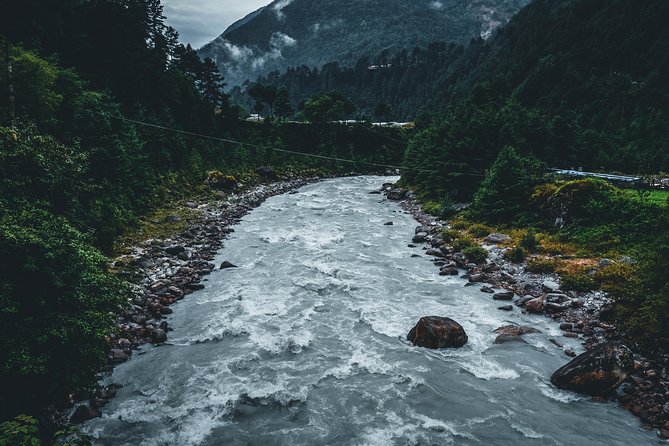
The flight from Kathmandu to Lukla takes you to an altitude of 2,840 meters. From there, you walk to Phakding at 2,640 meters.
This first trekking day is a gentle introduction compared with what follows. You begin to see the character of the Khumbu region, with mountain villages, local homes, and the first sense that roads and city comforts are behind you. Phakding is lower than Lukla, but you are already moving through high country.
The Lukla flight is also the most obvious scheduling risk. Feedback about this company includes several cases of delayed planes over multiple days. The staff arranged alternative plans, including a drive in one case, and kept groups moving without unnecessary drama. You should still allow flexibility around this flight. A fixed international connection immediately after the trek would leave little room for trouble.
Day 4: Phakding to Namche Bazaar
The route continues from Phakding to Namche Bazaar at 3,440 meters. This is one of the more important days because the altitude rises sharply, and Namche becomes the main acclimatization stop.
Namche Bazaar is a mountain trading town and a natural pause in the route. It is more than a place to sleep. You will find a lively high-altitude settlement, tea houses, and a strong Sherpa presence. The town is also where you begin to appreciate how much effort is required to move supplies into the Khumbu.
You should not rush this day. The scenery may tempt you to walk quickly, but a slow, steady pace is more useful than an early arrival followed by altitude trouble.
A few more treks around Kathmandu worth a look
- Annapurna Circuit Trek with Tilicho Lake
★ 5.0 · 368 reviews - Everest Base Camp Trekking – 13 Day
★ 5.0 · 365 reviews - Everest Base Camp Trek
★ 5.0 · 350 reviews - Everest Base Camp Trek -14 Days
★ 5.0 · 321 reviews
Day 5: Acclimatization in Namche Bazaar
The schedule gives you a full acclimatization day at Namche. That is one of the strongest parts of the itinerary.
An acclimatization day does not always mean sitting indoors all day. You may take a short walk, explore the town, or climb a little higher before returning to sleep at the same altitude. The important point is to give your body time to adjust before the trail climbs farther.
This is also a good day to speak openly with your guide. Tell the guide about headaches, nausea, unusual tiredness, or poor sleep. The trek is private, so communication should be easier than it would be in a large group. Do not treat the schedule as a race. Reaching Base Camp safely matters more than shaving an hour off a walking day.
Day 6: Namche Bazaar to Tengboche
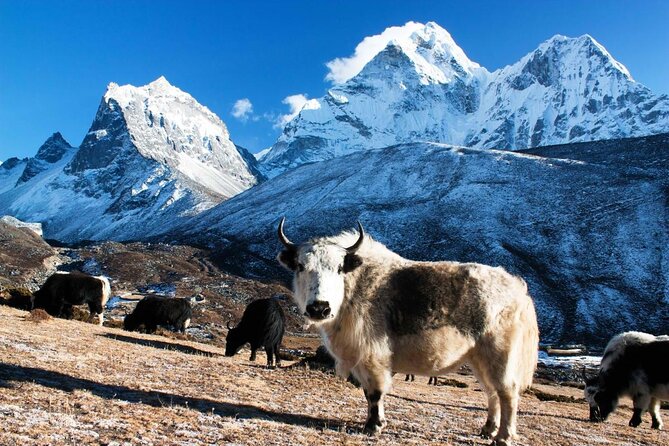
The trail then reaches Tengboche at 3,867 meters. Tengboche is known for its monastery and its impressive mountain setting, making this one of the more memorable cultural stops on the route.
The monastery gives the trek a spiritual side that a simple mountain itinerary would miss. You are not only walking toward a famous peak. You are passing through communities shaped by Sherpa traditions, Buddhist practice, trade, guiding, and life at high altitude.
The walk from Namche to Tengboche also marks a change in feel. The air is thinner, the villages are farther apart, and the goal begins to feel more demanding. Your tea house room will be basic, and the cold can become more noticeable as you gain height. That is part of the experience, but it is worth preparing for if you are used to hotels.
Day 7: Tengboche to Dingboche
Dingboche sits at 4,350 meters. By now, the trek is firmly in high-altitude territory.
This day is less about covering a huge distance than about managing the steady rise. You will see more open mountain scenery and high ridges as the route leaves the lower valley behind. The village is an important overnight stop because the next day is reserved for acclimatization.
Tea house accommodation is a practical compromise here. It gives you a bed, meals, and a local place to rest, but it is not a resort. You should expect simple mountain lodging, shared facilities in some cases, and limited personal comforts. The included meals are valuable because you do not need to arrange food separately while walking.
Day 8: A Second Acclimatization Day in Dingboche
The second acclimatization day is placed at Dingboche, where the altitude is much higher than Namche. This pause is vital before the route moves toward Lobuche and Gorak Shep.
You can use this day to rest, take a short walk, organize your daypack, and review your clothing layers. It is also a sensible time to check how your body is responding. Feeling tired is normal. Serious or worsening symptoms deserve immediate attention from your guide.
The itinerary does not promise a medical evacuation service, so your own insurance must cover high-altitude trekking and emergency arrangements. The supplied medical kit is helpful, but it does not replace proper insurance or sound decisions on the trail.
Day 9: Dingboche to Lobuche at 4,931 Meters
The route climbs to Lobuche at 4,931 meters. At this point, every uphill section can feel slower, and the cold may be sharper.
Lobuche is a staging point for the final push toward Base Camp. You are now close to the major goal, but the altitude means you should not assume the hardest work is behind you. Rest, hydration, and a calm pace matter more than excitement.
This is where a private guide and porter can be especially useful. The porter reduces the load you carry, while the guide can help judge pace and condition. The package does not specify a porter weight limit, so you should ask the company how luggage is handled before departure.
Day 10: Lobuche to Everest Base Camp Through Gorak Shep
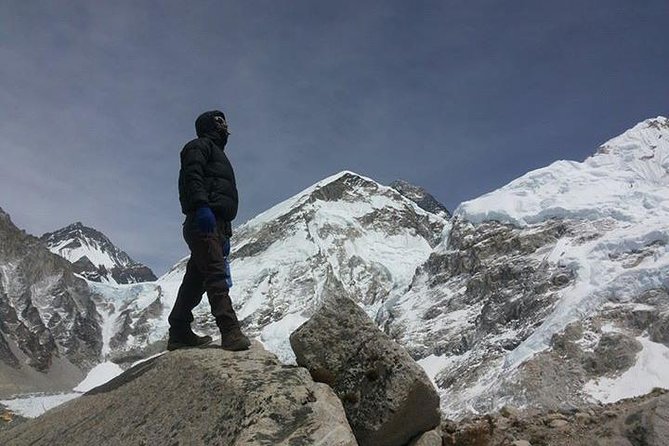
Day 10 is the central day of the trek. You walk from Lobuche to Gorak Shep at 5,170 meters and continue to Everest Base Camp at 5,363 meters.
Base Camp is the symbolic target, but it is not the summit of Mount Everest. You are reaching the staging area used by climbing expeditions, surrounded by huge peaks, glaciers, and the stark conditions of the upper Khumbu. The reward is not a comfortable finish. It is standing in a place associated with some of the world’s most demanding climbs.
Gorak Shep is very high, and the route can feel tough even for fit people. You should keep expectations realistic. The view may be magnificent, but your body may be focused on slow breathing and the next step. That contrast is part of what makes this trek so demanding.
Day 11: Kala Patthar, Then Down to Pheriche
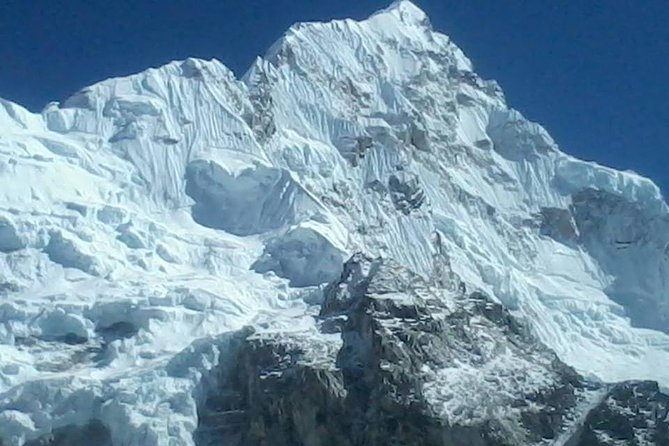
The itinerary reaches its highest point on Day 11, with a climb to Kala Patthar at 5,545 meters before descending to Pheriche at 4,210 meters.
Kala Patthar is often valued for its broad mountain views, and the altitude makes the climb a serious effort. The schedule then drops you to Pheriche, which gives your body relief after the highest section.
This is a long and demanding day, so you should pack only what you need for the climb and follow your guide’s instructions. The descent is welcome, but it still requires care. Tired legs can make downhill walking awkward, especially after several days above 4,000 meters.
Days 12 and 13: Returning to Namche and Lukla
The trek from Pheriche to Namche Bazaar reverses part of the route. As you lose altitude, breathing may feel easier, though your legs will be carrying the fatigue of the previous days.
Day 13 continues from Namche to Lukla. Reaching Lukla marks the end of the walking section, but not necessarily the end of the trip’s uncertainty. The flight back can be affected by weather and operating conditions, so keep your schedule flexible.
The company’s staff have received strong praise for adjusting plans when flights were delayed and for helping with last-minute arrangements. Jiban is repeatedly associated with clear communication and trip coordination, while guides such as Tony and Tika are praised for care and practical help. Dharma Subedi and Durga Kadel are also named in especially warm feedback. Ask in advance who will lead your group, since staffing can vary.
Days 14 and 15: Kathmandu and Departure
Day 14 includes an early morning scenic flight to Kathmandu, followed by time to explore the valley. This return day is useful because it gives you a little space after the trek rather than sending you directly to the airport for an international flight.
Day 15 is departure day. Airport drop-off is included, which keeps the final logistics simple.
The return schedule is sensible, but I would still avoid booking an international flight too tightly against the Lukla return. The experience has a clear history of dealing with delays, yet no operator can control the mountain weather.
Guide Support, Private Groups, and Tea Houses
The private format is one of the best reasons to choose this package. Your group can walk at its own pace, ask questions freely, and make decisions with the guide without being tied to strangers.
The guide and porter are included, along with a medical kit and preparation sessions. The company’s strongest praise centers on staff who are caring, patient, professional, and able to adjust plans. That matters more here than polished marketing. On a high-altitude trek, calm communication can make a hard day manageable.
Tea house lodging gives you a direct connection with mountain communities. These family-run places are practical rather than luxurious. You receive breakfast, lunch, and dinner during the trekking days, but drinks and beverages cost extra. Bring enough personal spending money for those purchases, tips, and other small needs.
Who Should Choose This Everest Trek?
This trip suits you if you have moderate physical fitness, want a private guided experience, and value having the major arrangements handled in one package. It is also a strong choice if you want cultural contact through Sherpa villages and monasteries rather than a trip focused only on mountain photographs.
You should think twice if you dislike basic lodging, have very tight flight connections, or want a relaxed holiday. The altitude is real, the walking days are demanding, and the highest nights are not comfortable in the usual hotel sense.
The itinerary is also best for someone who can accept changes. Delayed flights have affected past plans, and the company has sometimes used alternative transport or changed bookings. Flexibility is not a minor detail here. It is part of trekking in the Everest region.
Should You Book This Trek?
I would consider booking this Everest Base Camp trek if you want strong logistical support at a reasonable package price. The included Lukla flights, meals, tea house lodging, guide, porter, airport transfers, and preparation sessions give the $1,500 cost real value.
Before paying, confirm the guide’s name, porter arrangements, insurance requirements, meal details, and the plan for flight delays. Also confirm that your travel insurance covers high-altitude trekking and emergency evacuation.
Book it if you are ready for a demanding walk and appreciate a private team that can adapt. Skip it if you want predictable transport, hotel comfort, or an easy sightseeing trip. For the right person, this is a serious but well-supported route to one of the world’s most meaningful mountain destinations.
FAQ
How long is the Everest Base Camp trek?
The planned experience lasts approximately 15 days, including time in Kathmandu, the trek from Lukla to Everest Base Camp, the return walk to Lukla, and flights back to Kathmandu.
What is the highest point on the itinerary?
Kala Patthar is the highest point, at 5,545 meters. Everest Base Camp is listed at 5,363 meters.
Are flights between Kathmandu and Lukla included?
Yes. The package includes Kathmandu to Lukla flights in both directions.
Is this a private tour?
Yes. Only your own group participates in the private tour or activity.
What accommodation is included?
The package includes three nights of star accommodation in Kathmandu with breakfast and eleven nights in tea houses during the trek.
What costs are not included?
Visa fees, international airfare, travel insurance, drinks and beverages, personal expenses, tips, and shopping are not included.
Recently added around Kathmandu
- Ghorepani Poon Hill Trek★ 5.0 · 16 reviews
- Private Manaslu Circuit Trek at Himalayas★ 5.0 · 3 reviews
- Amazing 1 Day Trekking Experience in Kathmandu Nepal★ 5.0 · 24 reviews
- Ghorepani Poonhill Trek★ 5.0 · 5 reviews
- Upper Mustang Trekking★ 5.0 · 2 reviews
- Upper Mustang Trekking★ 3.0 · 2 reviews
- Upper Mustang Trekking★ 5.0 · 4 reviews
- Upper Mustang Trek★ 5.0 · 5 reviews
Everest Base Camp Treks, compared.






Browse the lists this tour appears in