
REVIEW · NEPAL
Everest Base Camp Trek from Lukla
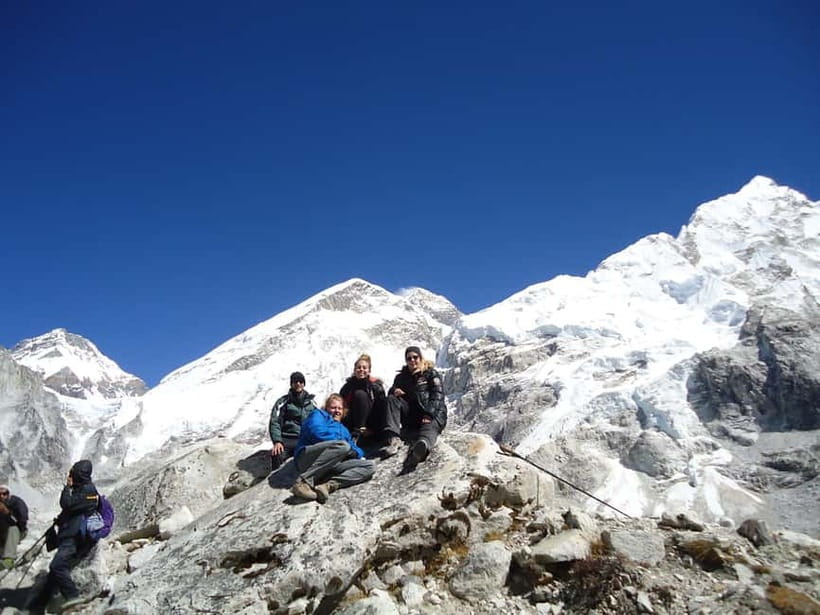
Everest begins with a short runway. This 12-day trek from Lukla follows the Khumbu Valley to Everest Base Camp at 5,364 meters, with memorable stops at Namche Bazaar and Tengboche Monastery. I like the built-in acclimatization days, and I like that permits, tea house lodging, porters, and an English-speaking guide are included. The main drawback is simple: flights to and from Lukla are not included, and the walking is demanding.
I also like the small-group limit of 10 people. Recent arrangements included help with Lukla flights, meals, extra porters, and even itinerary changes, though these cost extra. The basic tea houses are part of the mountain experience, not a luxury hotel substitute, and you should be ready for five to seven hours of walking most days.
Key points to know before booking
- Kala Patthar is the visual high point: The 5,545-meter climb offers the best stated view of Everest, especially around sunrise.
- Two acclimatization days are built in: You spend one day in Namche and another in Dingboche, a valuable buffer at high altitude.
- The price covers the essentials: At $466 per person, the package includes a guide, tea house accommodation, permits, entrance fees, porters, taxes, and a first aid kit.
- Lukla flights cost extra: You must arrange and pay for the flights separately, although Peregrine Treks can assist with ticketing.
- The final mountain days are tough: Lobuche, Gorakshep, Base Camp, and Kala Patthar take you into cold, high, sparsely settled country.
- Support is a strong point: Guides such as Tirtha and the porters received especially high praise for safety, preparation, and care.
Why this Lukla to Everest trek works
The route gives you the classic Everest Base Camp approach without shortening the mountain section. You begin at Tenzing-Hillary Airport in Lukla, then walk through villages, pine and rhododendron forests, high mountain settlements, and glacial country.
I like the rhythm of this trip. The early days let you settle into the walking before the altitude becomes the main issue. Namche gives you a rest day, and Dingboche gives you another. Those pauses are not wasted time. They are there because reaching Base Camp is far more enjoyable when your body has time to adjust.
The group limit is 10 people, which should make the walking arrangements easier than joining a large commercial procession. You still need to be comfortable with a group pace, shared tea house accommodation, and changing conditions. The guide speaks English, and the package includes porter service, so you do not need to carry all your equipment yourself.
The $466 price is attractive for what it covers. You receive accommodation, a guide, porters, permits, entrance fees, taxes, and a first aid kit. But the headline price does not cover flights, insurance, meals, drinks, laundry, internet, personal costs, or visa fees. Plan your total budget around those missing items, not just the advertised rate.
More Everest Base Camp Treks in Nepal:
- Everest Base Camp Trek – 14 Days
★ 5.0 · 1,499 reviews - Everest Base Camp Trek
★ 5.0 · 842 reviews - Everest Base Camp Trekking
★ 5.0 · 485 reviews
Lukla and the first walk to Phakding
Your guide meets you at Tenzing-Hillary Airport after you share your flight details. Lukla is the practical gateway to the Khumbu Valley, and the first day gives you a gentle introduction to the route.
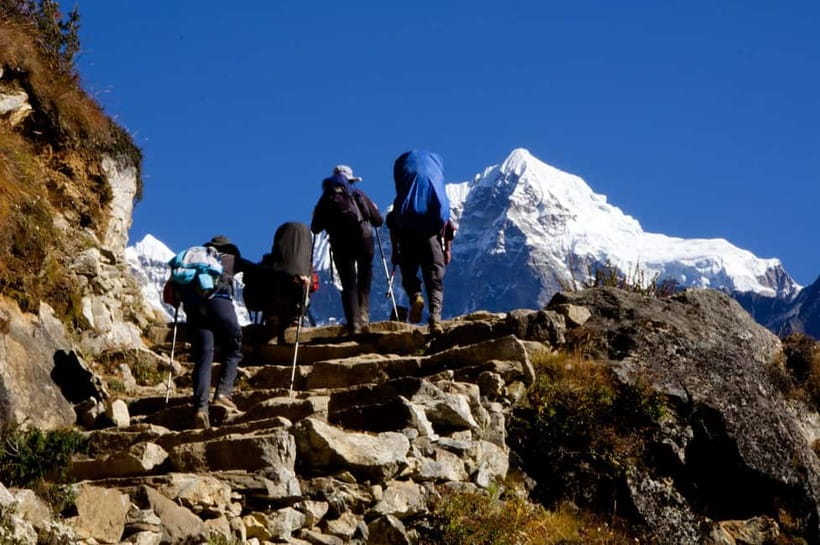
The walk to Phakding follows the Dudh Koshi River through green forest and across suspension bridges. The stated walking time can reach eight hours, although the general guidance describes five to seven hours per day. Either way, you should treat this as a full walking day, not a casual afternoon stroll.
Phakding is a small settlement beside the river. It feels like a proper beginning because the route has already left the airport behind, but you are not yet dealing with the bare, high-altitude country farther up the valley.
This is also when your footwear, pack, and clothing choices begin to matter. Bring comfortable shoes, warm clothes, a hat, sunscreen, water, snacks, and a camera. Weather can change quickly in the Himalayas, so a sunny start does not guarantee a warm or dry finish.
Namche Bazaar and your first acclimatization day
From Phakding, the trail climbs toward Namche Bazaar. This is one of the most important days physically because the route gains altitude and the settlement becomes the main Sherpa center on the approach to Everest.
Namche is a good place to pause and get your bearings. You can explore the local markets, look toward Thamserku and Kongde Ri, and spend a full day allowing your body to adjust. The town is also the last place on this route where you should rely on ATMs, since cash access becomes scarce beyond Namche Bazaar.
I especially value this rest day because it prevents the trip from becoming a race. The goal is not simply to reach Base Camp as fast as possible. It is to arrive there in reasonable condition.
The practical concern is that acclimatization does not remove altitude risk. You still need to pay attention to how you feel and follow the guide’s advice. The tour is not suitable for people with heart problems, mobility impairments, or pregnancy. The supplied information also lists people prone to seasickness as unsuitable, although seasickness is an odd concern on a mountain trek.
Tengboche Monastery and the walk into higher country
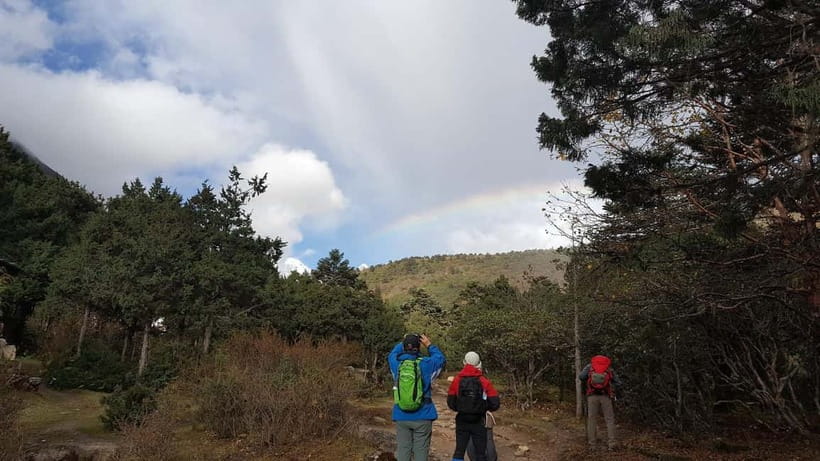
The trail continues through pine and rhododendron forests to Tengboche. The monastery is one of the region’s major spiritual centers, and it gives the trek a cultural dimension that a simple mountain-view route would lack.
Tengboche is also one of the most scenic stops. Ama Dablam, Everest, and Lhotse provide the backdrop, and the monastery offers a chance to slow down and appreciate the Sherpa culture of the Khumbu.
I like this part of the route because the day is not only about distance. The forests, mountain views, and monastery create a useful change of pace after Namche. You are still walking for much of the day, but Tengboche gives the route a sense of place.
Conditions become more serious after Tengboche. The forest gradually gives way to colder, more open country, and each uphill section feels harder as the air thins. Keep your pace steady. This is not the time to spend your energy trying to win the first half of the day.
A few more treks around Nepal worth a look
- Annapurna Circuit Trek with Tilicho Lake
★ 5.0 · 368 reviews - Everest Base Camp Trekking – 13 Day
★ 5.0 · 365 reviews - Everest Base Camp Trek
★ 5.0 · 350 reviews - Everest Base Camp Trek -14 Days
★ 5.0 · 321 reviews
Dingboche at 4,410 meters
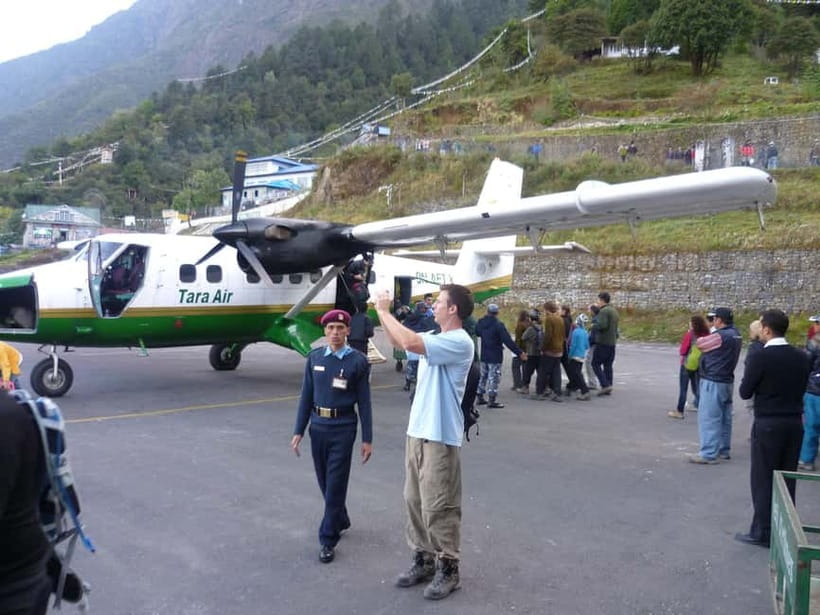
Dingboche is a high village at 4,410 meters, and the route includes another acclimatization day here. You can take a short hike, rest, and look across the surrounding mountains.
This is an important part of the plan. The itinerary places two nights in Dingboche before the final push, giving you another chance to adjust before Lobuche, Gorakshep, and Base Camp. I would treat this day as active rest rather than a chance to squeeze in a long extra walk.
Accommodation remains in tea houses. These are basic, practical places to sleep, eat, and warm up. Food received strong praise, especially dal bhat, the filling rice and lentil meal that can be exactly what you want after hours on the trail. Meals are not included in the stated base price, so confirm the current meal arrangements before departure.
You may also want extra money for drinks, internet, laundry, and other personal costs. Carry local currency because cash machines are scarce beyond Namche.
Lobuche, Gorakshep, and Everest Base Camp
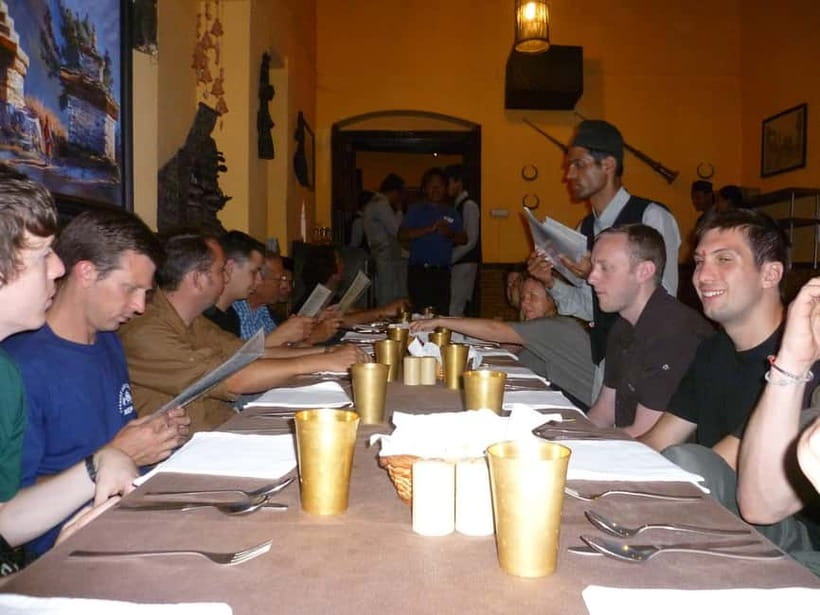
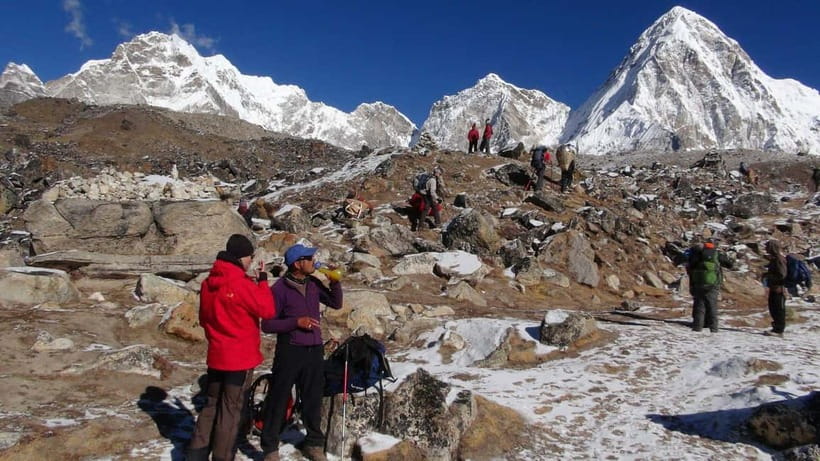
After Dingboche, the route reaches Lobuche, a remote settlement surrounded by high peaks. The trees are largely gone, the air feels thinner, and the terrain becomes more austere. This is where the trek changes from a demanding village walk into a high mountain approach.
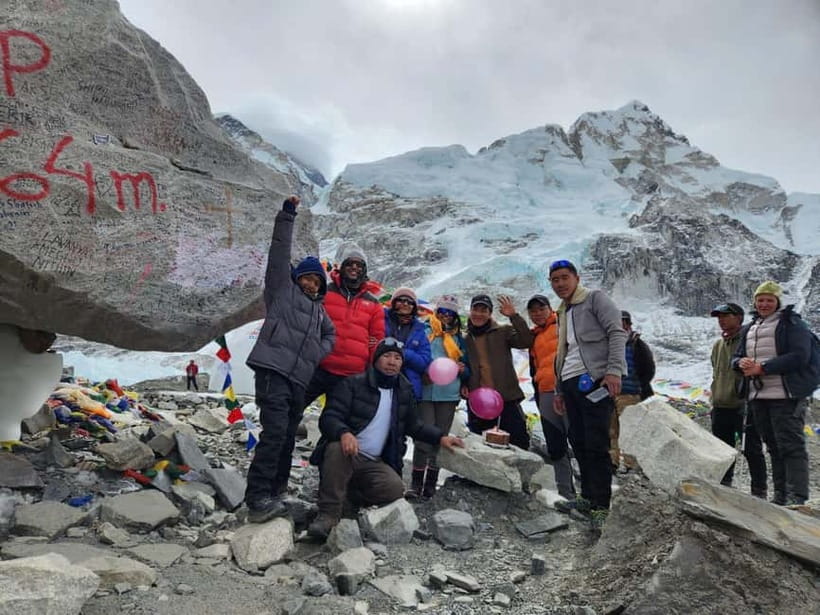
The next major goal is Gorakshep. From there, you continue to Everest Base Camp at 5,364 meters. The Base Camp section rewards you with views toward the Khumbu Icefall and the surrounding peaks, but reaching it is not a quick photo stop. You have already climbed for days, and altitude makes every effort more expensive.
I would keep this day mentally simple. Walk steadily, stay close to the guide, drink regularly, and save enough energy for the return to Gorakshep. The high point is emotional as much as physical, but the setting is rugged and cold rather than polished or comfortable.
One useful point from the trip arrangements is flexibility. A group of four added an extra night at Gorakshep for an additional charge, and another group changed the order of Kala Patthar and Base Camp. Those examples show that Peregrine Treks may be able to adjust plans, but you should confirm any change and its cost before relying on it.
Kala Patthar at 5,545 meters
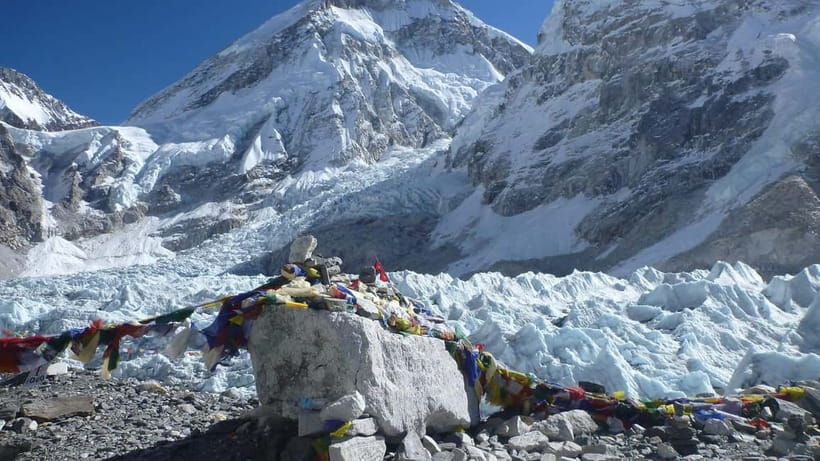
Kala Patthar is the highest point on the route at 5,545 meters, and it provides the clearest stated viewpoint of Everest. The usual plan is an early morning climb, followed by views of Everest and the surrounding giants in the first light.
This is likely to be the visual highlight of your trip. The sunrise timing means a cold, early start, but the reward is a broad mountain panorama with golden light on the peaks. The supplied trip details also allow for a sunset visit in some arrangements, followed by Base Camp the next morning. Ask about the planned order before you set out.
Kala Patthar is higher than Base Camp, so do not assume the Base Camp day is the hardest altitude day. The climb is short in schedule but demanding in thin air. Take it slowly, keep warm, and do not judge the climb by distance alone.
After Kala Patthar, you descend to Pheriche. That drop matters. Even though you are still in high country, moving lower can make the return feel easier than the ascent.
The return through Pheriche, Namche, and Lukla
The route back follows the villages and trails you used on the way up. From Pheriche, you continue to Namche, then Lukla, before returning to Tenzing-Hillary Airport.
The return is not just a repeat. The same forests, bridges, and mountain views can look different when you are no longer focused on gaining height. You also have the satisfaction of knowing that the hardest objective is behind you.
The stated schedule calls the Lukla return day another full walking day. Keep some energy in reserve, since you may need to reach the airport area on foot after several long days. The package ends with arrival back at the airport, but the flight itself is not included.
Flight planning deserves attention. Weather in the Himalayas can change quickly, and the company can assist with Lukla ticketing, but you should still carry travel insurance that covers high-altitude trekking and the transport arrangements you are using.
Guides, porters, tea houses, and daily comfort
The package includes a professional English-speaking guide and porter service. This matters on a route where trail decisions, altitude awareness, and daily pacing are more important than simply following a marked path.
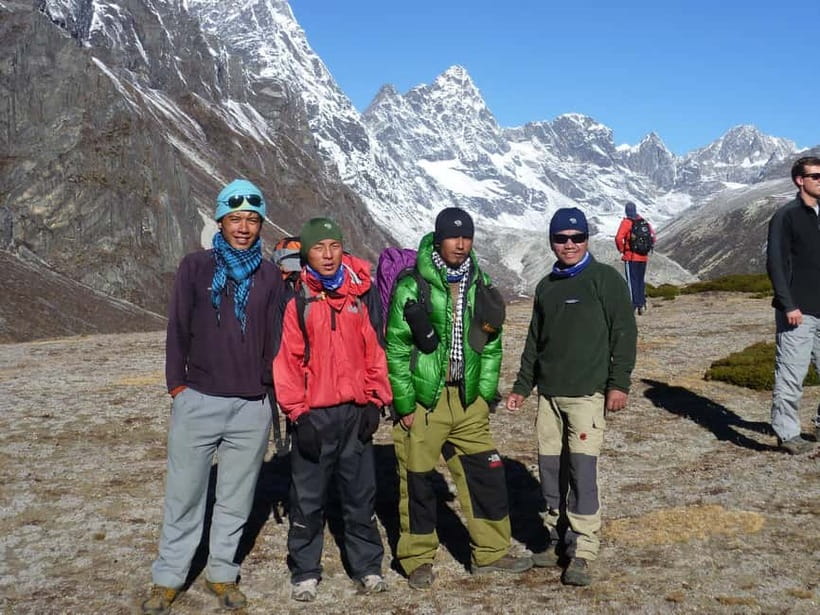
The strongest praise went to the support team. Tirtha was specifically commended for keeping arrangements on track, while guides and porters were praised for safety, care, and hard work. Peregrine Treks also handled WhatsApp preparation meetings for one group, which can be useful if you need help understanding flights, meals, equipment, or the walking schedule before departure.
Tea houses are basic but functional. You should expect simple accommodation rather than privacy or hotel-style comfort. The meals can be satisfying, with dal bhat a reliable favorite, but the base package does not include meals according to the supplied details.
You can also ask about adding meals or another porter. One group received a 10 percent discount on meal costs, but this is not a benefit I would assume is automatic. Confirm the current terms directly.
Who should book this trek?
This route suits you if you want the classic Everest Base Camp walk with a guide, porter support, tea house lodging, and planned acclimatization. It is a good fit for people who value mountain scenery and Sherpa culture more than comfort and who can manage several hours of walking each day.
It is less suitable if you need accessible paths, dislike basic lodging, or cannot tolerate rapid weather changes. You also need insurance for high-altitude trekking, enough warm clothing, and a realistic cash budget.
The small-group format is useful for solo participants and small parties, but it does not turn the trek into an easy outing. You still need stamina, patience, and respect for altitude.
What the $466 price really includes
At $466 per person, the package offers solid value if you want the main trekking structure arranged for you. Guide services, tea houses, porters, permits, entrance fees, taxes, and a first aid kit cover several costs that can add up when booked separately.
The price is not all-inclusive. You need to budget separately for:
- Flights to and from Lukla
- Travel insurance
- Meals and drinks
- Laundry and internet
- Personal expenses
- Visa fees
The flight exclusion is the biggest point to clarify. Peregrine Treks can help issue the ticket, but you still pay for it. Ask for a full cost breakdown before booking so the low base price does not surprise you later.
Cancellation is flexible, with a full refund available if you cancel at least 24 hours in advance. You can also reserve now and pay later, which gives you some breathing room while arranging flights and insurance.
Should you book the Everest Base Camp trek from Lukla?
I would recommend this trek if you want a supported, classic route and appreciate a company that can help with practical extras. The strongest reasons to choose it are the two acclimatization days, the small group size, included porters, and the excellent support reported from the guides and staff.
Book it with open eyes. Flights, meals, insurance, and personal expenses are extra, tea houses are basic, and the altitude makes this a serious physical undertaking. If you prepare properly, carry local currency, pack for fast weather changes, and confirm the flight and meal arrangements, the $466 package gives you a sensible foundation for one of the world’s best-known mountain walks.
FAQ
How long is the Everest Base Camp trek from Lukla?
The experience is advertised as a 12-day trek from Lukla, ending back at Tenzing-Hillary Airport. The walking schedule runs from Lukla through Phakding, Namche, Tengboche, Dingboche, Lobuche, Gorakshep, Everest Base Camp, Kala Patthar, Pheriche, Namche, and Lukla.
What is the starting point?
The trek starts at Tenzing-Hillary Airport in Lukla. You need to share your flight details so the guide can meet you at the airport.
Are flights to Lukla included?
No. Flights are not included in the $466 price. Peregrine Treks can assist with issuing the flight ticket, but the cost is separate.
Is accommodation included?
Yes. Accommodation in tea houses is included. The lodging is basic, and the supplied information does not describe hotel-style facilities.
Are meals included?
Meals are not included in the stated package details. Personal costs such as beverages, laundry, and internet are also extra. You can contact Peregrine Treks about meal arrangements.
How many acclimatization days are included?
One acclimatization day is included in Namche Bazaar, and another is included in Dingboche. These pauses help you adjust to increasing altitude.
How much walking is required each day?
The general guidance says five to seven hours of walking daily. Several individual route days are listed as lasting up to eight hours.
What is the highest point on the route?
Kala Patthar is the highest point, at 5,545 meters. Everest Base Camp is at 5,364 meters.
Is the trek suitable for people with mobility impairments or heart problems?
No. The activity is not suitable for people with mobility impairments or heart problems. It is also not suitable for pregnant women or people prone to seasickness.
What should you bring?
Bring comfortable shoes, warm clothing, a hat, a camera, snacks, sunscreen, and water. You should also have travel insurance covering high-altitude trekking and prepare for rapidly changing weather.
Recently added around Nepal
- Ghorepani Poon Hill Trek★ 5.0 · 16 reviews
- Private Manaslu Circuit Trek at Himalayas★ 5.0 · 3 reviews
- Amazing 1 Day Trekking Experience in Kathmandu Nepal★ 5.0 · 24 reviews
- Ghorepani Poonhill Trek★ 5.0 · 5 reviews
- Upper Mustang Trekking★ 5.0 · 2 reviews
- Upper Mustang Trekking★ 3.0 · 2 reviews
- Upper Mustang Trekking★ 5.0 · 4 reviews
- Upper Mustang Trek★ 5.0 · 5 reviews
Everest Base Camp Treks, compared.




Browse the lists this tour appears in