
REVIEW · KATHMANDU
Everest Base Camp Trek
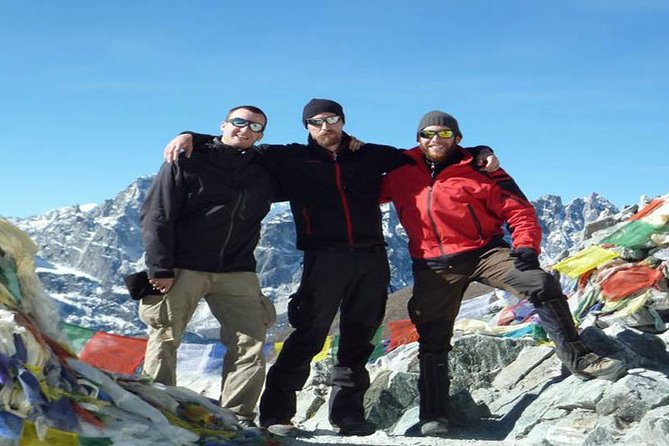
Mount Everest is the headline, but the journey is the real story. This 14-day Everest Base Camp Trek from Kathmandu takes you by scenic flight to Lukla, then along the Khumbu route through Sherpa villages, Namche Bazaar, Tengboche Monastery, and Sagarmatha National Park. You finish near Everest Base Camp and climb Kala Patthar for a wide mountain panorama.
I especially like the strong local focus, with Sherpa culture, village life, monasteries, and traditional food forming a big part of the experience. I also like the practical support: airport pickup, overnight accommodation, national park fees, and a maximum group size of 15. The main consideration is simple but serious: this is a demanding high-altitude trek, not a gentle sightseeing holiday.
The price is $1,290 per person, before international flights, Nepal’s arrival visa, personal expenses, drinks, WiFi, and tips. The company has earned a perfect 5 rating from 18 listed reviews, with 100 percent recommending it. Feedback repeatedly praises the organization, communication, guides, and help with changing flights or adjusting plans.
Key Points Before You Book
- Lukla begins the adventure: The flight from Kathmandu to Tenzing Hillary Airport is one of the most memorable parts of the route, but mountain flights can be affected by conditions.
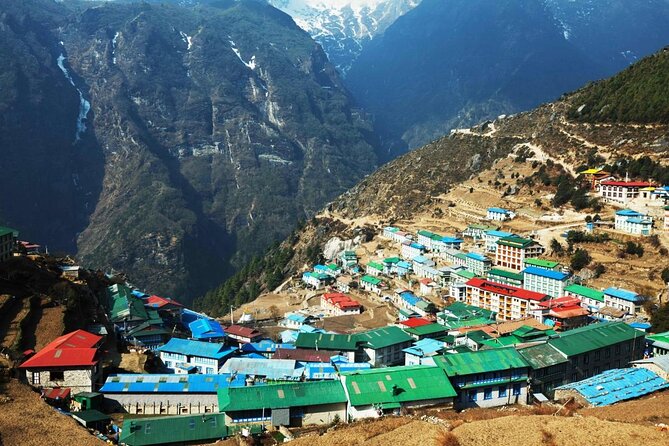
- Namche is more than a stop: This Sherpa trading center is the main business hub of the Khumbu region and the gateway to Everest Base Camp.
- Tengboche brings culture to the trek: The large monastery sits beneath Ama Dablam and adds a spiritual side to the mountain journey.
- Kala Patthar gives the big view: The summit provides a 360-degree panorama of Everest and nearby snow-covered peaks.
- Altitude is the real challenge: The route reaches about 5,380 meters, or 17,600 feet, so moderate fitness alone does not remove the need for care.
- The service gets strong marks: Shailesh and his team, along with guides such as Bishnu, Santa, Tek, Hari, Nawin, Navien, and Raj, are repeatedly praised for organization and personal attention.
Why the Lukla Flight Matters
The trek starts at Tribhuvan Airport in Kathmandu, with pickup offered as part of the arrangement. From there, the route heads toward Lukla and Tenzing Hillary Airport at about 2,860 meters.
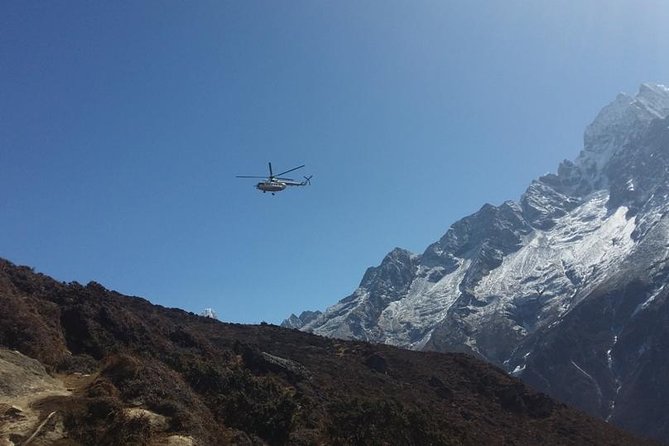
This flight is not just a way to save time. It puts you quickly into the high Khumbu region, where the road traffic and city noise fall away. The views are a major part of the appeal, with steep valleys, ridges, and Himalayan peaks appearing below the aircraft.
There is also a practical catch. The information provided mentions flight delays and cancellations affecting some departures to Lukla. The company helped people reorganize when this happened, but you should still avoid placing an important international connection immediately after the trek.
Once you land, the character of the trip changes. You are no longer visiting mountain country from a comfortable base. You are walking through it, carrying what you need, and adjusting to thinner air one day at a time.
More Everest Base Camp Treks in Kathmandu:
- Everest Base Camp Trek – 14 Days
★ 5.0 · 1,499 reviews - Everest Base Camp Trek
★ 5.0 · 842 reviews - Everest Base Camp Trekking
★ 5.0 · 485 reviews
Walking Through Khumbu Villages
The route follows the classic trail toward Everest Base Camp. You pass through Sherpa settlements where stone buildings, mountain scenery, monasteries, and local food are part of daily life rather than staged attractions.
That cultural side is one of the trek’s best features. You are not simply collecting views of famous peaks. You are also seeing how communities live in a demanding high-altitude setting and learning about Sherpa traditions and hospitality.
The physical effort begins early. The trail includes steep sections, and the air becomes noticeably thinner as you gain height. One person described reaching personal limits they did not know they had, while still feeling safely guided. That is a useful picture of the experience: manageable for a prepared person, but never effortless.
The accommodation is included, although the supplied details do not specify the standard of every lodge. One piece of feedback describes the lodges as ascetic, so you should expect basic mountain accommodation rather than hotel comfort. Bring patience, warm layers, and a willingness to accept fewer comforts as the altitude rises.
Namche Bazaar, the Khumbu’s Main Hub
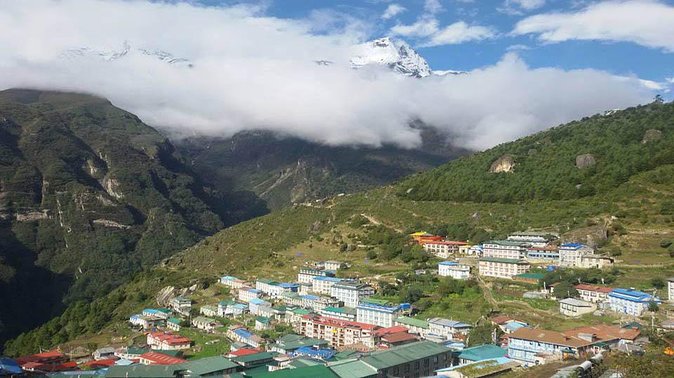
Namche Bazaar is one of the most important stops on the route. It is described as the business hub of the entire Khumbu region and the gateway to Everest Base Camp.
The town gives the trek a welcome change of pace. After walking through smaller settlements, you reach a place with a stronger trading role and a distinctly Sherpa identity. The Sherpa Museum adds context about local culture and mountaineering.
Namche is also where the scale of the undertaking becomes clearer. From here, the route is no longer only a scenic mountain walk. You are moving toward an extreme environment, and the altitude begins to shape every decision.
The itinerary information does not give a detailed schedule for acclimatization days. That is something I would confirm before booking. The total duration is approximately 14 days, but exact walking times, rest days, and lodge locations are not supplied.
You can also have breakfast or lunch at Everest View Hotel, described as one of the world’s highest-altitude hotels. This is an appealing optional highlight, especially for the views, though the information does not state whether the meal is included in the price.
Tengboche Monastery Beneath Ama Dablam
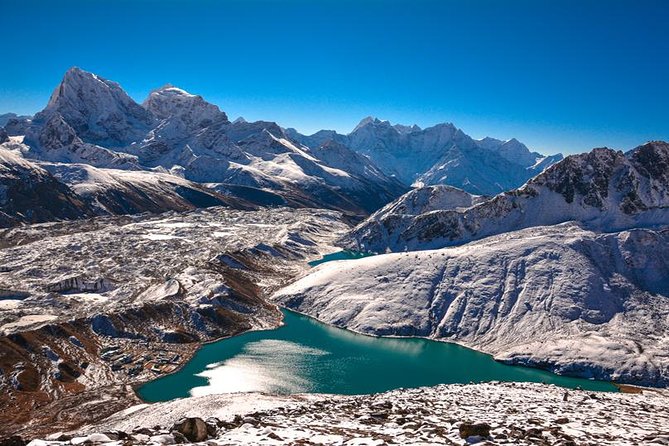
Tengboche Monastery is another major stop. It is described as the largest monastery in the Khumbu region and sits beneath the distinctive peak of Ama Dablam.
This is where the trek gains a deeper cultural and spiritual character. The mountains are not just dramatic scenery. Monasteries, prayer traditions, and local customs help explain the place you are walking through.
Tengboche also offers a useful pause from the long trail days. You can take in the setting, visit the monastery, and appreciate the contrast between the quiet religious site and the hard physical route beyond it.
The itinerary does not promise a specific ceremony or monastery tour, so you should not assume that a particular religious event will be taking place during your visit. Still, the monastery is clearly one of the central attractions of the route.
A few more treks around Kathmandu worth a look
- Annapurna Circuit Trek with Tilicho Lake
★ 5.0 · 368 reviews - Everest Base Camp Trekking – 13 Day
★ 5.0 · 365 reviews - Everest Base Camp Trek
★ 5.0 · 350 reviews - Everest Base Camp Trek -14 Days
★ 5.0 · 321 reviews
Sagarmatha National Park and the High Trail
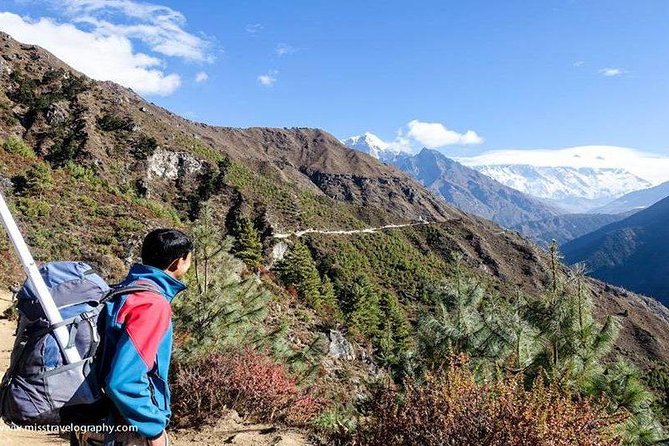
The trek passes through Sagarmatha National Park, a UNESCO World Heritage Site. The park protects the mountain environment around Everest and gives the route much of its scenic identity.
You will see deep valleys, high ridges, snow-covered summits, and villages shaped by the terrain. The supplied description also highlights Mount Lhotse, Mount Cho Oyu, Ama Dablam, and other peaks. These are not background decoration. They are the landmarks that make each day feel different as the trail changes angle and height.
At the same time, a protected mountain area is not a promise of easy walking. The route is physically demanding, and conditions can change. The listing calls for moderate physical fitness, but that phrase should not be misunderstood. A basic level of fitness may be enough for some people, yet the altitude adds a separate challenge that training cannot fully copy.
The safest approach is to walk at the pace set by your guide, communicate early if you feel unwell, and treat altitude symptoms seriously. The supplied material praises guides for giving advice about thin air and keeping people safe, which is one of the most valuable parts of a supported trek.
Reaching Everest Base Camp at 5,380 Meters
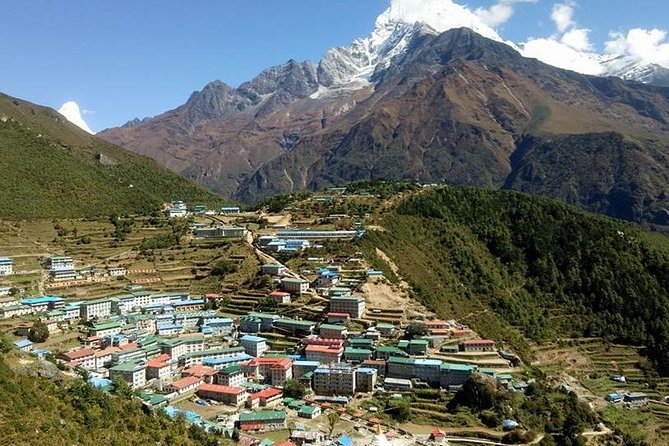
Everest Base Camp is the emotional center of the trip. The route brings you to approximately 5,380 meters, or 17,600 feet.
You are not climbing Mount Everest itself. You are reaching the base area used by mountaineering expeditions and following in the footsteps of Sir Edmund Hillary and Tenzing Norgay. That connection gives the destination its power, even though the summit remains far beyond the scope of this trek.
The final approach can feel hard. The altitude is high, the air is thin, and the route has already demanded many days of walking. Feedback describes the trek as challenging but manageable, with the physical difficulty making the achievement more meaningful.
Do not expect a single postcard moment to explain the entire journey. Base Camp is important, but the memories also come from the gradual approach, the changing views, the villages, and the conversations with your guide and porter.
The experience includes guide and porter support, based on the feedback, but tips for both are not included in the price. You should budget for them separately and ask the operator what tipping practice they recommend.
Kala Patthar and the Best Everest View
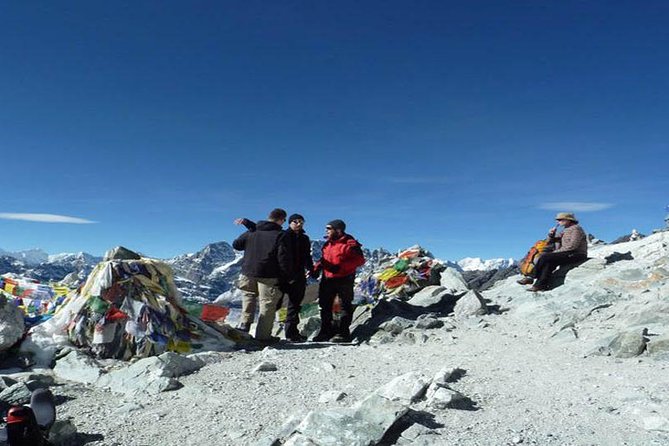
Kala Patthar is the route’s great viewpoint. From there, you get a 360-degree panorama of Mount Everest and nearby snow-covered peaks.
This is often the visual reward people imagine when they first consider the trek. The viewpoint lets you see Everest in relation to the surrounding mountains rather than as an isolated summit. The scale is the point: ridges, ice, rock, and sky stretch in every direction.
The supplied information does not provide the exact schedule for the Kala Patthar walk, so confirm when it happens and how it fits around Base Camp. It is also wise to ask about the walking distance and early starts before you arrive.
You may find the viewpoint more satisfying than Base Camp itself. Base Camp carries the historical and symbolic importance, while Kala Patthar is designed for the view. Having both gives the trek a better balance.
What the $1,290 Price Covers
At $1,290 per person, this is not a cheap holiday, but the price needs to be judged against what is involved in arranging a high-altitude trek. Overnight accommodation, airport or departure tax, and national park fees are included.
The operator also offers airport pickup, mobile ticketing, and a group size of up to 15. A smaller group can make communication easier on a demanding route, though the actual size of your departure group should be confirmed.
The price does not include:
- International airfare
- Nepal arrival visa
- Alcoholic drinks
- WiFi on board
- Personal expenses
- Tips for guides and porters
The missing costs matter. You should allow extra money for drinks, snacks, personal purchases, and gratuities. WiFi is not included, and you should not assume reliable internet access during the trek.
The strongest value here is organization. Feedback praises Shailesh for quick communication, arranging extra hotel nights, adapting plans, and helping with flights. Guides including Bishnu, Santa, Tek, Hari, Nawin, Navien, and Raj are praised for safety, care, and local support.
That flexibility can matter more than a small difference in the headline price. Mountain trips rarely follow a perfect timetable, especially when flights to Lukla are involved.
The Service Style and Group Experience
Nepal Trekking Routes Pvt. Ltd. runs the experience, and the feedback points to a family-run operation with personal contact from owner or manager Shailesh Pokharel.
Communication is one of the most frequently praised features. People describe prompt answers before departure and help from airport pickup through airport drop-off. One solo departure became a private-feeling experience with a guide and porter when no other person joined that date.
The company has also handled different versions of the route. Feedback refers to helicopter returns, Jiri departures, extra nights, shortened rest schedules, winter travel, monsoon conditions, and groups of seven. These details do not mean every option is included in this exact package, so ask before assuming a helicopter return or Jiri route is available.
A group limit of 15 is reasonable for a major trekking route. A smaller group may feel more personal, while a full group could mean different walking speeds and more coordination. The guide’s ability to manage the group will matter.
Who Should Book This Trek
This trek suits you if you want a major physical challenge, dramatic Himalayan scenery, and close contact with Sherpa culture. It also suits people who prefer a supported route with a local company handling accommodation, permits, airport transfers, and day-to-day coordination.
It is a good fit for someone who can accept basic lodging and a demanding schedule. You should be comfortable walking uphill for long periods and spending many days away from normal city comforts.
It may not suit you if you want luxury lodging, a fixed timetable with no flight risk, or a relaxed holiday centered on sightseeing by vehicle. The approximate 14-day duration also requires enough time before and after the trek for possible changes.
The company has organized successful trips for solo people, couples, older trekkers, and groups. One person completed the trek at age 67, but that should not be read as a guarantee of suitability. Your health, preparation, and response to altitude are personal matters.
Booking Advice and Cancellation Terms
Confirmation is received at booking, and the activity is listed for operation from January 1, 2024 through December 31, 2025. The stated meeting point is Tribhuvan Airport in Kathmandu, Nepal.
The listed opening time is Monday from 6:15 AM to 6:45 PM. Since flights and trekking departures can vary, confirm the exact pickup time and start arrangements before arrival.
Free cancellation is available if you cancel at least 24 hours before the local start time. Cancellations within 24 hours are not refunded, and changes within that period are not accepted.
Should You Book the Everest Base Camp Trek?
I would recommend this trek if your main goal is to reach Everest Base Camp while also experiencing Namche Bazaar, Tengboche, Sherpa villages, and the high mountain route that leads there. The strong points are clear: a scenic Lukla flight, excellent mountain views, local guides, personal communication, and a route that combines nature with culture.
Book with realistic expectations. The lodges are basic, altitude is serious, flights may change, and several costs sit outside the $1,290 price. Before paying, ask for the exact day-by-day schedule, acclimatization plan, accommodation details, guide arrangements, and what happens if the Lukla flight is delayed.
If you are prepared for the effort and want a carefully supported Himalayan challenge, this is a strong option. If you mainly want comfort and certainty, choose a lower-altitude Nepal itinerary instead.
FAQ
Where does the Everest Base Camp Trek start?
The trek starts at Tribhuvan Airport in Kathmandu, Nepal.
How long is the trek?
The listed duration is approximately 14 days.
How much does the trek cost?
The price is $1,290 per person.
What is the highest elevation reached?
The route reaches approximately 5,380 meters, or 17,600 feet, near Everest Base Camp.
Is airport pickup available?
Yes. Pickup is offered.
What is included in the price?
Overnight accommodation, airport or departure tax, and national park fees are included.
Is Nepal’s arrival visa included?
No. The Nepal arrival visa is not included.
Are international flights included?
No. International airfare is not included.
Are guide and porter tips included?
No. Tips for the guide and porter are not included.
How large is the group?
The maximum group size is 15 people.
Is WiFi included?
No. WiFi on board is not included.
What physical fitness level is required?
The activity states that you should have a moderate physical fitness level.
Can I cancel for a full refund?
Yes, if you cancel at least 24 hours before the local start time. Cancellations within 24 hours are not refunded.
What are the main sights on the route?
The main highlights include the flight to Lukla, Namche Bazaar, Tengboche Monastery, Sagarmatha National Park, Everest Base Camp, Sherpa villages, and the panoramic view from Kala Patthar.
Recently added around Kathmandu
- Ghorepani Poon Hill Trek★ 5.0 · 16 reviews
- Private Manaslu Circuit Trek at Himalayas★ 5.0 · 3 reviews
- Amazing 1 Day Trekking Experience in Kathmandu Nepal★ 5.0 · 24 reviews
- Ghorepani Poonhill Trek★ 5.0 · 5 reviews
- Upper Mustang Trekking★ 5.0 · 2 reviews
- Upper Mustang Trekking★ 3.0 · 2 reviews
- Upper Mustang Trekking★ 5.0 · 4 reviews
- Upper Mustang Trek★ 5.0 · 5 reviews
Everest Base Camp Treks, compared.






Browse the lists this tour appears in