
REVIEW · KATHMANDU
Everest Base Camp Trek
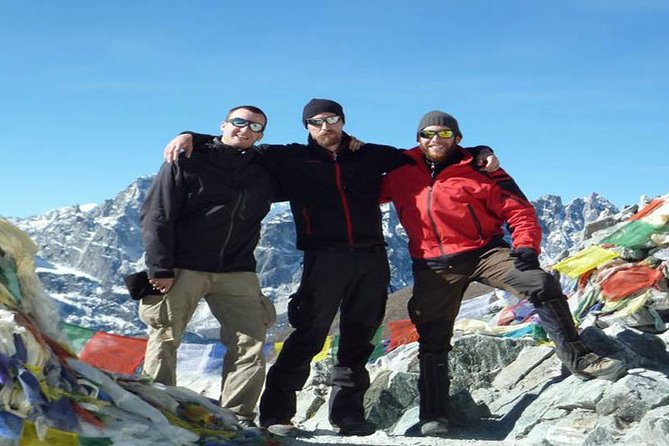
Everest rewards patience. This 14-day trek from Kathmandu combines the famous walk to Everest Base Camp with Tengboche Monastery, Sherpa villages, and the sunrise-style mountain views from Kala Patthar. I especially like the built-in acclimatization days at Namche Bazaar and Dingboche, plus the practical support of guides, porters, airport transfers, and Lukla flights.
I also like that this is a private trip, so your group can travel with its own guide rather than being folded into a large public departure. The strongest praise centers on responsive planning and attentive guides such as Shambhu, Hupa Raj, Raj, and Deepak. The main caution is that 14 days at high altitude is demanding, and the published schedule contains a duplicated day, so you should confirm the exact route and overnight stops before paying.
Key points to know before booking
- Lukla flight included: The trip begins with a roughly 40-minute flight into the Khumbu and ends with a return flight from Lukla to Kathmandu.
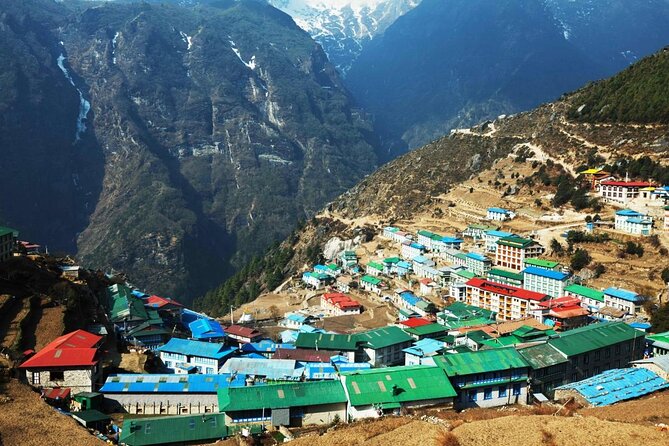
- Two acclimatization pauses: You spend a rest day around Namche Bazaar and another in Dingboche, both important breaks before reaching higher ground.
- Everest Base Camp and Kala Patthar: The route reaches Base Camp, then climbs to Kala Patthar at about 5,550 meters for broad views of Everest and nearby peaks.
- Private support: Your group travels privately with a professional guide and porter service arranged at a ratio of two trekkers to one porter.
- Strong guide praise: Names repeatedly associated with excellent support include Shambhu, Hupa Raj, Raj, Deepak, and Hupi.
- Simple mountain lodging: Accommodation and meals are included, but drinks, hot showers, laundry, battery charging, and personal expenses cost extra.
What the $1,650 price really covers
At $1,650 per person, this trek offers a substantial package for a Himalayan journey. The price includes 14 nights of accommodation, meals listed in the schedule, national park fees, local taxes, professional guiding, porter service, hotel transfers, private vehicle transport, and round-trip flights between Kathmandu and Lukla.
That matters because the Lukla flights alone are a major part of the transport plan. You are not left to arrange the most important mountain transfer yourself, and the company also handles the airport pickup and return to Tribhuvan International Airport.
The porter arrangement is practical rather than lavish. One porter serves two trekkers, so you should expect to carry a daypack with water, warm layers, valuables, and anything you need during the walk. Your main bag is handled by the porter within the service arrangement.
The phrase all-inclusive needs a little care. Drinks are not included, and you pay separately for laundry, battery charging, hot showers, excess luggage, and other personal costs. The package also says necessary equipment is included, but the detailed list does not identify each item. Ask exactly what equipment is supplied before you arrive, especially if you need sleeping gear or technical clothing.
For a private 14-day trek with flights, permits, meals, guide, porter, and accommodation included, the price appears sensible. Still, value depends on what you already own and how much extra you spend in the mountains. A hot shower or charged phone may feel like a small luxury after several cold days, but those costs add up.
More Everest Base Camp Treks in Kathmandu:
- Everest Base Camp Trek – 14 Days
★ 5.0 · 1,499 reviews - Everest Base Camp Trek
★ 5.0 · 842 reviews - Everest Base Camp Trekking
★ 5.0 · 485 reviews
Days 1 and 2: Kathmandu preparation and the flight to Lukla
Your arrival day is deliberately easy. An airport representative meets you at Tribhuvan International Airport, takes you to the hotel, and arranges a pre-trek meeting with your guide. This is the right time to ask about the walking pace, luggage, altitude, meals, and what happens if weather interrupts the flight.
The next morning begins early, with a listed meeting time of 5:15 am. After breakfast, you take the roughly 40-minute flight to Lukla. The views over river valleys and terraced hills are part of the experience, but the schedule is subject to weather, so keep your first day flexible.
From Lukla, you walk for about three to four hours to Phakding. This is a useful opening day because the route introduces you to the rhythm of the Khumbu without immediately forcing you into a long or steep walk.
Along the way, you pass mani stone walls made from carved tablets and painted boulders. You also get early views toward Mt. Nupla, Kusum Kanguru, and the Kwangde range. Phakding is your first overnight stop, giving you a chance to adjust before the trail gains more height.
Days 3 and 4: Namche Bazaar and the first acclimatization pause
The walk from Phakding to Namche Bazaar takes about six hours. The trail follows the Dudh Koshi Valley through forest and Sherpa settlements, with views toward Kusum Kanguru, Thamserku, Everest, and Nuptse.
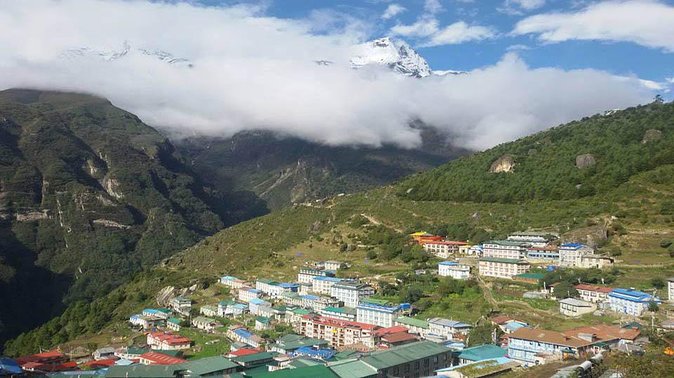
Namche is more than a stop on the way to Base Camp. It is the Sherpa capital of the area and an important trading center for local communities. You will notice a sharper change here: more shops, more lodges, and a stronger sense of a mountain town rather than a small village.
Day 4 is a rest and adjustment day, though it is not necessarily a day spent lying in bed. The planned short hike toward Khumjung gives you a reason to move while keeping the effort modest. You can visit the market and Sherpa village, then look toward Everest, Ama Dablam, Thamserku, Nuptse, Lhotse, and Kwangde.
I like this pause because altitude gain is easier to handle when you do not rush upward every day. The schedule is still demanding, but Namche gives your body time to catch up. You should use the day sensibly: walk gently, drink regularly, and avoid treating the market area as a chance to overdo it.
Day 5: Check the published schedule carefully
The supplied schedule labels Day 5 as a visit to Tengboche Gompa, but the written description repeats the Namche and Khumjung program from Day 4. This is the one clear planning issue you should settle before departure.
The overall route plainly intends to continue from Namche toward Tengboche, but the precise overnight arrangement for this day is not stated consistently. Ask the company to confirm whether Day 5 is the actual walk to Tengboche, an additional Namche day, or a corrected version of the schedule.
That is not a reason to reject the trip. It is simply the kind of detail that should be clear before you are walking at altitude with a fixed number of days.
A few more treks around Kathmandu worth a look
- Annapurna Circuit Trek with Tilicho Lake
★ 5.0 · 368 reviews - Everest Base Camp Trekking – 13 Day
★ 5.0 · 365 reviews - Everest Base Camp Trek
★ 5.0 · 350 reviews - Everest Base Camp Trek -14 Days
★ 5.0 · 321 reviews
Days 6 and 7: Dingboche and a valuable second rest day
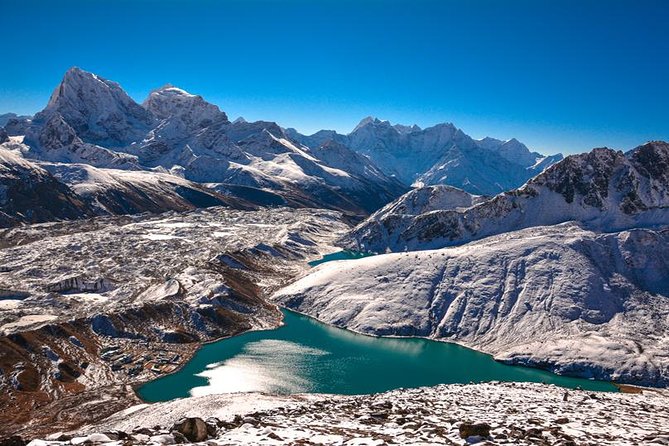
The route then follows the Imja Valley through rhododendron forest toward Dingboche, often called the summer valley. The walking is described as being on relatively mild gradients, but altitude slows the pace. That is normal here, and a slow day is not a failed day.
Dingboche sits in a sheltered valley surrounded by snow-covered peaks. Ama Dablam and Lhotse provide the main visual drama, and the village is presented as sunnier and less exposed to cold valley winds than nearby Pheriche.
Day 7 is another adjustment day. You may take a morning walk toward the cabins at Chukhung, visit the Dingboche monastery, and explore the Imja Khola area. The monastery is noted for its unusual animal scalp and hand, details that add a cultural layer to what could otherwise become a simple mountain march.
These rest days are among the strongest features of the route. You are not only collecting photographs. You are giving yourself two chances to adapt before the trail becomes colder, thinner-aired, and more physically serious.
Day 8: Lobuche beside the Khumbu Glacier
After breakfast, the trail climbs toward a yak farm and offers views of Tawache Peak and Cholatse. From Duglha, the route continues toward Lobuche beside the Khumbu Glacier.
The walk is listed at about five hours. From the ridge, you can see the Khumbu ice, Pumori, and smaller surrounding peaks. This is where the trek begins to feel more remote and severe. Vegetation thins, the air feels colder, and the route becomes more about steady movement than casual sightseeing.
Lobuche is an important staging point for the Base Camp push. You should expect a basic mountain night and a busy schedule ahead. The best approach is to eat, rest, organize your daypack, and follow your guide’s advice rather than trying to squeeze in extra exploration.
Day 9: Gorak Shep and Everest Base Camp
The trail continues to Gorak Shep, following the northern edge of the Khumbu Glacier near Khumbutse and Pumori. From Gorak Shep, you continue toward Everest Base Camp over a series of short rises and drops.
This is a long and demanding day because you reach Gorak Shep, continue to Base Camp, and return to the same high settlement. The route does not take you to the summit of Everest, of course. It brings you to the closest point in this program that can be reached without mountaineering supplies.
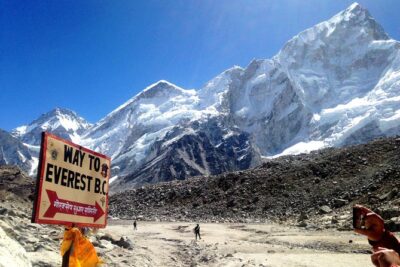
Everest Base Camp is described as a wide tented area during climbing periods, with expeditions from around the world seeking a place on the glacier. Conditions and activity change by season, but the main appeal is clear: you are standing at the starting point for one of the world’s hardest climbs.
Do not expect the classic Everest photograph from Base Camp itself. The better overall mountain view comes on the following morning from Kala Patthar. Base Camp is the emotional destination, while Kala Patthar is the stronger viewpoint.
Day 10: Kala Patthar and the descent to Pheriche
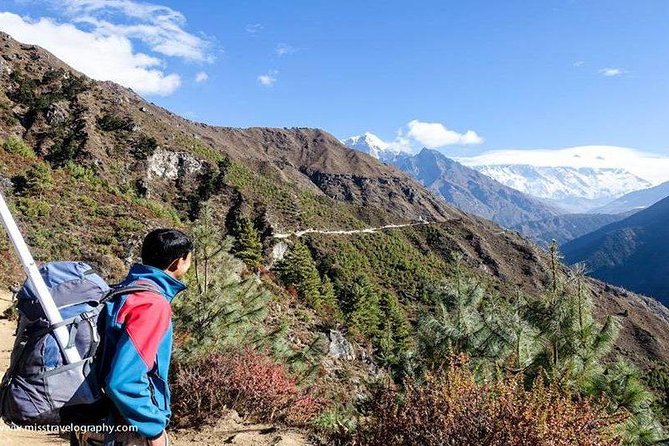
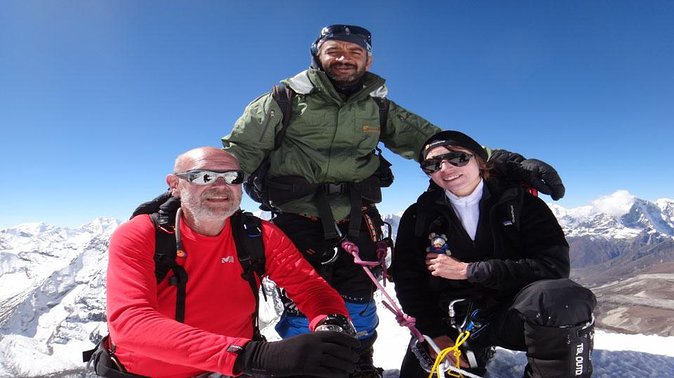
The morning climb to Kala Patthar takes about two hours. The route is windy and rocky, but the summit reaches roughly 5,550 meters and gives you the broad perspective that many people imagine when they picture Everest.
From the top, the listed views include Everest, Khumbutse, Lhotse, Nuptse, Ama Dablam, Cholatse, Tawache, and Pumori. The wording in the schedule calls this the best summit view, and that is a fair description of the day’s visual reward, even though Kala Patthar is a viewpoint rather than an independent mountain expedition.
After breakfast at Gorak Shep, you descend through Lobuche and Duglha toward Pheriche. The day is listed at about six hours, and the descent does not make it effortless. You are tired, the trail remains exposed, and the height can still affect your appetite and energy.
Along the way, you pass chortens and stupas and may meet trains of yaks and zopkyos. The mountain trade is part of the route, not a side show. Give pack animals room and follow your guide’s instructions on narrow sections.
Days 11 to 13: Pangboche, Namche, Lukla, and Kathmandu
From Pheriche, you descend to Pangboche, where the oldest monastery in the area is said to contain a scalp and bones associated with the Yeti. You then cross a bridge, walk through pine and juniper forest toward Tengboche, and continue down to the Dudh Koshi River.
The trail passes Phunki before climbing back toward Namche Bazaar. This day combines cultural interest, forest walking, and a return to a familiar town. After the high, spare country near Base Camp, the trees and lower altitude should feel welcome.
Day 12 follows the Dudh Koshi River down to Lukla. It is the final walking day, and the schedule describes an evening mountain sunset to mark the end of the trek. Lukla is not merely a transport stop. It is where the whole route gathers its loose ends before the flight out.
On Day 13, the return flight to Kathmandu takes about 35 minutes. A guide collects you at the airport and transfers you to the hotel by private vehicle. The planned cultural dinner gives the group a chance to finish the journey together before your departure.
Day 14 is the airport transfer to Tribhuvan International Airport. The program is listed as approximately 14 days, so confirm whether the 14 nights of accommodation include both Kathmandu stays and all mountain nights.
Guides, private travel, and the human side of the trek
The strongest pattern in the feedback is praise for the company’s personal support. Suman is described as responsive during planning, patient with questions, and careful when arranging customized schedules. That matters if you are nervous about altitude or need changes to walking times.
Guide names that appear in the praise include Shambhu, Hupa Raj, Raj, Deepak, and Hupi. Shambhu is specifically praised for working well with younger members of a family group and making small changes that improved the trip. Hupa Raj is described as kind and easy to work with, while Raj is praised for explaining local culture and traditions.
The company has a perfect recommendation record from 18 ratings in the supplied information. That is encouraging, but it should not replace a direct conversation before booking. Ask who your actual guide will be, how altitude concerns are handled, and how the team responds if flights or trail conditions disrupt the plan.
The private format is a good match if you value flexibility. It is also worth remembering that private does not mean easy. You still follow the mountain route, altitude limits, weather, and available lodging.
Who should book this Everest trek?
You should consider this trip if you want the classic Everest route with the major landmarks included: Lukla, Namche, Tengboche, Dingboche, Lobuche, Everest Base Camp, and Kala Patthar.
It suits people with moderate physical fitness who can manage repeated walking days and high altitude. The stated minimum age is 18, although the supplied feedback includes a family experience with children on a related trip, so ask the operator directly if your group falls outside the stated age rule.
You should think twice if you dislike basic accommodation, early starts, weather-related uncertainty, or carrying a daypack for many hours. The package is organized, but it is not a soft sightseeing holiday.
Vegetarian meals are available if requested at booking. Since drinks and personal comforts are extra, bring a budget for those costs. The cancellation terms are strict close to departure: cancel at least six full days before the start for a full refund, two to six days before for a 50 percent refund, and less than two days before for no refund.
Should you book it?
I would shortlist this trek for its sensible acclimatization plan, private format, included Lukla flights, and strong praise for individual guides and planning support. The $1,650 price is attractive when you count permits, accommodation, meals, porter service, flights, and transfers together.
Before booking, get written confirmation of the Day 5 route, the exact equipment supplied, the room and meal arrangements, and the identity of your guide. If those details are clear and you are ready for demanding high-altitude walking, this is a well-supported way to reach Everest Base Camp without arranging every moving part yourself.
FAQ
Where does the Everest Base Camp Trek start?
The trek starts at Tribhuvan International Airport in Kathmandu, Nepal. The listed meeting time is 5:15 am.
How long does the trek last?
The experience lasts approximately 14 days. Accommodation is listed for 14 nights.
Is the Lukla flight included?
Yes. Round-trip flight tickets between Kathmandu and Lukla are included.
What meals are included?
Meals are provided according to the schedule, including 12 breakfasts, 11 lunches, and 11 dinners as listed in the inclusions.
Is porter service included?
Yes. Porter service is included at a ratio of two trekkers to one porter.
Are drinks and hot showers included?
No. Drinks, hot showers, laundry, battery charging, and other personal expenses are not included.
Can I request vegetarian food?
Yes. A vegetarian option is available, but you should advise the company when booking.
What happens if bad weather cancels the flight?
The experience depends on favorable weather conditions. If it is canceled because of poor weather, you are offered an alternative date.
Recently added around Kathmandu
- Ghorepani Poon Hill Trek★ 5.0 · 16 reviews
- Private Manaslu Circuit Trek at Himalayas★ 5.0 · 3 reviews
- Amazing 1 Day Trekking Experience in Kathmandu Nepal★ 5.0 · 24 reviews
- Ghorepani Poonhill Trek★ 5.0 · 5 reviews
- Upper Mustang Trekking★ 5.0 · 2 reviews
- Upper Mustang Trekking★ 3.0 · 2 reviews
- Upper Mustang Trekking★ 5.0 · 4 reviews
- Upper Mustang Trek★ 5.0 · 5 reviews
Everest Base Camp Treks, compared.




Browse the lists this tour appears in