
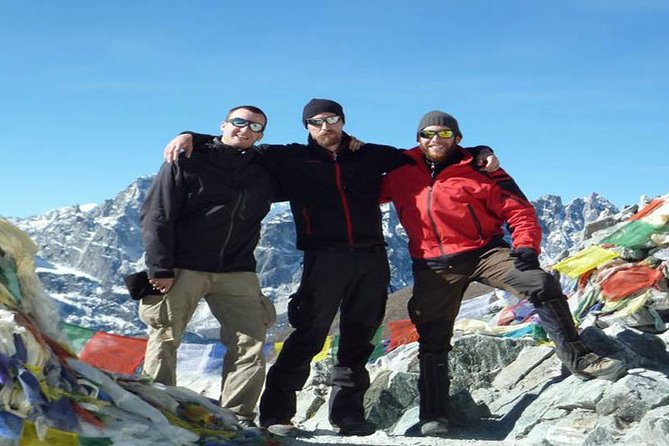
REVIEW · KATHMANDU
Everest Base Camp Trek
Everest starts with a small plane. This 12-day Everest Base Camp Trek pairs dramatic Himalayan scenery with Sherpa villages, Buddhist sites, two acclimatization days, and a private group format. I like the careful pace, especially the rest stops in Namche Bazaar and Dingboche. I also like that airport transfers, flights, permits, lodging, meals, and a guide are included. The main drawback is simple: this is a physically demanding trek at high altitude, not a relaxed sightseeing holiday.
The price is $1,390 per person, which offers solid value for a private trek when you consider the Kathmandu to Lukla flights, 11 nights of lodge accommodation, 33 meals, permits, and guide costs. I also like the preparation support described by Shulamit, who had a long pre-trip meeting with Hari, Ongchhu, and Nima to work through questions and a checklist. Still, you need travel insurance, Kathmandu lodging, drinks, tips, and a sensible fitness plan.
Key points to know before you book
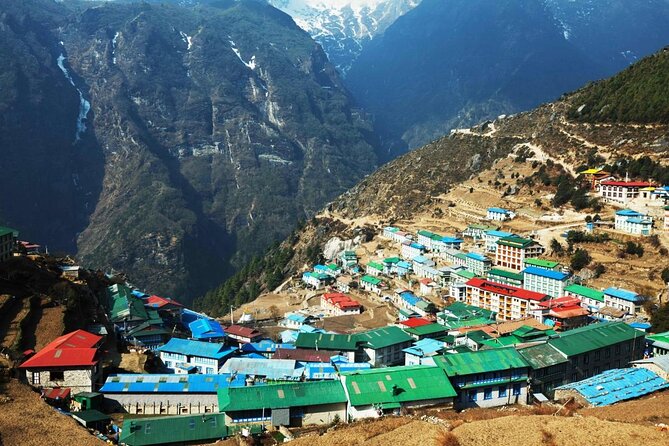
- The trek reaches Everest Base Camp on Day 8, after walking through Gorakshep and returning there for the night.
- Two acclimatization days are built in, one at Namche Bazaar and one at Dingboche.
- Kathmandu to Lukla flights are included both ways, along with airport pickup and drop-off in a private vehicle.
- Meals and lodge stays are included for the trekking portion, but drinks, Kathmandu meals, and Kathmandu hotels are extra.
- The experience is private, so only your own group takes part rather than joining a large mixed party.
- The route combines mountain scenery with Sherpa and Buddhist culture, including monasteries, chortens, mani walls, and prayer flags.
Why this Everest route works for serious first-time trekkers
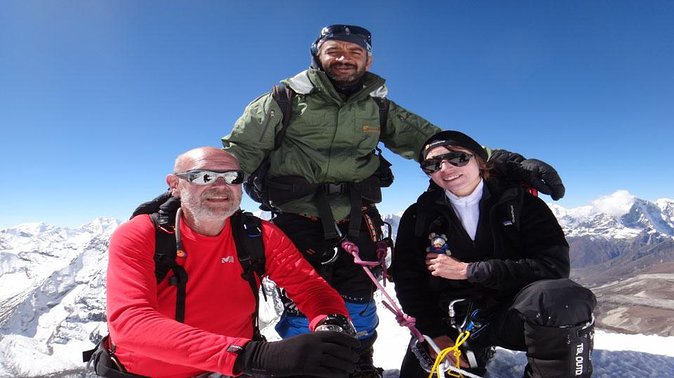
The Everest Base Camp Trek is not sold as a quick mountain photo stop. It gives you 12 days to move from Kathmandu into the Khumbu region, where the trail passes through forests, rocky paths, settlements, river falls, glaciers, monasteries, and high mountain viewpoints.
I like that the schedule allows your body time to adjust. Namche Bazaar and Dingboche each receive a full acclimatization day. That matters because the route keeps climbing, and the trek is much more than a test of leg strength. Altitude, cold, changing weather, and long walking days all affect how you feel.
This is a private activity, which gives your group more control over the pace and daily rhythm. It does not mean the walk becomes easy. You still need moderate physical fitness, and the tour operates in all weather conditions. Dress for cold, wet, and changing conditions rather than packing only for clear mountain views.
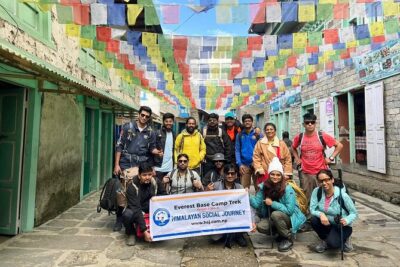
The route also has a strong cultural side. Buddhist monasteries, chortens, mani walls, and prayer flags appear along the trail. These are not decorative extras. They help explain the spiritual character of the region and give the walking days more meaning than a simple march toward a famous destination.
More Everest Base Camp Treks in Kathmandu:
- Everest Base Camp Trek – 14 Days
★ 5.0 · 1,499 reviews - Everest Base Camp Trek
★ 5.0 · 842 reviews - Everest Base Camp Trekking
★ 5.0 · 485 reviews
Day 1: Kathmandu to Lukla, then Phakding
Your start time is 6:00 am at Tribhuvan Airport in Kathmandu. The first major event is the flight to Lukla, followed by the trek to Phakding.
This opening day quickly changes the tone of the trip. You leave Kathmandu and reach the mountain route, trading city traffic and modern conveniences for forest, rocky trail, and Himalayan air. Phakding is the first overnight stop and gives you an early taste of the walking routine ahead.
The practical point is the early start. You need to be ready at the airport and have your passport details in order, since passport name, number, expiry date, and country are required for all participants. The flight is included in the price, which removes one major planning task from your hands.
Do not expect Day 1 to feel like a warm-up stroll in a city park. Even the first trek day sets the pattern of walking, resting, eating, and sleeping at lodges.
Day 2: Phakding to Namche Bazaar
The trail continues from Phakding to Namche Bazaar. This is one of the key days because Namche becomes both a cultural center and the first major acclimatization base.
Namche is known as a Sherpa settlement, and reaching it gives you a clearer sense of the communities that support life in the Khumbu. Along the way, the route includes fir and pine forests, rocky ground, river scenery, and mountain air that feels very different from Kathmandu.
I like the decision to spend the next day in Namche rather than rushing onward. A fast schedule might look efficient on paper, but it gives your body less time to respond to altitude. Here, the pause is part of the route, not wasted time.
Day 3: Acclimatization in Namche Bazaar
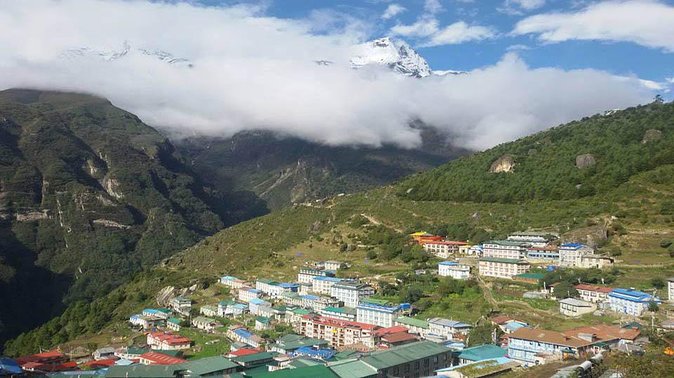
Day 3 is your first full acclimatization day. The provided schedule does not specify a separate excursion, so you should think of this as a necessary recovery and adjustment day rather than a tightly programmed sightseeing tour.
You can use the time to rest, take in the settlement, and prepare for the higher trail. Namche also helps you settle into the rhythm of lodge accommodation and simple mountain meals. Three meals a day are included during the trek, with vegetarian food available if you request it when booking.
This is also a good point to ask your guide practical questions. Shulamit’s experience with Hari, Ongchhu, and Nima is useful here. Before the trek, the team spent close to two hours going through questions and a checklist. That kind of preparation can make the difference between feeling uncertain and feeling ready.
A few more treks around Kathmandu worth a look
- Annapurna Circuit Trek with Tilicho Lake
★ 5.0 · 368 reviews - Everest Base Camp Trekking – 13 Day
★ 5.0 · 365 reviews - Everest Base Camp Trek
★ 5.0 · 350 reviews - Everest Base Camp Trek -14 Days
★ 5.0 · 321 reviews
Day 4: Namche Bazaar to Tengboche
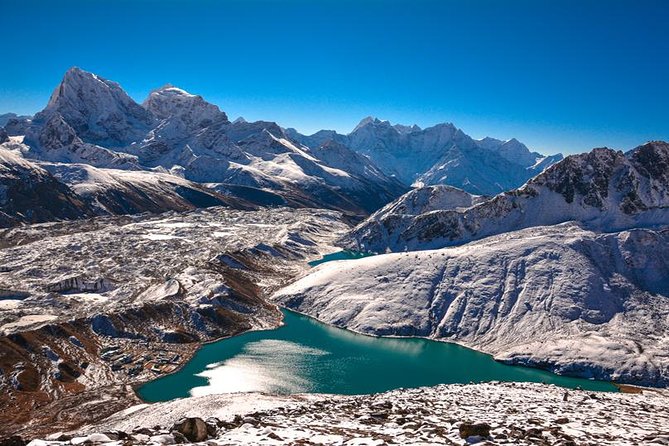
From Namche, the route heads to Tengboche. The mountain scenery becomes more prominent, but the cultural setting remains just as important.
Tengboche is associated with its Buddhist monastery, and the stop gives the trek a spiritual center. You may see chortens, mani walls, and prayer flags along the route, each adding color and meaning to the trail.
I like this part of the experience because the walking is not only about reaching a high point. You move through places shaped by Sherpa life and Tibetan Buddhist practice. The combination of pine and fir forest, rocky trail, open mountain views, and religious sites keeps the day varied.
The drawback is that each day becomes more demanding as you gain height. You should not judge the remaining route by how comfortable the first days feel.
Day 5: Tengboche to Dingboche
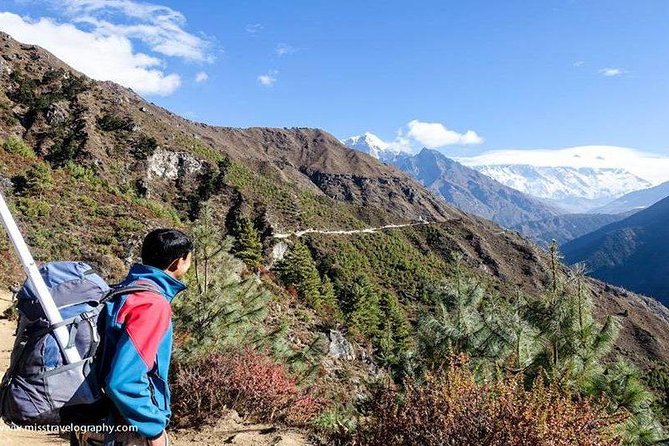
The trek continues from Tengboche to Dingboche, another important stop for altitude adjustment. By now, the route feels more remote, and the weather may feel cooler and less predictable.
Dingboche is the second major acclimatization base. Reaching it is a useful milestone because you are well beyond the lower villages and preparing for the approach to Lobuche and Gorakshep.
The scenery includes rocky trails, glaciers, and high Himalayan views. The supplied description also points to emerald glaciers, dense forests, river falls, and Sherpa settlements as major attractions of the wider route. Conditions change as you climb, so you should expect less tree cover and a more exposed feel in the higher sections.
Day 6: Acclimatization in Dingboche
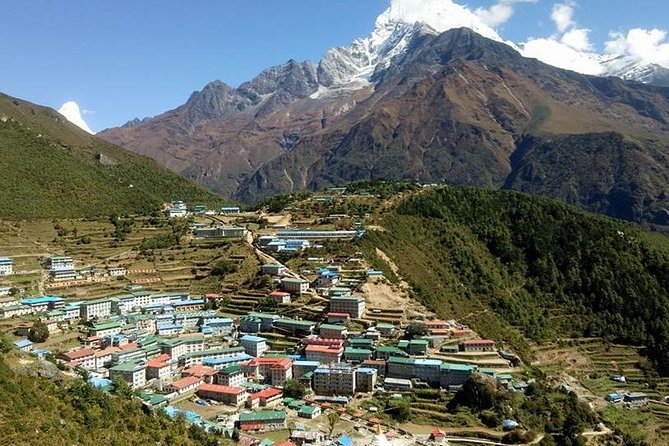
Your second acclimatization day takes place in Dingboche. As with Namche, the schedule does not give a named side trip, so do not assume a particular hike or activity is included.
The real value is time. You can rest, adjust to the altitude, and make sure your clothing, water, and personal gear are working well before the highest walking days. This pause also gives you a chance to speak with your guide about how you are feeling.
The guide is central to this kind of trip. Guide expenses, salary, and insurance are included, so the advertised price is not just paying for a route outline. It covers the person responsible for leading the trek and supporting the group through changing conditions.
Day 7: Dingboche to Lobuche
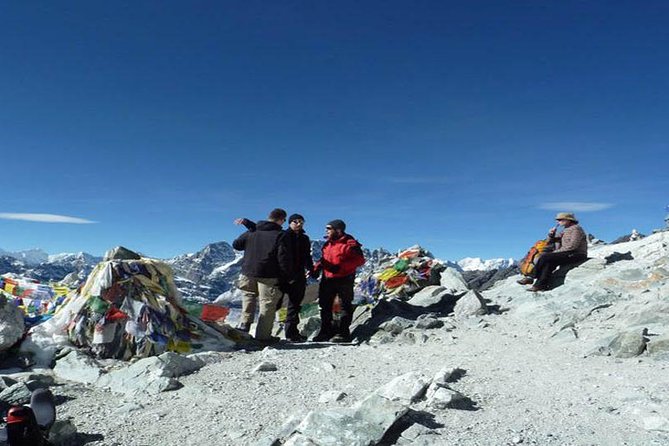
The walk from Dingboche to Lobuche brings you closer to the main goal. The route feels more focused now, with fewer distractions between you and Everest Base Camp.
Lobuche is a staging point for the following day’s long push to Gorakshep and Base Camp. You should expect the combination of altitude and distance to matter more here. Moderate fitness is required, and even a strong walker should respect the schedule.
This is where the two acclimatization days show their value. They cannot remove every challenge, but they give your body more time to adjust than a rushed itinerary would.
Day 8: Lobuche to Everest Base Camp and Gorakshep
Day 8 is the central day of the trek. You walk from Lobuche to Everest Base Camp via Gorakshep, then return to Gorakshep for the night.
This is a demanding out-and-back section, but it gives you the satisfaction of reaching the named goal without sacrificing the planned overnight structure. You are not expected to finish at Base Camp and then continue into another long transfer. You return to Gorakshep, which makes the day more manageable within the overall plan.
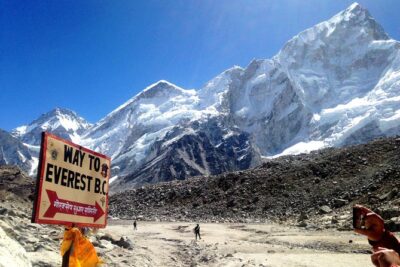
The route is rocky and high, with glaciers and stark Himalayan scenery. The appeal is not comfort. It is the sense of moving through a remote mountain setting that looks and feels far removed from ordinary daily life.
The schedule uses both Everest Base Camp and Gorakshep, so pay attention to the spelling of names when checking your travel documents and asking questions. The listing spells the following day’s departure as Gorekshep, but the intended stop is Gorakshep.
Day 9: Gorakshep to Kala Patthar and Pheriche
The morning begins with the walk from Gorakshep to Kala Patthar, followed by the trek to Pheriche. Kala Patthar is included as a high viewpoint on the route, giving you another major mountain moment after Base Camp.
This day is valuable because it adds a viewpoint experience rather than treating Base Camp as the only reward. After Kala Patthar, descending to Pheriche begins the return phase of the trek.
The word return can be misleading. You still have several walking days left, and the route remains physically demanding. Descending can be kinder to your breathing, but it can put strain on tired legs. Keep your pace steady and use your guide’s judgment.
Day 10: Pheriche to Namche Bazaar
The trek continues from Pheriche back to Namche Bazaar. Returning to a familiar settlement can feel reassuring after the higher sections.
This part of the route lets you notice details you may have missed while climbing. The forests, villages, walls, and prayer flags take on a different character when you are no longer focused only on reaching Base Camp.
Namche also gives you a more comfortable-feeling stop before the final trail days. You are still in the mountains, but the return route gradually reconnects you with the lower settlements and the rhythm of the Lukla flight.
Day 11: Namche to Phakding and Lukla
Day 11 takes you from Namche to Phakding and then onward to Lukla. It is a long closing trek day because it combines the trail return with the move toward the airport.
This schedule keeps the final flight for Day 12 rather than trying to fly out immediately after reaching Lukla. That provides a night in the area before the return flight, though the supplied details do not specify the exact lodge or the timing of the next day’s flight.
The private format may be helpful here because your group can coordinate directly with the guide. Still, mountain transport can be affected by weather, so keep your plans flexible after the trek.
Day 12: Lukla to Kathmandu
The final day is the flight from Lukla back to Kathmandu. Airport pickup and drop-off in a private vehicle are included, and the activity ends back at the original meeting point at Tribhuvan Airport.
This is a useful end-to-end arrangement. You are not left to organize the airport transfer after a long mountain route, and the return flight is included in the package.
Remember that your Kathmandu hotel and meals are not included. Plan for those before and after the trek.
What the $1,390 price really covers
At $1,390 per person, the cost is reasonable for a private 12-day trek with a substantial list of inclusions. The biggest value comes from the two-way Kathmandu to Lukla flights, which can otherwise complicate planning, plus airport transfers, lodge accommodation, three meals each trekking day, a guide, permits, and taxes.
The package includes 11 breakfasts, 11 lunches, and 11 dinners during the trek. It does not include alcoholic or non-alcoholic drinks, so budget extra for beverages. Kathmandu hotels and meals are also outside the price.
You must arrange travel insurance that covers trekking. This is not a minor add-on. The route reaches high altitude, operates in all weather, and requires a reasonable fitness level.
Tips for guides, porters, and drivers are not included either. The price is therefore a strong starting package, not the total amount you will spend from arrival to departure.
The guide team and private format
A private trek suits you if you value direct communication and a group made up only of your own party. You will not be assigned to a large mixed group, and that can make planning and support feel more personal.
Hari, Ongchhu, and Nima are named in the experience information. Shulamit’s pre-trip meeting with them lasted close to two hours and covered questions and a checklist. That is a useful sign for anyone who prefers to understand the practical details before leaving Kathmandu.
The exact guide assignment for every booking is not stated, so you should confirm who will lead your trek. You should also ask what is included for porters, since porter tips are extra and porter arrangements are not detailed in the provided package.
Who should book this trek?
I would recommend it to you if you want the classic Everest Base Camp route with built-in acclimatization and a private group. It suits people who value mountain scenery, Buddhist culture, Sherpa settlements, and a structured 12-day plan.
It is less suitable if you want luxury accommodation, short walks, guaranteed clear skies, or a flexible holiday with little physical effort. The route includes rocky trails, cold conditions, high altitude, and long days.
Vegetarians can request suitable meals at booking. You should also be comfortable with the fact that internet, phone access, and everyday conveniences may not be available in the same way as in Kathmandu.
Should you book the Everest Base Camp Trek?
Yes, if you want a well-organized private route and understand the physical demands. The strongest reasons to book are the two acclimatization days, included flights and permits, trekking meals and lodges, and the preparation support associated with Hari, Ongchhu, and Nima.
I would book it only after arranging trekking insurance, checking your fitness, budgeting for drinks and tips, and confirming the guide and flight details. The 24-hour cancellation policy allows a full refund when you cancel at least 24 hours before the 6:00 am start time. After that cutoff, refunds are not issued and changes are not accepted.
For the right walker, this is a practical way to reach Everest Base Camp without stripping away the cultural and human side of the Himalayas.
FAQ
How long is the Everest Base Camp Trek?
The trek lasts approximately 12 days, beginning at Tribhuvan Airport in Kathmandu and ending back at the same meeting point after the return flight from Lukla.
Are flights between Kathmandu and Lukla included?
Yes. Both the Kathmandu to Lukla and Lukla to Kathmandu flights are included.
Are meals and accommodation included during the trek?
Yes. Guest house or lodge accommodation is included, along with 11 breakfasts, 11 lunches, and 11 dinners. Hotels and meals in Kathmandu are not included.
Is this a private tour?
Yes. Only your own group participates in the activity.
Are vegetarian meals available?
Yes. A vegetarian option is available, but you should advise the provider when booking.
What is not included in the price?
Alcoholic and non-alcoholic beverages, trekking travel insurance, Kathmandu accommodation and meals, tips for guides, porters, and drivers, and services not listed among the inclusions are not included.
Recently added around Kathmandu
- Ghorepani Poon Hill Trek★ 5.0 · 16 reviews
- Private Manaslu Circuit Trek at Himalayas★ 5.0 · 3 reviews
- Amazing 1 Day Trekking Experience in Kathmandu Nepal★ 5.0 · 24 reviews
- Ghorepani Poonhill Trek★ 5.0 · 5 reviews
- Upper Mustang Trekking★ 5.0 · 2 reviews
- Upper Mustang Trekking★ 3.0 · 2 reviews
- Upper Mustang Trekking★ 5.0 · 4 reviews
- Upper Mustang Trek★ 5.0 · 5 reviews
Everest Base Camp Treks, compared.




Browse the lists this tour appears in