
REVIEW · KATHMANDU
Everest Base Camp Trek
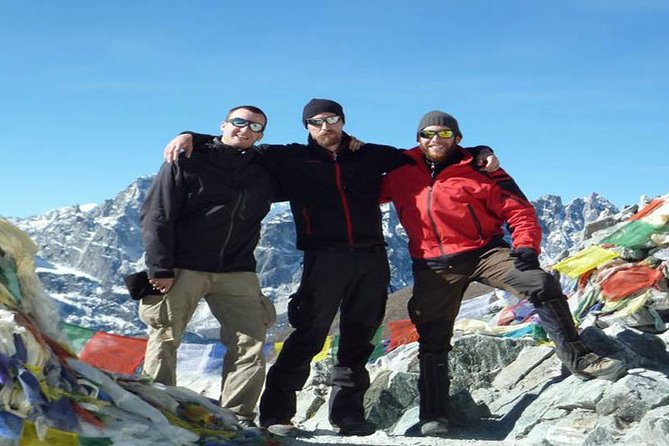
The mountain views are only half the story. This 14-day Everest Base Camp Trek gives you the rare mix of freedom and support: you arrange your wider Nepal trip as you like, while a licensed Sherpa guide, porters, permits, meals, lodging, and flights are handled for you. I especially like the planned acclimatization days in Namche Bazaar and Dingboche, plus the chance to see both Everest Base Camp and Kala Patthar.
I also like the small-group limit of 14 people and the practical support in Kathmandu. The main concern is the altitude: reaching 5,365 meters at Base Camp and 5,555 meters at Kala Patthar is serious work, even with a careful schedule. You need moderate fitness, patience, and proper insurance for high-altitude rescue.
Key points to know before booking
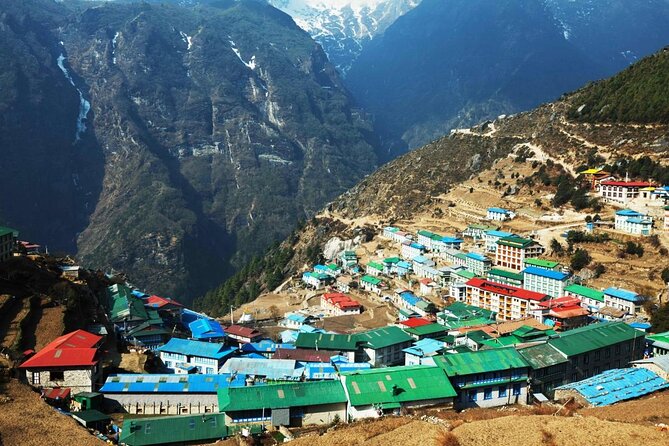
- Two acclimatization days give you time to adjust in Namche Bazaar and Dingboche instead of racing uphill.
- Kala Patthar is the big viewpoint day, with direct views toward Everest, Nuptse, Lhotse, Pumori, and Chagatse.
- A guide-only approach keeps the trip flexible, making it useful if you want help on the trail but prefer to arrange extra time in Nepal yourself.
- Porter service is included for 11 days, with one porter assigned for every two people.
- Lukla flights can shift to Manthali Airport during busy months, adding an early road transfer from Kathmandu.
- The $1,600 price covers major trek costs, including domestic flights, permits, meals, lodging, staff, and emergency arrangements, but not insurance or personal gear.
What the $1,600 price really covers
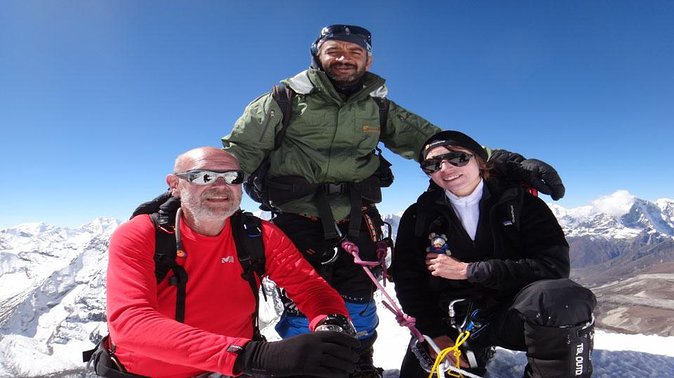
At $1,600 per person, this is not a bare walking package. The price includes airport and hotel transfers in Kathmandu, two nights in a three-star twin-share hotel, twin-share guesthouse lodging during the trek, meals on the trail, a first-aid-trained English-speaking guide, porter service, permits, and Kathmandu to Lukla flights.
It also covers staff wages, staff insurance, staff equipment, medicine, government taxes, tourist service charges, filtered trail water, seasonal fruit, a duffel bag, trekking map, sun hat, and trip completion certificate. Emergency medical evacuation arrangements are included, though your own travel insurance must cover high-altitude rescue and evacuation.
That package gives you a useful sense of value. A self-arranged trek can look cheaper at first, but flights, permits, staff, food, accommodation, water, transfers, and emergency planning quickly add up. Here, the operator handles the pieces that are hardest to organize from overseas.
Still, keep a budget for the items left out. Lunch and dinner in Kathmandu, international flights, Nepal visa fees, drinks, personal trekking equipment, and tips are separate. Tipping is expected, so you should plan for it before departure rather than treating it as an unexpected extra.
The twin-share arrangement also matters. This is not a private luxury trek, and the accommodation varies by location. Attached toilets are specifically provided in Lukla, Phakding, and Namche, but you should not assume the same standard higher on the route.
More Everest Base Camp Treks in Kathmandu:
- Everest Base Camp Trek – 14 Days
★ 5.0 · 1,499 reviews - Everest Base Camp Trek
★ 5.0 · 842 reviews - Everest Base Camp Trekking
★ 5.0 · 485 reviews
Kathmandu arrival and the pre-trek briefing
Your airport representative meets you outside Tribhuvan International Airport with a Travel Pinto sign and takes you to your hotel in a private tourist vehicle. This is a welcome start after a long international flight, especially if Kathmandu is new to you.
The pre-trek meeting takes place at the company office if you arrive before 4 pm. If you arrive later, the guide briefs you at the hotel. Bring your passport, three passport-size photos, and a clear copy of your travel insurance policy.
This meeting is more than a formality. It is your chance to meet the trek leader, ask about altitude, confirm the route, settle any remaining balance, and sign the trip forms. I would use the time to ask exactly what goes into your porter bag, how weather changes will be handled, and what happens if you need an extra acclimatization day.
The start time is listed as 7 am. Your exact morning may depend on the Lukla flight schedule and seasonal airport arrangements.
Day 2: Lukla to Phakding and the first Himalayan walk
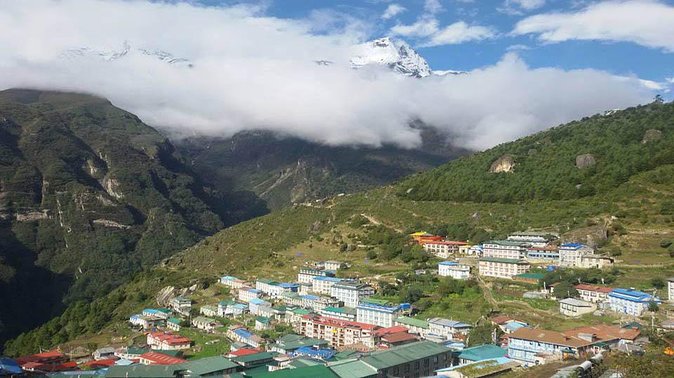
The flight from Kathmandu to Lukla takes about 35 minutes and gives you an early look at the mountain country ahead. Lukla sits at 2,804 meters, while Phakding is lower at 2,610 meters, so the first walking day is intentionally gentle.
After landing, your guide introduces the porters and explains the route. The trail drops toward the Dudh Kosi River, joins the main path to Namche Bazaar, passes through Ghat, and reaches Phakding.
This is a sensible opening day. You get your first taste of suspension bridges, river valleys, and small mountain villages without starting with a punishing climb. The short walking distance also gives your body time to adjust after the flight.
Peak-season flight logistics need attention. In March, April, May, October, and November, flights may operate from Manthali Airport in Ramechhap instead of Kathmandu because of congestion at Tribhuvan International Airport. That can mean an early road journey before the flight, so confirm the departure plan shortly before your trek.
Day 3: The long climb to Namche Bazaar
The route follows the Dudh Kosi and crosses suspension bridges decorated with prayer flags. After entering Sagarmatha National Park, the trail climbs steeply toward Namche Bazaar.
Namche sits at about 3,440 meters and is the largest Sherpa settlement on this route. It has lodges, bakeries, restaurants, shops, money exchange services, internet access, and hotels. This is your last major place to organize small purchases and settle into the rhythm of the trek.
The ascent to Namche is one of the first demanding days. You will want to walk slowly, drink regularly, and avoid treating the climb like a race. The guide’s value becomes clear here, since a good pace matters more than speed.
The published schedule shows unusually long activity durations for several trekking days. Read those figures as full trekking days rather than precise walking times. Actual trail hours depend on pace, weather, breaks, and group condition.
A few more treks around Kathmandu worth a look
- Annapurna Circuit Trek with Tilicho Lake
★ 5.0 · 368 reviews - Everest Base Camp Trekking – 13 Day
★ 5.0 · 365 reviews - Everest Base Camp Trek
★ 5.0 · 350 reviews - Everest Base Camp Trek -14 Days
★ 5.0 · 321 reviews
Day 4: Namche acclimatization with Sherpa culture and mountain views
The first acclimatization day is well placed. You do not gain sleeping altitude, but you still walk, which helps your body adjust better than simply staying in the lodge.
The route includes the Sherpa Museum, where you can learn about local customs and mountaineering culture. You also hike toward Syangboche Airport and the Everest View Hotel, one of the highest hotels in the world.
From the viewpoint, you may see Everest along with other Himalayan peaks if the weather is clear. The important point is that this day combines rest with a worthwhile outing. You are not wasting time. You are buying your body a better chance of handling the higher route.
Namche is also a good place to check your equipment. If you have a blister, a clothing problem, or a sleeping issue, speak up now. Small troubles become much harder to solve above Dingboche.
Day 5: Tengboche and a working monastery
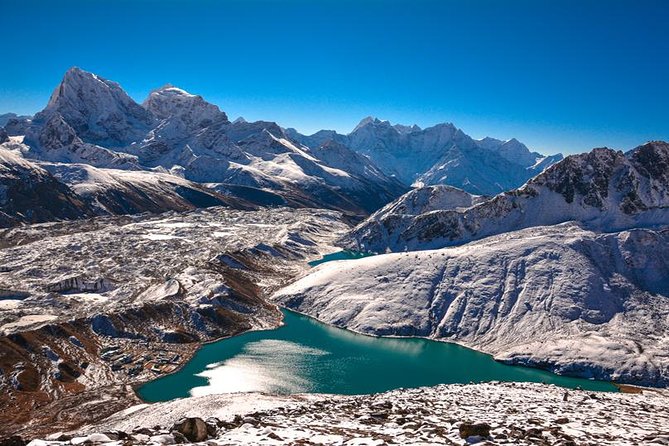
From Namche, the trail continues beside the Dudh Kosi with wide mountain views before reaching Tengboche at 3,860 meters. The route is scenic, but the increasing altitude makes steady pacing important.
Tengboche Gompa is one of the cultural highlights. Inside are ornate wall hangings, a large Buddha sculpture, and the robes and musical instruments used by the lamas. Depending on the day’s timing, you may observe a prayer ceremony in the morning or evening.
This stop gives the trek more depth than a simple mountain march. You are passing through an active Sherpa region with living religious traditions, not just ticking off viewpoints.
The drawback is that the higher you go, the less predictable comfort becomes. Cold rooms and basic lodging are part of the experience. One useful packing lesson is to keep warm layers, a sleeping bag, and personal medicine easy to reach rather than buried in your duffel.
Days 6 and 7: Dingboche, Ama Dablam, and a careful pause
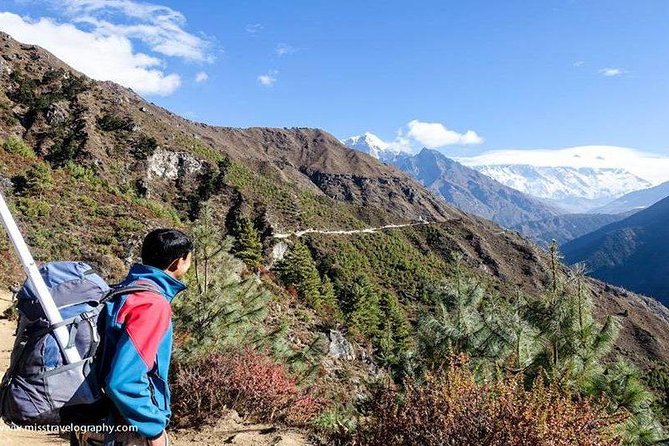
The trail drops briefly to Debuche, crosses the Imja Khola, and climbs through Pangboche, where mani stones line the route. You then reach Dingboche, a traditional Sherpa village with views toward Lhotse, Island Peak, and Ama Dablam.
Dingboche sits high enough for altitude symptoms to become more likely. The schedule wisely gives you a second acclimatization day instead of pushing straight toward Base Camp.
On that rest day, the hike to Nangkartshang Peak provides a strong viewpoint above the village. Ama Dablam is the star if the sky is clear, with the mountain visible from its lower slopes to its summit. You can spend the afternoon resting or walking around Dingboche.
This is one of the most important parts of the whole trip. You are not simply adding a scenic side walk. You are building time into the plan for altitude adjustment. Still, acclimatization is not a guarantee against illness. Tell your guide about headaches, nausea, unusual tiredness, poor coordination, or breathing trouble.
Day 8: Lobuche and memorials on the Khumbu Glacier
The trail follows the lateral moraine of the Khumbu Glacier toward Lobuche. Along the way, stone memorials honor climbers who died on nearby peaks.
This section can feel stark and emotional. It makes clear that the Everest region is beautiful but not harmless. The route is high, exposed, and physically demanding, and the memorials give the journey a solemn human meaning.
Lobuche lies near Lobuche Peak, and breathing problems may appear here. You should not hide symptoms to keep the group moving. The guide can help assess the situation, and the included first-aid support adds a useful layer of security.
Day 9: Everest Base Camp at 5,365 meters
The walk to Everest Base Camp is the central goal, but it is not an easy victory lap. From Lobuche, you continue toward Gorak Shep and then along the Khumbu Glacier to Base Camp at 5,365 meters.
The trail is rough, and the thin air makes every rise feel larger. Your guide helps set a manageable pace, but you still need to do the work. During spring, expedition teams may be preparing for summit attempts, adding a sense of purpose to the base camp scene.
The Khumbu Icefall is the great visual reward. From Base Camp, you can see the dramatic glacier terrain used by climbers heading higher. After time at the site, you return to Gorak Shep for the night.
Do not confuse Everest Base Camp with the summit view seen in many photographs. Base Camp gives you the route’s mountaineering atmosphere and the Icefall, while Kala Patthar offers the more direct panorama of Everest itself.
Day 10: Kala Patthar, the best mountain panorama
The climb to Kala Patthar at 5,555 meters is likely the toughest and most rewarding morning of the trek. You climb early, then descend to Gorak Shep for a hot breakfast before continuing downhill to Pheriche.
From the top, Everest rises ahead with Nuptse, Pumori, Chagatse, Lhotse, and other major peaks around it. This is the viewpoint that turns the scale of the Himalayas into something you can grasp.
The altitude can make this short climb feel very long. Take small steps and expect the descent to require care too. The reward is not only a photograph. It is the chance to look back across the route you have walked and understand the size of the Khumbu region.
Days 11 to 13: Downhill relief, Lukla, and Kathmandu
The return route passes through Pangboche and Tengboche before reaching Namche Bazaar again. Downhill walking is easier for your lungs, but it can be tiring on knees and feet, especially after the high-point days.
The next day takes you back to Lukla. The afternoon is free for a shower, a slow walk, and a final evening with your guide, porters, and fellow group members. That relaxed finish is useful after nearly two weeks of demanding walking.
On Day 13, the 35-minute flight returns you to Kathmandu. The company provides a transfer back to your starting hotel, and you can use extra time in Nepal for a Chitwan safari, rafting, shopping tour, mountain biking, or other activities. Those additions are not part of the $1,600 package, but the support team can help arrange them.
Flight delays can affect this final stage, just as weather can affect the outbound flight. Keep some flexibility around international connections rather than scheduling your departure too tightly after the Lukla flight.
Guides, porters, and the small-group setup
The trek includes a government-licensed, English-speaking guide trained in first aid. The guide leads the daily walking, manages the route, helps with pacing, and supports the group when conditions change.
The operator has used guides named Dave, Devendra, Mohan, Suraj, Uddhav, and Basu on different Nepal trips. Praise has centered on careful organization, warmth, route knowledge, patience, and help with last-minute changes. You should confirm your assigned guide before departure, since the specific person is not guaranteed in advance.
One porter serves two people for 11 days. Pack carefully and keep essential personal items in your daypack. Porter support reduces the burden, but you still need to carry water, layers, sun protection, medicine, and anything you may need during the day.
The maximum group size is 14. That is small enough for a personal feel but large enough that different walking speeds may matter. If you prefer absolute independence, a guided group may feel structured. If you want support without paying for a private expedition, this format makes good sense.
Who should book this trek?
I would recommend it to an adult with moderate fitness who wants a famous Himalayan route without arranging every permit, flight, porter, and lodge independently. It also suits groups and people who want help adding other Nepal activities before or after the trek.
The route has real safeguards: two acclimatization days, a first-aid-trained guide, emergency evacuation arrangements, filtered water, and a planned return route. But it is not a soft adventure. Cold rooms, basic guesthouses, steep trails, thin air, and long walking days are part of the bargain.
You must be at least 18. High-altitude rescue and evacuation insurance is essential, even though emergency arrangements are included. Bring proper personal trekking equipment and be ready to pay for drinks, Kathmandu dinners, and tips.
The cancellation terms are strict close to departure. Cancel at least six full days ahead for a full refund, two to six days ahead for a 50 percent refund, and less than two days ahead for no refund. Poor weather or failure to reach the minimum group size can lead to a new date or a full refund.
Should you book the Everest Base Camp Trek?
Book it if you want the classic Everest route with the major practical work handled for you. The strongest reasons are the sensible acclimatization plan, experienced local support, included Lukla flights, porter service, meals, permits, and the exceptional mountain views from Kala Patthar.
Think twice if you need private rooms, easy walking, warm accommodation, or a fixed flight schedule. This is a demanding trek in a remote region, not a sightseeing tour with a few mountain walks.
For the right person, $1,600 is a fair price for the amount included. You still need to budget for insurance, equipment, drinks, Kathmandu meals, international airfare, visa costs, and tips, but the core trek is organized in a practical way. I would choose this package if I wanted independence before and after the trek, yet would not want to face the Khumbu route without a reliable guide.
FAQ
How long does the Everest Base Camp Trek take?
The experience lasts approximately 14 days, including arrival in Kathmandu, the trek to Base Camp, the return to Lukla, the flight back to Kathmandu, and airport departure.
What is the maximum group size?
The group can have up to 14 people.
What is the minimum age?
The minimum age is 18.
What level of fitness is required?
You should have a moderate level of physical fitness. The route includes steep climbs, high altitude, and demanding days near Everest Base Camp and Kala Patthar.
Is a guide included?
Yes. The package includes a first-aid-trained, government-licensed, English-speaking trekking guide.
Are porters included?
Yes. Porter service is included for 11 days, with one porter for every two people.
Are meals included?
Standard breakfast, lunch, and dinner are included during the trek. Lunch and dinner in Kathmandu are not included.
Is travel insurance included?
No. You must arrange travel insurance that covers emergency high-altitude rescue and evacuation.
What happens if bad weather cancels the experience?
If poor weather causes cancellation, you are offered a different date or a full refund.
Recently added around Kathmandu
- Ghorepani Poon Hill Trek★ 5.0 · 16 reviews
- Private Manaslu Circuit Trek at Himalayas★ 5.0 · 3 reviews
- Amazing 1 Day Trekking Experience in Kathmandu Nepal★ 5.0 · 24 reviews
- Ghorepani Poonhill Trek★ 5.0 · 5 reviews
- Upper Mustang Trekking★ 5.0 · 2 reviews
- Upper Mustang Trekking★ 3.0 · 2 reviews
- Upper Mustang Trekking★ 5.0 · 4 reviews
- Upper Mustang Trek★ 5.0 · 5 reviews
Everest Base Camp Treks, compared.






Browse the lists this tour appears in