
REVIEW · KATHMANDU
Everest Base Camp Trek 14 days
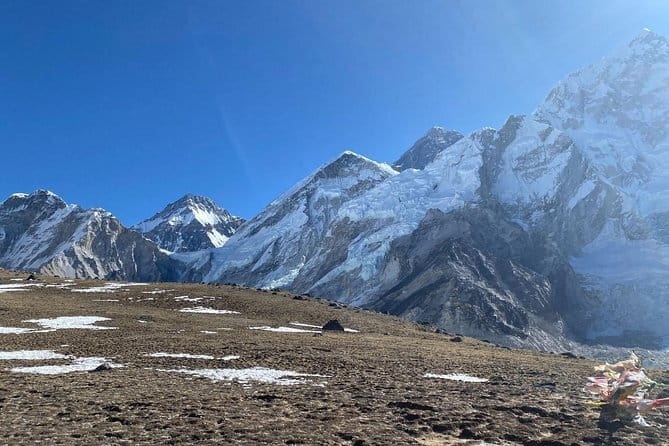
The Himalaya rewards patience, not haste. This 14-day Everest Base Camp trek combines Kathmandu, the Lukla flight, high mountain villages, two acclimatization days, and the famous viewpoint at Kala Patthar. I like the careful altitude schedule and the fact that meals, tea-house rooms, permits, porters, and staff costs are bundled together. I also like that the route reaches both Everest Base Camp and the 5,550-meter Kala Patthar viewpoint, giving you two major goals instead of just one.
The main caution is altitude. This is not a casual walk with a few pretty views. You climb above 5,000 meters, sleep at 5,180 meters in Gorakshep, and face long walking days in cold conditions. A moderate fitness level is required, but you should also arrive prepared for thin air, basic lodging, weather delays, and a trek schedule that leaves little room for a bad day.
Key Points Before You Book
- Two acclimatization days: You spend one full rest and exploration day in Namche Bazaar and another in Dingboche.
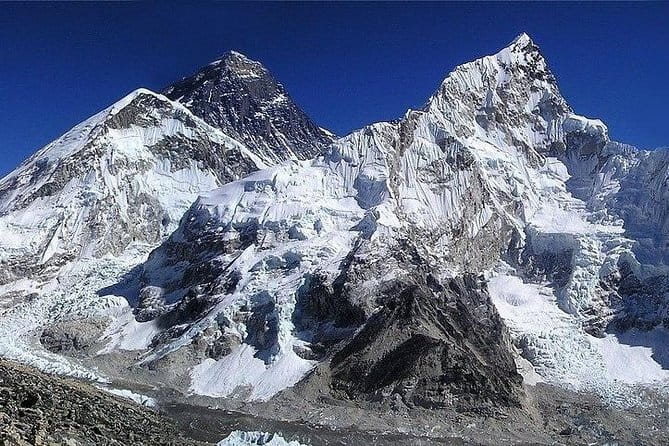
- Everest Base Camp and Kala Patthar: The route reaches Everest Base Camp at 5,364 meters, followed by a sunrise hike to Kala Patthar at 5,550 meters.
- Lukla flights included: The package covers the Kathmandu to Lukla and Lukla to Kathmandu flights, including airport tax for the member and guide.
- Practical support package: A guide, porter service, medical kit, staff insurance, permits, meals, tea-house rooms, and a duffel bag are included.
- Private group format: Only your own group takes part, which can make pacing and communication easier.
- Weather matters: Poor conditions can cancel the experience, with a different date or full refund offered.
What You Are Paying For at $1,897
At $1,897 per person, the price is not simply paying for a guide to point toward Everest. It covers a substantial package: airport transfers, two nights in Kathmandu with breakfast, the domestic flights, national park entry, the TIMS card, trekking meals, tea-house accommodation, an English-speaking guide, porter service, and staff costs.
The staff package is especially important. The stated price includes food, accommodation, salary, insurance, and medicine for the guide and support staff. A porter is assigned for every two people, so you should not expect to carry every item in your own pack. You will still need to pack sensibly and keep valuables with you, but shared porter service can make the long uphill sections more manageable.
The food allowance covers breakfast, lunch, and dinner during the trek, along with three cups of tea or coffee each day. That removes much of the daily guesswork. In Kathmandu, though, lunch and dinner are your responsibility, and personal spending begins quickly once you add hot showers, bottled water, hot water, battery charging, cold drinks, alcohol, donations, and tips.
Tipping is expected, and it should be part of your budget from the start. Travel medical insurance and emergency evacuation are not included. At this altitude, that exclusion matters more than a few extra restaurant meals, so arrange suitable insurance before you arrive.
The package also includes a company duffel bag, a T-shirt, a medical kit, and a trip certificate. These are useful extras, though the duffel bag is the item that has real practical value during the walk.
More Everest Base Camp Treks in Kathmandu:
- Everest Base Camp Trek – 14 Days
★ 5.0 · 1,499 reviews - Everest Base Camp Trek
★ 5.0 · 842 reviews - Everest Base Camp Trekking
★ 5.0 · 485 reviews
Kathmandu Gives You One Useful Preparation Day
Day one begins with arrival in Kathmandu, an airport transfer, a hotel night, and preparation for the trek. The listed meeting point is Happyland Treks on Paknajol Marg, and pickup is offered by car, van, or bus.
Do not treat this first day as spare time. It is when you should sort your personal equipment, confirm the next morning’s early start, and make sure you understand what the porters will carry. You also have your first chance to meet the guide and ask direct questions about the walking plan.
The return schedule includes a second Kathmandu night only if the timing works as planned, with breakfast included for the Kathmandu stay. Day 14 is set aside for your international airport departure, or for extra time to shop, rest, and sightsee if your flight is later.
The Lukla Flight and the Short Walk to Phakding
Day two begins early, with the included flight from Kathmandu to Lukla. The flight takes about 40 minutes, and Lukla sits at 2,840 meters. After breakfast there, you walk to Phakding at 2,610 meters.
This first walking day is a sensible introduction. The distance and elevation change are less demanding than what comes later, allowing you to settle into the rhythm of mountain paths, tea houses, and a slower pace. Still, the early start and flight make it a full day.
Weather can affect this part of the trip. The cancellation terms specifically note that poor weather may force a different date or a full refund. One earlier guest praised the company’s airport arrangements and priority flight handling, but you should still regard the Lukla schedule as weather-sensitive rather than fixed like a city bus.
Namche Bazaar: Your First Major Climb
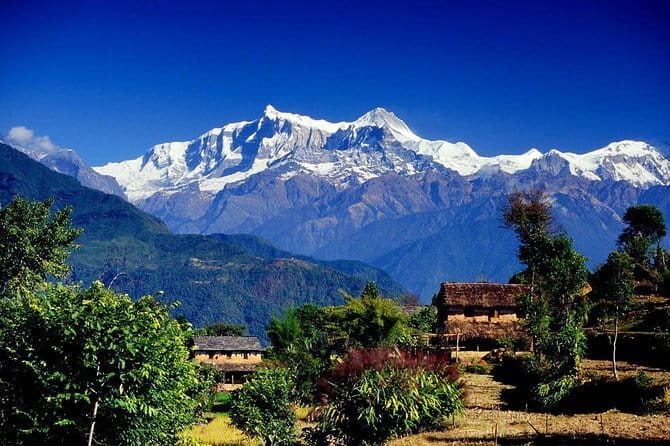
From Phakding, the route continues toward Namche Bazaar at 3,440 meters. The day includes a stop at Monjo and is listed as a 12-hour day, so you should be ready for a long effort.
Namche is more than an overnight stop. It is the main early staging point for the trek, with a full acclimatization day scheduled next. You can rest, explore, and enjoy the mountain views without packing up for another long walk.
That rest day is one of the strongest parts of the schedule. Altitude affects people differently, and rushing upward is a poor bargain when the goal is to reach Base Camp safely. Use the day for gentle exploration rather than trying to prove your fitness. Eat, drink, sleep, and tell your guide promptly if you feel unwell.
The private format helps here. You are not tied to a large public group, so your own group can communicate directly with the guide. The information supplied does not promise a particular walking pace or a specific hotel, so ask the company what room standards and acclimatization procedures you should expect.
A few more treks around Kathmandu worth a look
- Annapurna Circuit Trek with Tilicho Lake
★ 5.0 · 368 reviews - Everest Base Camp Trekking – 13 Day
★ 5.0 · 365 reviews - Everest Base Camp Trek
★ 5.0 · 350 reviews - Everest Base Camp Trek -14 Days
★ 5.0 · 321 reviews
Tengboche and Dingboche Bring the High Country
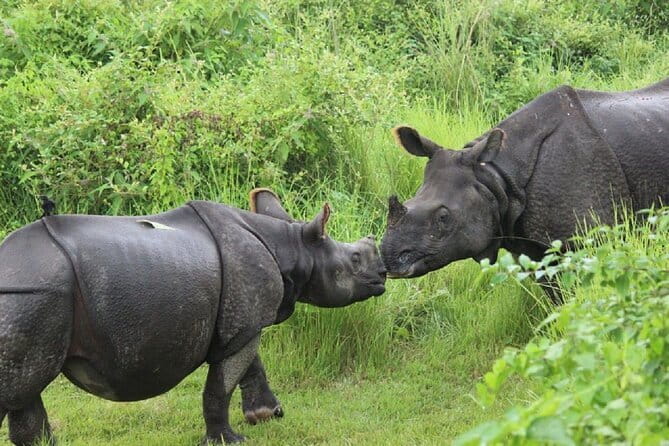
After Namche, you walk to Tengboche at 3,868 meters. The village is a scenic high stop on the route, and the change from the lower approach becomes clear as the air thins and the mountain views open up.
The next stage reaches Dingboche at 4,410 meters. This is a serious altitude gain, and the full rest day that follows is essential. Dingboche gives you time to explore the area without moving higher for the night.
I like the fact that the schedule does not treat acclimatization as an optional extra. The day at Dingboche is especially valuable because you are about to cross the 4,900-meter mark and then sleep above 5,000 meters. You should still remember that a rest day does not remove altitude risk. It only gives your body more time to adjust.
The trek is described as requiring moderate physical fitness. That phrase should be taken seriously. You need enough stamina for repeated uphill walking, long days, and a return route that still demands energy after the main goal has been reached.
Lobuche and Gorakshep: Thin Air, Basic Comfort
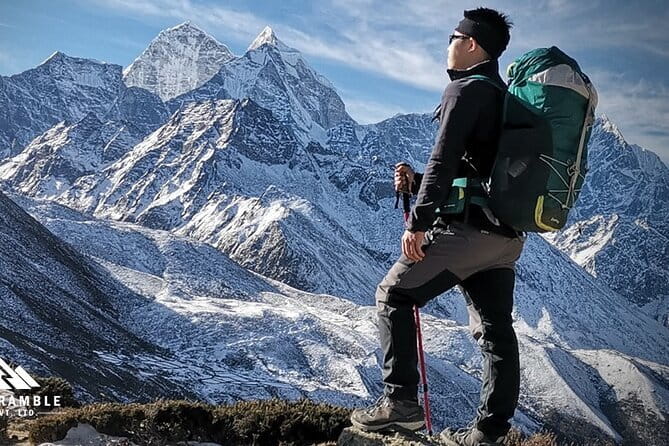
Day eight takes you from Dingboche to Lobuche at 4,910 meters. By now, the altitude becomes the central fact of every decision. The cold, basic tea-house accommodation, and reduced energy at elevation can make a shorter walking distance feel much harder than expected.
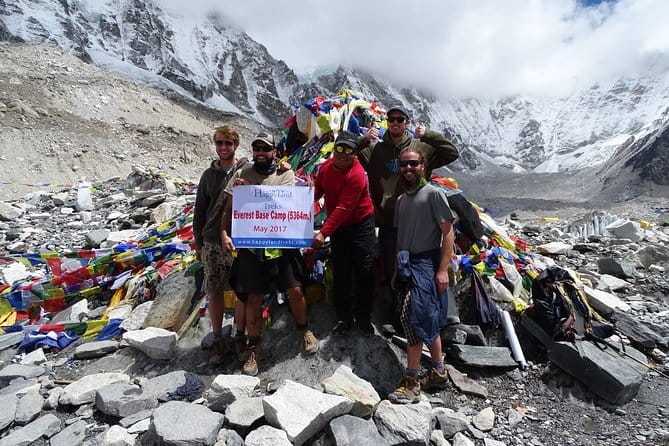
The next day is one of the biggest of the trek. You walk from Lobuche to Gorakshep at 5,180 meters, continue to Everest Base Camp at 5,364 meters, and then return to Gorakshep to sleep.
Base Camp is the headline goal, but it is not the highest point on this route. The path to it is still a major achievement, particularly after several days of climbing. You should expect a demanding day and keep your focus on steady movement rather than speed.
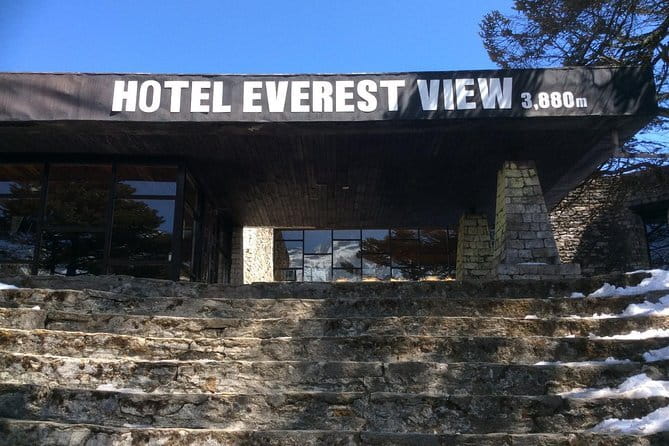
Sleeping in Gorakshep is part of the bargain. Tea-house accommodation gives you a practical bed and meals along the route, but it is not a private mountain hotel experience. Hot showers, hot water, charging, and bottled water cost extra where available. Bring the personal equipment you need and accept that comfort becomes simpler as the altitude rises.
Kala Patthar at Sunrise
Day ten starts before breakfast with the hike to Kala Patthar at 5,550 meters. After the sunrise views and mountain range, including Mount Everest, you return to Gorakshep for breakfast and then continue to Pangboche at 3,990 meters.
This is the route’s highest point, so the sunrise climb can be physically demanding. It is also the place where the mountain panorama is presented as the main reward, with Everest among the peaks in view. Because the schedule continues all the way to Pangboche afterward, you should conserve energy and follow your guide’s advice.
The descent to Pangboche gives your body a welcome break from the highest elevations, but it does not make the day easy. You still have to walk after the early start. Pack only what you need for the morning and keep your clothing ready the night before.
The Long Return to Lukla and Kathmandu
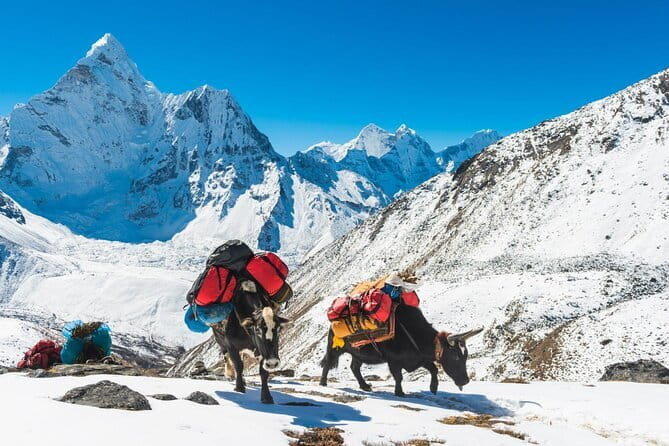
From Pangboche, the route returns to Namche Bazaar at 3,440 meters. The following day takes you from Namche back to Lukla at 2,840 meters.
This return route is more than a simple reversal. Your legs may be tired, and downhill walking can be hard on the knees. The lower altitude should help, but do not assume the final walking days are effortless. The porter service and guide support remain useful here, especially if you have used most of your energy on Base Camp and Kala Patthar.
Day 13 includes the morning flight back to Kathmandu. Since the trek depends on weather-sensitive mountain flights, keeping some flexibility around the return is sensible. The formal schedule places departure on day 14, giving you a full final day for the international airport, shopping, or sightseeing if your flight plans allow it.
Guides, Porters, and Communication
The company provides an English-speaking guide and a porter for every two people. Staff salary, food, accommodation, insurance, and medicine are included, which gives you a clearer idea of where the price goes.
Communication appears to be a strong point. Bimal Dahal, also known as Happy Bimal, is identified as the company owner and adventure expert. One past guest described receiving detailed explanations by phone, along with lodging options and pictures before booking. That kind of preparation is useful because tea-house standards and daily conditions can be hard to picture from a short sales page.
You should still ask practical questions before departure: what personal weight limit applies to the porter, what happens if flights are delayed, and how the company handles a change in your health at altitude. The provided information confirms a medical kit, but it does not promise a particular evacuation arrangement. Your own insurance remains essential.
Who Will Like This Trek Most
This trek suits you if reaching Everest Base Camp is a major personal goal and you want a package that handles the complicated parts. The included flights, permits, meals, rooms, guide, porter, and staff costs make it easier to focus on walking rather than arranging every service separately.
It also suits people who prefer a private group. You are not placed into a large mixed party, and the English-speaking guide gives your group one clear point of contact.
You may want a different arrangement if you need hotel-style comfort, dislike early starts, or have little tolerance for schedule changes. The route includes high-altitude nights, basic tea houses, weather-sensitive flights, and several long walking days. It is not the right choice for someone looking for a relaxed sightseeing holiday.
Cancellation is free if you cancel at least 24 hours before the start time. Changes made inside that period are not accepted, and poor weather may lead to a new date or a full refund.
Should You Book the Everest Base Camp Trek?
I would consider this a strong-value package for a serious first Everest Base Camp attempt. The schedule includes two acclimatization days, the high point of Kala Patthar, and the major cost items that can make an independent trek complicated.
Book it if you are prepared for altitude, basic accommodation, personal insurance, expected tips, and weather delays. Before paying, confirm the flight arrangements, porter baggage allowance, tea-house standards, and emergency procedures. If those answers suit you, Happyland Treks offers a practical route with good support and a clear focus on the mountain experience.
FAQ
How long is the Everest Base Camp Trek?
The trek lasts approximately 14 days, including arrival and departure arrangements in Kathmandu.
Where does the trek start?
The meeting point is Happyland Treks on Paknajol Marg in Kathmandu, Nepal.
What time does the experience start?
The listed start time is 5:00 am.
Are airport pickup and drop-off included?
Yes. Airport pickup and drop-off by car, van, or bus are included.
Are flights between Kathmandu and Lukla included?
Yes. The package includes the domestic flight ticket and airport tax for the Kathmandu to Lukla and Lukla to Kathmandu flights.
Is accommodation included?
Yes. Two nights in Kathmandu with breakfast and tea-house accommodation during the trek are included.
Are meals included during the trek?
Yes. Standard trekking meals include breakfast, lunch, and dinner, along with three cups of tea or coffee per day.
Is a guide provided?
Yes. An English-speaking guide is included, along with food, accommodation, salary, insurance, and medicine for staff.
Is porter service included?
Yes. One porter is provided for every two people.
What is not included in the price?
Travel medical insurance, emergency evacuation costs, Nepal entry visa fees, international airfare, personal equipment, tips, Kathmandu lunches and dinners, alcohol, hot showers, water bottles, hot water, battery charging, cold drinks, donations, and other unlisted expenses are not included.
Recently added around Kathmandu
- Ghorepani Poon Hill Trek★ 5.0 · 16 reviews
- Private Manaslu Circuit Trek at Himalayas★ 5.0 · 3 reviews
- Amazing 1 Day Trekking Experience in Kathmandu Nepal★ 5.0 · 24 reviews
- Ghorepani Poonhill Trek★ 5.0 · 5 reviews
- Upper Mustang Trekking★ 5.0 · 2 reviews
- Upper Mustang Trekking★ 3.0 · 2 reviews
- Upper Mustang Trekking★ 5.0 · 4 reviews
- Upper Mustang Trek★ 5.0 · 5 reviews
Everest Base Camp Treks, compared.




Browse the lists this tour appears in