
REVIEW · KATHMANDU
Everest Base Camp Trek – 14 Days
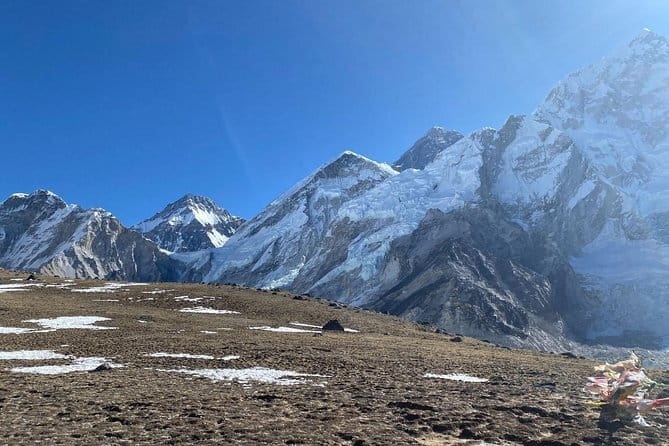
The Himalayas reward steady legs. This 14-day Everest Base Camp trek combines Lukla flights, guided walking, Sherpa villages, Buddhist monasteries, and the high viewpoint of Kalapathar. I like the careful acclimatization plan, with rest days in Namche Bazaar and Dingboche, and I like that airport transfers, meals, lodging, and flights are included. Guides and staff such as Ghan, Santosh Tamang, Raju, Lila, and Biru have earned praise for friendly support and practical care.
The main drawback is the physical demand. Several walking days last seven to eight hours, and the route reaches more than 5,300 meters, where cold, thin air, and rough trails can turn a beautiful day into hard work. Flight schedules from Lukla can also change, and the listed program has a few unclear details about the exact number of accommodation nights and the flight point.
Five things to know before you book
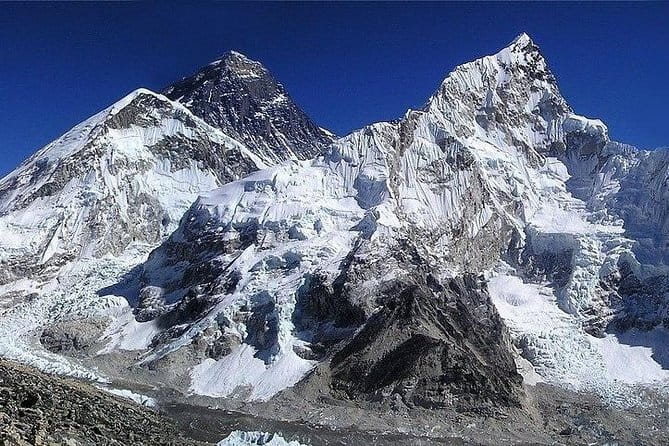
- Kalapathar reaches 5,545 meters: This is the trek’s highest stated point and the place for broad views of Everest and the surrounding peaks.
- Two acclimatization days shape the route: Namche Bazaar and Dingboche give you time to adjust before the highest walking days.
- Lukla flights are included: The package covers flights both ways, though the details also mention Ramechhap transfers.
- Meals and tea are covered in the mountains: Breakfast, lunch, dinner, tea, and coffee are included during the trek.
- This is a private trip: Your group travels with its own guide and support team rather than joining a large shared departure.
What the $1,099 price really covers
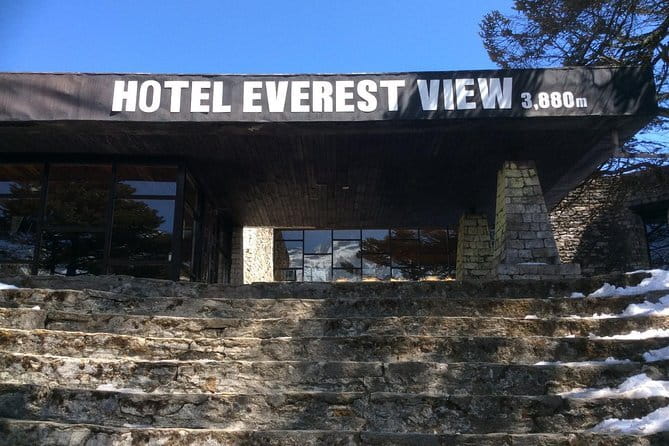
At $1,099.06 per person, this is a strong-value package if you want the main costs handled in advance. The price includes 14 days of accommodation as listed, two nights in a three-star Kathmandu hotel with breakfast, mountain lodge stays, private airport transfers, Lukla flights, three meals a day during the trek, taxes, fees, and handling charges.
That bundle matters in the Everest region. You are not only paying for a walk. You are paying for transport to the trailhead, accommodation at remote villages, food at altitude, route planning, park access arrangements, and staff support. The price also includes a shared bus or car connection to Ramechhap if that airport is used. A private Ramechhap vehicle costs an additional $85 for up to three people.
The inclusions need a careful read. The information says 14 nights of accommodation, with 12 mountain nights and two nights in Kathmandu, but the day-by-day schedule describes a 14-day trip. Ask the company to confirm the exact nights, the hotel name, and the final flight arrangement before paying.
International airfare, the Nepal visa, Kathmandu meals beyond breakfast, extra nights, and tips are not included. Budget separately for those costs. Tips for guides, porters, and drivers are expected to be handled by you.
More Everest Base Camp Treks in Kathmandu:
- Everest Base Camp Trek – 14 Days
★ 5.0 · 1,499 reviews - Everest Base Camp Trek
★ 5.0 · 842 reviews - Everest Base Camp Trekking
★ 5.0 · 485 reviews
Kathmandu arrival and the early start to Lukla
Day one is simple and useful. An airport representative meets you at Tribhuwan International Airport, then a private vehicle takes you to your hotel. You can rest or visit the company office to discuss the route and gear.
The meeting point is Himalayan Partner Treks and Expedition on the third floor along Thamel Marg in Kathmandu. The listed start time is 5:00 a.m., which tells you what kind of morning to expect. The Lukla flight leaves early, and the flight itself takes about 40 minutes when operating normally.
Day two begins with breakfast and a transfer to the domestic airport terminal. The flight offers early views of snow-covered peaks before landing at Tenzing-Hillary Airport in Lukla. Lukla is the practical gateway to the Khumbu region, and the trek begins almost immediately after you meet the mountain crew.
The first walk to Phakding is short by Himalayan standards. That is a wise opening day. You get your first feel for the trail without being pushed into a long climb. You sleep in a lodge or tea house, where comfort is basic but the setting is part of the experience.
Phakding to Namche Bazaar, the first real climb
The route from Phakding to Namche Bazaar follows pine forest and the Dudh Koshi River. Mount Thamserku appears along the way, and the trail passes several small settlements before reaching the Sagarmatha National Park checkpoint.
The biggest effort comes after the Dudh Koshi and Bhote Koshi rivers meet. The trail climbs sharply toward Namche Bazaar. This is the point where the trek begins to feel serious, but it is also where the scenery opens up. The first views of Everest, Lhotse, and Nuptse make the long ascent worthwhile.
Namche is the largest settlement in the Khumbu region. You will find restaurants, bakeries, Internet cafes, and ATMs, although services at this altitude should never be treated as guaranteed. A night in Namche gives your body time to adjust.
The next day is planned as an acclimatization day. Instead of charging onward, you take a short hike toward Thame or Khunde and visit the Tourist Visitor Center. The center covers Everest climbers, Sherpa culture, local plants, and wildlife. I like this pause because it adds meaning to the walk. You are not simply collecting mountain photographs. You are passing through a living region with its own people, customs, and religious traditions.
Tengboche and the Buddhist heart of the route
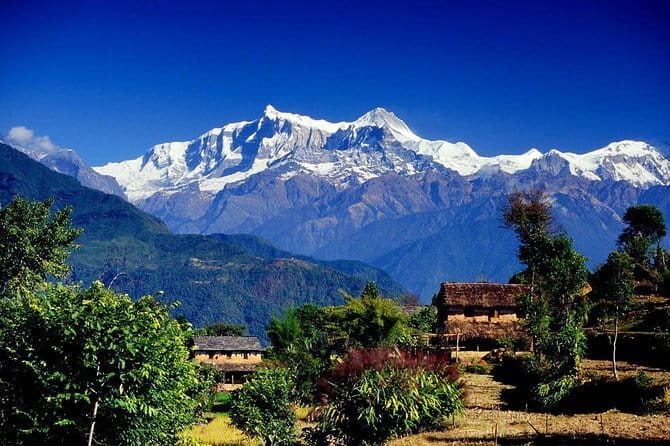
Leaving Namche, the trail passes through juniper and rhododendron forest. The mountain views remain constant, but the religious focus becomes stronger at Tengboche.
Tengboche is home to the largest monastery in the Sagarmatha region. Visiting the gompa gives you a quiet change of pace after the steep trails and busy lodges. The program treats the monastery as a major stop, not a quick photo break, and that is a good choice.
This section can feel easier than the Namche climb in places, but the route still gains height. The cold will become more noticeable, and your walking rhythm matters. I would keep your pace slow from here. You want enough energy for the higher villages, not just the next lunch stop.
A few more treks around Kathmandu worth a look
- Annapurna Circuit Trek with Tilicho Lake
★ 5.0 · 368 reviews - Everest Base Camp Trekking – 13 Day
★ 5.0 · 365 reviews - Everest Base Camp Trek
★ 5.0 · 350 reviews - Everest Base Camp Trek -14 Days
★ 5.0 · 321 reviews
Dingboche gives your body another chance
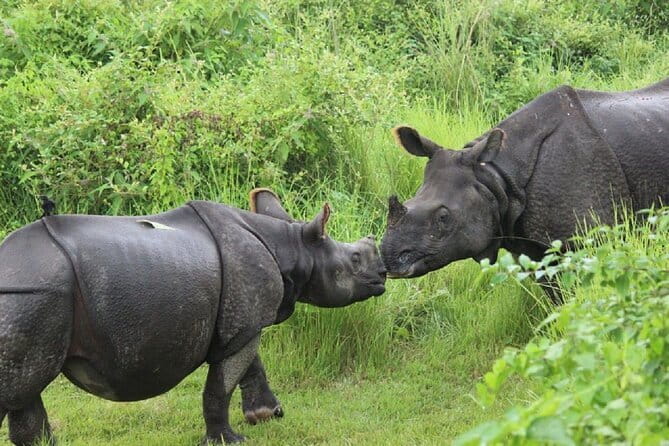
The route continues through alpine forest and the villages of Pangboche, Shomare, Orsho, and Tsuro Wog before reaching Dingboche. Along the way, the views include Taboche, Thamserku, Ama Dablam, Nuptse, Cholatse, and Lhotse.
The trail follows the Khumbila Khola valley and later the Imja Khola. This is a long day, listed at about eight hours, so it is one of the sections where modest fitness becomes important. The route description includes both Phorse and Tengboche in this part of the journey, so confirm the precise overnight stop with the operator.
Dingboche is another acclimatization base. You can rest in the village or take a higher walk toward Nagarjun Hill, Nangkartshang Peak, or Chhukung Ri. The stated options vary in difficulty and height. Nagarjun Hill is presented as the more manageable choice, with views toward Makalu, Lobuche, Thamserku, Ama Dablam, and other peaks. Chhukung Ri is listed at 5,546 meters, slightly higher than the stated height of Kalapathar, even though Kalapathar is described as the highest point of the trek.
That small inconsistency is worth clarifying. You should know which acclimatization hike is actually planned and whether it is optional. At this altitude, an optional climb is not a minor detail.
Lobuche and the memorials beside the Khumbu Glacier
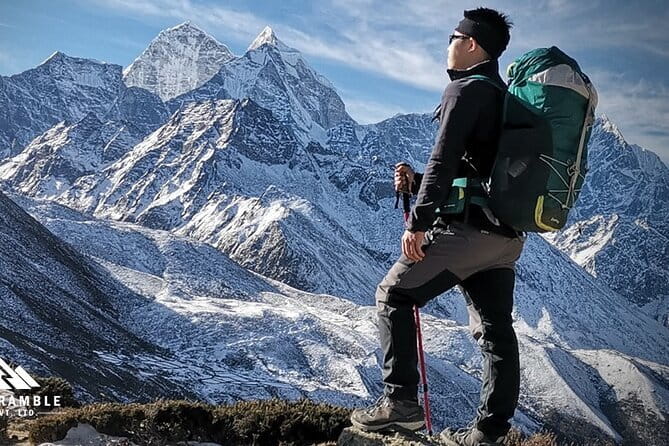
After Dingboche, the route becomes colder and more exposed. The walk to Lobuche takes about eight hours and includes a steep section near the terminal moraine of the Khumbu Glacier.
At Chupki Lhara, you pass stones and prayer flags honoring American mountaineer Scott Fischer and Babu Chhiri Sherpa, a Nepali climber who summited Everest ten times. This is one of the most moving parts of the route. The memorials remind you that the mountain is not simply a scenic backdrop. It has demanded courage, skill, and sometimes the highest possible price.
The trail crosses the Khumbu Glacier area, with views of Khumbutse, Lingtren, Pumori, and the Mahalangur range. You may notice early symptoms of altitude sickness here. Headache, unusual fatigue, nausea, and breathlessness should be reported to your guide rather than hidden. A good schedule helps, but no itinerary removes the risk of altitude illness.
Lobuche accommodation is in a tea house. Expect a basic mountain stay and less personal space than in Kathmandu. The reward is your position close to the final approach.
Everest Base Camp and the Gorakshep night
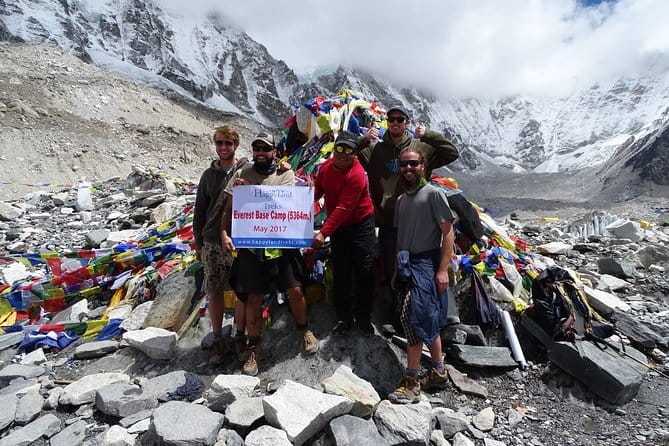
The walk from Lobuche toward Everest Base Camp and back to Gorakshep is one of the hardest and most important days. It takes about seven to eight hours and follows rough ground near the Changri Glacier.
At Thangma Riju, the route offers a broad mountain panorama. The description correctly notes that Everest itself is not clearly visible from every point on this approach. Nuptse and Pumori are especially prominent, while Kalapathar appears below Pumori as a gray, grassy rise.
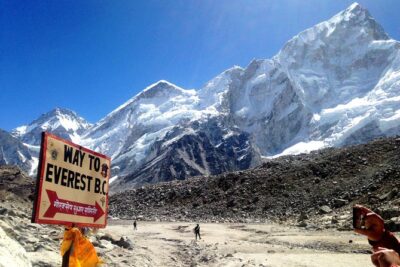
Everest Base Camp sits at about 5,364 meters. Reaching it is a major personal milestone, but the visual experience may not match the simple idea of a single grand viewpoint. The area is shaped by glacier, moraine, rock, and expedition activity. Your guide can help you understand what you are seeing.
You return to Gorakshep for the night. This is a demanding day, and the return matters as much as the walk in. Keep food and water close, carry warm layers, and do not rush the final miles just because Base Camp is behind you.
Kalapathar at first light
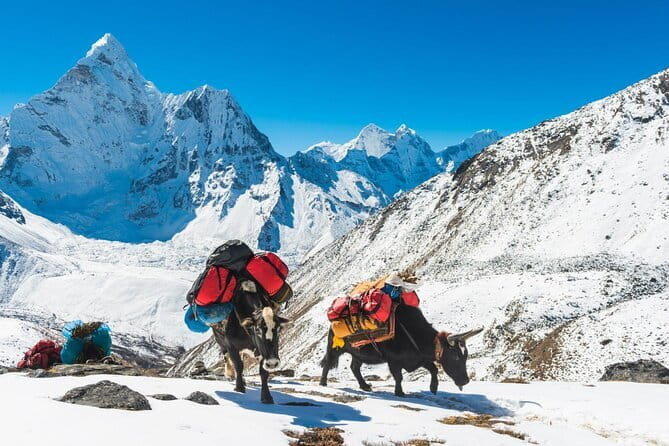
The next morning begins early. The purpose is to reach Kalapathar around sunrise, when the changing light reaches the high peaks. The climb takes hours, and the route description wisely recommends stopping often to catch your breath and take photographs.
From the upper route, you can see peaks such as Lingtren, Khumbutse, and Changtse. Gorakshep also offers a broad Himalayan view. Kalapathar is listed at 5,545 meters and is the tour’s signature high point.
This is not a casual viewpoint walk. You are climbing at extreme altitude after a tiring Base Camp day. The best approach is slow and patient. If you reach a point where your body is not responding well, tell your guide. The view is valuable, but returning safely is the real goal.
After lunch, the route descends toward Pheriche. That descent is welcome, though the trail can still be rough on tired knees.
The long return through Pangboche and Namche
The return to Namche takes about seven hours. You pass Duglha, Pheriche, Orsho, and Shomare before reaching Pangboche. The village is known for an old monastery associated with a local legend about yeti remains.
From Pangboche, the trail crosses the Dudh Koshi and drops through pine forest toward the Sansa junction. The route again provides views of Ama Dablam, Lhotse, Everest, and Tengboche. You reach Namche after lunch and spend the night there.
This is a good example of why the trek needs several days. The return is not just a quick walk downhill. Your legs are tired, the terrain remains uneven, and the altitude still affects your breathing. A guide who watches your pace and condition is worth far more than a rushed schedule.
The final trekking day leads from Namche back to Lukla. The route is steep in places, especially on rocky downhill sections. Use controlled steps and do not let the excitement of finishing make you careless.
The path crosses a suspension bridge over the Dudh Koshi, then continues through open ground and rhododendron forest. Distant snowy peaks appear as you lose altitude. Lukla brings a final mountain night before the flight to Kathmandu.
Guides, support, and the private format
The strongest pattern in the available feedback is the quality of personal support. Ghan is praised for airport help, gear assistance, trip planning, and quick responses. Santosh Tamang is singled out for helping prevent an injury. Raju, Lila, and Biru are also named for friendly, attentive guiding and porter support.
Guide assignments can change, so treat these names as examples rather than a promise that one particular person will lead your group. The more useful point is the level of hands-on help described: airport pickup, return transfers, gear advice, lodge bookings, and careful attention on the trail.
The trip is private, meaning only your group participates. That gives you more control over pace and rest stops than a large group departure. It can also mean that your group needs to communicate clearly with the guide. If one person wants an optional high hike and another needs rest, discuss the choice early.
Kathmandu finale and practical booking notes
After the flight from Lukla, you return to Kathmandu for shopping and time in the city. The final evening is set aside for celebrating the completed trek, followed by airport drop-off on day 14 unless you extend your stay.
The package offers free cancellation up to 24 hours before the local start time for a full refund. Changes or cancellations made within 24 hours are not accepted for a refund. The experience is recommended for people with moderate physical fitness, but that phrase should not be underestimated here. This is a high-altitude trek with several long days, not a gentle sightseeing walk.
FAQ
How long is the Everest Base Camp trek?
The experience lasts approximately 14 days, beginning and ending in Kathmandu. It includes two Kathmandu nights and mountain lodge stays, though the accommodation count should be confirmed because the supplied details describe the nights in two different ways.
What is the highest altitude on the route?
Kalapathar is listed at 5,545 meters. Chhukung Ri is also listed as an optional acclimatization hike at 5,546 meters, so ask the operator to clarify which high point is included in your plan.
Are Lukla flights included?
Yes. The package includes flights to and from Lukla. It also mentions transport to Ramechhap, which may be used for the flight connection, so confirm the exact airport and transfer plan before departure.
Are meals included during the trek?
Breakfast, lunch, and dinner are included during the mountain portion, along with tea and coffee. Food in Kathmandu beyond the included hotel breakfast is not covered.
Is this a private trip?
Yes. Only your group participates in the activity. Airport pickup and drop-off by private car are included, while the Ramechhap transfer is listed as shared unless you pay for a private vehicle.
Who is this trek best for?
It suits someone with moderate physical fitness who wants a fully organized Everest Base Camp route with guides, porters, meals, lodging, acclimatization days, and transport arranged. It is not a good choice if you are looking for a low-effort holiday or dislike long walking days at high altitude.
Should you book this Everest Base Camp trek?
I would consider this a good-value choice for a first Everest Base Camp attempt, especially if you want help with flights, accommodation, meals, airport transfers, and local guiding. The acclimatization plan is sensible, and the personal care described around guides, gear, lodge bookings, and injury prevention is the package’s strongest feature.
Before booking, confirm the accommodation nights, the Ramechhap and Lukla flight arrangement, the exact guide assignment, and the optional Dingboche hike. If you accept the cold, long walking days, basic tea houses, and altitude risk, this route gives you the classic Khumbu experience at a competitive price. If you want comfort above all else, or if your fitness is uncertain, choose a slower itinerary with more rest days.
Recently added around Kathmandu
- Ghorepani Poon Hill Trek★ 5.0 · 16 reviews
- Private Manaslu Circuit Trek at Himalayas★ 5.0 · 3 reviews
- Amazing 1 Day Trekking Experience in Kathmandu Nepal★ 5.0 · 24 reviews
- Ghorepani Poonhill Trek★ 5.0 · 5 reviews
- Upper Mustang Trekking★ 5.0 · 2 reviews
- Upper Mustang Trekking★ 5.0 · 4 reviews
- Upper Mustang Trek★ 5.0 · 5 reviews
- Upper Mustang Trekking★ 3.0 · 2 reviews
Everest Base Camp Treks, compared.




Browse the lists this tour appears in