
REVIEW · KATHMANDU
Everest Base Camp trek 12 days from Kathmandu
Everest begins with a small plane. This 12-day trek from Kathmandu combines the short flight to Lukla with a steady walk through the Khumbu, reaching Everest Base Camp at 5,320 meters and Kala Patthar at 5,550 meters. I like the thoughtful acclimatization schedule, especially the extra day around Namche and Dingboche, and I like that the $1,600 price includes flights, meals, lodging, permits, gear, and a licensed guide.
The route also gives you more than a famous endpoint. You visit Namche Bazaar, walk to the Hotel Everest View, see Tengboche Monastery, and pass the Khumbu Glacier. The main concern is the pace: reaching Base Camp and returning from Gorak Shep in one long day is demanding, and the Lukla flight schedule can change, particularly during busy seasons.
Key points before you book
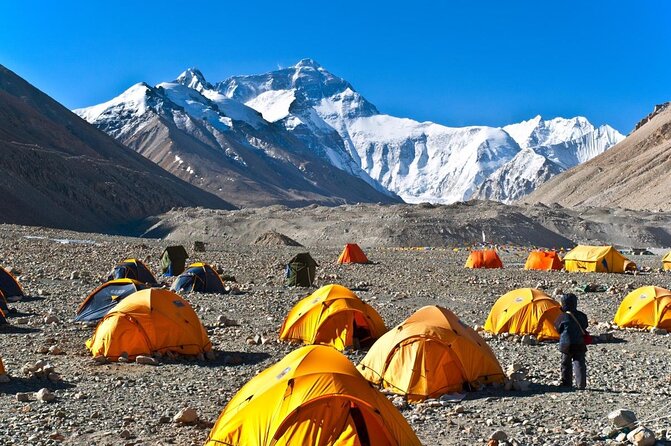
- Everest Base Camp and Kala Patthar are separate highlights: You reach Base Camp on Day 8, then climb higher to Kala Patthar the next morning for the clearest stated viewpoint of Everest.
- Two acclimatization days are built in: One is based in Namche Bazaar, with a hike to the Hotel Everest View, and the other is in Dingboche, with a climb toward Nagarjun Hill.
- The $1,600 package covers the big costs: Flights, guesthouse lodging, three daily meals, permits, guide service, a duffle bag, sleeping bag, down jacket, and walking pole are included.
- Peak-season flights may use Ramechhap: From March to May and September to November, you may face a five to six-hour shared transfer from Kathmandu to Ramechhap Airport.
- The trip is private for your group: You are not placed into a general trekking party, although airport transfers are shared.
- Basic fitness is expected, not previous trekking experience: The altitude and long walking days matter more than technical climbing ability.
What the 12-day route really offers
This is a classic Everest route with a brisk schedule. You spend the first week gaining height gradually, then make the high-altitude push to Gorak Shep and Base Camp. The route returns by a different sequence, with Pheriche replacing Dingboche on the way down.
I like this design because it keeps the journey focused. You are not spending several extra days on side valleys or high passes. At the same time, the schedule leaves little spare time for delays, slow acclimatization, or weather trouble. Your guide’s judgment will matter, especially above Dingboche.
The company has received strong praise for its organization, guides, porters, teahouses, and evening briefings. One useful detail is that guides reportedly explain the next day each evening and can identify the surrounding peaks as you walk. That kind of steady communication is valuable when the altitude makes every decision feel larger than it should.
More Everest Base Camp Treks in Kathmandu:
- Everest Base Camp Trek – 14 Days
★ 5.0 · 1,499 reviews - Everest Base Camp Trek
★ 5.0 · 842 reviews - Everest Base Camp Trekking
★ 5.0 · 485 reviews
Day 1: Lukla to Phakding after the mountain flight
Your stated start time is 5:15 am, followed by a roughly 40-minute flight from Kathmandu or Ramechhap to Lukla. From Lukla, you walk three to four hours to Phakding at about 2,652 meters.
The flight is short, but it sets the tone. The route depends on small-aircraft operations and mountain weather, so you should not treat the morning timing as a guarantee that everything will happen on the minute. Once on foot, the walk to Phakding is a useful first day because it gets you moving without immediately sleeping at a much higher altitude.
Phakding is a simple overnight stop rather than a major sightseeing destination. That is fine. Your main job is to eat, rest, and prepare for the longer climb to Namche.
Day 2: The long climb to Namche Bazaar
The walk from Phakding to Namche takes six to seven hours and reaches about 3,440 meters. This is the first day that feels like a real test, with a longer walking time and a clear gain in height.
Namche Bazaar is the social and practical center of the Everest region. It is also where the trip changes from a pleasant mountain walk into a high-altitude trek. You have reached a place where rest days are not wasted time. They are part of the route’s safety plan.
The distance and walking time are manageable for someone with moderate fitness, but you should not underestimate the climb. A slow pace is useful here. Let the guide set the rhythm, keep drinking the permitted fluids you choose to purchase, and avoid trying to prove anything on Day 2.
Day 3: Namche and the Hotel Everest View
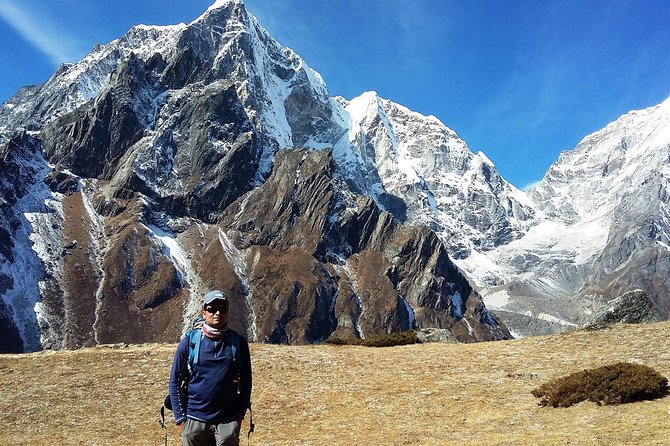
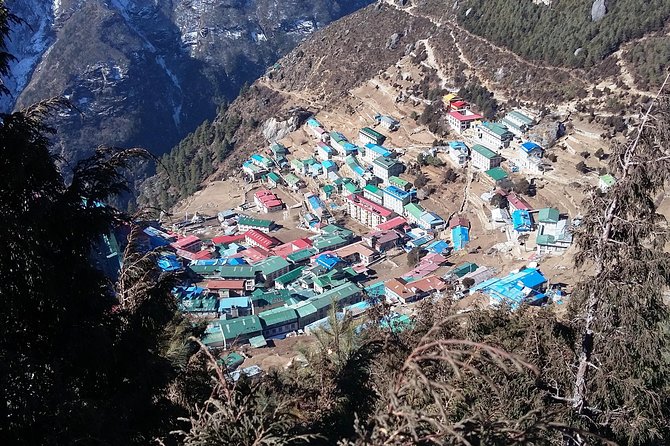
The acclimatization day includes a three to four-hour hike toward the Hotel Everest View at about 3,900 meters. The idea is simple: walk higher during the day, then sleep lower in Namche.
This is one of my favorite parts of the plan. You get a mountain view without giving up a night at the lower altitude. The stop also gives you time to explore Namche Bazaar instead of rushing through it on the way up.
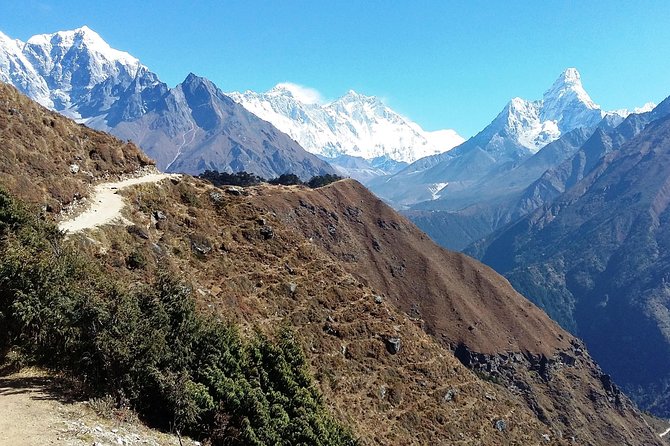
The route description highlights views toward Everest and the surrounding Khumbu peaks. The point is not only the photograph. You are teaching your body how it feels to work at altitude before the more serious days ahead.
A few more treks around Kathmandu worth a look
- Annapurna Circuit Trek with Tilicho Lake
★ 5.0 · 368 reviews - Everest Base Camp Trekking – 13 Day
★ 5.0 · 365 reviews - Everest Base Camp Trek
★ 5.0 · 350 reviews - Everest Base Camp Trek -14 Days
★ 5.0 · 321 reviews
Day 4: Tengboche Monastery and the walk from Namche
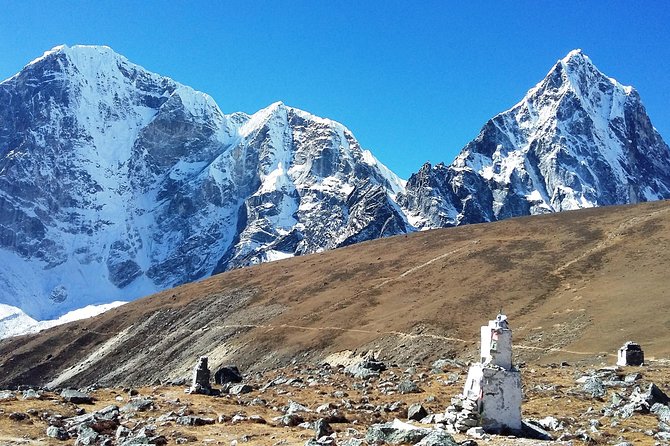
From Namche, you walk five to six hours to Tengboche at about 3,860 meters. The distance is moderate by Everest standards, but the route still includes the repeated ups and downs that make Himalayan trekking tiring.
Tengboche Monastery is one of the most meaningful stops on the route. It is an important religious site for the region, and its setting gives the day a cultural focus that a simple mountain viewpoint cannot provide. You are not only ticking off altitude points. You are passing through a living place of worship connected to the communities of the Khumbu.
Tengboche is also a reminder that this trek is not simply a march toward a famous sign at Base Camp. The monastery, villages, trails, and local mountain culture are part of the experience.
Day 5: Dingboche at 4,410 meters
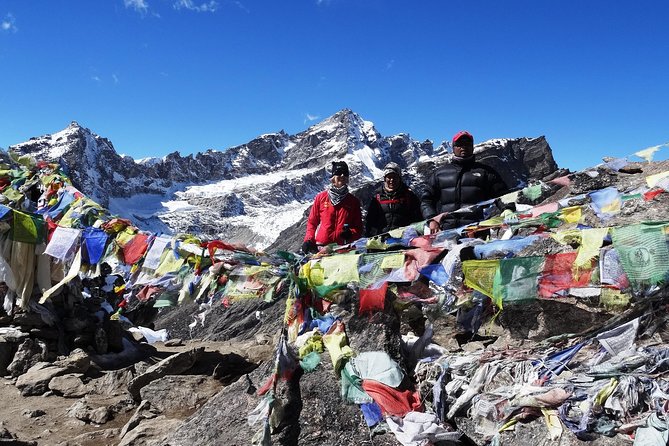
The walk from Tengboche to Dingboche takes five to six hours. Dingboche sits at roughly 4,410 meters, so you will notice the altitude more clearly here.
This day is important because it places you near the high section of the trek without forcing the final push immediately. The scenery becomes more severe as you gain height, and the walking rhythm tends to slow. That is normal. A guide who keeps the group moving at a controlled pace is worth having.
The included twin-share guesthouse accommodation keeps the arrangements straightforward. Lodges at this point are functional rather than luxurious, and the package does not include hot showers, internet, battery charging, or drinks. Budget for those separately if you want them.
Day 6: Acclimatization at Nagarjun Hill
The second acclimatization day includes a four to five-hour hike toward Nagarjun Hill, reaching about 5,100 meters. This is a high practice day before the route continues toward Lobuche.
I value this stop because it gives your body another chance to adjust before you sleep even higher. It also lets you experience the effort of walking above 5,000 meters without making that elevation your overnight base.
The schedule describes this as an acclimatization hike, not a casual stroll. You should expect thin air and a slower pace. If you develop serious altitude or health concerns, the listed price does not cover rescue, helicopter flights, evacuation, or medical costs. Insurance that includes high-altitude trekking is essential.
Day 7: Dingboche to Lobuche
The walk to Lobuche takes four to five hours and reaches approximately 4,910 meters. Compared with some of the longer days, the walking time looks modest. The altitude makes it feel less modest.
Lobuche is a staging point for the next day’s major goal. You will want an early night and a practical approach to food and rest. The guide’s evening briefing is especially useful here, since the following day combines the walk to Gorak Shep with the hike to Base Camp.
This is a good place to remember that the endpoint is not the only challenge. Your energy management matters. Save some strength for the return from Base Camp to Gorak Shep.
Day 8: Gorak Shep, Everest Base Camp, and the Khumbu Glacier
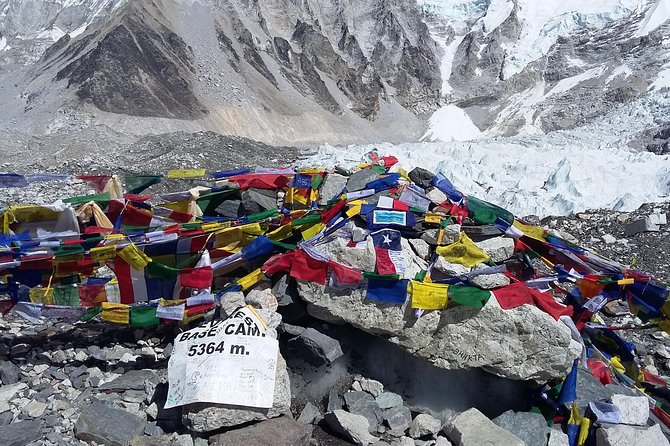
Day 8 is the big one: seven to eight hours from Lobuche to Gorak Shep, followed by the hike to Everest Base Camp at 5,320 meters. The route reaches the Khumbu Glacier, the dramatic field of ice associated with expeditions heading toward Everest.
Base Camp is a major achievement, but it is not the summit of Everest and does not offer the classic high viewpoint of the mountain. The glacier, expedition setting, and sense of arriving at the start of the world’s best-known high-altitude climb are the main rewards.
This is also one of the most demanding days. You are walking high, and the return to Gorak Shep comes after you have already reached the goal. Keep expectations realistic. The terrain may feel rough, the air will be thin, and a seven to eight-hour day is a long day even at lower elevations.
Day 9: Kala Patthar and the descent to Pheriche
You leave Gorak Shep for Kala Patthar, climb to about 5,550 meters, and then continue to Pheriche at approximately 4,371 meters. The total walking time is listed as six to seven hours.
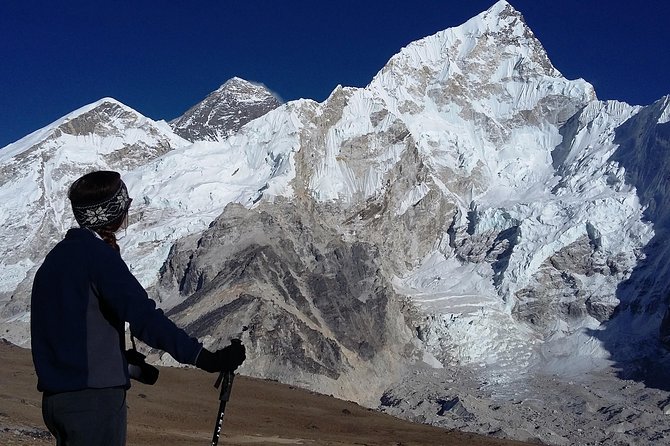
For many people, Kala Patthar is the visual high point of the trip. It offers close views of Mount Everest and a 360-degree panorama of the Khumbu mountains. Because you climb higher than Base Camp, it can provide a better overall mountain perspective, even though Base Camp carries the stronger symbolic meaning.
The descent to Pheriche is welcome, but do not assume it will feel easy. Descending over uneven ground after a high morning climb can be hard on your knees and feet. The drop in sleeping altitude should help, but the day still deserves respect.
Days 10 and 11: Back through Namche to Lukla
Day 10 takes you from Pheriche to Namche Bazaar in six to seven hours. It is a long return day, but the lower altitude should make breathing easier than it was near Gorak Shep.
Day 11 continues from Namche to Lukla, also listed at six to seven hours. This final walking day gives you a chance to recognize how much ground you have covered since the first morning. Khumjung is included among the route’s named places, although the daily schedule does not specify a separate stop there, so you should not assume a dedicated visit unless your guide confirms it.
The route then finishes with the flight back toward Kathmandu or Ramechhap on Day 12. Build patience into your plans. Mountain flights can be affected by weather and operating conditions, and a tight international connection would be a poor idea.
Ramechhap flights and the early morning transfer
During March to May and September to November, flights to Lukla operate from Ramechhap because of heavy air traffic in Kathmandu. Ramechhap is a five to six-hour drive from Kathmandu.
You have two stated choices: travel to Ramechhap the day before and stay overnight, or leave Kathmandu at about 1 am on the flight day. The transfer is shared, and airport pickup and drop-off are included according to the schedule.
This is the least comfortable part of the logistics. The 1 am option saves an overnight stay but costs you sleep before the trek. The previous-day option is gentler on your body but adds a night away from Kathmandu. Ask for the current plan before departure, especially if your trip falls in one of those peak periods.
What the $1,600 price includes
At $1,600 per person, the package offers good value if you need a complete supported trek rather than a collection of separate bookings. The major inclusions are:
- Return flights between Kathmandu or Ramechhap and Lukla
- Twin-share guesthouse or lodge accommodation
- Breakfast, lunch, and dinner during the trek
- A government-licensed guide
- Trek permits and required fees
- Duffle bag, down jacket, sleeping bag, and walking pole
- Trekking map and trip achievement certificate
- Government taxes, VAT, and office service charges
That is a substantial bundle. You are not paying only for guiding. Transport, food, basic equipment, lodging, and permits are already grouped into the price.
The exclusions still matter. Drinks, bottled or boiled water, tea, coffee, hot chocolate, beer, internet, phone calls, laundry, hot showers, battery charging, tips, and personal purchases are extra. A porter is also not included. You can request one if needed, but the cost is separate.
Rescue, helicopter flights, insurance, cancellation costs, accidents, health emergencies, and evacuation are also excluded. Read that part carefully and arrange suitable insurance before you go.
Service style and who will enjoy it
The trip is described as a private activity for your own group, which should give you more control than a large mixed party. Airport transfers are shared, so the private format does not apply to every transport segment.
The strongest service points are the guides and the organization. Feedback connected with the company repeatedly highlights helpful guides and porters, good teahouse arrangements, clear communication, and careful support. One person who used the company more than once specifically praised the team for making both an Everest Base Camp and Island Peak trip run well. Another praised the guide’s evening explanations and ability to name the surrounding mountains.
You should book this trek if you can handle repeated six to eight-hour walking days, accept basic lodge conditions, and want a guided route with the major costs arranged. You do not need previous trekking experience according to the tour details, but you do need moderate physical fitness and a sensible attitude toward altitude.
This is less suitable if you want a relaxed holiday, private rooms, flexible rest days, or a trip with no early starts. The schedule is efficient, but it is not leisurely.
Final decision: Is this Everest Base Camp trek worth booking?
I would consider it a strong choice for a first Everest Base Camp trek, mainly because the route includes two acclimatization days, a licensed guide, meals, permits, flights, and useful gear at a clear price. The Hotel Everest View, Tengboche Monastery, Base Camp, Khumbu Glacier, and Kala Patthar give you a good range of mountain and cultural stops.
Before paying, confirm three things: the flight airport for your dates, the porter cost if you want extra support, and exactly what insurance coverage is expected. Also keep at least 24 hours of flexibility around the flights if your wider Nepal plans allow it.
The cancellation policy permits a full refund when you cancel at least 24 hours before the start time. Changes or cancellations inside that window are not accepted or refunded. If the route, altitude, included gear, and early starts fit your expectations, this is a well-priced, focused way to reach Everest Base Camp without arranging every part yourself.
FAQ
How long is the Everest Base Camp trek?
The experience lasts approximately 12 days, including the flight from Kathmandu or Ramechhap to Lukla, the trek to Everest Base Camp, and the return flight.
What is the highest point on the route?
Kala Patthar is the highest listed point at approximately 5,550 meters. Everest Base Camp is listed at 5,320 meters.
Is previous trekking experience required?
No. The trek is described as suitable for people with basic fitness and no prior trekking experience. You should still be prepared for several six to eight-hour walking days at high altitude.
Are flights to Lukla included?
Yes. The package includes the flight from Kathmandu or Ramechhap to Lukla and the return flight from Lukla to Kathmandu or Ramechhap.
Where do flights operate during peak seasons?
From March to May and September to November, flights to Lukla operate from Ramechhap Airport because of high air traffic in Kathmandu.
How do I get to Ramechhap Airport?
The shared transfer from Kathmandu takes approximately five to six hours. You can travel to Ramechhap the day before and stay overnight, or leave Kathmandu at about 1 am on the day of the flight.
Are meals included during the trek?
Yes. Breakfast, lunch, and dinner are included during the trekking portion of the trip.
Is accommodation included?
Yes. Accommodation is provided in guesthouses or lodges on a twin-sharing basis.
Are rescue and insurance included?
No. Insurance, rescue, helicopter flights, evacuation, accidents, health emergencies, and cancellation costs are excluded. Personal expenses, drinks, tips, and porter service are also separate.
Recently added around Kathmandu
- Ghorepani Poon Hill Trek★ 5.0 · 16 reviews
- Private Manaslu Circuit Trek at Himalayas★ 5.0 · 3 reviews
- Amazing 1 Day Trekking Experience in Kathmandu Nepal★ 5.0 · 24 reviews
- Ghorepani Poonhill Trek★ 5.0 · 5 reviews
- Upper Mustang Trekking★ 5.0 · 2 reviews
- Upper Mustang Trekking★ 5.0 · 4 reviews
- Upper Mustang Trek★ 5.0 · 5 reviews
- Upper Mustang Trekking★ 3.0 · 2 reviews
Everest Base Camp Treks, compared.






Browse the lists this tour appears in