
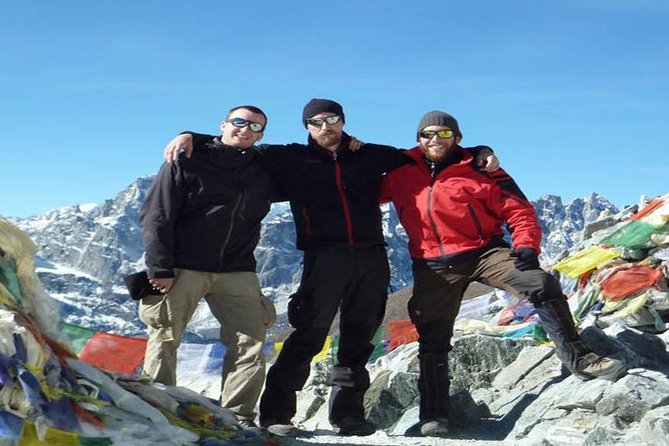
REVIEW · KATHMANDU
Everest Base Camp Trek
The trail earns its reputation every day. This 12-day Everest Base Camp trek combines huge Himalayan views with village life, historic monasteries, Sherpa hospitality, tea-house stays, meals, permits, and an experienced local guide. With a maximum of 10 people, it offers more personal attention than a large coach-style tour ever could.
I especially like the small-group format and the fact that the $1,590 price covers the main pieces that can make a Himalayan trek expensive: accommodation, meals, national park fees, local taxes, transfers, and guiding. I also like the cultural side of the route, since you are not simply walking toward a famous viewpoint. You spend nights in mountain villages and see how life works at high altitude.
The main caution is simple: this is a serious trek, not a sightseeing stroll. You should expect to hike roughly six or seven hours most days, sleep in basic tea houses, and arrive with a strong level of fitness. Drinks, city meals, monastery entrance fees, and personal purchases cost extra, so the advertised price is not the final bill.
Key points to know before booking
- A 12-day route to Everest Base Camp: You spend nearly two weeks walking through the Everest region, with the trek focused on scenery, village life, and mountain culture.
- Tea-house accommodation: Nights are spent in local lodges, giving you a practical taste of Sherpa hospitality rather than resort-style comfort.
- Small groups of up to 10 people: This size can make it easier to keep pace, ask questions, and get help when the trail becomes demanding.
- Six to seven hours of hiking most days: You need strong physical fitness and a willingness to walk for long stretches in changing mountain conditions.
- The $1,590 price includes the essentials: Accommodation, meals listed in the itinerary, permits, national park fees, guide services, taxes, and hotel pickup and drop-off are included.
- A company with strong customer-service praise: Rajesh, Dinesh, Orsun, Resham, Prakash, and Ganesh are named in customer accounts as helpful members of the wider guiding team.
What the 12 days are really buying you
At $1,590 per person, this trek is not cheap in the usual holiday sense. It is good value if you want the major arrangements handled for you and prefer to spend your energy walking instead of organizing permits, meals, lodging, transfers, and guides.
The package includes accommodation according to the planned route, meals as specified, local taxes, national park fees, a professional guide, and hotel pickup and drop-off. Those inclusions matter in Nepal, where a trip can quickly become complicated once you add transport, mountain lodging, park access, and food day after day.
The price does not include drinks during the trek. Mineral water, cola, Fanta, and other purchased beverages come out of your pocket, as do alcoholic drinks, city meals, souvenirs, photographs, and temple or monastery entrance fees. Carry a realistic extra budget for those items.
The group limit of 10 is another useful part of the value calculation. A smaller group usually means less waiting and more direct contact with your guide. It also gives the group a better chance of moving at a sensible shared pace, though nobody should assume that every person will walk at exactly the same speed.
More Everest Base Camp Treks in Kathmandu:
- Everest Base Camp Trek – 14 Days
★ 5.0 · 1,499 reviews - Everest Base Camp Trek
★ 5.0 · 842 reviews - Everest Base Camp Trekking
★ 5.0 · 485 reviews
Leaving Kathmandu for the mountain trail
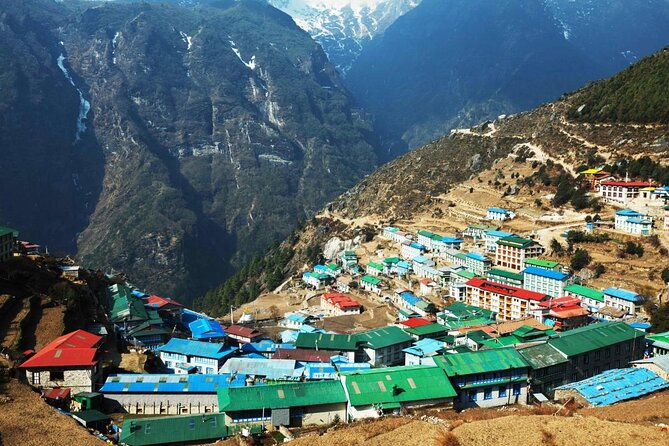
Kathmandu is the starting point, and hotel pickup and drop-off are included. The early start listed for the experience, from 6:15 AM onward, suggests that you should be ready for a full day of movement rather than a slow morning.
The Everest trek is not only about the final arrival at base camp. From the beginning, the appeal comes from moving through mountain settlements, seeing preserved local customs, and watching the built environment change as the route climbs. Villages and monasteries give the walking days a human dimension, so the trip does not become a long parade of mountain photographs.
The operator also asks for each participant’s passport name, passport number, expiry date, and country at booking. Have those details ready. Confirmation is provided at the time of booking, which is useful when you are coordinating flights, hotels, and time away from home.
Customer accounts describe the company as responsive before arrival, with Rajesh often handling planning and communication. One especially practical point is the company’s help when flight delays affected a connection to Lukla. That does not remove the risk of weather-related disruption, but it suggests that active communication is part of the service.
Walking six or seven hours through the Everest region
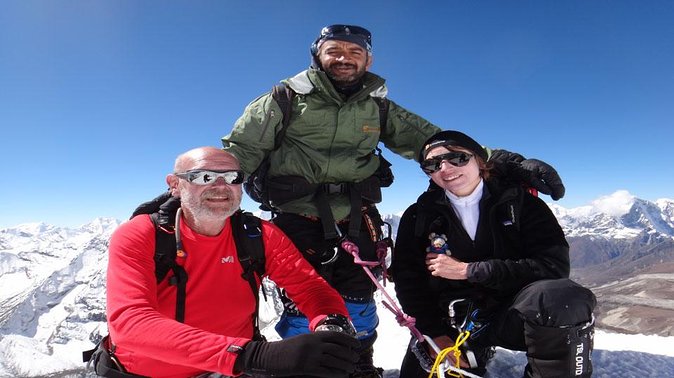
The physical demand is the central fact of this experience. You should expect approximately six or seven hours of hiking each day, not counting every short pause. The route takes you through the Himalayas, where the combination of long walking days and altitude can make a familiar distance feel much harder.
That is why the strong-fitness requirement should be taken seriously. This trek suits you if you already enjoy long days on foot, can handle uneven trails, and are comfortable being tired at the end of the day. It is not the right choice if you want a flexible sightseeing program with short walks and plenty of spare time.
The reward is a slower connection with the area. You have time to notice the flora and fauna, talk with your guide about mountain life, and watch the villages and views change as you proceed. The walking itself is the main activity, not merely a way to reach a photo stop.
A small group can help here. If you have a question about the trail, local culture, or the day’s effort, you can ask directly rather than waiting for a guide to work through a crowd. Named guides in customer accounts include Dinesh, Orsun, Resham, Prakash, and Ganesh, while Rajesh is repeatedly associated with the company’s planning and management.
Tea houses and the practical side of Sherpa hospitality
Tea-house accommodation is one of the most appealing parts of this trip, but you should understand what it means. These are mountain lodges designed to support trekkers, not full-service hotels. They give you a bed, meals, and a place to recover, while also bringing you closer to the daily rhythm of the villages.
The arrangement is valuable because you stay within the communities along the route. You are not sealed away in a private resort or transported between isolated camps. The lodges make the culture of the Everest region part of the trip, even when the day’s walking has left you ready for an early night.
Comfort can be basic. The supplied information does not promise private rooms, heating arrangements, or particular bathroom facilities, so ask the operator for current lodging details before you pay. Tea-house stays are a feature, not a flaw, but you should choose this experience with realistic expectations.
Meals according to the itinerary are included, marked as breakfast, lunch, and dinner. Drinks are not included, including mineral water and soft drinks. That distinction is easy to miss when planning your budget, especially during several days in the mountains.
A few more treks around Kathmandu worth a look
- Annapurna Circuit Trek with Tilicho Lake
★ 5.0 · 368 reviews - Everest Base Camp Trekking – 13 Day
★ 5.0 · 365 reviews - Everest Base Camp Trek
★ 5.0 · 350 reviews - Everest Base Camp Trek -14 Days
★ 5.0 · 321 reviews
Villages, monasteries, and more than a mountain checklist
The trek includes visits to villages and historic monasteries, which gives the route more depth than a simple out-and-back walk. These stops let you connect the dramatic scenery with the people and traditions of the region.
Monasteries are also where extra charges may appear. Temple and monastery entrance fees are excluded, so keep some local currency or another practical way to pay for them. The exact fees are not given, and the schedule can vary with the route and conditions.
The cultural program is not presented as a separate lecture or formal museum visit. Instead, it comes through walking, staying in tea houses, and learning about the area from your guide. That can be more memorable than a quick stop with a rehearsed explanation, provided you take the time to ask questions.
You should also remember that the route is protected in part by the national park system. National park fees are included, which removes one important administrative task from your trip. The scenery may be the headline, but these fees support access to and management of the protected area.
The famous arrival at Everest Base Camp
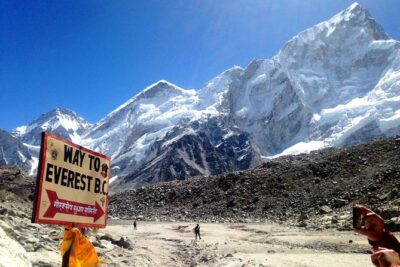
Reaching Everest Base Camp is the emotional center of the trek. You have spent days walking, adapting to the conditions, and moving through mountain communities before arriving at the foot of the world’s tallest mountain.
The experience is about the route as much as the endpoint. The views begin long before base camp, and the villages, monasteries, flora, fauna, and changing mountain conditions make the approach meaningful. If you treat the final stop as the only reason to go, you may miss what makes the trip worthwhile.
The supplied information does not give the exact daily distances, elevations, overnight villages, or acclimatization schedule. Ask for the full day-by-day plan before booking, especially if you want to understand how the 12 days are divided between walking, rest, and transfers.
That missing detail is the biggest information gap in the description. The company may have a carefully planned route, but you should see it in writing. A proper schedule helps you judge the daily effort and prepare the right clothing, footwear, and personal supplies.
Guides, communication, and the value of local support
Guiding is a major reason to choose an organized trek rather than arranging every detail independently. The included professional guide handles the route support while you focus on walking, eating, resting, and taking in the views.
The strongest praise connected with this company centers on communication, reliability, and personal care. Rajesh is repeatedly described as responsive during planning, while guides including Dinesh, Prakash, Resham, and Orsun are associated with patience, humor, energy, and help during harder moments.
That is especially important on a trek where plans may need to change. A flight delay, poor weather, or a difficult day can affect the schedule. A local team that communicates clearly is worth paying for, even if you are capable of finding your own lodging and meals.
Still, you should ask who will lead your particular departure. The named guides come from different trips and routes, so they should not be treated as a guarantee that one specific person will guide your group. Request the guide’s name and the current itinerary if those details matter to you.
Weather, delays, and the limits of a fixed schedule
Mountain weather can affect flights and trail plans. The cancellation terms say that if poor weather causes the experience to be canceled, you will be offered another date or a full refund. That is a useful safeguard, but it does not guarantee that your wider holiday plans will remain unchanged.
You can cancel for a full refund if you do so at least 24 hours before the experience begins. Cancellations or changes made inside that window are not accepted for a refund, and the cut-off uses local time.
The practical lesson is to build some flexibility into your Nepal plans. Do not schedule an important international flight immediately after the trek if you can avoid it. The operator may respond well when plans change, but mountain weather remains outside anyone’s control.
Who should book this Everest trek
I would recommend this trip to you if you want the classic Everest Base Camp experience with a local guide and the main costs arranged in advance. It suits hikers who value cultural contact, long days outside, and simple lodging more than comfort and privacy.
It is also a good fit for solo trekkers who would rather join a small group than walk alone. The customer accounts include solo trips, couples, groups of friends, and families on longer variations in the Everest region. This particular program, however, is described as a 12-day trek and requires strong fitness.
You should think twice if you dislike basic accommodation, need a short daily schedule, or want every expense included. Drinks, city food, entrance fees, photographs, souvenirs, and alcoholic beverages are not covered.
The 100 percent recommendation rate and 5-star rating from 66 reviews are encouraging, especially alongside the repeated praise for Rajesh and the guiding team. I would still read the itinerary carefully and ask direct questions before booking, because the exact daily schedule and accommodation details are not supplied here.
Final verdict: a strong choice for prepared hikers
I would book this trek if I wanted a well-supported route to Everest Base Camp without joining a large group. The combination of tea houses, Sherpa contact, village and monastery visits, included meals and permits, and a maximum of 10 people gives the experience real value.
The important condition is preparation. You need to be ready for six or seven hours of hiking most days, basic tea-house lodging, extra costs for drinks and entrance fees, and possible weather disruption. If you accept those limits, the trip offers more than a famous destination. It gives you time to walk through the Everest region at ground level, with local support and a practical structure.
FAQ
How long is the Everest Base Camp trek?
The experience lasts approximately 12 days.
How much does the trek cost?
The listed price is $1,590 per person.
How many people can join the group?
The maximum group size is 10 participants.
Is hotel pickup and drop-off included?
Yes. Hotel pickup and drop-off are included.
What meals are included?
Meals are included according to the itinerary, with breakfast, lunch, and dinner identified as B, L, and D.
What fitness level is required?
The experience requires a strong physical fitness level. You should expect to hike roughly six or seven hours each day in the Himalayan region.
Recently added around Kathmandu
- Ghorepani Poon Hill Trek★ 5.0 · 16 reviews
- Amazing 1 Day Trekking Experience in Kathmandu Nepal★ 5.0 · 24 reviews
- Private Manaslu Circuit Trek at Himalayas★ 5.0 · 3 reviews
- Ghorepani Poonhill Trek★ 5.0 · 5 reviews
- Upper Mustang Trekking★ 5.0 · 2 reviews
- Upper Mustang Trekking★ 3.0 · 2 reviews
- Upper Mustang Trekking★ 5.0 · 4 reviews
- Upper Mustang Trek★ 5.0 · 5 reviews
Everest Base Camp Treks, compared.
Browse the lists this tour appears in