
REVIEW · KATHMANDU
Everest Base Camp Trek
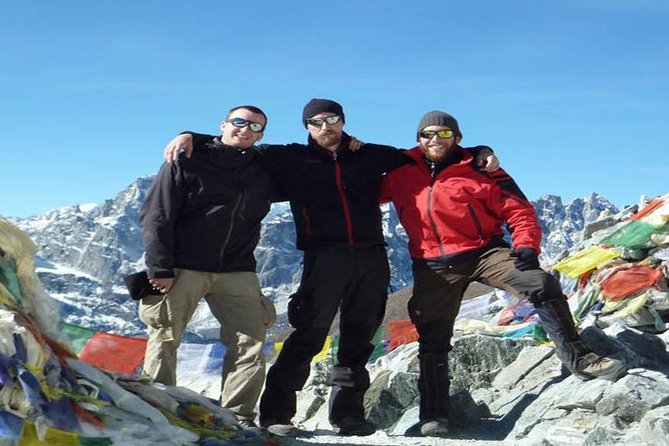
Big mountains demand patient feet. This guided Everest Base Camp trek gives you 11 days on Himalayan trails, with flights, lodging, meals, guides, and porter support arranged in advance. I especially like the airport pickup and the practical help from the Sublime Trails team, including guides such as Suman, Prakash, Ajit, and Bibek.
I also like that the package includes the awkward but important pieces: permits and government paperwork, flights between Kathmandu and Lukla, staff accommodation, and a first-aid kit carried by the guide. The main caution is simple: this is a serious high-altitude trek, not a sightseeing walk, and the package details contain a timing error that you should clarify before booking. The experience is described as lasting about two weeks, although one section lists 14 to 15 minutes.
Key points before you book
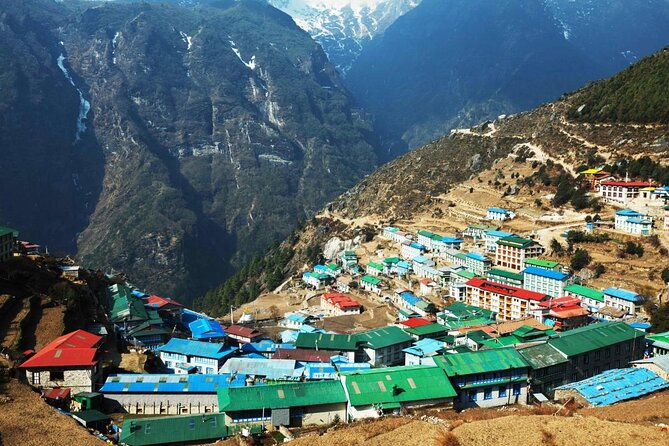
- Lukla is the real starting point: After flying from Kathmandu, you walk beside the Dudh Koshi River for about three hours to Phakding.
- The package covers the big costs: Flights, Kathmandu hotels, trekking lodges, meals during the trek, guides, porters, transfers, permits, and taxes are included.
- You still need a personal budget: Drinks, bottled or boiled water, hot showers, internet, laundry, battery charging, tips, insurance, visas, and personal purchases cost extra.
- The group can reach 16 people: That is small enough for organized support, but it is not a private trek.
- Guide quality is a major strength: Specific guides praised in the supplied material include Suman, Prakash, Ajit, Bibek, Dawa, and Lakshman.
- Flight delays can affect the plan: The route relies on Kathmandu to Lukla and return flights, so flexibility and insurance matter.
Kathmandu: a useful first day before the mountains
Your trip begins with an airport pickup in Kathmandu. A representative transfers you to a three-star hotel, where you can rest, eat breakfast, and receive a briefing about the trek.
This is more useful than it may sound. Kathmandu can be tiring after an international flight, and having someone meet you removes one early problem. You do not need to negotiate a ride, find the hotel, or work out where the briefing will happen. The two included Kathmandu hotel nights also give you a place to recover before or after the high-altitude section.
The rest of your first day is open. You can shop for missing trekking items or walk around Thamel, the city’s well-known visitor district. Keep this time practical. Check your clothing, organize your bag, charge your devices, and confirm that you understand the next morning’s departure plan.
The city portion is short, and the supplied schedule lists only 15 minutes for the first stop. That almost certainly refers to an activity or transfer segment rather than the full Kathmandu stay. Ask Sublime Trails for the exact day-by-day schedule before you pay, especially because the overall listing also gives an incorrect 14 to 15 minute duration for what is described elsewhere as a two-week trip.
More Everest Base Camp Treks in Kathmandu:
- Everest Base Camp Trek – 14 Days
★ 5.0 · 1,499 reviews - Everest Base Camp Trek
★ 5.0 · 842 reviews - Everest Base Camp Trekking
★ 5.0 · 485 reviews
Flying to Lukla and walking to Phakding
The mountain route begins with the flight from Kathmandu to Lukla. After landing, you receive a trek briefing and start walking. The first section follows the Dudh Koshi River for about three hours before reaching Phakding, where you spend the night.
This first day gives you a gentle introduction to the walking rhythm. You are not immediately asked to tackle the hardest section. Instead, you meet the trail, settle into the pace, and begin adjusting to the change from city streets to mountain paths.
The package includes the round-trip flights, which is a major convenience. It also means your plans depend on mountain aviation. The supplied experience details and several personal accounts point to flight delays and difficult logistics around Lukla, including on return journeys. Your guide can help manage those changes, but you should still carry travel insurance that covers delays, evacuation, cancellation, and medical emergencies.
The listed walking time is about four hours, including the flight and the walk to Phakding. Do not read this as a promise of an easy day. Your pace, flight timing, weather, and trail conditions can all affect the schedule.
Eleven days on foot, with the right kind of support
The heart of the trip is an 11-day trek between villages, high passes, and mountain viewpoints. The supplied information does not give every village or daily elevation, so you should request the full schedule before departure. What it does make clear is that this is a guided route with full-board lodge accommodation and support from porters.
That arrangement can make a major difference. You carry a daypack, while porters handle much of the heavier luggage. Your guide also handles route decisions, group coordination, paperwork, and basic first aid. A first-aid kit is carried by the guide, and staff wages, food, and lodging are included in the package price.
The human side of the service receives unusually strong praise. Suman is described as a careful lead guide who gave clear instructions and led the group well. Prakash is repeatedly associated with patience, safety, and close attention to individual needs. Ajit is praised for explaining each day’s route, giving useful expectations, and helping with flight problems. Bibek is also described as professional and supportive.
That does not remove the physical demands. You need a moderate fitness level, and the altitude is the central challenge. The mountain scenery may be magnificent, but you will also deal with long walking days, cold conditions, basic lodge accommodation, and limited services. The guide’s support is valuable because you are not managing those issues alone, but you still need to prepare your body and accept a slower pace.
Meals and lodges: convenience, not luxury
Breakfast, lunch, and dinner are included during the Himalayan trekking section. That makes budgeting easier and keeps the group moving without requiring you to find a restaurant each day.
The food is described as tasty in the tour details, but you should treat the meal plan as practical trekking food rather than a fine dining program. Drinks are not included. The same applies to drinking water, including bottled or boiled water, so you need extra money for hydration.
Accommodation consists of trekking lodges, along with two nights in a three-star hotel in Kathmandu. The lodges are part of the mountain experience, but they are not presented as luxury hotels. You should expect basic facilities and extra charges for items such as hot showers, internet, laundry, and battery charging.
This is one place where the package offers solid value without pretending to be all-inclusive in the resort sense. You get a bed, meals, staff support, and the main transport. You pay separately for the small comforts that become more important as the days pass.
A few more treks around Kathmandu worth a look
- Annapurna Circuit Trek with Tilicho Lake
★ 5.0 · 368 reviews - Everest Base Camp Trekking – 13 Day
★ 5.0 · 365 reviews - Everest Base Camp Trek
★ 5.0 · 350 reviews - Everest Base Camp Trek -14 Days
★ 5.0 · 321 reviews
Guides, porters, and the personal service factor
A good guide is not simply someone who points toward the trail. On this route, the guide helps you understand the next day, keeps track of the group, supports safety decisions, and deals with changes to transport.
The supplied accounts place strong emphasis on the care shown by the staff. One account describes Prakash waiting until the group was settled before taking his own meal and giving clear instructions for the following day. Another describes a guide taking extra time with a slower group while still protecting everyone’s safety and well-being.
Those details matter more than polished promises. On a demanding trek, you want direct communication, patience, and a guide who notices when someone is struggling. Names that appear repeatedly in the experience material include Ram, who handles trip coordination, and guides Suman, Prakash, Ajit, Dawa, Lakshman, and Bibek.
You should still ask who will lead your particular departure. The package promises an experienced mountaineering guide, but your actual guide may depend on the date and group. Also ask how many porters are assigned and what baggage limit applies, since those details are not stated here.
What the $1,750 price really includes
At $1,750 per person, the package has good value if you want a structured trek rather than arranging every piece yourself. The price includes:
- Airport pickup and ground transfers
- Two nights in a three-star Kathmandu hotel
- Trekking lodge accommodation
- Breakfast, lunch, and dinner during the trek
- Round-trip flights between Kathmandu and Lukla
- A guide and porter
- Government paperwork and taxes
- A first-aid kit
- Staff salaries, food, and accommodation
The flight cost alone is important, and the package also covers the behind-the-scenes work that is easy to overlook. Permits and government paperwork, staff logistics, and transport coordination can take time and create problems if you arrange the trek independently.
The price does not cover your international airfare, Nepal entry visa, insurance, rescue, evacuation, cancellation costs, drinks, water, hot showers, internet, laundry, phone calls, bar bills, charging, extra porters, or tips. You also pay for extra Kathmandu nights caused by an early arrival, late departure, or an early return from the mountains.
I would build a meaningful extra budget around the advertised price. Insurance is not an optional luxury here. The trip relies on flights and takes you to high altitude, so coverage for medical treatment, evacuation, delays, and cancellation is especially important.
The physical reality of Everest Base Camp
You should book this trek only if you are ready for sustained walking at altitude. The package asks for moderate physical fitness, but that phrase can sound softer than the experience itself. Eleven days on foot means repeated effort, not one difficult afternoon followed by rest.
Begin preparing before you arrive. Regular walking, hills, stairs, or long hikes will help more than occasional gym sessions. Practice carrying a daypack, since even with porter support you will need your daily essentials close at hand.
The guide can explain the route and help with decisions, but no operator can remove altitude, weather, or fatigue from the trip. Listen to instructions, keep your pace controlled, and tell the guide when you feel unwell. The first-aid kit is useful, but it is not a substitute for insurance or medical evacuation cover.
Cold weather is another concern. One account describes a January trek and emphasizes how freezing conditions can be. The trip can be done in demanding conditions, but you should ask about your departure season and pack accordingly.
Group size, timing, and flexibility
The maximum group size is 16 people. That is a reasonable size for a guided mountain departure. You get the social side of a group, and the operator can spread guide and porter support across several people. The tradeoff is that you will not control every walking pace or decision.
The schedule is described as a two-week trip with two Kathmandu days and 11 trekking days. The duration field stating 14 to 15 minutes is inconsistent and should be corrected before booking. Ask for the exact number of nights, the Kathmandu schedule, the trekking days, and the planned return date.
Flight flexibility is just as important. Lukla flights can be affected by weather and operational changes. A delayed flight can alter the start or end of your trek, and an early return from the mountains may create an extra hotel bill in Kathmandu. The operator can assist, but your insurance and spare time are your own responsibility.
Who will get the most from this trek?
This package suits you if you want Everest Base Camp with the main logistics handled for you. It is a good fit for someone who values airport pickup, a fixed plan, included meals, staff support, and an English-language trekking structure, although the available information does not specify the guide’s language.
It may also suit older walkers or anyone nervous about managing a high-altitude route alone, provided you have the required fitness and medical clearance. The supplied accounts include people in their 50s and a participant with serious health concerns who described the company’s support as important to completing the dream.
It is less suitable if you want a private itinerary, luxury mountain accommodation, or total control over the daily pace. It is also a poor match if you dislike uncertainty around flights or do not want to pay separately for water, showers, charging, insurance, and tips.
Should you book the Everest Base Camp trek?
I would consider this a strong package for a first organized Everest Base Camp trek. The value comes from the combination of flights, meals, lodging, porters, paperwork, and hands-on guide support. The strongest part of the experience is the staff care, with Suman, Prakash, Ajit, Bibek, Dawa, and Lakshman receiving specific praise for patience, communication, and safety-minded support.
Before booking, get four points in writing: the correct 14-day or 15-day schedule, the full daily itinerary, the baggage allowance for porter support, and the policy for flight delays. Also buy insurance that covers high-altitude evacuation and transport disruption.
If you want a famous Himalayan route with a local team managing the complicated parts, this $1,750 trek is worth serious consideration. If you need predictable flights, plush rooms, and every expense included, choose a different style of trip.
FAQ
How long does the Everest Base Camp trek last?
The experience is described as a two-week trip, including 11 trekking days and two days in Kathmandu. One duration field says 14 to 15 minutes, which conflicts with the rest of the information, so confirm the exact schedule before booking.
Where does the trek begin?
The walking portion begins in Lukla after the flight from Kathmandu. The first walking section follows the Dudh Koshi River for about three hours to Phakding.
Are flights between Kathmandu and Lukla included?
Yes. Round-trip flights between Kathmandu and Lukla are included in the package price.
Are meals included during the trek?
Yes. Breakfast, lunch, and dinner are included during the trekking section. Meals other than breakfast in Kathmandu are not included.
Is accommodation included?
Yes. The package includes two nights in a three-star Kathmandu hotel and lodge accommodation during the trek.
Are a guide and porter included?
Yes. An experienced guide and porter are included. The package also covers the crew’s salary, food, and accommodation.
What is the maximum group size?
The maximum group size is 16 people.
Does the price include travel insurance and rescue?
No. Rescue, travel insurance, trip cancellation, medical emergencies, evacuation, and baggage loss or damage are not included. Personal insurance is strongly advised.
Can I cancel for a full refund?
You can cancel for a full refund if you cancel at least 24 hours before the experience start time. Cancellations or changes made less than 24 hours before the start time are not accepted for a refund.
Recently added around Kathmandu
- Ghorepani Poon Hill Trek★ 5.0 · 16 reviews
- Private Manaslu Circuit Trek at Himalayas★ 5.0 · 3 reviews
- Amazing 1 Day Trekking Experience in Kathmandu Nepal★ 5.0 · 24 reviews
- Ghorepani Poonhill Trek★ 5.0 · 5 reviews
- Upper Mustang Trekking★ 5.0 · 2 reviews
- Upper Mustang Trekking★ 3.0 · 2 reviews
- Upper Mustang Trekking★ 5.0 · 4 reviews
- Upper Mustang Trek★ 5.0 · 5 reviews
Everest Base Camp Treks, compared.
Browse the lists this tour appears in